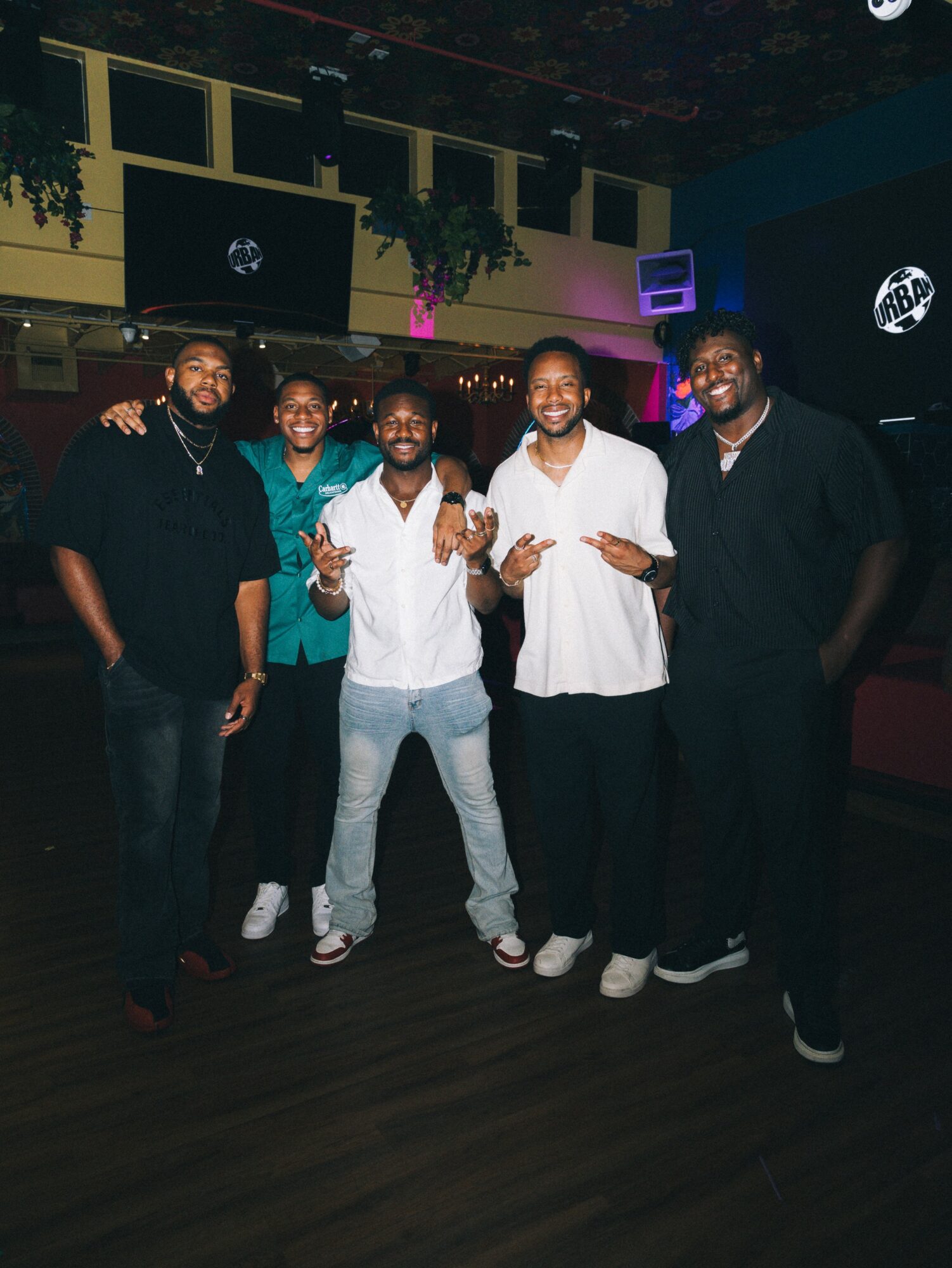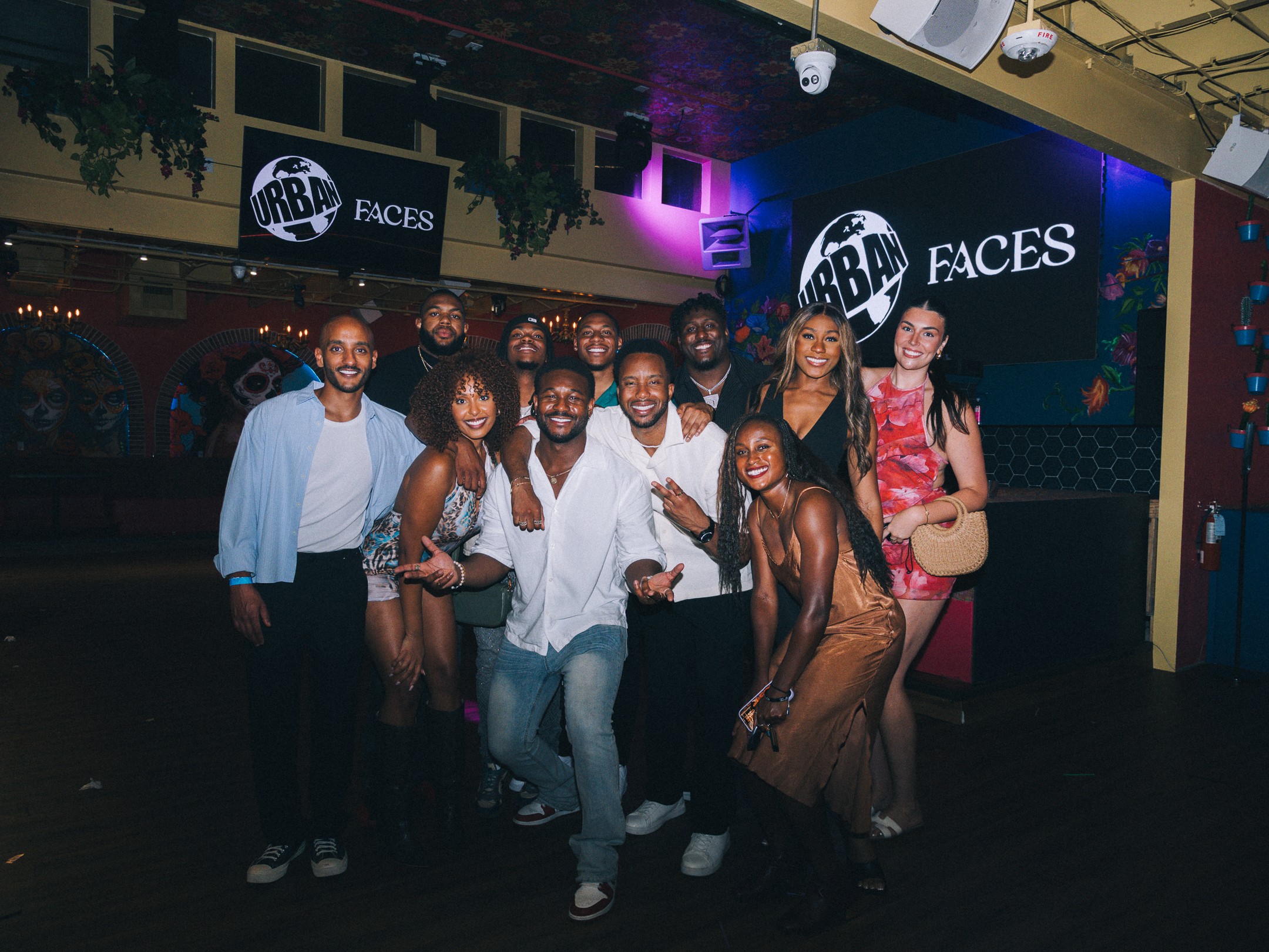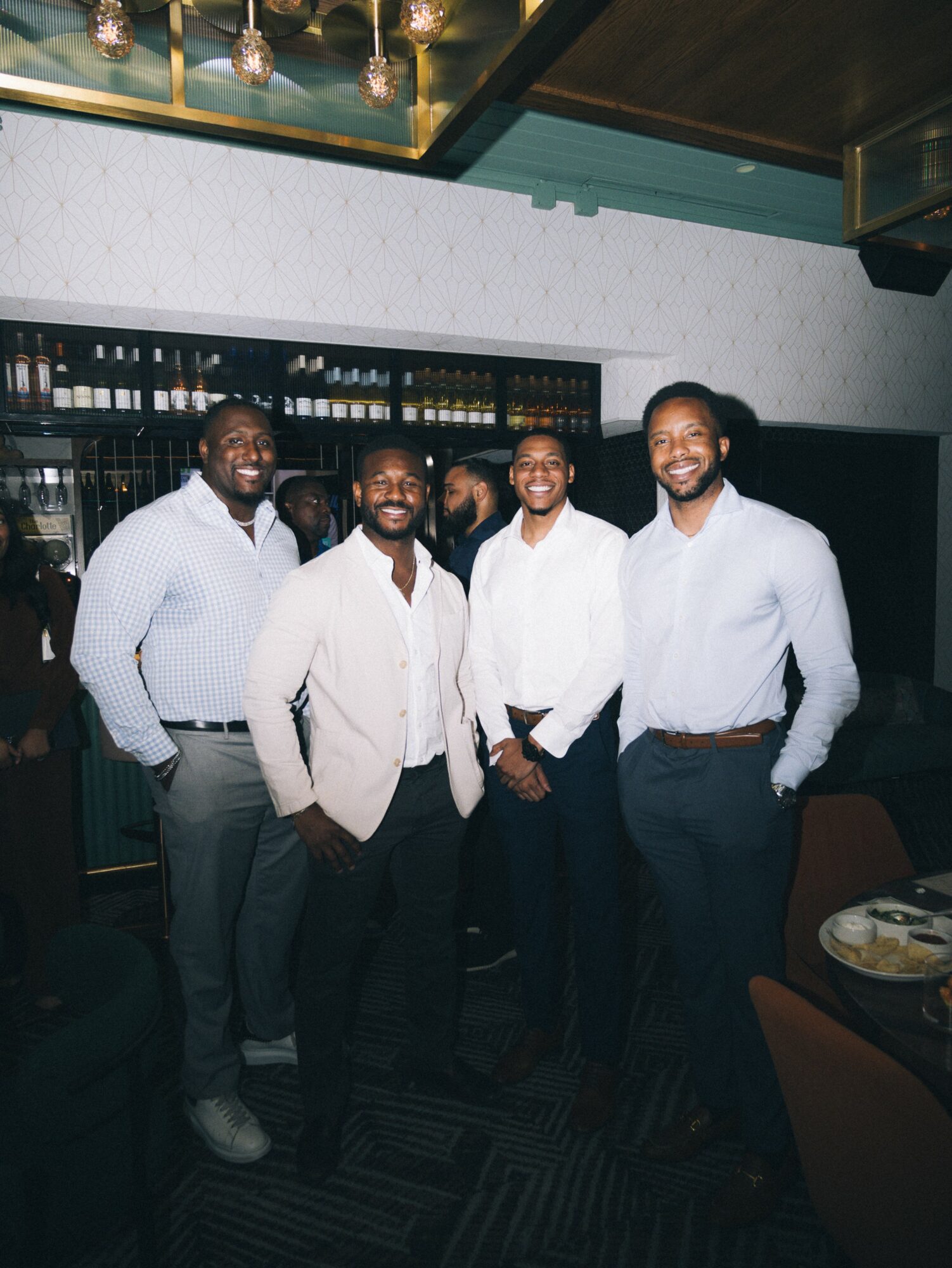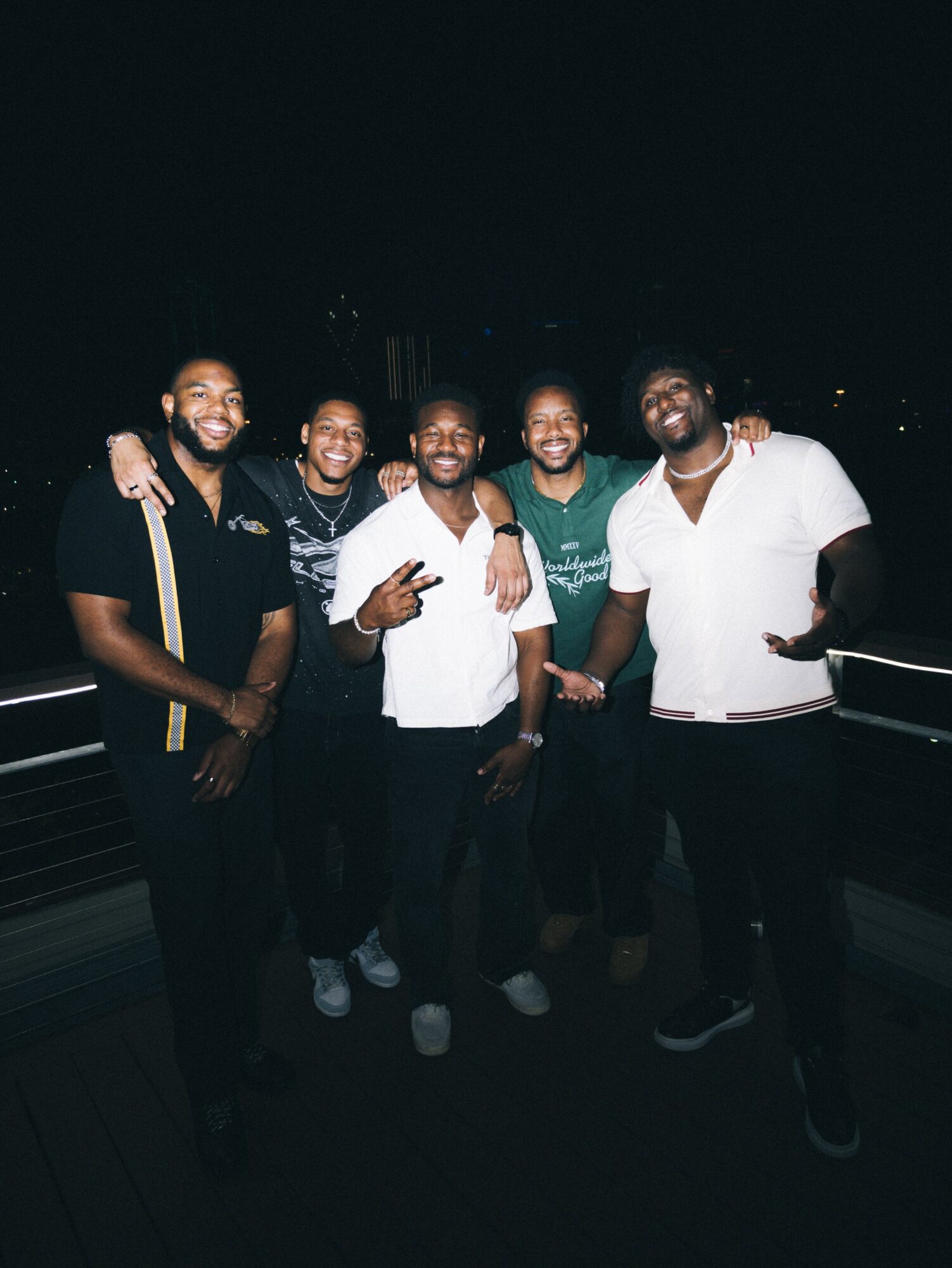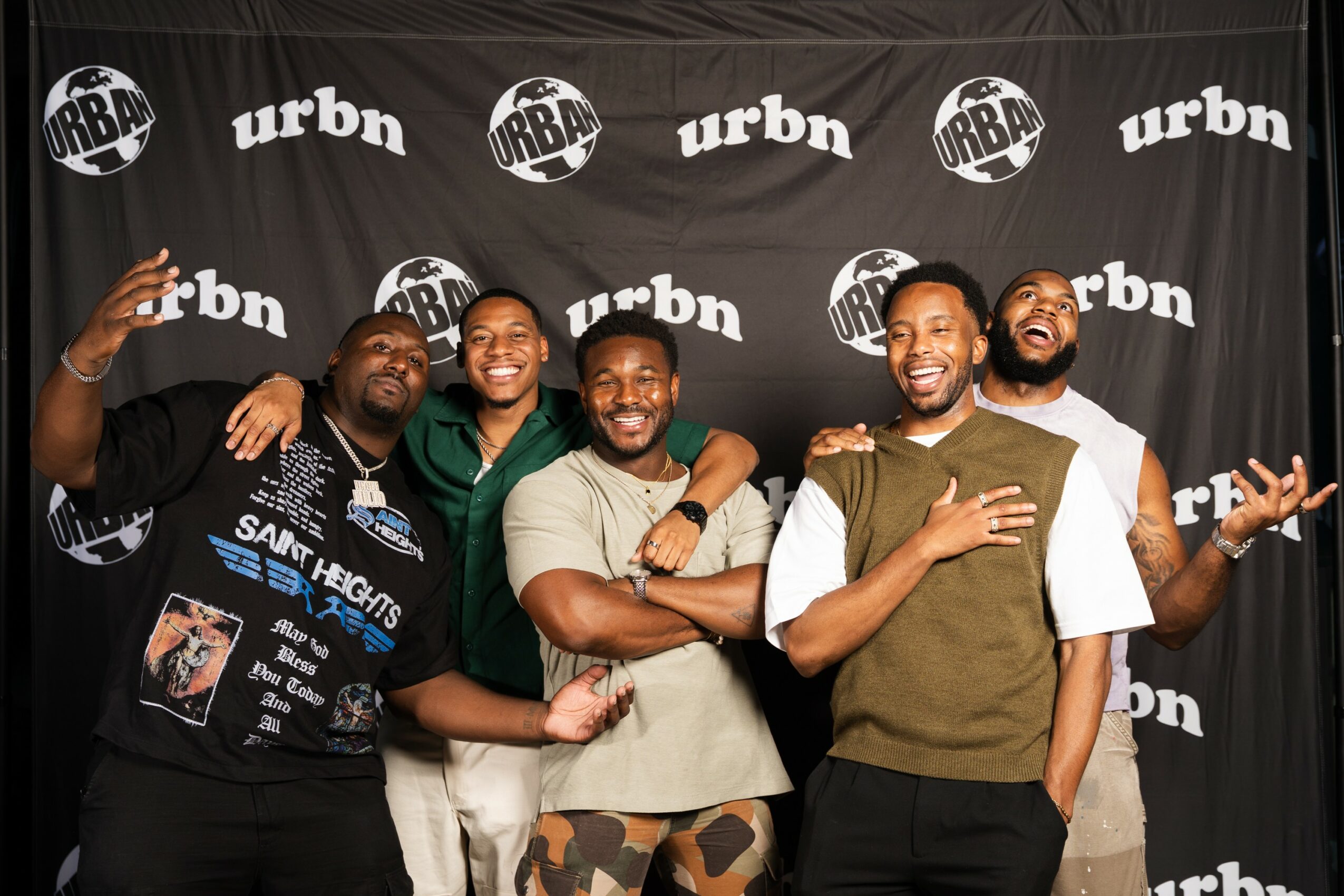



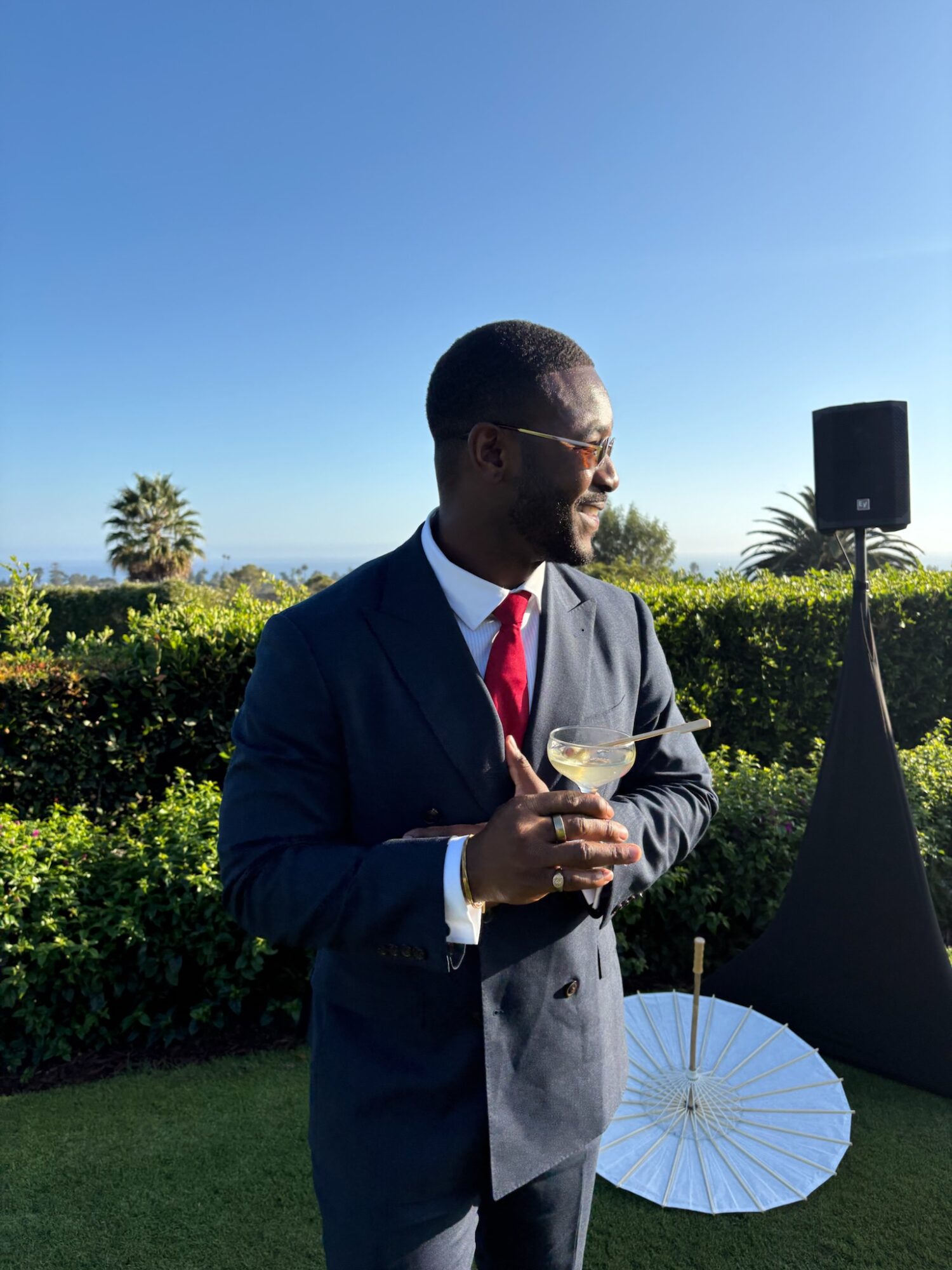
Today we’d like to introduce you to Richard Sodeke.
Hi Richard, we’d love for you to start by introducing yourself.
I moved to Dallas in 2021 by way of Washington, D.C., for a job in commercial real estate. I was born and raised in New Jersey and started my career in Brooklyn, so by the time I arrived in Texas, I had experienced a pretty wide spectrum of culture and nightlife up and down the East Coast.
When I first got to Dallas, the nightlife scene left a lot to be desired. Many of the popular spaces didn’t have many people who looked like me, and the music wasn’t necessarily my cup of tea. On the other hand, the spaces where I did see more people who looked like me often revolved heavily around sections and bottle service. People came with their groups, stayed in their sections, and rarely ventured outside of them. It made it difficult to actually meet people, connect, and experience the room as a community.
Then, in 2022, Double D’s opened its doors, and for me, everything changed.
For the first time in Dallas, I found a space that brought together all kinds of people and made the music the center of the experience. It wasn’t about who had the biggest section or who spent the most money. People were there to dance, discover music, meet each other, and fellowship over a shared appreciation for a great night out.
What made Double D’s special was how consistently it seemed to elicit the same emotion from everyone who walked through the door. It became one of those places people wanted to return to again and again. There were nights when I waited nearly two hours just to get inside. I would get increasingly frustrated standing in line, but somehow, once I finally made it through the doors, I’d end up having the time of my life.
Working in real estate, I couldn’t help but look at it through the lens of supply and demand. The two-hour line was evidence of the demand. Double D’s had created something Dallas clearly wanted more of.
That observation eventually became an idea.
I got together with a group of friends and asked a simple question: What if, instead of building one permanent venue, we found interesting spaces around Dallas and, for one night at a time, breathed life into them? We wanted to capture some of the same energy that Jermey had created with Double D’s, the feeling that the right people, the right music, and the right environment could completely transform a space.
Our first event was essentially an accidental house party.
We had planned to throw an event at the clubhouse of an apartment building. Security quickly shut that plan down and started kicking everyone out. In the middle of the chaos, one of my friends turned to me and asked, “Do you want to just have the function at my house?”
I said yes.
Everyone relocated, the party continued, and what could have been a failed first event became the beginning of something much bigger.
That pivot became Urban Collective.
And we haven’t looked back since
Can you talk to us a bit about the challenges and lessons you’ve learned along the way. Looking back would you say it’s been easy or smooth in retrospect?
Not at all. Finding spaces has consistently been one of the hardest parts of what we do. In the beginning, without a track record, venues were understandably hesitant to take a chance on us. There were nights when I was putting my own credit card down as a guarantee in case our crowd didn’t spend enough to meet the venue minimum. We were betting on ourselves before anyone else had a reason to.
As we built a track record and proved that we could consistently bring people out, finding spaces became easier but a new challenge emerged. Around the same time, a wave of other event groups began popping up across Dallas, and simply throwing a good party was no longer enough to differentiate ourselves.
That forced us to evolve. The challenge became constantly reinventing what an Urban Collective event could look and feel like finding unexpected spaces, developing new concepts, and creating unique ways to activate them. Rather than attaching ourselves to a single venue or formula, we began treating the city itself as our canvas. The question shifted from “Where can we throw an event?” to “What can we create here that hasn’t been done before?”
As you know, we’re big fans of you and your work. For our readers who might not be as familiar what can you tell them about what you do?
or my day job, I work in commercial real estate acquisitions, where I’m responsible for identifying investment opportunities in the apartment sector. It’s a role that fits me well because it requires a high degree of intellectual rigor, but there’s also an element of the business that is more art than science. You can analyze the numbers, study the market, and build the model, but at some point you still have to walk the property, experience the neighborhood, and develop a conviction that this is a place worth investing your time and money.
I’ve realized that I approach Urban Collective in much the same way. I can walk into an empty venue and begin imagining what it could become the music, the people, the energy, and how each element can interact with the space. In both worlds, I’m ultimately doing the same thing: looking at what exists today, seeing potential that may not be immediately obvious, and figuring out how to bring that potential to life.
What would you say have been one of the most important lessons you’ve learned?
The most important lesson I’ve learned throughout this journey is to have patience and trust the process. Early on, when we first started hosting events, I would panic if ticket sales weren’t tracking where I thought they needed to be for us to at least break even. The same thing would happen when reaching out to DJs on social media some would take days, sometimes even weeks, to respond, and I’d immediately start questioning the viability or potential success of the event.
But almost every time, things ultimately worked themselves out. The tickets sold, the DJ responded, or another opportunity came together that was just as good, if not better. Looking back, I realized that so much of the stress and anxiety I experienced was simply wasted emotional and mental bandwidth. I’ve learned that not everything has to come together immediately. Sometimes you just have to do the work, give things time, and trust that the process will play itself out.
Contact Info:
- Website: https://www.instagram.com/urbancollective.x/?hl=en
- Instagram: https://www.instagram.com/richsodeke/
- LinkedIn: https://www.linkedin.com/in/richsodeke