


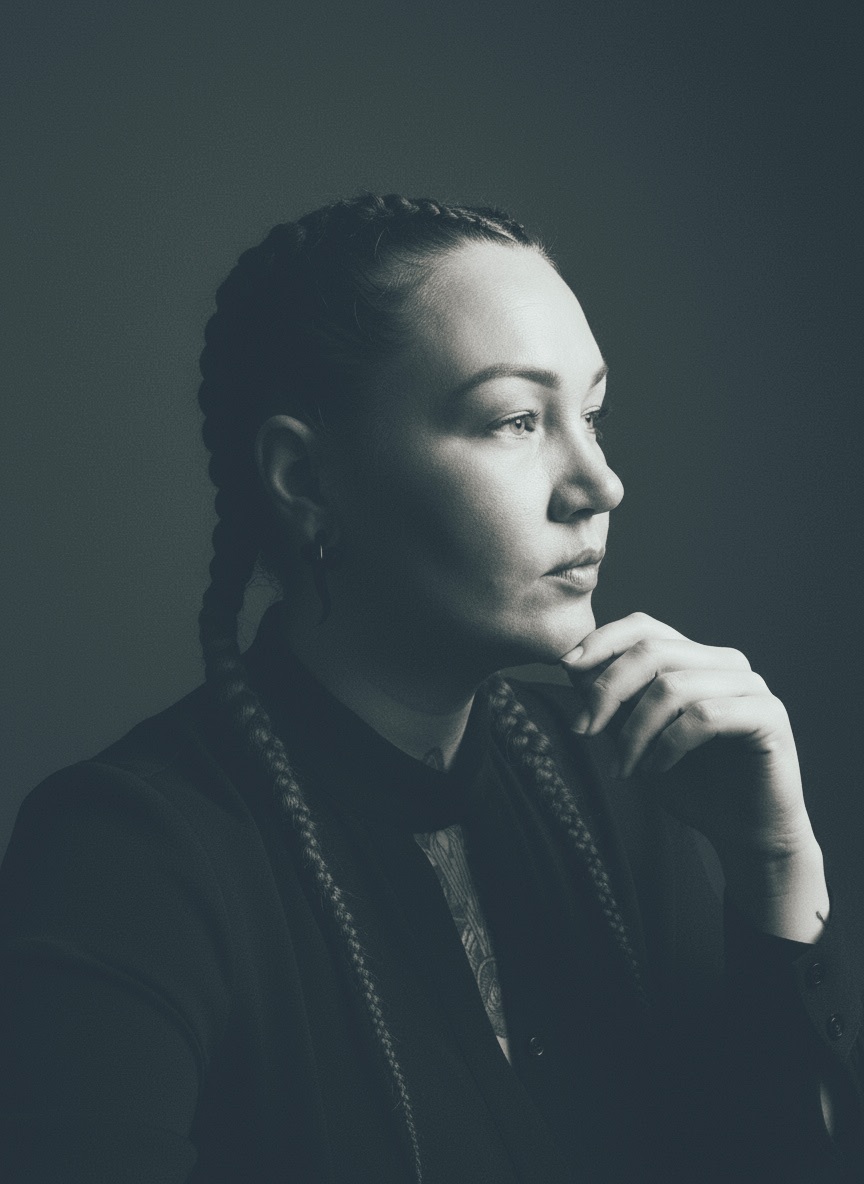
Today we’d like to introduce you to Robin Ogg.
Hi Robin, so excited to have you with us today. What can you tell us about your story?
The Spark: From Craft to Career
My journey with FG Metalwork really started with a fascination for the transformation of raw materials. I’ve always been drawn to the industrial side of art—taking a cold sheet of steel and giving it character. I didn’t just want to build functional items; I wanted to create pieces that felt like they had a history. That’s why I leaned so heavily into specialized “Living Finishes,” using hand-applied chemical patinas to create that weathered, rusted look that has since become a signature for my brand.
The Growth: Bridging Tech and Trade
As the business grew, I realized that to stay competitive and creative, I needed to bridge the gap between old-school fabrication and modern technology. I integrated CNC plasma cutting and digital design into my workflow, which allowed me to scale from small custom signs to massive architectural projects. Learning to navigate tools like Adobe and CAD programs wasn’t just about efficiency—it was about being able to say “yes” to the complex, custom visions my clients brought to me.
The Milestone: Community and Scale
The turning point for FG Metalwork was when my work started reflecting the heart of the East Texas community. Moving from private gate installations to large-scale civic projects—like the monument for the Houston County Custom Cowboys Memorial or the commemorative emblem for Senator Robert Nichols—really solidified my place as a local fabricator. These projects taught me how to manage the “big picture” while maintaining the fine detail that a custom shop is known for.
Today: A Multi-Faceted Brand
Today, I’m proud to say that FG Metalwork is incredibly versatile. On any given day, I might be fabricating a custom gate, converting a horse trailer into a mobile bar for a local event, or working on metal sculpture.
I got to where I am today by staying rooted in who I am and never being afraid to learn a new tool or technique to get the job done right.
We all face challenges, but looking back would you describe it as a relatively smooth road?
The road ro today has been like a piece of weathered steel: rugged, hard-earned, and full of character. To get FG Metalwork where it is today, I’ve had to grind through some significant challenges that don’t always make it into the final portfolio.
The Learning Curve of the Self-Taught
Since I didn’t take a traditional path, my education happened on the shop floor. Being entirely self-taught meant that every mistake was a lesson I paid for in time and material. Whether it was troubleshooting a glitchy “Trace Bitmap” in Inkscape or mastering the chemical ratios for a perfect rust patina, there was no mentor to ask. I had to be my own tech support, engineer, and artist. That trial-and-error process is rewarding now, but in the beginning, it was incredibly isolating and steep.
The Seven-Day Grind
Growth doesn’t happen on a 9-to-5 schedule. For a long time, the “road” has been a seven-day-a-week commitment. When you’re an independent contractor, you wear every hat—I’m the designer, the bookkeeper, and the social media manager. Balancing the fabrication of a massive monument for the HCCC while organizing a 10-year anniversary event I co own- Nitty Gritty Chopper City means the work never truly stays in the shop. It follows you home, and finding the line between “business owner” and “mom” has been one of my toughest balancing acts.
Breaking the Mold in a Male-Dominated Field
Perhaps the most persistent challenge has been navigating a predominantly male industry. In the world of custom gates, CNC plasma tables, and heavy metalwork, I’m often the only woman in the room—or on the job site. In the beginning, there’s an unspoken pressure to prove you belong there, that your designs are just as strong, and your technical knowledge is just as sharp. Overcoming those initial biases required a level of grit that goes beyond just physical labor; it required building a reputation so solid that the work eventually spoke louder than any stereotype.
Thanks for sharing that. So, maybe next you can tell us a bit more about your work?
In my work at FG Metalwork, I’m a metal fabrication artist who bridges the gap between raw industrial labor and fine art.
What I Do & Specialize In
I specialize in bespoke metal fabrication, with a particular focus on pieces that require a marriage of technology and hand-craftsmanship. My daily work involves:
* Precision CNC Design: Running a 4’x8′ plasma table to create everything from intricate vector-based art to large-scale structural components.
* The “Living Finish”: I am known for my hand-applied chemical patinas and weathered rust finishes. I don’t just want a piece to look “new”—I want it to have soul and character from the moment it leaves the shop.
* Diverse Fabrications: My scope ranges from architectural elements like custom staircases and ADA-compliant handrails to commercial LED signage and artistic sculptures.
What I Am Known For
In East Texas, I’ve become a go-to for high-profile community landmarks. I’m particularly known for:
* The Ritz Theater Railings: Blending historical elegance with modern safety standards to preserve a piece of local history.
* Civic Installations: Creating the monument for the Houston County Custom Cowboys Memorial and the commemorative emblem for Senator Robert Nichols.
* Commercial Branding: Fabricating recognizable signage for local icons like Stockman’s Cafe and Shoemake Construction.
What I Am Most Proud Of
I am most proud of the physical and metaphorical foundation I’ve built. Restoring a collapsed, forgotten building from 1901 with our own hands to create ourvfirst location in Houston County was the largest project of my life. Beyond the bricks and mortar, I am incredibly proud of being a self-taught woman in this industry. Researching hundreds of hours on my own to master the plasma table and proving that a woman can lead in a male-dominated trade is a achievement that defines my work ethic.
What Sets Me Apart
What truly sets FG Metalwork apart is our “Let’s Build Together” philosophy.
* Artist-Led Fabrication: Unlike many industrial shops, I bring a graphic design background to the table. I don’t just cut steel; I help clients visualize and refine their concepts into something better than they imagined.
* The Personal Touch: Whether it’s hand-sculpting metal pinecones for a residence or engineering a massive ranch entrance, every piece is made here in America with a level of honesty and reliability that only a small-town, family-run operation can provide.
* Grit and Grind: I lean into the story of the work. Through my “Grit & Grind” blog, I share the reality of the journey—the balancing act of being a business owner and a mom—which builds a level of trust and connection with my clients that goes far beyond a simple transaction.
Do you have any advice for those looking to network or find a mentor?
1. Let Your Work Be Your Business Card
In a trade-based industry, the best “networking” isn’t a conversation—it’s a finished product. I found that when I put my soul into high-visibility projects like the HCCC Monument or the FastTrack Monument the work started doing the talking for me.
* Advice: Focus on excellence first. When people see you doing high-quality, difficult work, the right mentors will naturally take notice and respect your “grind.”
2. Digital “Shadowing” as Mentorship
When you’re self-taught, you don’t always have a physical mentor in the shop with you. I leaned heavily into “digital mentorship.” I spent hundreds of hours researching, watching master fabricators online, and troubleshooting software like Inkscape through community forums.
* Advice: If you can’t find a local mentor, find a global one. Follow the people who are 10 steps ahead of you, study their techniques, and don’t be afraid to reach out with a specific, technical question. Most pros respect someone who has clearly done their homework.
3. Build Your Own “Hub”
Networking doesn’t have to happen in a boardroom. By restoring a 1901 building in downtown and turning it into a 5,000-square-foot shop, I created a physical space that naturally draws people in. By being a presence in the community, I became a “hub” rather than just another business owner.
* Advice: Don’t just attend events—be a fixture in your local industry’s community. It changes the dynamic from you seeking a connection to you providing value.
4. Own Your “Outsider” Status
Being a woman in this field used to feel like a barrier, but I learned to use it as a networking strength. It makes you memorable. When I walk onto a job site or into a meeting, I embrace the fact that I’m bringing a different perspective—balancing the “grit” of fabrication with an eye for “artistic finish.”
* Advice: Don’t try to blend in. Your unique background (like being a “Mom-preneur” or a self-taught artist) is actually your greatest networking asset because it makes you stand out in a crowded field.
5. The “7-Day” Rule
Consistency is a form of networking. Showing up every day, being reliable, and being seen in the community—whether it’s at local diners or civic meetings—builds a “reputation of presence.”
* Advice: Networking is just building trust over time. Be the person who always answers the phone, always shows up, and always delivers what they promised. That reliability will open more doors than any fancy networking event ever could.
Contact Info:
- Website: https://www.fgmetalwork.com
- Instagram: FGMETALWORK
- Facebook: FGMETALWORK
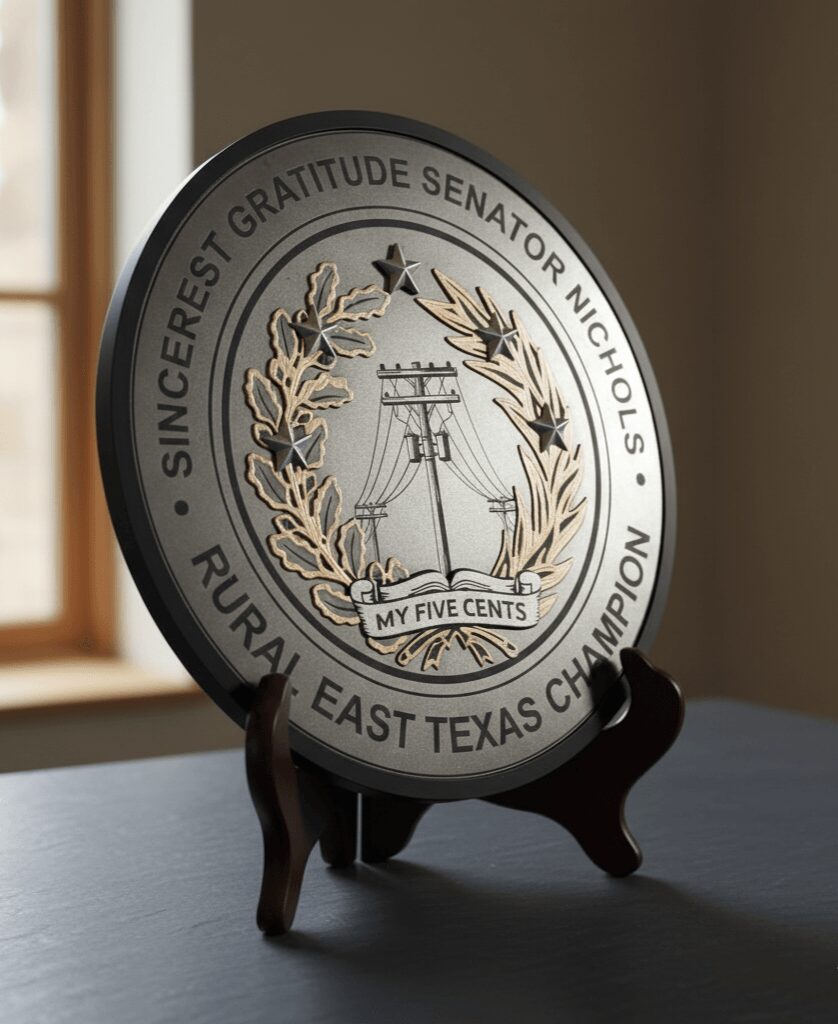
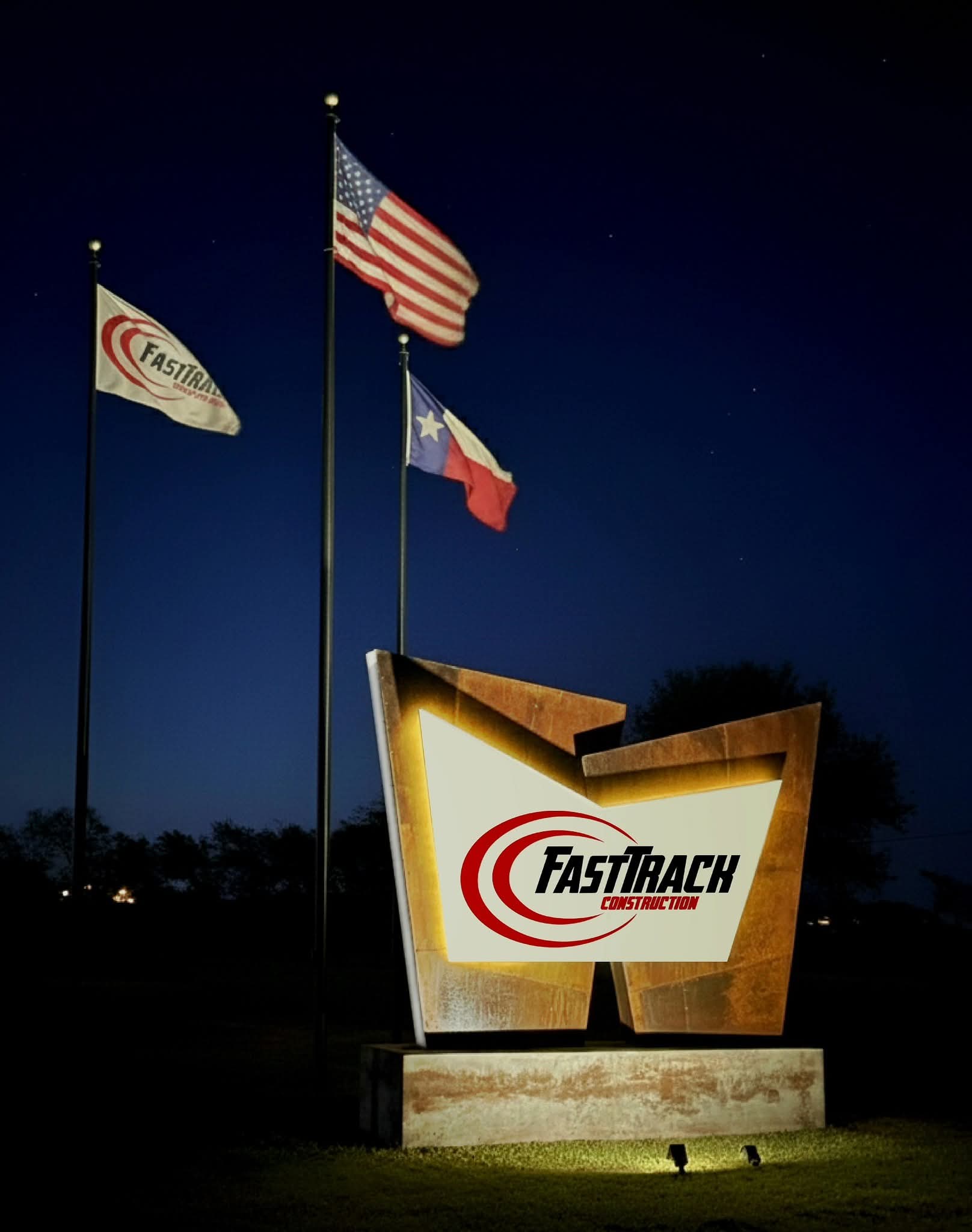
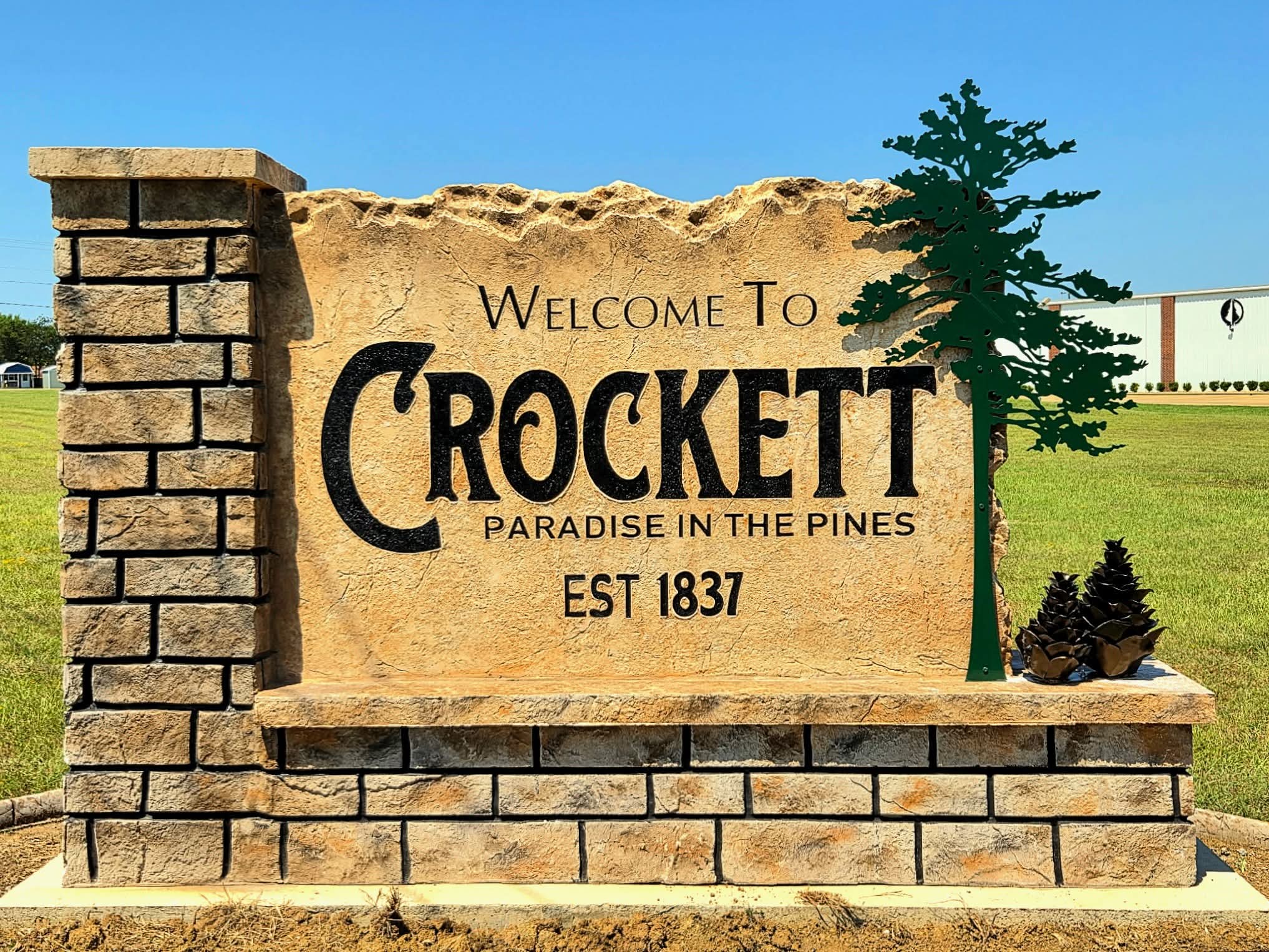
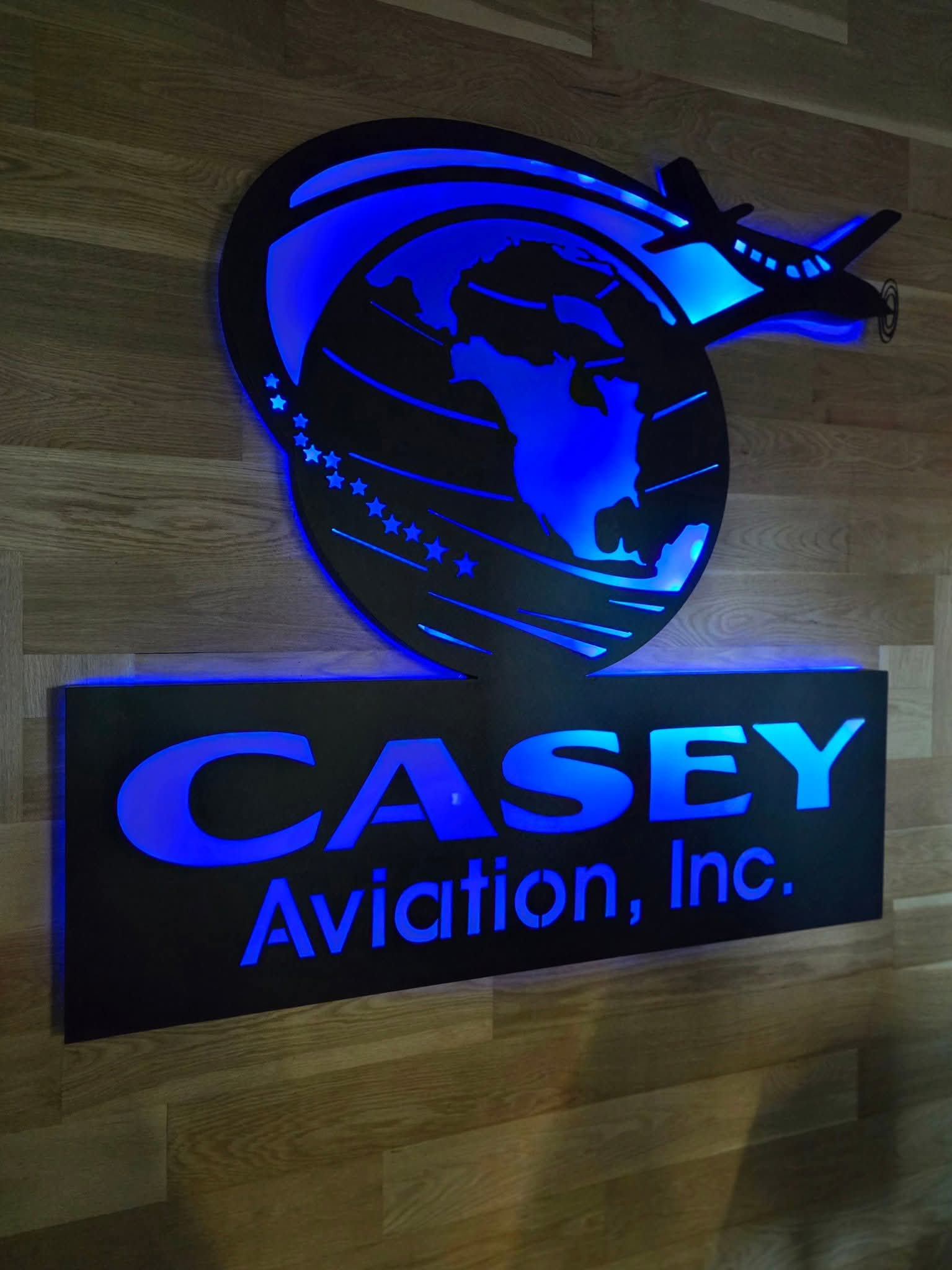
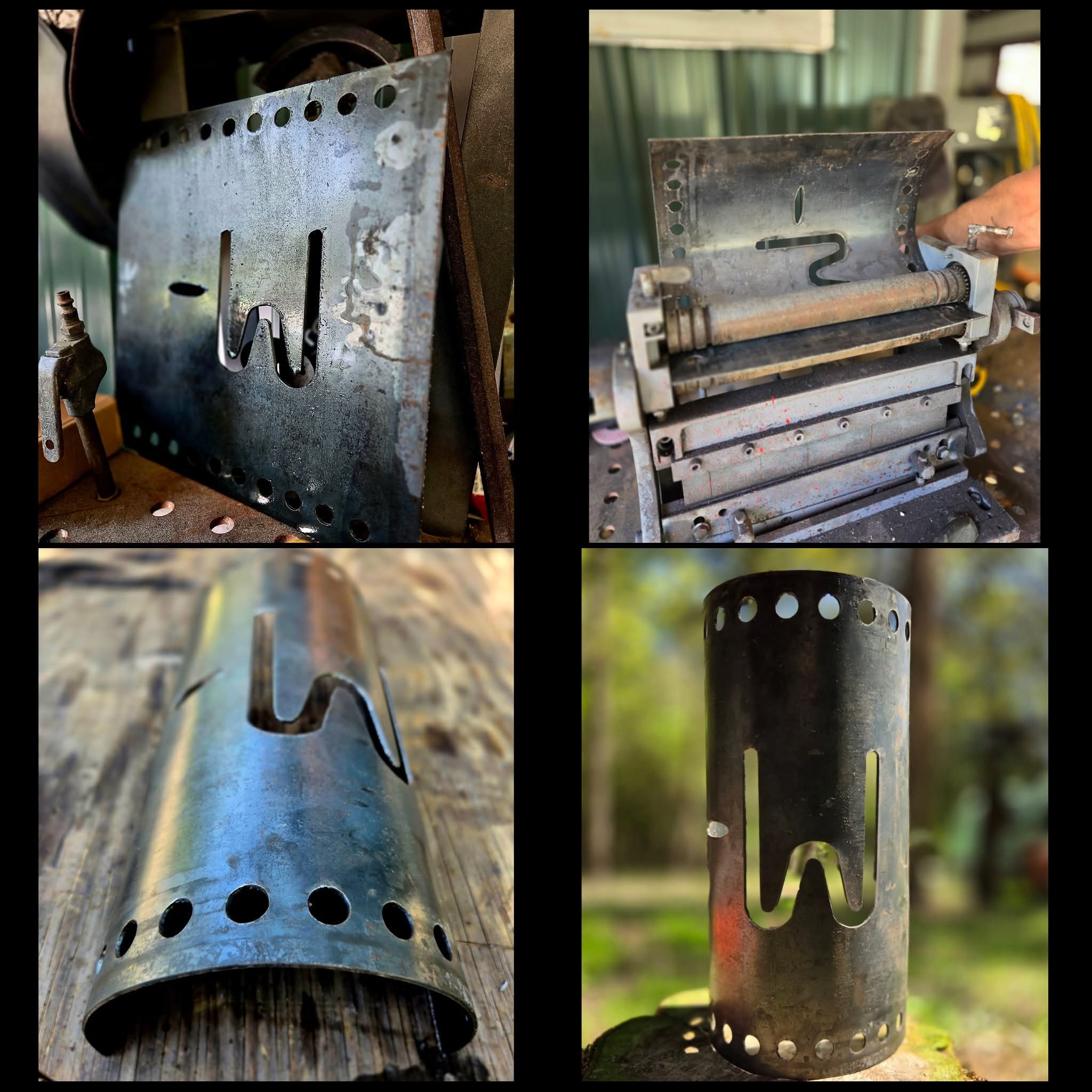
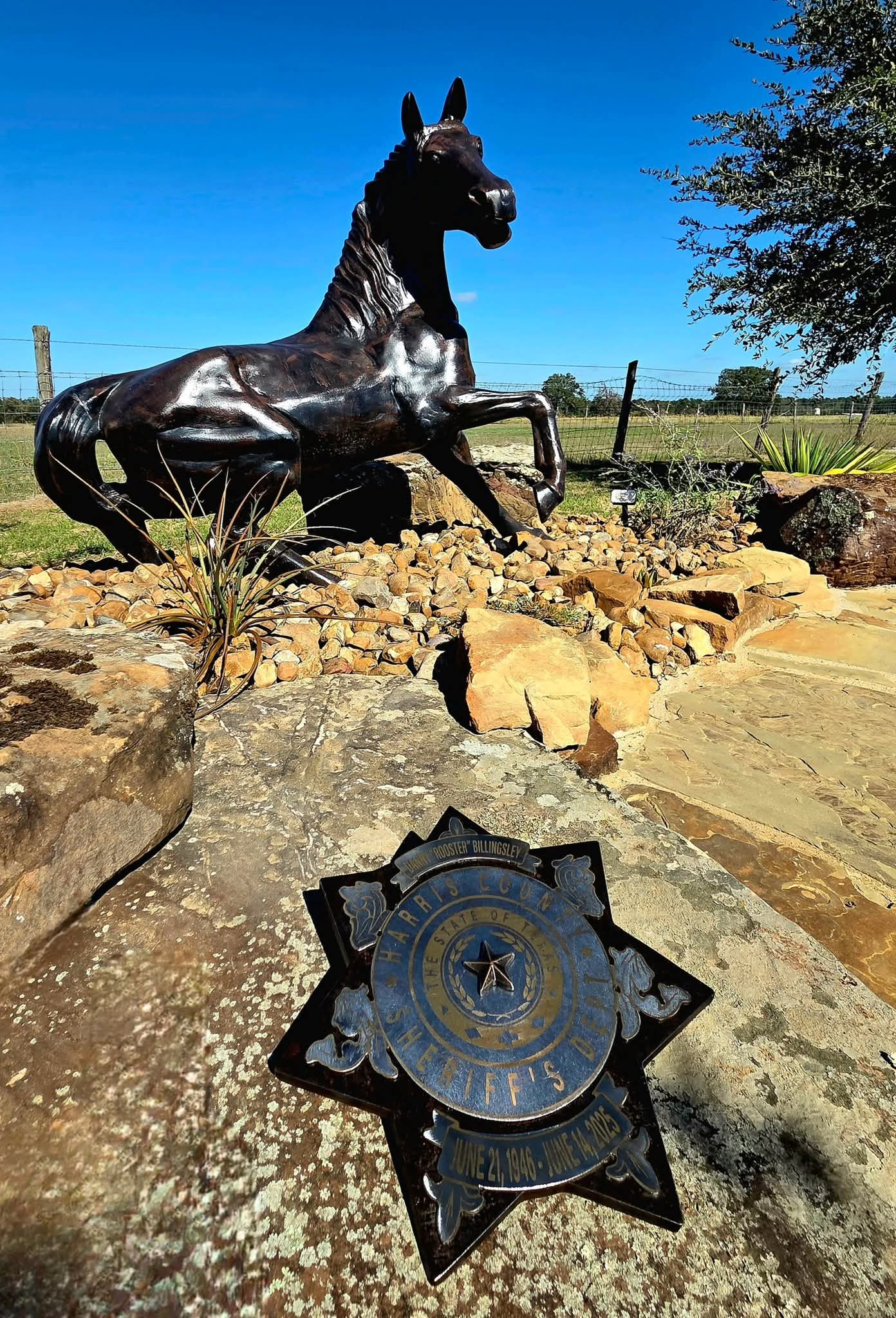
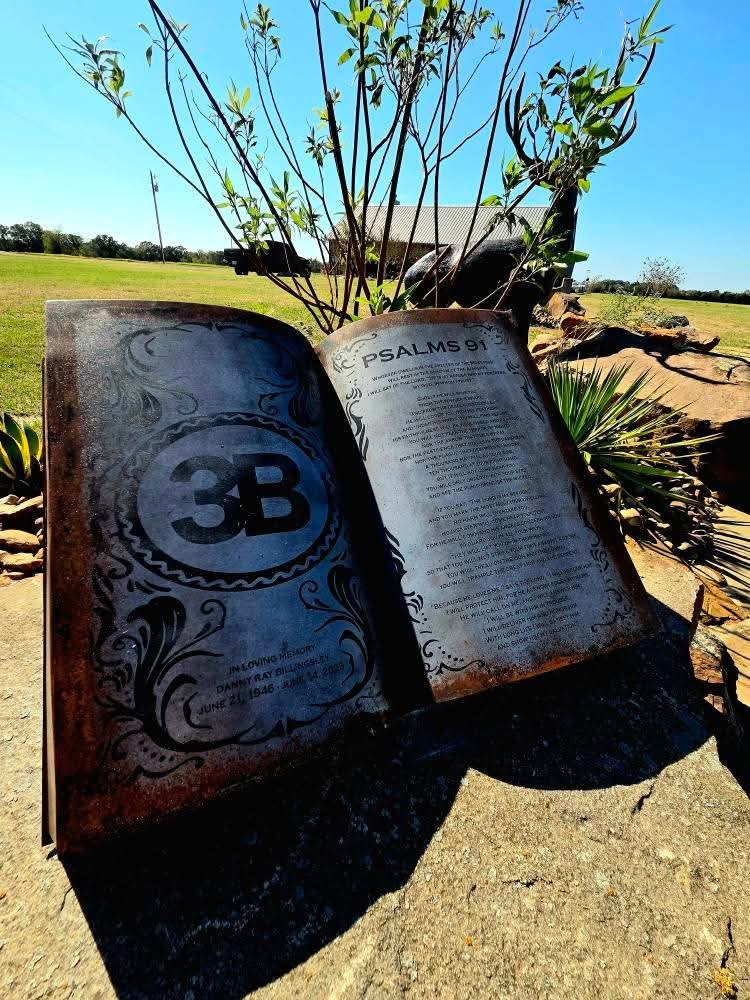
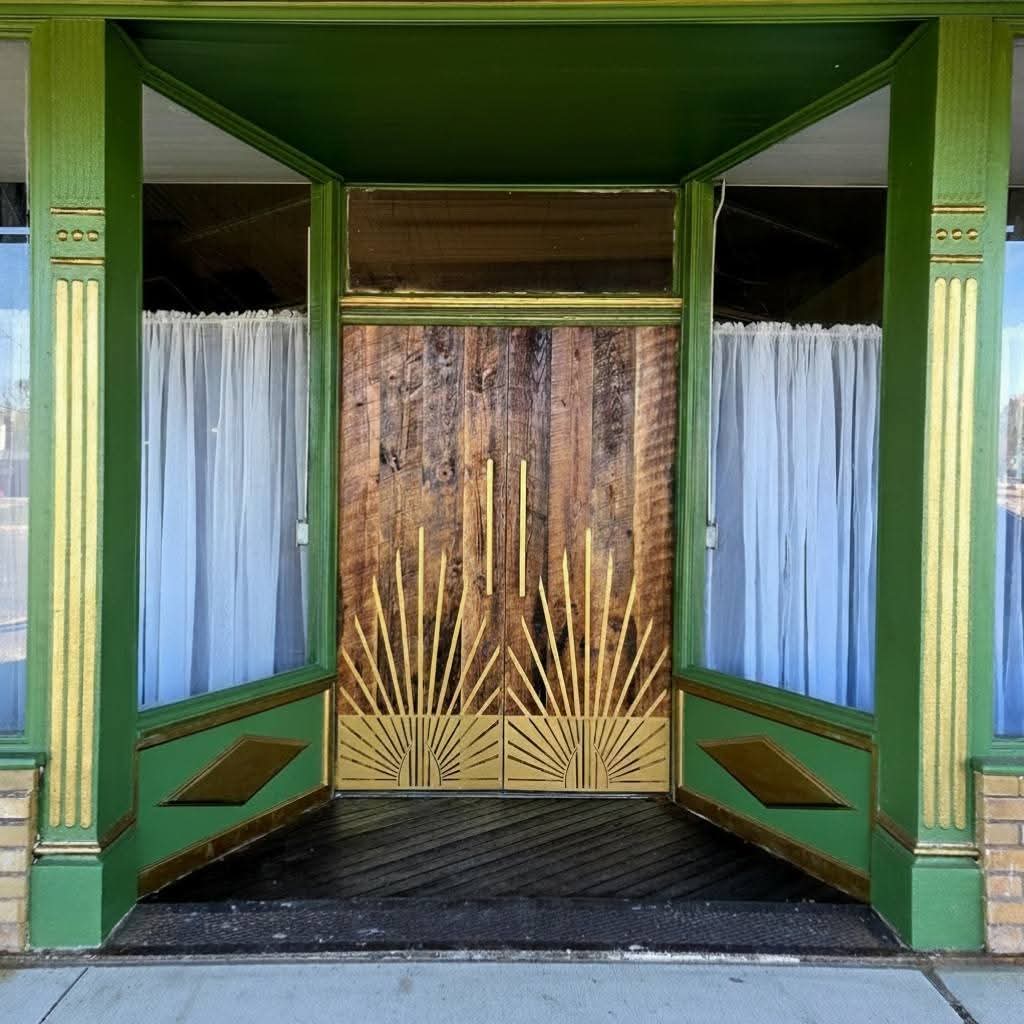
Image Credits
Robin Ogg – photographer
Popular
-
Deborah Fessenden on Turning Foraged Beauty into Purpose-Driven Jewelry and Advocacy
-
Andrew Finch on Building Elite Athletes Through Fundamentals, Mindset, and Global Experience
-
Genai Walker on Turning Life Experience into Impact Through Writing, Business, and Self-Mastery
-

The Most Inspiring Stories in Dallas