





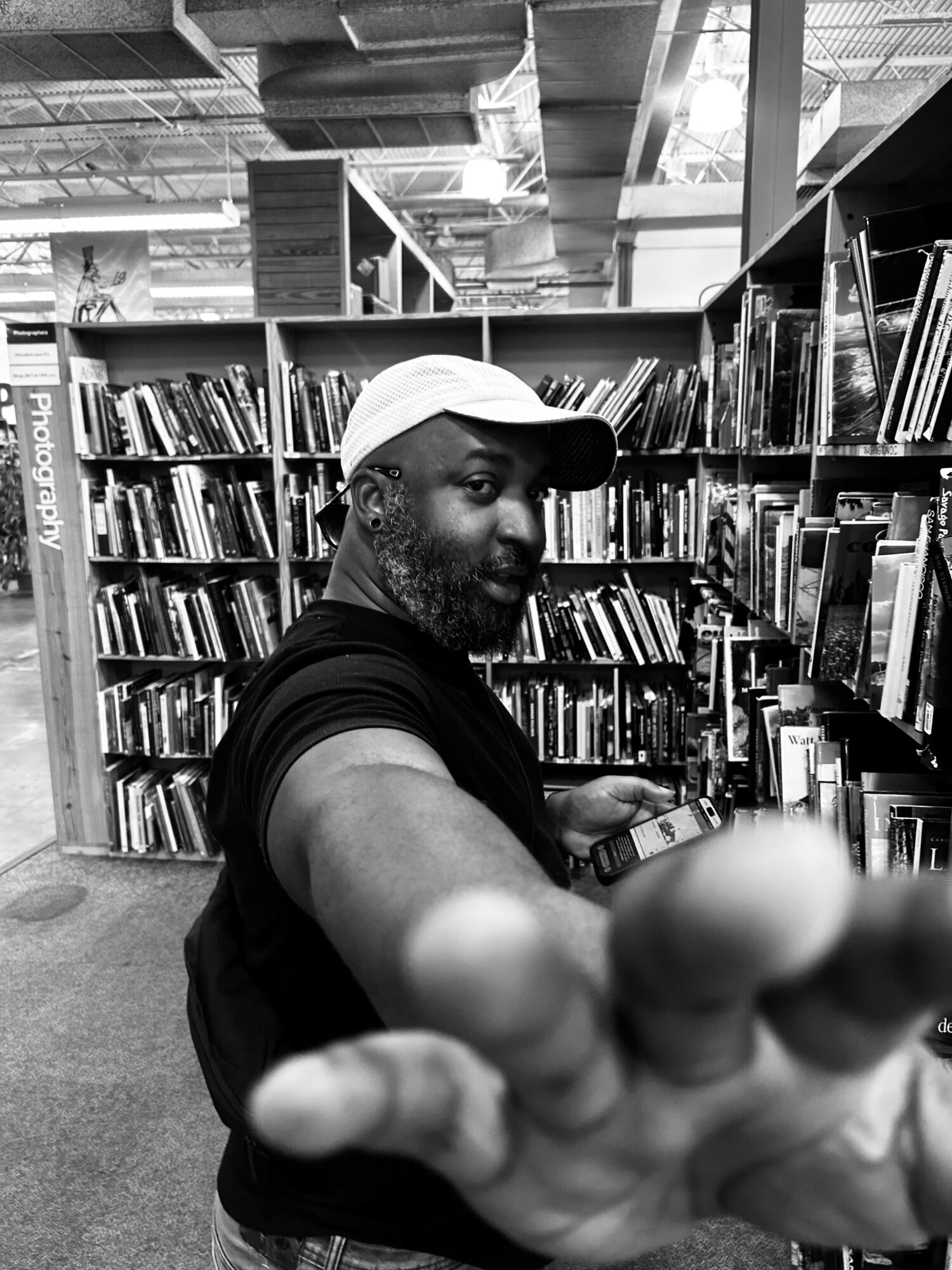
We’re looking forward to introducing you to Darin Triplett. Check out our conversation below.
Darin, so good to connect and we’re excited to share your story and insights with our audience. There’s a ton to learn from your story, but let’s start with a warm up before we get into the heart of the interview. What are you being called to do now, that you may have been afraid of before?
I’m being called to embrace intimacy as an expansive part of my life rather than something that needs to be narrowly defined or constrained. For a long time, I understood relationships through a framework of limitation—certain roles, certain boundaries, certain expectations. Now I’m recognizing that intimacy has a wider range, and that connections can coexist, evolve, and support one another without being in conflict.
This shift has changed how I move through the world and how I build EROS. I’m designing my life and my work around presence and transparency. I’m allowing relationships—creative, personal, intellectual, emotional—to inform my practice in a way that feels honest and sustainable. Instead of reducing connections to fit a prescribed structure, I’m letting them hold their own shape and purpose.
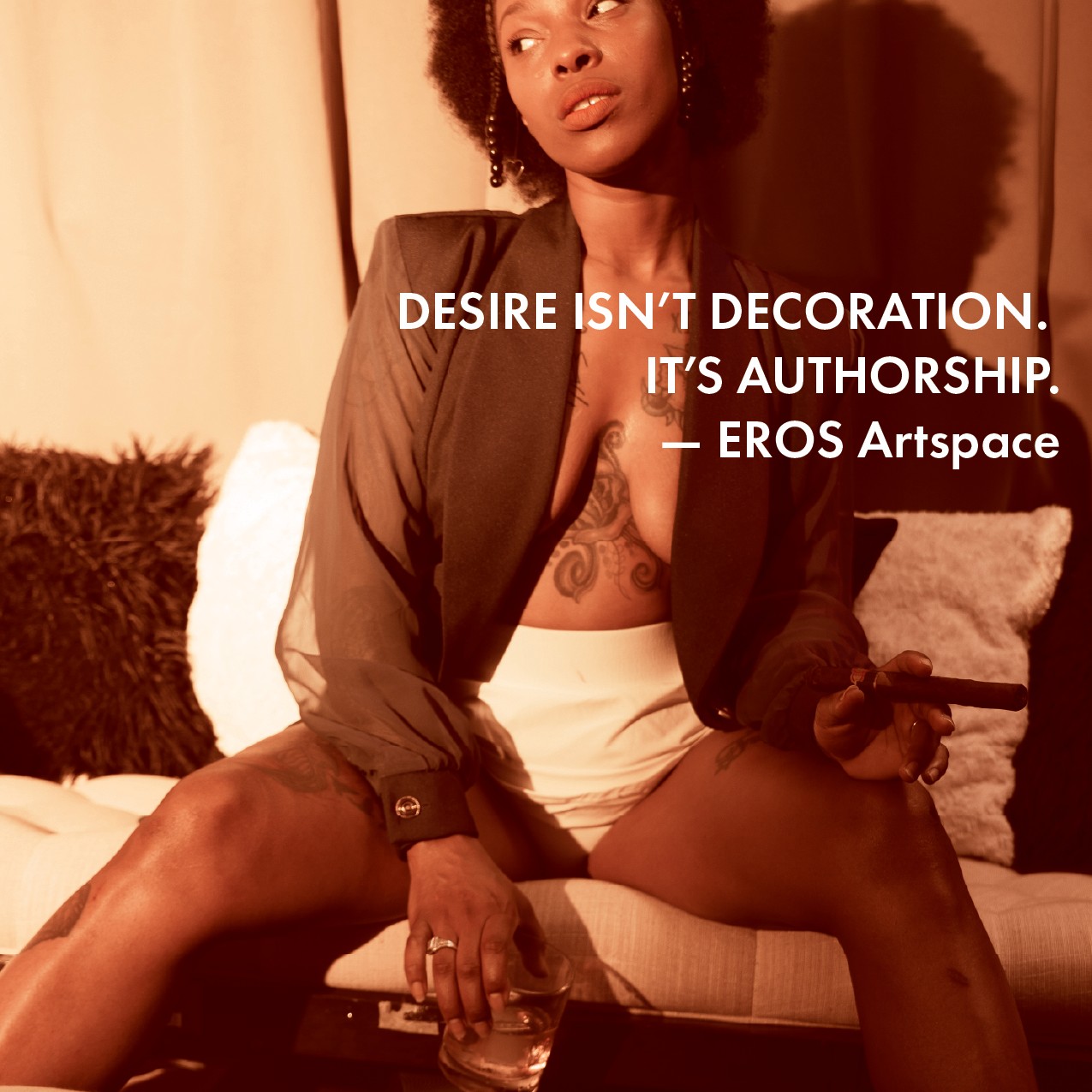
That perspective is central to EROS. The gallery is built on the belief that intimacy isn’t a single moment or a singular type of interaction. It’s a spectrum that includes conversation, curiosity, attention, aesthetics, desire, and the willingness to engage with people in a real and grounded way. It’s about creating space for depth, not spectacle; for connection, not performance.
Answering this calling means leading with clarity about what influences me and how I relate to the world. It means acknowledging that the people in my life and the relationships I build directly shape the work I create and the environments I design. It means aligning my personal philosophy with my artistic practice, instead of keeping them separate.
What I once hesitated to claim was the visibility that comes with living this way. It requires a level of self-trust and openness that can feel uncomfortable. But now I see that this approach is necessary. It reflects the core values of EROS: abundance, honesty, and the freedom to build connection without reducing it.
Ultimately, I’m being called to live in full alignment—with my work, my relationships, and my understanding of intimacy as something generous, dynamic, and deeply human. That alignment is what gives EROS its foundation, and it’s the direction I’m committed to moving toward.
Can you briefly introduce yourself and share what makes you or your brand unique?
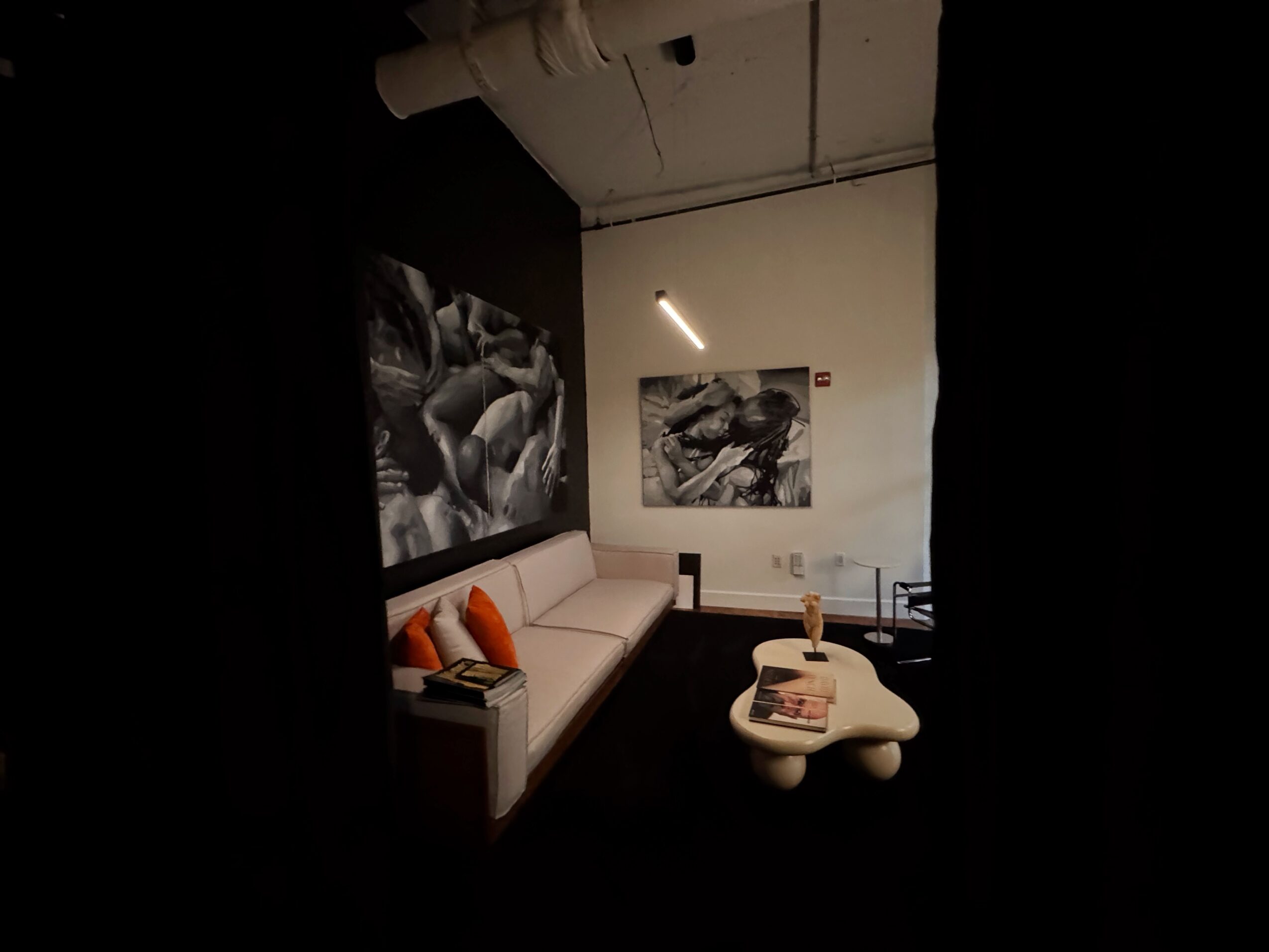
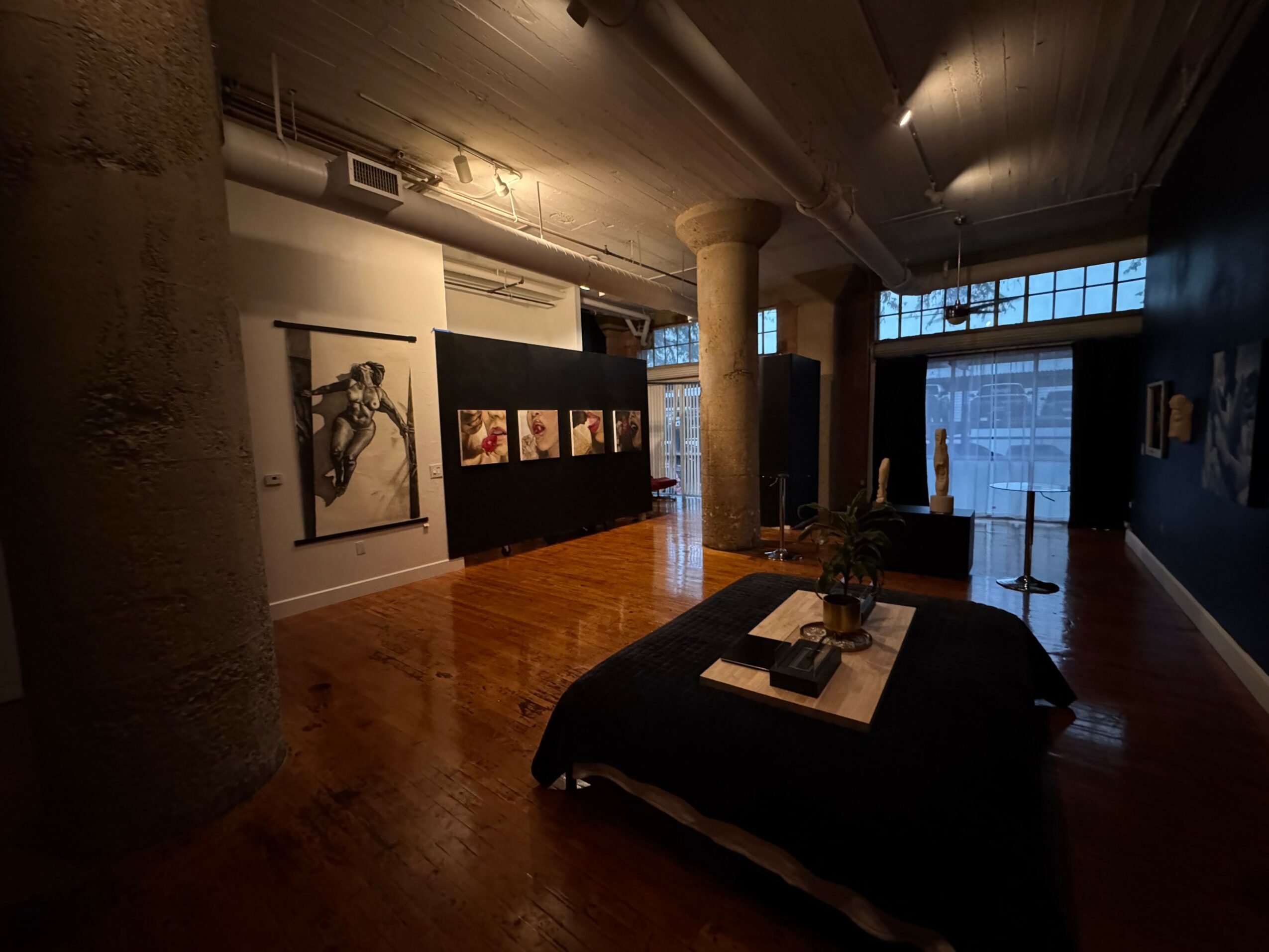
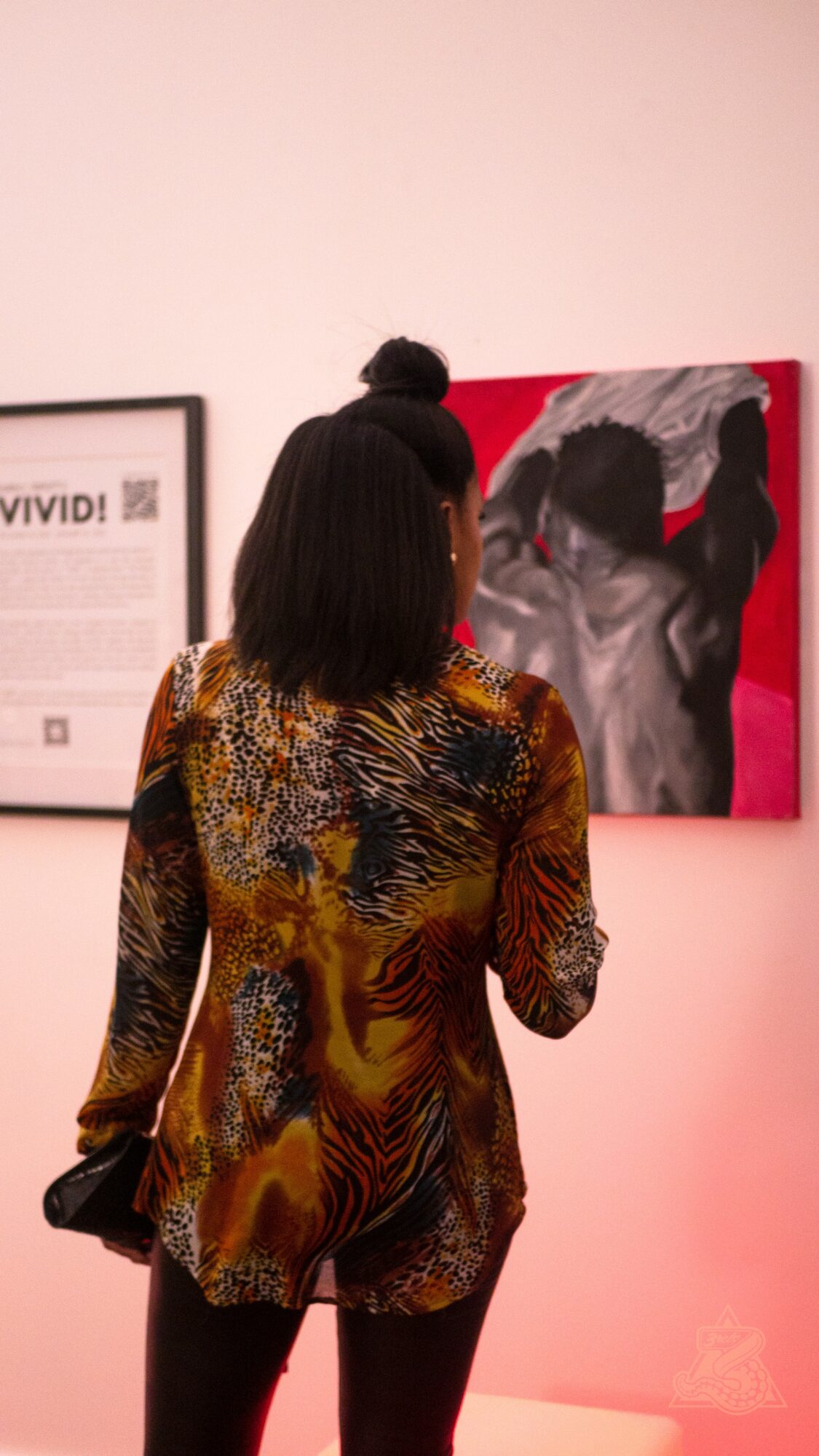
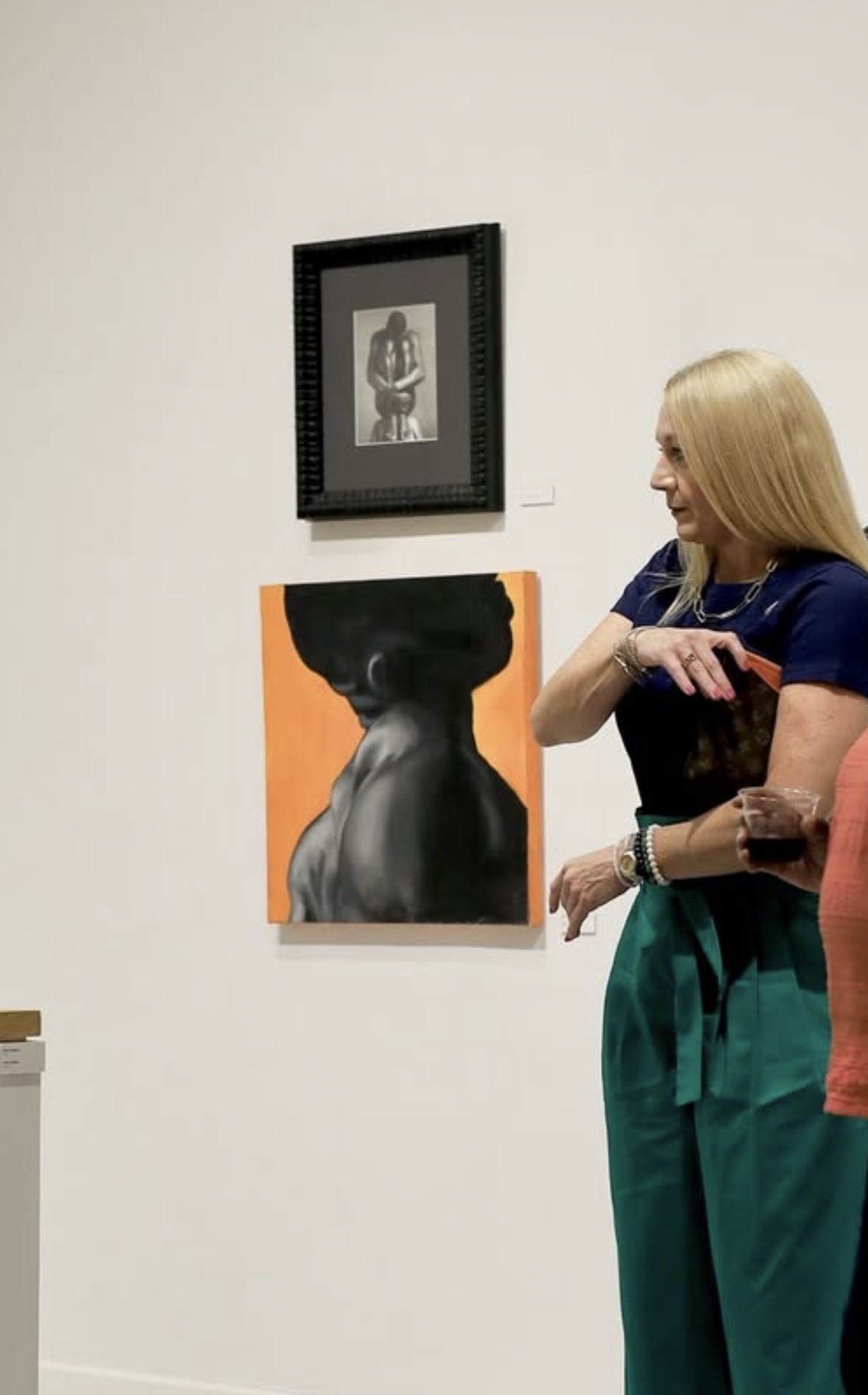
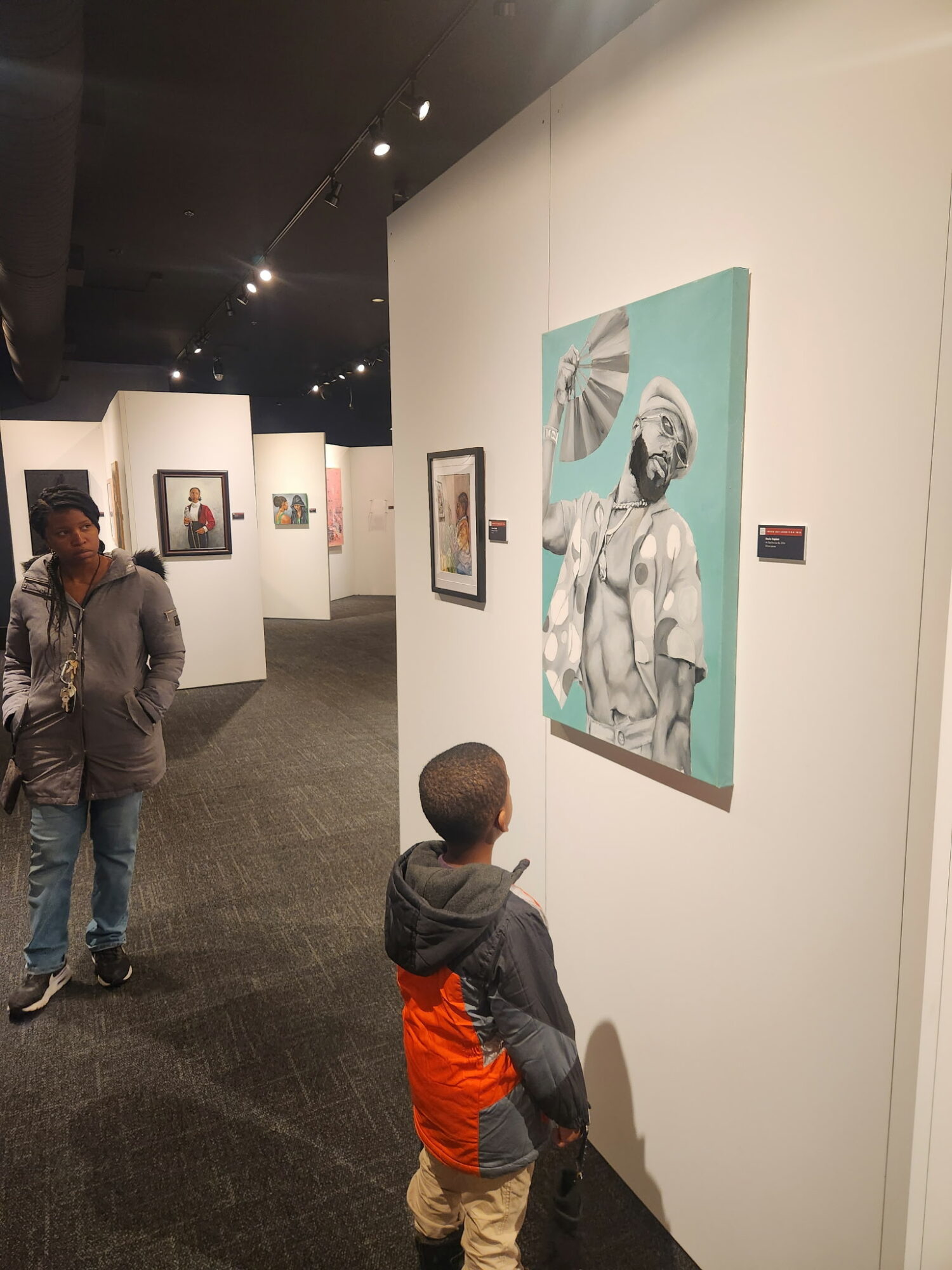
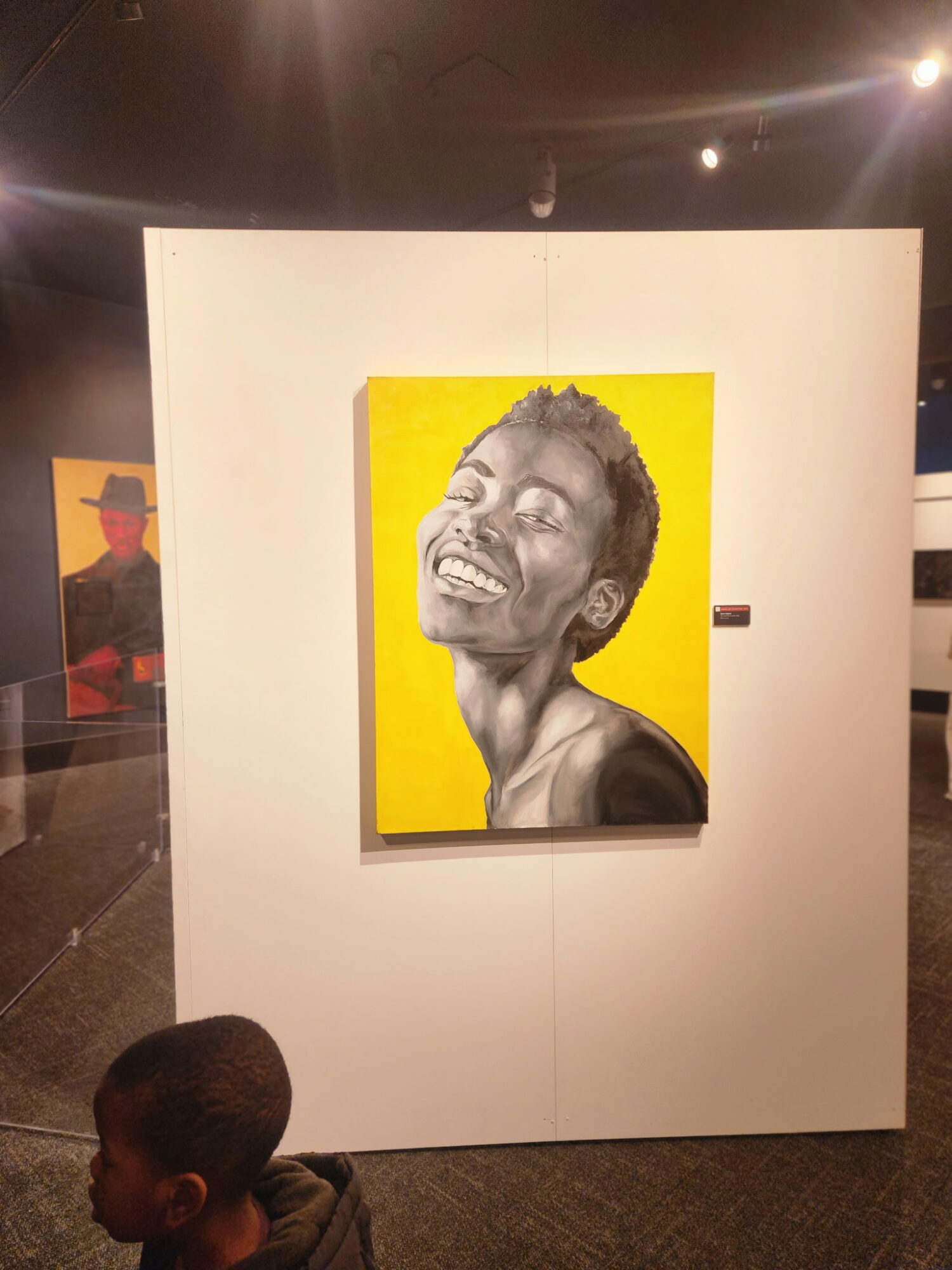
I’m an artist, architect, and curator, and the founder of EROS Artspace in Dallas. My work spans painting, photography, spatial design, and creative writing, guided by an interest in how intimacy, presence, and emotional intelligence function as forms of knowledge. I study how environments shape human connection and how design can invite people to engage with themselves and with others in more grounded, attentive ways.
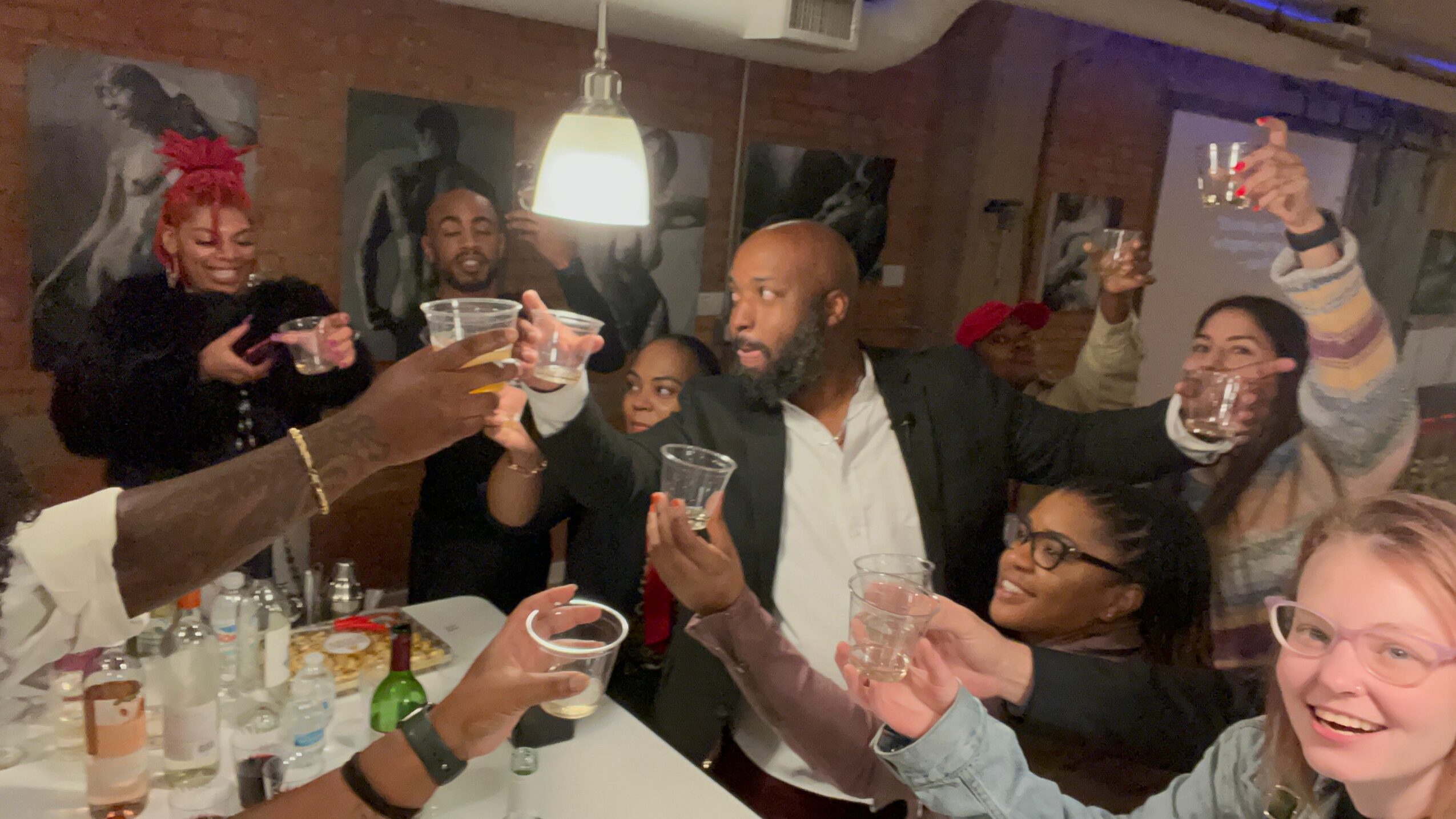
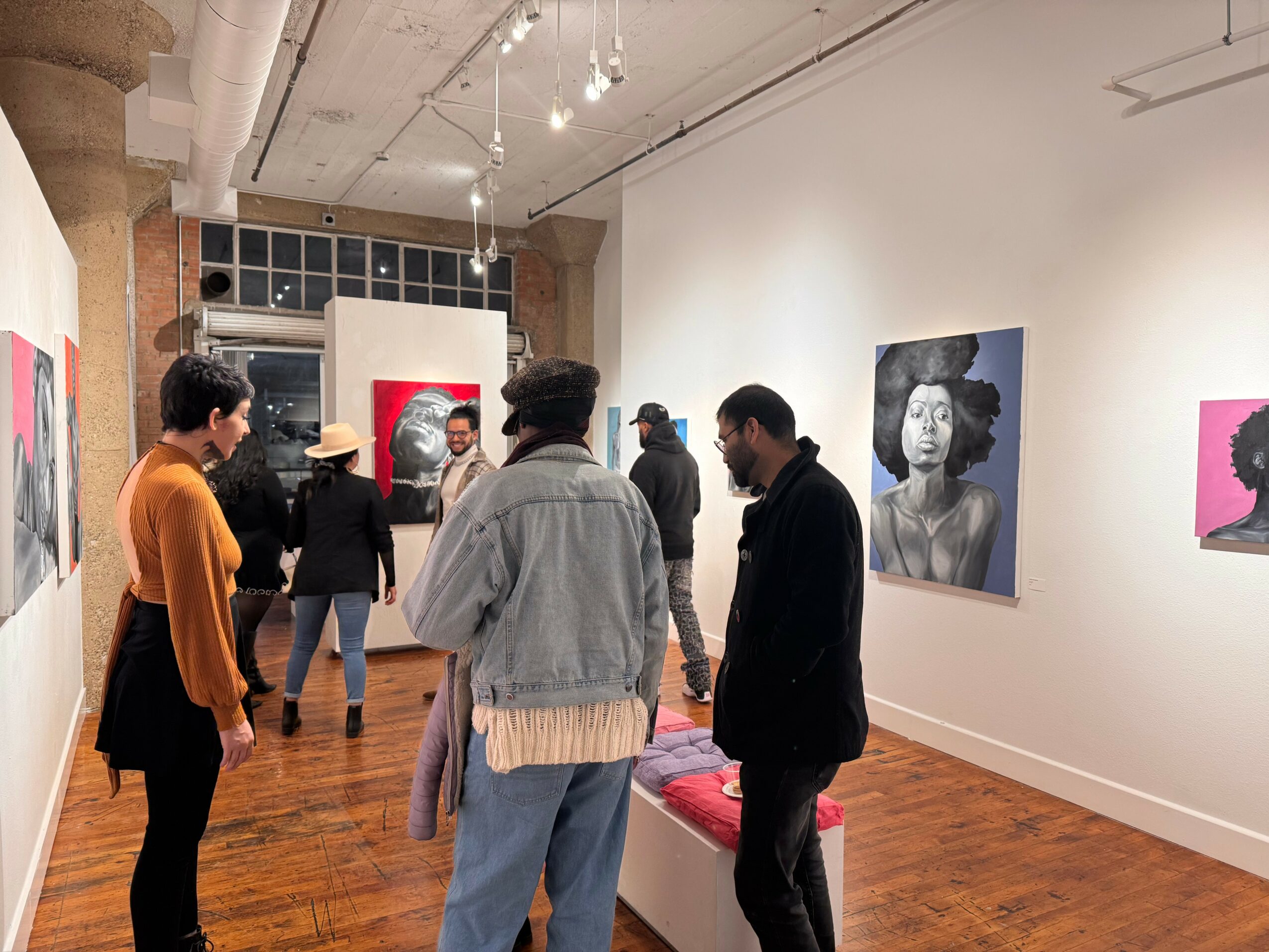
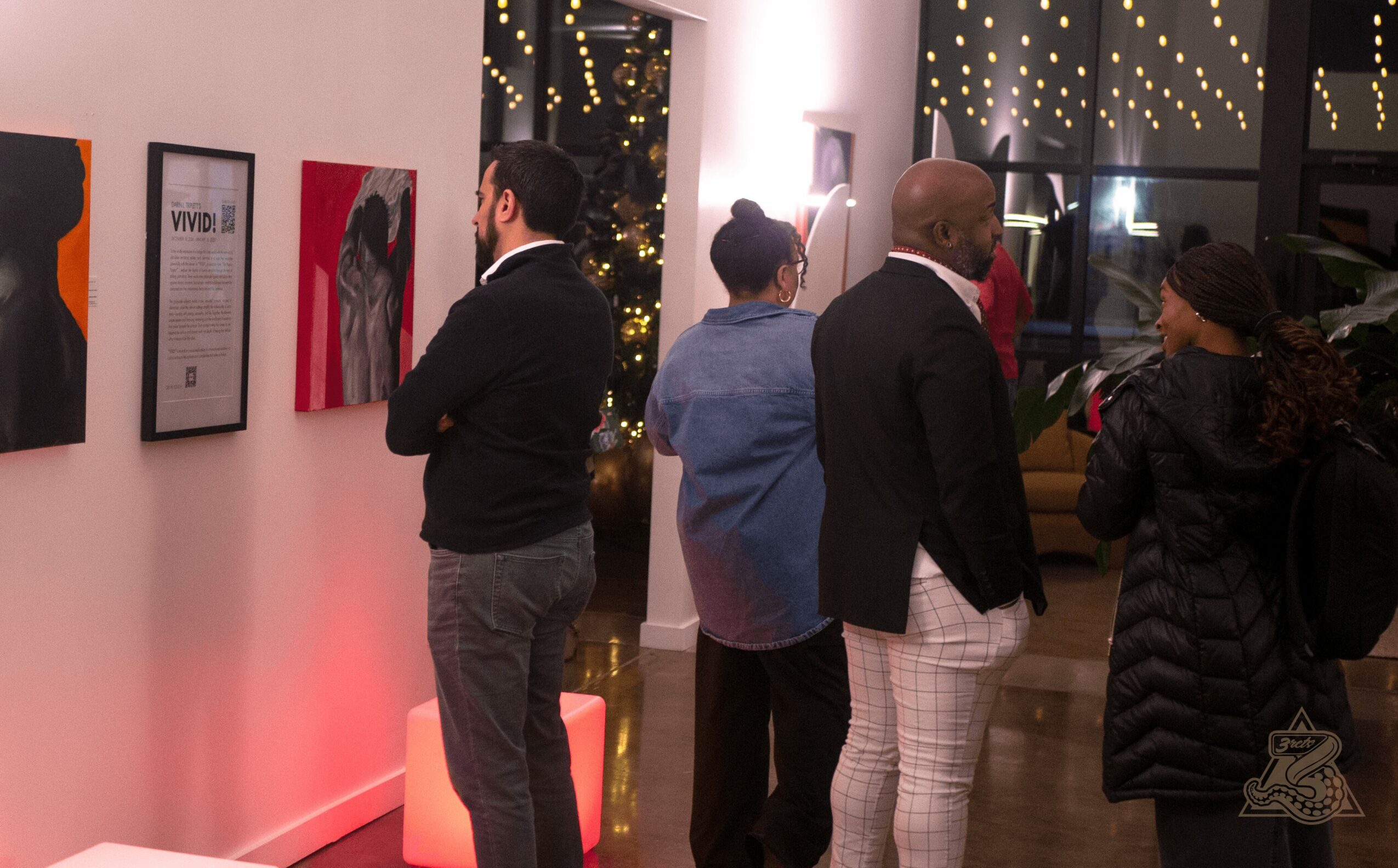
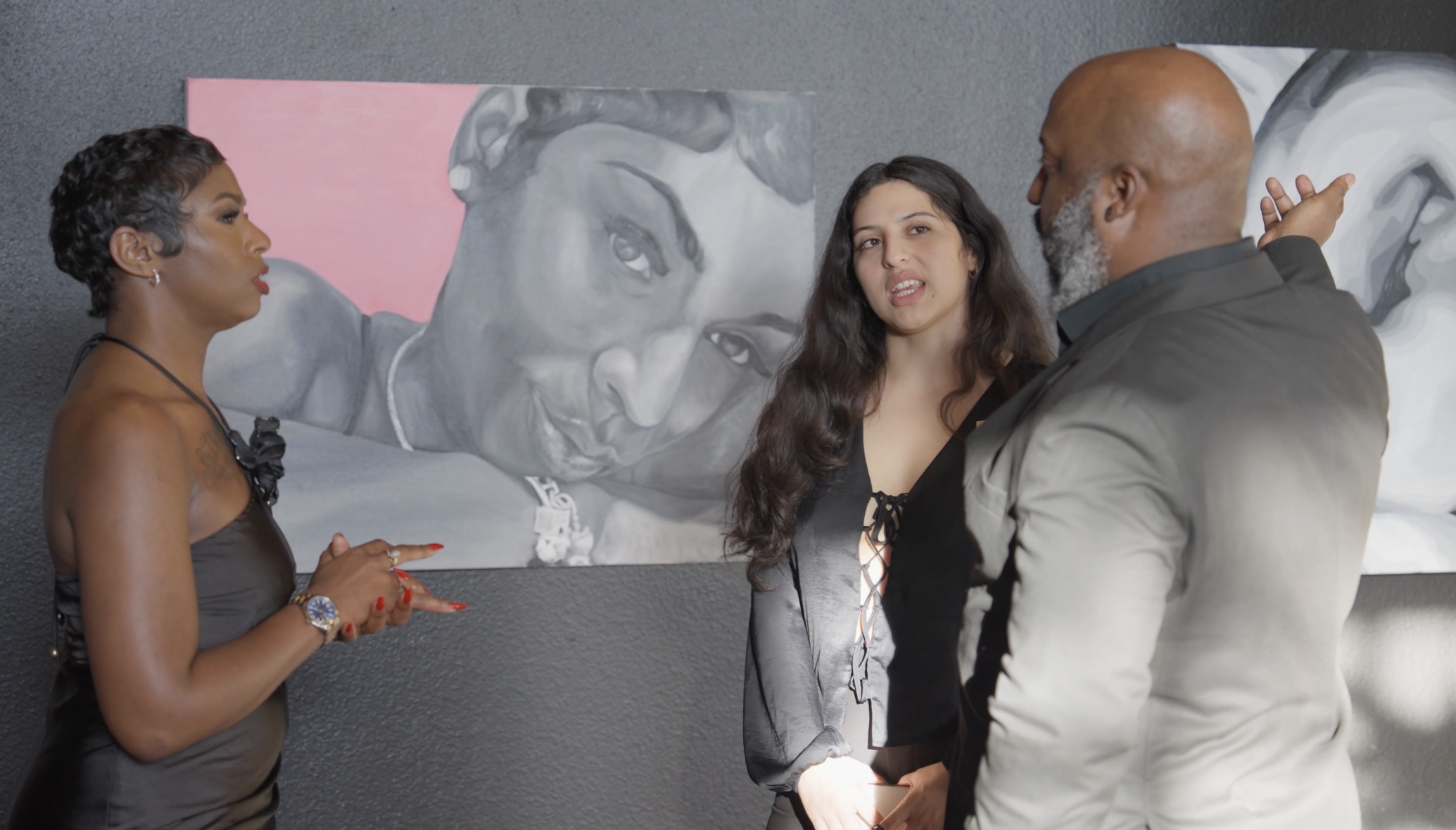
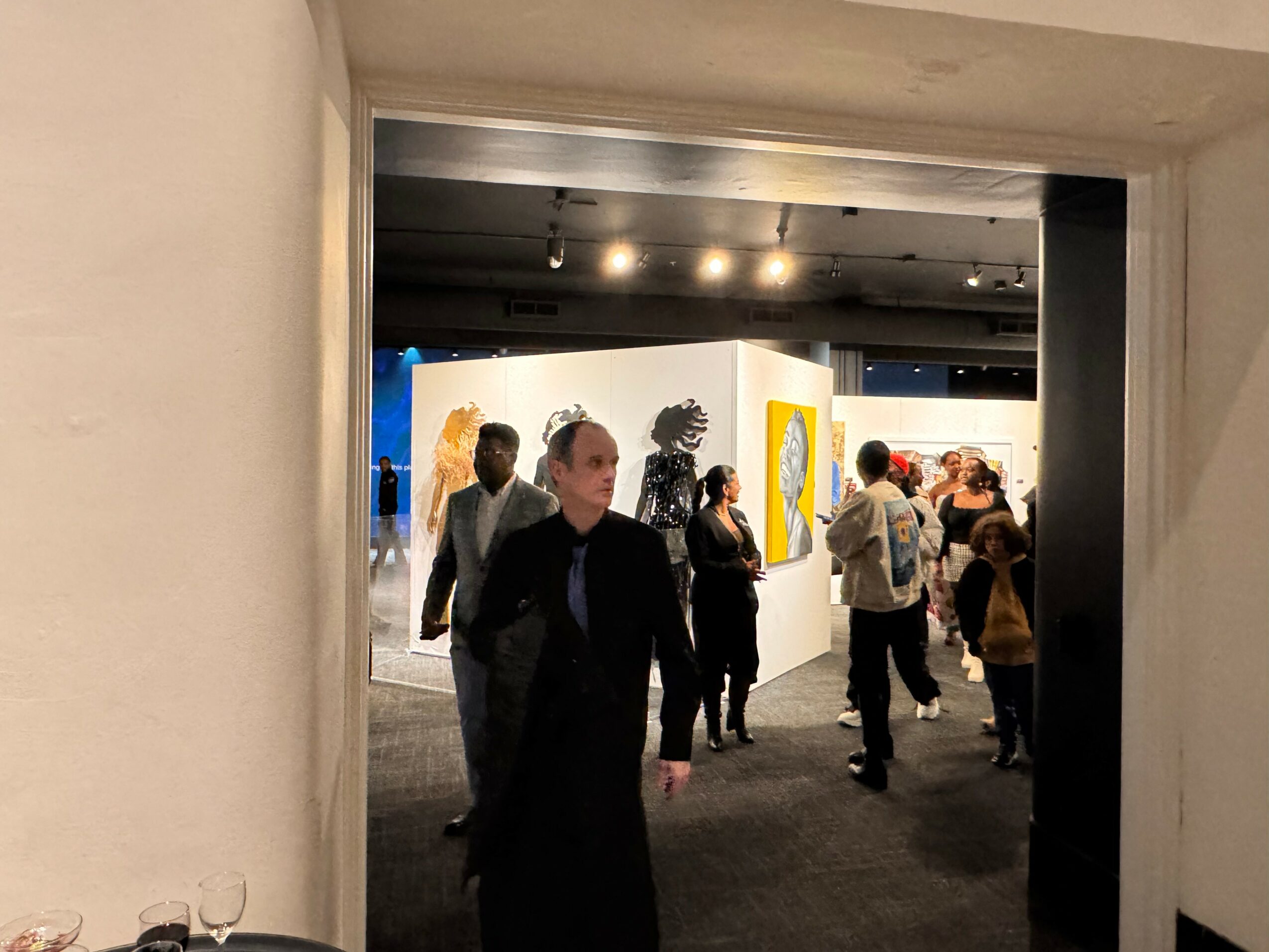
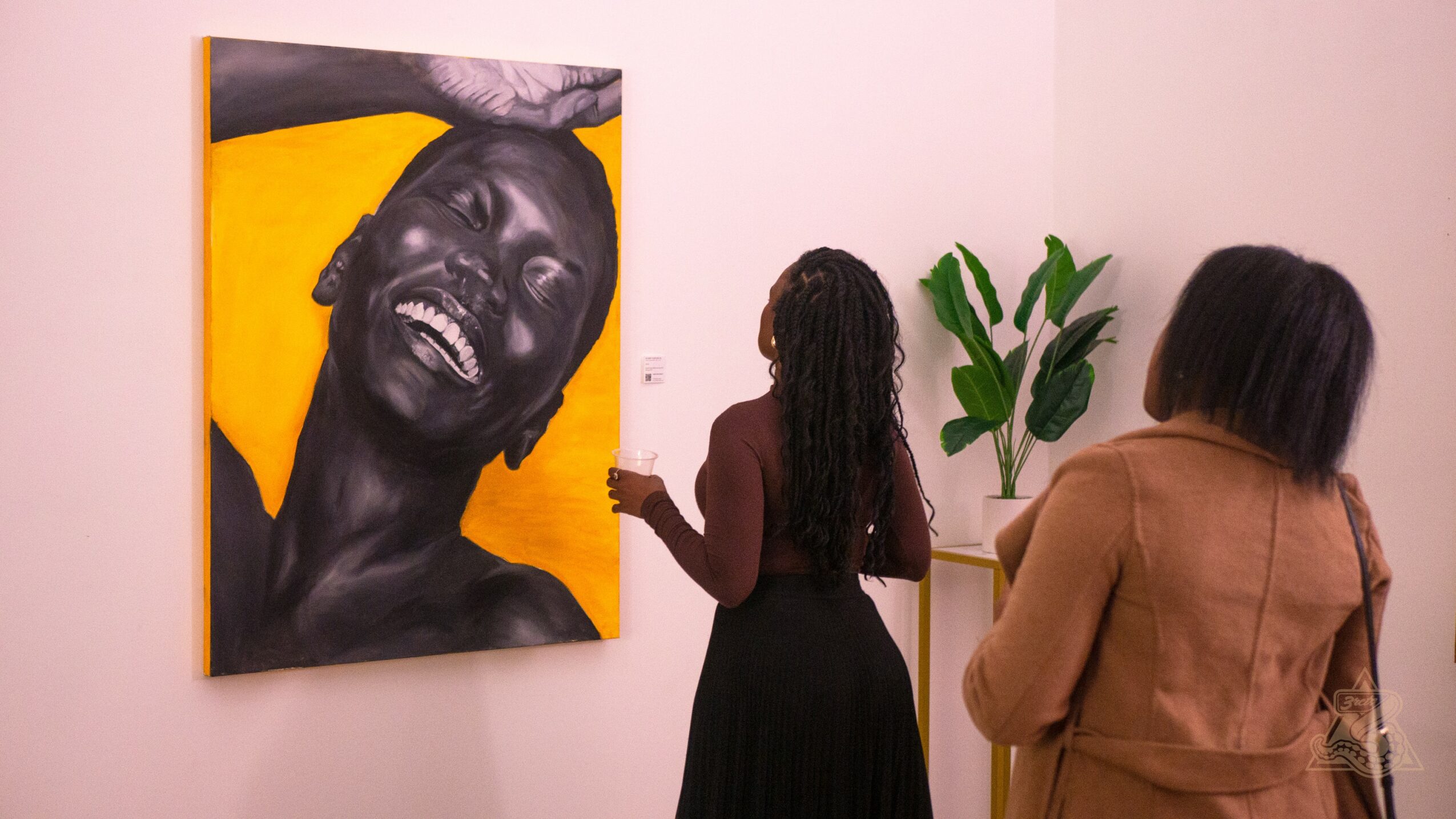
EROS Artspace is the physical expression of that philosophy. It operates as both a gallery and a modern salon — a place where art, conversation, and atmosphere work together. The space is designed as a living environment rather than a conventional white-box setting. Lighting, seating, scent, sound, pacing, and spatial flow are all intentional, creating a setting where people don’t simply view artwork; they inhabit an experience. This salon dimension encourages dialogue, curiosity, and a level of presence that is rare in contemporary art spaces.
The uniqueness of EROS also comes from the artists and ideas it elevates. We focus on work that examines intimacy, identity, embodiment, and truth with depth and clarity. Exhibitions are structured to create meaningful dialogue across disciplines and to highlight artists who approach their practice with rigor and emotional resonance. EROS functions as both a cultural venue and an intellectual platform, bridging aesthetics and philosophy.
Right now, I’m expanding EROS through new exhibitions, interdisciplinary collaborations, and programming designed to position the space as a hub for connection and thoughtful engagement. My architectural training shapes the structural intentionality of the environment, and my artistic practice anchors it in humanity and emotional presence. That combination — the gallery as salon, the space as experience — defines what makes EROS distinct and reflects the direction of my work.
Amazing, so let’s take a moment to go back in time. What relationship most shaped how you see yourself?
The relationship that has shaped me most is the one I have with myself. It’s the relationship that took the longest to understand, because for much of my life I was focused on producing, creating, and pushing toward the next level. I wasn’t trying to fit expectations — I was trying to challenge them, surpass them, and carve out a direction that felt larger than what was already in front of me.
That drive served me well, but it also left very little space for reflection. I measured myself by momentum, not by alignment. It took a series of life-changing events — surviving a collapsed lung, recovering from a major motorcycle accident, and being forced into stillness — to finally confront who I was when the production stopped. Those experiences created an unexpected clarity. They gave me the chance to understand myself without motion, without goals, without the pressure to outpace anything.
What emerged from that period was a more grounded sense of self. I learned to trust my instincts and to recognize that my ambitions weren’t just reactions to the world around me; they were expressions of something internal, something stable. I began to see intimacy, creativity, and connection as extensions of that internal relationship rather than obligations or performances.
This shift changed the way I work. It allowed my ideas to expand in scale and depth because they now came from a place of clarity rather than sheer momentum. EROS Artspace is a direct result of that evolution. I stopped designing purely for outcome and began designing from conviction — building a space that reflects my own values around presence, honesty, and the architecture of intimacy.
The relationship with myself continues to shape how I see the world and how I create within it. It is the foundation of my decisions, my creative practice, and the environments I build. It taught me that pushing beyond expectations means very little unless I also understand the deeper purpose behind that push. That internal understanding is what guides me now, and it’s the relationship I rely on the most.
If you could say one kind thing to your younger self, what would it be?
I would thank him for being a ridiculous dreamer — and for being stubborn enough to protect those dreams. That imagination, ambitious and unrestrained, often larger than the circumstances around him, became the foundation for everything I am now. Growing up on the South Side of Chicago, and all that it comes with, it would have been easy to narrow his focus to what seemed possible. Instead, he kept reaching beyond his environment and insisting on a bigger life.
I would tell him that those dreams were preparing him for a future he couldn’t yet see: becoming a Black architect in the United States, a path still rare; building a career as a working artist; opening a gallery; shaping culture; and seeing his work enter museums and public institutions. None of this was predictable from where he started, yet all of it grew from his refusal to limit his imagination.
I would tell him that with work, discipline, and clarity, those wild ideas would evolve into vision — and that vision would become a force. A way of building spaces. A way of moving through the world. A way of influencing culture. He wasn’t unrealistic; he was preparing for the life he would eventually step into.
And I would thank him again — for dreaming beyond what he knew, for pushing against the limits others tried to place on him, and for giving me the internal foundation I rely on today.
So a lot of these questions go deep, but if you are open to it, we’ve got a few more questions that we’d love to get your take on. Is the public version of you the real you?
Absolutely — the public version of me is real, and it’s a distilled expression of who I am. What people see is the part of me that has been examined, understood, and shaped with intention. I present the version of myself that reflects my values and the clarity I work to maintain.
I also tend to “show my work.” I want people to see how I think — the questions, the reasoning, and the shifts in perspective that lead me to a conclusion. There’s curation in what I share, and there’s also transparency. I welcome people into the process and allow the structure of my thought to be visible.
That approach grows from how seriously I invest in myself. I see community as a group project, something we build through shared effort, and it strengthens when each person commits to their own homework. Growth, reflection, and accountability begin in solitude and enrich how I show up in public spaces.
So yes, the public version is true. It’s authentic. It reflects the person I am becoming through both my internal effort and my engagement with others. It offers a real story shaped with intention.
Thank you so much for all of your openness so far. Maybe we can close with a future oriented question. What light inside you have you been dimming?
The light I’ve dimmed the most is my capacity for abundance in its rightful intensity. I’ve always carried an inner force — ideas, desire, imagination — that stretched beyond the environments that tried to contain it. For years, I learned to temper that intensity, not to suppress it, but to understand its temperature, its rhythm, its demand.
I still measure it, though the scale is shifting. The current moves differently now. The light is gathering strength, widening its reach, and I’m allowing more of it to enter the world without shrinking to meet anyone’s comfort. My ideas no longer negotiate their magnitude. They follow the pulse of my life, my work, and the desire that animates both.
EROS is the clearest expression of that pulse. It is abundance choosing embodiment — space becoming sensation, thought becoming atmosphere, presence becoming experience. EROS grows because I permit myself to grow. It reveals what happens when I allow my inner voltage to rise without translation or apology.
I’m not interested in performance. I’m interested in presence — the kind that is felt in the body before it is understood in the mind. The kind that expands because it must. The kind that refuses smallness.
The light I once softened is stepping into its actual wattage — warmer, fuller, steadier, unmistakable. I’m allowing it to unfold at the tempo of who I am becoming, guided by desire, by clarity, and by an unashamed commitment to my own expansion.
Contact Info:
- Website: https://erosartspace.org
- Instagram: https://www.instagram.com/eros_artspace/