




We recently had the chance to connect with Emily Norris and have shared our conversation below.
Emily, we’re thrilled to have you with us today. Before we jump into your intro and the heart of the interview, let’s start with a bit of an ice breaker: What do you think others are secretly struggling with—but never say?
I think a lot of people are quietly struggling with feeling like they’re behind, feeling like everyone else has it figured out while they’re just trying to catch up. They’re carrying pressure to be perfect, calm, competent, while privately dealing with self-doubt and mental overload.
In my personal life, I see how easy it is to look like you’re doing great while you’re actually just trying to keep up.
In my business, I see the same thing in music: students (kids AND adults!) often assume they’re the only one who feels nervous, embarrassed, or ‘not talented enough.’ They’re often comparing themselves. They don’t say it out loud, but you can tell they’re afraid of making mistakes or being judged. A big part of my job is creating a space where they can be a beginner safely, build confidence in small steps, and realize progress is supposed to look messy at first.
Can you briefly introduce yourself and share what makes you or your brand unique?
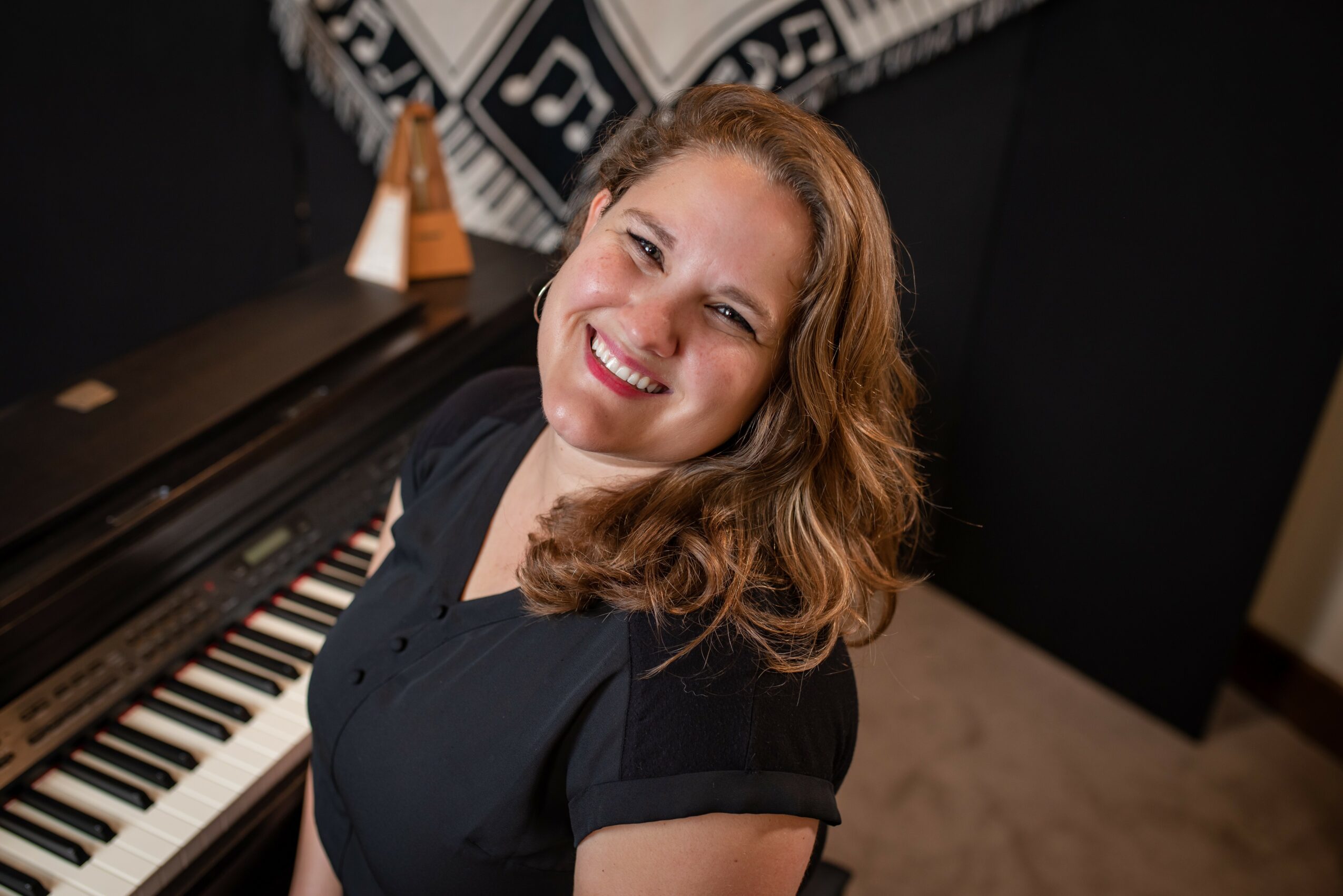
Hi! I’m Emily Norris, a piano and voice teacher and the owner of EBN Music in the Rockwall area. I work primarily with young beginners and their families, helping them build a musical foundation that feels fun, approachable, and confidence-boosting. Over the years, I’ve developed a teaching style that blends early-childhood education, creativity, and a lot of imagination, whether we’re using fun rhythm games, silly warm-ups, or my friendly giraffe mascot, G-Sharp.
What started as a small in-home studio in 2020 has grown into a multifaceted brand that now includes my YouTube channel “EBN Music with Emily Norris,” several beginner-friendly piano books published with Penguin Random House, and an online course designed to help kids follow my book and learn piano at home. I love giving families tools that are simple, playful, and doable, especially for those who want to start music lessons without the pressure or overwhelm.
My mission is really rooted in helping kids feel capable and excited to learn, while also empowering parents who may not have a musical background. I’m always working on new resources—videos, printables, games, and now holiday-themed piano books—to make learning music feel joyful and accessible for every family.
Appreciate your sharing that. Let’s talk about your life, growing up and some of topics and learnings around that. What’s a moment that really shaped how you see the world?
Becoming a mother really shaped how I see the world. It helped me see what it’s like to learning everything for the first time when the stakes are high. It helped me see that everyone struggles with something, and how we’re all just trying to learn and live in this world without causing too much pain to others or ourselves.
It has been humbling and very vulnerable, being a first-time mother. There’s a loneliness that comes with feeling like you’re a beginner at something again. Especially when you feel like you’re supposed to already know what you’re doing.
That experience changed how I approach teaching. I’m very aware now of how exposed learning can feel, particularly for adults. In my studio, I work intentionally to remove pressure and judgment so students don’t feel alone in the process. I want them to know that not knowing yet is normal and that progress comes from staying engaged, not being perfect.
If you could say one kind thing to your younger self, what would it be?
I would tell my younger self that she’s allowed to slow down. That she doesn’t need to carry everything alone or prove her value by constantly performing well.
Learning anything, whether in life or in music, isn’t a straight line. It’s twisty and curvy. That perspective is something I now try to pass on to my students.
Alright, so if you are open to it, let’s explore some philosophical questions that touch on your values and worldview. Where are smart people getting it totally wrong today?
I think smart people sometimes get it wrong by assuming that more information, faster systems, or better tools automatically lead to better outcomes. In areas like learning, creativity, and development, efficiency isn’t always the goal.
I see this a lot in education and recently, even in the corporate world. We optimize for speed and performance, but underestimate the role of patience, repetition, time for creativity, and even emotional safety.
Real progress often comes from slowing down and focusing on the human side of growth, not just numbers on a spreadsheet.
Okay, we’ve made it essentially to the end. One last question before you go. What pain do you resist facing directly?
The pain of uncertainty, especially when there isn’t a clear checklist for success. It’s uncomfortable to admit that some things take time and can’t be forced. I like to be in control and sure of something before I try it. But becoming more comfortable with uncertainty is helping me lead more thoughtfully, both as a teacher and a business owner.
Contact Info:
- Website: https://www.ebnmusic.com
- Instagram: @ebn.music
- Facebook: https://facebook.com/ebnmusic
- Youtube: https://youtube.com/@ebnmusic
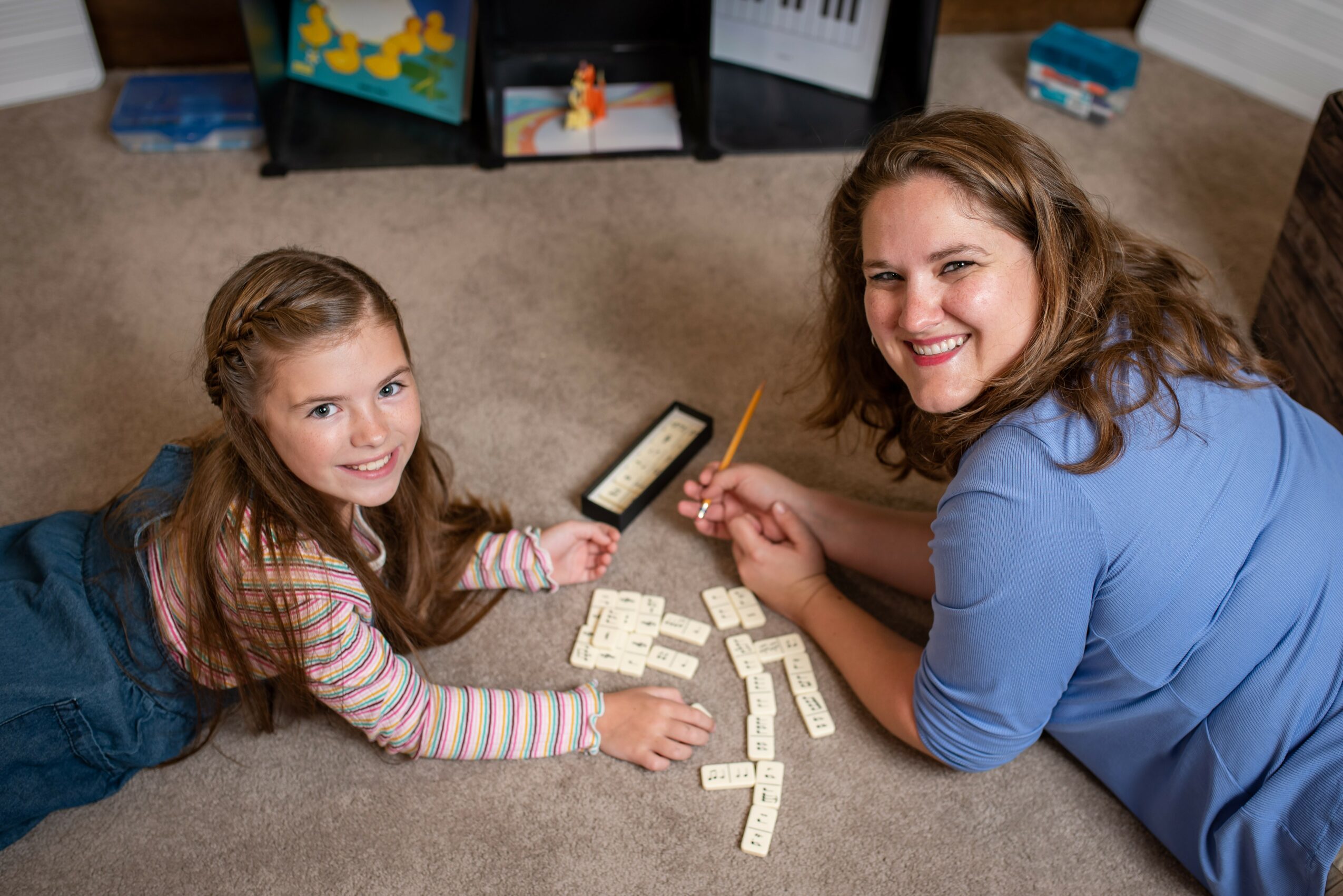
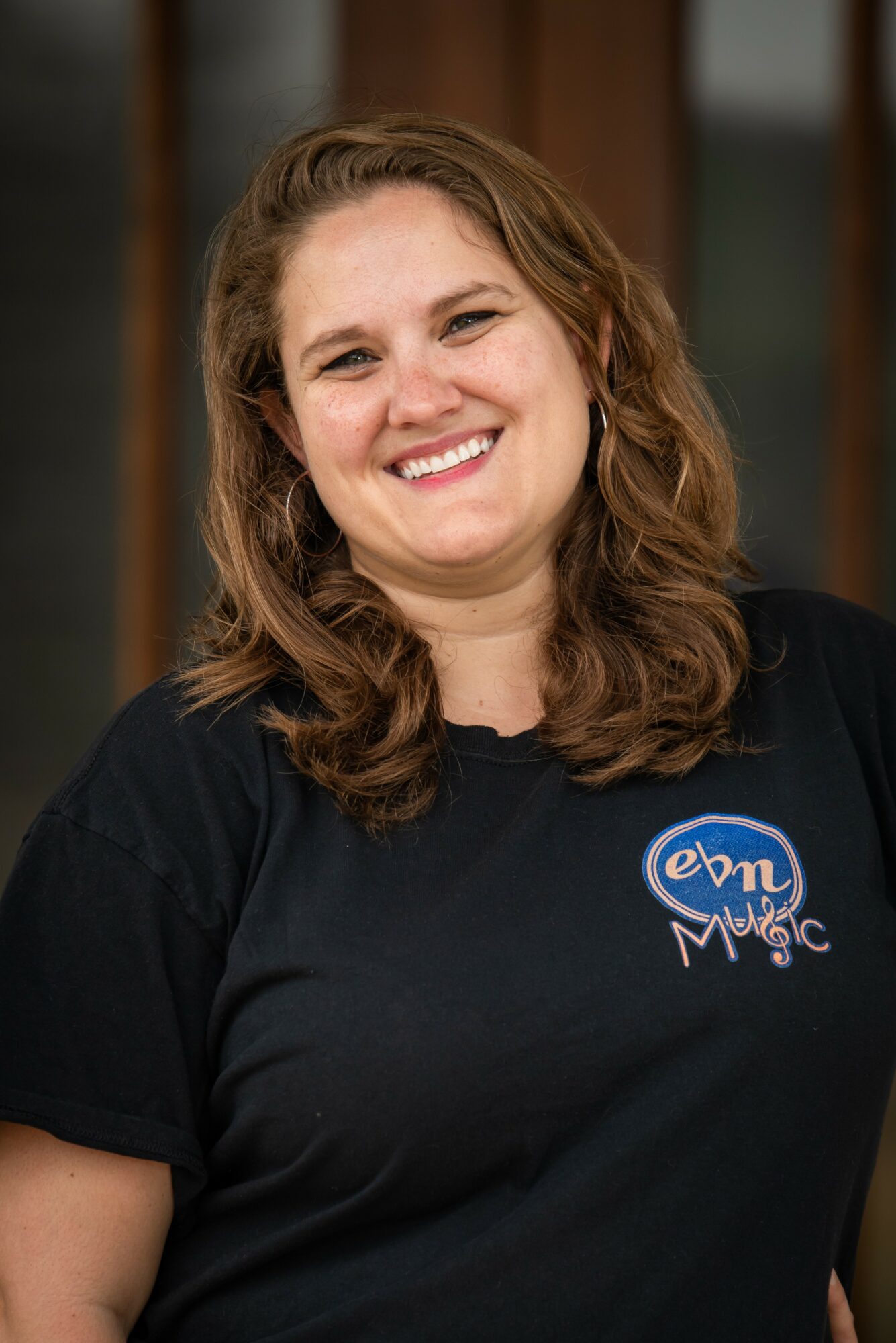
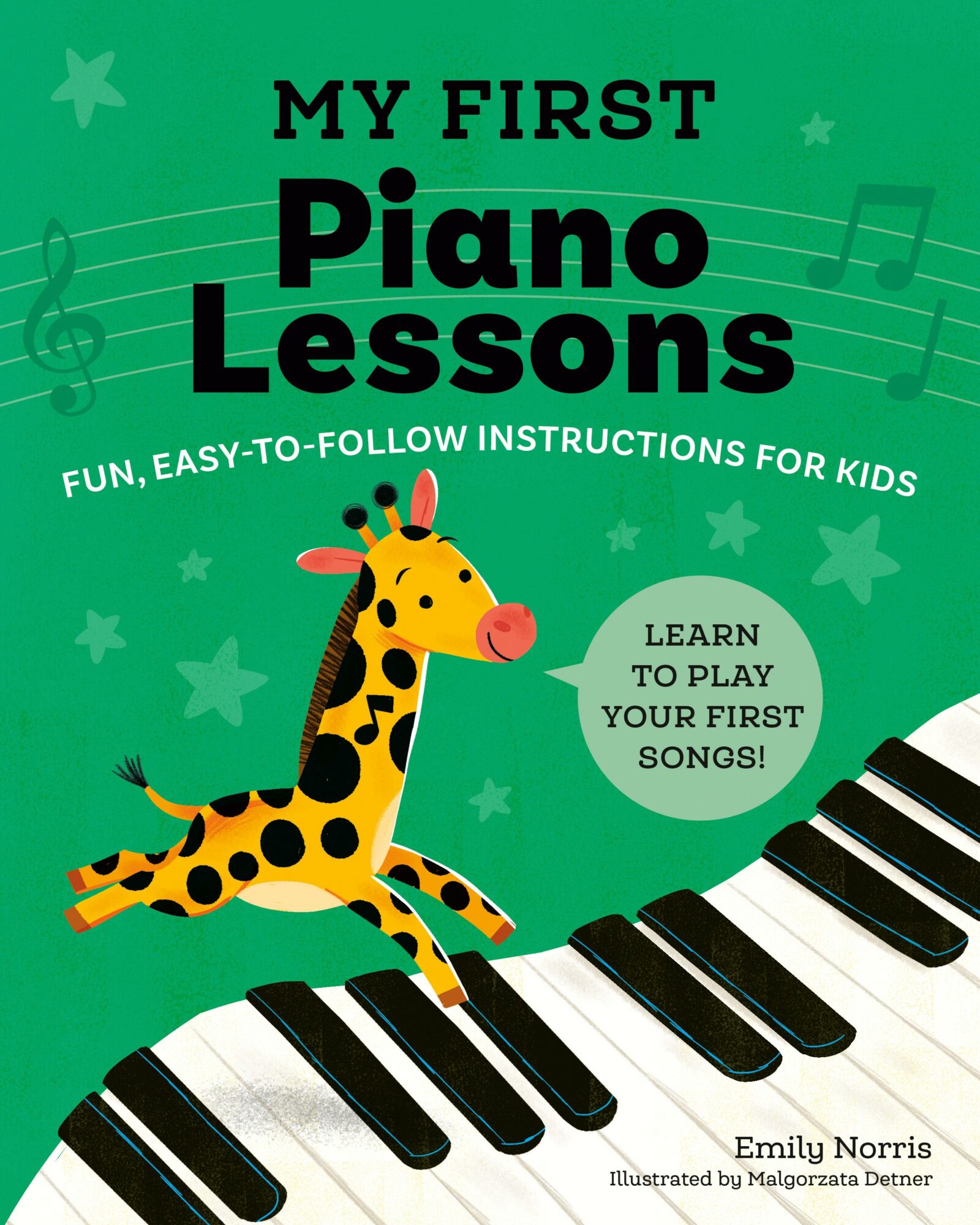

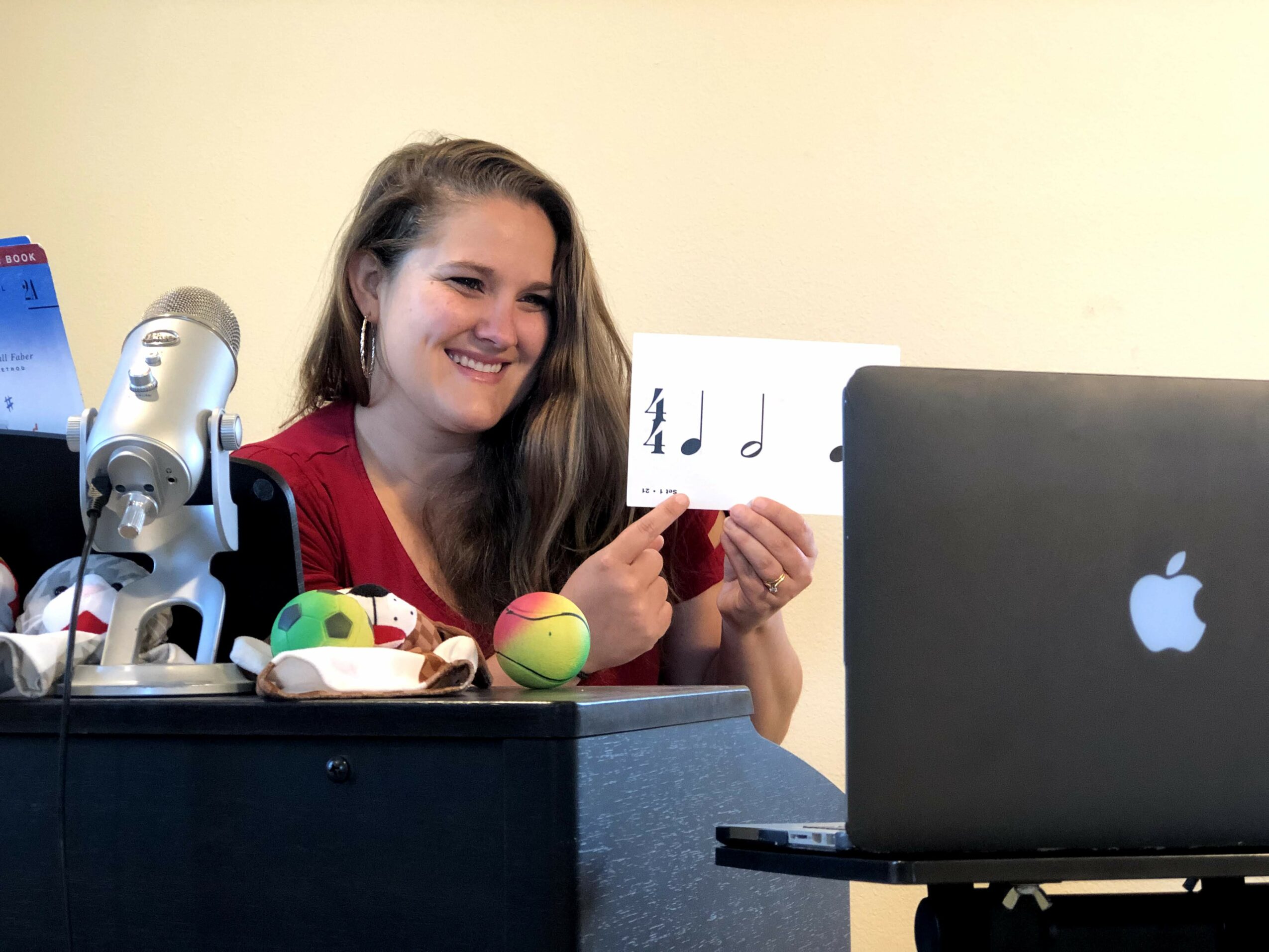
Image Credits
Haylee Beth Photography
Penguin Random House
Caleb Norris