





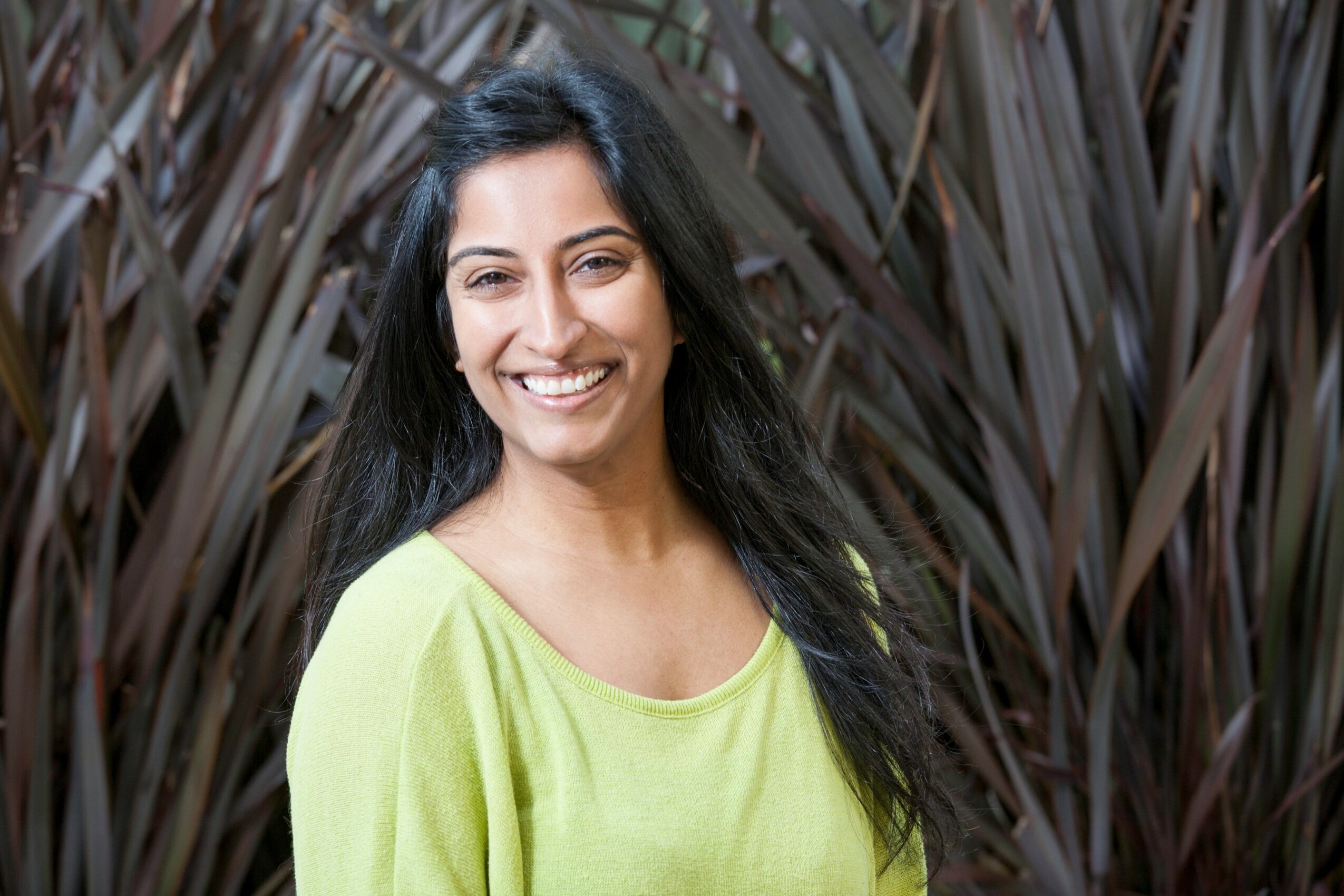
Today we’d like to introduce you to Aliya Sheriff.
Hi Aliya, please kick things off for us with an introduction to yourself and your story.
Some might say the journey started in college, or high school; mine started much earlier. As a child I understood I wanted to support individual who did not have the same resources and access I was afforded. I understood early on I had privilege, even if it was named gratitude, that others didn’t. With that awareness came a sense of responsibility to contribute in a meaningful way.
As I grew older I was the child who was called sensitive. What I knew was that I felt deeply. I could feel pain in others’ hurt, joy in music, and confusion about the discrepancies of the world. In high school, I took a psychology course and suddenly everything made sense. It was the first course in my academic career that I did not struggle through or have to work extra hard in. The concepts were comprehensible.
I attended Southern Methodist University, where I earned a BA in Psychology with a minor in sociology. In college I intentionally took a variety of courses to feel secure in my decision to pursue psychology, debating between forensic and child psychology. I interned with a forensic psychologist and spent two years at the Frank Crowley Courts. I took a year to work with Mosaic Family Services as a victim specialist, supporting refugee and immigrant women and children impacted by domestic violence and trafficking. During that year, I applied to doctoral programs.
I went on to earn my Doctorate of Psychology in Clinical Psychology at The Wright Institute in Berkeley, California. Berkeley is where I truly found my voice. I was immersed in the nonprofit world alongside some of the most innovative and intellectually rigorous minds in psychology. My doctoral training expanded my early understanding of social justice, accessibility, inequity, privilege, and what now understand through a decolonial lens.
During my time at the Wright I completed practicum training at Girls Inc working with students in alternative schools; Center for Family Counseling providing therapy to youth reunifying with their families after juvenile hall; and Children’s Hospital Oakland – Center for Vulnerable Child where conducted assessments and therapy with young children who experienced abuse and neglect. Each setting taught me something different and deepened my understanding of the disparities within our educational, justice, and environmental systems.
I also learned how psychology itself has been problematic in research and diagnosis. I learned not to be quick to diagnose and to trust my instincts. Too often, Black and Brown children are diagnosed with intellectual disabilities when they are actually responding to significant trauma. Trauma symptoms can mimic intellectual disability at young ages, resulting in children being denied appropriate therapeutic and academic access.
My internship brought me back to Dallas at Momentous Institute, where I was able to bridge academic training with my growing professional identity. I later returned to the Bay Area for my postdoctoral work with UCSF, where I helped pilot the Healthy Environments and Responses to Trauma in Schools (HEARTS) program, providing systematic trauma support within schools.
I then worked at 3rd Street Youth Center and Clinic, offering therapy in local high schools, on-site services, and community workshops. I began conducting trauma trainings nationally and internationally, including work in Nairobi, Kenya, training teams on child and adolescent trauma. After returning to Dallas, I worked at Metrocare Services as a Program Manager and later served as the DFW Director for the Center for Survivors of Torture, coming full circle in my work with refugees and asylum seekers.
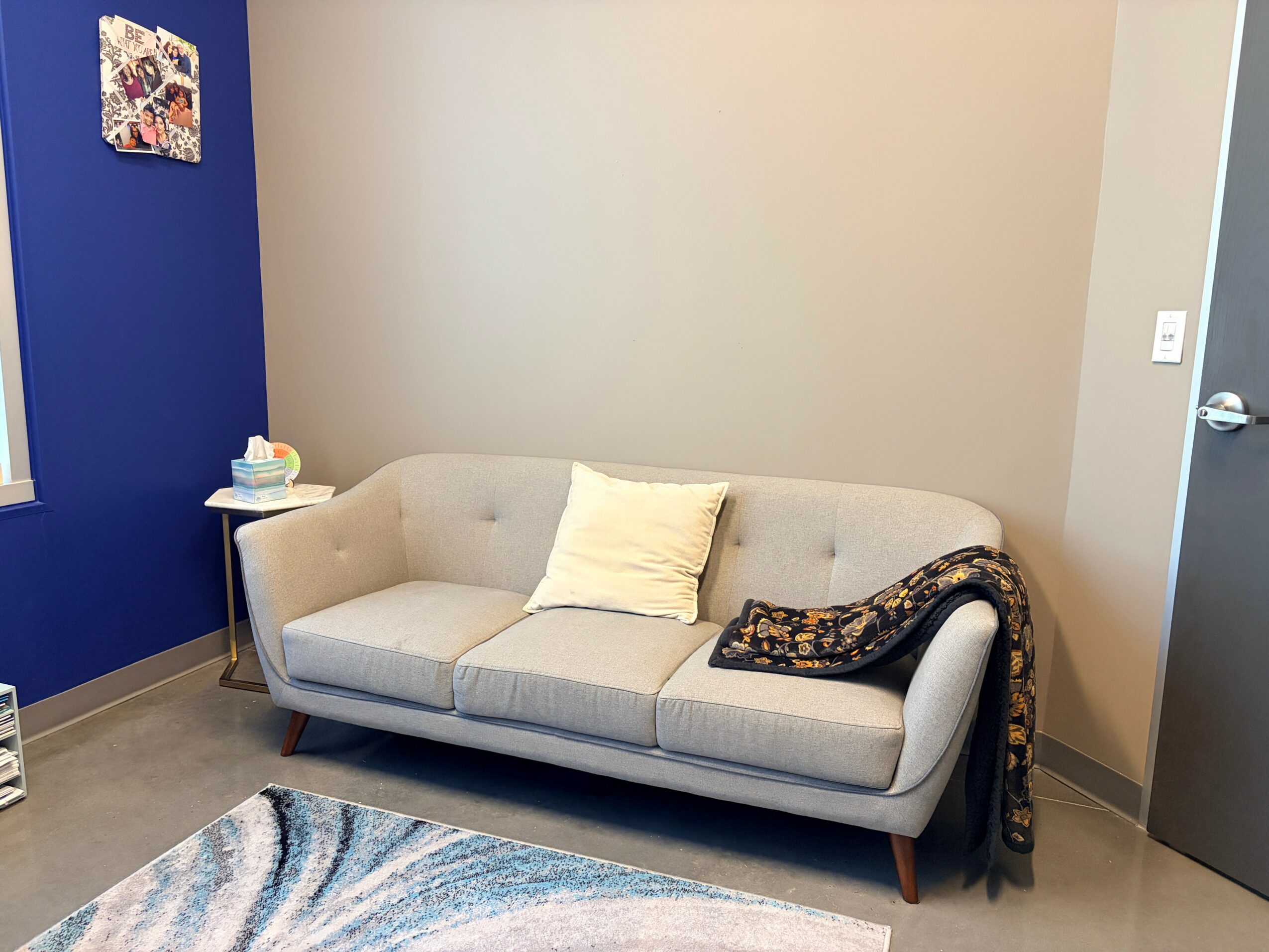
In 2019, I decided to start my own practice. In order to stay true to my nonprofit heart, I accept most insurance providers and medicaid. I now also provide sports, performance, and leadership workshops to youth, parents, and a leaders.
Would you say it’s been a smooth road, and if not what are some of the biggest challenges you’ve faced along the way?
The road has been amazing and definitely bumpy. I think the bumps are what help the journey thought. Moving away form home for the first time for graduate school in my early 20’s was difficult. I was scared, needed to make new friends, and graduate school didn’t offer the same college type experience. Most people are more ready for careers, in long term relationships, and I missed everyone at home. I enjoyed learning and my practicums. I slowly built friendships and made it through. my first year. Over the three years I had many of my thoughts and ideas challenged. I had a mirror held up to me about my beliefs. This can be really isolating when you are in graduate school gaining more awareness of the diversity in the world, challenging systemic beliefs, understanding power and privilege yet friends at home or around you are not engaging the same level of internal work. I challenged my family’s beliefs about LGBTQ+ individuals. I was aware of how easy we using degrading language about people. I became uncomfortable. I had to learn how to challenge family and friends while still maintaining relationships. From a career perspective some of the challenges were around systems and working in a nonprofit setting with high rates of trauma. The vicarious trauma can be very exhausting. There were weeks or months when a number of the youth I worked with died due to community violence. Some weeks were overwhelming. Trying to provide therapy to young people in an environment with active ongoing violence. You connect and build relationship with young people and then they pass away. The nonprofit world also has it flaws of expecting high work flow with limited resources. The staff was wonderful, the youth were amazing, and the system required so much of you. Leaving you constantly depleted. The weekends you think you walk away but the worry you have for the youth doesn’t leave and the stark awareness that I could go home to safety. In private practice the challenges are a bit different. I find myself balancing passion with business mindset, which isn’t really taught or spoken about in the field of psychology much. I am grateful my practice inspires me to be creative in marketing, creating a space I love, and seeing clients who want to attend therapy.
Great, so let’s talk business. Can you tell our readers more about what you do and what you think sets you apart from others?
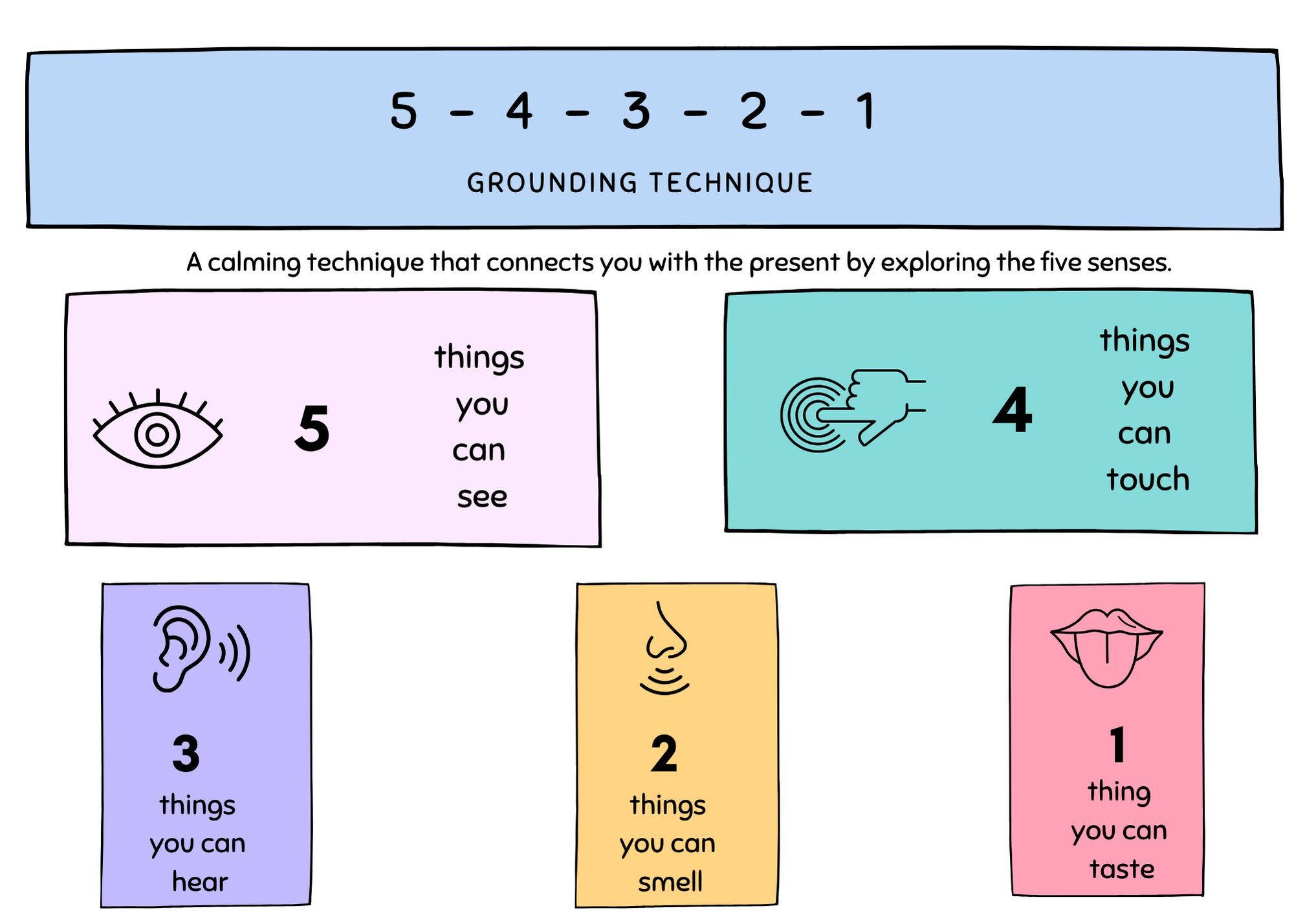
My experience is mostly around trauma and working within the BIPOC community. In therapy I think about how family, society, and culture impact an individual. In therapy we look at patterns and if those patters are legacies passed down from generation to generation. Some legacies are beneficial while others may not be useful anymore so we learn how to let them go. In therapy, I believe it’s also important to recognize the systemic challenges that impact individuals. The cost of living, the inequities in healthcare and education, and impact of impression have very real consequences on our mental and physical health. We should recognize the reality of those consequences in therapy and that our reaction to an unhealthy system is normal. In that moment I think maybe we aren’t meant to ground ourselves in a western ideological way rather we are meant to feel rage or sadness and respond accordingly.
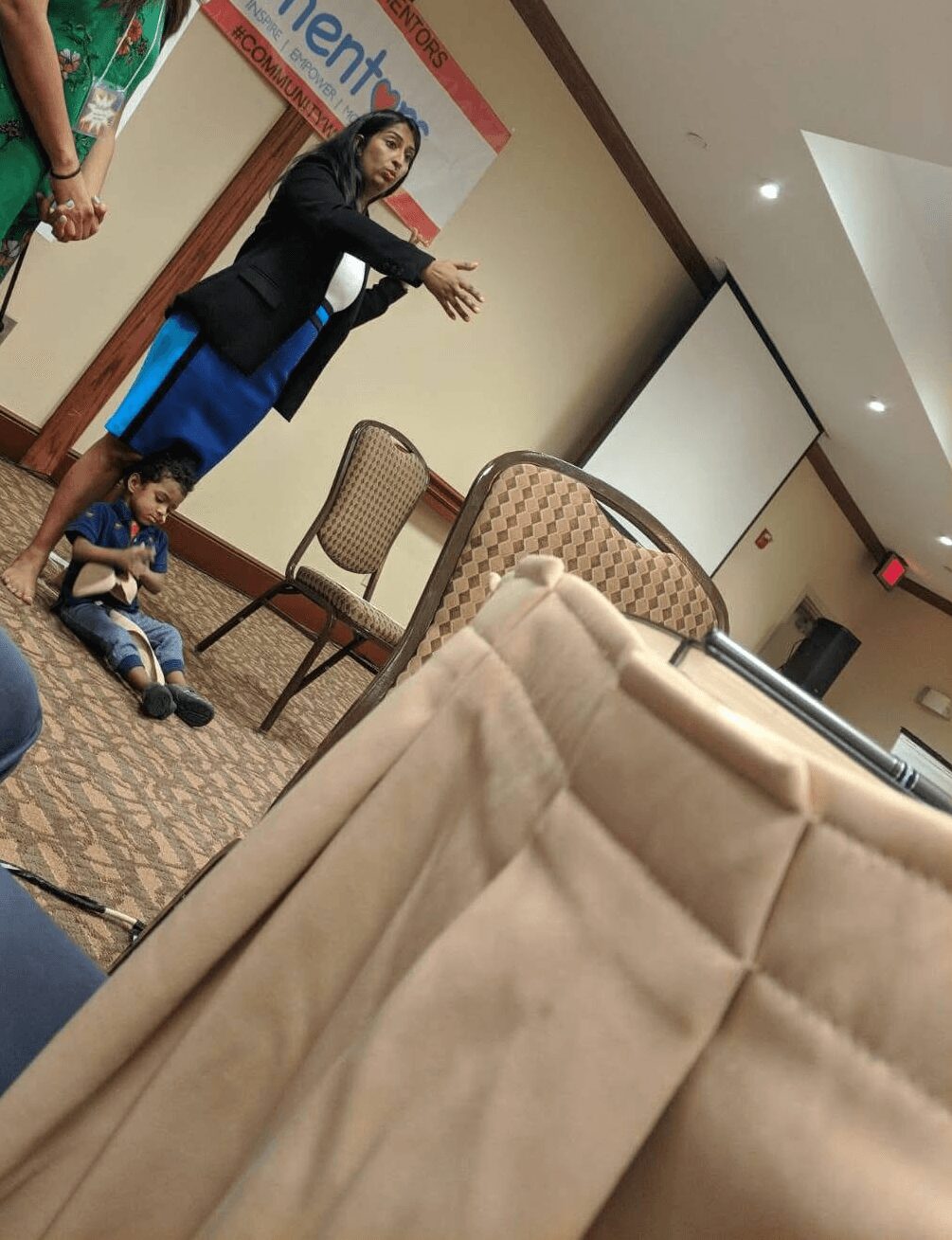
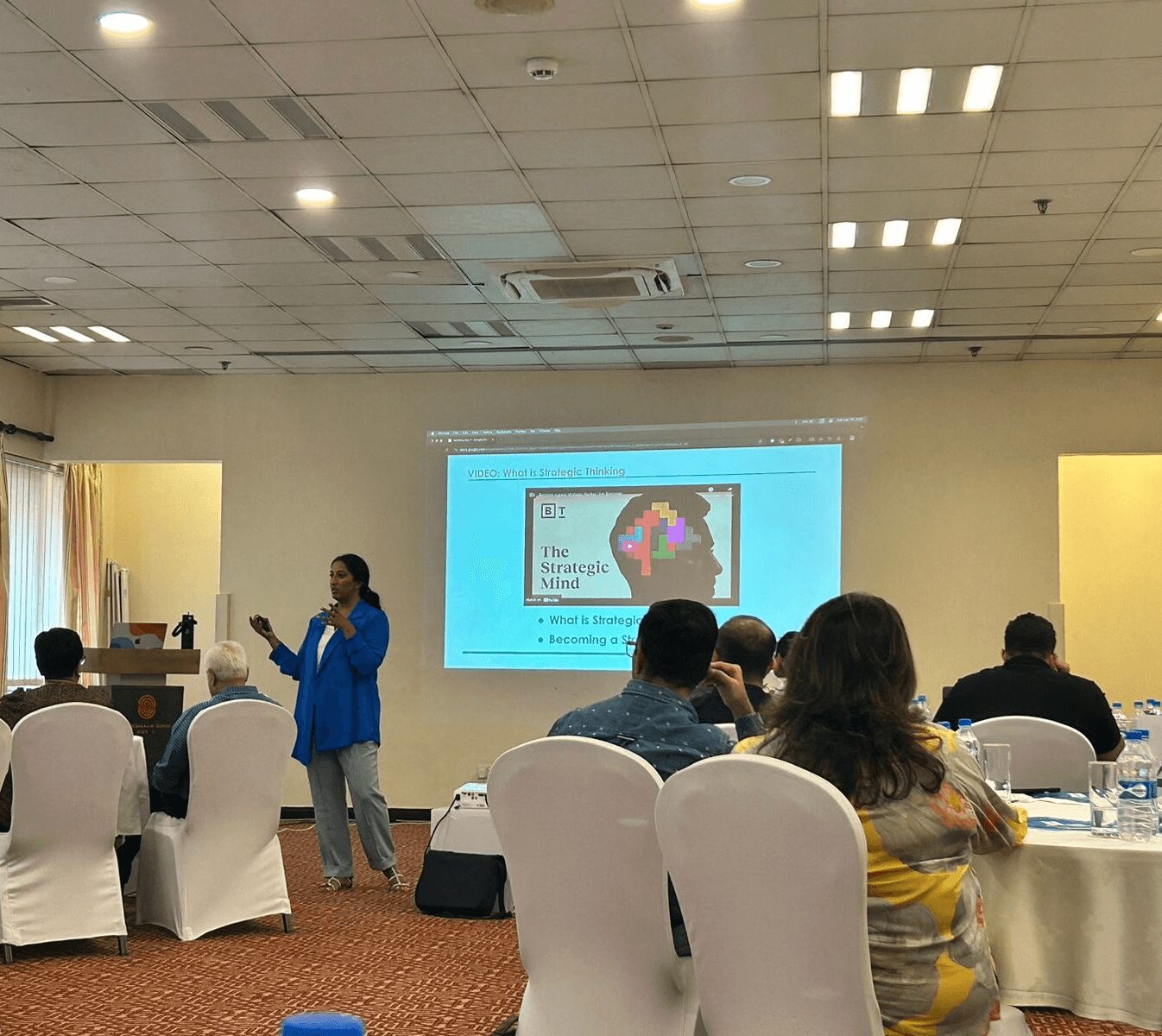
In addition to individual therapy, I also offer youth and parent workshops where I use expressive and experiential exercises to understand our emotions, how to handle our emotions, and how to move forward with purpose. I provide leadership development trainings for youth and executives using experiential exercises, psychological understanding, and individual insights to help people achieve their goals.
Networking and finding a mentor can have such a positive impact on one’s life and career. Any advice?
While this may sound simplistic, I talked to many people in a range of fields. As a teenager, my uncle owned a tech company. I worked in every department (accounting, sales, shipping, administration, marketing, and when I was lucky c suite meetings) in his company over the summers. I listened to people’s stories and I trusted myself. When I heard something that resonated with me I made sure to connect with that person and find time to hear about their journey. Every person has something you can learn from even if it is not in your field. I think the earlier years are about breadth of experience and then moving to depth in experience.
Pricing:
- $175/session for individual therapy
- Inquire about insurance accepted
- Group Workshop pricing varies on length of workshop
- $200/hour Speaker Fee
Contact Info:
- Website: https://www.ivyhealthnetwork.com
- Instagram: @ivyhealthnetwork
- Facebook: https://www.facebook.com/ivyseedbelieve
- LinkedIn: https://www.linkedin.com/in/aliya-sheriff-psyd-41290b53/
- Other: https://ivyhealthnetwork.com/blog/