






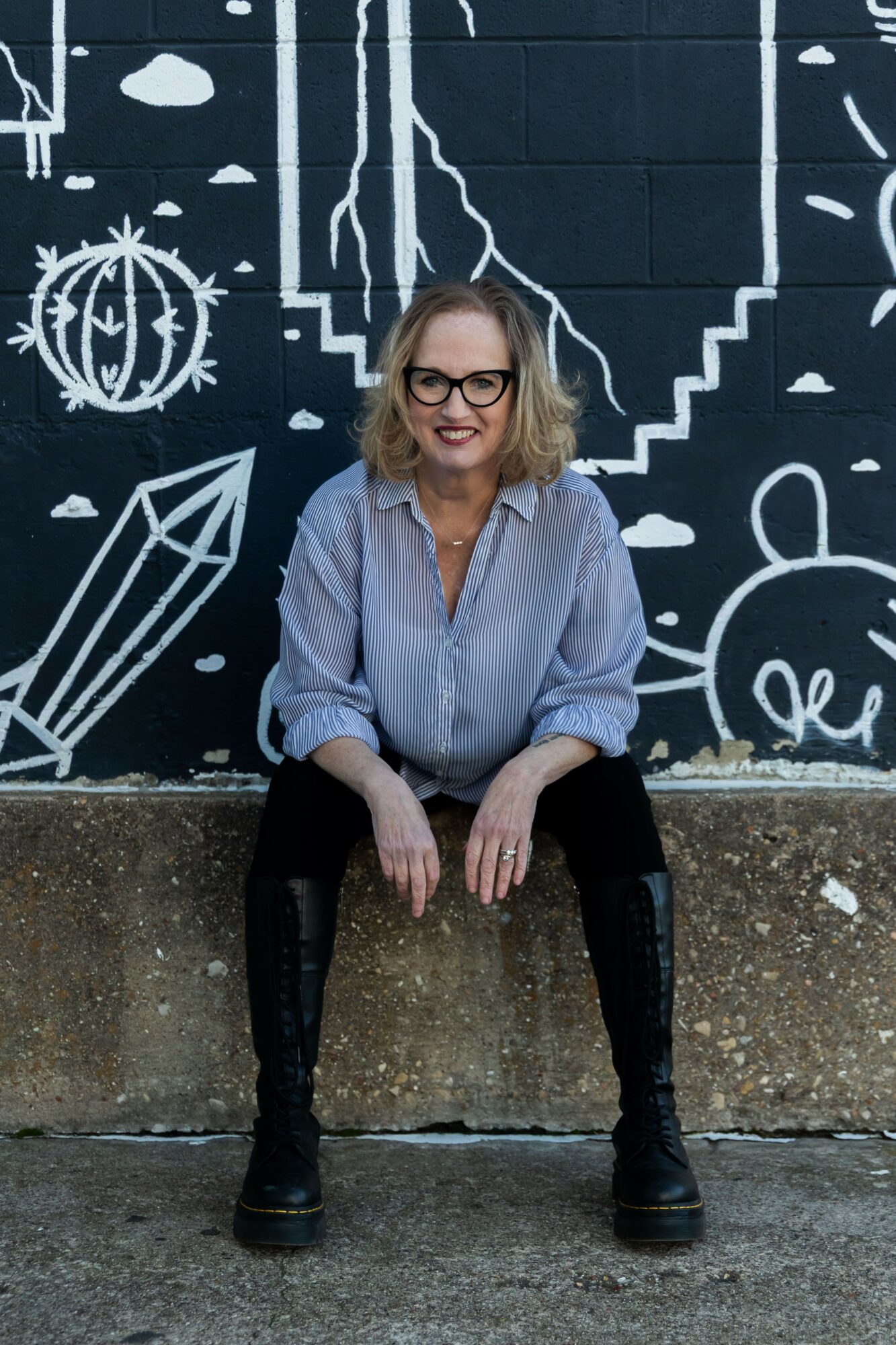
Today we’d like to introduce you to Deb Bushong.
Hi Deb, can you start by introducing yourself? We’d love to learn more about how you got to where you are today?
I did not attend graduate school until my late twenties, and for a long time I doubted whether I was “smart enough” to pursue an advanced degree—messages I had absorbed early in life. But I had an incredible therapist who gently encouraged me to start with just one class and see how it felt. After that first class, I was hooked.
At first, I imagined a career in marriage and family therapy. Near the end of my master’s program, however, I took a course that completely changed my path. In that class, people with serious mental illness (SMI) were often described as hopeless cases who simply needed to be medicated and managed. By then I had already developed a deep appreciation for how remarkable the brain is, and I knew there had to be so much more to these experiences. I felt strongly that people living with psychosis were capable of far more than they were being given credit for.
After earning my Master of Science in Counseling Psychology, I was invited to interview for a dream position at UT Southwestern Medical Center in Dallas. That opportunity became the beginning of a more than 20-year career dedicated to supporting people with the lived experience of psychosis and championing their capacity for growth, recovery, and meaningful lives.
We all face challenges, but looking back would you describe it as a relatively smooth road?
The path of my career, like that of many people, has been anything but linear. Working in academic research brought real challenges, including the need to sustain funding through periods of social upheaval and national economic uncertainty. Even in the face of these setbacks, I stayed connected to the work I cared about most and remained in a role I truly loved.
As my experience grew, I stepped into the role of Clinical Team Lead for an Early Psychosis Program using a Coordinated Specialty Care (CSC) model. In this position, I refined my professional focus and discovered how much I value working with young people who are newly experiencing psychosis. I also found deep meaning in supporting their families as they navigated the profound changes and new realities emerging in their lives.
As you know, we’re big fans of Conversations Therapy. For our readers who might not be as familiar what can you tell them about the brand?
As a therapist deeply dedicated to supporting youth and young adults with lived experience of psychosis, my mission is to illuminate the path toward recovery and a truly fulfilling life for every individual and family I work with. I believe that recovery is always possible, and strive to guide my clients in discovering hope and resilience, empowering them to lead engaging lives defined by their own goals and dreams.
In addition to working directly with clients, I am committed to supporting families as they navigate the complex emotions and adjustments that come with a loved one’s experience of psychosis. Families often face challenges in understanding and coping, and I aim to provide compassionate guidance that builds connection, acceptance, and shared optimism for each person’s journey.
A fundamental priority in my practice is breaking down the stigmas and misconceptions that surround mental health. By fostering open conversations, nurturing realistic and healthy beliefs, and encouraging learning for all involved, I hope to create environments where everyone feels safe, respected, and empowered to thrive.
Let’s talk about our city – what do you love? What do you not love?
Dallas offers the rare blend of a major metropolitan area with a genuine small-town feel. Neighbors tend to know one another, and many residents enjoy living in some of the most desirable neighborhoods in the country.
The city also boasts a vibrant food scene, with countless places to explore cuisines from all over the world—there is always something new to try. Paired with the warmth and diversity of the people who call Dallas home, these features create a truly wonderful place to live.
Of course, no city is perfect. While Dallas traffic may not reach the gridlock of some other Texas cities (looking at you, Houston), it still earns a spot on the list of things to like least about living here.
Pricing:
- Individual Therapy: $250/session
- Life Skills Mentor: $375/hour
- Health Advocacy: $375/hour
- Family Therapy: $250/session
Contact Info:
- Website: https://www.conversationstherapy.org
- Instagram: https://www.instagram.com/debmbushong/
- Facebook: https://www.facebook.com/deb.bushong/
- LinkedIn: https://www.linkedin.com/in/debbushong-ms-lpcs-tenacious/
- Youtube: https://www.youtube.com/@FuelTheChange
- Other: https://linktr.ee/deb_bushong

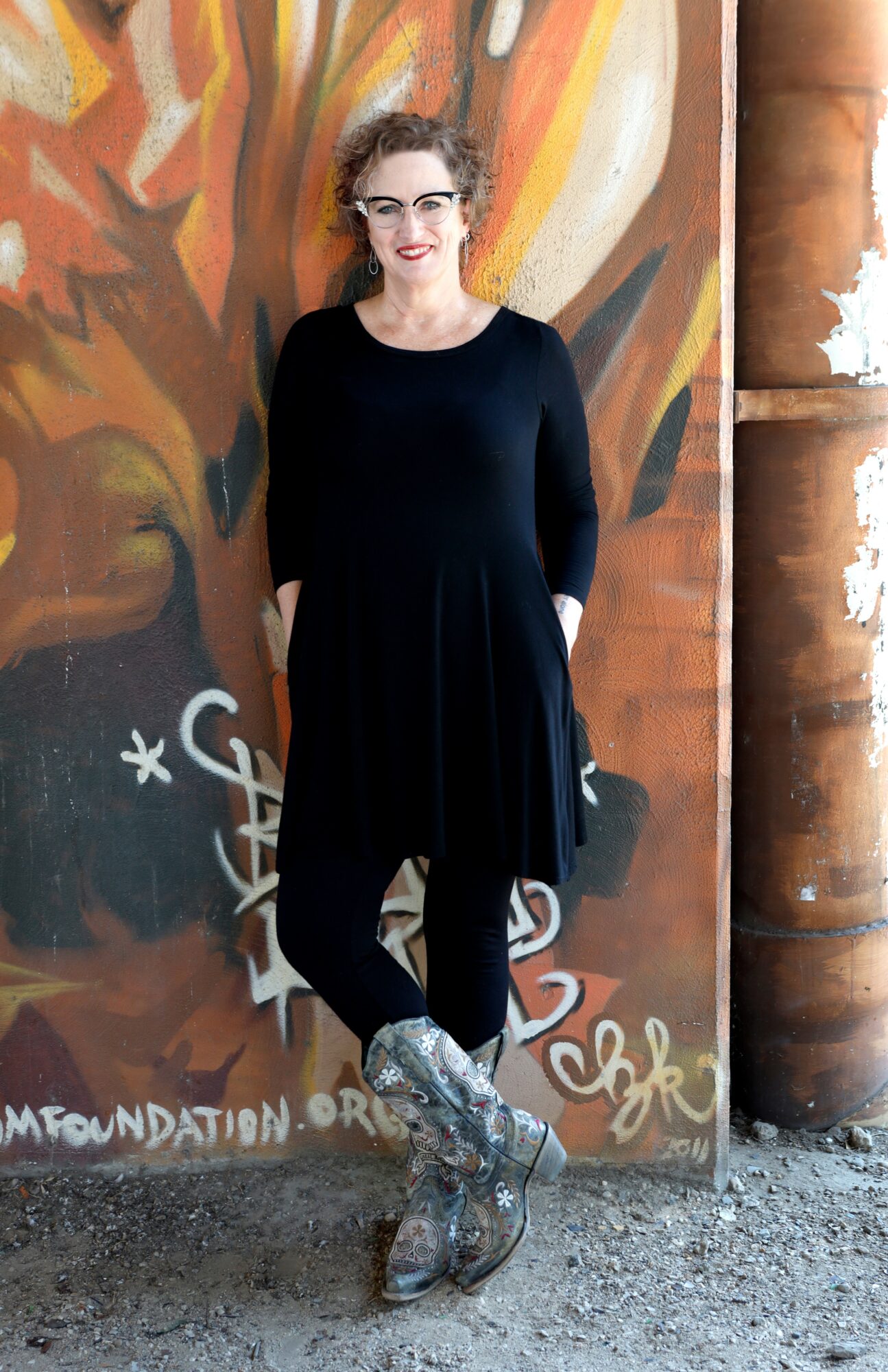
Image Credits
Wayfarist Media
Dasha Wright