






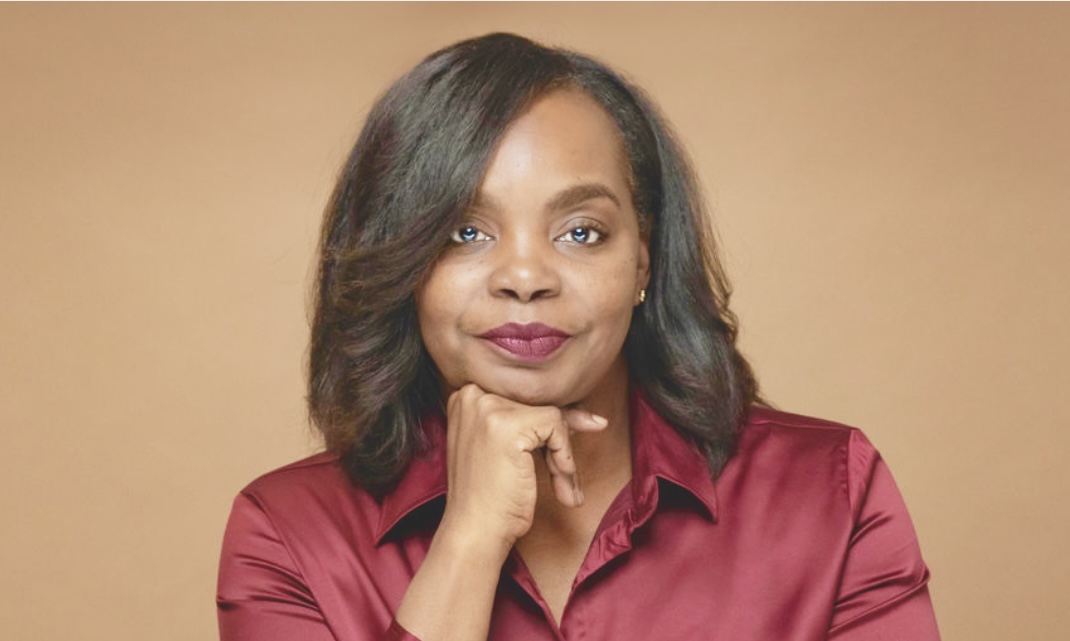
Today we’d like to introduce you to Katrina Hawkins.
Hi Katrina, it’s an honor to have you on the platform. Thanks for taking the time to share your story with us – to start maybe you can share some of your backstory with our readers?
My story begins in Atlanta, Georgia, where I was born and raised. I grew up in a strong family unit led by my mother, who provided stability, love, and guidance throughout my childhood. While my upbringing was largely positive, it was also shaped by difficult realities. My father struggled with substance abuse my entire life, and at a young age I witnessed him physically abuse my mother. His addiction eventually led to incarceration, and I was a freshman in college when I visited him in prison for the first time.
Despite those challenges, I had a good childhood. I was an athlete and played basketball throughout high school, which ultimately earned me a scholarship to Albany State College in Albany, Georgia. In college, I studied business—not because I had a clear vision for my future, but because I knew I had to choose a path, and business felt practical. At the time, I wasn’t certain what I wanted to do with my life; I was simply focused on moving forward.
After graduating, that uncertainty remained. Following my mother’s advice—she was working at AT&T at the time—I applied for a customer service position with the company. In 1996, I began what would become a more than 20-year career at AT&T. Over the years, I worked across multiple departments, earned certifications, and took advantage of internal training opportunities that allowed me to grow into roles such as remote tester, engineer, technician, and project manager. That experience taught me structure, systems, and the value of continuous learning.
In 1998, I met my husband, and we married in 2002. That chapter of my life marked the beginning of my firsthand experience with the criminal justice system. I witnessed how deeply flawed and, at times, corrupt the system could be—seeing how far law enforcement, prosecutors, and even judges would go to secure a conviction. Ultimately, my husband served a federal sentence. When he returned home, I was shocked by the lack of support, resources, and opportunities available to people reentering society.
We decided to relocate to Dallas to create a new beginning. I was able to move while continuing my career at AT&T, and in 2018, we launched our transportation company, DJH Express Inc., starting with a single cargo van. In 2019, we expanded by purchasing an 18-wheeler and hiring drivers. That growth came with hard lessons. We struggled with driver retention and nearly lost the business—not because drivers lacked technical driving skills, but because many lacked foundational workplace skills like communication, punctuality, accountability, and integrity.
That realization became a turning point. My husband and I asked ourselves: what if we could train our own workforce? What if we could build people up from the ground level, specifically for our company—and at the same time create opportunities for individuals coming home from jail or prison? We didn’t know how to start a school. All we had was a vision and a deep sense of purpose.
In 2019, I made the decision to retire from AT&T. In February 2020, we launched DJH Express National Training Academy as a nonprofit 501(c)(3). Almost immediately, the pandemic hit, and we were forced to pause before we could truly begin. During that time, a series of events led us to take our semi-truck out of service and refocus on local deliveries. Throughout the pandemic, we supported the community by delivering HelloFresh food boxes across the Dallas–Fort Worth area.
While working from home during that period, I began researching apprenticeship programs. In 2022, DJH Express National Training Academy was approved as a Registered Apprenticeship Sponsor for our CDL program. That milestone changed everything. Since then, our programs have expanded beyond CDL training to include dispatcher, warehouse worker, and drone pilot pathways—all centered around the transportation industry.
Today, we not only train individuals, but we also employ justice-involved individuals through local contracts, including delivery routes serving repair shops across DFW. This journey has been long, challenging, and at times uncertain—but I wouldn’t change a thing. Through DJH Express National Training Academy, we’ve been able to serve and uplift marginalized and underserved communities, particularly those impacted by the justice system.
What started as a dream has become a mission: to provide access, opportunity, and real career pathways for people who are too often overlooked—and to prove that with the right training and support, transformation is possible.
We all face challenges, but looking back would you describe it as a relatively smooth road?
The road has definitely not been smooth. We faced challenge after challenge, especially in the early years. One of the biggest hurdles for me was transitioning from corporate America into entrepreneurship. I quickly realized that many of the realities of running a business—especially in transportation—aren’t taught in business school. We made just about every mistake a new business owner could make, and those mistakes were costly. But they were also our greatest teachers. In fact, the experience was so eye-opening that my husband and I eventually wrote a book titled What NOT to Do When Starting a Trucking Company.
When we launched the nonprofit, a new set of challenges emerged. Learning how apprenticeships actually work, navigating the Texas Workforce Commission and the U.S. Department of Labor, and understanding the nonprofit ecosystem all came with a steep learning curve. The pandemic made that process even more difficult, limiting access to guidance and support at a time when we were just trying to get our footing.
Funding has been one of our most persistent challenges—and it continues to be. We were fortunate to receive a Texas Workforce Commission Pre-Apprenticeship grant in 2025, which allowed us to introduce individuals to multiple career pathways through our pre-apprenticeship programs. That support has been meaningful, but we are still actively working to build sustainable funding models.
Another ongoing challenge has been working within systems where larger institutions and colleges already have established workforce contracts and partnerships. At times, it feels like smaller community-based organizations are viewed as competition rather than collaborators. Our original goal has always been to provide training at little or no cost to participants, because the individuals and communities we serve often face significant financial barriers.
Despite these obstacles, I firmly believe the need is far greater than any single organization can address alone. If anything, these challenges have reinforced my belief that true workforce transformation requires collaboration, shared resources, and a collective commitment to creating access and opportunity for those who need it most.
Appreciate you sharing that. What should we know about DJH Express National Training Academy and TITAAN Corp – Transportation Industry Training and Apprenticeship network?
DJH Express National Training Academy is a nonprofit workforce development organization focused on creating real, accessible career pathways in transportation, logistics, construction, and emerging technologies. We specialize in apprenticeship and pre-apprenticeship programs that combine industry-aligned training, work-based learning, and wraparound support for individuals who have historically been excluded from quality employment opportunities.
What sets us apart is how intentionally our programs are designed. We don’t just train people to pass a test—we prepare them for long-term careers. Our programs integrate foundational workforce skills like communication, accountability, and professionalism alongside technical training. We also leverage technology, including online learning, simulation, virtual reality, and AI-powered study tools, to make training more accessible and effective, regardless of a participant’s background or location.
DJH Express National Training Academy is best known for our CDL apprenticeship pathway, but our work has expanded to include dispatcher, warehouse worker, construction general labor, and drone pilot programs. These pathways are built in direct response to employer needs and are structured to support safety, retention, and advancement—not just job placement.
Alongside the nonprofit, we are building TITAAN—Transportation Industry Training And Apprenticeship Network. TITAAN is a national collaborative focused on strengthening the transportation workforce by connecting training providers, employer partners, and community organizations. Its mission is to break down the barriers that separate, overlook, and unemploy communities by creating clearer, more coordinated pathways into transportation careers.
What I’m most proud of, from a brand perspective, is that our work is rooted in lived experience and integrity. DJH Express National Training Academy and TITAAN were built by people who understand the challenges of reentry, economic instability, and workforce barriers firsthand. We’ve created a brand that stands for access, second chances, and quality training—without compromising standards.
What I want readers to know most is that our organization exists to open doors. Whether someone is entering the workforce for the first time, returning home after incarceration, or looking to pivot into a new career, we are committed to meeting people where they are and helping them build sustainable futures.
Do you any memories from childhood that you can share with us?
My favorite childhood memory is spending Sundays at my grandparents’ house. We called them Mammaw and Pappaw. Every Sunday after church, our family would gather at Mammaw’s home, and it always felt like the center of our world. The men would settle into the back room, watching whatever game happened to be on, while my grandmother, my mom, my aunties, and anyone who stopped by filled the kitchen and living room.
I loved being right there with my mom and Mammaw, listening to their stories and soaking in the warmth of it all. There was always good food on the table, laughter echoing through the house, and sometimes even singing. Those Sundays were full of love, connection, and community, and they shaped my understanding of what family truly means.
Contact Info:
- Website: https://www.djhcareerpathways.com/
- Instagram: DJH Express National Training Academy
- LinkedIn: Katrina Hawkins; DJH Express National Training Academy
- Other: https://www.titaanglobal.com/
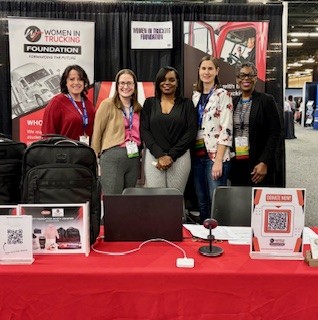
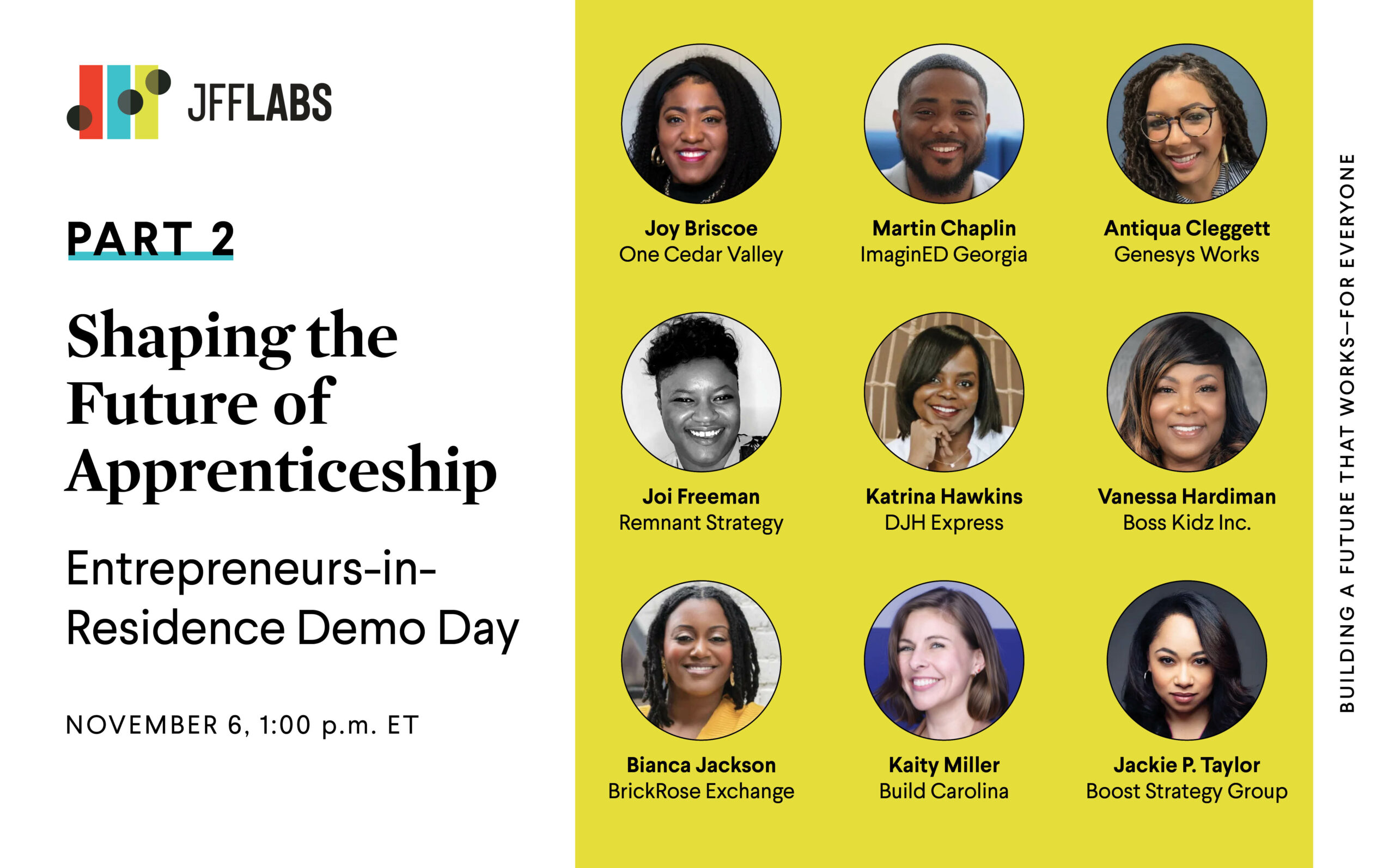
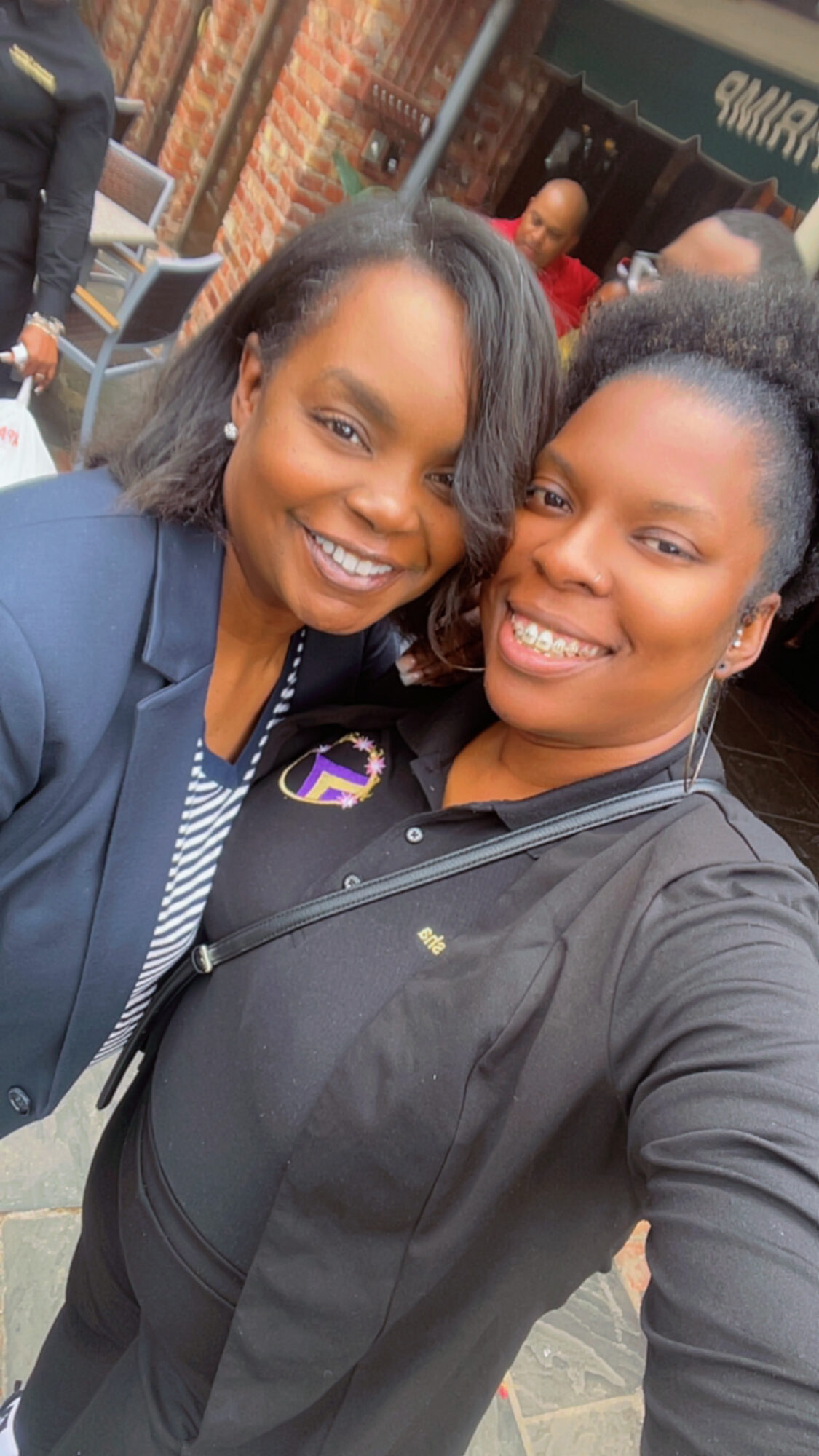
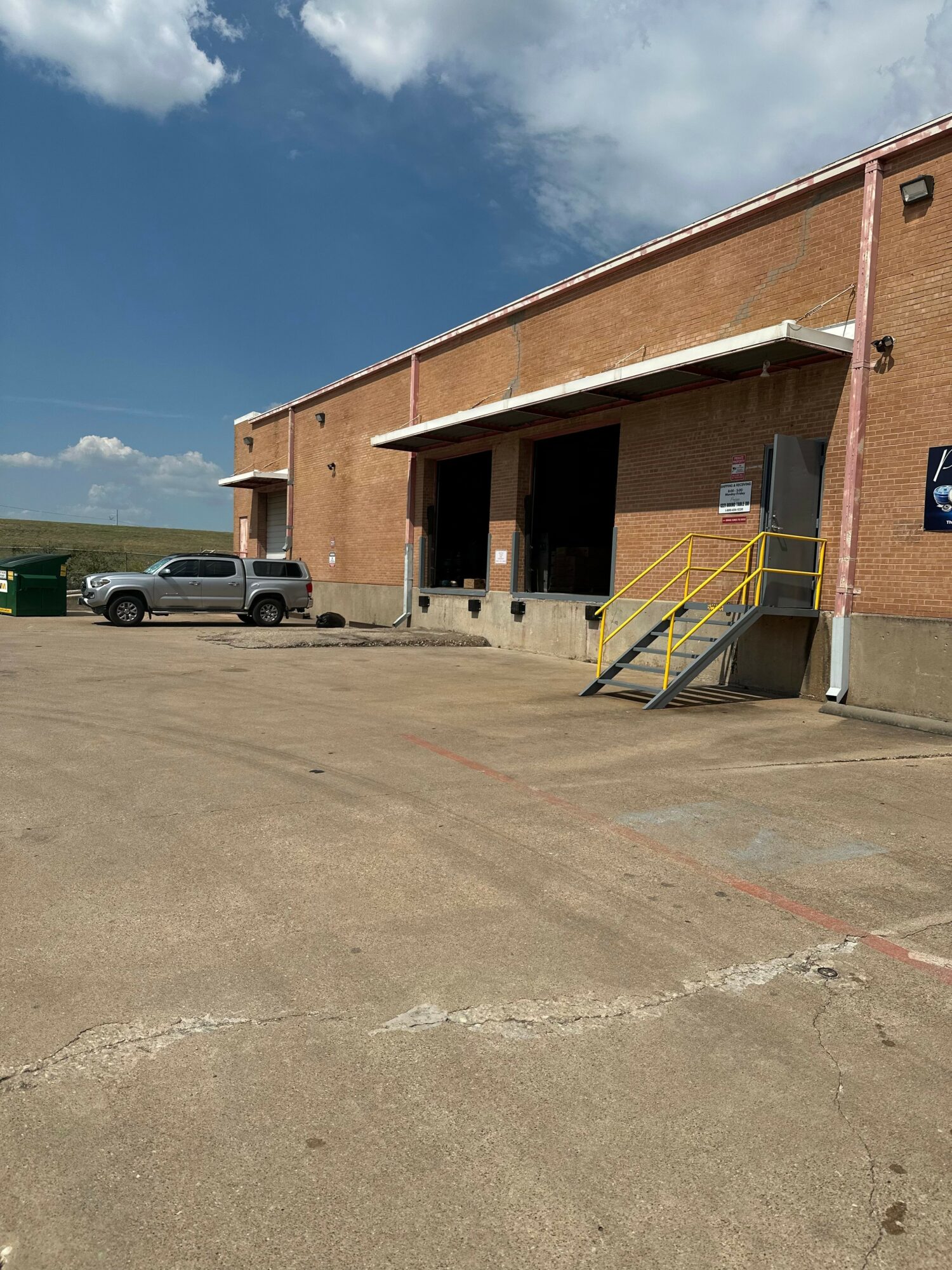
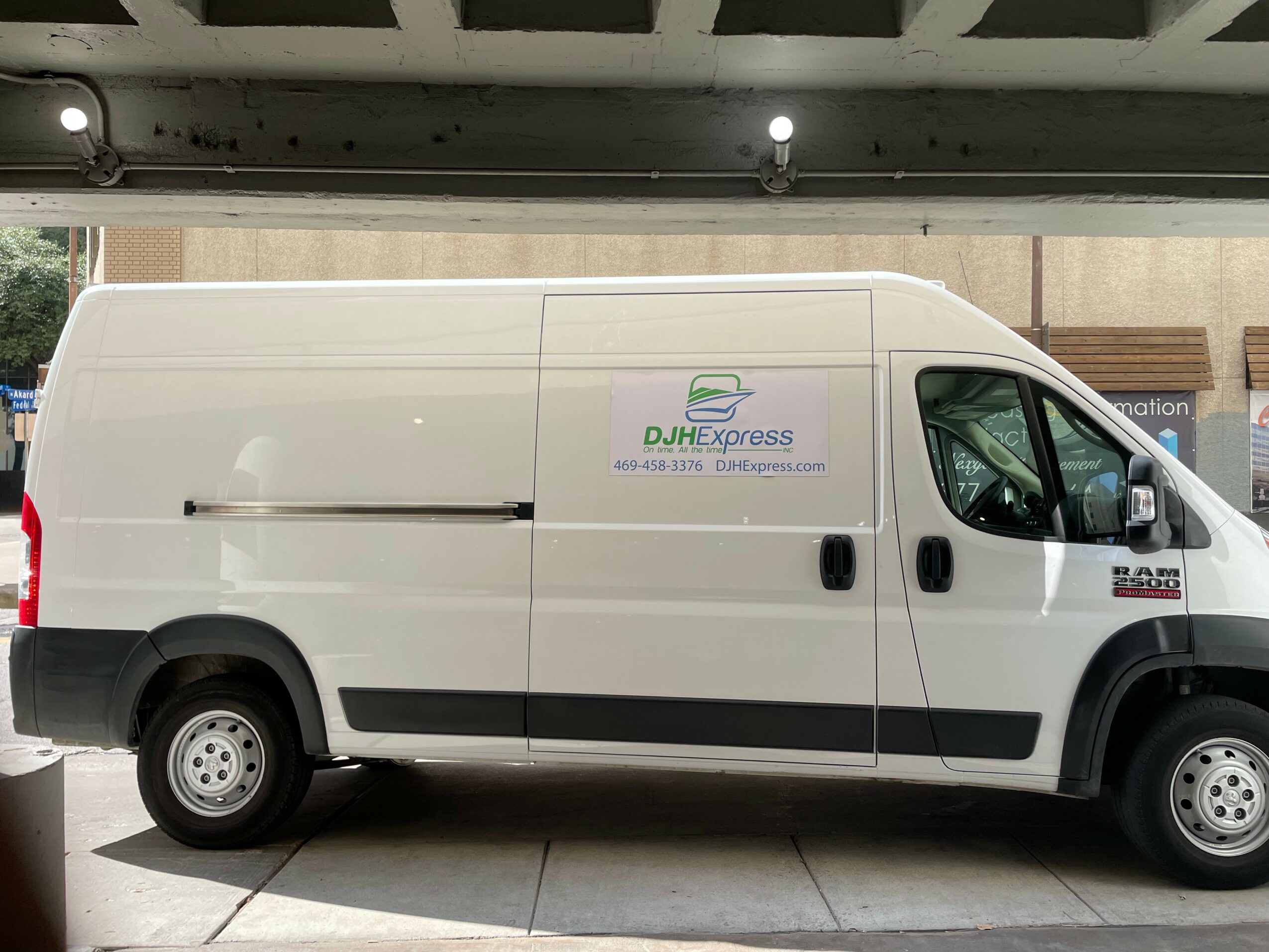
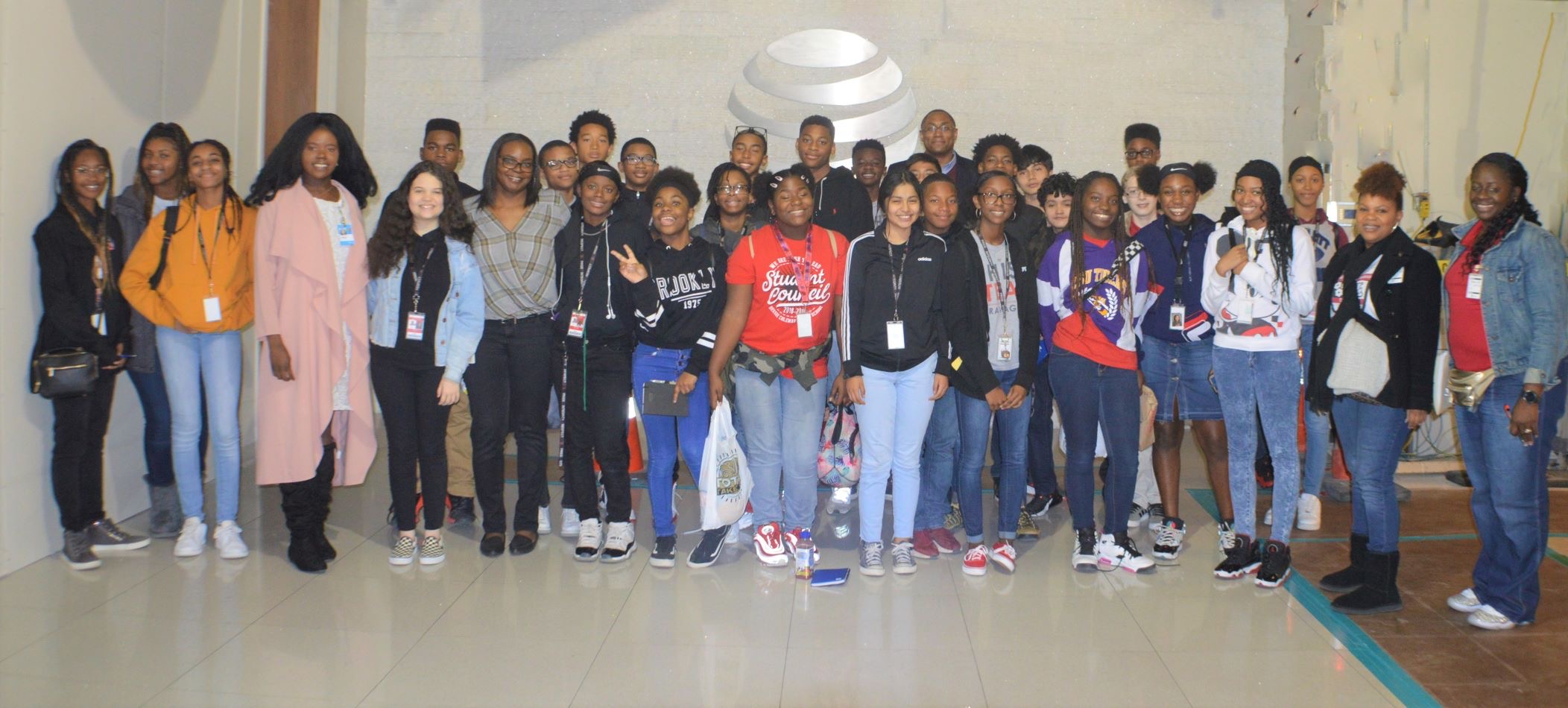
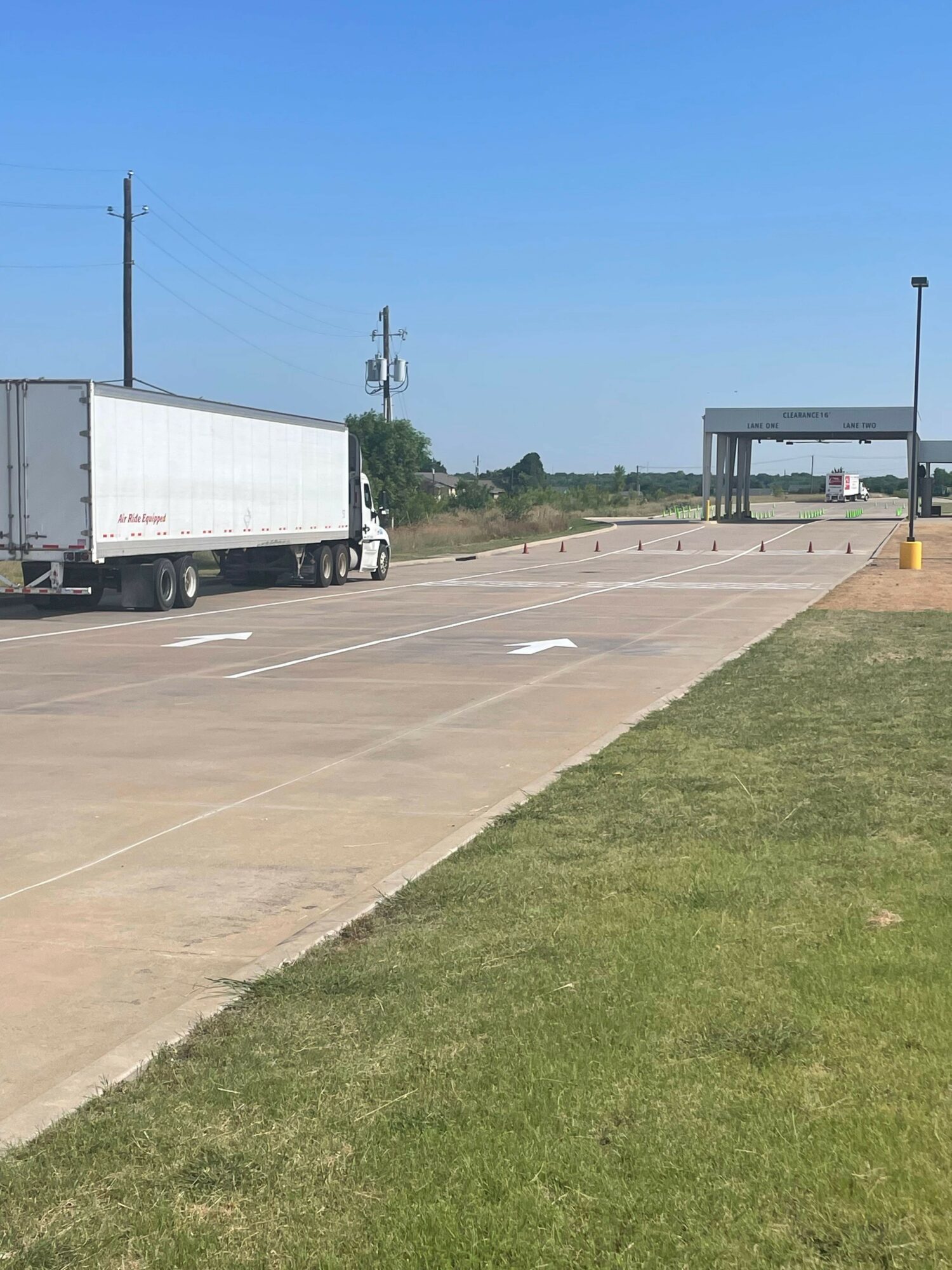
Image Credits
Dunice Harrell Photography – headshot
Jobs For the Future
Women In Trucking Foundation
AT&T