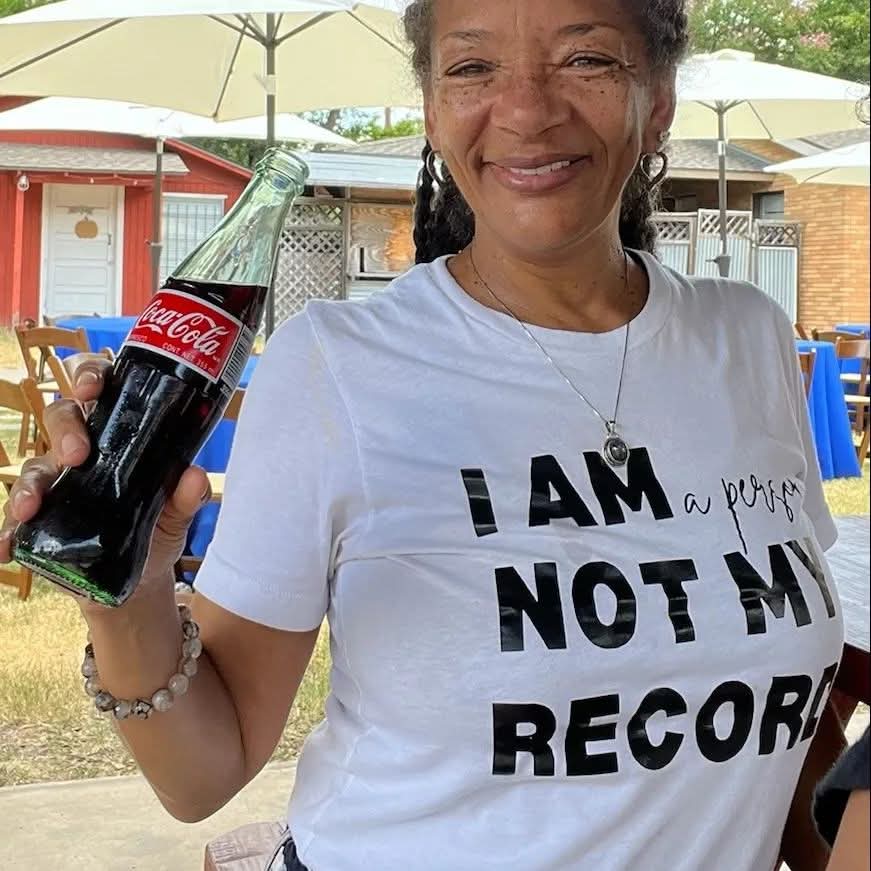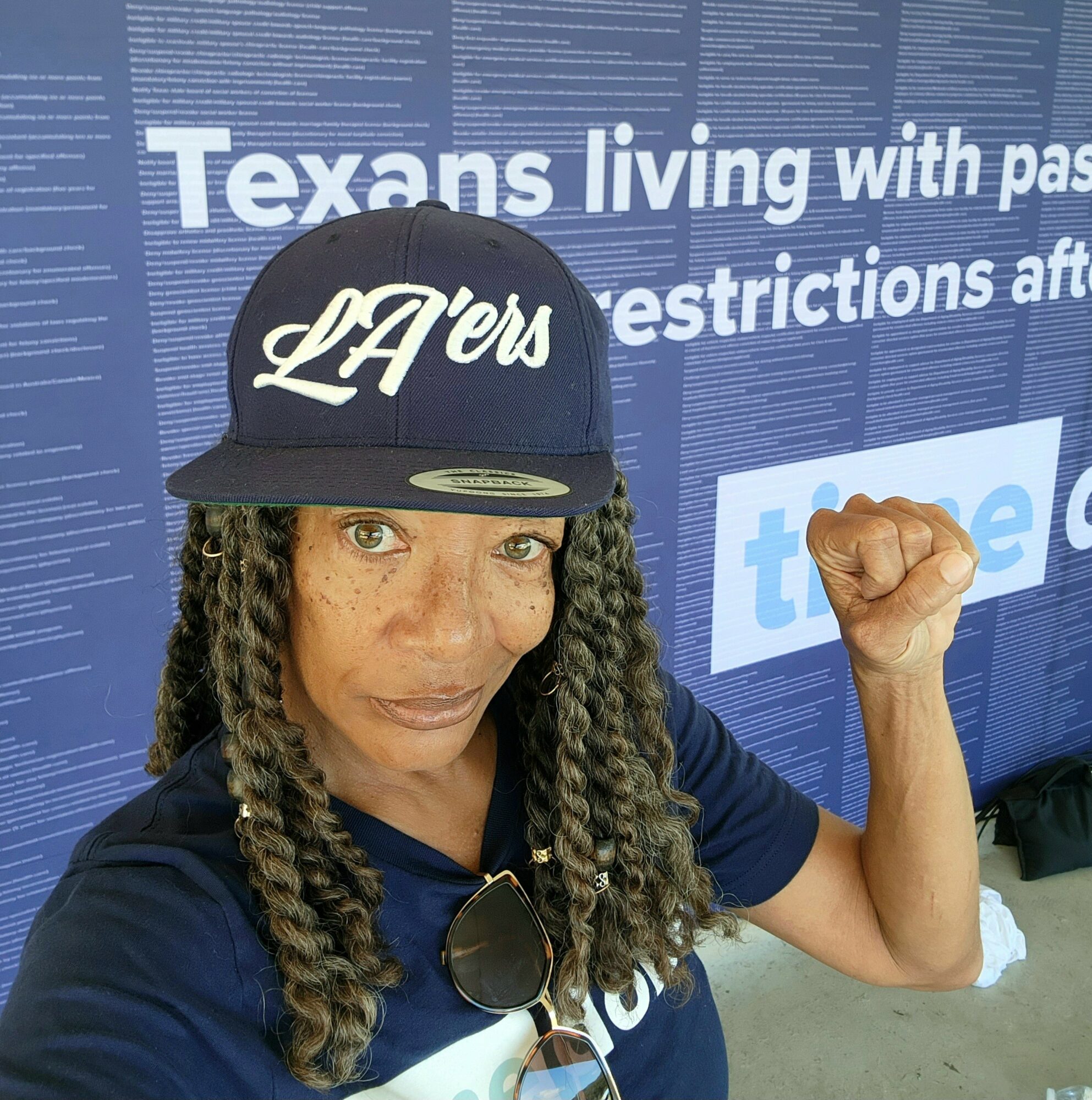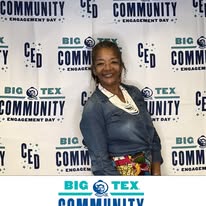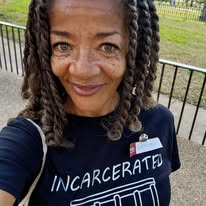






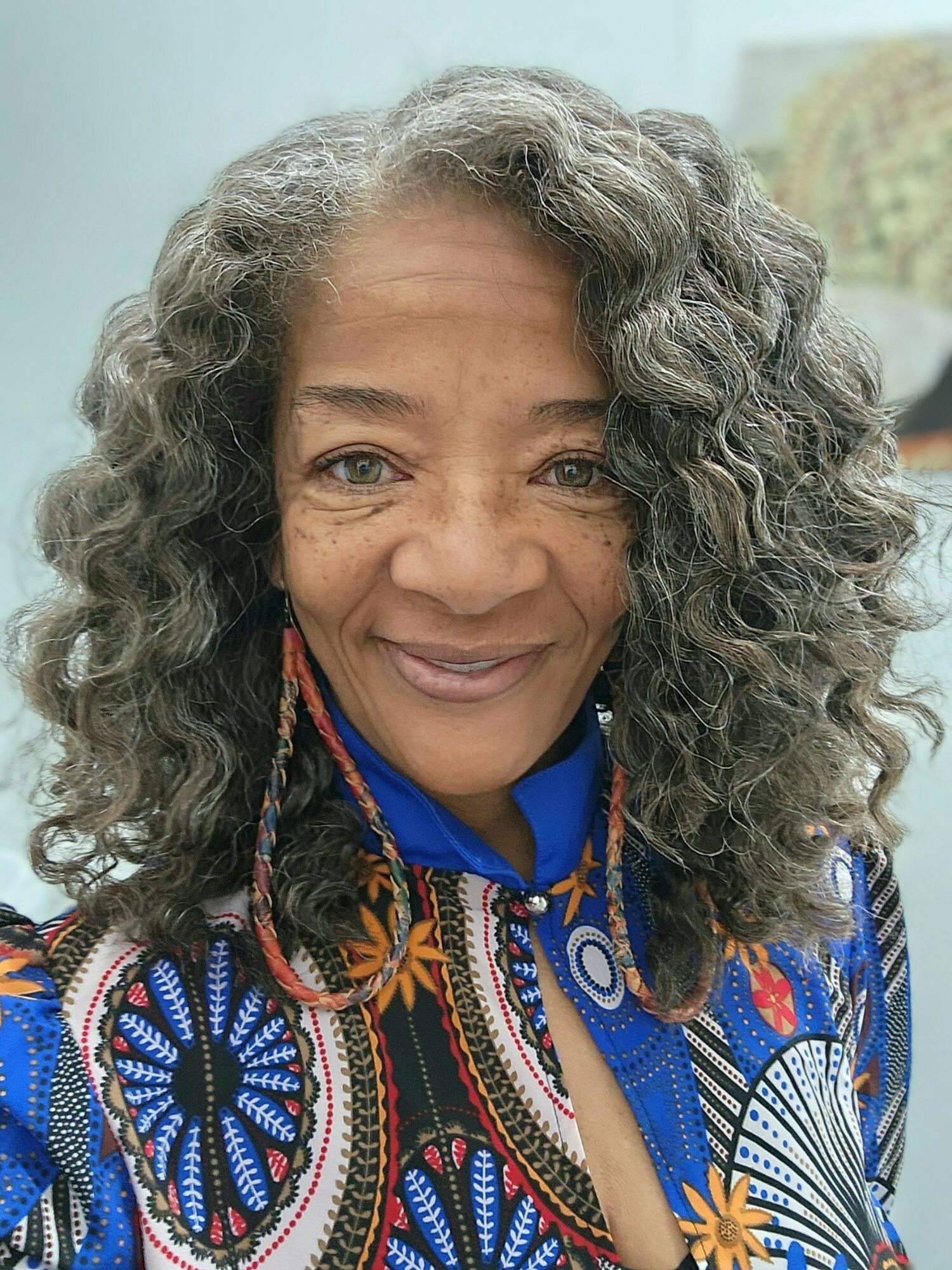
Today we’d like to introduce you to Latecia Hill.
Hi Latecia, can you start by introducing yourself? We’d love to learn more about how you got to where you are today?
I often say my story has three chapters—and all three are me.
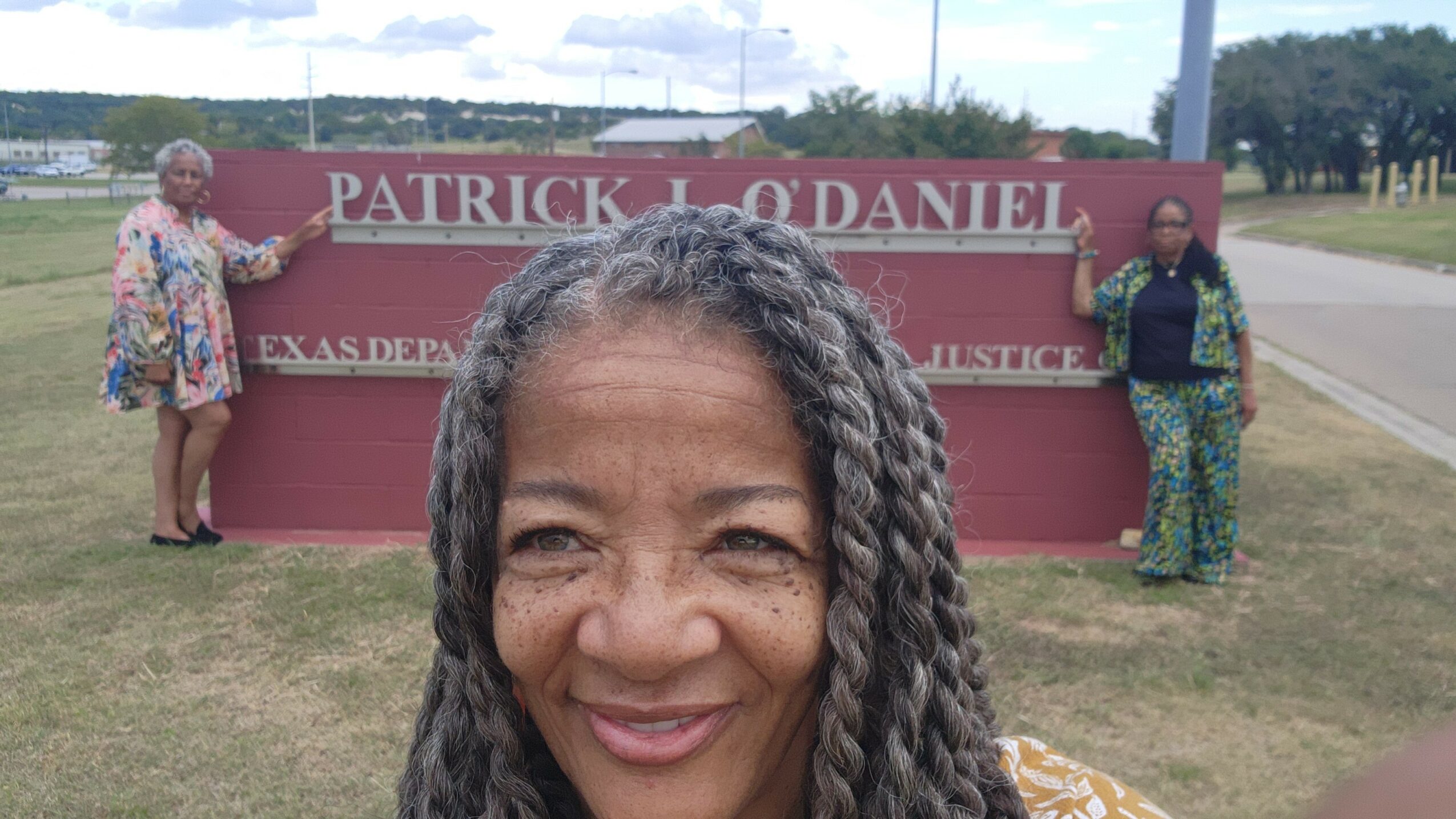
I started my career as a corporate executive. For more than two decades, I built a professional life rooted in leadership, and service. I had no criminal history, a strong reputation, and a deep belief in doing things the right way. Then, at 50 years old, my life took an abrupt turn. I was caught in an overzealous prosecution fueled by media sensationalism and a false narrative that erased everything I had built. Faced with the reality of a system that rarely rewards truth over leverage, I accepted a plea deal to avoid decades away from my family—and became a federal inmate.
That chapter changed me forever. Inside, I saw up close what policy decisions look like when they land on real people. I watched talented, capable women cycle through cages and return home with no plan, no support, and lifelong barriers waiting on the outside. I had begun planning my reentry long before I ever spent a day in prison, and I realized how rare—and how critical—that preparation was.
Today, I am the Founder and Executive Director of the Gateway Alliance Project, a Dallas-based 501(c)(3). GAP exists because I lived the gaps. We work to improve roads of reentry, end permanent punishments, and close the school-to-prison pipeline by centering the voices of people directly impacted and building practical, human-centered solutions. My journey from executive to inmate to nonprofit leader is not a fall-and-rise story—it’s a through-line. Every chapter informs the work I do now: transforming lived experience into systems change, and ensuring that justice-impacted individuals are met with opportunity, dignity, and real second chances.
I’m sure it wasn’t obstacle-free, but would you say the journey has been fairly smooth so far?
Not at all—it has been anything but smooth.
Even with decades of professional experience, strong life skills, and a thoughtful reintegration plan, I was unprepared for the sheer weight of a felony record. I quickly learned that preparation does not cancel stigma. Doors closed before conversations could even begin. Opportunities I was qualified for disappeared the moment a background check came into play. Housing, employment, and even civic participation came with invisible but very real barriers.
There were also emotional and psychological struggles—rebuilding credibility in a society that permanently brands you, navigating shame that wasn’t mine to carry, and learning how to ask for help in systems not designed to offer it. As someone who had always been self-sufficient, that adjustment was humbling.
What made it harder—and ultimately clarified my purpose—was realizing these obstacles weren’t personal failures; they were structural. The system is designed to punish long after a sentence is served. That reality is what pushed me from focusing solely on my own reintegration to building solutions for others. Those struggles became the blueprint for the Gateway Alliance Project and reinforced my commitment to ending permanent punishments and creating real, navigable paths home.
Great, so let’s talk business. Can you tell our readers more about what you do and what you think sets you apart from others?
The Gateway Alliance Project (GAP) is a Dallas-based 501(c)(3) rooted in lived experience and built for systems change. We exist to improve roads of reentry, end permanent punishments, and disrupt the school-to-prison pipeline by meeting people where they are—before, during, and after system involvement.
What sets GAP apart is that we don’t offer one-off services; we build pathways—intentional, connected supports that recognize reentry as a process, not an event. Our work is trauma-informed, person-centered, and led by directly impacted leadership, ensuring our solutions are practical, credible, and responsive to real-world barriers.
Our core programs include:
Pearls Place SAFE Home – A transitional, community-based safe home for justice-impacted women, designed to provide stability, dignity, and structured support during the most vulnerable phase of reentry. Pearls Place centers healing, accountability, and long-term independence.
Pathways to Purpose – An in-facility reintegration and pre-release program that helps participants build realistic reentry plans, develop life and workforce skills, and reconnect with purpose before release—because reentry should not start at the gate.
Pathways to Peace – A peer-led support circle that creates space for healing, accountability, and connection. This program reduces isolation, addresses trauma, and strengthens community bonds through shared experience and mutual support.
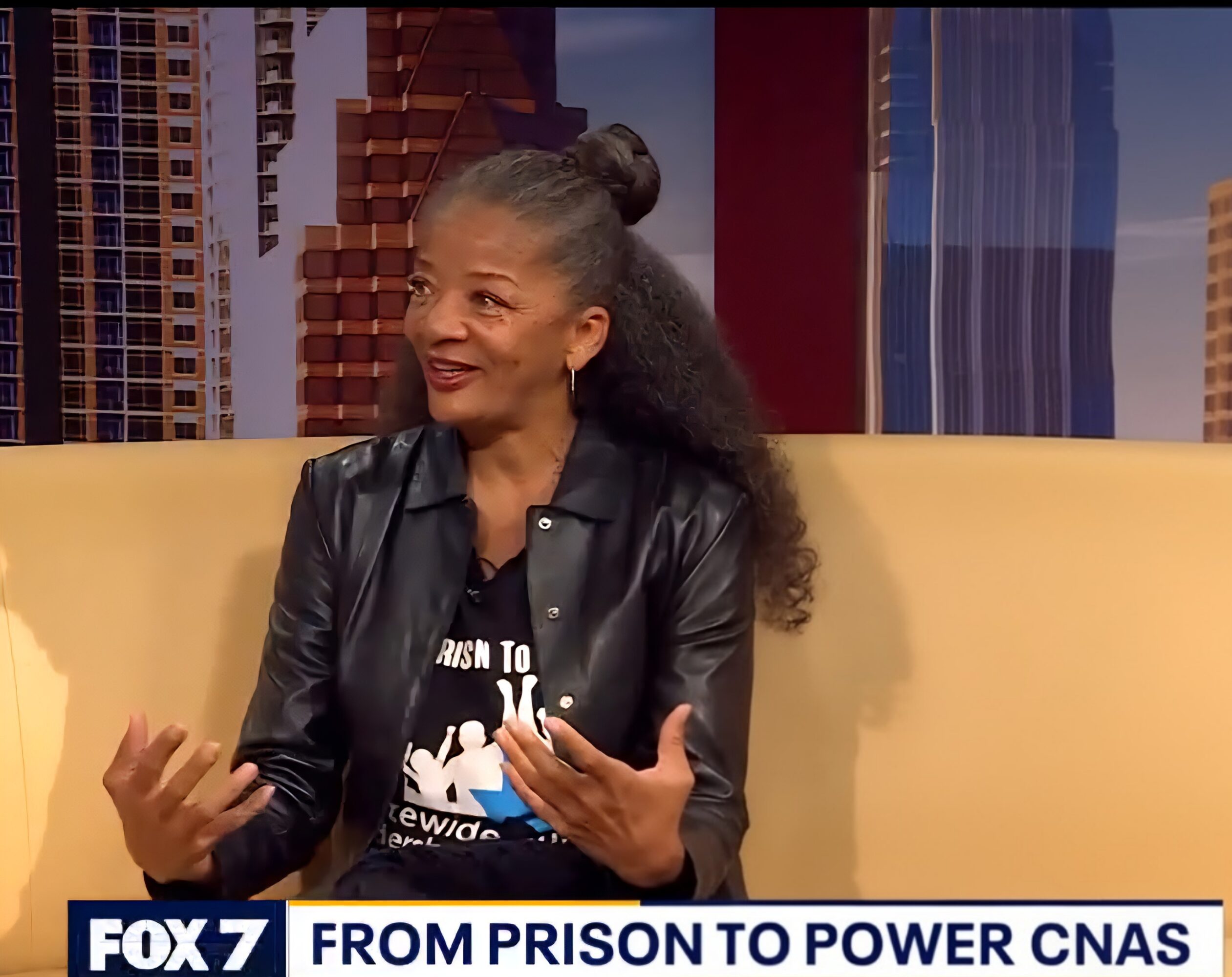
Pathways to Power – A storytelling and advocacy initiative that equips directly impacted individuals to use their voices as tools for self-advocacy, civic engagement, and policy reform—shifting narratives while influencing systems.
GAP specializes in bridging the gap between policy and people. We work at the intersection of reentry, prevention, and advocacy, translating lived experience into scalable programs and informed systems change. We are known for our authenticity, our credibility with system-impacted communities, and our ability to collaborate with stakeholders across corrections, nonprofits, and local government.
Brand-wise, what we are most proud of is that we do not speak for people—we build with them. Our brand stands for dignity, accountability, and possibility. We want readers to know that Gateway Alliance Project is not just responding to harm; we are building pathways home, creating alternatives to incarceration, and ensuring that justice-impacted individuals are not defined by their worst day but supported toward their best future.
What are your plans for the future?
In the near term, we are focused on scaling our Pathways model across Dallas County, strengthening in-facility partnerships so reentry planning begins earlier and continues seamlessly post-release. That includes expanding Pathways to Purpose into additional jail and correctional settings, deepening curriculum alignment with workforce, housing, and behavioral health partners, and strengthening data collection to demonstrate outcomes that matter to both communities and policymakers.
We are also planning the launch and expansion of Pearls Place Safe Home, increasing capacity for justice-impacted women and formalizing wraparound supports that stabilize housing, support family reunification, and reduce recidivism during the highest-risk period after release.
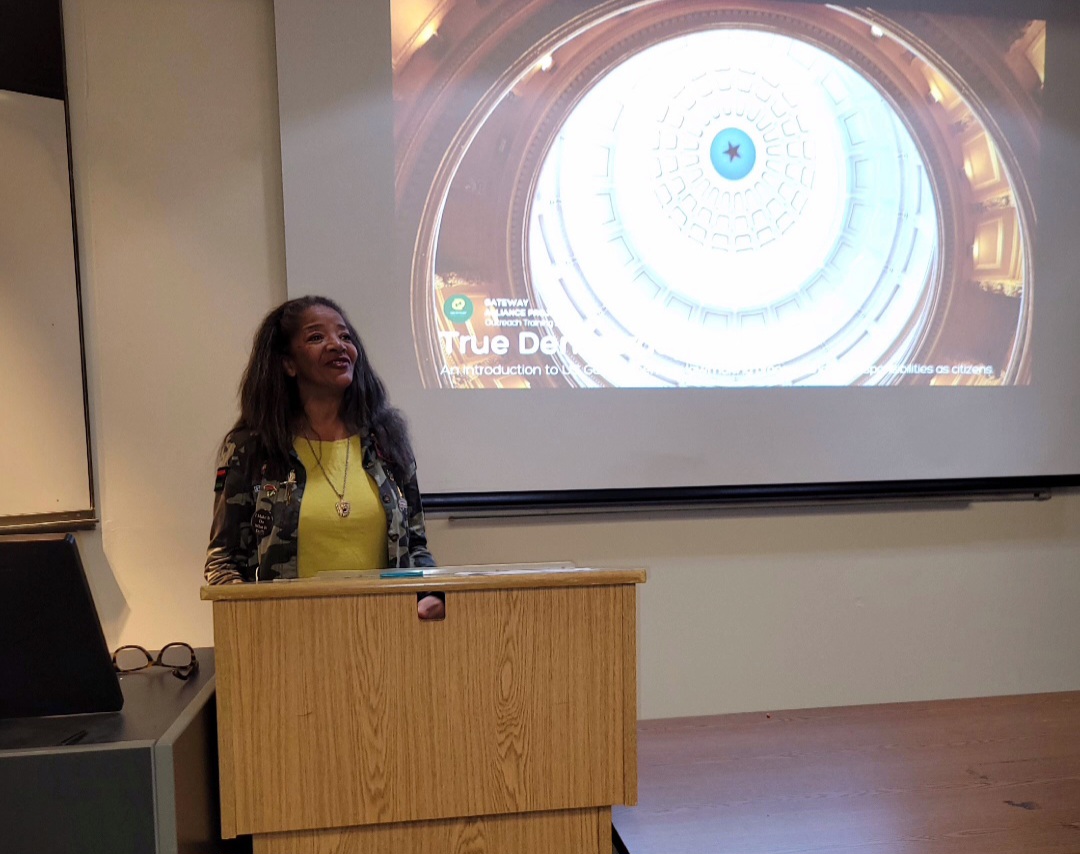
Looking ahead, we are investing in leadership development and advocacy infrastructure through Pathways to Power, positioning directly impacted leaders to influence local policy, procurement, and funding decisions. Alongside that, Pathways to Peace will expand as a community-based healing and violence-prevention strategy, recognizing that public safety and community wellness are inseparable.
One of our biggest upcoming shifts is moving from a startup organization to a systems-embedded partner—formalizing MOUs with county agencies, aligning with diversion and prevention initiatives, and securing multi-year public and private funding to ensure sustainability.
What we’re most looking forward to is proving that reentry does not have to be chaotic, punitive, or isolating. Our long-term vision is a Dallas where reentry is coordinated, permanent punishments are dismantled, and young people are met with opportunity instead of incarceration—and Gateway Alliance Project is helping lead that transformation.
Contact Info:
- Website: https://www.lateciaspeaks.com/
- Instagram: https://www.instagram.com/gatewayallianceproject/
- Facebook: https://www.facebook.com/gatewayallianceproject
- LinkedIn: https://www.linkedin.com/in/lateciaspeaks/
- Youtube: https://www.youtube.com/@gatewayallianceproject