






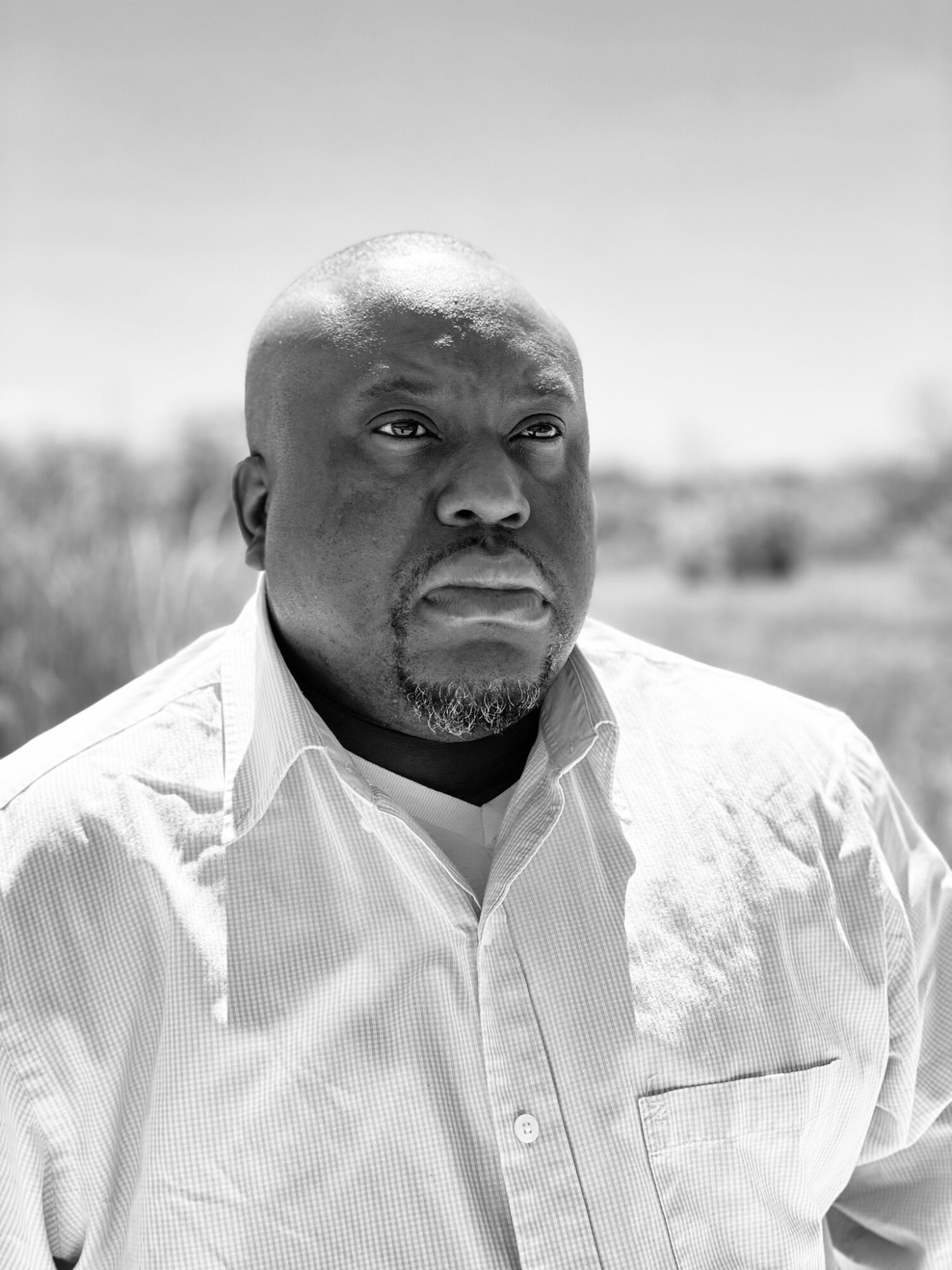
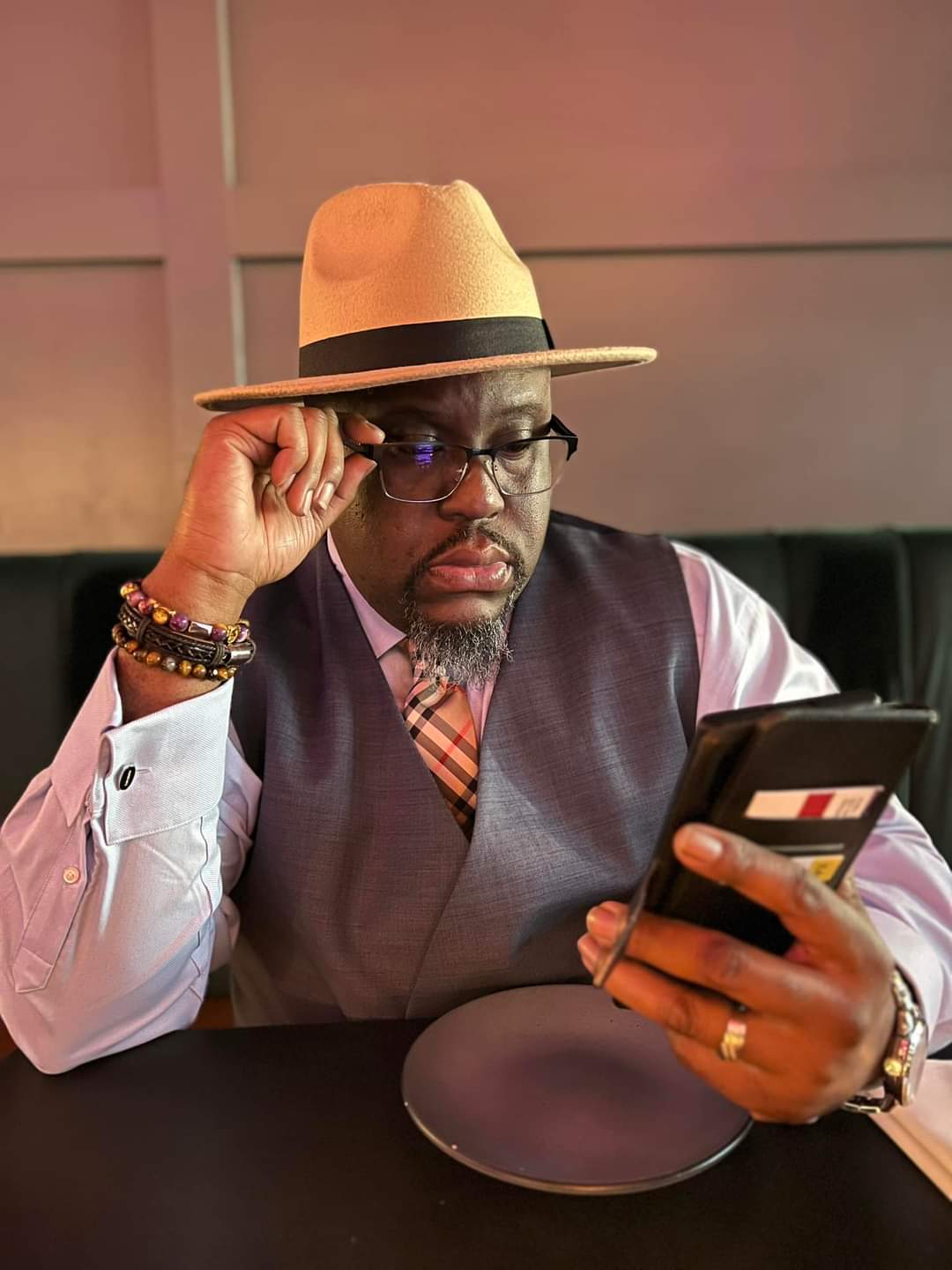
Today we’d like to introduce you to Rodrego Way, LPC-S, LCDC.
Hi Rodrego, so excited to have you on the platform. So before we get into questions about your work-life, maybe you can bring our readers up to speed on your story and how you got to where you are today?
I didn’t start out in mental health I started in criminal justice. Early in my career, I spent several years working in systems that were designed to respond to behavior after the damage was already done. I saw the same patterns repeating: trauma showing up as anger, addiction, shutdown, relationship conflict, and poor decisions especially in communities where people were expected to “tough it out” instead of heal. Over time, I realized I didn’t just want to be part of the response on the back end I wanted to be part of the prevention and the healing on the front end.
That shift is what led me into counseling. The journey wasn’t easy. Like many people who choose this work, I carried my own life experiences, cultural awareness, and lessons from the communities that raised me. I’m originally from Pinewood, South Carolina, and my path has taken me through different places and seasons each one adding perspective on identity, resilience, and what it really takes to rebuild your life. I committed myself to doing the deeper work: education, supervision, training, and continuous growth not just to earn credentials, but to become the kind of clinician people could trust with the parts of their story they rarely say out loud.
Today, I serve as a Licensed Professional Counselor and supervisor, and I’ve built my work around helping individuals especially Black men and other BIPOC clients understand trauma, reduce shame, and develop practical tools for healing. I’m passionate about making therapy feel accessible, culturally grounded, and real. My approach blends clinical skill with straight talk, compassion, and strategy because people don’t just need insight, they need a plan for how to live differently.
What I’m most proud of is that my story isn’t only about a title it’s about purpose. I’ve taken everything I’ve learned from past systems, personal experience, and professional training, and turned it into work that helps people reclaim their voice, strengthen their relationships, and break cycles. At this stage in my career, I see my role as more than a counselor I see it as a bridge: between survival and healing, between stigma and support, and between where people have been and where they’re trying to go. Most of all I have accepted that this is my ministry in life. Though it is not from a pulpit, I still have a platform that I have to share what God has given me those he chose to receive it.
We all face challenges, but looking back would you describe it as a relatively smooth road?
It definitely hasn’t been a completely smooth road and I think that’s true for most people who choose purpose driven work.
One of the biggest challenges was the transition itself: moving from criminal justice into mental health meant starting over in a lot of ways. I had to embrace being the student again putting in long hours, completing supervision, and staying committed even when progress felt slow. I actually had to start over with supervision after moving to Texas. This was very discouraging for me but I did what was necessary to become licensed here in Texas. There were seasons where I was balancing responsibilities, managing finances, and still trying to show up with excellence.
Another struggle was learning how to carry the emotional weight of this work without carrying it home. When you sit with people’s pain especially trauma that is connected to family, community, and historical experiences you can’t do it well unless you’re also doing your own inner work. I had to learn boundaries, self-care that actually works, and how to stay grounded while still being fully present for clients.
There were also challenges that come with being a culturally responsive therapist. In many BIPOC communities, mental health is still misunderstood or minimized. Sometimes I’ve had to break through stigma, mistrust, or the belief that asking for help is weakness especially for men. Building trust takes time, and it requires you to be consistent, authentic, and willing to meet people where they are.
And honestly, entrepreneurship has had its own learning curve too building a practice, creating programs, and growing sustainably while maintaining clinical integrity. There were moments I had to learn lessons the hard way: how to pace myself, how to protect my time, and how to stay mission focused instead of chasing every opportunity.
But those struggles shaped my approach. They made me more patient, more disciplined, and more intentional. They also reminded me that healing isn’t a straight line and part of my credibility as a therapist is that I’ve had to practice the same resilience and self-awareness that I encourage in others.
Alright, so let’s switch gears a bit and talk business. What should we know?
My work is rooted in one mission: helping people heal in a way that is practical, culturally grounded, and sustainable not just emotionally, but in how they live, lead, and relate to others.
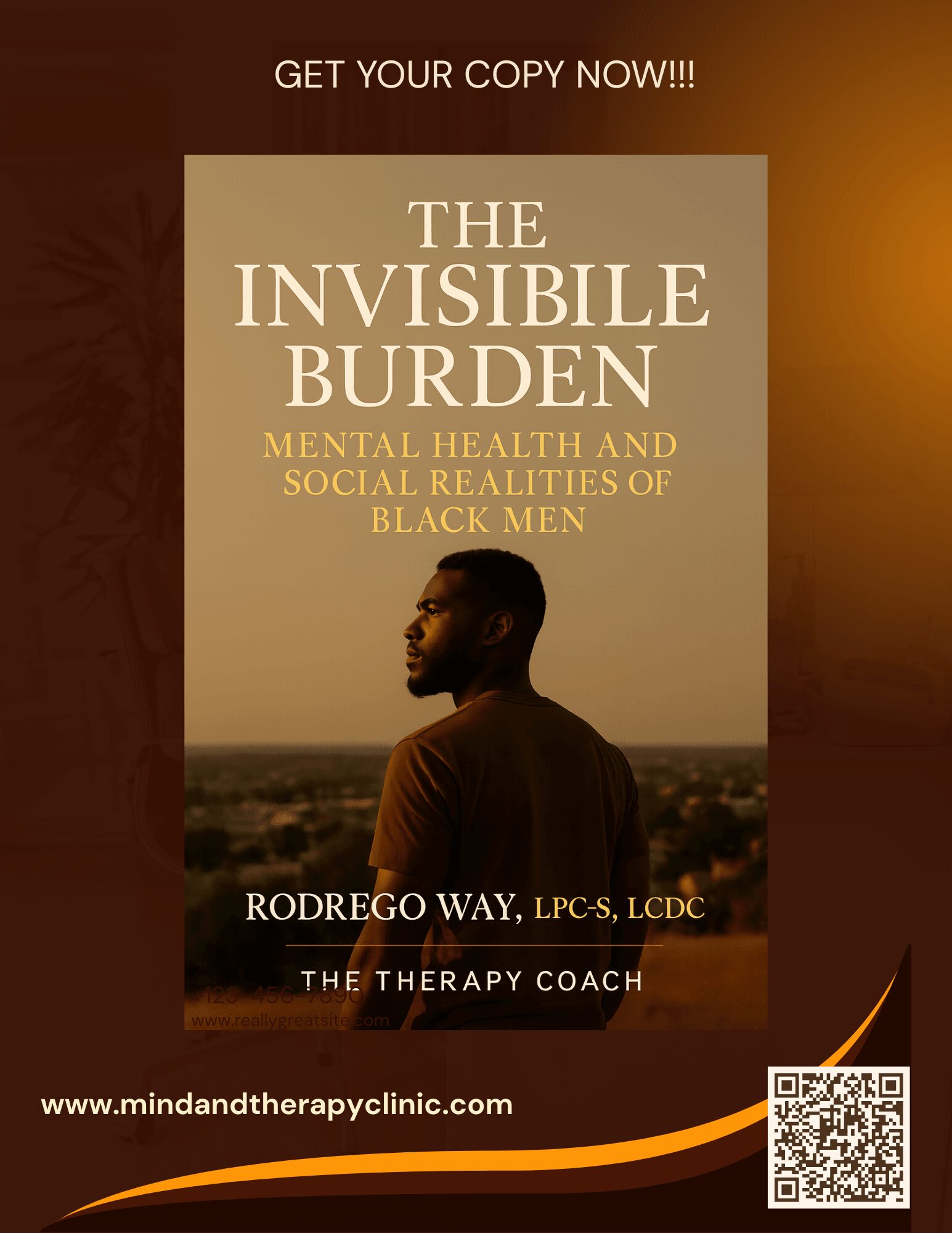
I operate The Mind and Therapy Clinic, PLLC, a counseling and wellness practice that provides therapy, education, and support for individuals navigating stress, trauma, identity concerns, relationship challenges, and major life transitions. While I serve a wide range of clients, I’m especially known for work focused on BIPOC trauma and mental wellness, with a strong emphasis on helping Black men move from survival mode to stability, emotional confidence, and healthier relationships.
What we do and what we’re known for
Trauma informed therapy that focuses on reducing shame, building emotional regulation, and strengthening day-to-day coping skills
Work with historical and community based trauma, including the impact of social stress, family patterns, and systemic pressures
Support for men’s mental health, identity development, and relationship wellness
Professional support through training, mentorship, and clinical supervision for developing clinicians (where applicable)
What sets my approach apart
What sets me apart is the blend of clinical expertise, straight talk, and cultural competence. I’m not interested in therapy that only “sounds good” in the room. I focus on helping clients understand what’s happening internally and then building a clear plan for change. My style is practical and empowering, and I create a space where people feel seen, respected, and challenged in the right ways.
I’m also known for being able to connect with clients who don’t always feel comfortable in traditional therapy settings especially those who’ve been taught to “be strong” and keep everything inside. I help clients reframe strength as self-awareness, emotional discipline, and the courage to heal.
What I’m most proud of brand-wise
Brand wise, I’m most proud that the clinic represents more than a service it represents a message: therapy is not weakness, and healing is a form of leadership. I’ve worked intentionally to build a brand that is approachable, culturally relevant, and community centered. I’m proud of the platforms and programs I’ve developed that speak directly to people who have historically been underserved or overlooked in mental health spaces.
What I want readers to know
I want readers to know that my brand is built on authenticity and outcomes. Whether someone is coming for therapy, education, or support, the goal is the same: to help them understand themselves, break cycles, and move forward with clarity.
If you’re someone who has been carrying a lot silently, for a long time my message is simple: you don’t have to keep doing it alone. Healing is possible, and you can build a life that isn’t defined by what you’ve survived. This is why our motto is “Transforming Trauma into Triumph
Can you talk to us about how you think about risk?
I view risk as a necessary part of growth but I don’t see it as reckless. For me, risk is best understood as purpose, preparation, and courage. The goal isn’t to take wild chances; it’s to make intentional moves that align with who you are and what you’re called to build, even when there’s no guarantee.
One of the biggest risks I’ve taken was making the shift from working for agencies into private practice and fully committing to becoming the primary source of income for myself. That transition required time, humility, and sacrifice. It meant stepping into a new field, doing the training and supervision, and trusting the long game before the “results” were visible. Another major risk was building my practice and brand. Entrepreneurship brings its own uncertainty: investing in yourself, learning how to serve ethically while scaling, and staying consistent through seasons where growth is slower than expected. Also, the level of reassurance needed to secure support from my wife and family was crucial.
I’ve also taken risks in being very clear about my niche especially focusing on BIPOC trauma and men’s mental health. That choice can feel risky because it requires you to speak directly to difficult realities and challenge stigma. But I’ve learned that clarity is powerful when you’re bold about who you serve and why, the right people find you.
My perspective on risk is simple:
Risk is easier to carry when it’s connected to purpose. If it aligns with your values, you can tolerate uncertainty better. Risk should come with strategy. I’m a believer in calculated risks doing the research, getting wise counsel, building a plan, and then moving. Fear isn’t a stop sign; it’s information. If something scares me, I ask: Is this fear warning me, or is it trying to keep me comfortable?
The biggest risk is staying stuck. A lot of people avoid risk and end up paying for it with regret, burnout, or unrealized potential. So yes I’ve taken major risks, but they’ve been intentional ones. And I’ve learned that most meaningful progress in life and business requires you to step forward before you feel fully ready. The key is making sure the risk you’re taking is actually building the future you want.
Contact Info:
- Website: https://www.mindandtherapyclinic.com
- Facebook: https://www.facebook.com/therapycoach1
- LinkedIn: https://www.linkedin.com/in/thetherapycoach/
- Twitter: https://x.com/TheTherapyCoach
- Youtube: https://www.youtube.com/@Thetherapycoach

Popular
-

Deborah Fessenden on Turning Foraged Beauty into Purpose-Driven Jewelry and Advocacy
-

Andrew Finch on Building Elite Athletes Through Fundamentals, Mindset, and Global Experience
-

Genai Walker on Turning Life Experience into Impact Through Writing, Business, and Self-Mastery
-

The Most Inspiring Stories in Dallas