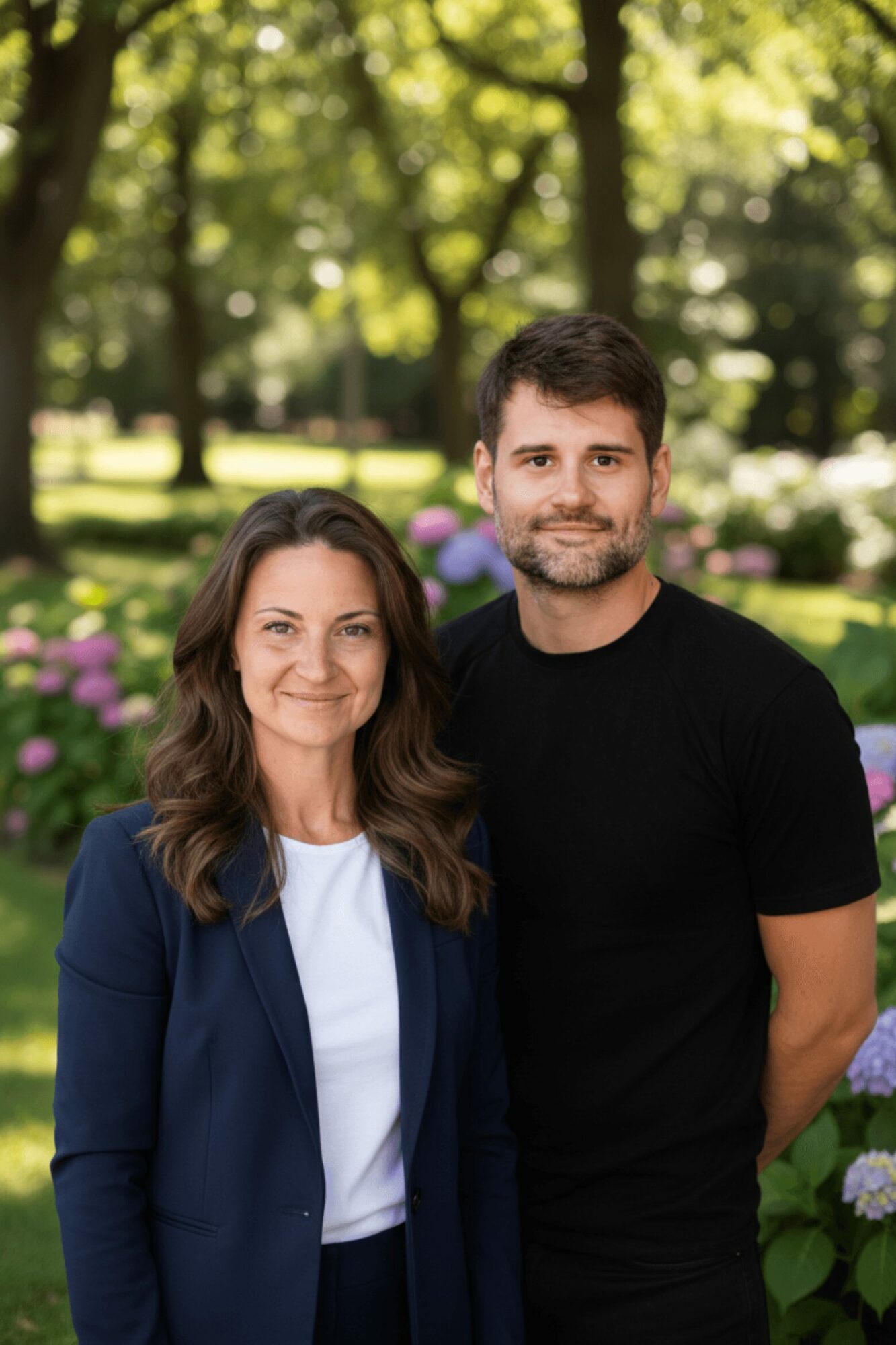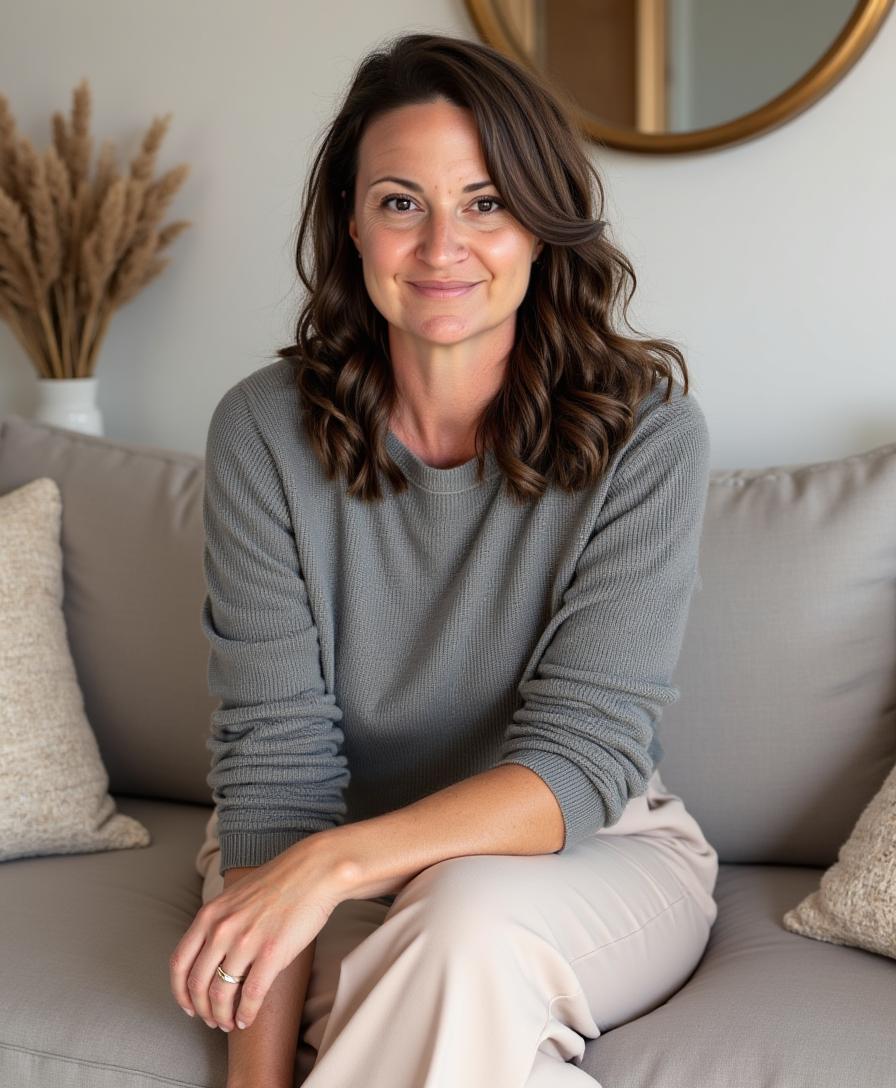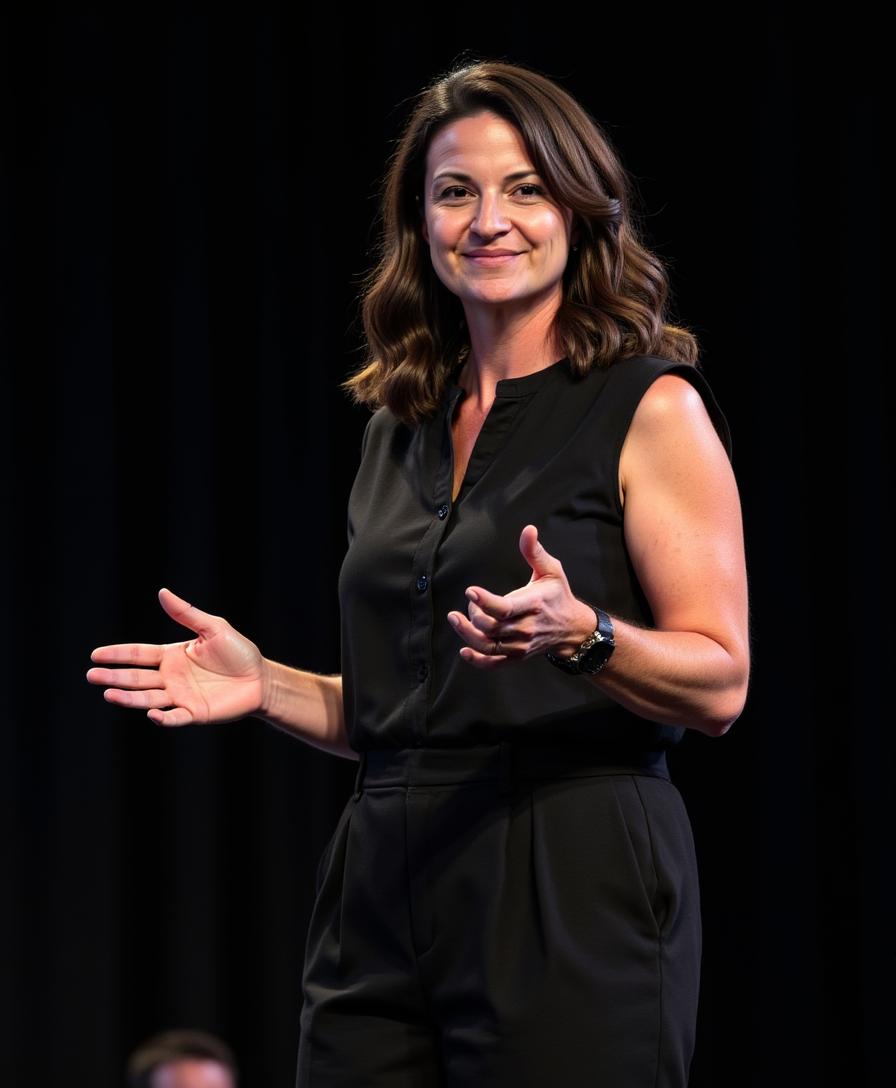






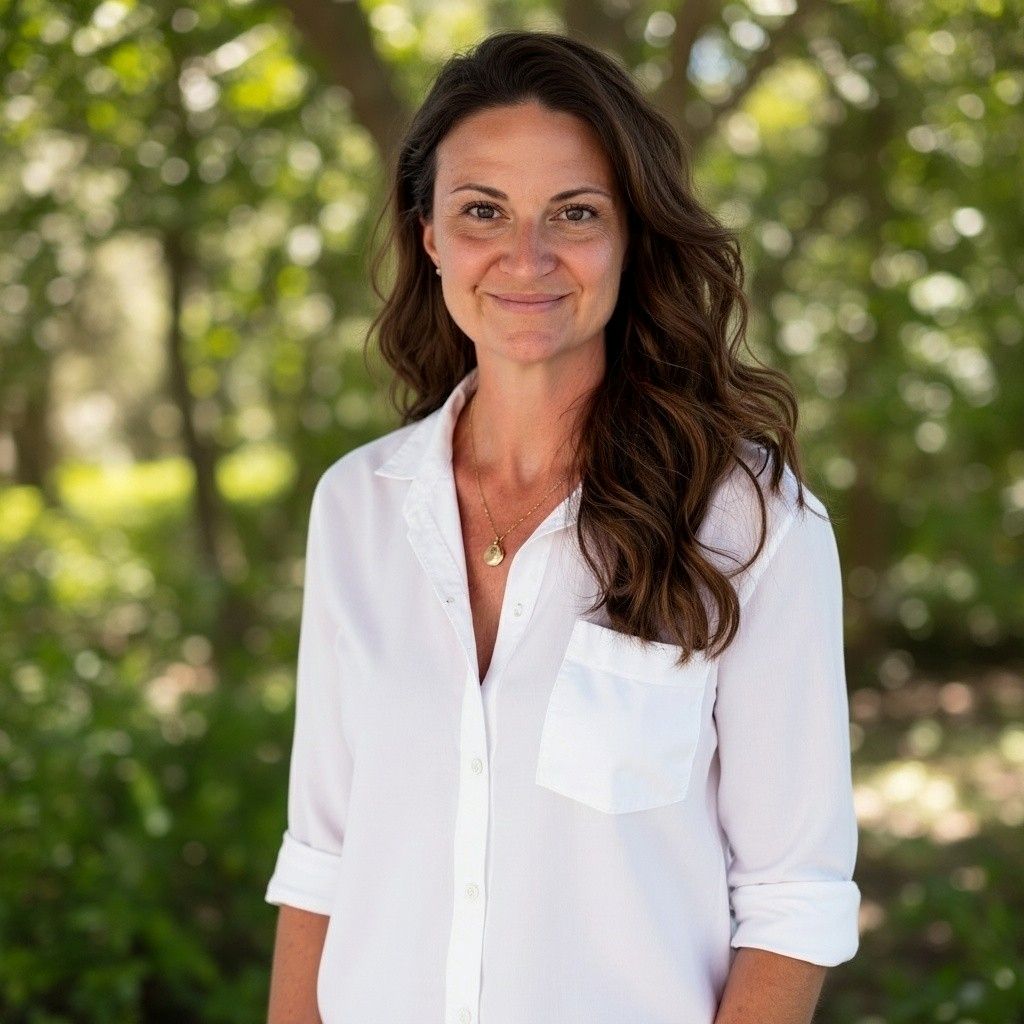
Today we’d like to introduce you to Tiffany Corson Bednar.
Hi Tiffany, thanks for joining us today. We’d love for you to start by introducing yourself.
When I look back, my path makes sense not because it was linear, but because the same questions kept returning.
I grew up watching my dad build his own business, pouring concrete for custom homes, primarily in Highland Park. He has owned and operated A&T Concrete since the 1980s, and I’ve rarely heard him complain. What I absorbed from him was not just his work ethic, but the power of autonomy. He showed me that work could be built with integrity, pride, and independence, and that it was possible, and encouraged me to design a life rather than inherit one.
In college, I believed I would become a nurse. When my mom became ill, we ended up in an ER in Kansas City, Missouri. Watching care unfold from the inside, the nurses were compassionate and skilled, but stretched thin and exhausted. That experience stayed with me. It revealed the quiet tension between care and capacity, and it pushed me to ask deeper questions about how systems support or fail the humans inside them.
Those questions led me to study anthropology. For the first time in my life, learning felt alive. Studying humanity, culture, and behavior gave me language for patterns I instinctively noticed. I didn’t choose marketing because I loved advertising. I arrived there through opportunity. What I discovered was a real-world laboratory where human behavior, strategy, and outcomes intersect. Anthropology gave me the lens; marketing and communications gave me the mechanism.
Healthcare continued to thread through my life. Years later, my sister was diagnosed with cancer, and I watched her navigate a fragmented system where something as fundamental as scheduling treatment became a recurring obstacle. In moments when clarity and coordination mattered most, technology and process often failed her. It became undeniable to me that people don’t only suffer from illness. They suffer from broken systems. In healthcare, those failures are not abstract. They cost time, trust, and lives.
That lived understanding, combined with my background in medical anthropology and early nursing training, anchored my professional focus in healthcare. During COVID, many of my clients were healthcare organizations, and supporting them through that period shaped my work in profound ways. It reinforced a core belief: technology is not neutral. When designed well, it expands access and dignity. When designed poorly, it amplifies harm.
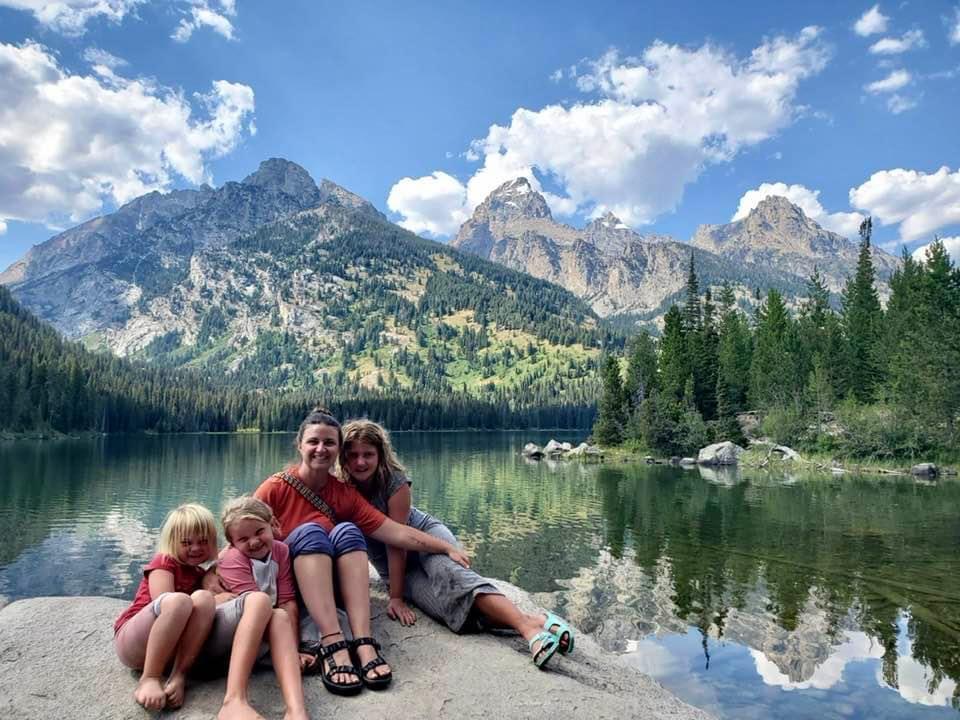
As one of the few women in boardrooms early in my career, I learned quickly how important clarity and vision are. Leadership can be lonely, especially when you are building in spaces that are highly regulated, high-stakes, and slow to change. As a mother of three, vision became my anchor.
Throughout my life, I have also learned the importance of surrounding myself with inspiration. Professors who expanded how I thought, bosses and business owners who trusted me with responsibility, colleagues who challenged me, and family members who made life fuller and more joyful. None of this work happens in isolation. I am deeply shaped by the people who believed in me, pushed me, and reminded me why the work matters.
My company eventually merged with TruLata, where I now serve as President of the services arm and as a partner in both the holdings and software divisions. The partnership was built on years of shared work and trust with the CEO, Trace Gordon. Today, my role sits at the intersection of human behavior, ethical technology, and scalable innovation in healthcare and beyond.
I spend my days focused on what’s possible for people and the systems that shape their lives. I want my daughters to know that possibility is not abstract, it is built, and to see in me a mother who believed she had the power to build the life she imagined. Often having to challenge norms.
Alright, so let’s dig a little deeper into the story – has it been an easy path overall and if not, what were the challenges you’ve had to overcome?
It hasn’t been a smooth road, and I don’t think meaningful work ever is.
There is nothing easy about building a business while raising small children, navigating leadership as a woman, and holding a deep care for humanity in a world that often feels like it’s on fire. I was diagnosed with POTS after my first daughter, and then underwent a craniotomy in 2021, and have continued to lead through seasons where my body required as much attention as my work did. That alone reshapes how you think about pace, resilience, and what strength actually looks like.
Layered onto that is the reality of leadership. Women are often asked to perform at a high level while minimizing the fact that they have children, families, or bodies that require care. We’re told to wait to ask for the raise until we’ve already done the work, to be grateful for the seat at the table, and to remain composed no matter the cost. There is a reason people resonated so strongly with that moment in the Barbie film. It articulated a lived tension many women carry quietly.
COVID was a defining chapter. Professionally, my business grew, and I’m grateful for that. Personally, it was incredibly hard. All three of my daughters were home, my partner was working in healthcare as a public servant, and the emotional load inside our home was heavy. At the same time, employees were struggling, clients were operating with higher stakes, and the pace of decision-making accelerated. Leadership required a new level of steadiness amid uncertainty. At the time, I thought, “Why not just start homeschooling my girls?” and that I did for 5 years with the help of an incredible community.
Marriage, too, is work. Balancing ambition, travel, visibility, and partnership requires ongoing negotiation and care. Add public service into that mix, and it demands even more intention.
What I didn’t realize earlier in my career is that the greatest gift came later. It was the work of truly embodying my own worth, rather than waiting for it to be validated externally. That internal shift changed how I lead, how I set boundaries, and how I sustain myself over time.
The road hasn’t been smooth, but it has been honest. And that honesty is what allows me to lead with clarity, compassion, and endurance.
As you know, we’re big fans of TruLata. For our readers who might not be as familiar what can you tell them about the brand?
TruLata is a multi-arm company built to help organizations grow responsibly in complex, high-stakes environments. At its core, TruLata operates at the intersection of human behavior, digital systems, and execution. We don’t just help brands look good. We help them work better.
Our Marketing Services arm is where TruLata began and where much of our reputation was built. We excel in healthcare, software, and local service-based businesses, supporting clients who require both trust and performance. We specialize in high-conversion website builds, sophisticated digital advertising, press and media strategy, sales enablement, and the operational infrastructure required to support growth. Many of our clients operate in highly regulated or high-trust environments where clarity, compliance, and execution all matter.
What we are known for is conversion with integrity. We build websites that are not only visually strong, but intentionally designed to guide people to action. Our advertising and media work is grounded in deep audience understanding rather than trend-chasing. Sales enablement ensures teams are supported beyond the click, and our operational tools create stability as organizations scale. Everything we do is designed to align message, systems, and outcomes.
The Holdings arm reflects TruLata’s long-term vision. TruLata Holdings partners with companies we believe in, often where strong leadership and meaningful solutions already exist, but structure, systems, or strategic guidance are needed to scale responsibly. We don’t acquire to extract value. We partner to build it. That means shared incentives, hands-on support, and long-term alignment. We are selective by design and work with founders who understand that durable growth requires both discipline and care.
Our SaaS division is a natural extension of the work we have done for years. We design and deploy custom software solutions across our client and partner portfolios, solving operational problems we have already lived inside. This summer, we are launching a healthcare technology tool focused on reducing fragmentation in healthcare data, an issue we have seen repeatedly limit access, efficiency, and quality of care. We’re genuinely excited about this release because it addresses a systemic problem rather than adding noise to an already crowded tech landscape.
What I want readers and potential partners to know is that TruLata is built to deliver results at scale. We have a proven track record of driving growth in some of the most highly regulated industries, where precision, compliance, and trust are non-negotiable. Our service-based clients stay with us for years because our work integrates deeply into their operations and continues to perform over time. Much of our growth has come through referrals, and we are intentional about who we partner with. For investors, TruLata offers an ecosystem designed to support and accelerate portfolio companies with discipline, clarity, and measurable outcomes.
We’d be interested to hear your thoughts on luck and what role, if any, you feel it’s played for you?
Luck has absolutely played a role in my life and business, but never in isolation.
I’ve been fortunate in meaningful ways. I was born into a family where work ethic, autonomy, and integrity were modeled early. I’ve crossed paths with professors, mentors, business owners, partners, and clients who opened doors, trusted me with responsibility, and challenged me to rise to the moment. I’ve also been lucky that my business grew during COVID, a period when many did not.
At the same time, there has been plenty of what some might call bad luck. Health challenges, personal loss, and moments where systems failed at exactly the wrong time. Those experiences didn’t derail my work, but they did shape it. They forced me to build with redundancy, empathy, and resilience in mind.
What I’ve learned is that luck tends to meet preparation. Opportunity only matters if you’re ready to carry it. The moments that look like luck from the outside were often the result of years of pattern recognition, relationship-building, and doing unglamorous work when no one was watching.
In business especially, I’ve found that luck shows up most often through people. Through referrals, long-term partnerships, and trust built over time. You can’t manufacture that. You earn it by being steady, honest, and delivering when it matters.
So yes, luck has played a role. But it’s been less about chance and more about readiness, responsibility, and the willingness to show up fully when opportunity arrives.
Contact Info:
- Website: www.trulata.com
- Instagram: https://www.instagram.com/trulatacom/
- Facebook: https://www.facebook.com/TruLata/
- Linkedin: https://www.linkedin.com/in/tiffany-bednar-85723a24/
- Other: https://open.spotify.com/playlist/2CpRL9lOQ0qdcYGS8HgYr6?si=d8f98e5e4a504ac8