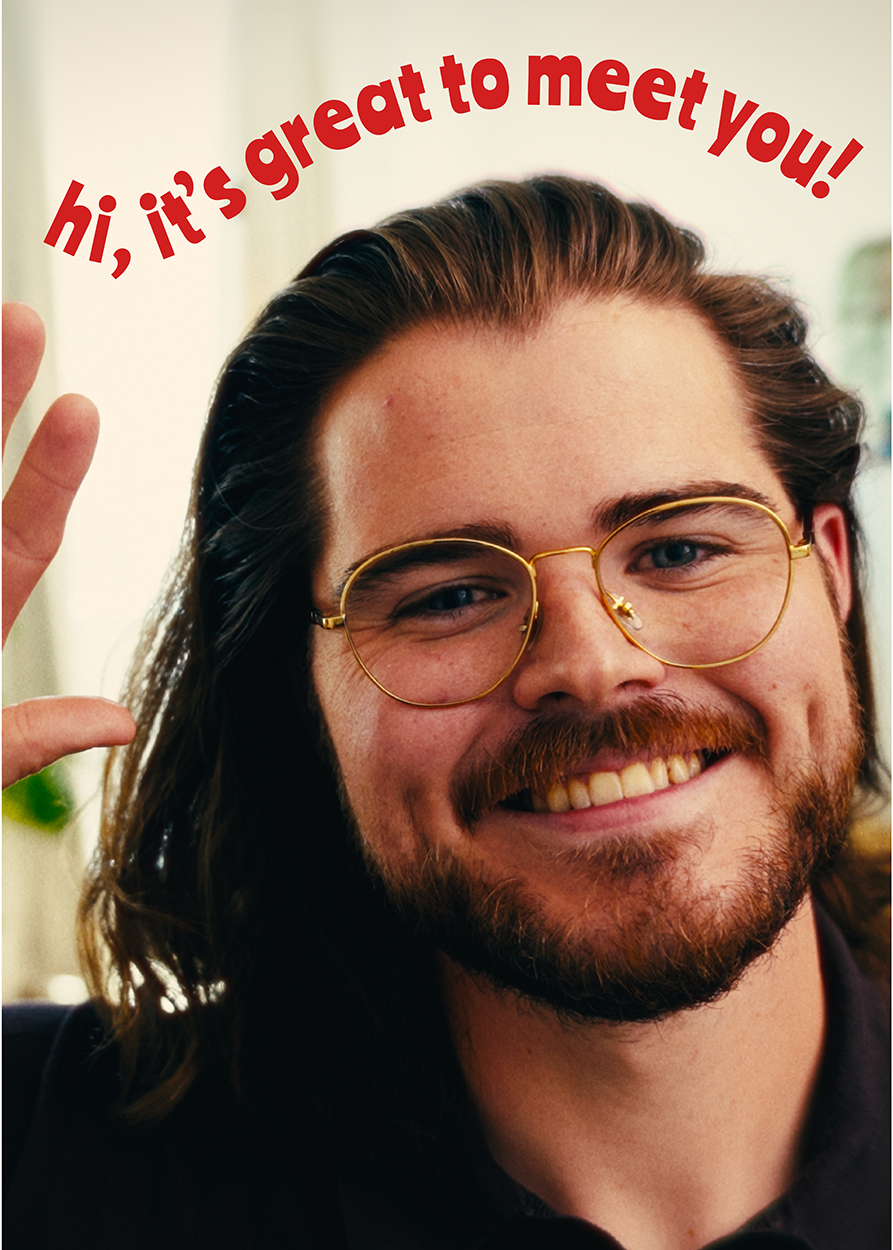






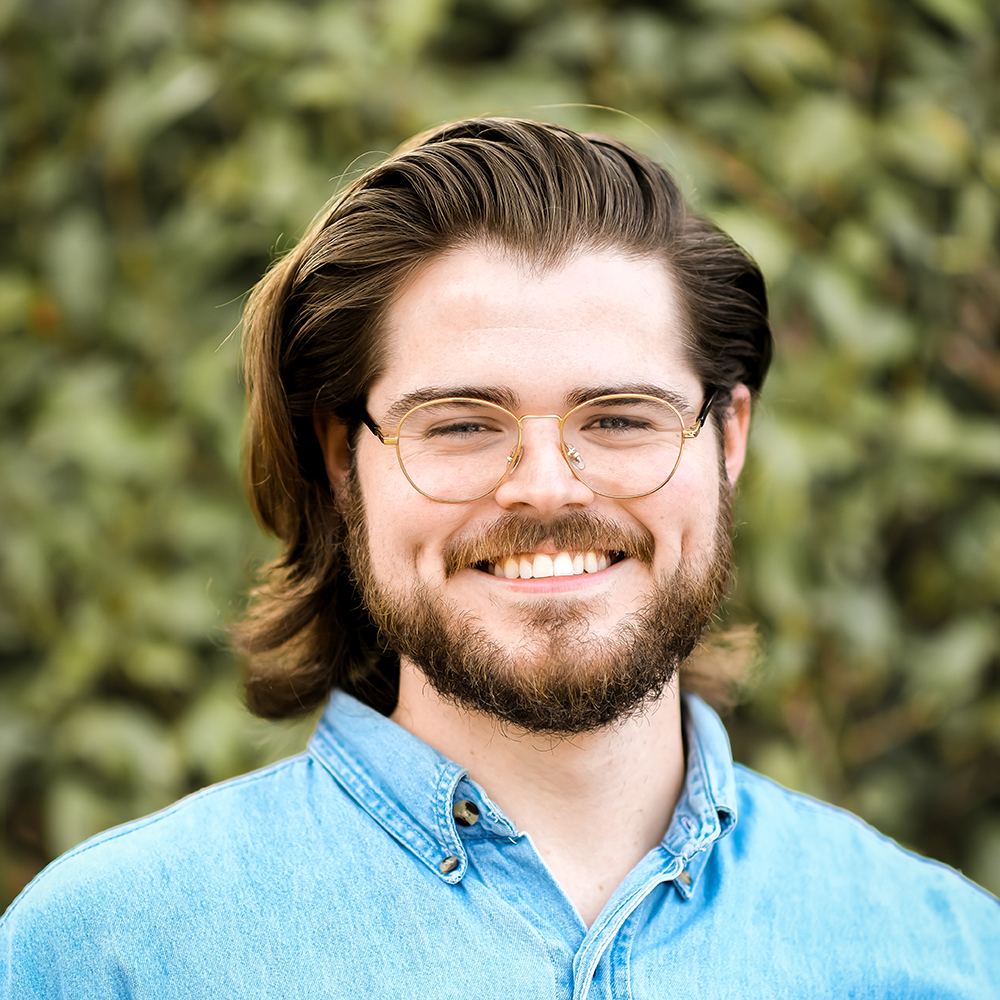
Today we’d like to introduce you to Aaron Helm.
Hi Aaron , we’d love for you to start by introducing yourself.
I took the long way into this work, and every detour along the way turned out to matter.
For years I worked in finance and operations at a Dallas-area college, eventually as Director of Alumni and Operational Efficiency. I was good at the job, but I was spending nearly a month of my life every year driving between home and Dallas, and that commute gave me too much time to sit with a question I could not shake: was this actually what I wanted to give my life to? I had an MBA from East Texas A&M University, so I had real time and money invested in that path, and walking away from it was not a decision I made lightly. What pushed me was simpler than a spreadsheet. I wanted to give myself to something bigger than me.
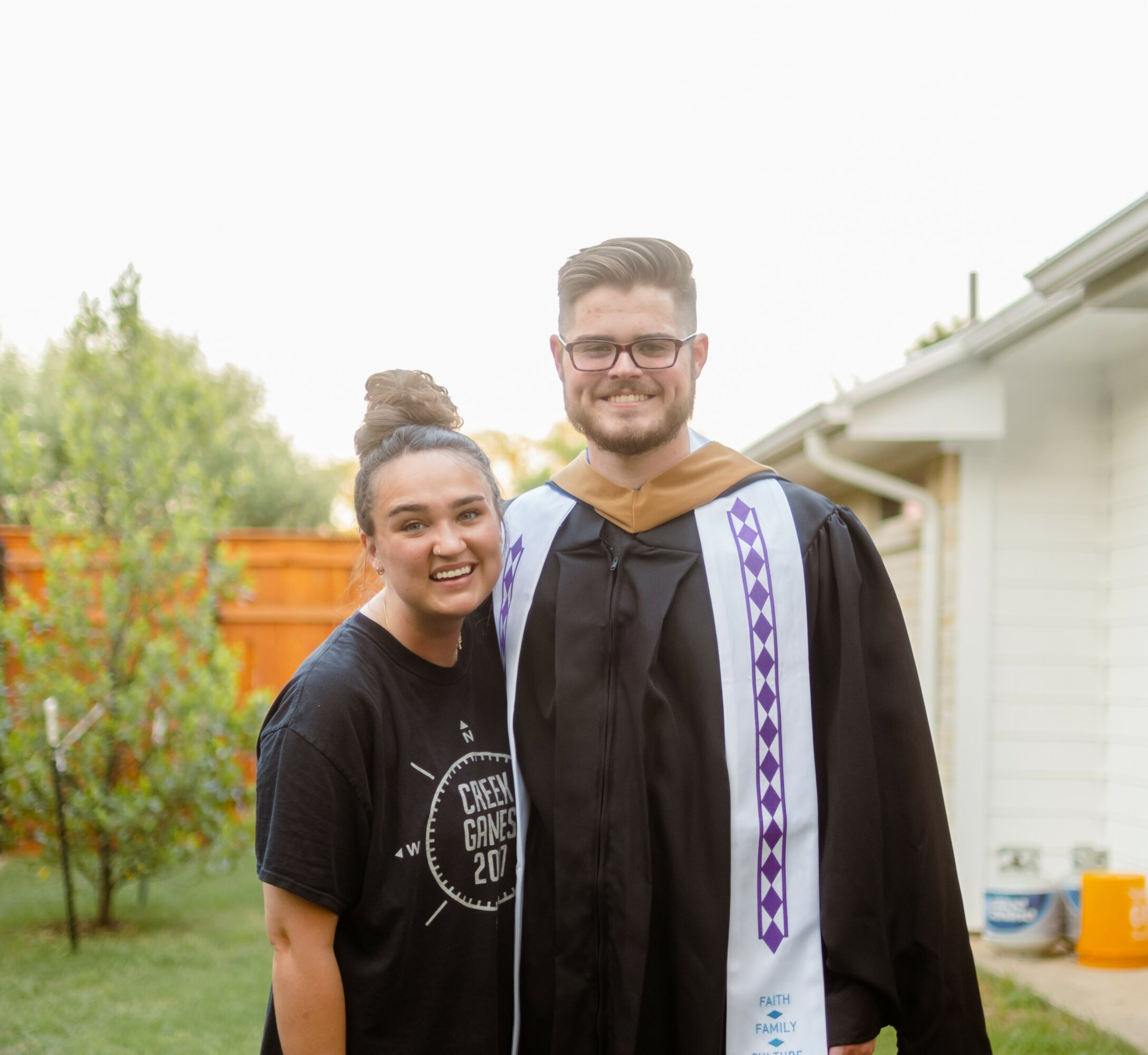
That pull led me to Aletheia Therapy, where a friend owned the practice and hired me as Director of Marketing and Operations. I was already in my master’s program in Clinical Mental Health Counseling at Amberton University when I took the job, and working there for a year and a half fanned a flame that was already lit. I got to watch how clinicians thought about people and their stories before I ever sat with a client of my own, and I did my practicum there, focused on relational psychodynamic depth work. That experience shaped how I wanted to practice.
After Aletheia, I started my own marketing business, Helm Business & Marketing Solutions. I built it to serve healthcare professionals who needed help telling their community about the expert care they offer. Branding, headshots, videography, the tools for telling a story that matters. The MBA I once wondered about turned out to be exactly what I needed. It let me run a business well while I finished my degree and completed my clinical training, and it kept me doing the two things I am genuinely good at: business administration and marketing. I did not know it at the time, but that stretch taught me something I now use with clients every week. You can be excellent at something and still be called somewhere else.
Today I work at Connect to Thrive in Plano, Texas, as Aaron Helm, LPC Associate, supervised by Katherine Dunham, MS, LPC-Supervisor. I started there in July 2026.
What drew me to Connect to Thrive was how the owners, Kelsey and Katie, treat both clients and clinicians. I was looking for a practice that works with kids, since I am working toward my Registered Play Therapist certification, and one that takes attachment seriously. I also knew I wanted to keep sitting with complex trauma and with people navigating personality disorders. They gave me room to grow into all of it, in a space that is professional and well educated without feeling stiff. They did not hand me a mold to fit. They offered me a place to thrive.
My Chahta values shape how I sit with people. The whole person matters, mental, physical, and spiritual, and community matters as much as the therapy chair. Connection to yourself and to the land matters. I use whatever avenue fits the person in front of me, Indigenous or not, because symptom relief on its own is not the goal. Real change tends to be holistic.
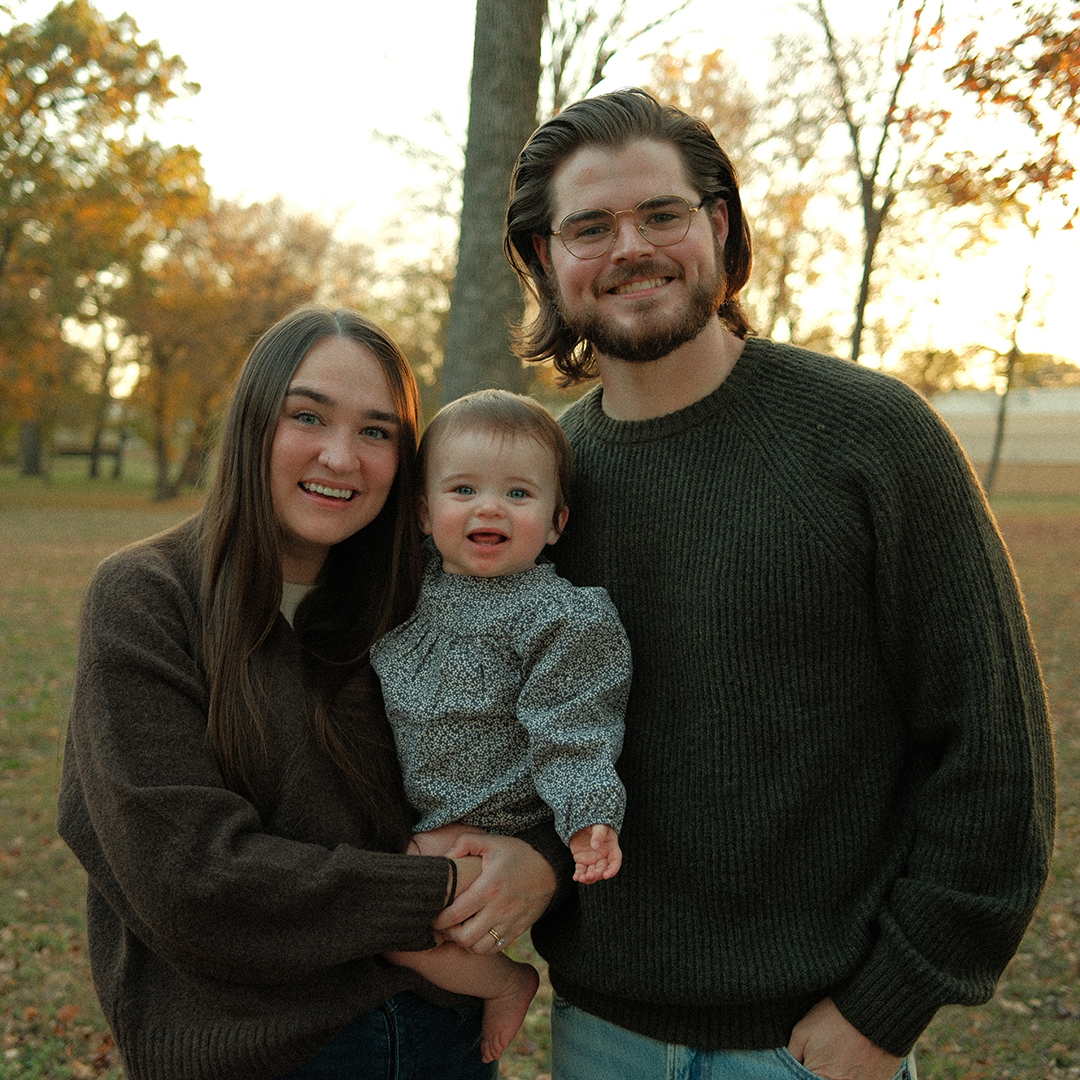
On the personal side, I am married to my wife, who has supported me through every degree and every step of this road, and I am more grateful to her than I can fit into a sentence. We have a two-year-old daughter, and my favorite hours are the ones where the three of us are outside together, playing, laughing, and not doing much of anything that matters to anyone but us. I am a tribal citizen of the Choctaw Nation, so that connection to family and to land is not abstract for me. Being a dad has taught me more about attachment and patience than any textbook could. I also shoot video and stills, which means I understand the creative brain from the inside. All of it comes into the room with me.
The work does not drain me the way the corporate job did. It gives me energy. That tells me I am where I belong.
We all face challenges, but looking back would you describe it as a relatively smooth road?
No, it has not been a smooth road, and I think the honesty is worth more than a tidy answer.
The first hard conversation was with my wife. I had just finished one master’s degree, an MBA, and I was tired of school. She was tired of school too. Then I told her I wanted to start another one in a completely different field. She backed me anyway, and I do not take that for granted. That conversation was harder than any exam I have taken since.
Money was the next hurdle. Leaving a steady job to start a business means you never really know where the next client is coming from, and you do your best to make it from one month to the next. I had spent years building relationships in the mental health field, and I did solid work for the people who hired me. Slowly, that turned into a steady client base I could count on.
Becoming a therapist comes with obstacles nobody warns you about. The master’s program is nearly twice the length of an MBA. You work for free during practicum to earn your clinical hours. Once you graduate, you still have to get licensed by the state, pay a few hundred dollars in fees to get everything in order, and then find a practice where you can actually make a living.
The business side of this field is genuinely hard. Large insurance companies do not reimburse at fair rates, and that creates a system where most people can only afford to see a therapist in their network. Those therapists often carry higher caseloads to make up for the lower hourly reimbursement, which means they burn out faster than therapists who work private pay. It is a tough field, and it is getting tougher.
Private pay is the model I chose, partly for that reason. It keeps my caseload sustainable so I can show up for the people I work with instead of racing a clock.
Alright, so let’s switch gears a bit and talk business. What should we know?
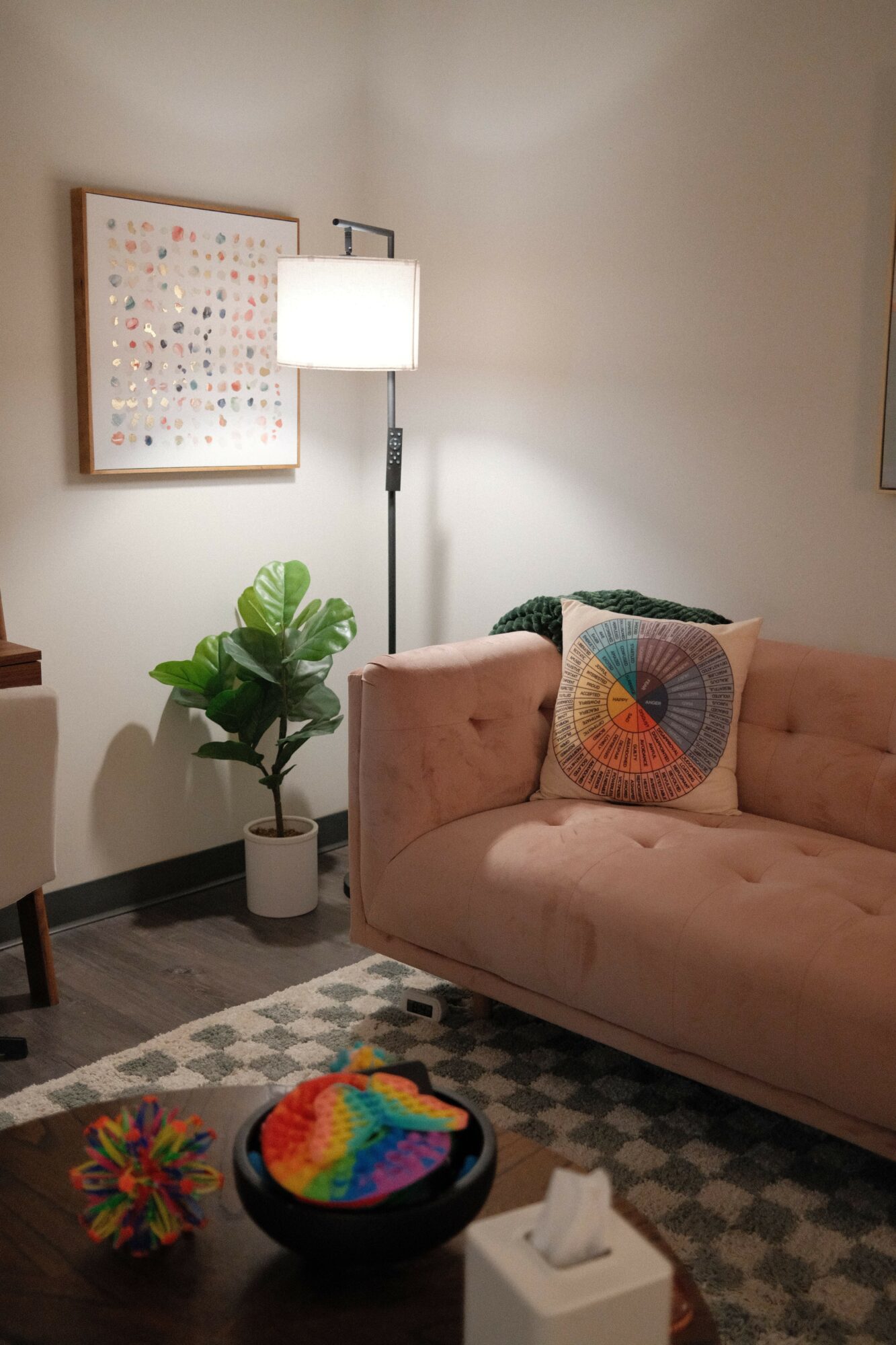
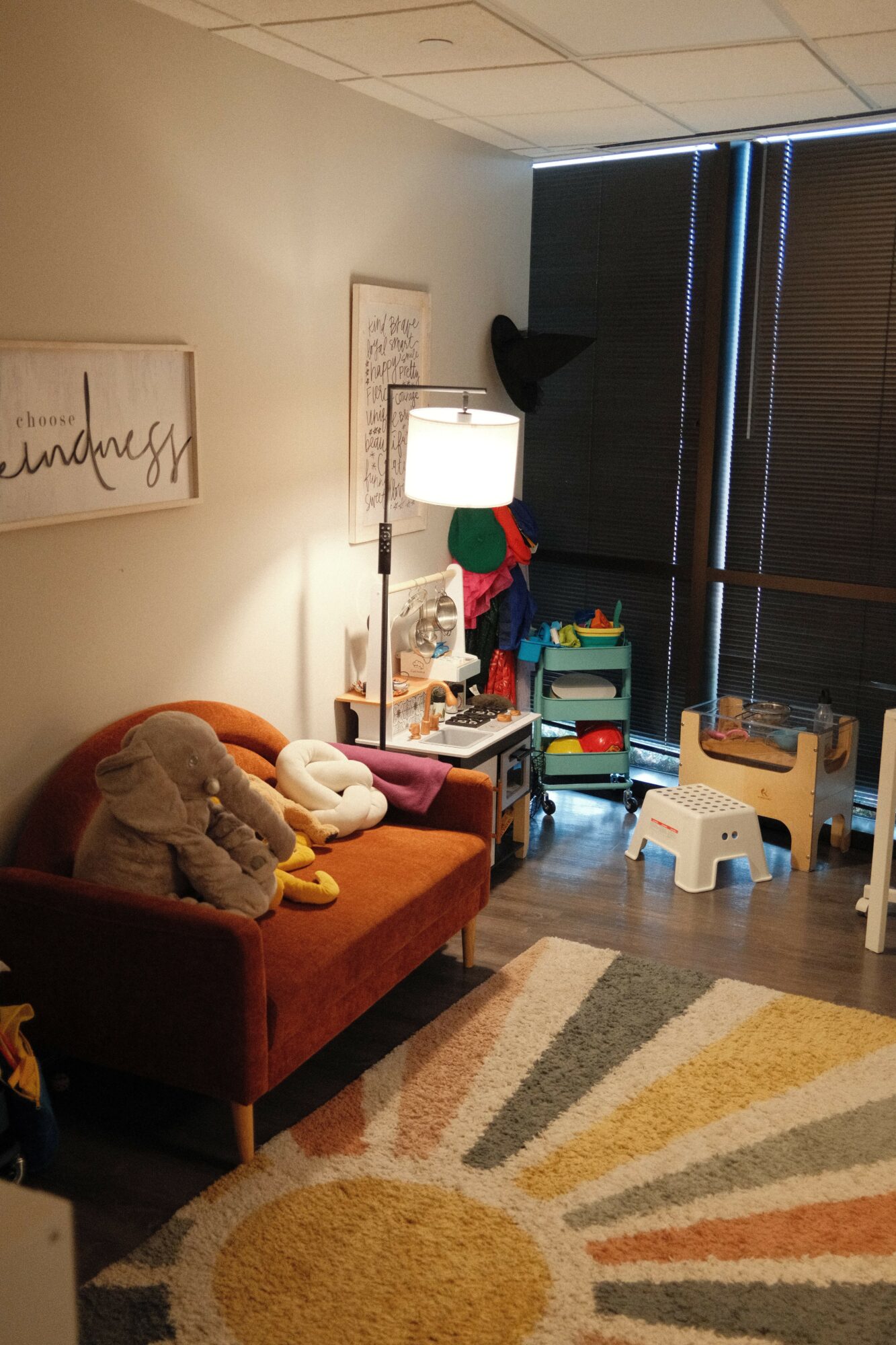
I work with kids ages three and up, teens, adults, couples, and individual clients across the lifespan. Play therapy is a big part of what I do, and it is in person only, since play is a child’s first language and it does not translate to a screen. I see teens individually, and I work with men, women, and creatives. Couples sessions are available too.
My focus areas are complex trauma, personality disorders, and the relational patterns that keep people stuck. I also work with childhood anxiety through play therapy, behavioral concerns in kids, and recovery for people who have survived a relationship with someone who carries narcissistic traits. That last one is for survivors, not for people with narcissistic personality disorder, and the distinction matters to me. I offer sessions in person in Plano and virtually anywhere in Texas.
What sets me apart is not a technique. It is that I bring myself into the room. I am not a blank slate or a passive sounding board, because I do not think neutrality heals anyone. There is never a moment we are not in relationship to someone or something, so the relationship in the room is where the work happens. I call this relational equity. It means trust built deliberately and strong enough to hold real honesty, even when the honesty is uncomfortable. My Enneagram 8 shows up here, because I will say the hard thing rather than dance around it, but always with care and never with shame.
There is another thing that sets me apart, and it is not something I engineered. I am a man who does play therapy. This field is dominated by women, and that is not a knock on anyone, it is just the reality of who tends to fill these rooms. Male play therapists are uncommon. For some kids, especially boys, that difference matters more than any technique I could name. A boy who is learning to name big feelings and stay with them benefits from watching a man do the same thing in real time. I do not make a show of it, and I do not pretend it is not true either. Parents notice it, and kids notice it in their own way.
I also come to this work with a background that is not typical for a therapist. I spent years in finance and operations, and I hold an MBA. I still run a creative business on the side. That means when I sit with corporate executives who are carrying real stress, I do not need them to teach me their job before they can talk about their life. I understand the pressure behind an IPO, the way a SWOT or PESTEL analysis shapes a strategy deck, and what a 10-K actually says about a company’s health. I know what it feels like to sit in a room where the numbers are not just numbers.
I am a tribal citizen of the Choctaw Nation, and my Chahta values shape how I sit with people. The whole person matters, mental, physical, and spiritual, and community matters as much as the therapy chair. Symptom relief on its own is not the goal. Real change tends to be holistic. I also shoot video and stills, which means I understand the creative brain from the inside rather than from a textbook.
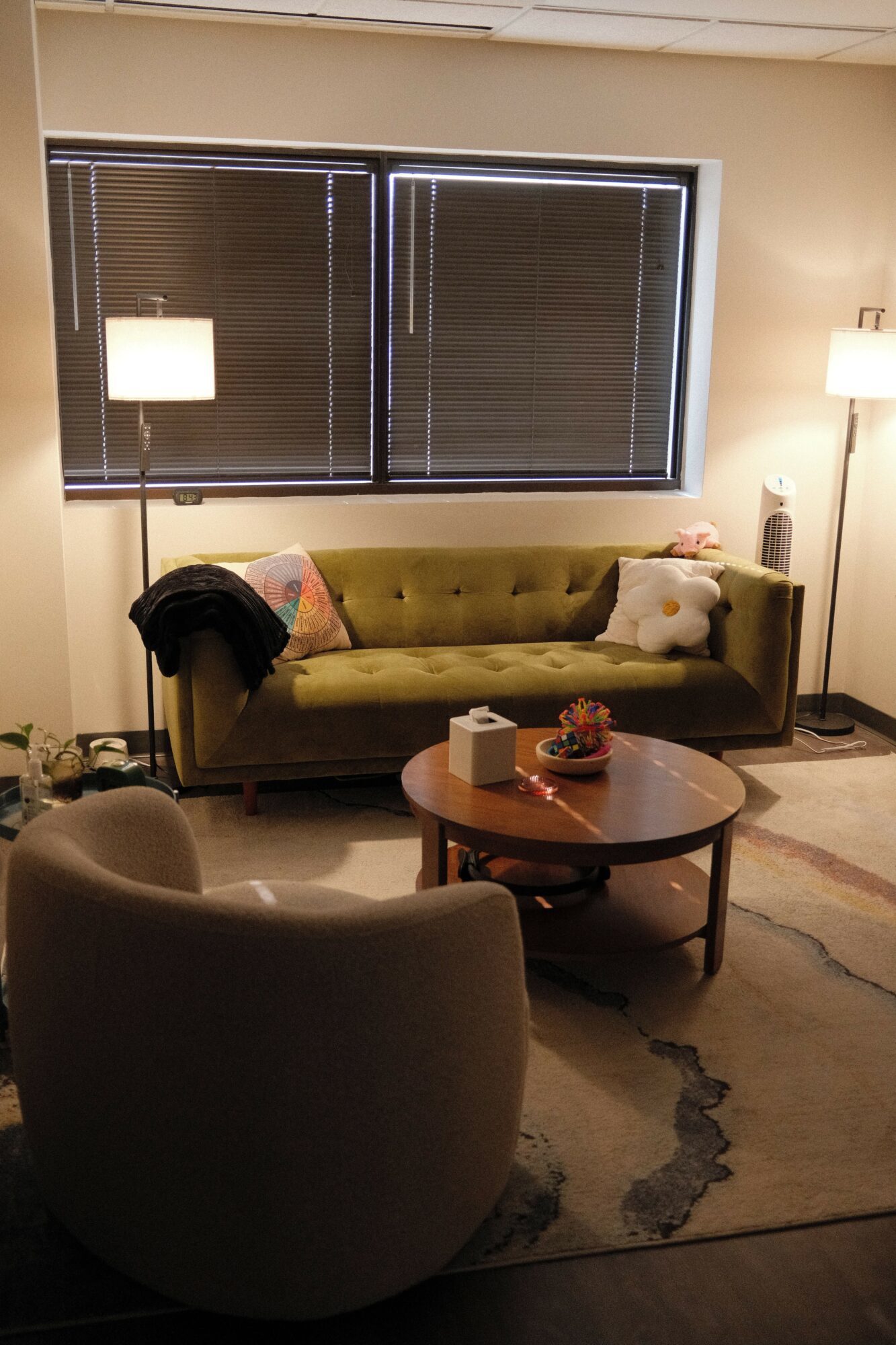
All of this happens at Connect to Thrive in Plano, Texas, and I want to be clear that I am not a solo provider. Connect to Thrive is a group practice, and I am one clinician on a team. What drew me there was how the owners, Kelsey and Katie, treat both clients and clinicians. I was looking for a place that works with kids, since I am working toward my Registered Play Therapist certification, and one that takes attachment seriously. I also knew I wanted to keep sitting with complex trauma and with people navigating personality disorders. They gave me room to grow into all of it, in a space that is professional and well educated without feeling stiff.
One note on the clinical side: I am Aaron Helm, LPC Associate, supervised by Katherine Dunham, MS, LPC-Supervisor.
If you want to know more before reaching out, everything lives at aaronhelmtherapy.com. The site is not a separate practice. It is a front door. It tells you who I see, what my focus areas are, what I charge, and how to get in touch, so the first conversation is not spent on logistics. You can also call (972) 872-8510 or email aaron@thriveplano.com, and the office is at 701 E 15th St #101, Plano, TX.
If you are in Plano or anywhere in Collin County and you have been meaning to talk to someone, that free consult is a real offer. You do not have to know what is wrong to reach out. You just have to be willing to start.
Before we go, is there anything else you can share with us?
You do not need a crisis, a diagnosis, or the right words to reach out. Most people who call me are not in crisis. They are just tired of carrying something alone, and they have been telling themselves for a while that it is not a big enough deal to bother anyone with.
It is. You are worth the bother.
I know that picking up the phone is the hardest part. So here is what actually happens. You call or email, we set up a free 15-minute consult, and we talk. Not a session, not an intake, just a conversation. You tell me what is going on, or you tell me you are not sure what is going on, and that is fine too. I ask a few questions. You ask me whatever you want, including how I work, what I charge, and whether I have ever helped anyone with what you are carrying. At the end, we both decide. No pressure, no pitch.
I will also tell you honestly if I am not the right fit. If you need someone with a different specialty, or a different approach, or a woman instead of a man, I will say so and help you find that person. That is not a sales tactic. I would rather point you somewhere that works than keep you in a room that does not.
If you are a parent, I want to be honest with you about something, gently. Kids do not usually wake up screaming for no reason. Behavior is a form of communication, and when a child is struggling, it often points to something in the family system that is not getting what it needs. Sometimes that need is your child’s. Sometimes it is yours. Often it is somewhere in between, in the rhythm of the house, the season your family is in, or the way everyone has learned to move around each other. That is not me pointing a finger. It is actually hopeful, because a system can change, and you are the person in it with the most power to change it. You are not the villain here, and you are not off the hook either. Most parents are doing their best with tools nobody handed them, and my job is to help you find better ones.
If you are a man reading this, I know reaching out is not how most of us were taught to handle things. You do not have to have language for it. You can come in skeptical and see how it goes. That is allowed.
One last thing. You do not have to commit to anything today. You do not even have to be sure therapy is what you need. The free consult exists so that you can find out without spending a dollar or signing anything.
If you have been thinking about it, that is usually a sign it is worth a conversation. Aaron Helm Therapy is at aaronhelmtherapy.com. You can also call (972) 872-8510 or email aaron@thriveplano.com. I am at 701 E 15th St #101 in Plano, and I see clients virtually anywhere in Texas.
Pricing:
- 45-55 minute session is $110
Contact Info:
- Website: https://www.aaronhelmtherapy.com
- Instagram: https://www.instagram.com/therapy.with.aaron?utm_source=ig_web_button_share_sheet&stkn=ZDNlZDc0MzIxNw==
- LinkedIn: https://linkedin.com/in/aaronhelm97
- Other: https://www.thriveplano.com/team/aaron-helm