






Today we’d like to introduce you to Abigail Krohnfeldt.
Hi Abigail, thanks for sharing your story with us. To start, maybe you can tell our readers some of your backstory.
Personal Story-
I grew up in a small town that truly felt like a family. People showed up for one another, relationships mattered, and I saw firsthand how strong community support can shape children and families. That sense of belonging stayed with me and continues to influence how I build organizations and lead people.
From a young age, I was very people-oriented. I’ve always been genuinely curious about others and had a natural way of making people feel comfortable and included. I enjoyed taking initiative, organizing people, and stepping into leadership roles when something needed direction. I approached life with a mix of humor, curiosity, and a strong belief in people — I’ve always believed that most people want to do well when they’re supported and trusted.
I’ve also always had a deep interest in leadership. I learned early on that anyone can hold a title or be a boss, but not everyone is a leader. A true leader influences people, builds trust, and brings out the best in others. I saw how strong leadership could change the tone of a group, and how poor leadership could hold people back. That understanding shaped how I think about responsibility and why leadership matters so much to me.
I was very independent and ideas-driven. I liked developing concepts, improving systems, and then taking action. I was active, decisive, and comfortable making choices early on. Those traits shaped how I learned and how I moved through the world — through engagement, responsibility, and real-world experience.
Professional Journey-
I began my career in early childhood education working directly in classrooms, which gave me a deep understanding of how centers truly operate. When I opened my first center in Alaska, my goal was to maintain a solid, well-run, trustworthy business that families could rely on.
As I started introducing ideas to elevate the environment and overall experience, I encountered some resistance. I remember being told, “Don’t you think that’s too grand of thinking for here?” That response genuinely surprised me and reinforced a belief I still hold today — that expecting the best for children should never be considered unrealistic.
That experience ultimately informed a more intentional and scalable approach for future centers. I took what I learned about leadership, operations, environments, and community engagement and used it to refine the model moving forward.
As the organization grew, my role evolved from hands-on operator to owner and hands-on executive leader. I focused on building systems, developing leaders, and creating consistency across locations, while still allowing room for creativity and growth. I firmly believe that a great leader is what ultimately makes a company great, and that belief guides how I build teams and culture.
Alright, so let’s dig a little deeper into the story – has it been an easy path overall and if not, what were the challenges you’ve had to overcome?
No, it hasn’t been a smooth road — and I don’t think meaningful growth ever is. Building a business, especially in early childhood education, comes with constant challenges.
Some of the biggest struggles were learning how to scale without losing quality. Early on, I was very hands-on, and transitioning from doing everything myself to building systems and trusting leaders was a big learning curve. Staffing, leadership development, compliance, and operations all require precision, and mistakes in any one of those areas can have real consequences.
Another challenge was pushing against “this is how it’s always been done.” When you try to raise standards or do things differently, there’s often resistance — even when the intention is positive. Learning when to stand firm in the vision and when to adapt was an important part of that process.
There were also moments that required difficult decisions — stepping back, reassessing, and making changes that were necessary for long-term sustainability. Those moments weren’t easy, but they were essential.
What I’ve learned is that growth doesn’t come from avoiding challenges; it comes from paying attention to them and responding intentionally. Every struggle forced me to become a better leader, build stronger systems, and make clearer decisions. Looking back, those challenges are what shaped the business into what it is today.
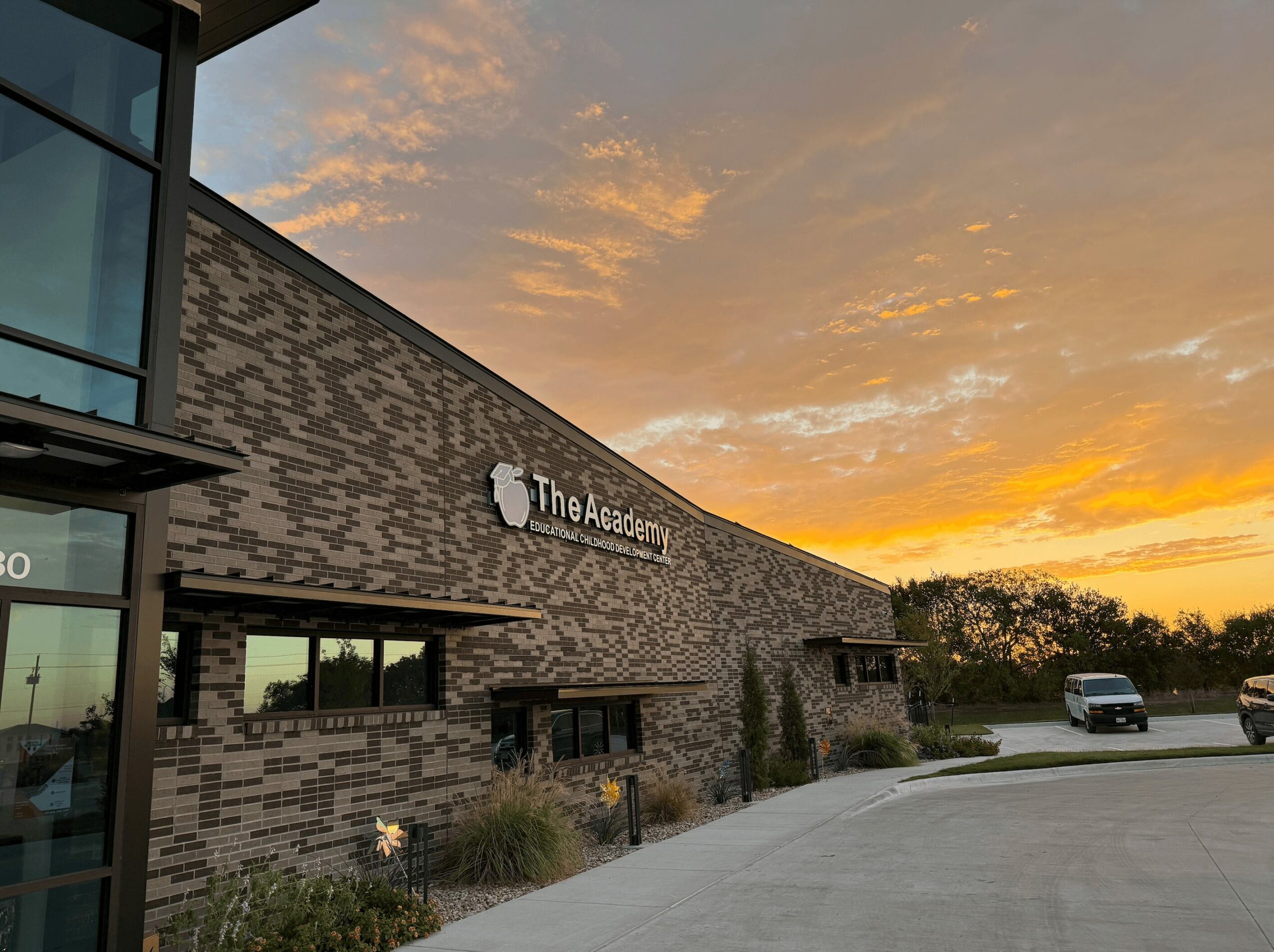
Appreciate you sharing that. What should we know about The Academy: Educational Childhood Development?
At its core, our organization is an early childhood education company built on intention, quality, and connection. We operate early learning centers that go beyond traditional childcare by thoughtfully combining strong educational foundations with immersive, interactive environments and a deep commitment to families and community.
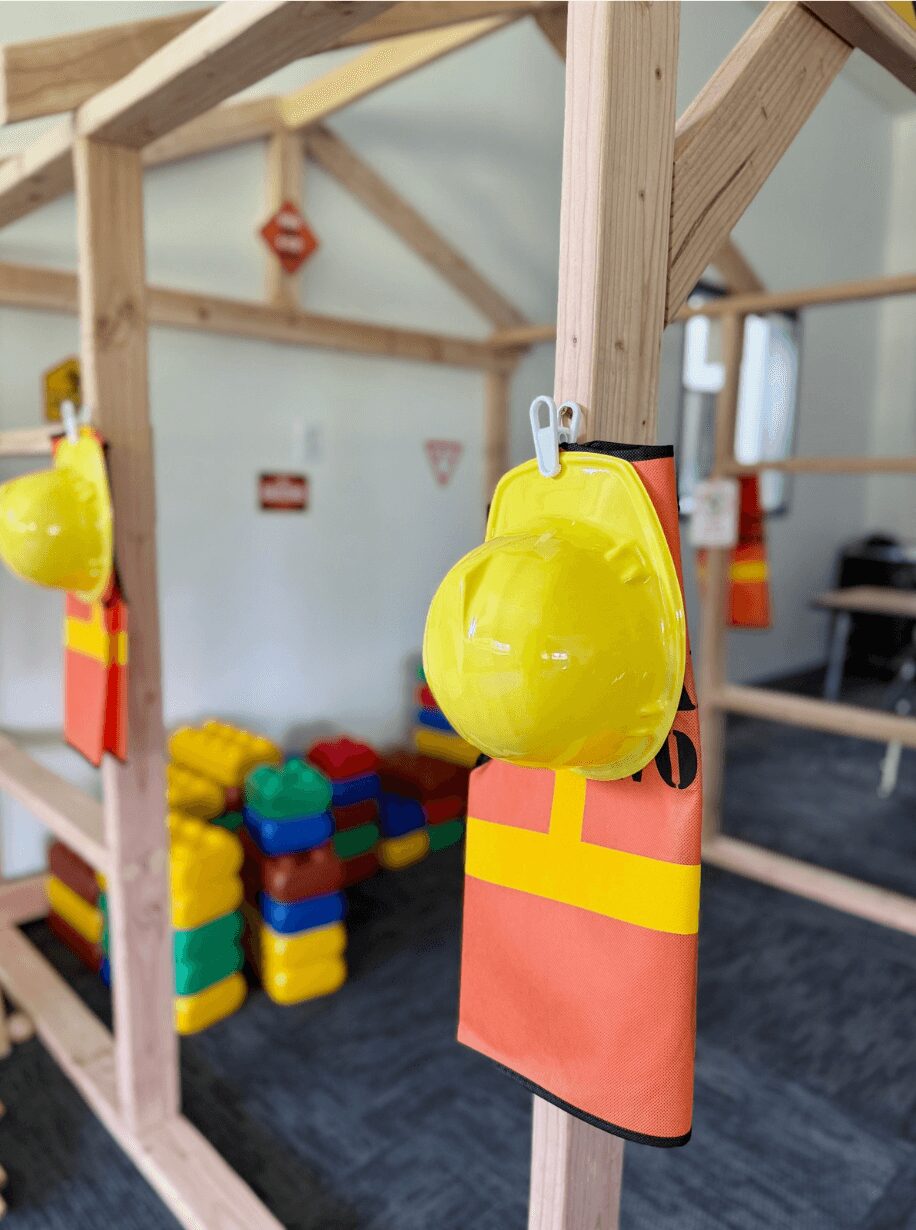
What truly sets us apart is intentionality. Everything we do has a purpose. Our learning environments are carefully designed to be interactive and engaging for children — not just visually appealing, but meaningful. Each space invites curiosity, independence, and exploration, allowing the environment itself to support learning throughout the day.
We are also known for the relationships we build. We prioritize deep connections with families and the surrounding community, because we believe early childhood education works best as a partnership. Drawing from my own background, we intentionally create a sense of belonging. We go above and beyond in the small, thoughtful ways that help families feel supported, seen, and confident in the care their children receive.
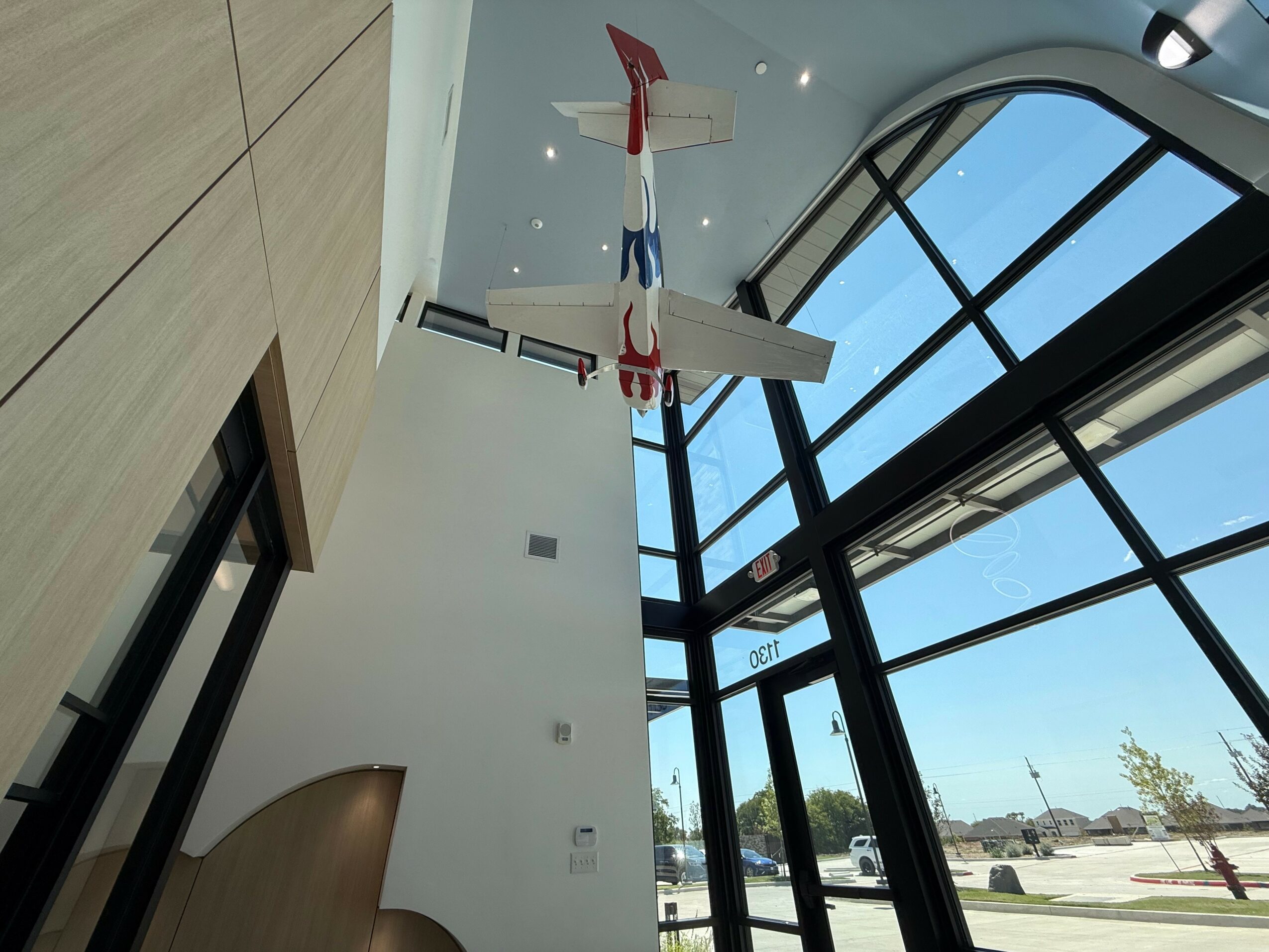
Brand-wise, I am most proud of the atmosphere we’ve created. When people walk into one of our buildings, they can feel the difference immediately — the warmth, the energy, and the care behind every detail. That feeling isn’t accidental; it’s the result of thoughtful leadership, strong systems, and a team that truly believes in the mission.
I want readers to know that our brand isn’t built on trends or shortcuts. It’s built on purpose. From how we design our spaces, to how we support our staff, to how we partner with families, everything is intentional. We believe children deserve environments that inspire them, families deserve transparency and trust, and educators deserve support and leadership that allows them to do their best work. That belief is what defines our organization and continues to drive our growth.
Is there a quality that you most attribute to your success?
The most important quality behind my success is strong, honest leadership rooted in genuine care for people. I believe deeply that good leadership is what makes an organization successful.
I’m very intentional about being honest and transparent with my staff and families, even when conversations are difficult. I also genuinely care — about our teachers feeling supported, about families feeling confident and heard, and about children being in environments where they can thrive. That care shows up in the decisions we make, the standards we hold, and the way we lead day to day.
At the end of the day, businesses grow because people feel valued. Leading with honesty and care has allowed us to build strong teams, lasting family relationships, and a culture that people want to be part of — and that has been the foundation of our success.
Contact Info:
- Website: https://www.theacademychildcare.com
- Instagram: https://www.instagram.com/theacademy_childcare/?hl=en
- Facebook: https://www.facebook.com/Academytimberbrook