







Today we’d like to introduce you to Blanca Bou-Fitzmaurice.
Hi Blanca, please kick things off for us with an introduction to yourself and your story.
Trauma is difficult to name, difficult to recognize, and often misunderstood. It is not just the event itself, but the way it alters your relationship with yourself, your body, and the people around you.
I did not recognize what I was experiencing as trauma at first. It was not until I was around nineteen, after a life altering accident, that the impact of earlier losses and disruptions began to surface in ways I could no longer ignore.
At nineteen, I survived a serious car accident that resurfaced unresolved childhood trauma, including traumatic bereavement after my father passed away suddenly from a brain aneurism. That experience deepened my understanding of how trauma can layer over time.
I grew up in Mexico and later moved to the United States, an early transition that influenced my sense of safety, belonging, and adaptation. As a child, I learned to adjust quickly and carry things internally. After the accident, my nervous system responses intensified, and what had once felt manageable became overwhelming. I began to see that trauma is not only about a single moment, but about how experiences accumulate when support is limited or absent.
Recognizing this was a turning point. Instead of viewing my reactions as personal shortcomings, I became curious about them. I wanted to understand what was happening inside me and why. That curiosity is what led me to pursue formal training in psychology and counseling, completing my undergraduate studies at Texas Tech University and later my graduate training at Southern Methodist University.
Over time, my lived experience and professional training clarified the direction of my work. What began as a personal search for understanding grew into a commitment to supporting others who feel disconnected from themselves, their relationships, or their sense of belonging.
Today, I am a licensed professional counselor grounded in the belief that healing begins with understanding, compassion, and safety. My path into this work was not linear, but it was intentional, guided by both experience and a desire to help others feel less alone in their healing process.
Can you talk to us a bit about the challenges and lessons you’ve learned along the way. Looking back would you say it’s been easy or smooth in retrospect?
It was not a smooth road.
Identifying that I had trauma brought relief because it gave language to my experience, but it did not resolve it. The nightmares continued. I carried a persistent sense of not belonging, a loneliness that lingered even in connection, and a quiet dread that lived in my body from the moment I woke up.
One of the most difficult parts was losing my sense of who I was and sitting in the uncertainty of who I was becoming. At the same time, I experienced the loss of people I believed I could lean on, realizing that some were unable or unprepared to offer emotional support. That absence was deeply painful.
I tried traditional talk therapy, and while it helped me understand myself better, my body continued to react as though the danger had not passed. I was often hijacked by physical sensations and survival responses that insight alone could not reach. Those struggles shaped my understanding that healing requires more than awareness, and that the road forward would require patience, curiosity, and a willingness to keep searching.
As you know, we’re big fans of Corbella Counseling . For our readers who might not be as familiar what can you tell them about the brand?
I am a licensed professional counselor and a managing partner at Corbella Counseling, a trauma informed group practice owned by Toni Scalise. Alongside my leadership role, I continue to work primarily as a therapist, supporting people in reconnecting with themselves and their sense of safety.
Much of my work focuses on resourcing. I support individuals and groups who feel overwhelmed, disconnected, or stuck in survival mode. Instead of asking people to immediately revisit painful experiences, I help them first learn what it feels like to be calm, grounded, and supported in their bodies.
This foundation matters. When people know how to return to a regulated state, deeper trauma work becomes possible later, at their own pace, rather than overwhelming.
For those who feel ready, I also offer therapy intensives structured as two full days of focused work, five hours each day. These intensives allow space for meaningful progress while still prioritizing rest, pacing, and integration.
Beyond individual therapy, I created a resourcing based experience called The Inner Sanctuary. It is a guided event designed to help people experience safety and grounding without needing to share personal details or feel “ready for therapy.”
The Inner Sanctuary was created in collaboration with Chris Campbell, a sound healer and dear friend. Together, we combine guided imagery, gentle left right stimulation, and live sound to create a deeply calming, immersive experience. Many people describe it as feeling supported on multiple levels at once.
What sets my work apart is its gentleness. I focus on helping people feel regulation in their bodies so they can remember what safety feels like and trust that it is something they can return to.
We’d love to hear about how you think about risk taking?
I do see myself as a risk taker. Many of the most meaningful parts of my life and work exist because I chose to take risks, even when the outcome was uncertain.
For a long time, risk felt the same as danger. My body learned to be cautious and to stay alert. Healing slowly changed that. I began to understand that not all risk is harmful, and that some risks are necessary for growth when there is enough support and safety.
My understanding of risk has been shaped by trauma, which taught me to pay close attention to what my body needs. Because of that, the risks I take are not impulsive. They are intentional and often taken alongside fear. For me, risk has meant moving forward gently, at a pace my nervous system can tolerate, guided by values and intuition rather than certainty.
Risk has played an important role in bringing me to where I am today. I see it now as a way of choosing growth while still honoring safety and care.
Pricing:
- Inner Sanctuary $222
- Individual Therapy $240
- EMDR Intensive $3,000
Contact Info:
- Website: https://www.corbellacounseling.com/team/blanca-bou-fitzmaurice
- Instagram: https://www.instagram.com/blancahealstrauma
- LinkedIn: https://www.linkedin.com/in/blanca-bou-fitzmaurice-73a240162
- Youtube: https://youtu.be/Y6224g3MAEc
- Other: https://www.corbellacounseling.com/event-details/the-inner-sanctuary-a-resource-resonance-protocol-experience-3
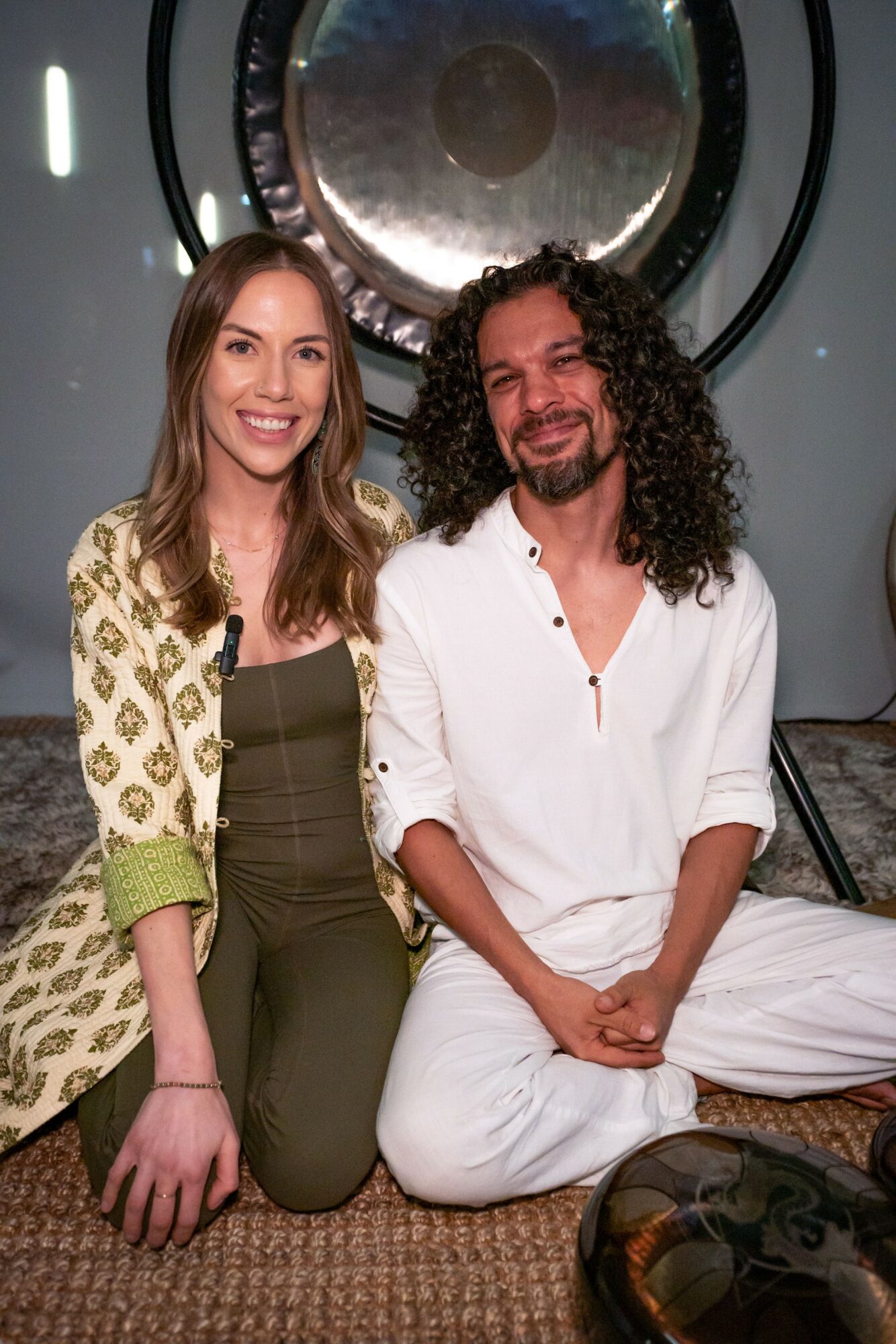
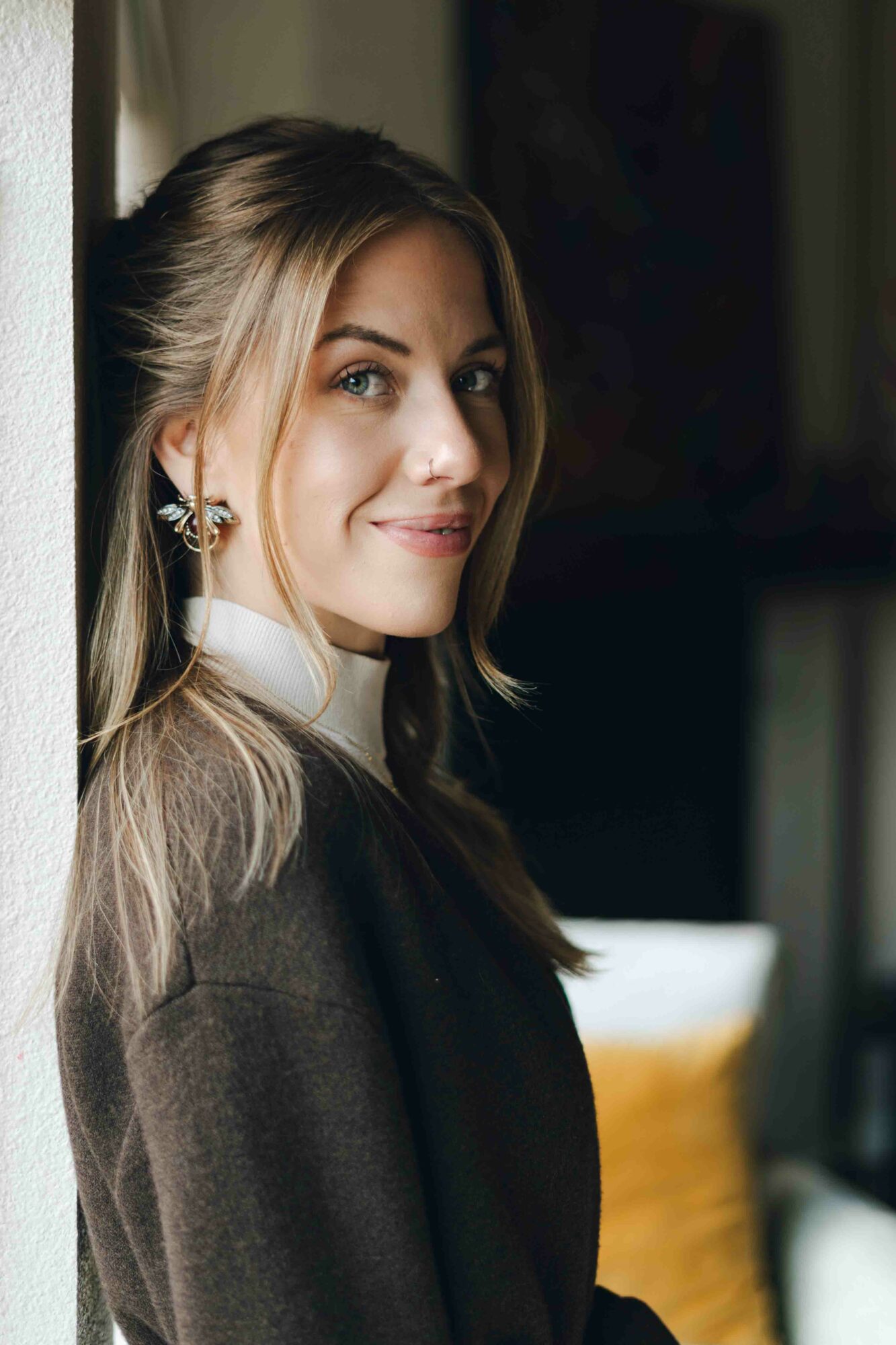

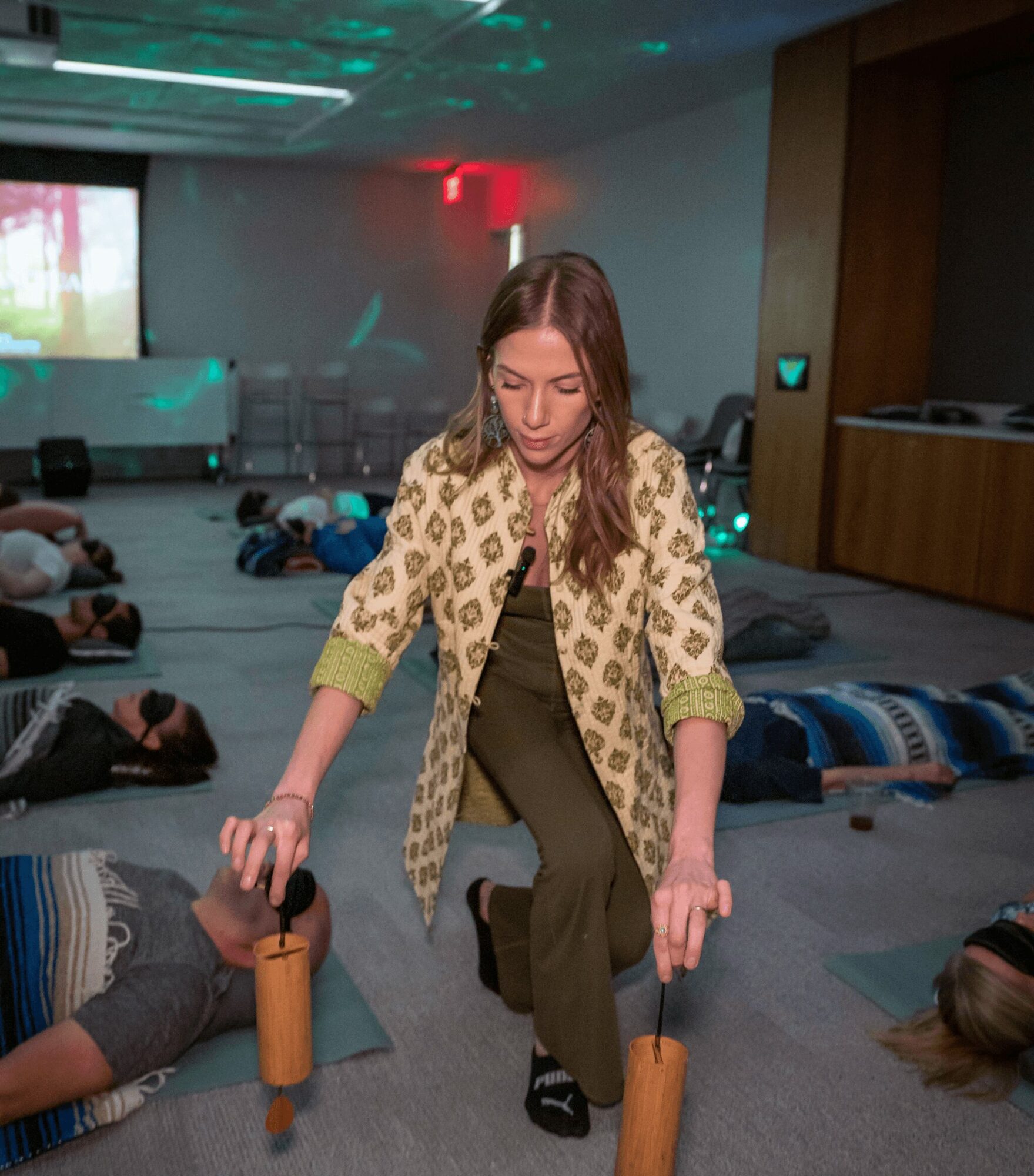

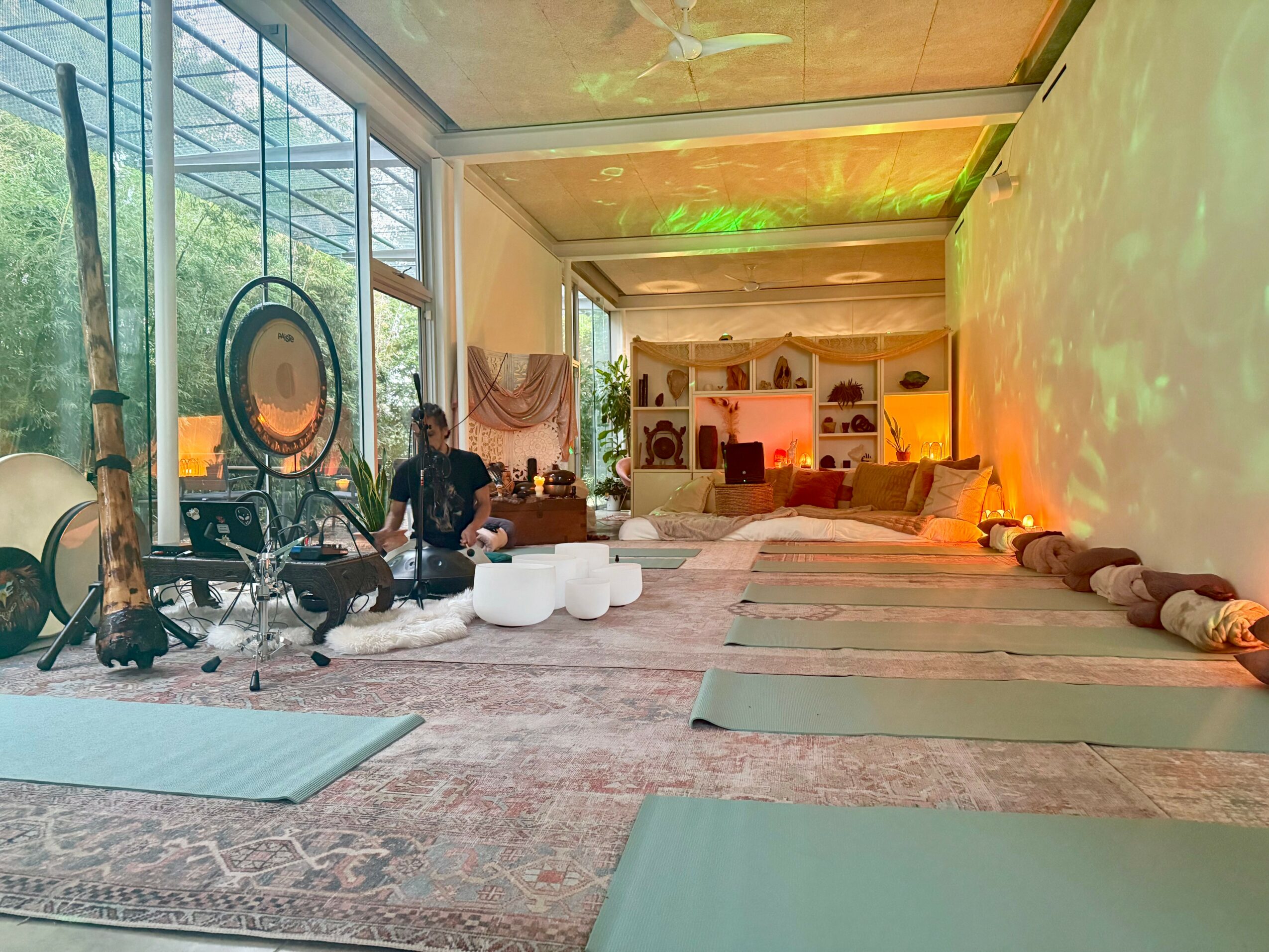
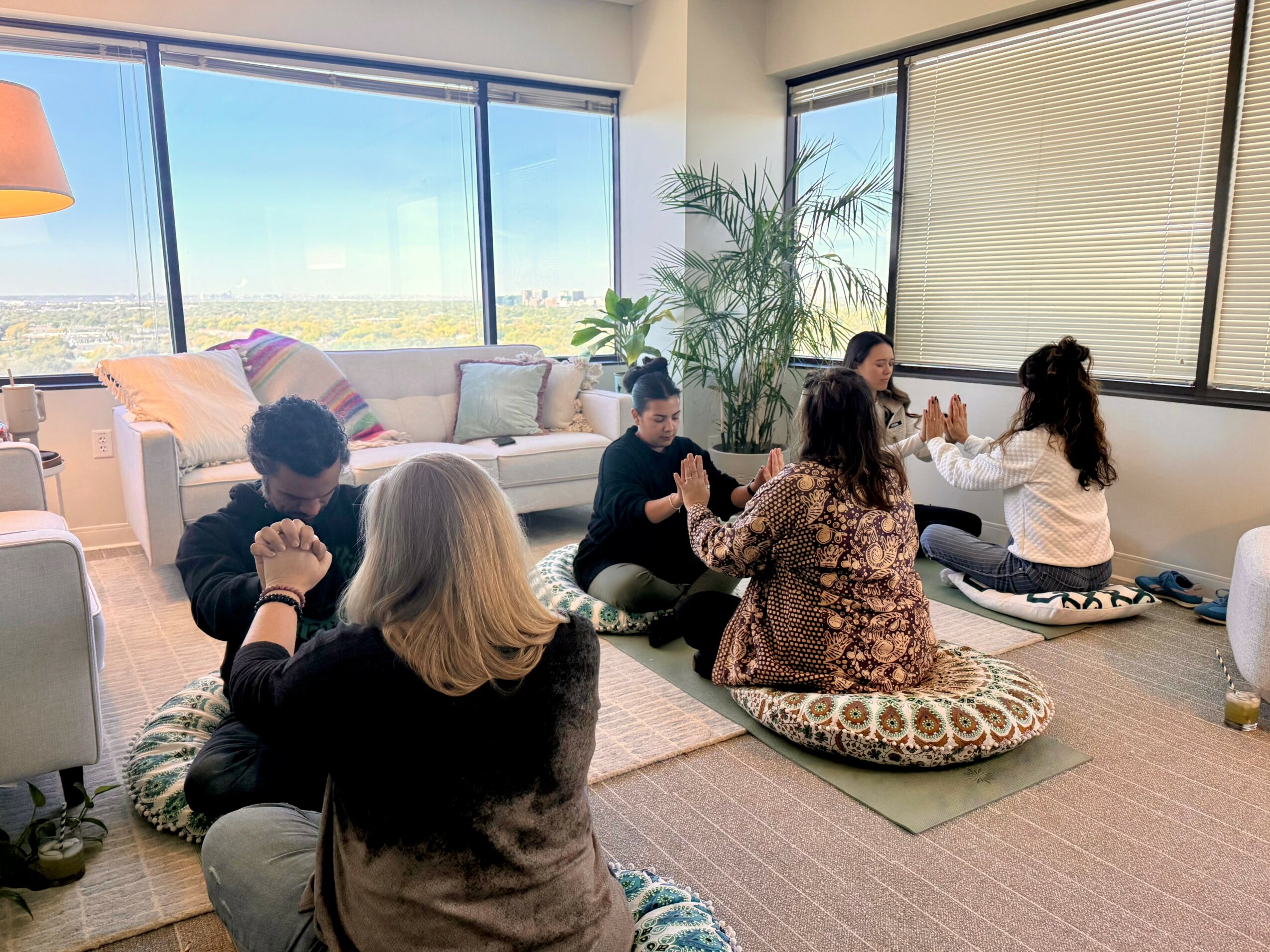
Image Credits
Niels Carrasco
Julian Esteban