






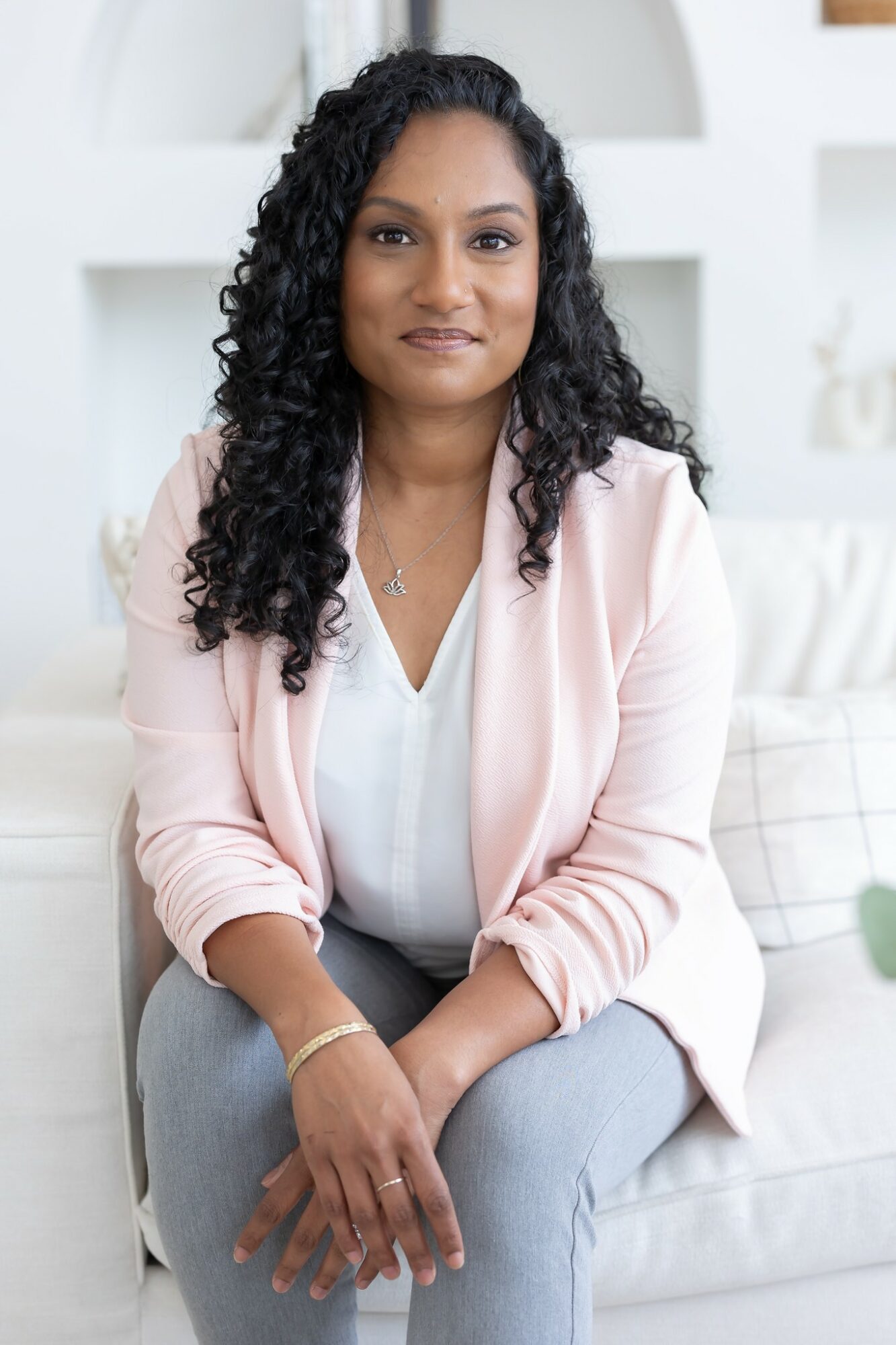
Today we’d like to introduce you to Christine Nickerson.
Hi Christine, can you start by introducing yourself? We’d love to learn more about how you got to where you are today?
I fell in love with the field of mental health when I began to truly understand how interconnected our lives, identities, and experiences are. I became especially drawn to the role cultural identity plays in shaping who we are and how we navigate challenges. Growing up with an Indo-Caribbean heritage gave me firsthand insight into this, and it continues to inform both how I understand people and how I show up as a therapist.
As I deepened my understanding of trauma and its impact, it became a pivotal part of my growth—not only professionally, but personally as well. Learning how trauma influences behavior, relationships, and self-perception helped solidify my commitment to creating a therapeutic space rooted in empathy, safety, and understanding.
Before becoming a counselor, I spent six years as a teacher, and that background strongly influences my approach to therapy. Education taught me the value of patience, structure, and meeting people where they are. Today, those skills translate into a collaborative and supportive counseling style that emphasizes insight, learning, and empowerment as clients work toward meaningful change.
Would you say it’s been a smooth road, and if not what are some of the biggest challenges you’ve faced along the way?
It has definitely not been a smooth road. Balancing full-time work as a teacher while completing my master’s degree was incredibly challenging, both mentally and emotionally. During that time, there was also a lot of uncertainty—I wasn’t always sure where or how I would eventually use the skills I was developing, which made the process feel even more daunting.
Along the way, I also struggled with imposter syndrome, especially when working with diverse populations and complex client needs. There were moments when I questioned whether I was truly competent or equipped to serve others effectively. Over time, those challenges became important growth points, pushing me to seek supervision, continue learning, and build confidence in my clinical skills. Looking back, those struggles shaped the therapist I am today and deepened my humility, resilience, and commitment to ongoing growth.
Great, so let’s talk business. Can you tell our readers more about what you do and what you think sets you apart from others?
At the core of my work, I am a mental health therapist who believes healing happens best through collaboration, curiosity, and trust. I specialize in working with trauma, anxiety, depression, life transitions, stress management, and multicultural issues, supporting clients as they navigate both acute challenges and long-standing patterns that impact their well-being.
What sets my work apart is my collaborative, client-centered approach. I view clients as the experts in their own lives, and my role is to support, guide, and help them uncover the resilience and strengths they already possess. Therapy is not about “fixing” someone—it’s about creating space for awareness, empowerment, and meaningful change.
I also incorporate a strong mind-body focus into my practice. I teach clients that calming the mind often begins with calming the body, and I emphasize practical, day-to-day tools that clients can use outside of session to support their mental health. While talk therapy is valuable, I believe lasting healing requires more than insight alone—it requires experiential work, nervous system regulation, and intentional practice.
One of the primary modalities I specialize in is EMDR, which has been tremendously effective in helping clients process trauma and experience meaningful relief from distressing symptoms. I offer both individual and couples therapy and am proud of creating a therapeutic space that is culturally responsive, grounded, and accessible to people from diverse backgrounds.
I am most proud of building a practice rooted in authenticity, compassion, and real-world applicability. I want readers to know that my work is centered on helping clients feel understood, supported, and empowered—not just in session, but in their everyday lives.
In terms of your work and the industry, what are some of the changes you are expecting to see over the next five to ten years?
The need for mental health support continues to grow, and I believe that trend will only accelerate over the next 5–10 years. We are seeing a gradual reduction in the stigma around mental health, which has allowed more people to seek support openly and proactively. At the same time, the emotional demands of daily life—including social pressures, political and societal uncertainty, and the ongoing impact of intergenerational trauma—are becoming more visible and harder to ignore.
I also anticipate a continued shift toward more holistic, integrative approaches to care. There is growing recognition that mental health cannot be separated from the body, culture, relationships, or environment. As a result, modalities that address nervous system regulation, trauma-informed care, and culturally responsive treatment will become increasingly central to the field.
Overall, I see the industry moving toward greater accessibility, collaboration, and prevention-focused care—meeting people earlier, more intentionally, and in ways that support long-term resilience rather than short-term symptom relief.
Contact Info:
- Website: https://www.samskaracounseling.com


Image Credits
Photos by Sophie K Hunter
Popular
-

Behind the Lens, On the Rise: Julian Bell’s Journey From Local Sets to Network Television
-

Jerry “J‑Man” Joyner Is Creating Space for Honest Conversations That Help People Keep Moving Forward
-

Jordan Smelley Is Reframing Mental Health Care Through Lived Experience and Advocacy
-

The Most Inspiring Stories in Dallas