





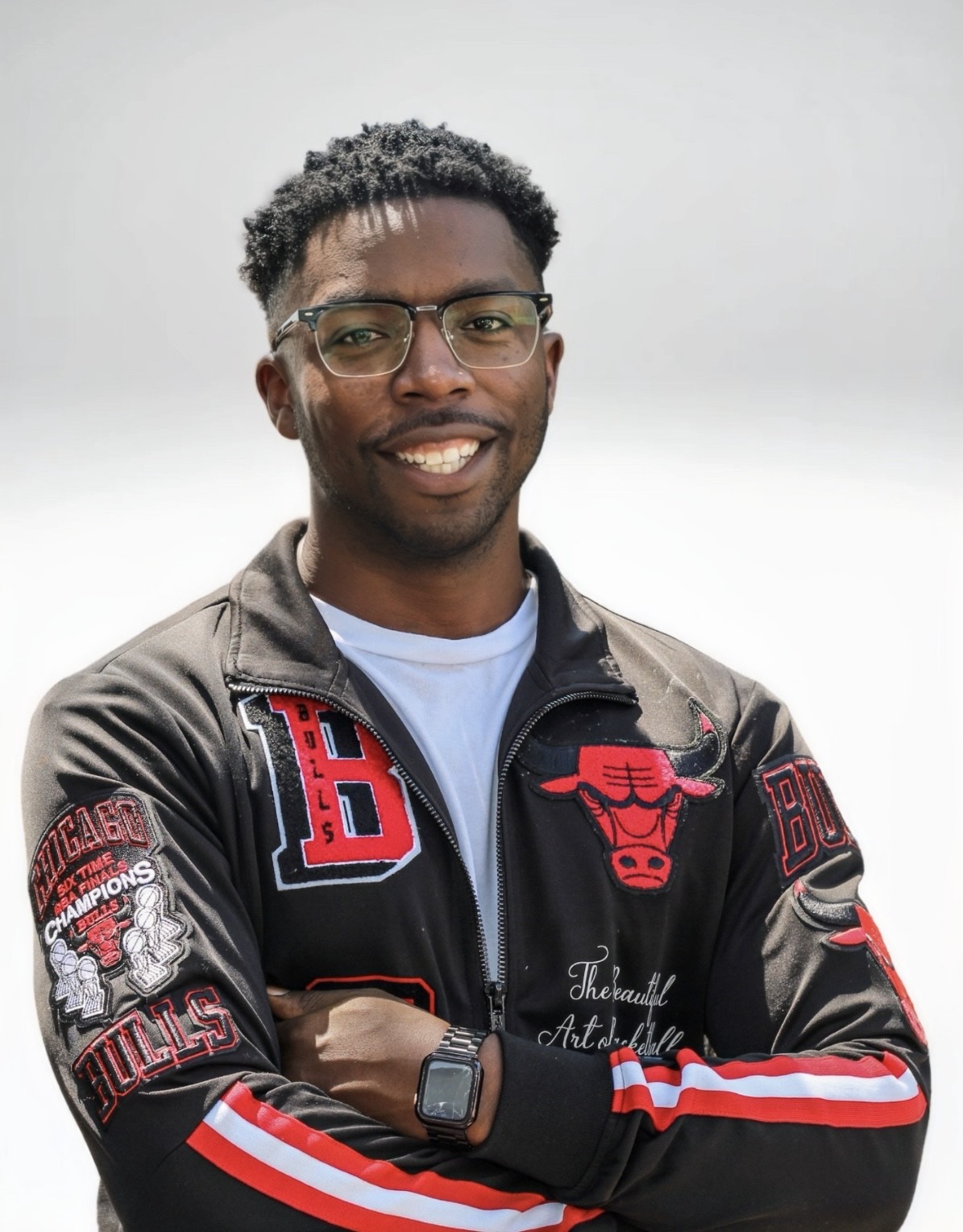
Today we’d like to introduce you to Cordarius Williams.
Hi Cordarius, can you start by introducing yourself? We’d love to learn more about how you got to where you are today?
Everything started when I made the intentional decision to heal. For a long time, I was functioning, achieving, and surviving, but I wasn’t actually whole. I reached a point where I knew I could no longer carry unspoken trauma while expecting clarity, peace, or purpose to show up in my life. Healing began when I started having honest conversations—first with my wife, then with my therapist—about the experiences I had buried for years. Naming what hurt me was uncomfortable, but it was necessary. That decision changed everything.
As healing took root, clarity followed. I began to recognize how deeply trauma shapes the way people think, behave, and relate—especially young people. At the time, I was working in education, and what I saw daily in students mirrored much of what I was working through personally. Behaviors that were often labeled as defiance or disengagement looked very different once you understood the role trauma plays in the brain. That awareness reshaped how I viewed teaching, leadership, and care.
Through a series of difficult but clarifying moments, I made the decision to step away from my job and fully commit to the work I felt called to do. That season led me to write my first book, From Hurting to Healing: The Offensive Playbook on Healing from Trauma. Writing the book wasn’t just about authorship—it was a continuation of my healing. It allowed me to put language to experiences I once didn’t have the courage to face, while offering others a framework for beginning their own journey.
Since making the decision to heal from my trauma, my life has changed in tangible ways. I earned my master’s degree, became a published author, started my own business, and launched Coach Williams University—a platform focused on mentoring teenagers and supporting educators through trauma-informed practices. I also developed the From Hurting to Healing curriculum to make healing practical, accessible, and actionable, particularly for students who are often misunderstood or overlooked.
Today, I am an author, mentor, and coach focused on teenage mental health, trauma-responsive education, and emotional development. I am also pursuing my doctorate degree in psychology, with an intentional focus on understanding how trauma impacts the teenage brain—and how those neurological effects influence learning, motivation, behavior, and identity development. My work sits at the intersection of lived experience, education, and neuroscience.
My story isn’t about arriving at a destination—it’s about choosing healing and allowing that choice to reshape everything that followed. What I do now is a direct extension of what I survived, healed from, and committed to confronting honestly. Healing didn’t just change my life—it gave it direction.
Can you talk to us a bit about the challenges and lessons you’ve learned along the way. Looking back would you say it’s been easy or smooth in retrospect?
No, it has not been a smooth road at all. Healing has been one of the most challenging things I’ve ever committed to. I’ve cried real tears. I’ve sat through countless therapy sessions. I’ve wrestled with my mental health in ways that forced me to slow down, sit with myself, and confront things I spent years avoiding. One of the biggest misconceptions about healing is that it’s a one-time decision. In reality, healing is continuous. It’s something you have to wake up and choose every single day.
The healing process is not linear. It’s bumpy, uncomfortable, and often unpredictable. There are seasons where progress feels clear, and others where it feels like you’re revisiting the same emotions again. That doesn’t mean you’re failing—it means you’re human. Letting go of the expectation that healing should be smooth was one of the first hard lessons I had to learn.
Along the way, I’ve lost relationships. Some friendships couldn’t survive the boundaries I had to put in place. Some family dynamics shifted as I learned that certain voices, patterns, and environments were no longer healthy for me. That distance was painful, but necessary. Healing required me to be honest about what I could and could not continue to carry, even when that honesty cost me closeness.
As a man, one of the greatest challenges was learning to be transparent and vulnerable about what I’ve been through and what I’m still working through. Vulnerability doesn’t come naturally when you’re taught to be strong, silent, and self-sufficient. But I learned that silence was part of what kept me stuck. Speaking openly—especially about trauma and mental health—was uncomfortable, but it was also freeing.
Nothing about this journey has been smooth, but it has been purposeful. Every hard conversation, every tear, every boundary, and every therapy session played a role in helping me become healthier, more self-aware, and more aligned with who I’m called to be. Healing didn’t remove the struggle—it gave me the tools to face it honestly.
Thanks for sharing that. So, maybe next you can tell us a bit more about your business?
Coach Williams University is a trauma-informed mentorship and education platform focused on teenage mental health, identity development, and character growth. The work is rooted in understanding how trauma and adverse childhood experiences impact behavior, learning, motivation, and emotional regulation—and responding with intention and care.
At the core of Coach Williams University is BOSS Academy, a mentorship program for teenagers that teaches them how to break out of toxic situations such as trauma and adverse childhood experiences (ACEs). The program brings awareness to mental health, helps students form a healthy identity, and improves character. Embedded within BOSS Academy is the From Hurting to Healing Curriculum, which provides structured lessons and reflections that guide students from awareness to action. The curriculum is an extension of the book From Hurting to Healing: The Offensive Playbook on Healing from Trauma.
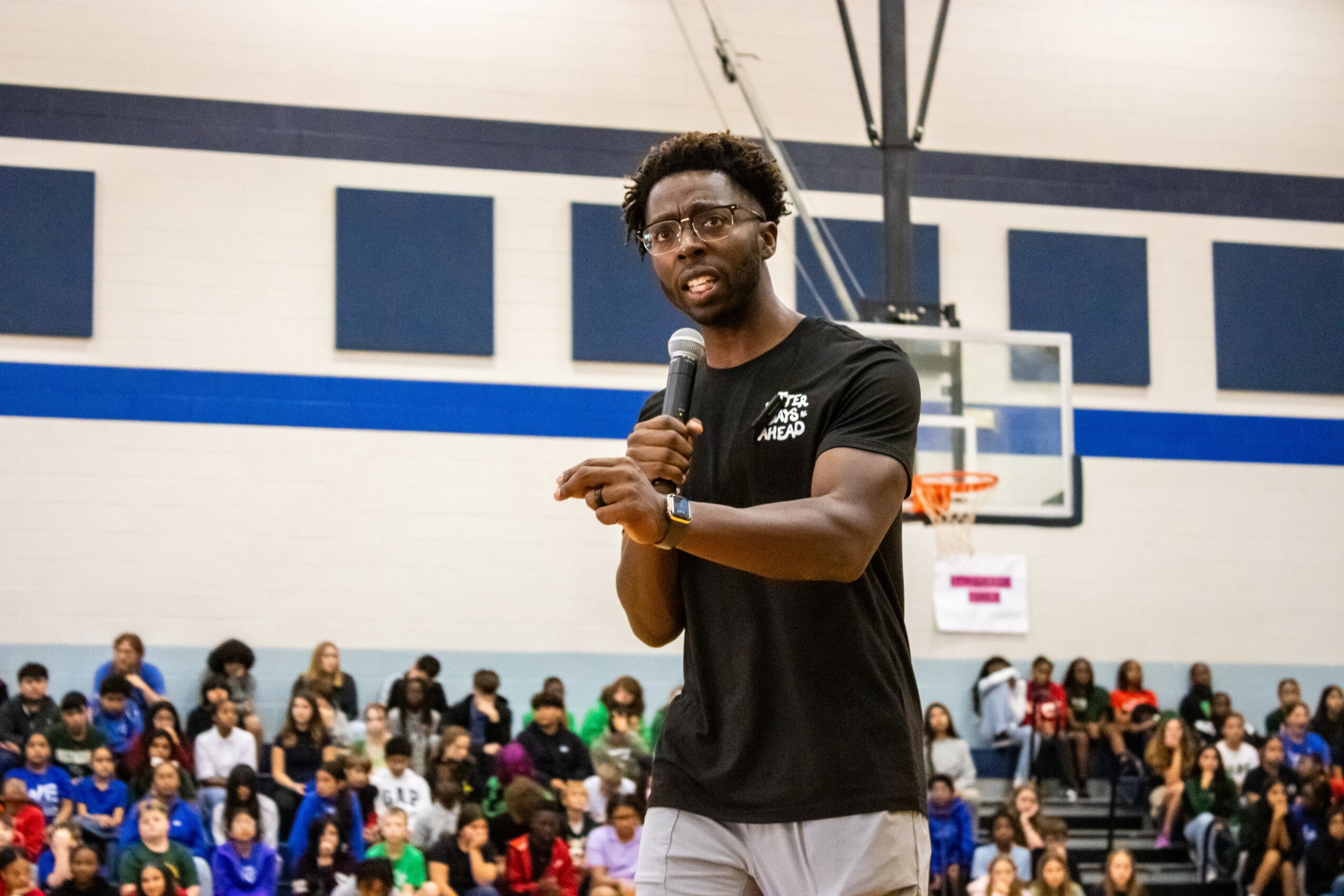
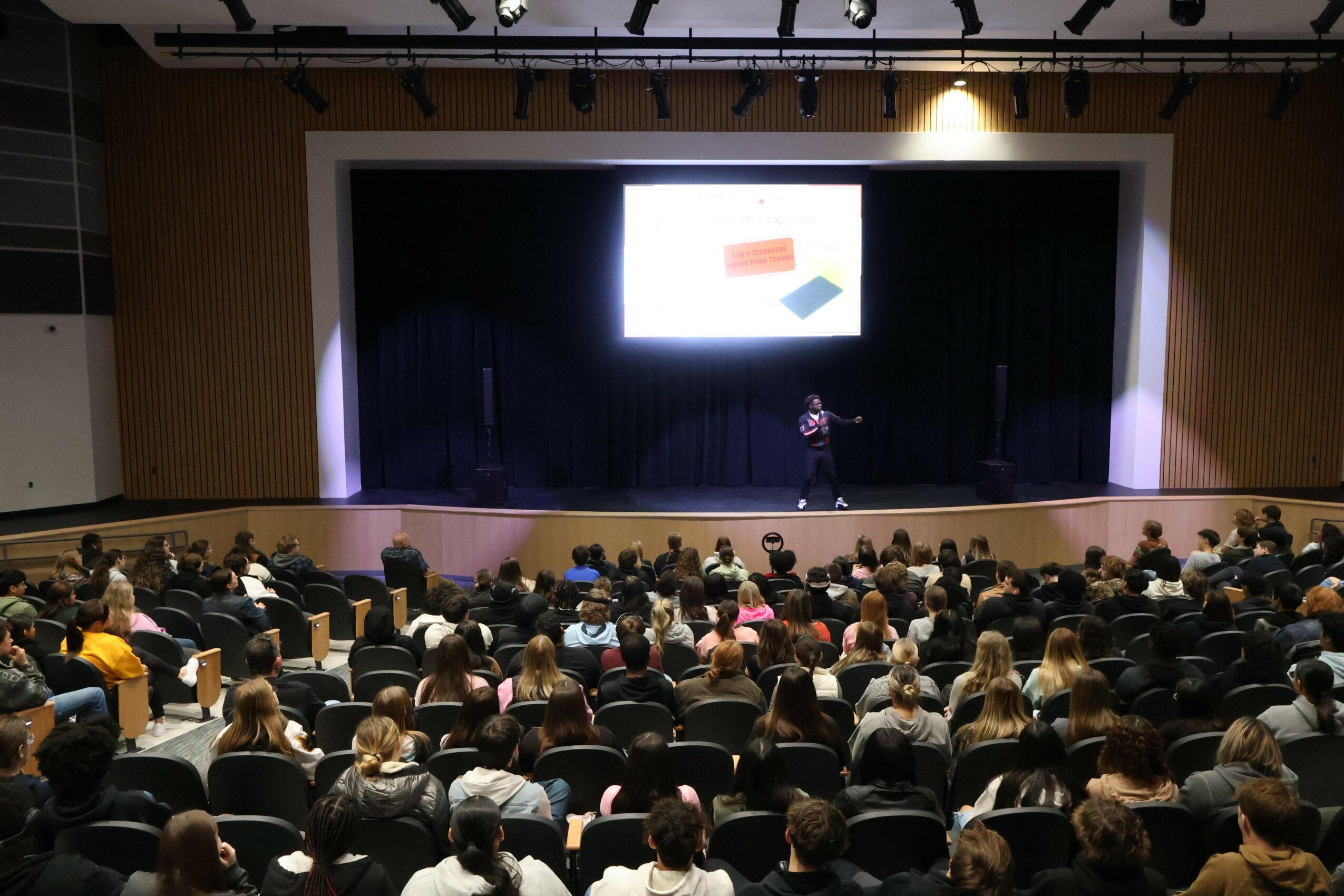
Beyond student mentorship, Coach Williams University offers teacher professional development to help educators create trauma-informed and trauma-responsive classrooms. Rather than simply reacting to behavior, this work equips teachers and administrators to intervene with understanding, consistency, and high expectations. The organization also provides parent engagement nights to increase awareness of what students are experiencing and strengthen alignment between home and school, as well as keynote and motivational speaking tailored to schools, organizations, and communities.
What makes Coach Williams University unique—and what excites me most about the brand—is how holistic and comprehensive the work is. It doesn’t focus on just one audience; it supports students, educators, parents, and communities together. I believe that when we mentor teenagers to better understand themselves now, we improve the quality of their lives later.
Before we let you go, we’ve got to ask if you have any advice for those who are just starting out?
My biggest piece of advice is to not despise small beginnings. Just because something starts small doesn’t mean it’s insignificant or irrelevant. Every meaningful thing I’ve built started quietly, without applause. Growth takes time, and small beginnings often teach you lessons that large platforms can’t. Be faithful with what’s in front of you.
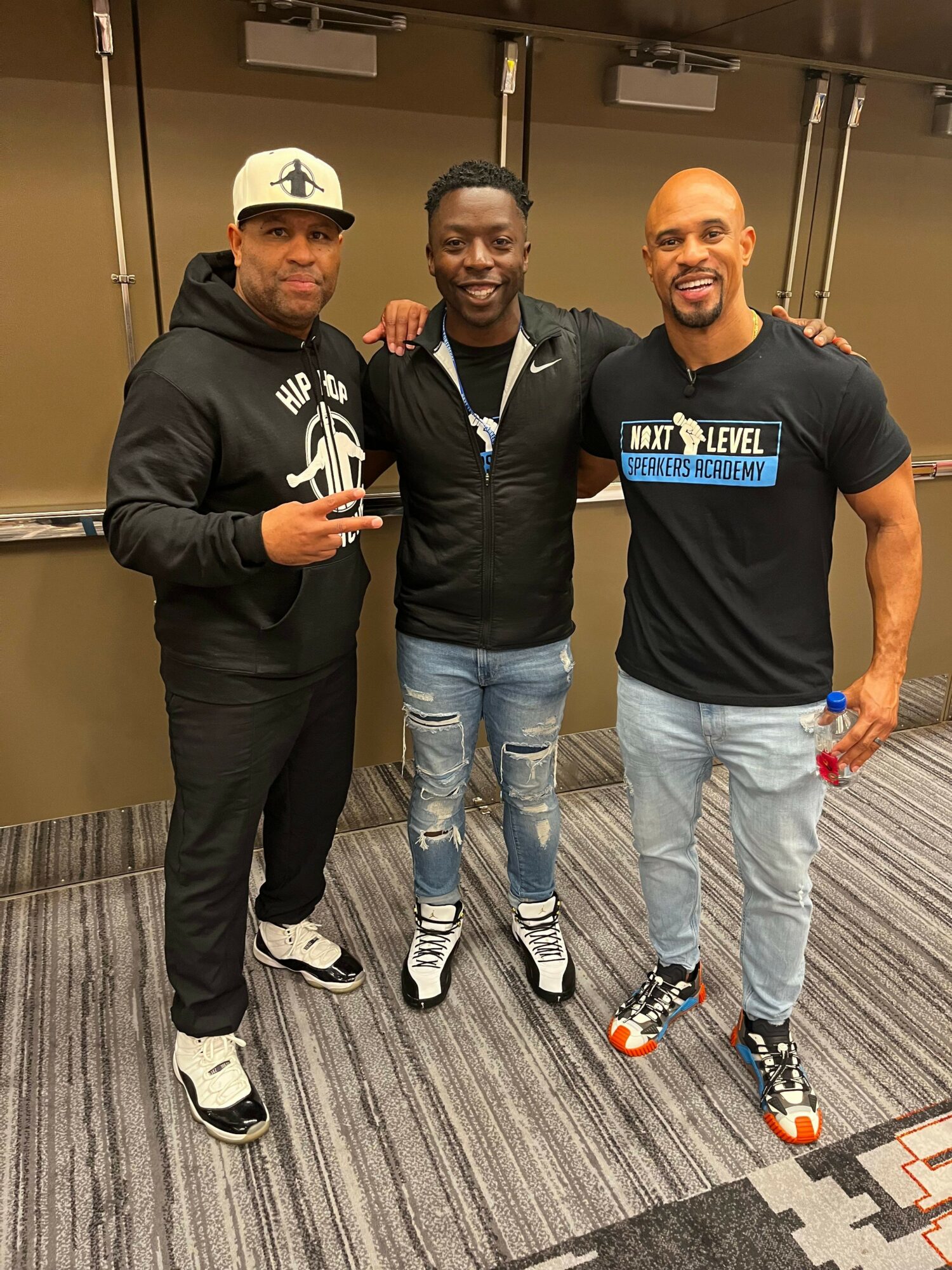
I’d also encourage people to embrace seasonal support and mentorship. One of the most important lessons I’ve learned is that not everyone is meant to walk with you forever—and that’s okay. Throughout my journey, different people have entered my life for specific seasons, each one adding clarity, wisdom, or momentum to what I was building. Every mentor and supporter God placed around me helped elevate both me and my work.
Lastly, understand that progress doesn’t always look linear. There will be moments when you feel unseen or unsure, but that doesn’t mean you’re off track. Stay teachable, stay grounded, and keep showing up. Small beginnings, the right people, and consistency over time can take you further than you ever imagined.
Contact Info:
- Website: https://coachwilliamsu.com
- Facebook: https://www.facebook.com/coachwilliamsuniversity