





Today we’d like to introduce you to Foday Conteh.
Hi Foday, please kick things off for us with an introduction to yourself and your story.
My journey has not been a straight line, but sports, learning, and helping people perform at their best have always been at the center of it.
One of my earliest childhood memories is experiencing performance anxiety at five years old during a kindergarten swim meet. We had practiced for months, and I had never had an issue getting into the pool. But when it was time to compete, I was completely paralyzed by fear—to the point that I could not even enter the water.
At the time, I did not understand what was happening. As I continued through sports, that same anxiety would show up in different ways and at different moments, but I never knew what to call it. Growing up with two immigrant parents, we simply did not have the language or resources to dissect what was happening to me during performance. I knew I had ability, but there were moments when it felt like my own mind was standing between me and what I was capable of doing.
That experience became a major part of my “why.” I know what it feels like to have potential inside of you but still feel helpless when your mind gets in the way. Performance anxiety does not always follow a clear formula. It can come in waves, change forms, and appear when you least expect it. I wanted to better understand why that happens and eventually help athletes develop the language and tools I did not have growing up.
I started as an athlete and played one year of college football before transferring to Sam Houston State University, where I earned my degree in Kinesiology. Although my playing career ended earlier than I expected, my curiosity about performance never did. I became increasingly interested in what separates athletes who have similar physical ability but respond differently to pressure, mistakes, expectations, and adversity.
Professionally, I began building a career in learning and development, creating training experiences that help people understand complex information and apply it in real situations. That work taught me how to take research and theory and turn it into something practical, engaging, and usable. Over time, I realized those same skills could be applied to athletes.
I later earned my master’s degree in Sport and Performance Psychology from the University of Western States. That experience gave me the research foundation and structure to better understand confidence, focus, emotional regulation, leadership, decision-making, performance anxiety, and performance under pressure.
In 2023, I founded STATS Mental Performance here in the Dallas–Fort Worth area. STATS was created to make mental performance training more practical and measurable. I did not want athletes to simply talk about confidence or mental toughness—I wanted them to leave with routines, behavioral standards, cue words, reflection tools, and performance systems they could actually use in competition.
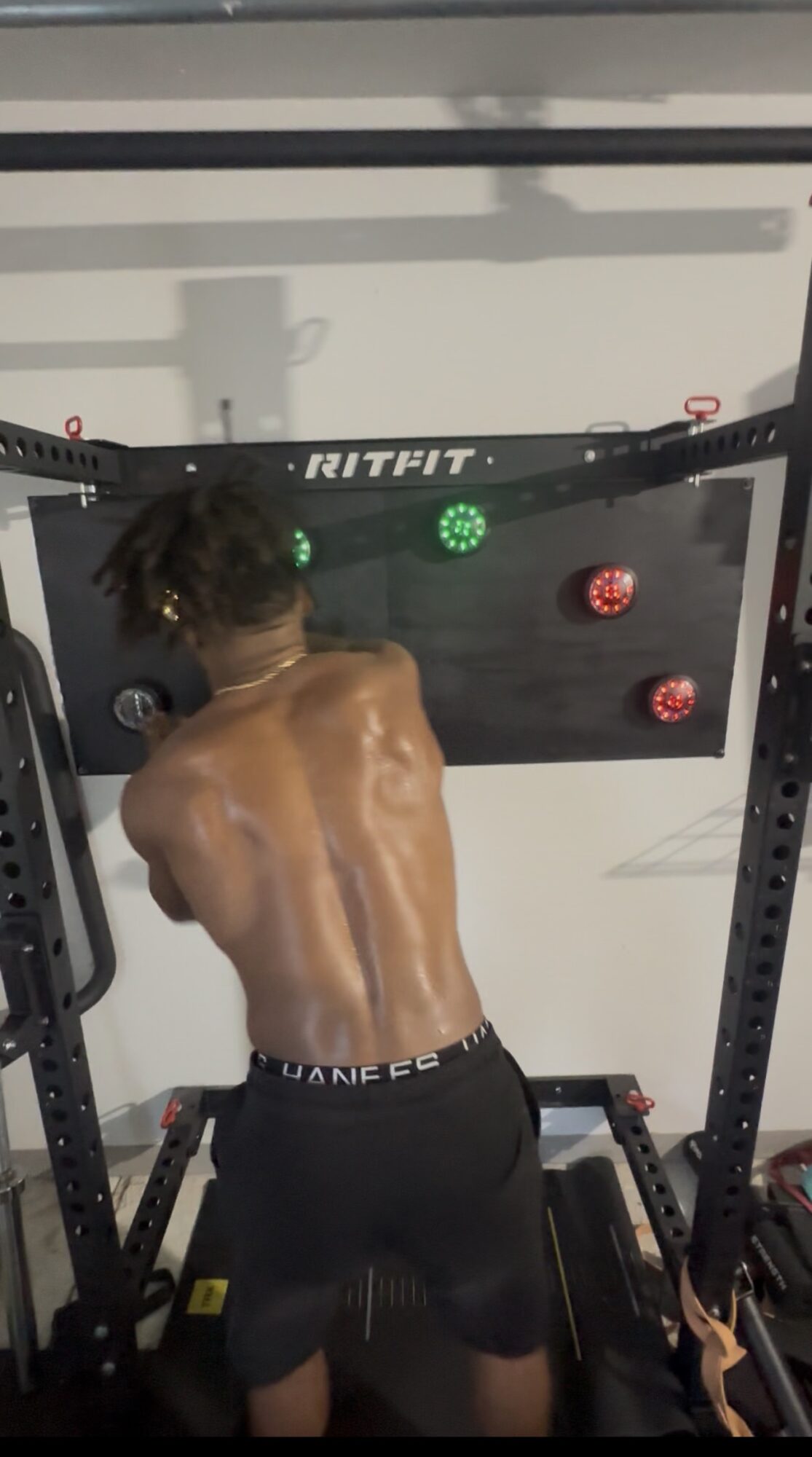
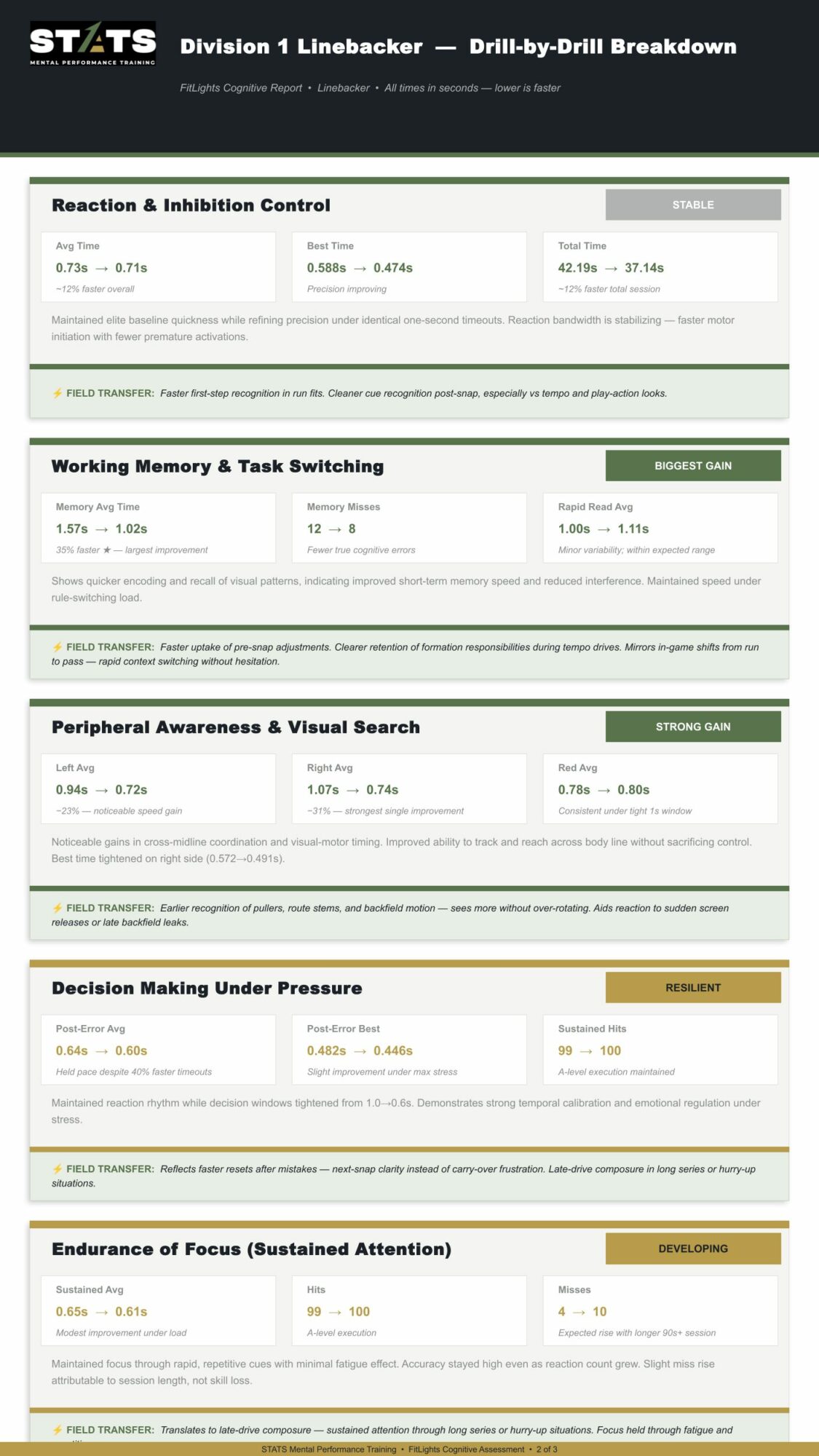
Today, I work with youth, high school, collegiate, and professional athletes across multiple sports. I also partner with parents, coaches, teams, and organizations to help create healthier and more consistent performance environments. Through a layered assessment system, I am able to track growth and show athletes and families tangible progress throughout the process.
I am still continuing my own journey as a practitioner, business owner, husband, and father. My goal is to keep growing STATS throughout Dallas and beyond while helping athletes understand that mental performance is not just about fixing a problem—it is about developing the skills, habits, and self-awareness required to perform consistently when the moment demands it, both in sports and in life.
Can you talk to us a bit about the challenges and lessons you’ve learned along the way. Looking back would you say it’s been easy or smooth in retrospect?
Absolutely not. Even graduating from college was a rocky journey. I transferred three times before eventually landing at Sam Houston State University, so my path never looked as straightforward as I once imagined it would.
After college, I spent the first three years of my career working as a recruiter—and I quickly realized it was not for me. Eventually, I found my way into learning and development, where I discovered work that I genuinely enjoyed. I loved creating training, helping people grow, and turning complex ideas into practical experiences. Still, there was a void because I was not working in the area I had always been most passionate about: sports.
I grew up in an immigrant household where sports were a major part of our weekends and family life. I was a sports junkie, and even though I had built a stable career, I could not ignore the feeling that there was something else I was supposed to be doing.
In 2019, I began a deeper period of soul-searching. I had to ask myself difficult questions: What is my purpose? What was I fashioned to do on this earth? What did Christ create me to fulfill? What gifts and talents did He place inside of me, and how was I expected to use them?
That process eventually led me to mental performance coaching. It brought together my background as an athlete, my love of sports, my interest in how people perform, and my experience designing learning that people can actually apply.
The greatest challenge was not simply starting a business or changing careers—it was finding the right path. That kind of internal work is difficult because it is not a simple question-and-answer exercise. It requires honesty, patience, faith, and a willingness to examine your experiences, strengths, disappointments, and desires. Looking back, every transfer, career detour, and season of uncertainty helped prepare me for the work I am doing today.
As you know, we’re big fans of STATS Mental Performance. For our readers who might not be as familiar what can you tell them about the brand?
STATS Mental Performance is a Dallas–Fort Worth–based mental performance coaching practice that helps athletes strengthen the psychological skills behind consistent performance. I work with youth, high school, collegiate, and professional athletes across multiple sports, while also supporting parents, coaches, teams, and athletic organizations.
My work focuses on confidence, focus, emotional regulation, decision-making, leadership, responding to mistakes, and performing under pressure. Rather than only discussing these concepts, I help athletes turn them into practical systems they can use through routines, cue words, behavioral standards, reflection tools, and realistic application activities.
What sets STATS apart is the combination of sport psychology, learning design, and measurable development. My background in learning and development helps me translate complex research into coaching experiences that are clear, engaging, and practical. Each program is built around the individual athlete rather than using a generic, one-size-fits-all curriculum.
I also use a layered assessment process to understand how an athlete thinks, responds, and performs in real situations. Progress is measured throughout the program, and athletes and families receive a progress card that makes their growth visible and identifies what they should continue developing.
STATS offers individual coaching, team workshops, leadership development, parent and coach education, and performance assessments. While some athletes begin because they are struggling with confidence, anxiety, mistakes, or pressure, mental performance coaching is also for athletes who want to become more self-aware, consistent, adaptable, and prepared for higher levels of competition.
What I am most proud of is seeing the growth in the individuals I work with and watching them become the best versions of themselves. Ultimately, I want every athlete to leave our work together more confident, more self-aware, and better equipped to handle the demands of performance. My goal is to give them the language, tools, and personal performance system they need to pursue everything they are capable of—and everything they feel called to do.
Alright, so to wrap up, is there anything else you’d like to share with us?
One thing I want readers to understand is that mental performance coaching should not only be introduced after an athlete begins struggling. These skills can be developed proactively, just like strength, conditioning, or sport-specific technique. My larger vision for STATS Mental Performance is to help make that type of training a normal and accessible part of athlete development throughout Dallas–Fort Worth and beyond. I want athletes to gain the confidence and self-awareness to understand how they perform, parents and coaches to have better language for supporting them, and more people to recognize that strengthening the mind is not a sign that something is wrong—it is part of becoming everything you are capable of becoming.
Pricing:
- Six individual sessions starting at $300
- Team Workshops and Group Training: Custom pricing based on team size and program needs
- Majority of sessions are conducted virtually to help with scheduling for all parties.
Contact Info:
- Website: https://www.statsmp.com/
- Instagram: https://www.instagram.com/stats_mentalperformance
- Youtube: https://www.youtube.com/@STATSMentalPerformance