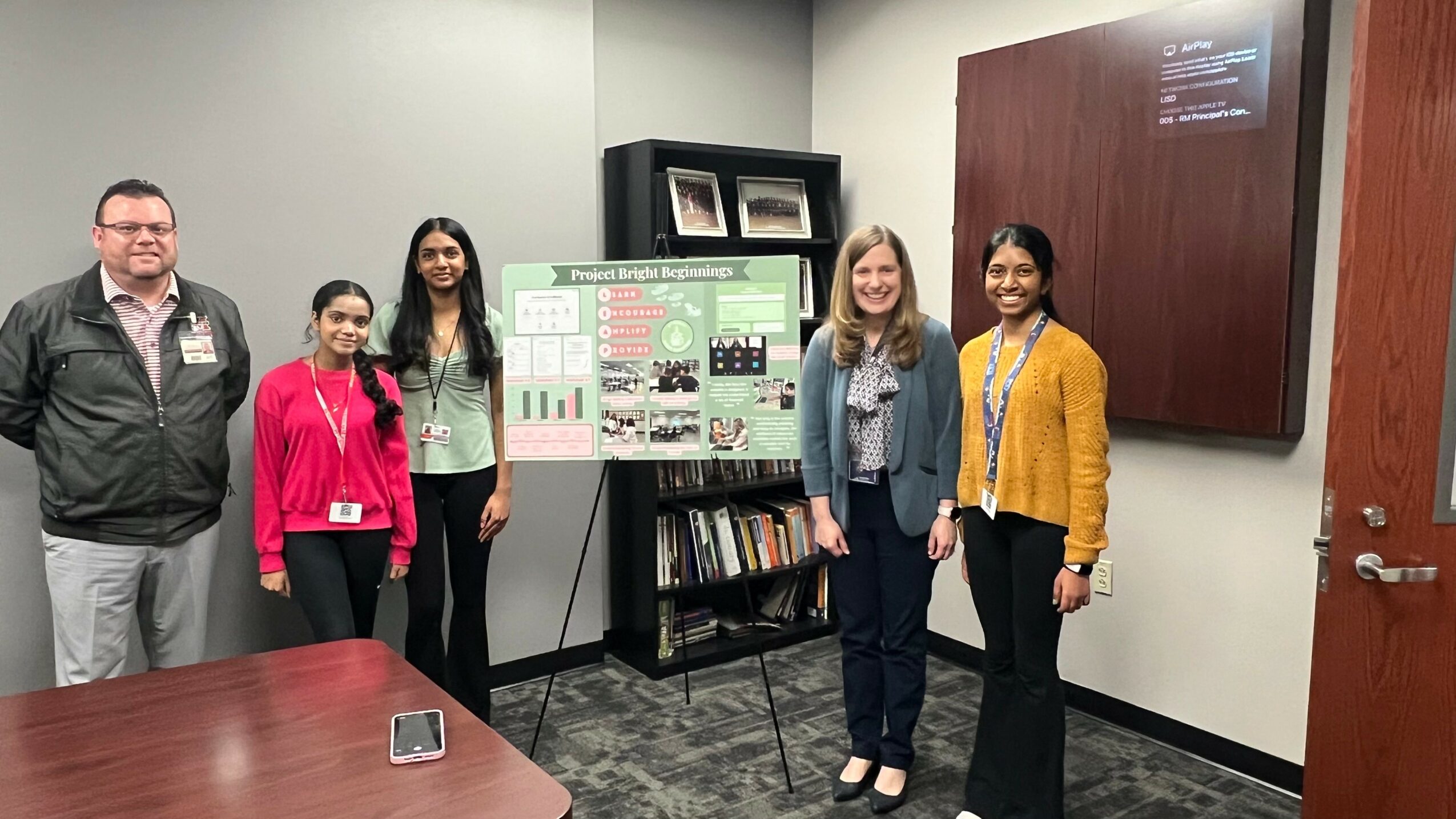






Today we’d like to introduce you to Hansika Kantheti, Shriya Sreeju, and Tanisha Makam.
Hi Hansika, Shriya, and Tanisha, we’re thrilled to have a chance to learn your story today. So, before we get into specifics, maybe you can briefly walk us through how you got to where you are today?
74% of teens don’t feel confident about their financial literacy. 4 out every 5 adults wish they learned more about money as a kid. Financial literacy is undeniably one of the most valuable components of education.
That disconnect is what led us to create Project Bright Beginnings. The three of us came together through shared experiences in education and service, realizing we had each seen the same gap: students were expected to navigate adult financial responsibilities without ever being given the tools to do so. We wanted to create something that didn’t just raise awareness, but made a measurable difference.
After our preliminary research on current financial education resources, we found that most are pricey, bad quality, inaccessible, and designed primarily for high schoolers or adults. We decided to take a different approach and curate our own resources targeted towards elementary schoolers.
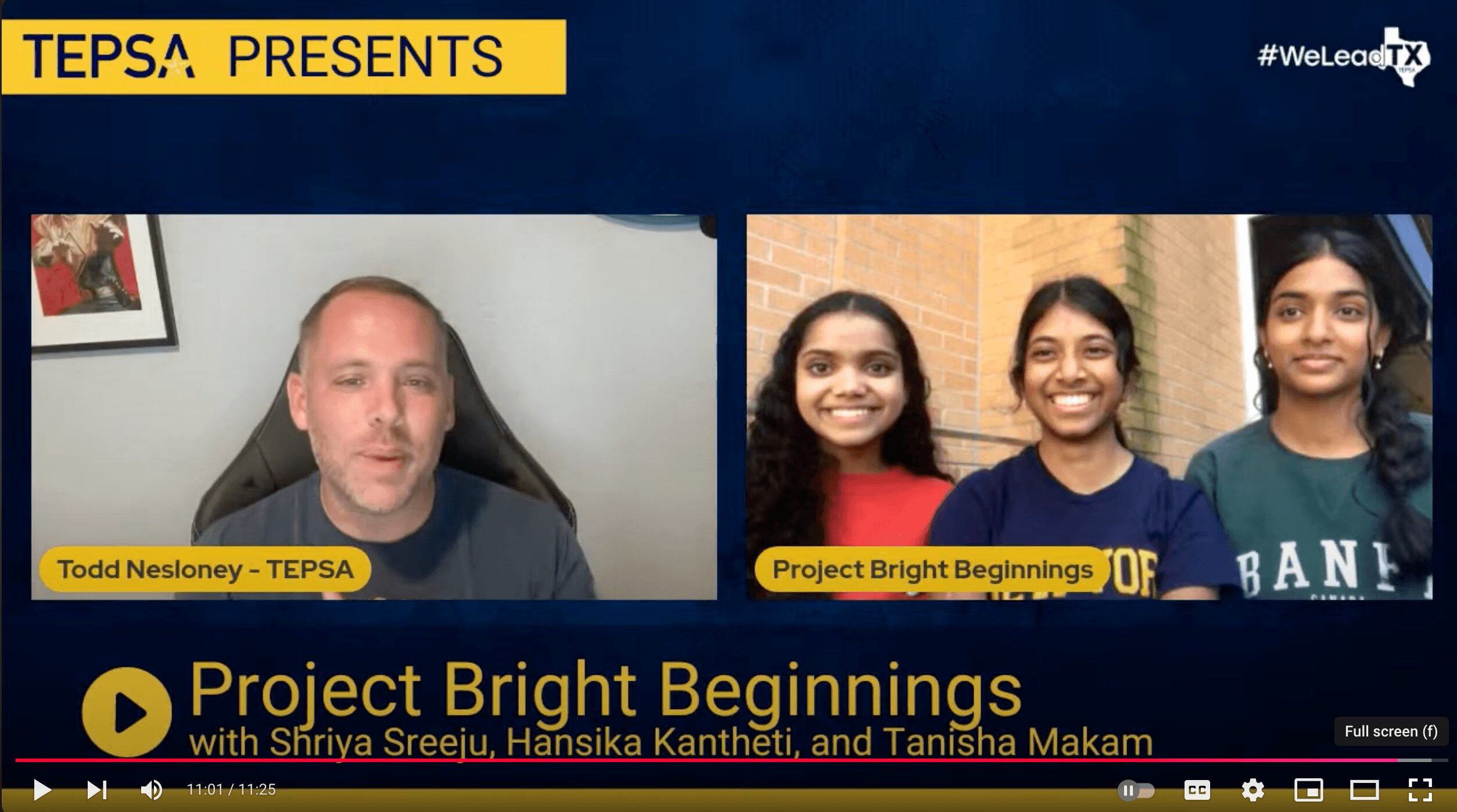
Bright Beginnings is a project aimed at making financial literacy accessible to all. Over the past four years, we’ve brought this mission to life by developing a variety of digital and physical resources that we’ve distributed globally. After seeing the success of our curriculum for students and teachers, we decided to immortalize our impact by compiling our resources on our user-friendly, accessible, and completely free website. To expand our reach, we partnered with organizations and were featured on TEPSA Talks and in the TEPSA newsletter, reaching over 6,000 principals across Texas. We were also evaluated and featured on JumpStart Coalition, a website that consolidates credible financial literacy resources for teachers and parents.
Our main goal is accessibility. To reach students beyond digital spaces, we developed printed workbooks and distributed them to students in Africa and Asia. Project Bright Beginnings is essential to change and this change is very needed because financial freedom starts young. Everyone deserves access.
Would you say it’s been a smooth road, and if not what are some of the biggest challenges you’ve faced along the way?
At the beginning, one of our biggest challenges was simply believing that three high school students could create meaningful, large-scale impact. We believed our age was a limitation and worried we wouldn’t be taken seriously by educators, organizations, or potential partners.
Our mindset changed once we realized that the only way forward was to reach out anyway. We learned that when we clearly communicated our mission and demonstrated the quality of our work, people were genuinely willing to listen and support us. We slowly built more confidence and credibility in the educational space by contacting departments of education, our school district’s superintendent, and TEPSA.
Another ongoing challenge has been student retention. Keeping younger students engaged with financial concepts requires constant iteration. We addressed this by refining our curriculum to be more interactive, incorporating visuals, real-world examples, and games that made the material feel more relevant and enjoyable for the students.
Great, so let’s talk business. Can you tell our readers more about what you do and what you think sets you apart from others?
Project Bright Beginnings is a youth-led nonprofit organization dedicated to making financial literacy accessible to everyone, regardless of economic status, access to digital resources, or location. Our mission is to ensure that all students, especially those in underserved communities, have access to high-quality financial education from an early age. We design our resources specifically with children in mind and prioritize engagement and relevance.
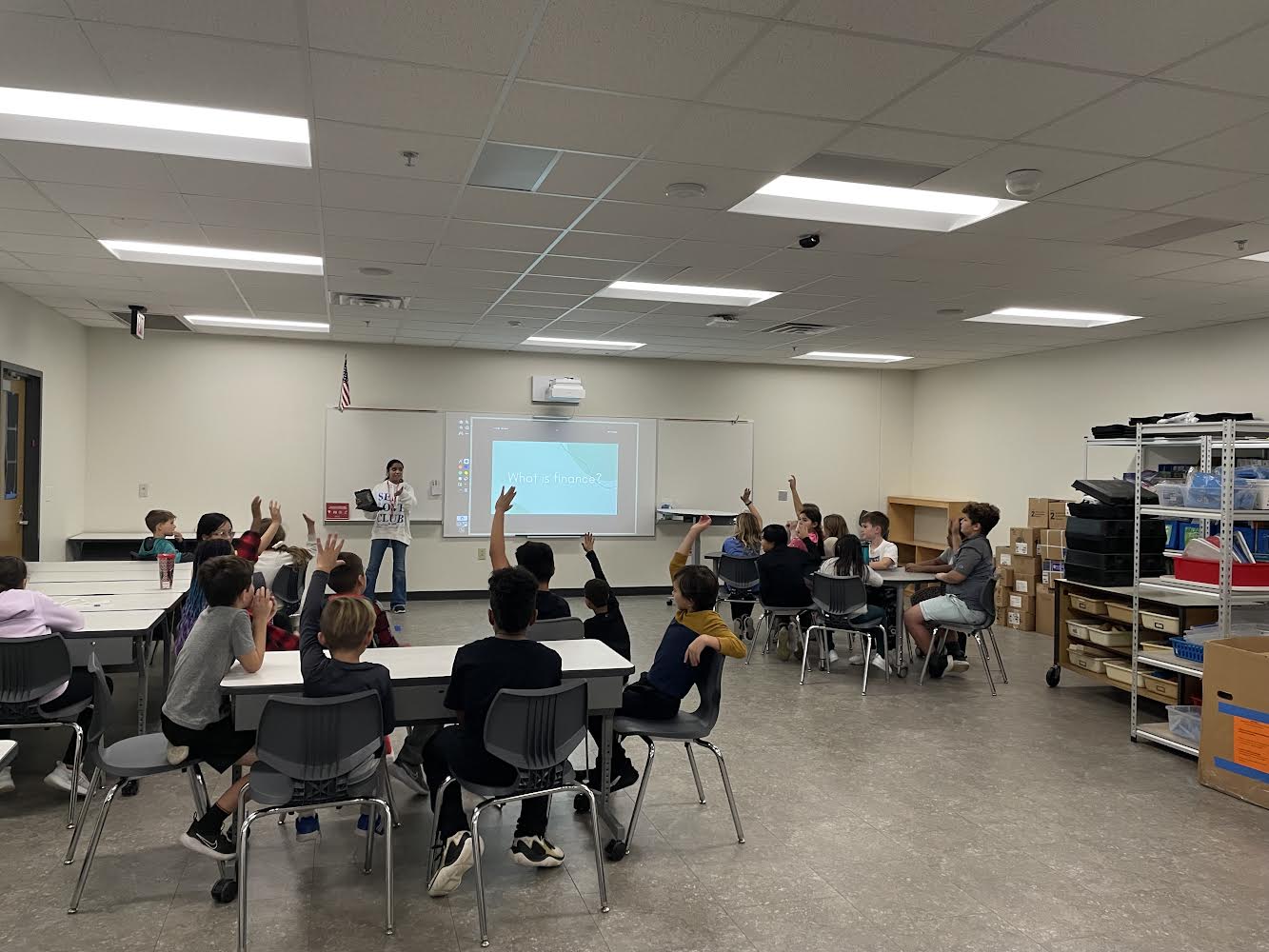
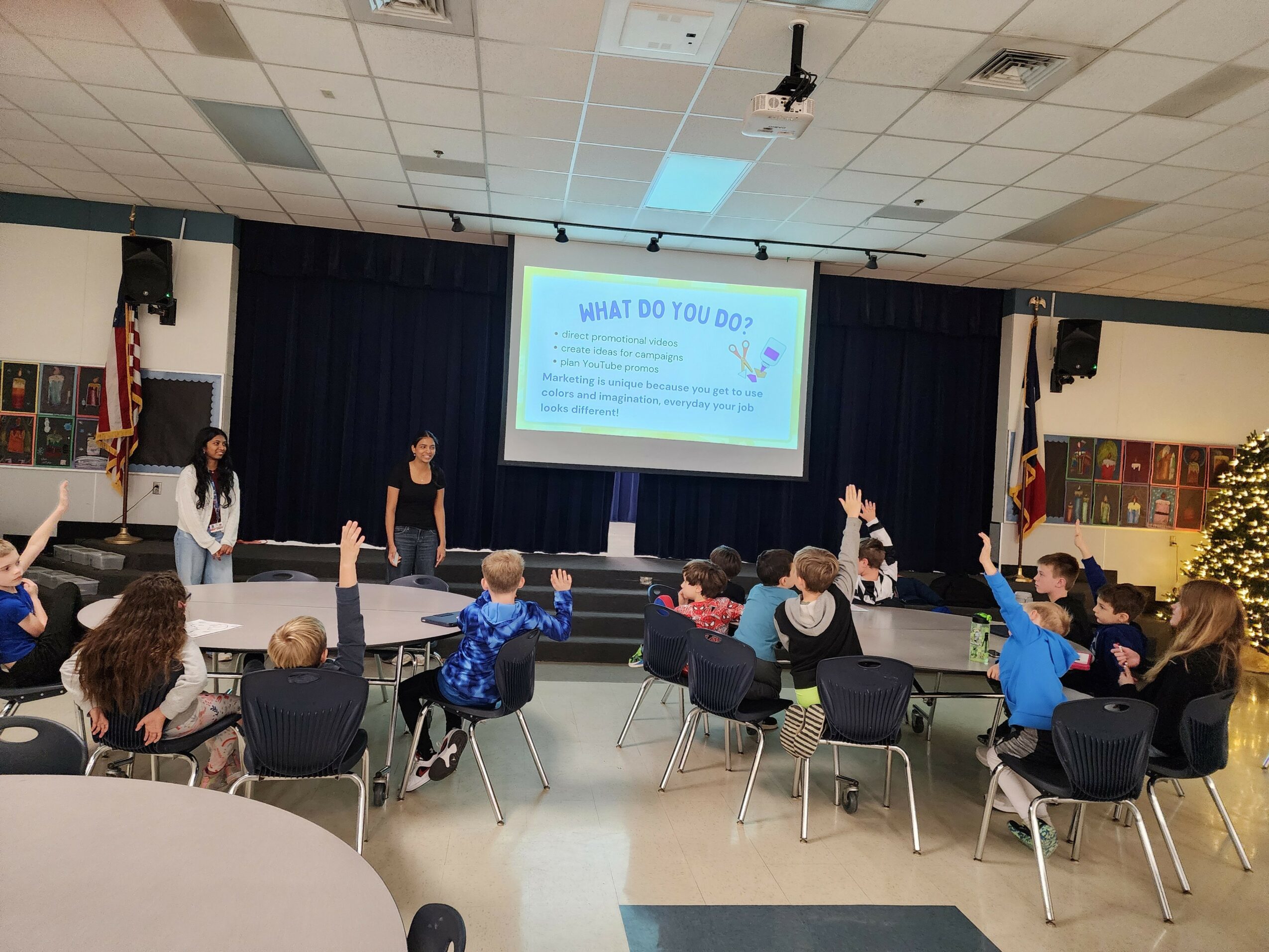
What sets us apart from many financial literacy organizations is our commitment to accessibility and feedback-driven growth. All of our resources are free, align with state and national standards, and are continuously refined through iterations based on educator and student feedback. We actively encourage teachers, parents, and students to reach out with suggestions. Collaboration is central to our project and we tailor our resources to our users. In addition to our curriculum materials, we host in-person workshops and live webinars which allows us to connect directly with students and educators and expand our global reach beyond the classroom, unlike our competitors.
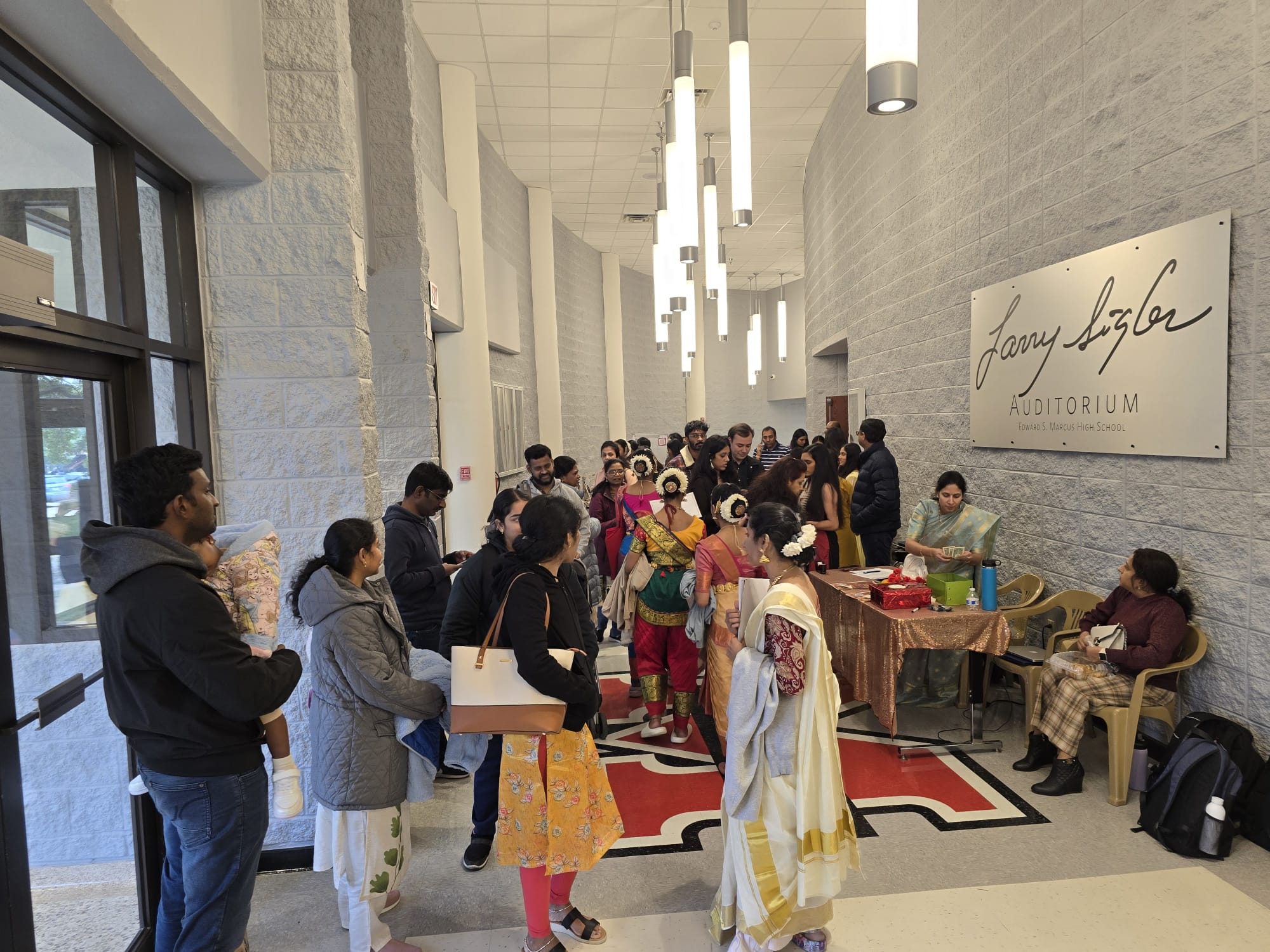
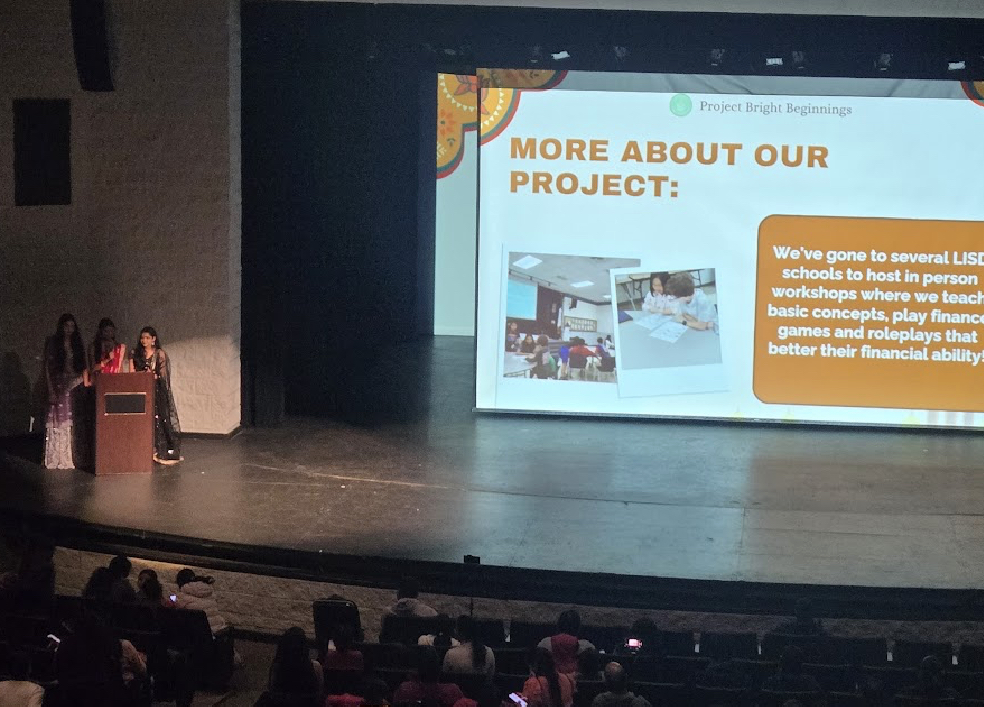
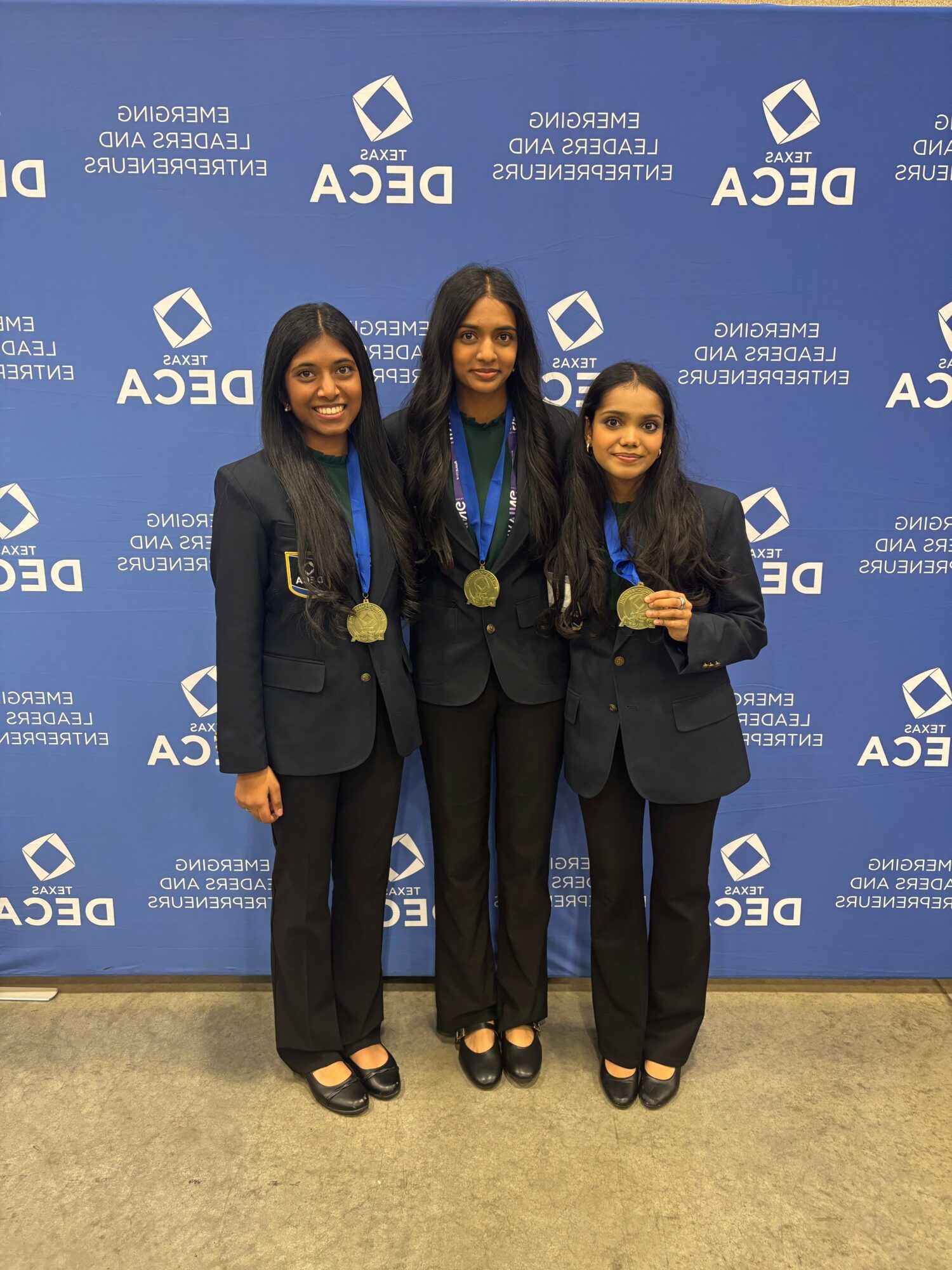
Project Bright Beginnings was founded by three high school seniors who began the initiative during their freshman year as a DECA competition project. We committed to our project after recognizing the real-world impact it could have. We continued developing Project Bright Beginnings beyond the competition, dedicating hours each week to expanding and improving our resources. Our work took us to DECA Internationals our freshman and junior year. We earned first place in our event at DECA Internationals in 2025. Additionally, we led a fundraising event, the Surya Cultural Showcase, which supported the expansion of our financial literacy programs and outreach efforts. We were also able to make several valuable corporate partnerships that helped us raise funds for our resource distribution which was only possible through our persistent outreach. Through our experience, we have all recognized the importance of collaboration and community partnerships in creating sustainable impact. We are incredibly proud of the project we have built and we hope to continue expanding our reach through college.
What sort of changes are you expecting over the next 5-10 years?
Over the next 5–10 years, we see financial literacy moving from an optional add-on to an essential subject in K-12 education. As research continues to show that early financial knowledge improves real-world outcomes, schools will increasingly integrate structured financial education standards across grade levels. Twenty-nine states have already required high schoolers to take a personal financial literacy class. We believe the trend will continue and also spread to middle and elementary school students.
Another major shift will be the digitization and personalization of learning, especially through AI. More educational platforms will replace traditional worksheets and resources with adaptive tools that give students more guided access. Project Bright Beginnings has predicted this shift and we have already implemented an AI Tutor, Bright, that gives students extra practice problems, tips, and advice while they complete our course.
Contact Info:
- Website: https://www.projectbrightbeginnings.org/
- Instagram: https://www.instagram.com/projectbrightbeginnings
- LinkedIn: https://www.linkedin.com/company/project-brightbeginnings
- Youtube: https://www.youtube.com/@projectbrightbeginnings