



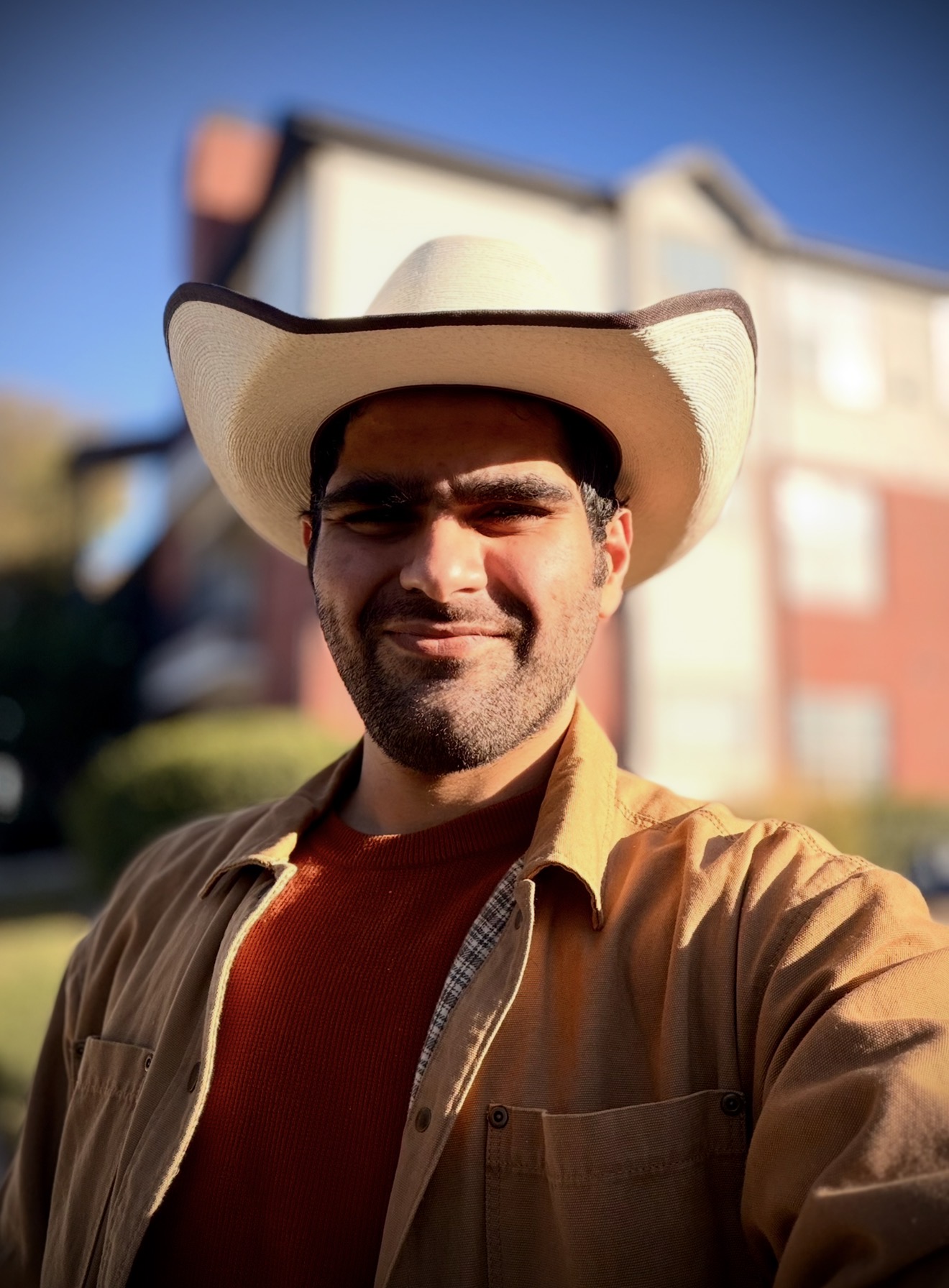
Today we’d like to introduce you to Jawad Farooq.
Hi Jawad Farooq, can you start by introducing yourself? We’d love to learn more about how you got to where you are today?
I grew up surrounded by the hum of machines and the smell of ink. My family ran a printing press in Lahore, Pakistan, and from a very young age, that environment became my first classroom. I watched paper move through massive machines, colors come together layer by layer, and ideas slowly turn into something real that you could hold in your hands. That is where creativity first sparked for me, not through screens, but through process, material, and making.
I later studied Visual Communication Design at the National College of Arts, where I learned how to think visually and communicate through storytelling. After graduating, I worked in advertising and commercial design, creating campaigns, brand systems, and visual narratives. Over time, however, I began to feel stagnant. The work was polished and fast paced, but emotionally distant. I realized I was no longer asking questions. I was simply delivering outcomes.
That discomfort pushed me to pause and reflect on what I truly wanted from design. I was not interested in just creating visuals. I wanted to understand how design could make people feel something. That realization became the turning point that led me to pursue a master’s degree.
Moving to the United States to study Dynamic Media at Massachusetts College of Art and Design reshaped the way I understood storytelling. I began exploring narratives through interaction, movement, and time rather than static imagery. At the same time, the transition was emotionally heavy. Because of visa restrictions, I spent long periods separated from my family, and distance became a constant presence in my life.
Slowly, that emotional gap began influencing my work. What started as a personal experience turned into a deeper question. How do we remain emotionally connected when physical closeness is no longer possible?
During my graduate studies, including a crossover experience with MIT’s Responsive Environments group, my practice shifted toward creative technology. I began working with physical computing, generative systems, kinetic objects, and interactive media to explore presence as something that can be felt rather than seen. My thesis project, Digital Embodiment, grew directly from this space. It examines how movement, behavioral rhythms, and interaction histories might help sustain emotional presence during moments of separation, not by replacing the human, but by preserving relational continuity until communication resumes.
As the work evolved, my thinking expanded beyond distance alone. I began wondering what happens when presence is not temporarily disrupted, but permanently altered. What if artificial intelligence could help sustain traces of a loved one who has passed away, not just through memory, but through patterns, gestures, and rhythms that once defined them. What if instead of holding people only in remembrance, we could still feel their presence around us. And if one day we are the ones who leave the physical realm, what parts of ourselves would we want to remain behind.
These questions naturally led me toward the senses. Touch, smell, taste, sight, and sound play a powerful role in how we form emotional memory and attachment. Much of my current work already explores these sensory thresholds, but I see it as only the beginning. I want to continue developing systems that engage the senses more deeply and eventually move toward what feels like a sixth sense. This is the quiet and intuitive awareness of presence that exists even when nothing is physically there.
Today, my practice sits at the intersection of art, design, and emerging communication. Through interactive installations, responsive objects, and generative systems, I aim to create experiences that acknowledge distance, hold space for emotion, and remind people that connection does not disappear. It simply finds new ways to exist.
Alright, so let’s dig a little deeper into the story – has it been an easy path overall and if not, what were the challenges you’ve had to overcome?
It definitely has not been a smooth road, but honestly, I do not think life would be very meaningful if everything came easily. I have had my fair share of bumps along the way, and many moments of uncertainty, but I was also incredibly fortunate to have people who kept rooting for me. My parents were my biggest support system from the very beginning, and their belief in me gave me the courage to keep moving forward. Along the way, I was also guided by generous friends and mentors who reminded me why I started when things felt overwhelming.
One of the biggest challenges was returning to education after nearly a five year gap. Going back to school brought a sense of excitement and renewal, but it was also difficult. I had left behind a stable and predictable routine, and stepping back into an academic environment required me to rewire how I thought, learned, and managed pressure. There was thrill in starting again, but it was far from comfortable.
Moving to a new country added another layer of challenge. Life suddenly felt unbalanced. Everything from culture to pace to emotional distance had to be relearned, and there were moments when the stability I had left behind felt easier than the uncertainty I had chosen.
Joining the Dynamic Media program opened up an entirely new world for me. I was exposed to incredible tools, ideas, and ways of thinking, but much of it was completely new territory. Working with low voltage electronics, physical computing, and building things with my hands was something I deeply wanted, yet the learning curve was steep. There were many late nights, failed prototypes, and moments of self doubt. At times, I felt like I was learning a new language from scratch.
Looking back, those challenges shaped my practice the most. They taught me patience, resilience, and trust in the process. Nothing about the journey was linear, but every difficulty pushed me closer to the work I genuinely care about today.
We’ve been impressed with Pinn.Media, but for folks who might not be as familiar, what can you share with them about what you do and what sets you apart from others?
Pinn.Media is a full service creative development studio that I founded in 2019, right after graduating from the National College of Arts in Lahore. Starting a studio immediately after school was a bold step, but it gave me something incredibly important at that stage of my life: ownership over my ideas and creative direction. While I was working in advertising, the studio became my space to experiment, stay curious, and continue building without being limited by agency structures.
From the beginning, Pinn.Media was built to bridge creativity and functionality. We work across branding, visual identity systems, website design, creative content production, and full scale app and web development. Our approach has always been to look at design not as decoration, but as infrastructure that helps businesses communicate clearly and grow sustainably.
Over time, the studio evolved alongside my own practice. As we worked with startups and growing companies, we noticed a recurring challenge. Many businesses were juggling multiple tools to manage clients, communication, leads, and operations. That insight led us to develop our own CRM platform, which we now offer as a SaaS product. The goal was simple: to give businesses one centralized dashboard where their entire client relationship ecosystem could live, making scaling more intuitive and less chaotic.
What sets Pinn.Media apart is our hybrid mindset. We do not operate purely as a design studio or purely as a tech company. We sit at the intersection of design, strategy, and system building. Because of that, we think deeply about how users experience a brand, how teams interact with digital tools, and how design decisions affect long term growth.
Brand wise, what I am most proud of is the studio’s adaptability and integrity. Pinn.Media has grown across countries, disciplines, and phases of my own life, yet its core belief has remained consistent. Good design should be intentional, human centered, and built to last. We focus on long term relationships rather than one off deliverables, and many of our projects grow organically through trust and collaboration.
Today, after relocating to Dallas, I am actively working with businesses in the local area to help them strengthen their digital presence and scale with clarity. Whether it is building a brand from the ground up, creating digital platforms, or implementing systems that support growth, Pinn.Media exists to help businesses move forward with confidence.
What I want readers to know is that Pinn.Media is not just about making things look good. It is about building thoughtful digital ecosystems that support real people, real teams, and real ambitions.
Are there any important lessons you’ve learned that you can share with us?
One of the most important lessons I have learned is the value of consistency. No matter how talented or motivated you are, real progress only comes when you show up every day and keep moving forward, even in small steps. You only begin to see results when consistency becomes a habit.
Another lesson that shaped me deeply is understanding that opportunities do not simply fall from the sky. You have to build your own door and have the courage to walk through it. Creating your own opportunities gives you control over your journey rather than waiting to be chosen.
I have also learned to completely change the way I look at failure. For me, failure is not a negative word. It stands for First Attempt Is Learning. Every setback teaches you something valuable. Instead of being afraid to fail, I believe in trying again with better understanding, stronger intention, and more resilience.
Lastly, planning and strategy are extremely important to me. Nobody plans to fail, but many people fail to plan. Having a clear direction and a thoughtful strategy helps turn uncertainty into purpose.
Together, these lessons have shaped not only how I work, but how I approach life.
Contact Info:
- Website: https://jnaikcreates.solutions | https://crm.pinn.media | https://pinn.media
- Instagram: https://www.instagram.com/jnaikcreates.solutions
- LinkedIn: https://www.linkedin.com/in/jawad-farooq-naik-0122a533
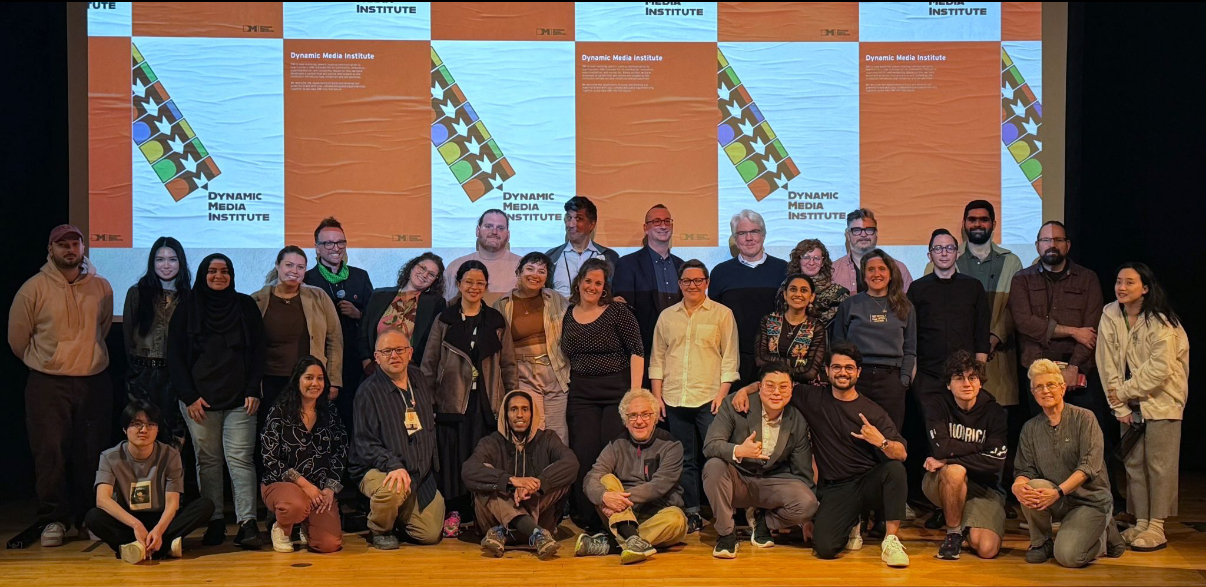
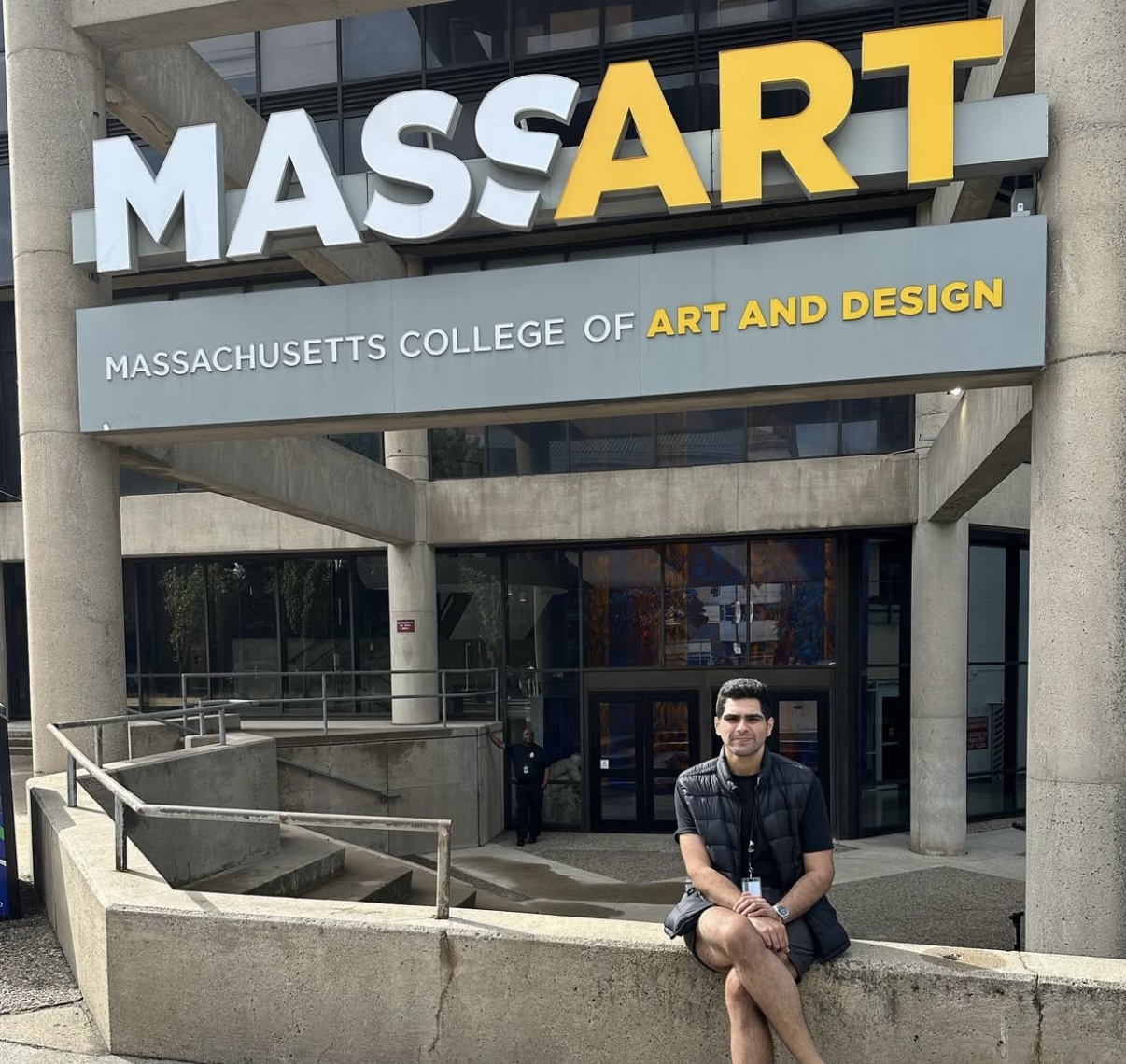
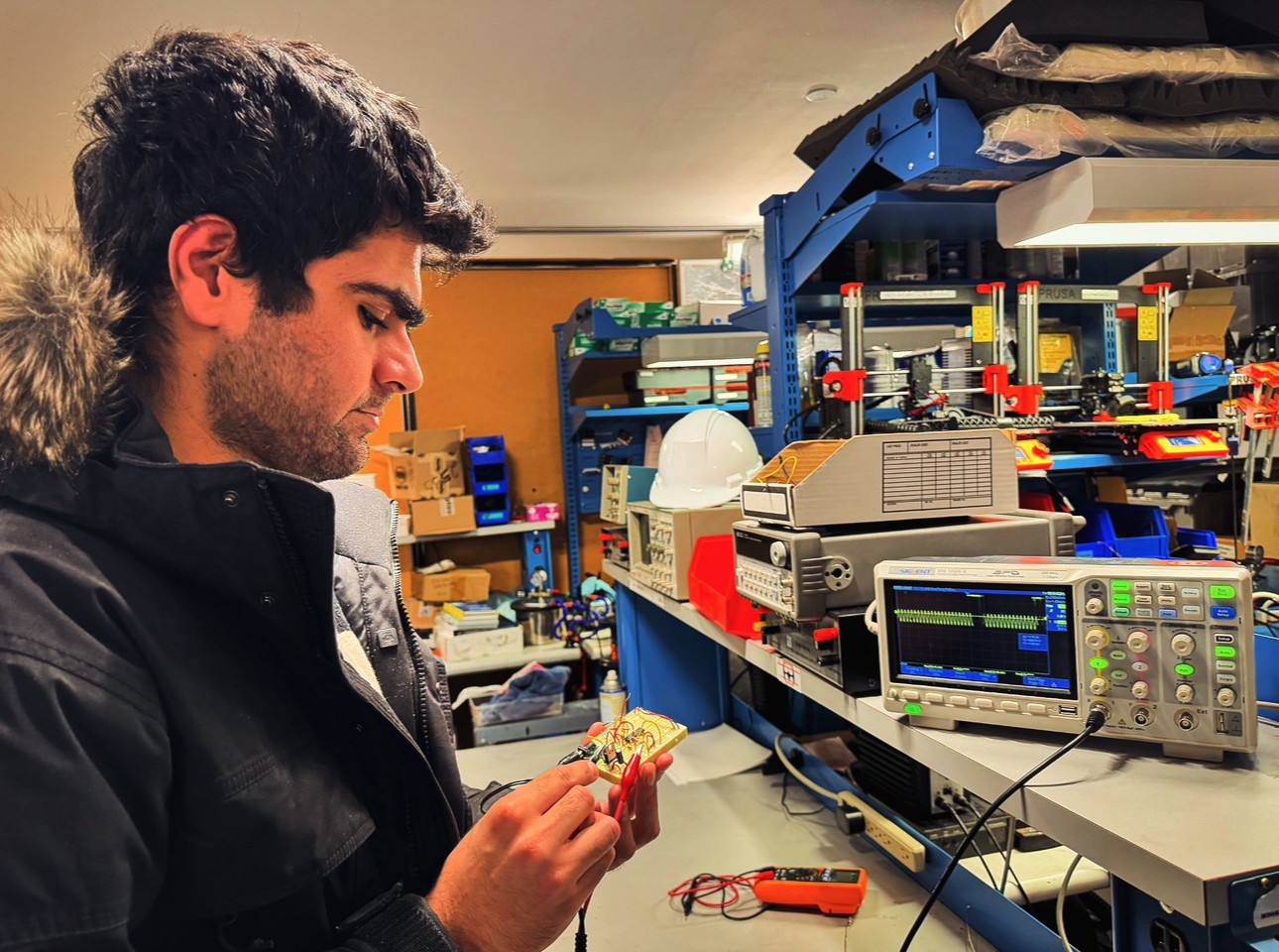
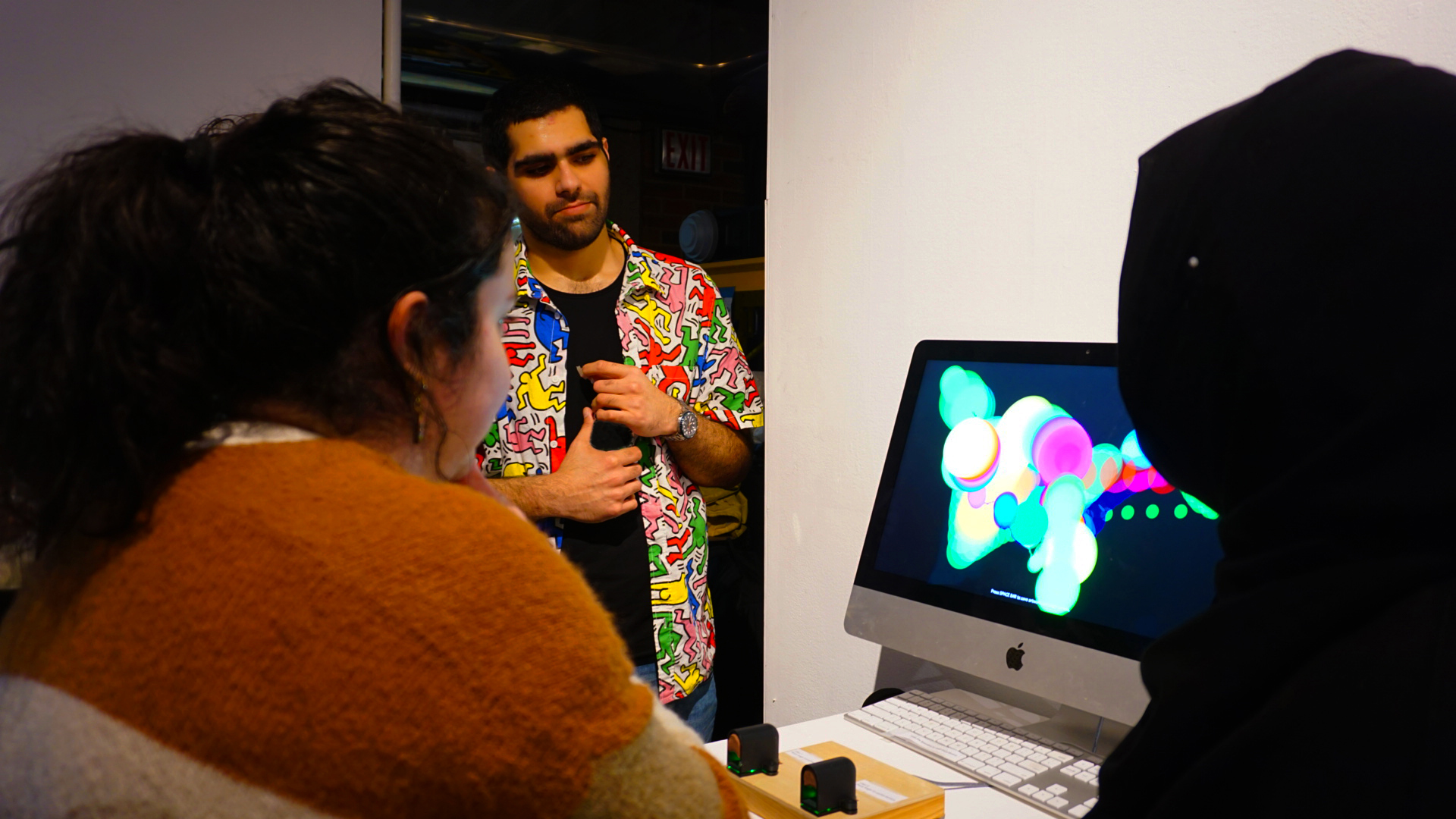
Image Credits
Yiner Xu, Farooq Naik