





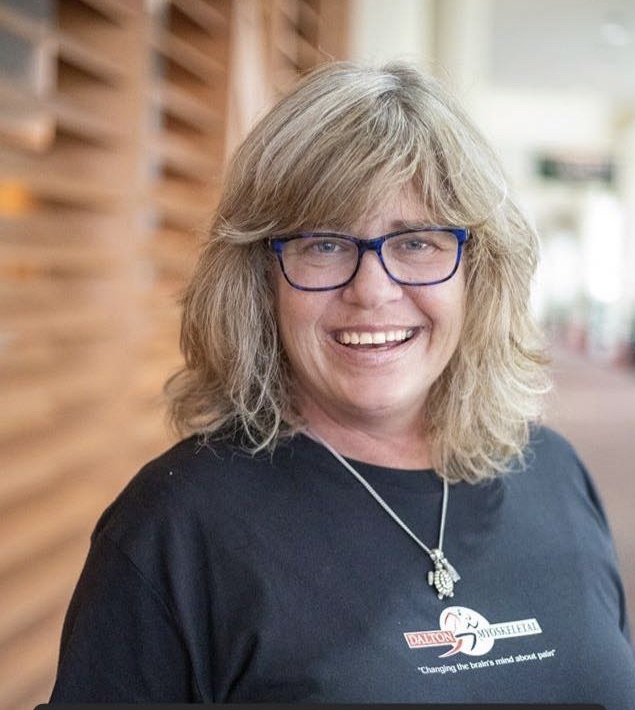
Today we’d like to introduce you to Kathleen.
Hi Kathleen, thanks for joining us today. We’d love for you to start by introducing yourself.
People often assume I always knew I wanted to become a massage therapist, but that’s not really my story.
I’m a Jersey girl who headed to the University of South Florida, where I immersed myself in sociology, research methods, anthropology, and women’s studies. I fully expected to continue into academia and eventually earn a PhD. I loved research, I loved asking questions, and I loved the challenge of understanding why people think, behave, and move through the world the way they do.
Then life happened.
I met the woman who would become my wife, moved to Dallas, and found myself with time to reconsider the path I thought I was supposed to take. That’s when I realized something important: it wasn’t academia that I loved. It was learning. I wanted a career that would allow me to keep asking questions, keep learning, and eventually teach others for the rest of my life.
At the same time, I’d always been fascinated by the human body. I grew up as an athlete, spent years bodybuilding, and had been receiving massage long before it became mainstream because of my athletic background. I also spent twenty years working in luxury hotels and restaurants, ten of those years tending bar for Harry and Leona Helmsley in Sarasota, Florida. While those years may seem unrelated, they shaped me in ways I still carry today. They taught me that excellence is found in the smallest details and that genuine hospitality is about making people feel cared for from the moment they walk through the door until the moment they leave. That philosophy has become just as important to me as any manual therapy technique I’ve ever learned.
Once I decided to pursue massage therapy, I never looked back. Even before graduating from Texas Massage Institute, I had already leased my first office, chosen my business name, and mapped out exactly what I wanted my career to become. I knew I wanted to work with endurance athletes, focus on clinical care, and build my own practice.
More than twenty-five years later, those goals have grown beyond anything I could have imagined.
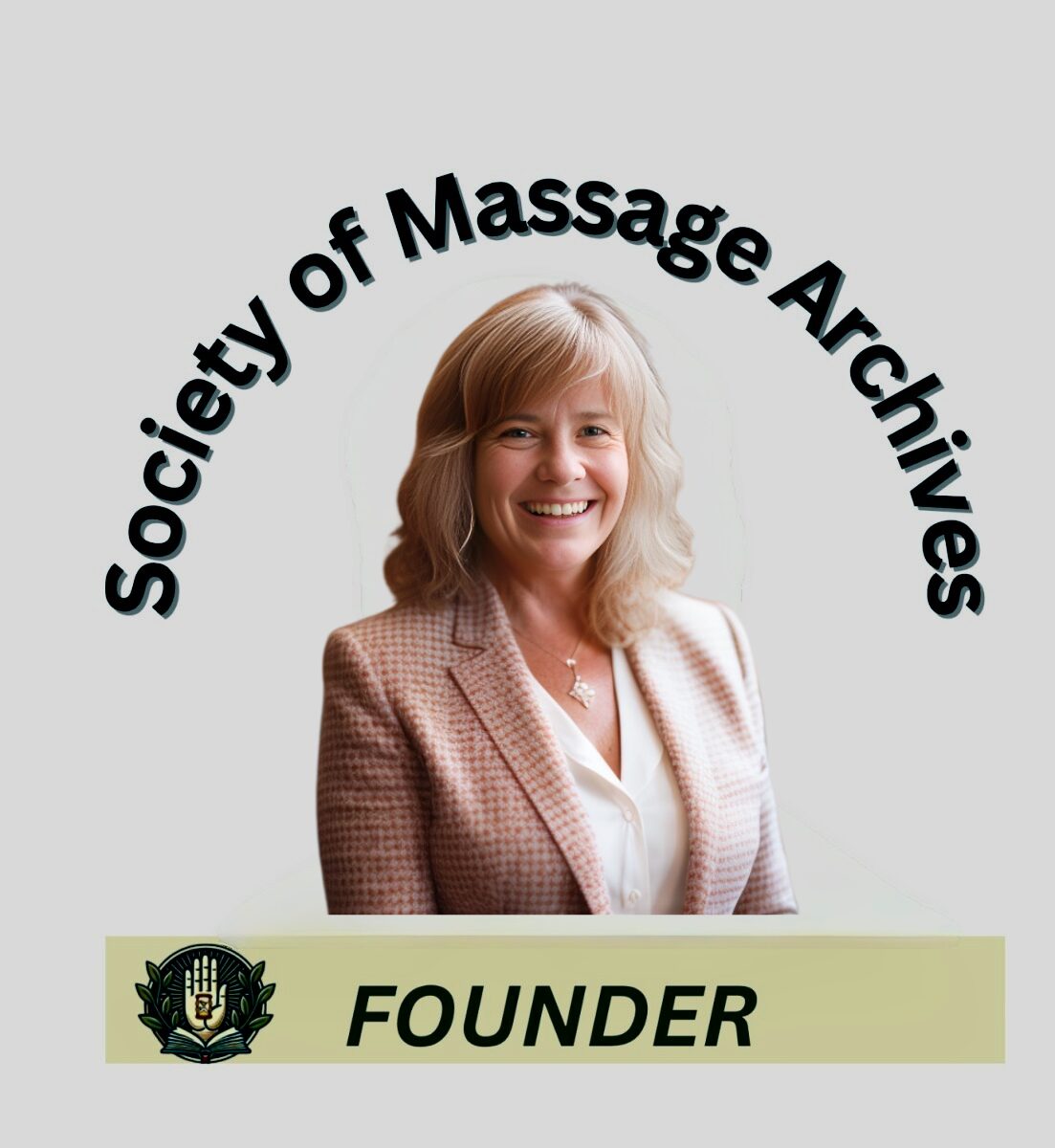
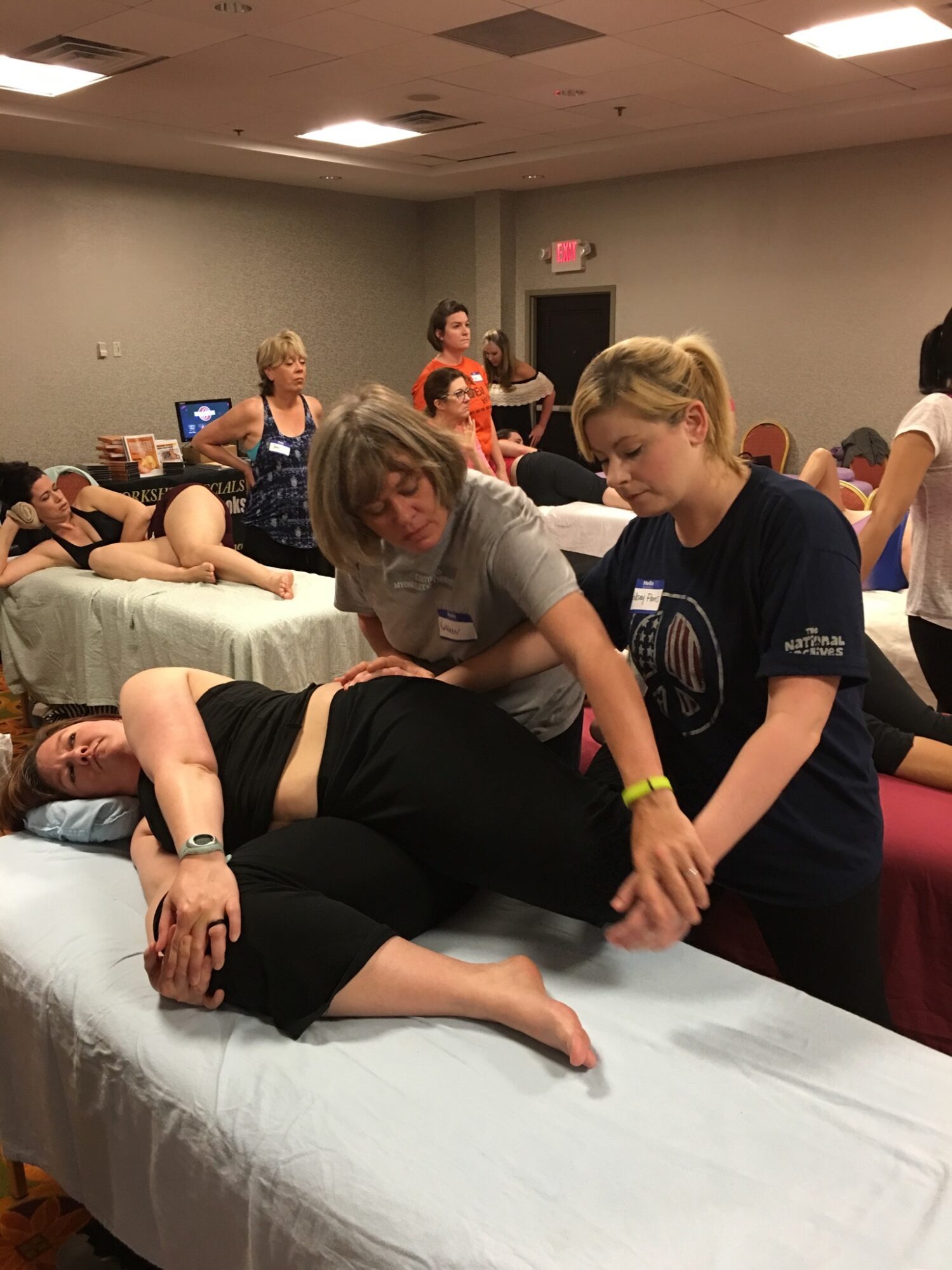
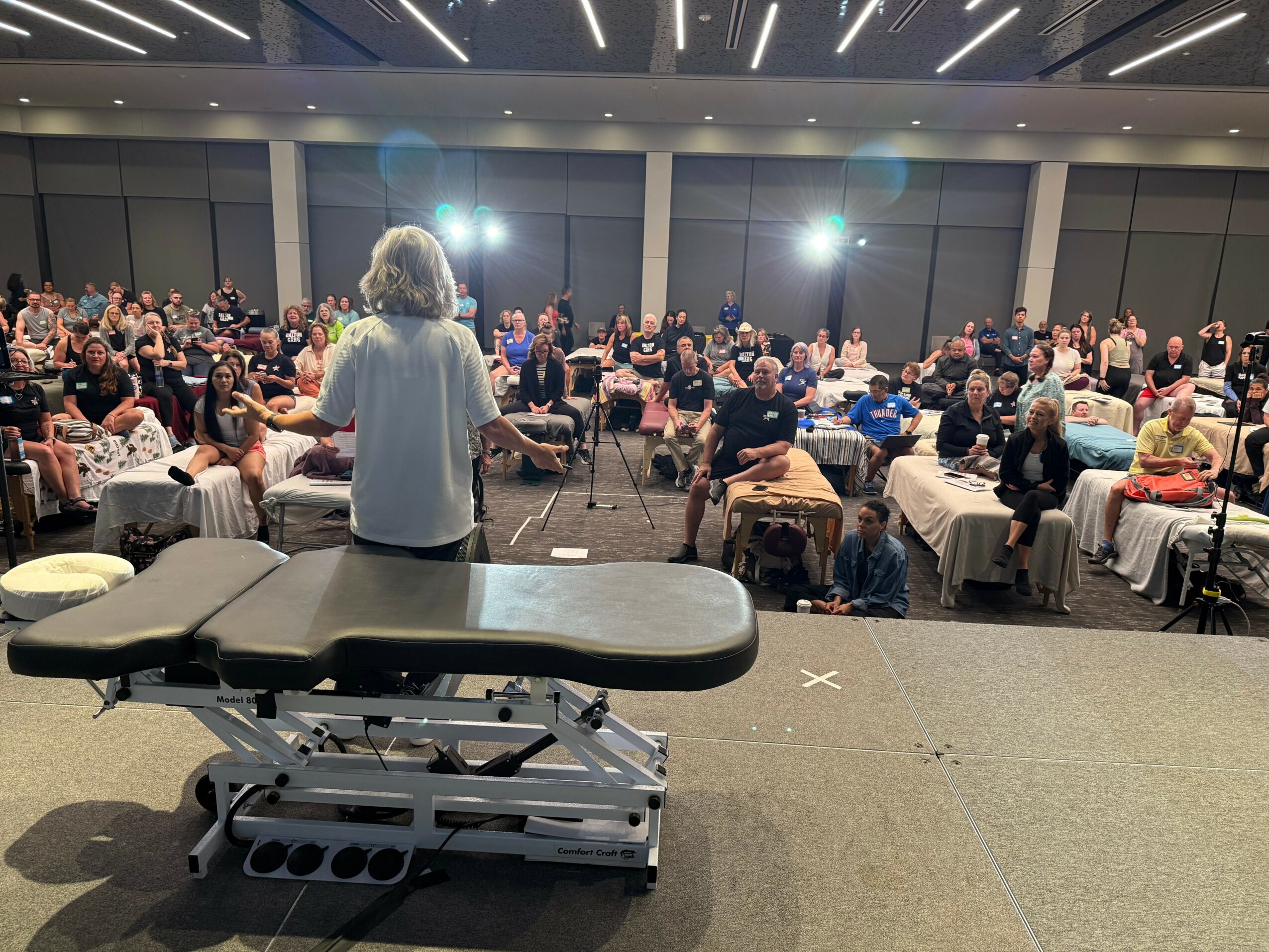
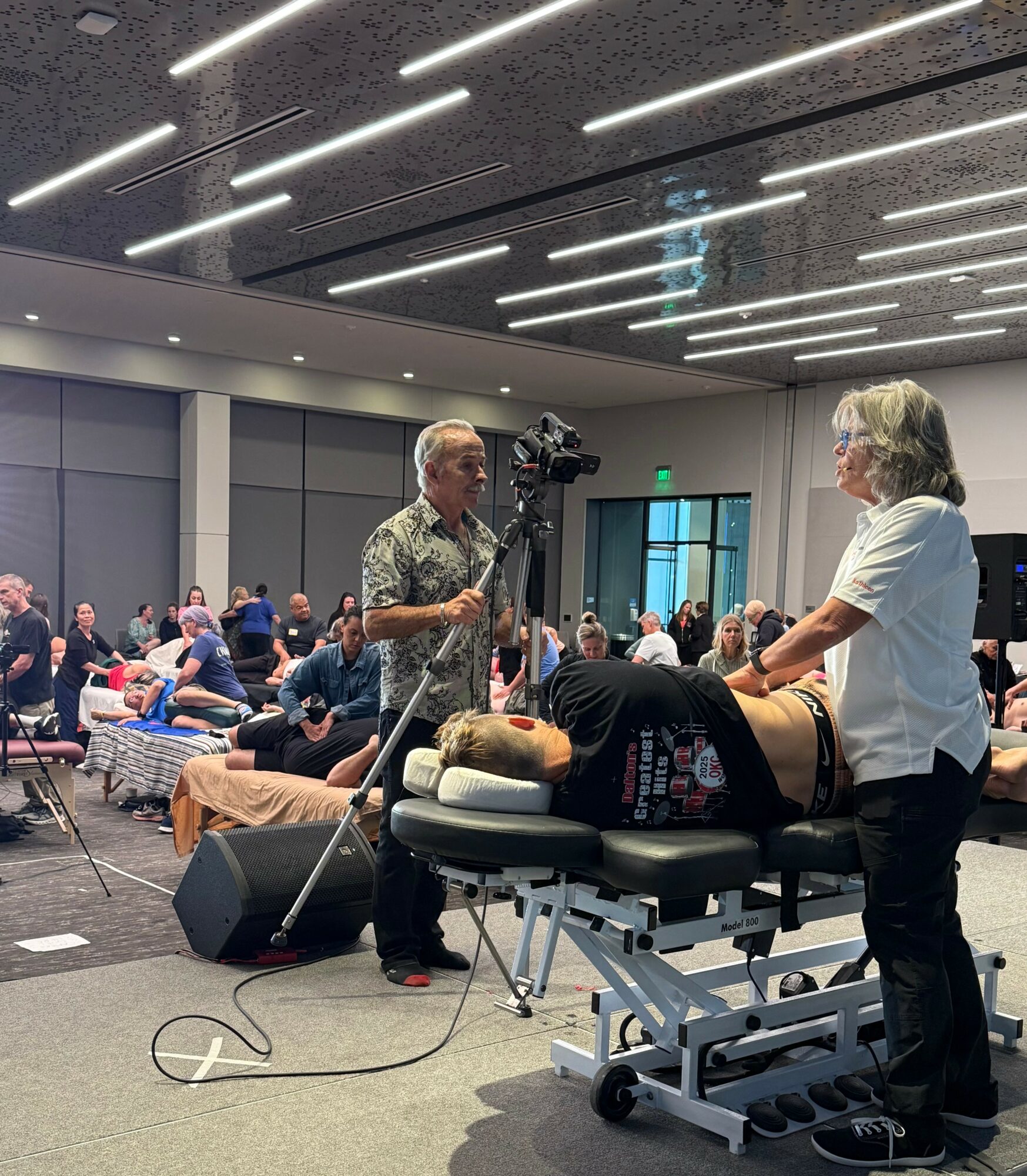
Today, I own Integrated Sports Therapies & Institute, where our team provides specialized care for everyone from everyday clients to elite endurance athletes. I’m also one of only six licensed Myoskeletal Alignment educators in the world and serve as a Senior Instructor with Dalton Myoskeletal, teaching advanced manual therapy to practitioners internationally.
What has never changed is the curiosity that brought me here in the first place.
My questions have questions.
Whether I’m treating a patient, teaching a workshop, or recording an episode of our upcoming podcast, *Stratum Lab*, I’m driven by one simple question: *Why?* Why do people move the way they do? Why do some approaches work while others don’t? How can we better understand the nervous system instead of relying on tradition or dogma?
I don’t believe learning ever ends, and I hope it never does. Looking back, I realize my career hasn’t really been about massage therapy at all. It’s been about creating a life where I get to learn, solve problems, teach others, and help people every single day. I can’t imagine doing anything else.
Would you say it’s been a smooth road, and if not what are some of the biggest challenges you’ve faced along the way?
Has it been a smooth road? Absolutely not. But honestly, I never expected it to be.
Some of the things I thought would be my biggest challenges turned out to be relatively easy. Then there were the ones I never saw coming. That’s the reality of owning a business. Just when you think you’ve figured something out, the world changes and you’re learning something entirely new.
When I first opened my practice, I thought my job was to become the best therapist I could be. What I quickly discovered was that being a business owner requires an entirely different set of skills. One day you’re treating patients, the next you’re navigating bank loans, marketing, accounting, website issues, software updates, internet outages, and creating backup plans for your backup plans. You become a problem solver first and a therapist second.
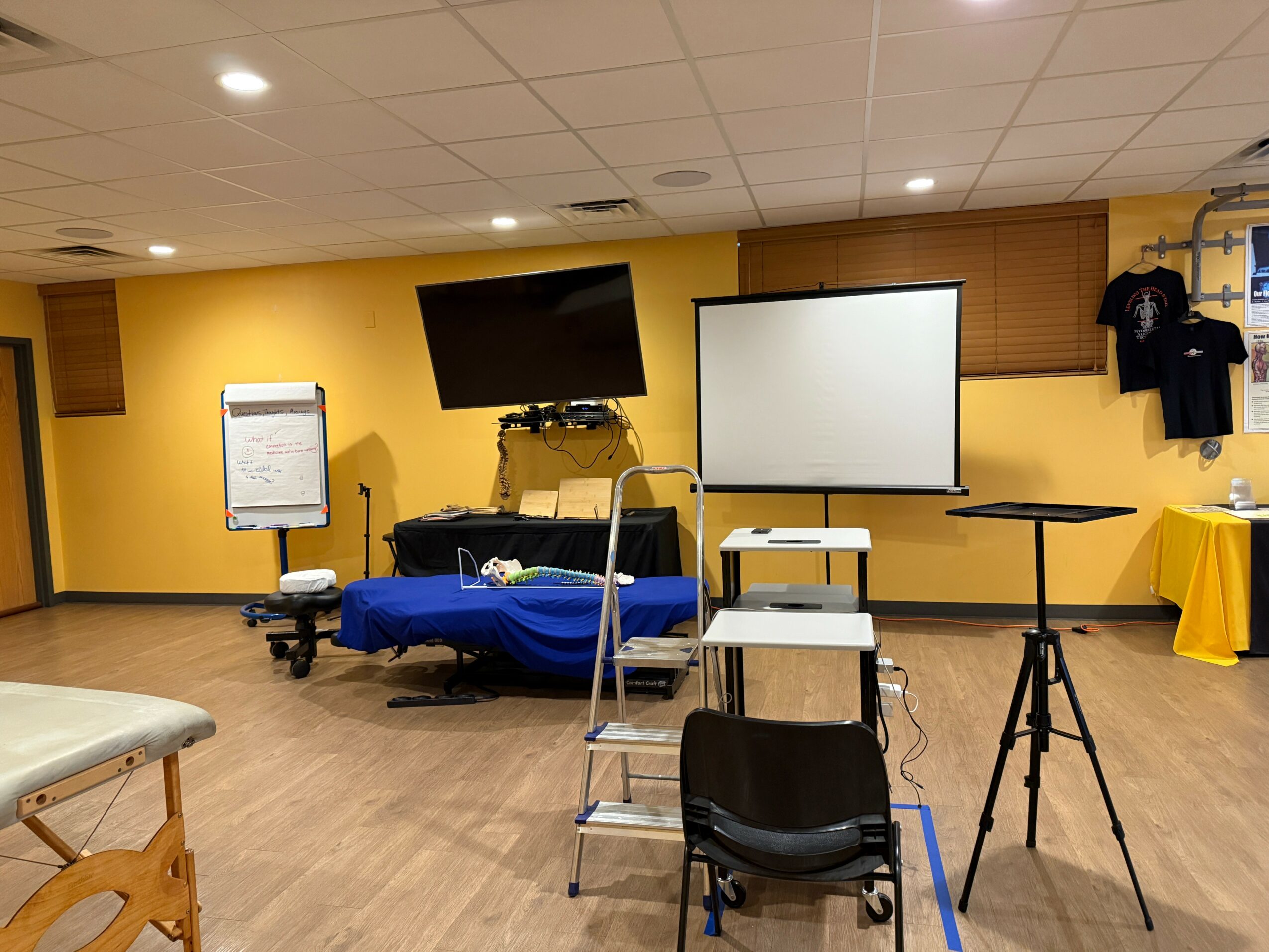
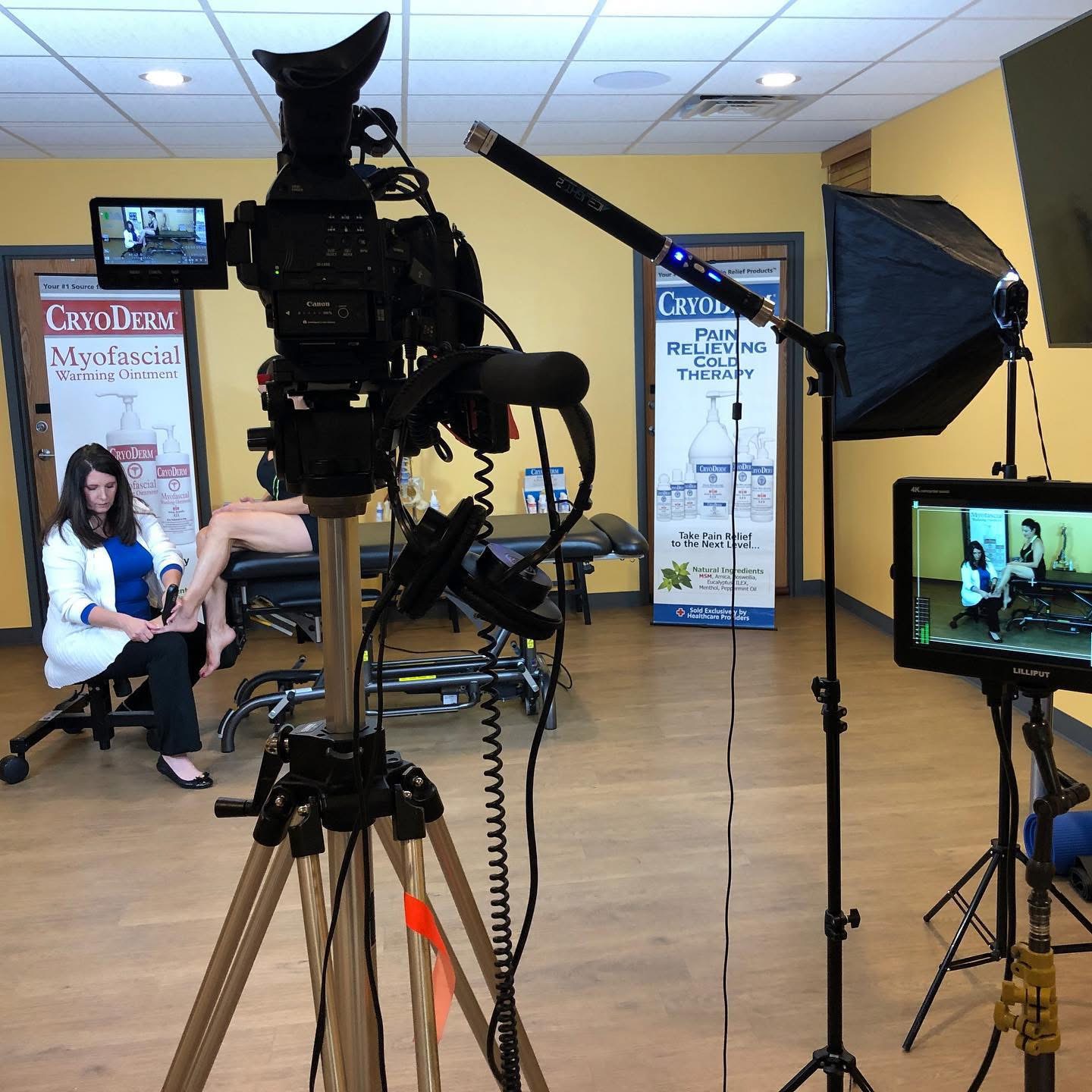
Technology has probably been the biggest surprise. As an educator, I’ve had to learn video production, live streaming, presentation software, cameras, lighting, switching systems, and enough technology to produce professional educational experiences for my students. Twenty-five years ago, I never imagined I’d be running a three-camera teaching studio. If you’d told me then that I’d actually enjoy learning all of it, I probably would have laughed.
The truth is, I’ve become pretty comfortable being uncomfortable. Every challenge has forced me to learn something new, and I’ve realized that’s exactly what keeps me engaged. Looking back, all those years in academia prepared me far better than I realized. I never stopped being a student. My classroom just changed.
For me, the greatest reward has always been the freedom that comes with owning my own business. It allows me to build the kind of clinic, educational programs, and learning environment that reflect my values. I don’t have to compromise my standards or wait for someone else’s approval to improve an experience or solve a problem. The extra hours, the unexpected obstacles, and the constant learning have all been worth it because they’ve allowed me to build something I’m genuinely proud of.
As you know, we’re big fans of Integrated Sports Therapies & Institute. For our readers who might not be as familiar what can you tell them about the brand?
One of the things I’m most proud of is creating a place that reflects everything I believe education should be.
I started in a 9-by-9 treatment room on the second floor of another clinic. Eventually I expanded into that space, then took over the entire clinic, and finally had the opportunity to build the facility I’d been imagining for years. I worked hand-in-hand with my architect to design every detail around my vision of what continuing education could be.
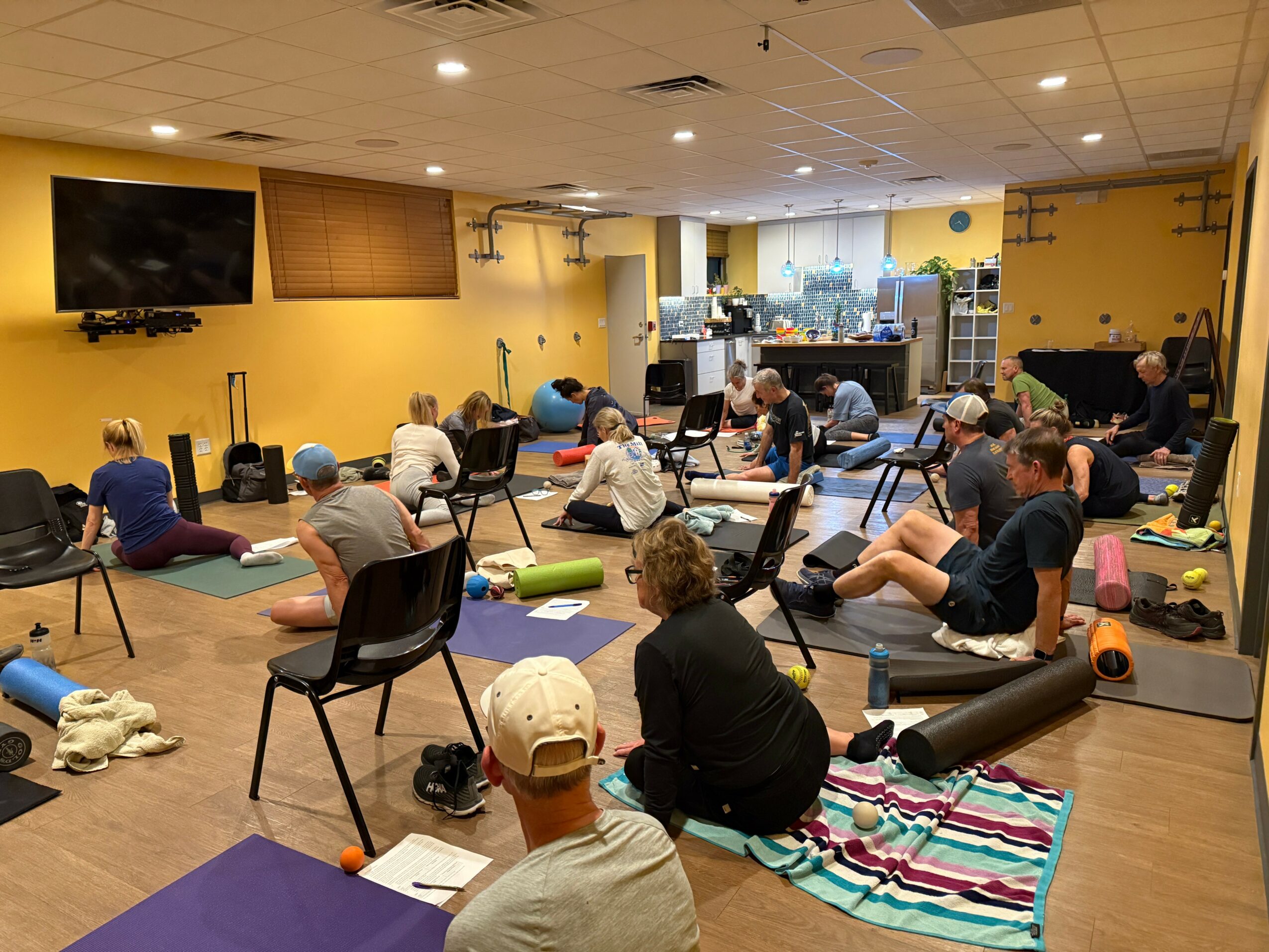
The clinic and institute were intentionally designed so they could operate simultaneously. Every treatment room is fully soundproof, allowing patients to receive care while therapists from around the country are learning just a few feet away. It creates an energy that’s hard to describe. Healing and learning happen under the same roof, every day.
I also wanted to remove as many barriers as possible for the educators I invite to teach. Our institute is essentially a plug-and-play facility. Instructors don’t have to worry about hidden facility fees, renting equipment, or bringing half their office with them. They can simply walk in, connect their laptop, and focus on what they do best. Educating. My goal has always been to make exceptional continuing education both sustainable for instructors and accessible to therapists.
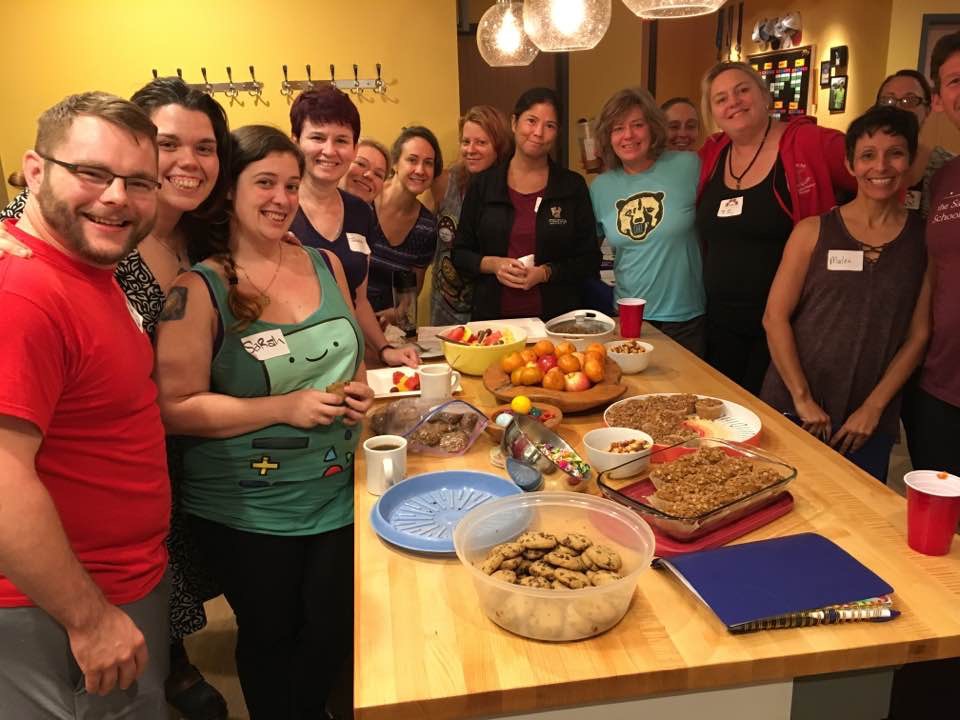
Some of my favorite design choices had nothing to do with treatment rooms or classrooms. I included a self-serve café and kitchenette because some of the best conversations happen during breaks, not lectures. Lifelong friendships, mentorships, and collaborations often begin over a cup of coffee. If I’m being completely honest, the only two things I truly splurged on were a nugget ice machine and a handcrafted Italian tile backsplash. I have absolutely no regrets about either.
What excites me most, though, isn’t the building. It’s the people inside it.
As a clinician, I know that helping one patient often improves the lives of everyone around them. Pain doesn’t exist in isolation. When someone hurts less, moves better, or regains confidence, their family, coworkers, training partners, and friends all benefit. That’s the beauty of viewing healthcare through a biopsychosocial lens.
Teaching multiplies that impact even further.
There is an unmistakable moment when a student finally connects the dots and a difficult clinical concept suddenly makes sense. Their entire face changes. They sit up a little straighter, smile, and immediately begin thinking about the patients they can’t wait to help on Monday morning. I never get tired of watching that happen because I know that one moment of understanding will ripple through hundreds, if not thousands, of future patient visits.
At the end of the day, that’s the business I feel fortunate to be in. I don’t simply provide manual therapy or continuing education. I get to build places where people learn, connect, solve problems, and ultimately improve the lives of others.
If you had to, what characteristic of yours would you give the most credit to?
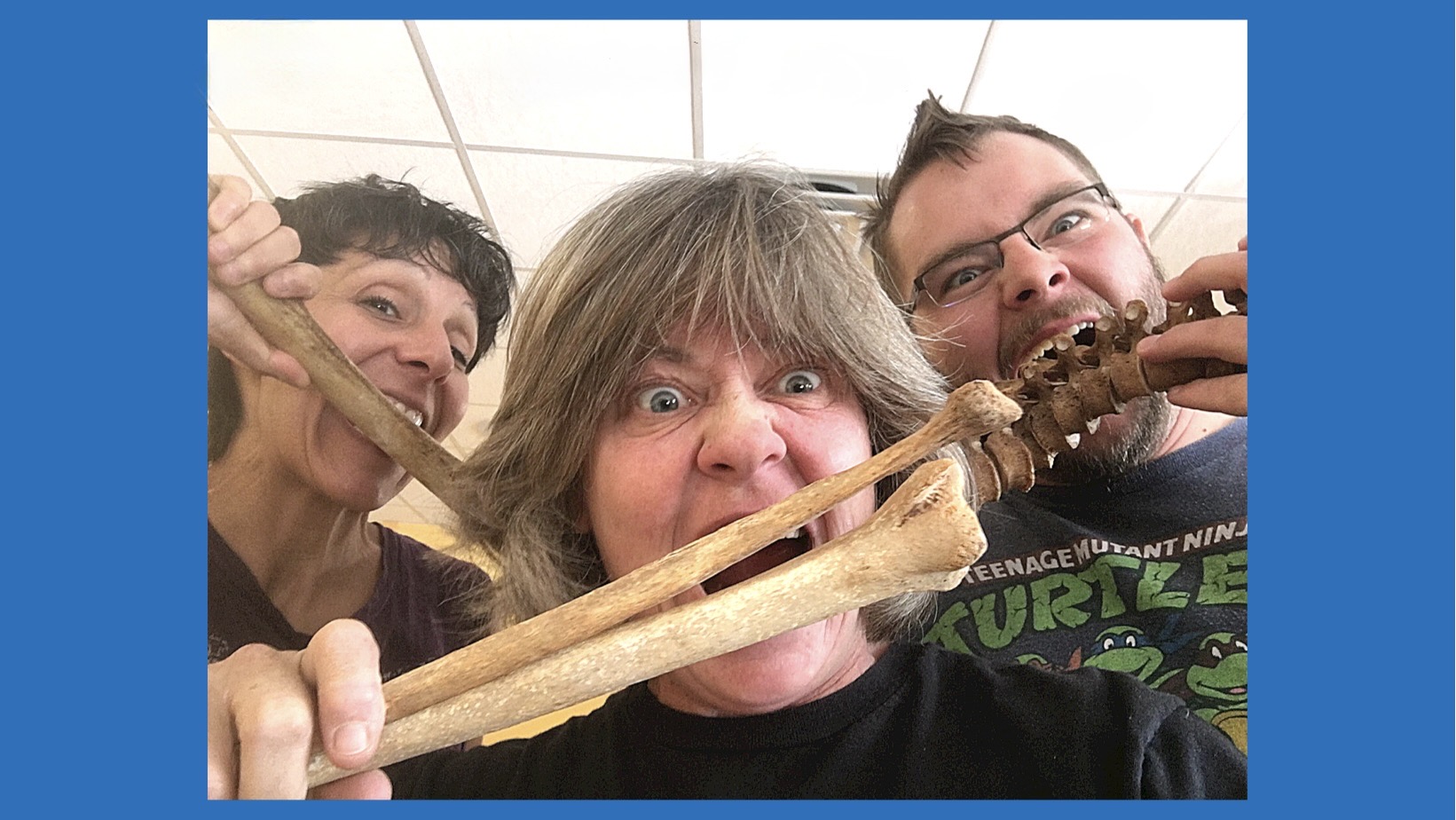
If I had to choose one, I’d say it’s a sense of wonder.
That might sound like an unusual answer for someone in healthcare, but I’ve never lost my fascination with people. I still find myself asking the same questions that drew me to sociology and anthropology years ago. Why do we move the way we do? Why do we hurt? Why do two people with the same injury have completely different experiences? What helps one person heal while another continues to struggle?
I don’t think of those as problems to solve as much as mysteries to explore.
That sense of wonder has kept me learning throughout my career. It’s what pushes me to read the latest research, rethink my own assumptions, embrace new technology, and occasionally admit that something I believed twenty years ago no longer holds up. I think healthcare professionals owe that to the people who trust us with their care.
It’s also what makes teaching so rewarding. There is an incredible moment when a student suddenly understands a concept that had felt overwhelming just minutes before. You can almost see the light come on. Watching someone experience that moment of discovery never gets old, because I know they’ll carry that understanding into every patient they treat from that day forward.
I’ve often joked that my questions have questions, but it’s really true. Every answer opens another door, and I hope that never changes. I think success isn’t about reaching a point where you know everything. It’s about waking up every day still excited to learn something you didn’t know yesterday.
Contact Info:
- Website: https://www.istsportstherapies.com
- Instagram: integratedtherapiesinstitute
- Facebook: https://www.facebook.com/IntegratedSportsTherapies/?_rdr
- Youtube: https://www.youtube.com/@integratedtherapiesinstitu9634