





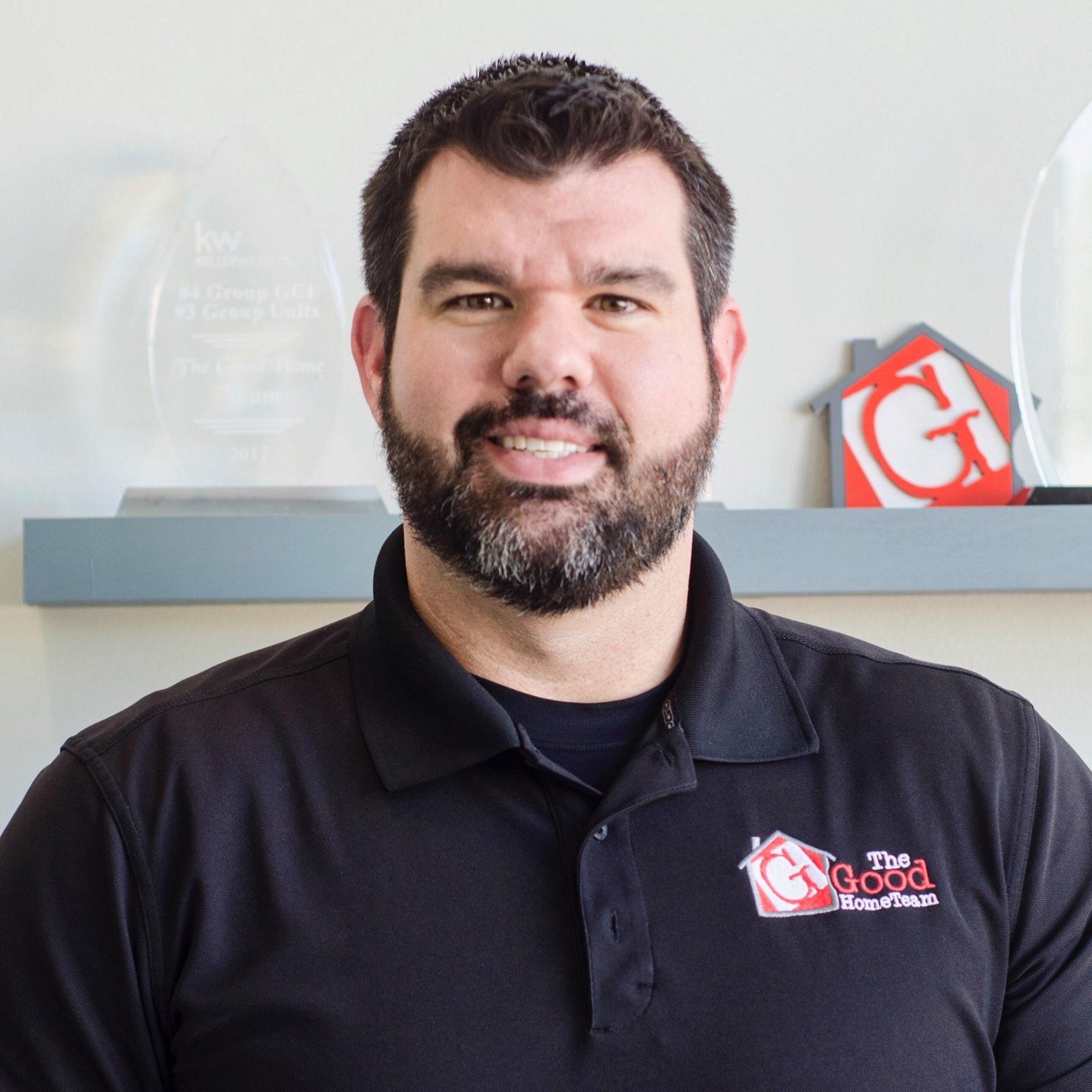
Today we’d like to introduce you to Nick Good.
Hi Nick, we’re thrilled to have a chance to learn your story today. So, before we get into specifics, maybe you can briefly walk us through how you got to where you are today?
I didn’t get into real estate because I had some grand plan or lifelong passion for selling homes. While I was in college, I saw a job posting for a real estate assistant at a local brokerage. My brother and I had always talked about getting into real estate investing. We had read Rich Dad Poor Dad and a lot of books like it, and I saw this job as a chance to learn the business from the inside instead of just reading about it.
I got the job, and while working as an assistant, I decided to get licensed. I started hosting open houses, helping clients when agents were out of town, and slowly taking on more responsibility. After graduating college, the brokerage offered me a salaried position. Before accepting, I asked my broker a question that mattered more to me than the salary: did he believe I could make six figures as a full-time Realtor? He told me he believed in me. I turned down the guaranteed paycheck and took the risk.
The first year was a reality check. In 2007, I sold three homes. That was it. I didn’t feel successful, and I definitely wasn’t making the kind of income I had imagined. In 2008, things finally started to click. I was learning how to be an advisor, not just an agent, and for the first time, I felt momentum. At one point, I had eight homes under contract in a single month. I remember thinking, This is it, I finally figured it out.
Then everything collapsed.
The financial crisis hit, and all eight deals fell apart. Every one of them. Overnight, my pipeline was gone. I had no closings, no income, and a lot of doubt. I started questioning whether I belonged in this business at all. I did what a lot of people do when fear sets in: I started looking for a way out.
This was 2008, and jobs were hard to come by, but eventually, I received an offer from a foreclosure company that was overwhelmed with distressed properties. The salary was about $65,000 a year. To someone with no money coming in, that felt like security. The job required long hours, six days a week, and most Sundays too. Still, it felt like the “responsible” choice.
Before accepting, I went home to think about it. On the drive, something hit me. If I was willing to give those hours, that energy, and that level of commitment to someone else’s company for $65,000, why wouldn’t I give that same commitment to myself? I realized my problem wasn’t the market. It wasn’t real estate. It was me. I had been treating this career like a part-time opportunity while expecting full-time results.
The next day, I turned the job down.
I made a simple commitment to myself: every single day, I would find one motivated buyer or seller to talk to. No excuses. That discipline forced me to grow fast. Over time, I became known for taking on listings other agents couldn’t sell and solving problems others avoided. That experience shaped how I approached real estate, not as a salesperson, but as a problem-solver and advisor.
In late 2009, I founded The Good Home Team. What started as a survival decision became a long-term mission. The team has grown into one of the top real estate teams in the Dallas–Fort Worth area, but the bigger shift has been in purpose. Today, our focus isn’t just closing transactions. It’s helping people navigate uncertainty, make confident decisions, and use real estate as a tool to build stability and long-term wealth.
Looking back, the moments that felt like failure were the ones that forced me to commit fully. If 2008 hadn’t happened, I’m not sure I ever would have built what exists today.
I’m sure it wasn’t obstacle-free, but would you say the journey has been fairly smooth so far?
Not even close. It’s been anything but smooth.
One of the hardest lessons I’ve learned is that in this business, the moment you think you’ve “figured it out,” something humbles you. Real estate has a way of exposing every weakness, emotionally, mentally, and as a leader. The ups and downs aren’t just financial. They mess with your confidence and decision-making.
As The Good Home Team grew, the pressure shifted. It stopped being about whether I could survive and became about whether I could lead well. I worried constantly about protecting our reputation, covering rising operating costs, and making the right calls in an industry that changes fast. At the same time, agents and team members were looking to me for direction, clarity, and reassurance, even on days when I didn’t have all the answers. Carrying that responsibility can be heavy, and there were plenty of moments where it felt overwhelming.
When the economy shifted, or major events like COVID hit, there was no roadmap. Decisions had to be made in uncertainty, knowing some of them would be wrong. That’s a tough place to lead from. You learn quickly that leadership isn’t about always being right. It’s about staying steady when things are unclear and owning the outcomes when things don’t go as planned.
What I’ve come to appreciate is that the hardest seasons are what actually build resilience. The losses, missteps, and stress forced growth in ways success never could. They sharpened my perspective, deepened my empathy, and taught me to lead with honesty instead of ego, even though ego still pops up now and then. Those tough stretches didn’t just test me. They shaped how I lead and make decisions for our team.
Thanks – so what else should our readers know about The Good Home Team?
The Good Home Team is a full-service real estate team based in the Dallas–Fort Worth area, built on the belief that real estate should be advisory, not transactional. We work with buyers, sellers, and investors across multiple price points and market conditions, with a strong focus on helping people navigate situations that feel uncertain, complicated, or overwhelming.
We’re known for stepping into problems others avoid and finding a path forward. Early on, I built the business by taking on listings other agents couldn’t sell and situations others walked away from. That problem-solving mindset still defines how our team operates today. We focus heavily on strategy, clear communication, and helping clients make confident decisions, especially when the market isn’t straightforward.
What sets us apart is how intentional we are about systems, accountability, and people. We’ve built a business that combines strong leadership with proven processes and technology, allowing our agents to focus on serving clients at a high level while maintaining consistency, efficiency, and scalability behind the scenes.
Brand-wise, what I’m most proud of is our reputation. We’ve grown through multiple market cycles and economic shifts without losing sight of who we are. Our clients trust us, our agents stay with us, and our culture is built around professionalism, consistency, and long-term thinking, not shortcuts or hype.
What I want readers to know is that The Good Home Team isn’t just about closing deals. We’re about helping people use real estate as a tool, whether that’s achieving homeownership, building wealth, or navigating a major life transition. Our goal is simple: deliver clarity, protect our clients’ interests, and produce results that still make sense years after the deal is done.
Is there any advice you’d like to share with our readers who might just be starting out?
The biggest piece of advice I can give is to treat this like a real business from day one, not a side hustle you hope turns into something. A mentor once told me something that stuck with me years later: if you’re 99% in, you’re actually 100% out. You have to decide to be all in.
Most people struggle early not because they lack talent or motivation, but because they lack structure, consistency, and patience. I wish I had understood sooner that success in this industry comes from doing a few simple things every day, even when they’re uncomfortable. Talking to people consistently. Following up when others don’t. Learning how to guide clients instead of trying to impress them. Confidence doesn’t come first. Competence does.
Another mistake I see is constantly chasing new strategies instead of mastering the basics. You don’t need to know everything. You need to know how to generate conversations, convert them into appointments, and deliver a great client experience. Do that well, and everything else builds on top of it.
I’d also tell people to stop expecting instant results. This business pays in momentum, not quick wins. The agents who succeed are the ones who show up when it’s quiet, when deals fall apart, and when no one is watching. Consistency compounds.
Finally, don’t try to do this alone. Get around people who are ahead of you, learn from them, and stay in environments that value accountability and growth. The right guidance shortens the learning curve and saves you from mistakes you don’t need to make.
If you commit fully, stay patient, and do the work daily, the results come. Not overnight — but in a way that lasts.
Contact Info:
- Website: http://buytheGOODWay.com
- Instagram: http://instagram.com/nickgoodrealtor
- Facebook: https://www.facebook.com/nickgood
- LinkedIn: https://www.linkedin.com/in/thegoodhometeam/
- Other: http://partnerwithnickgood.com