






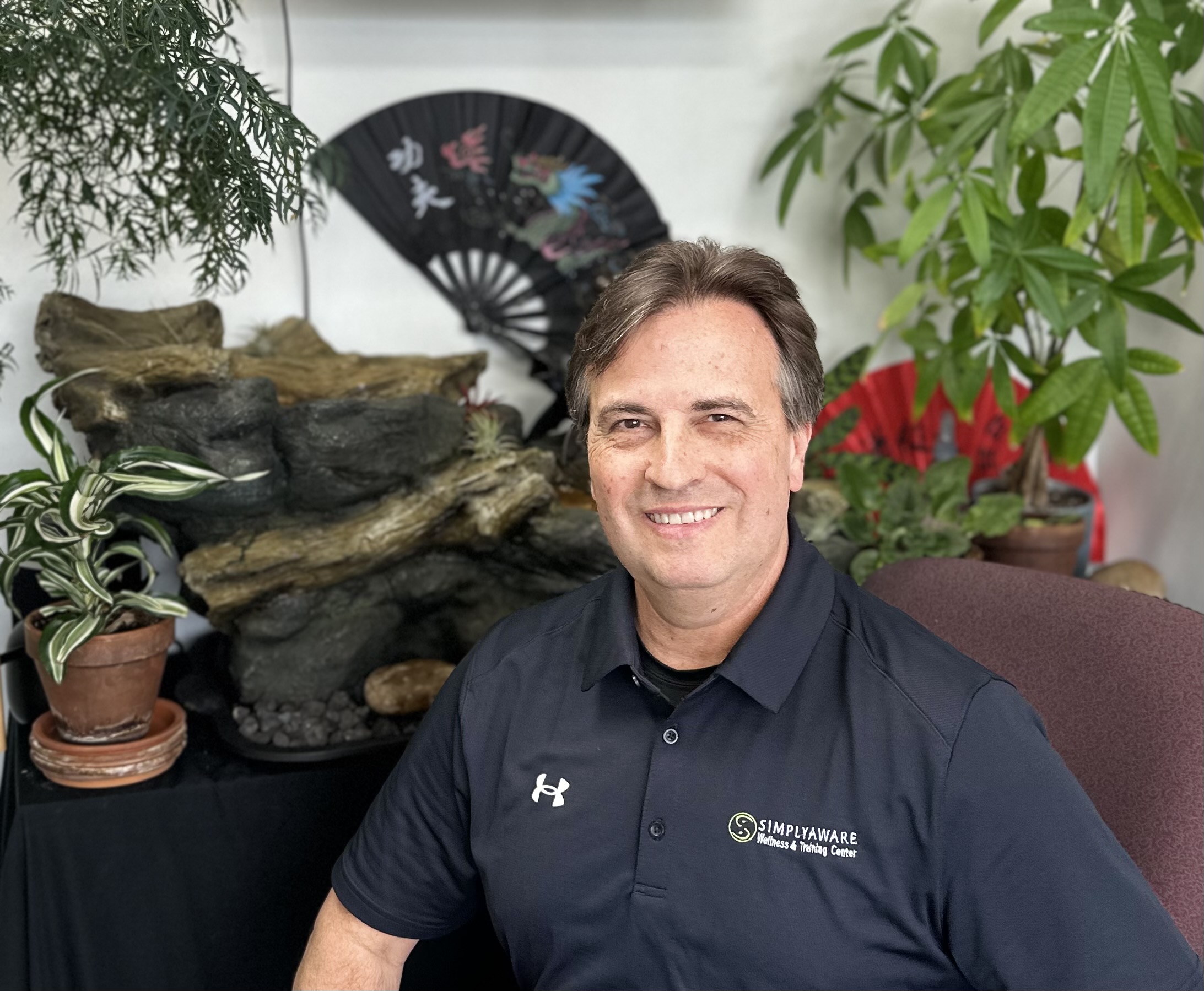
Today we’d like to introduce you to Sifu Chris Bouguyon, MMQ.
Hi Sifu Chris, we’d love for you to start by introducing yourself.
SimplyAware was not built as a business concept. we created it as a response to what I had been observing for decades.
My training began in traditional martial arts and evolved into Tai Chi, Qigong, and Medical Qigong Therapy. The early years were rigorous and martial—discipline, structure, repetition, and embodied principle. Over time, that foundation expanded through study with Oriental medical doctors and through exposure to Western physical and occupational therapy models. I did not move away from tradition, and I did not adopt modern frameworks uncritically. I worked to integrate both.
Across 48 years of training and teaching, one pattern became clear to me: most people do not lack information. They lack integration.
During thirteen years facilitating therapeutic groups in behavioral health hospitals, I worked with individuals navigating anxiety, trauma, dysregulation, and chronic stress. The themes were consistent—disconnection from the body, fragmented attention, and reactive patterns mistaken for identity. Many were given coping tools. Few were given a structured framework for cultivating internal awareness and long-term resilience.
In movement and martial arts communities, I saw a parallel issue. Training often emphasized performance, lineage, or aesthetics, but neglected the deeper developmental processes that transform awareness and regulate the nervous system over time.
SimplyAware emerged at the intersection of those realizations.
We did not want to position movement as exercise alone, nor reduce internal practice to abstraction. we designed SimplyAware as a structured practice environment where awareness is trained systematically—where movement, breath, dialogue, and reflection are integrated, and where preventive health is treated as a discipline rather than an afterthought.
The name reflects our core belief: resilience begins with awareness.
Co-leading this work with Fayne, we intentionally structured SimplyAware as a boutique training environment. We work in small cohorts. Instruction is principle-based rather than choreography-driven. The emphasis is not on accumulating techniques but on refining perception so students can recognize how stress manifests, how emotion moves through the organ systems, how posture and breath influence cognition, and how values shape physiology.
The Five Element framework became central for me because it functions as a practical map. It gives language to patterns of over-control, depletion, agitation, stagnation, and collapse. Used properly, it provides a preventive lens—well before symptoms require medical intervention.
I view SimplyAware as a quiet alternative to a reactive healthcare model. It does not replace medicine; it precedes it. It teaches people how to regulate before crisis, how to move before rigidity sets in, and how to restore coherence before fragmentation becomes pathology.
The work draws from classical Chinese internal arts, Medical Qigong principles, behavioral health facilitation, trauma-informed communication, and modern nervous system science. Yet I do not present it as any single discipline. The goal is not to impress with credentials, but to create a stable and reliable environment for personal development.
At its core, SimplyAware is about returning people to their own capacity—not through intensity, ideology, or dependency, but through disciplined cultivation of attention, breath, movement, and dialogue.
After decades of training, clinical exposure, and teaching, I have come to one consistent conclusion: sustainable change occurs when people learn to observe themselves accurately and respond deliberately.
SimplyAware exists to teach that skill.
We all face challenges, but looking back would you describe it as a relatively smooth road?
No, it has not been a smooth road.
The primary struggle has been integration. My training spans traditional martial arts, Tai Chi, Qigong, Medical Qigong Therapy, behavioral health facilitation, and exposure to both Eastern and Western clinical models. Each discipline has its own language, assumptions, and cultural norms. Translating across those systems without diluting their integrity has required constant refinement. It is easier to stay inside one silo. Integration demands precision and patience.
There has also been the challenge of positioning. The work does not fit neatly into common categories. It is not purely martial arts. It is not conventional therapy. It is not fitness. It is not spiritual performance. Communicating something principle-based in a market that favors quick outcomes and visible branding has required restraint. Growth has been intentional rather than aggressive.
Another difficulty has been the tension between depth and accessibility. In hospital settings, I worked with individuals in acute dysregulation. In movement communities, I worked with high-functioning practitioners seeking refinement. Bridging those populations without oversimplifying the material—or overwhelming people—has been an ongoing calibration process.
Financially and structurally, choosing a boutique model over scale has meant slower expansion. Small cohorts and individualized attention limit volume by design. That decision prioritizes quality of transmission over speed of growth, but it requires discipline and clarity of values.
Finally, there is the personal dimension. Forty-plus years of training does not eliminate uncertainty. It increases responsibility. As the work matured, so did my understanding of its implications. Holding that responsibility—especially when working with nervous system regulation and trauma-informed processes—requires ongoing study and self-examination.
So no, it has not been smooth. But the friction has been formative. Each obstacle clarified the principles that now define SimplyAware: integration over fragmentation, prevention over reaction, depth over scale, and awareness over performance.
Appreciate you sharing that. What should we know about SimplyAware Wellness and Training Center?
SimplyAware is a boutique training organization focused on preventive health, nervous system regulation, and principle-based internal movement training. We integrate classical Chinese internal arts—Tai Chi, Qigong, and Medical Qigong principles—with modern understanding of behavioral health, trauma, and functional movement.
At its core, SimplyAware teaches awareness as a trainable skill.
We work with individuals who want more than exercise or stress management techniques. Our students are often professionals, caregivers, healthcare providers, or lifelong learners who recognize that resilience requires structure and practice. We offer small cohort trainings, Five Element–based education, movement classes, and facilitated dialogue processes designed to build long-term self-regulation and internal coherence.
My background spans nearly five decades of martial and internal arts training, study with Oriental medical doctors, collaboration with Western physical and occupational therapy frameworks, and thirteen years facilitating therapeutic groups in behavioral health hospitals. That range allows us to bridge worlds that are typically separate: traditional internal arts, clinical application, and modern nervous system science.
What sets SimplyAware apart is integration and depth. We are not a choreography-driven Tai Chi school. We are not a fitness brand. We are not a therapy practice. We are a structured developmental environment. Everything is principle-based. Movement is used to reorganize posture and breath. Dialogue is used to increase cognitive and emotional awareness. The Five Element framework is used as a functional map for understanding patterns before they become pathology.
We intentionally remain small. Our model is high-touch and relational. Students are known personally. Instruction is individualized. The goal is not rapid scale; it is accurate transmission.
Brand-wise, I am most proud that we have resisted dilution. In a market that rewards trend language and quick results, we have maintained clarity around what we do and what we do not do. We do not promise transformation in a weekend. We do not position ourselves as an alternative to medicine. We focus on cultivating internal capacity so that people become less reactive, more structurally aligned, and more aware of their own patterns.
What I want readers to understand is that SimplyAware exists upstream. We operate before crisis. We teach people how to recognize stress responses early, how to regulate through breath and structure, how to understand emotion through an organ-based framework, and how to build resilience deliberately rather than incidentally.
The work is quiet but rigorous. It is not performative. It is developmental.
SimplyAware is for individuals who are ready to participate in their own well-being with consistency and depth.
In terms of your work and the industry, what are some of the changes you are expecting to see over the next five to ten years?
Over the next five to ten years, I see three significant shifts in the broader movement, wellness, and preventive health space.
First, there will be increased emphasis on nervous system literacy. Concepts like regulation, vagal tone, trauma-informed practice, and stress physiology are already entering mainstream conversation. What has traditionally been confined to clinical psychology or somatic therapy is becoming part of general wellness education. The challenge will be discernment. As terminology becomes popularized, the risk of oversimplification increases. Programs that are grounded in both classical training and contemporary science will carry more credibility than those built solely on trend language.
Second, I anticipate a shift from performance-oriented wellness to capacity-oriented wellness. For years, the industry has been driven by optimization—biohacking, metrics, visible results. There is growing fatigue around that model. More people are recognizing that resilience, adaptability, and internal regulation matter more than output alone. Practices like Tai Chi, Qigong, breathwork, and structured mindfulness will continue to gain traction, particularly among professionals seeking sustainability rather than intensity.
Third, I believe preventive models will gain structural legitimacy. Healthcare systems are increasingly strained, and reactive “sick care” models are costly. There will be greater institutional interest in scalable preventive education—especially approaches that reduce stress-related disorders and chronic dysregulation. However, integration into mainstream systems will require clear outcomes, disciplined methodology, and language that bridges traditional frameworks with modern research.
At the same time, digital delivery will continue expanding. Hybrid and asynchronous education will become standard. The opportunity—and risk—is that depth can be lost when everything is commoditized. Organizations that maintain rigor while adapting to technology will likely endure.
Overall, I see the field maturing. The novelty phase of wellness is tapering. The next decade will favor practitioners and organizations that can demonstrate integration, clinical awareness, and long-term developmental structure rather than short-term inspiration.
Pricing:
- Online OR InPerson classes start at $28.00
- Online OR InPerson Coaching session Initial Consult $225.00
- Online OR InPerson Coaching Follow Up session $175.00
- Online OR InPerson Medical Qigong Therapy Initial Consultation $225.00
- Online OR InPerson Medical Qigong Therapy Follow Up Sessions $175.00
Contact Info:
- Website: https://www.simplyaware.com/
- Instagram: https://www.instagram.com/simplyawaretx/
- Facebook: https://www.facebook.com/IAmSimplyAware/
- LinkedIn: https://www.linkedin.com/company/simplyaware/
- Twitter: https://twitter.com/SimplyAware
- Youtube: https://www.youtube.com/channel/UCJId4zNy9t29o-7snoO6rbQ
- Yelp: https://www.yelp.com/biz/simplyaware-richardson-2?osq=simplyaware
- Other: https://www.google.com/search?q=SimplyAware&stick=H4sIAAAAAAAA_-NgU1I1qLAwM0k2TDM2NzVKszQzTEqxMqgwNEgzNbNIsTRJSzO3NDAwXMTKHZyZW5BT6VieWJQKAIxE3VY3AAAA&hl=en&mat=CX-I-XVMTs9gElcBTVDHngYzZCDJ8rPR1t9gnUmF_9w3qM5BczSVAaEz6A_NUvW12L9_Wm47Bqr9c8y2wKSEytaETWgu4zklIOkk7Xv3fLyvGs_txgkNF36HAxBsvYMNFjI&authuser=0
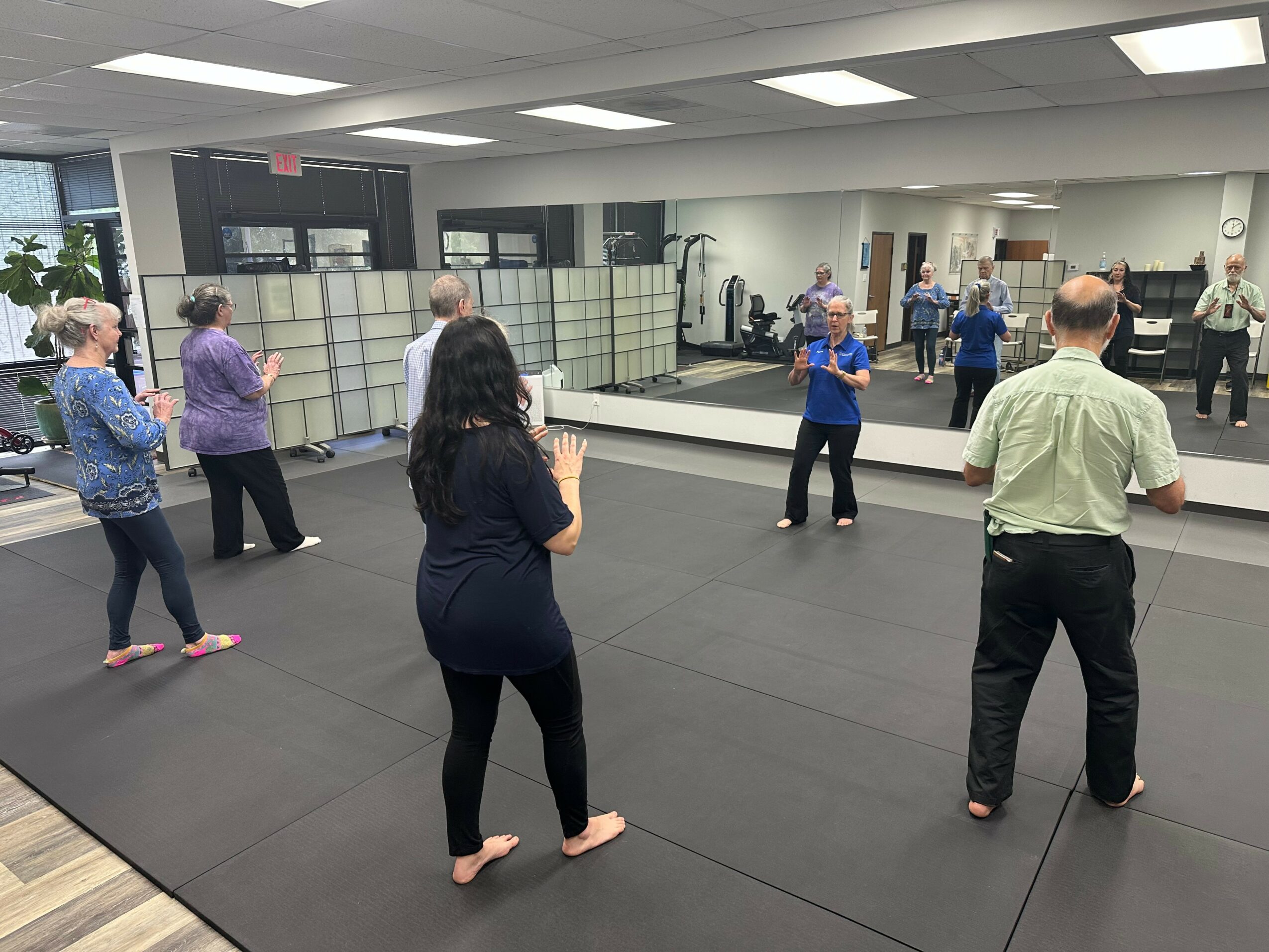
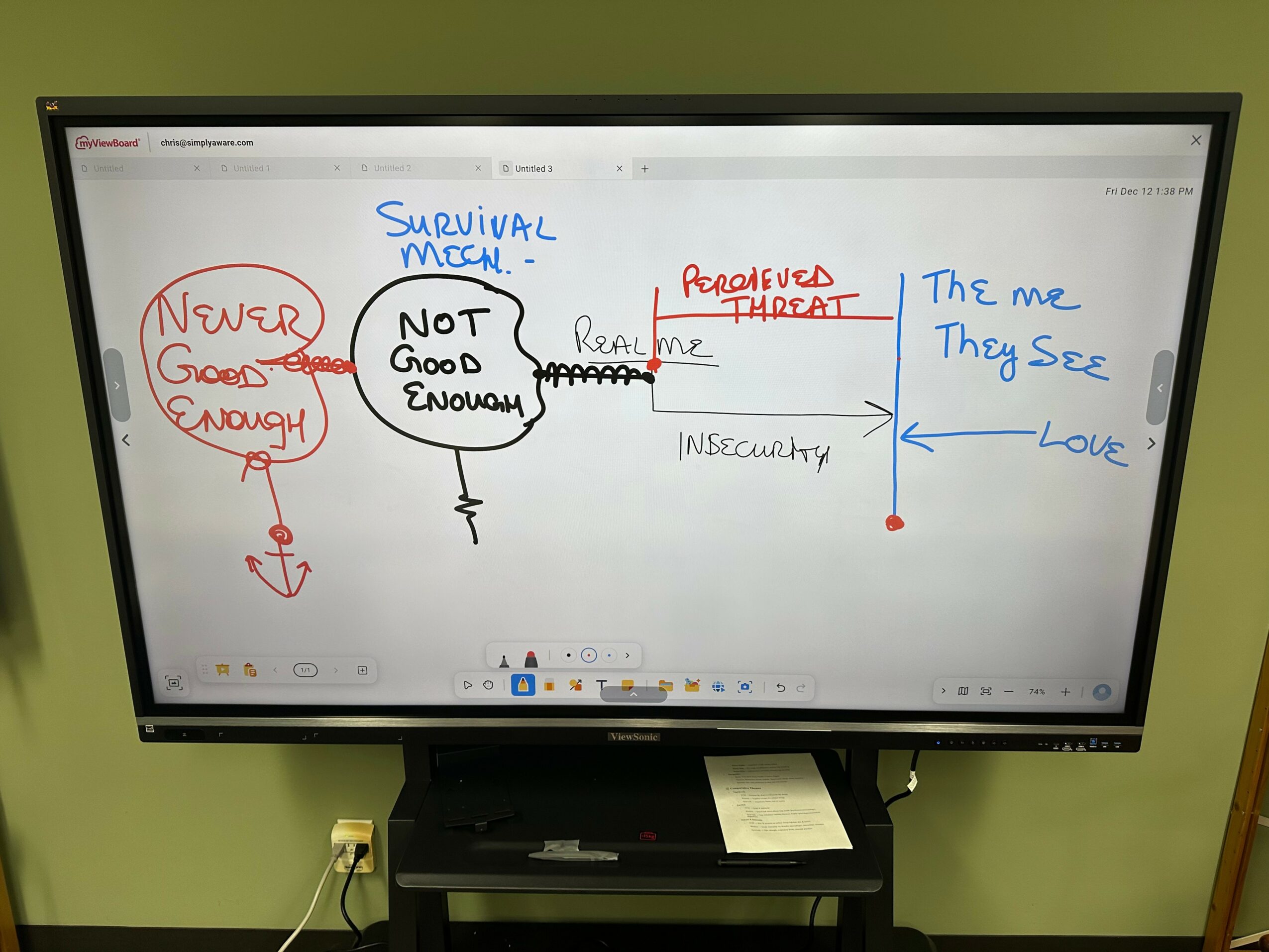
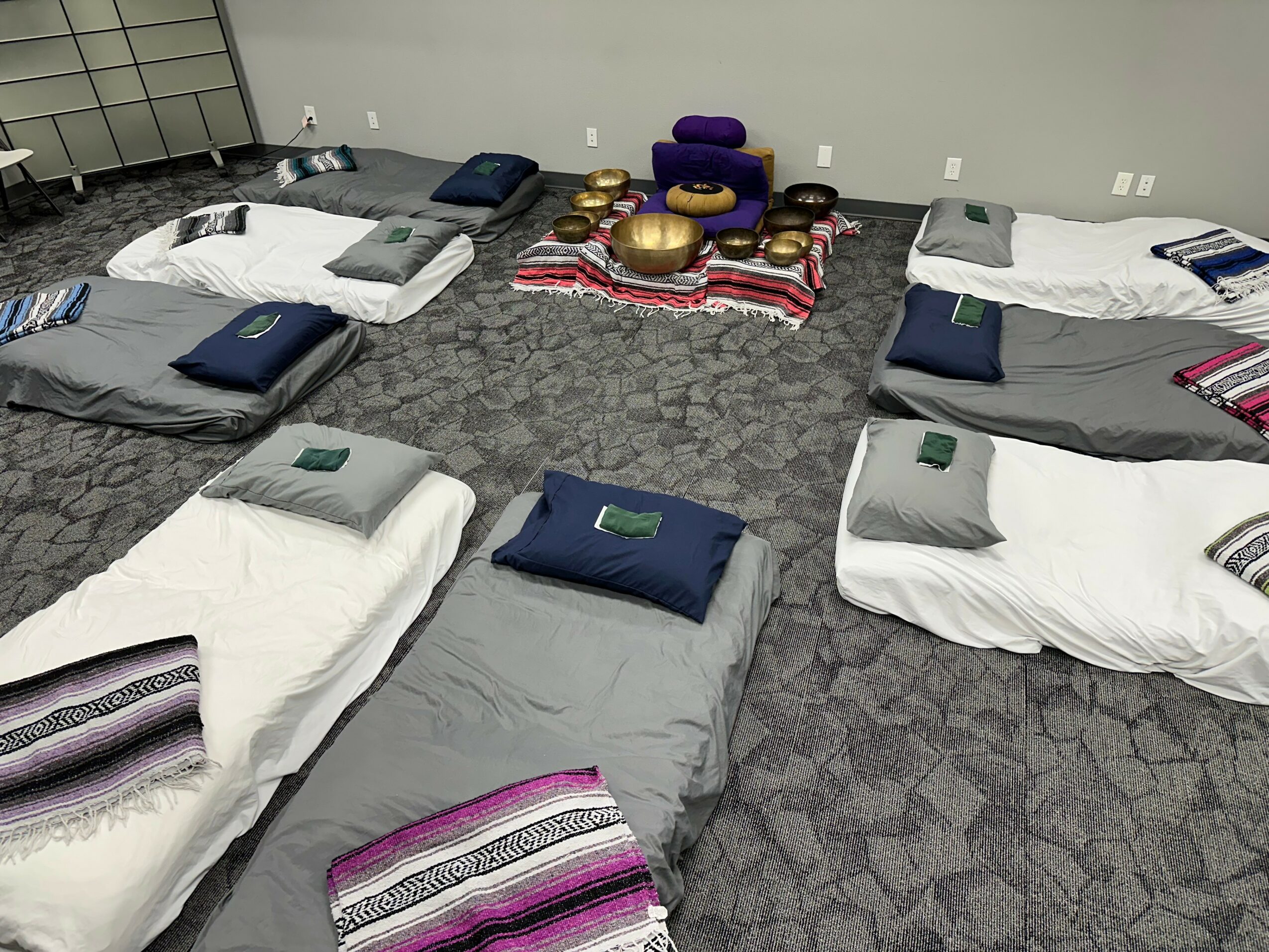
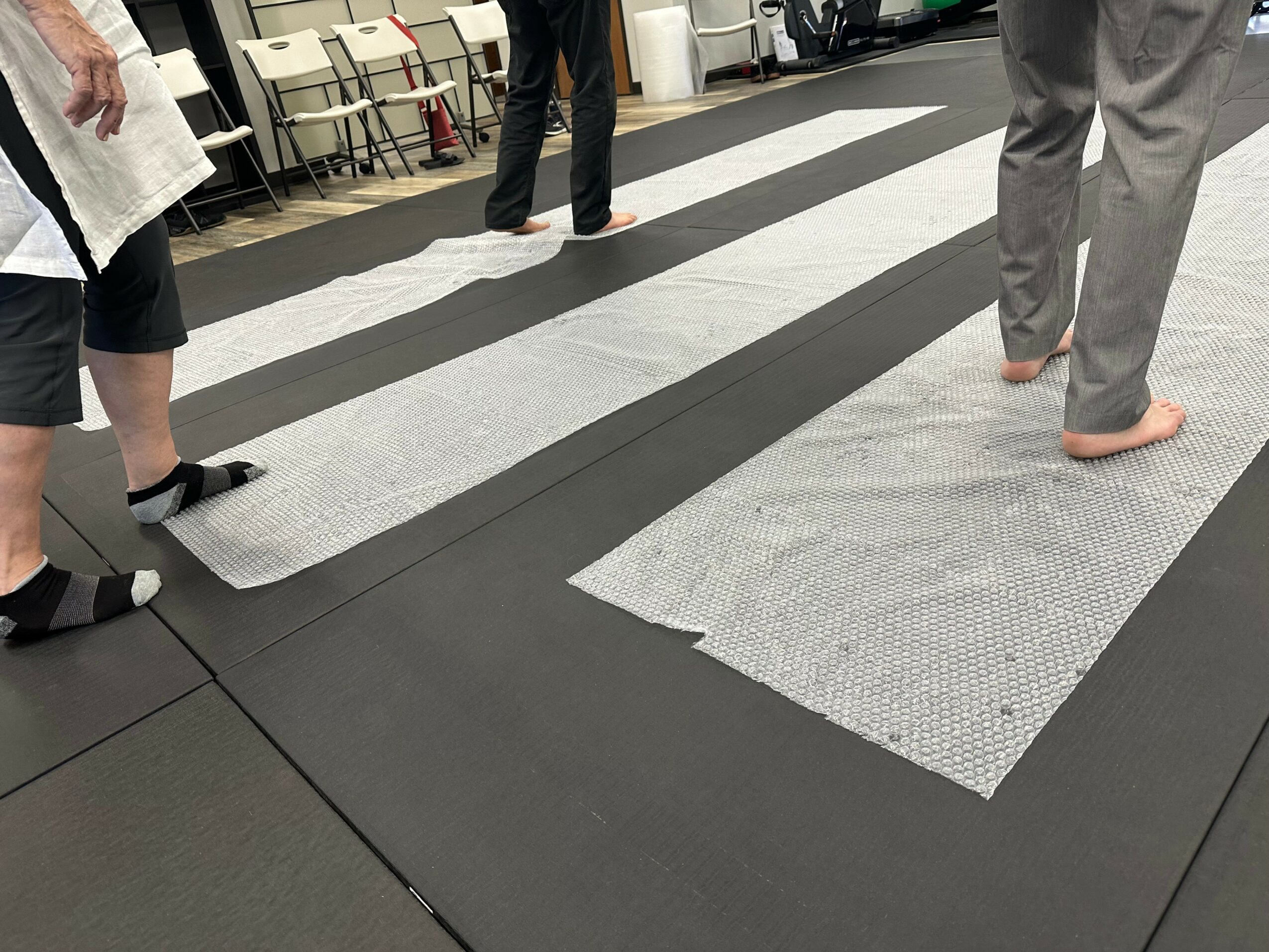
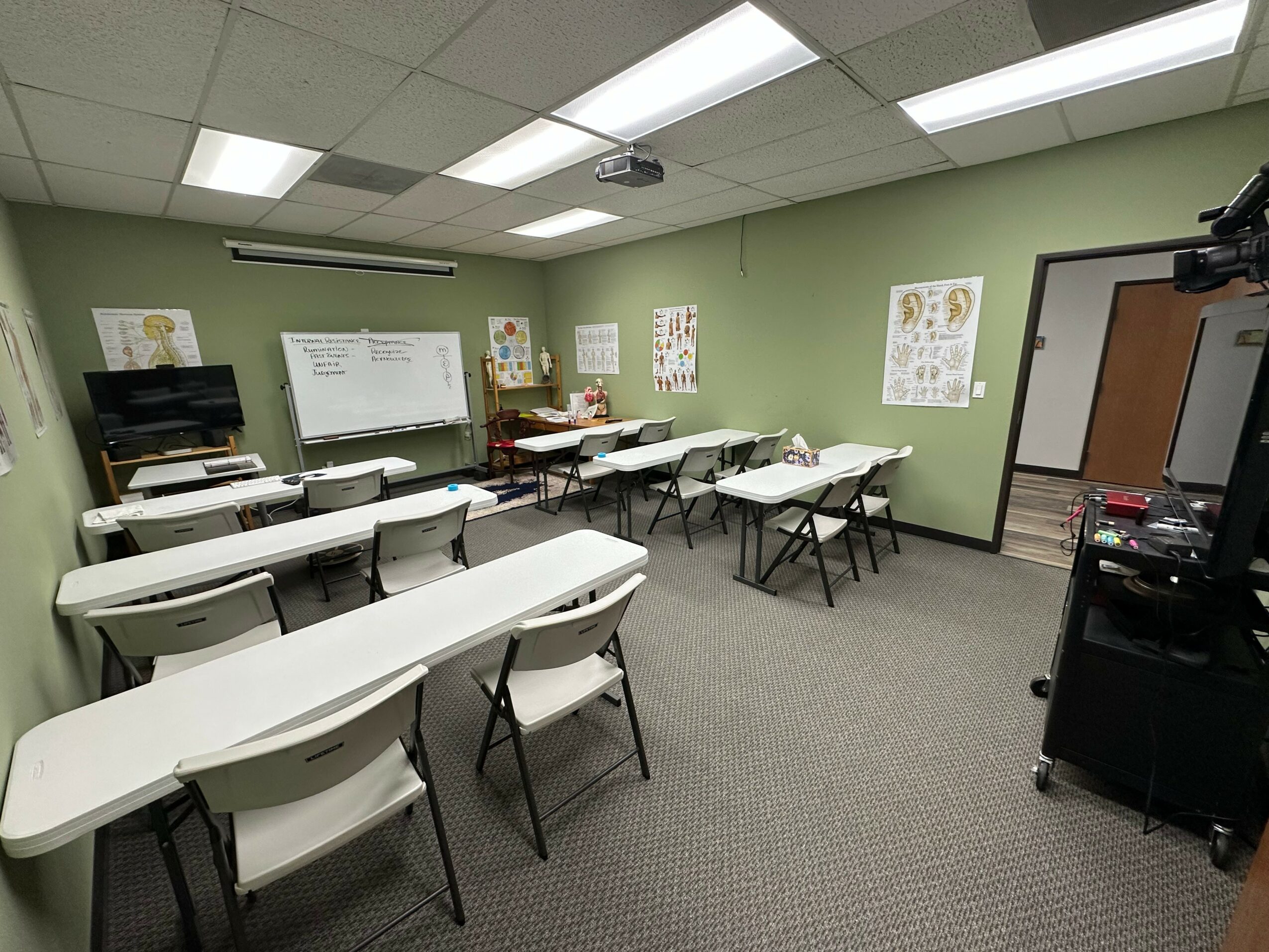
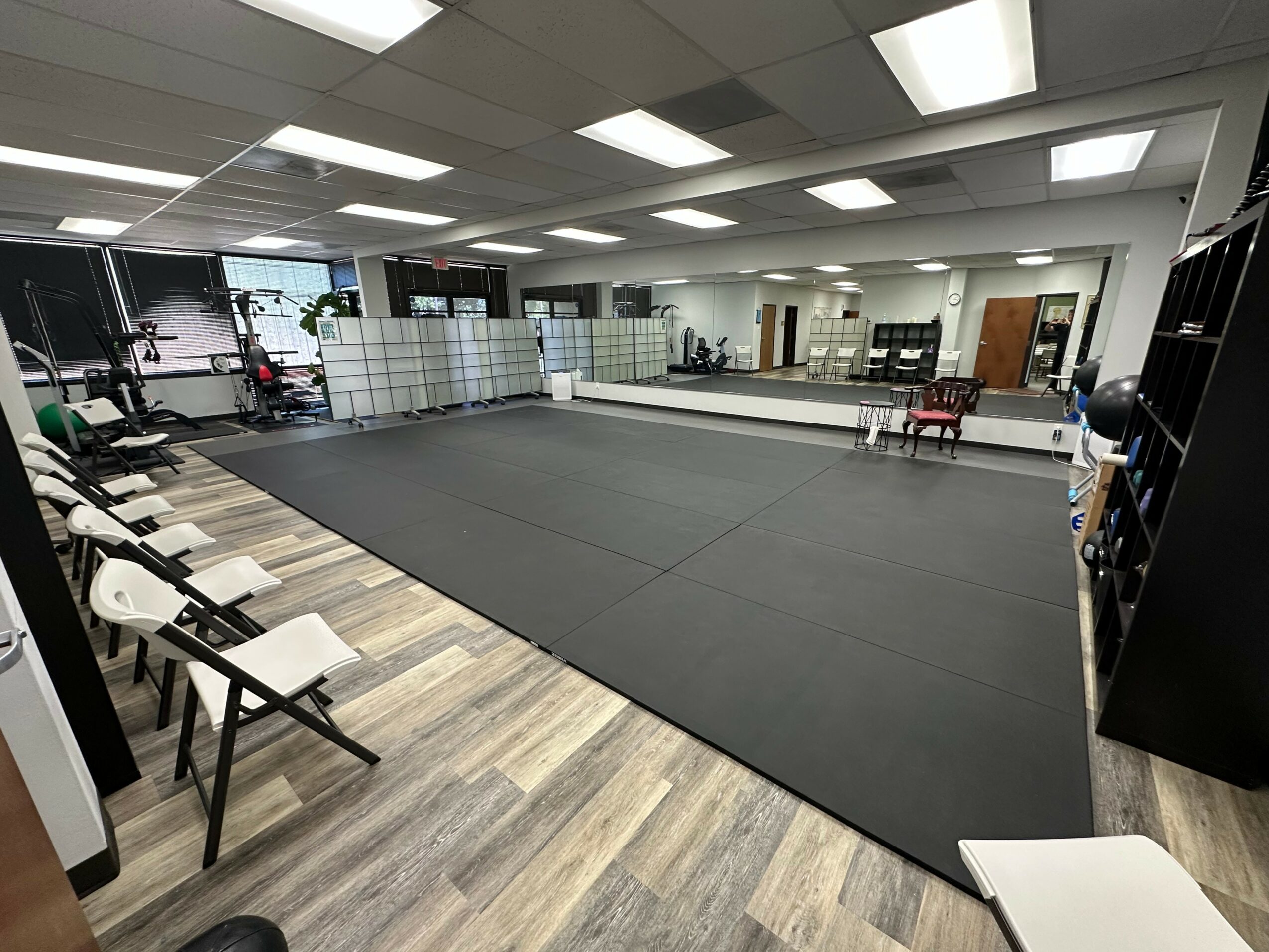
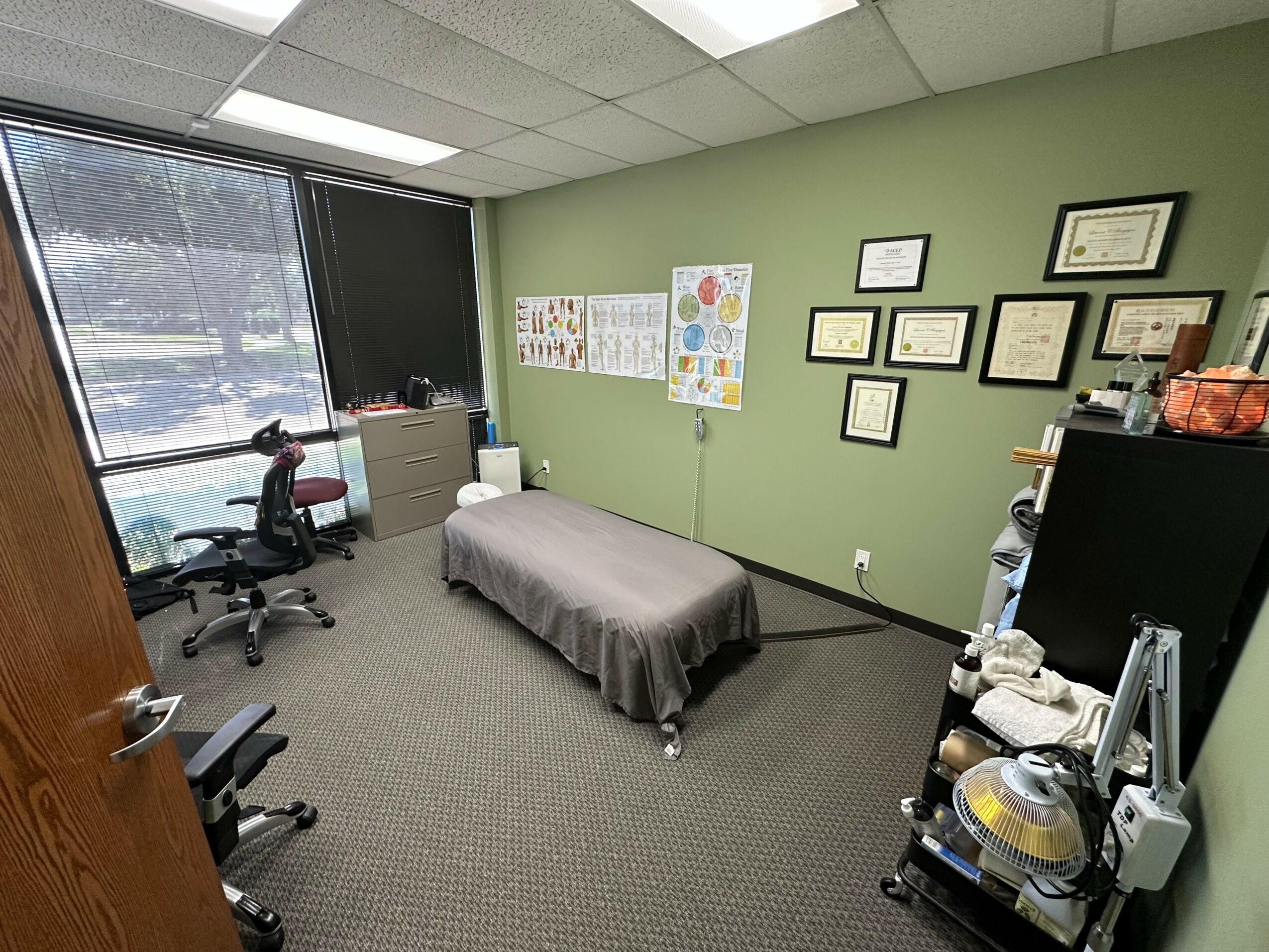
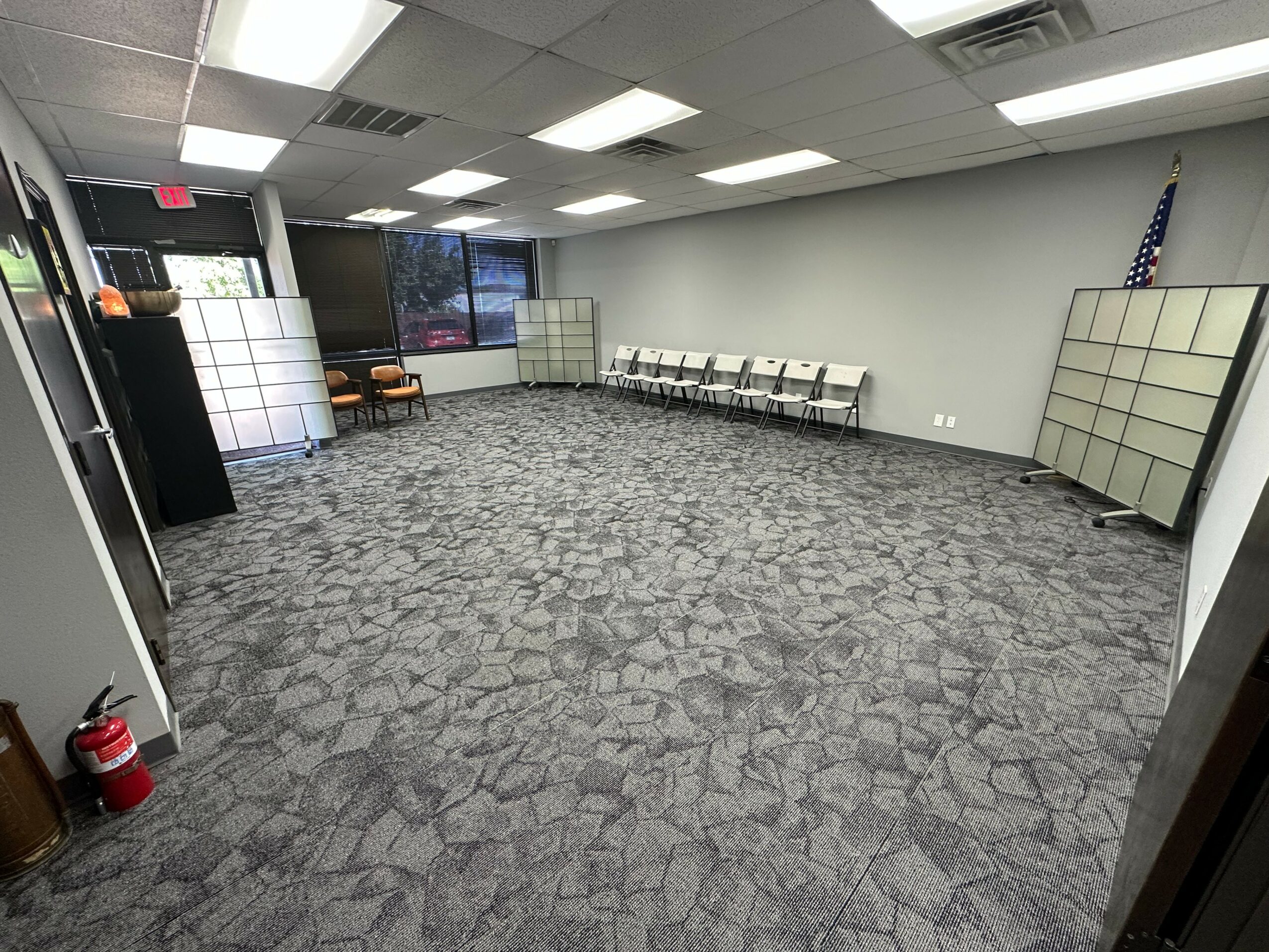
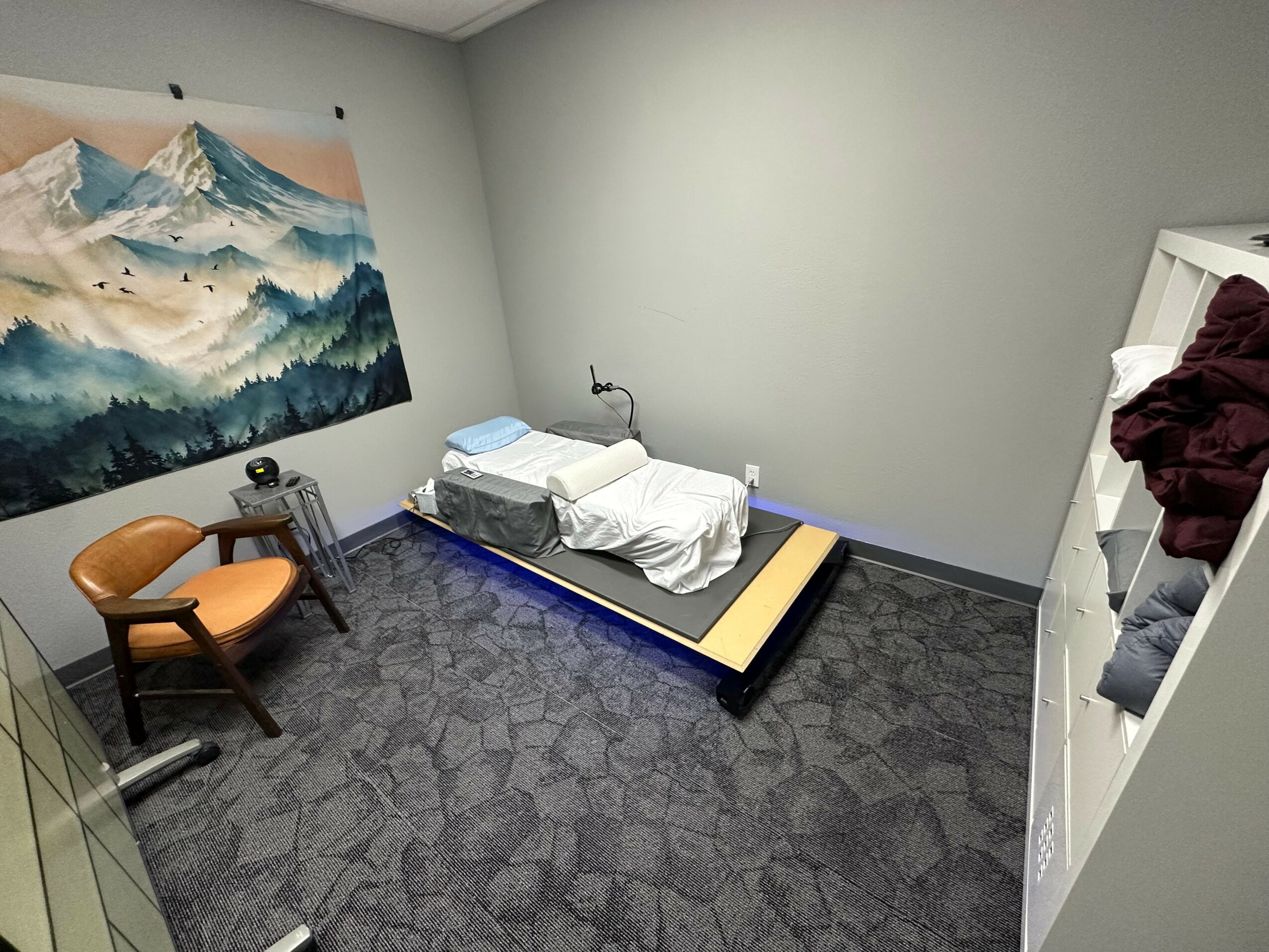
Image Credits
Photos taken by Sifu Chris Bouguyon
Instructor – Sifu Fayne Bouguyon
Popular
-

Deborah Fessenden on Turning Foraged Beauty into Purpose-Driven Jewelry and Advocacy
-

Andrew Finch on Building Elite Athletes Through Fundamentals, Mindset, and Global Experience
-

Genai Walker on Turning Life Experience into Impact Through Writing, Business, and Self-Mastery
-

The Most Inspiring Stories in Dallas