





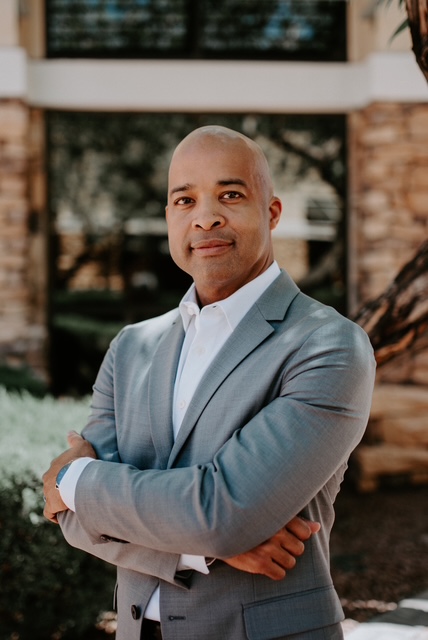
Today we’d like to introduce you to Timothy Beckett, MD.
Hi Timothy, please kick things off for us with an introduction to yourself and your story.
I grew up in Dallas and knew early on that I wanted to pursue medicine. I attended the High School for Health Professions, earned my BA in Biology from The University of Texas at Austin, and went on to medical school at the UT Health Science Center at San Antonio. I later completed my anesthesiology training at the University of Michigan Health System before relocating to Las Vegas.
In 2008, I founded my own anesthesiology group in Las Vegas, which has grown into a practice of more than 40 providers. That journey also led me to serve as Chairman of the Department of Anesthesiology at Southern Hills Hospital in Las Vegas.
While anesthesiology was my clinical foundation, hospice care ultimately reshaped my purpose. I served as medical director for a community-based hospice for six years, an experience that deeply influenced how I view end-of-life care. It was during that time that I recognized the need for a more comprehensive and human-centered approach. That realization led me to start Unified Care Hospice so I could deliver what I call “holistic passing”—an approach that focuses not only on physical comfort, but also on emotional, spiritual, and human dignity at the end of life.
As Unified Care Hospice grew and became successful in Las Vegas, I felt a strong pull to bring this model back home. Expanding to Dallas was not just a business decision—it was personal. It was a way to give back to the community that raised me and helped shape who I am, and to offer families in North Texas the kind of compassionate, holistic hospice care I believe everyone deserves.
Alright, so let’s dig a little deeper into the story – has it been an easy path overall and if not, what were the challenges you’ve had to overcome?
It has definitely not been a perfectly smooth road, though the challenges have been meaningful and necessary ones. One of the biggest hurdles has been finding the right people—staff who truly believe in the vision and are willing to practice it consistently in their daily care of patients. Holistic hospice is not just a philosophy; it requires a team that is deeply aligned in how they show up for patients and families during very intimate moments.
Another major challenge has been funding the mission. Many of the holistic services we provide—such as complementary therapies and caregiver support—are offered free of charge, with no reimbursement structure in place. To ensure these services remain accessible, we created the Holistic Passings Foundation, a nonprofit designed to support and sustain this aspect of care for patients and families who might otherwise never experience it.
Education has also been a persistent challenge. Many people still associate hospice with “giving up” or waiting until the very end. In reality, hospice is most beneficial when patients come on earlier, allowing time for symptom control, emotional support, family guidance, and improved quality of life. Helping patients and families understand the true purpose and value of hospice has been an ongoing effort. Additionally, many people believe that entering hospice means leaving your home and loved ones to die alone in some sterile, lonely facility when, in fact, 90% of our patients receive hospice services at their own homes or in their preferred facility that they’ve selected. Our staff are available to visit those homes are facilities so our patients are able to spend time with those who matter during their final days, in a warm and familiar environment.
Finally, we’ve had to thoughtfully address misconceptions around holistic care. While our approach often allows patients to reduce reliance on medications like opioids and benzodiazepines, we are very clear that these therapies are never taken away if they are needed. Our holistic services are designed to complement—not replace—traditional medical care. The goal is balance, comfort, and dignity, always guided by what is best for the patient.
Appreciate you sharing that. What should we know about Unified Care Hospice of Texas?
Unified Care Hospice of Texas is a physician-led hospice organization built on the belief that end-of-life care should be both clinically excellent and deeply human. We provide comprehensive hospice care—medical, emotional, spiritual, and family support—but what truly sets us apart is how intentionally we care for the whole person.
We are known for our commitment to what we call holistic passing. In addition to traditional hospice services, we integrate a wide range of holistic and complementary therapies at no cost to our patients and their caregivers. These include services such as massage therapy, Reiki, music therapy, art therapy, sound-based therapies, guided mindfulness, legacy and life-review work, caregiver support, and personal comfort services. We also employ an end-of-life doula—an uncommon and deeply meaningful role in hospice—who provides presence, education, emotional support, and guidance to patients and families as they navigate the final stages of life.
What differentiates Unified Care Hospice of Texas is that these services are not treated as optional extras or marketing tools. They are woven into our care model and delivered by a cohesive, full-time interdisciplinary team that values continuity, trust, and relationship-based care. Our holistic services are always provided as adjuncts to traditional hospice medicine, never as replacements. Patients continue to receive all necessary medications and clinical interventions, with holistic modalities used to enhance comfort, peace, and quality of life.
Brand-wise, what I am most proud of is our authenticity and intention. We slow things down. We listen. We meet families where they are emotionally and medically, and we walk beside them through one of life’s most sacred transitions.
What I want readers to know is that hospice does not have to be rushed, sterile, or frightening. When done thoughtfully—and introduced early—it can be profoundly supportive, deeply compassionate, and even healing for families. Unified Care Hospice of Texas exists to redefine what hospice can be and to show that dignity, comfort, and humanity should always remain at the center of end-of-life care.
We all have a different way of looking at and defining success. How do you define success?
I define success by the experience our patients and families have at the end of life, not by financial milestones. Success, to me, is a patient who dies without fear or unmanaged pain, surrounded by loved ones, feeling supported, heard, and at peace. It’s seeing someone who might otherwise have been heavily sedated experience reduced reliance on opioids or benzodiazepines, remain more awake and present, and have meaningful moments of connection with family and friends before they pass.
It’s also about families—knowing they felt guided rather than rushed, comforted rather than overwhelmed, and confident that their loved one was treated with dignity and compassion throughout the journey. Those moments matter far more to me than numbers on a balance sheet.
From a measurable standpoint, we do look to objective benchmarks such as our Press Ganey data to ensure we are delivering consistently high-quality care. But some of the most meaningful measures of success are the handwritten notes, the emails, the tears, and the personal stories families share after their loved one has passed. Those testimonies are a powerful reminder that we are doing work that truly matters.
At the end of the day, if we’ve helped someone leave this world with less suffering and more love, then I consider that success.
Pricing:
- All of our services are either covered by insurance or through our extensive volunteer network.
Contact Info:
- Website: https://ucarehospicetx.com
- Instagram: instagram.com/ucarehospice
- Facebook: https://www.facebook.com/profile.php?id=61550325137518
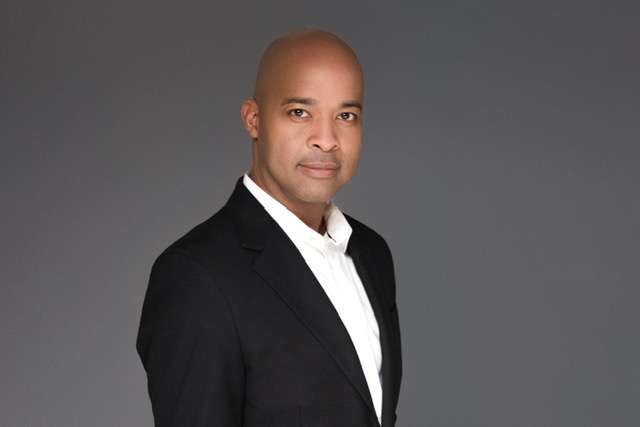
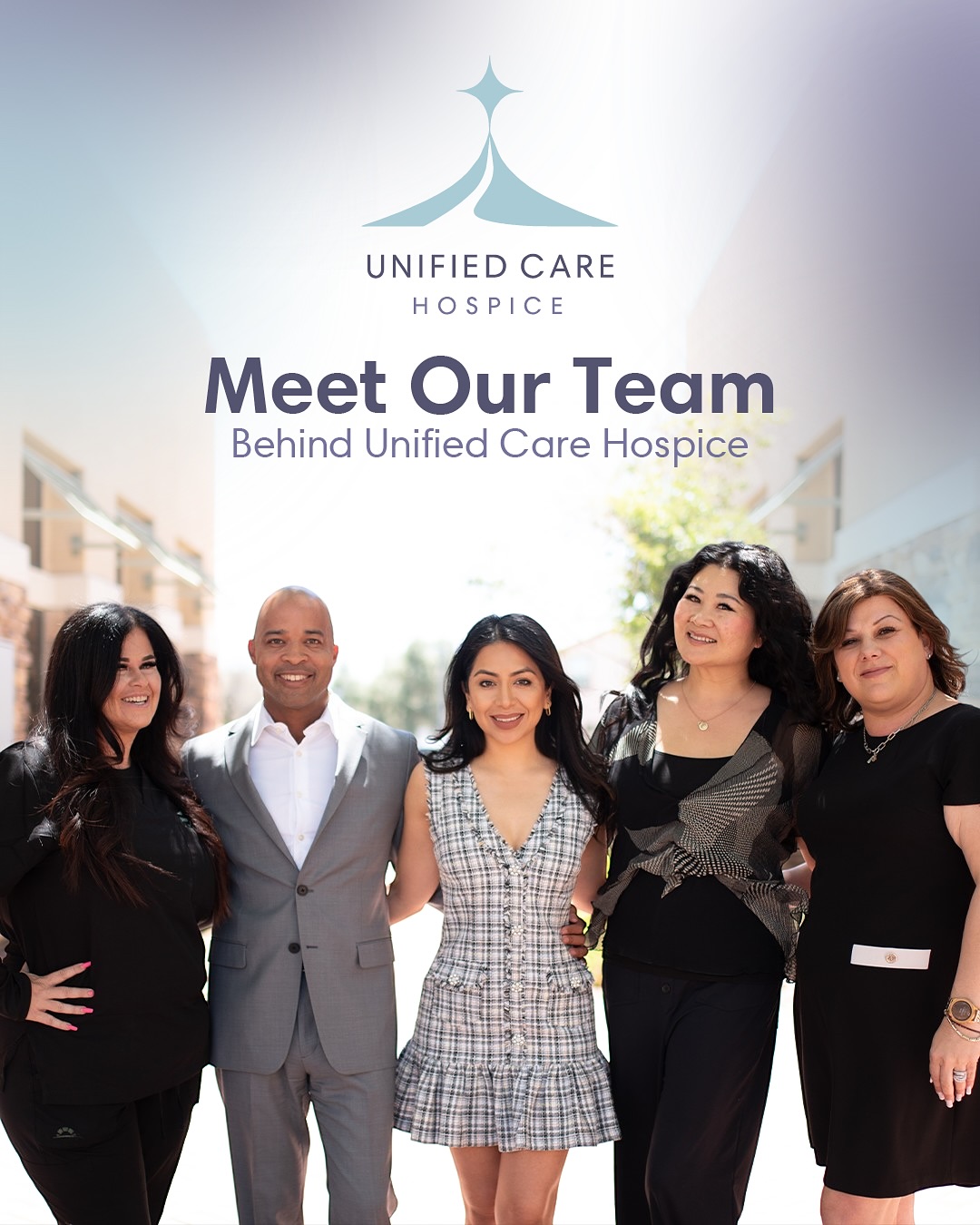
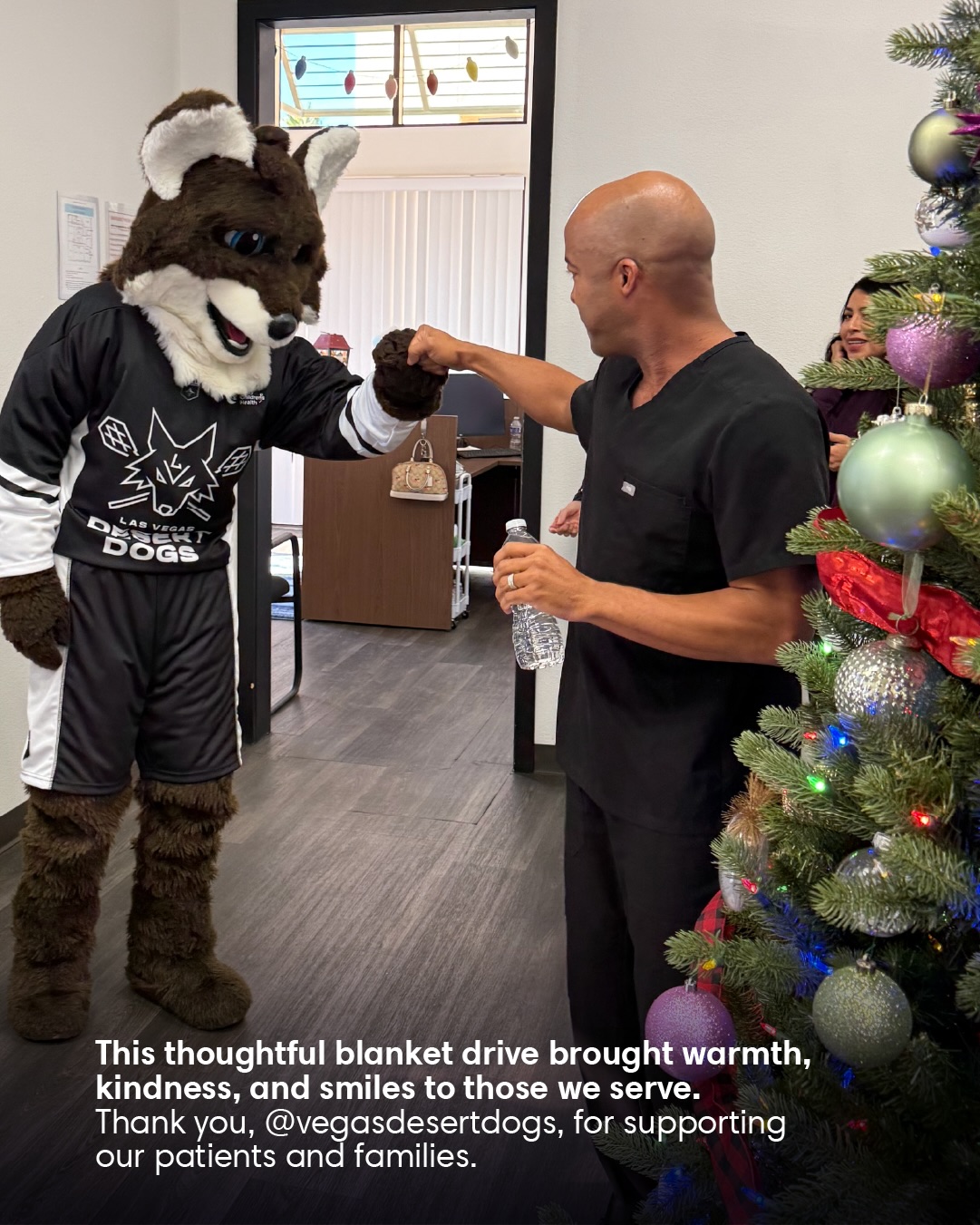
Image Credits
None