





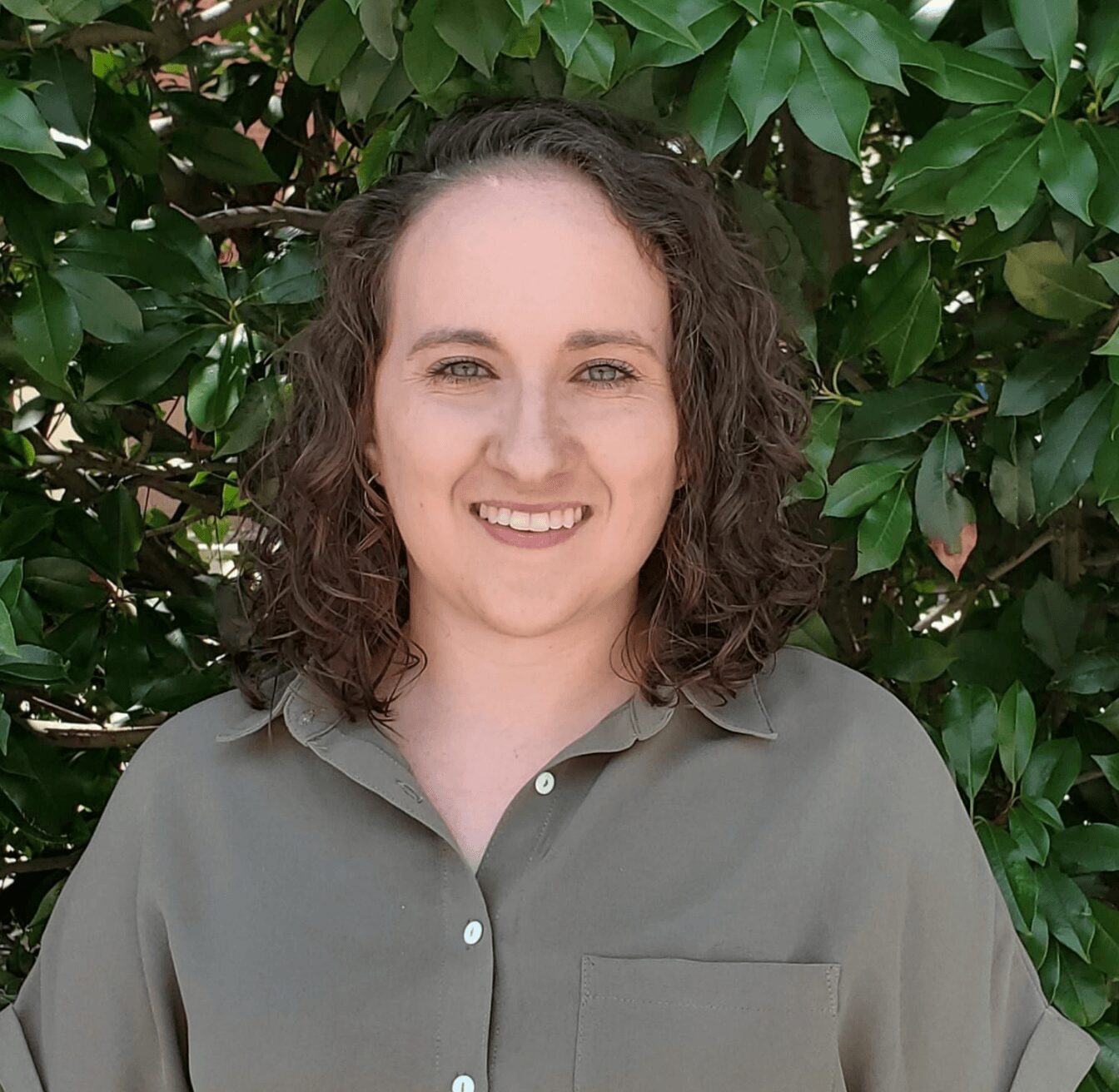
Today we’d like to introduce you to Tobi Carter.
Alright, so thank you so much for sharing your story and insight with our readers. To kick things off, can you tell us a bit about how you got started?
Tanager Counseling grew out of both professional experience and a personal understanding of what we now call “quiet trauma.” I’m a Licensed Clinical Social Worker, and early in my career I worked across higher-acuity settings supporting children, teens, and adults with complex needs. Over time, I noticed a consistent gap: many people seeking therapy looked “high-functioning” on the outside but were struggling internally with chronic self-doubt, emotional overwhelm, relational patterns they couldn’t explain, and a deep mistrust of their own instincts. There were people falling through the cracks.
As my training deepened, particularly in trauma-informed care and neurodivergence, I became increasingly drawn to clients whose experiences didn’t always register as obvious trauma but were profoundly impactful. These were individuals who grew up in families that appeared stable or successful, yet lacked emotional attunement, safety, or space to be fully themselves. That realization shaped both my clinical focus and my desire to build something intentionally different.
When Chris and I met, we quickly realized that we had similar goals when it came to how we wanted to be in the professional world. His heart is with first responders and people experiencing grief, and he has noticed how certain areas and neighborhoods have a lack of access to the therapy services that are needed. We dreamed up Tanager Counseling to be a place where people didn’t fall through the cracks, whether it be because they looked “high functioning” or didn’t have access to therapy services. It became what it is today: a place that serves children, adolescents and adults with a focus on complex trauma, emotional neglect, and neurodivergence. We now offer trauma-informed diagnostic assessments, individual services and family therapy services.
I’m sure it wasn’t obstacle-free, but would you say the journey has been fairly smooth so far?
Some of the struggles along the way have been learning the efficient ways to build our vision as opposed to someone else’s vision. Those moments required patience, consistency, and a willingness to let the work compound. Over time, those challenges clarified the practice’s direction and reinforced the values it’s built on, such as intentional growth, depth over speed, and long-term sustainability.
As you know, we’re big fans of Tanager Counseling. For our readers who might not be as familiar what can you tell them about the brand?
Tanager Counseling is a trauma-informed therapy and assessment practice that serves children, adolescents, and adults who are often high-functioning on the outside but struggling internally. We specialize in complex trauma, emotional neglect, and neurodivergent-affirming care, with a particular focus on what many clients experience as “quiet” or relational trauma, Patterns that don’t always show up as a single event but shape how someone relates to themselves, their emotions, and their relationships over time.
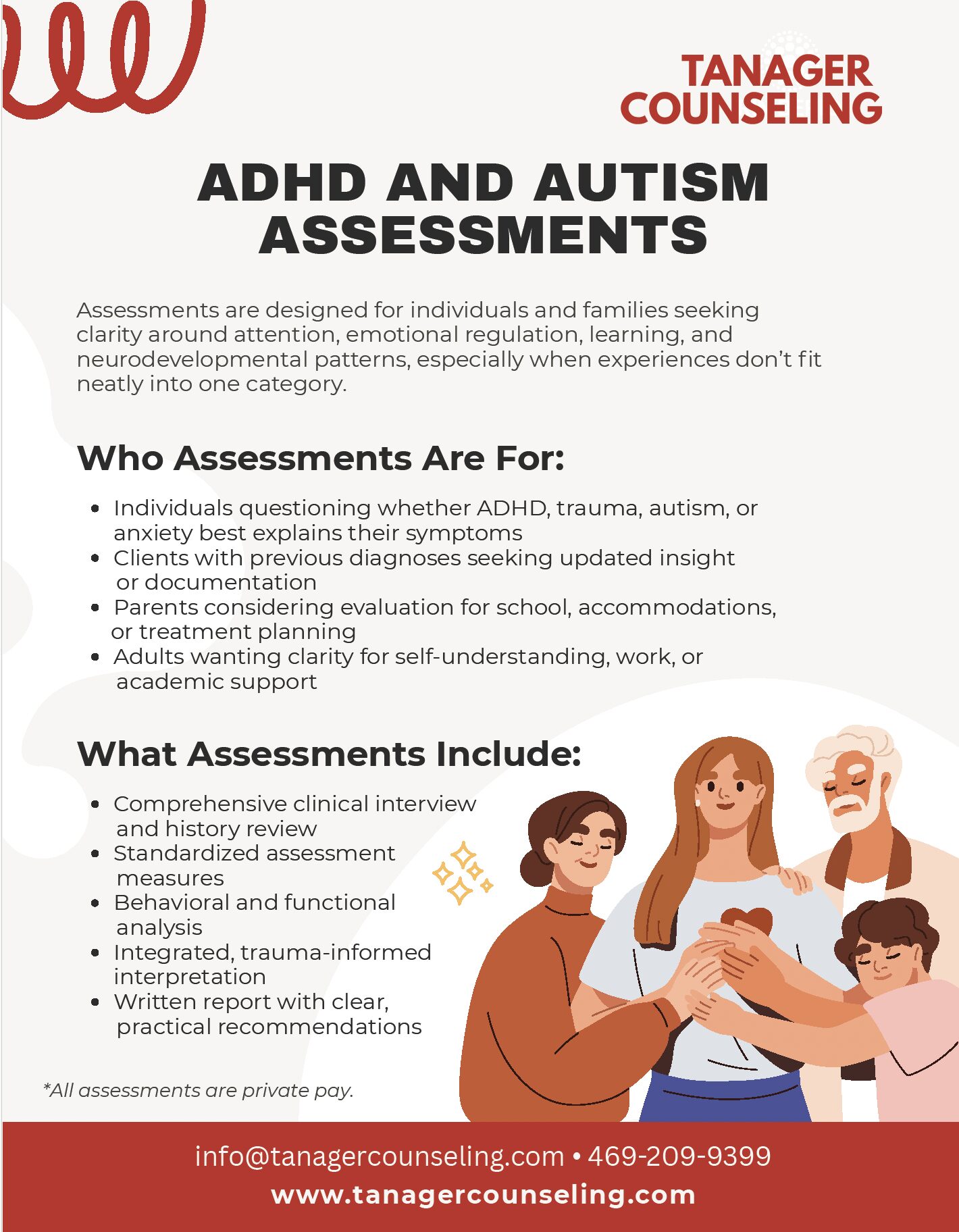
We would say what sets us apart from others is our depth-oriented approach. Our work integrates several different modalities in order to customize to what our client needs. We allow clients to move beyond coping skills and into meaningful, lasting change. In addition to therapy, we are known for offering thoughtful and trauma-informed diagnostic assessments that emphasize clarity, context, and practical recommendations.
From a brand perspective, we’re most proud that Tanager has remained intentional at every stage of growth. The practice was built to feel grounded, human, and attuned. Everything from our services to our communication is designed to help clients feel understood, respected, and empowered in their decision-making.
What we want readers to know is that Tanager Counseling is a space for people who have spent a long time questioning whether their struggles “count.” The goal is not to fix people, but to help them reconnect with themselves in a way that feels sustainable, authentic, and supportive long-term.
Any advice for finding a mentor or networking in general?
We’ve learned that mentorship and networking are most effective when they’re relational, not transactional. Rather than searching for a single, formal mentor, we focused on building a small ecosystem of people at different stages whose values we genuinely respect.
We’ve also found that networking works best when it’s integrated into everyday professional life. Local consultations, referral conversations, peer groups, and community-based events have been far more valuable than broad or impersonal outreach. Over time, trust compounds, and many of our most meaningful professional relationships grew from simple, genuine conversations.
Our advice is to start small, stay aligned with your values, and let relationships build at a human pace. The goal isn’t to collect contacts, but to create connections that feel mutual, sustainable, and grounded in respect.
Pricing:
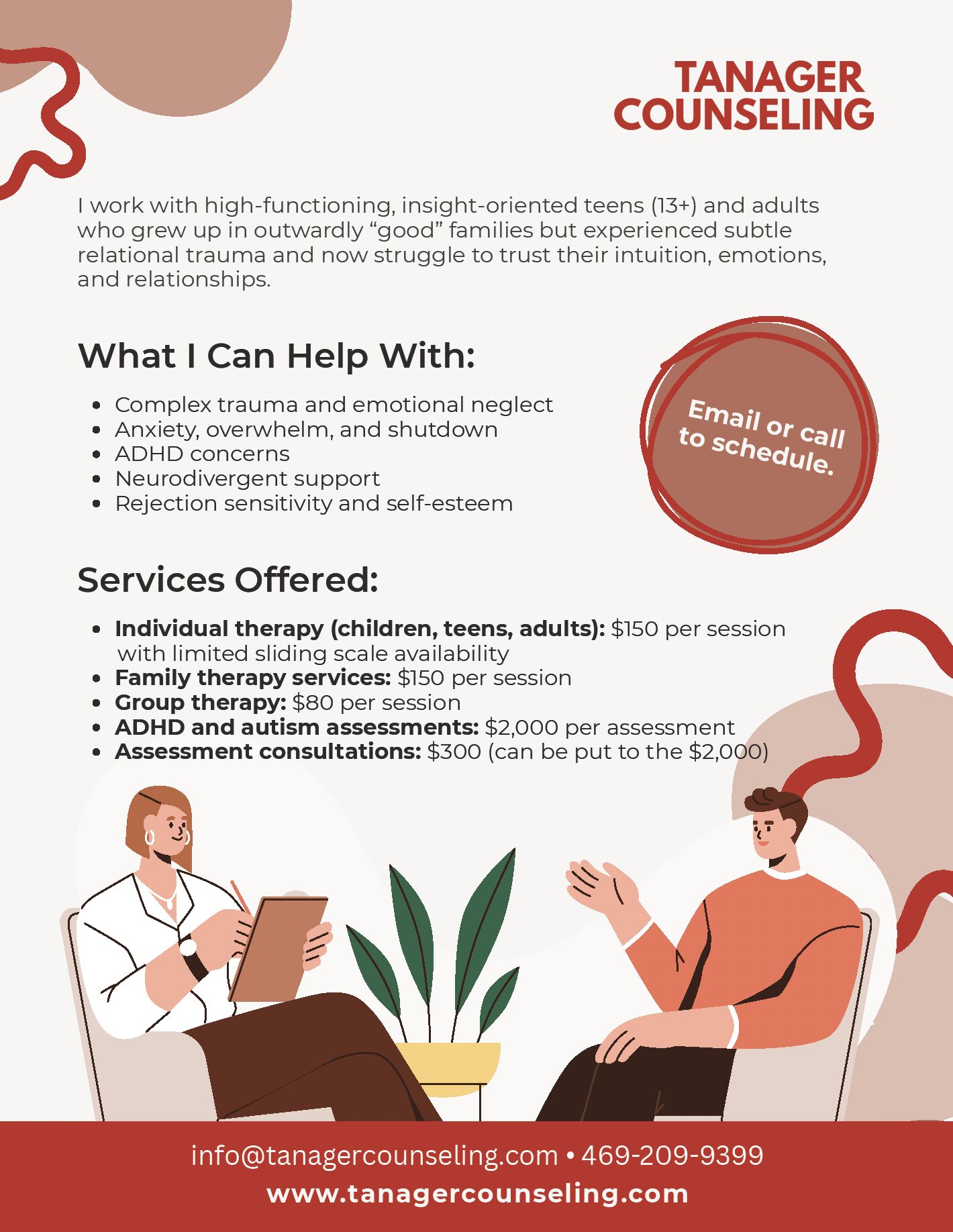
- 150 for individual and family therapy services
- 300 for assessment consultation
- 2,000 for trauma-informed diagnostic assessments (payment plan available)
Contact Info:
- Website: https://www.tanagercounseling.com
- Instagram: https://www.instagram.com/tanagercounseling