





We recently had the chance to connect with Ivy Sbaiti and have shared our conversation below.
Hi Ivy, thank you so much for taking time out of your busy day to share your story, experiences and insights with our readers. Let’s jump right in with an interesting one: What is something outside of work that is bringing you joy lately?
Outside of work, I’ve been finding a lot of joy in simple, grounding moments—playing tennis, going for long walks, and sitting on the floor doing Legos with my son. They pull me out of my head and back into the present, which feels especially valuable these days.
Can you briefly introduce yourself and share what makes you or your brand unique?
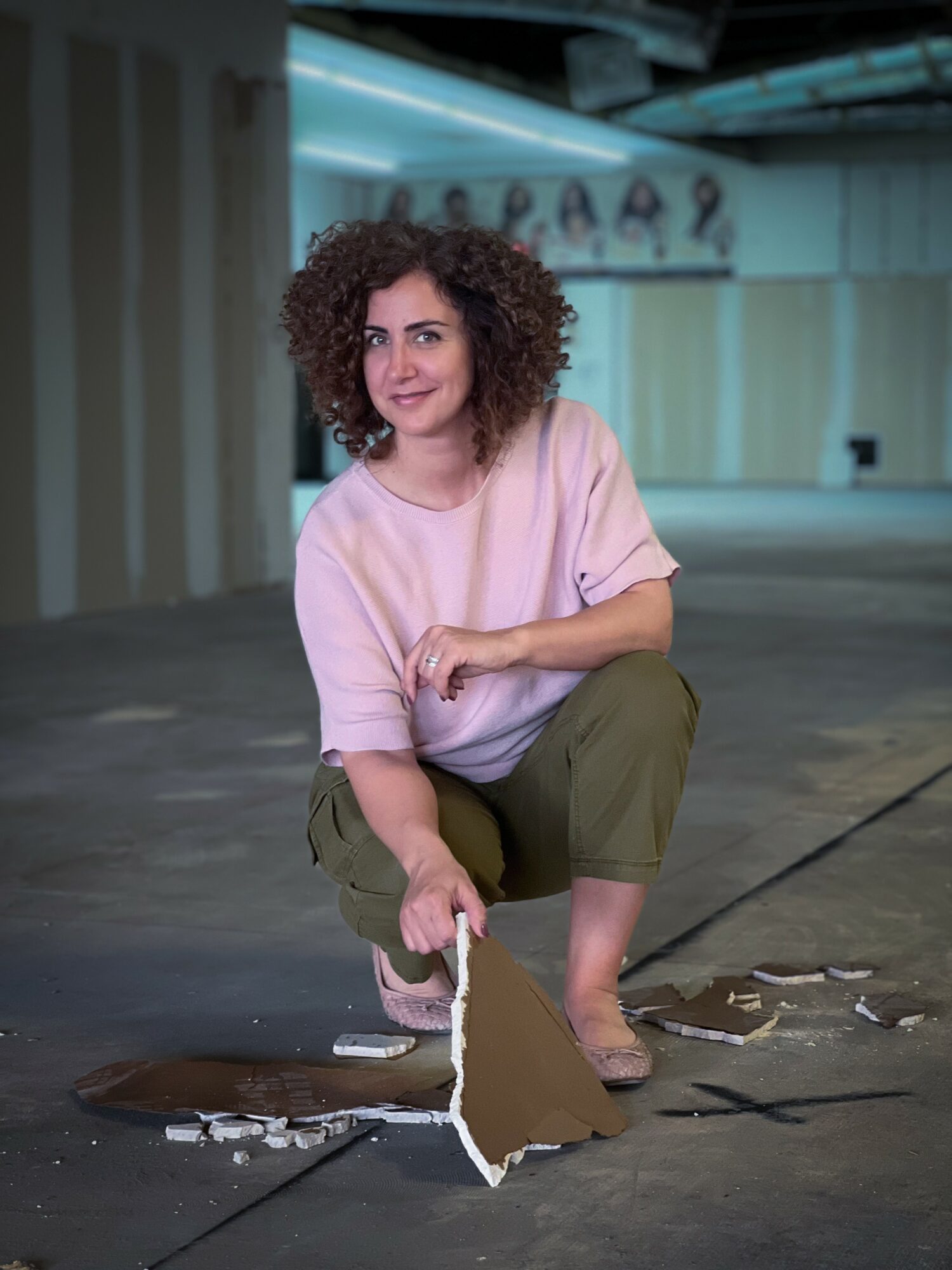
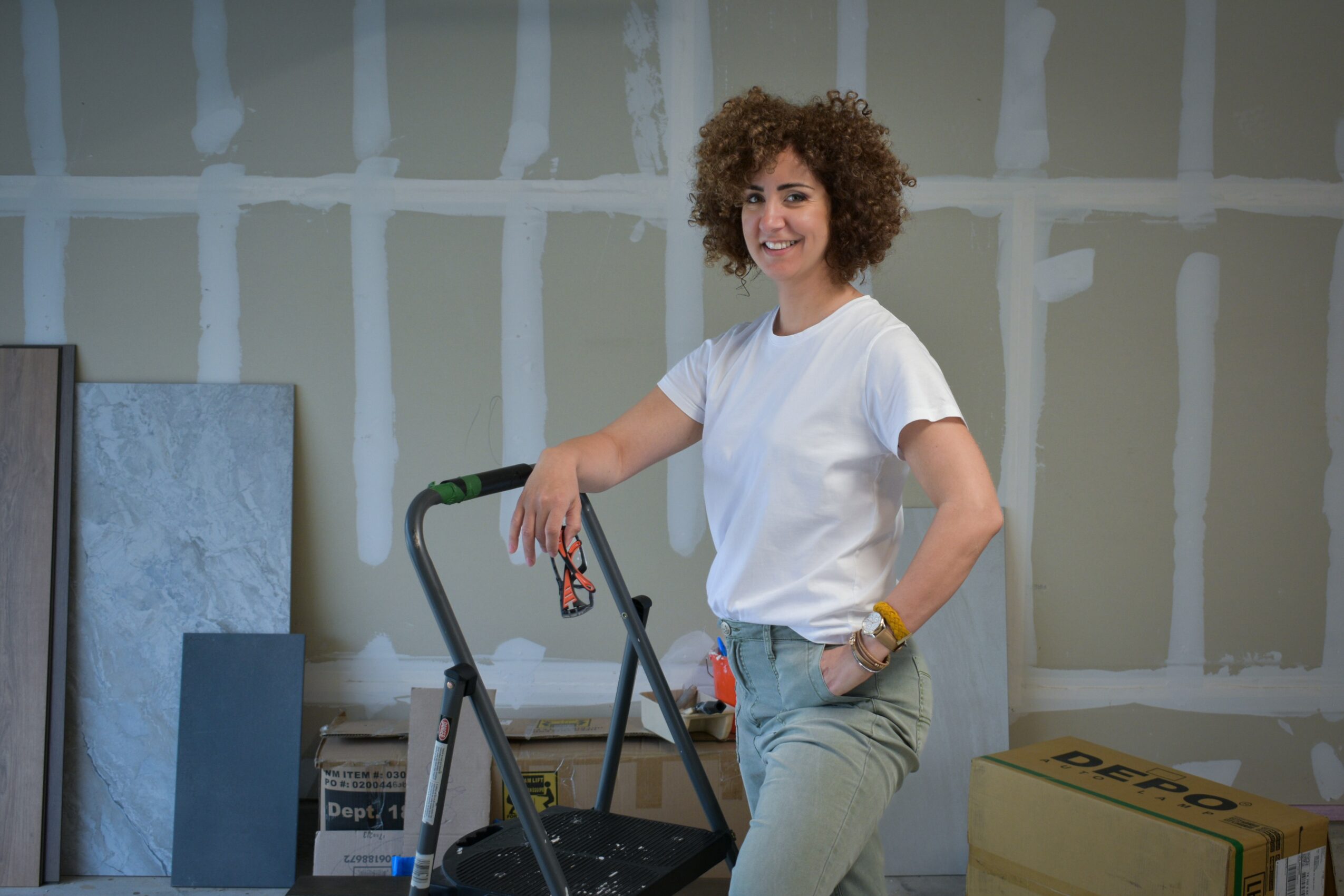
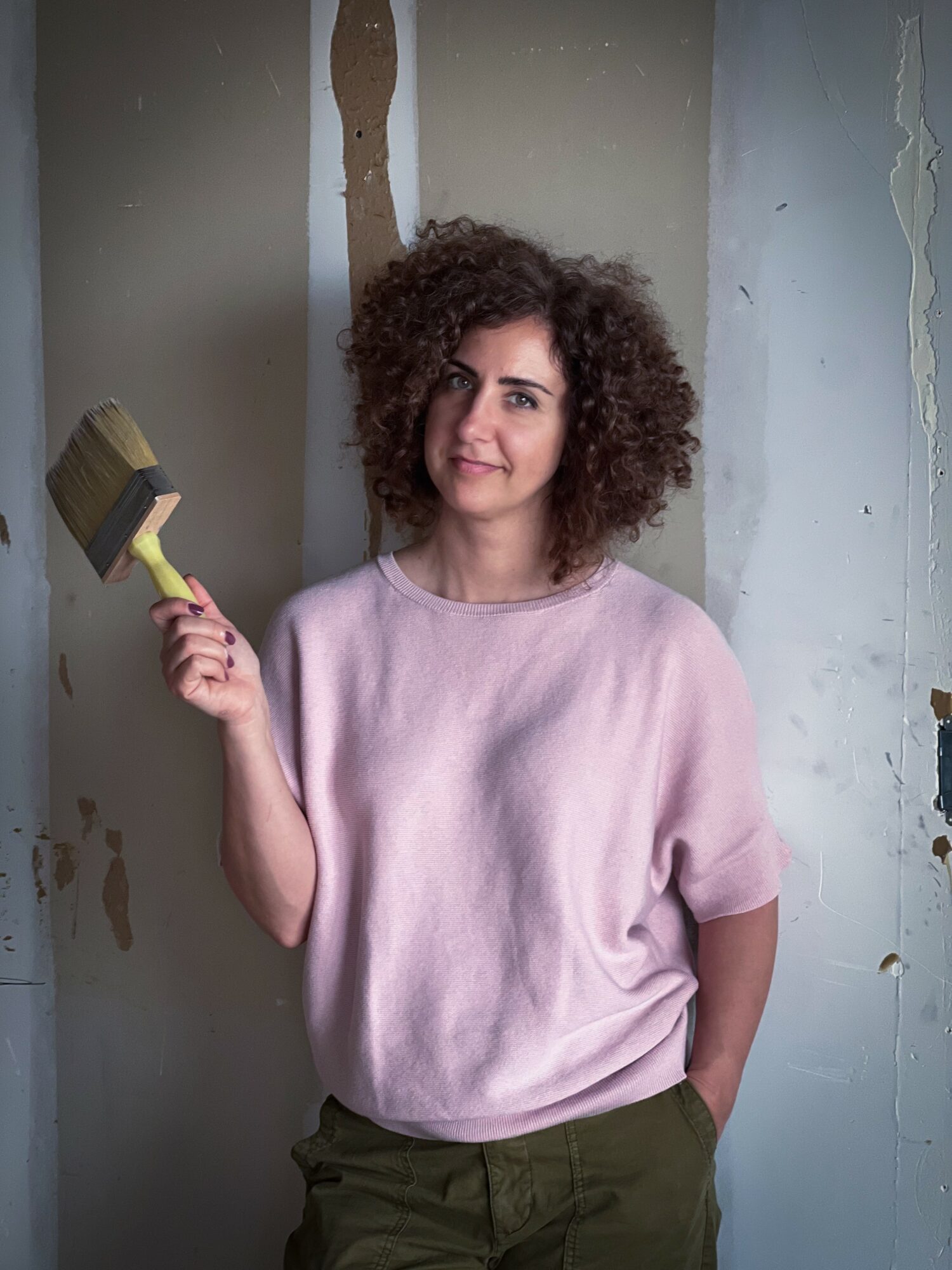
I’m Ivy Sbaiti, founder of Ivy Home Solutions. My path into real estate grew naturally out of a long-standing interest in architecture, design, and problem-solving. My background in architecture and commercial real estate laid the groundwork for what I do now, giving me both the technical and strategic perspective to build something hands-on—work that bridges design, market realities, and real human needs in housing.
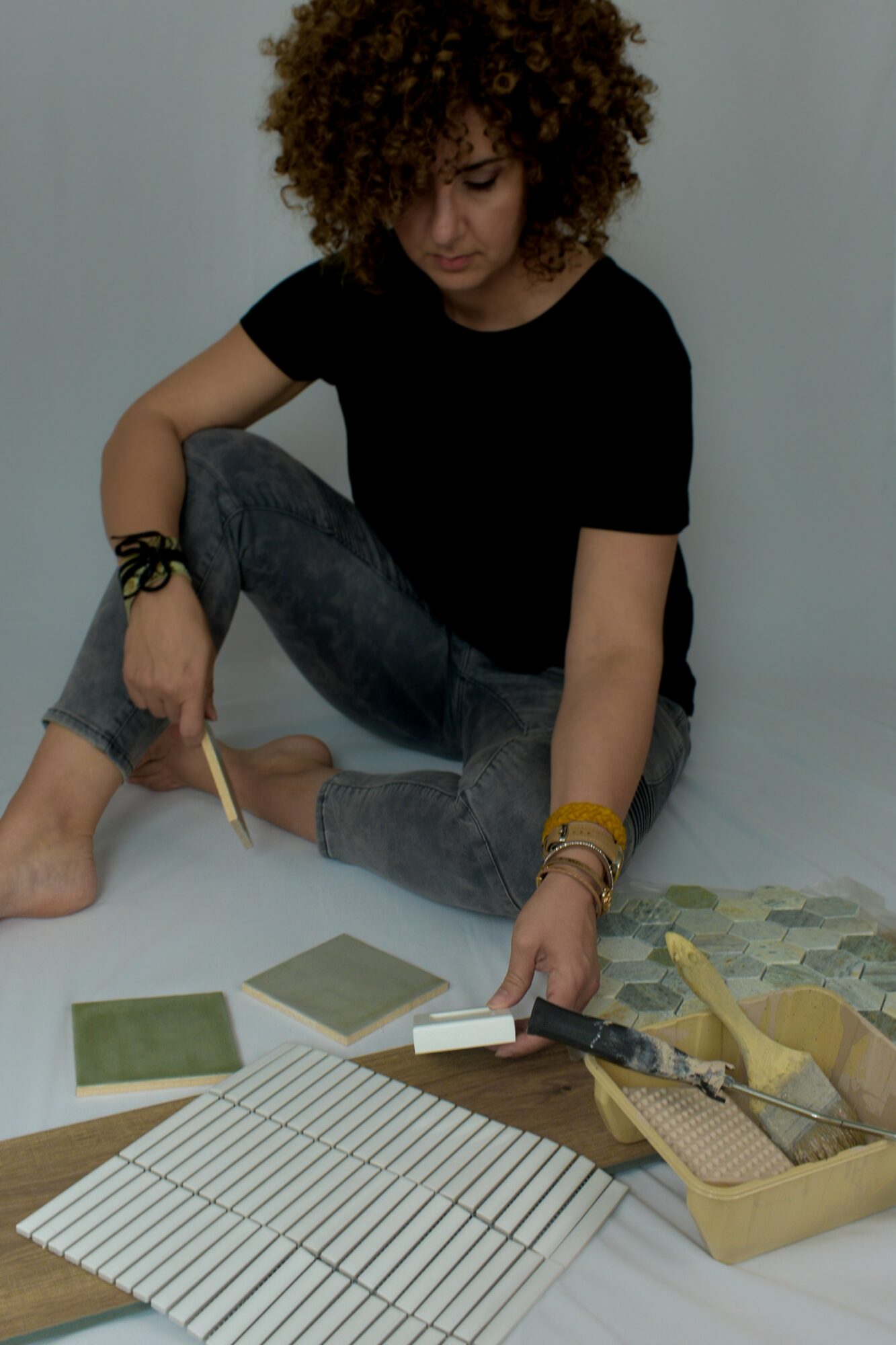
At Ivy Home Solutions, we buy homes directly from owners, then take on the full transformation ourselves—from renovation to resale. We typically work with sellers who are looking for a fast, simple, and predictable solution, often due to timing issues like relocation or managing an inherited property. By purchasing homes as-is, we eliminate the need for repairs, showings, or long wait times, offering clarity and ease in what can otherwise be a drawn-out process—especially in a more complex or shifting market.
What makes this work especially meaningful to me is the balance between practicality and creativity. Each home comes with a history, and we approach renovations with respect for what’s been there while reimagining the space for the next chapter. It’s a very hands-on, personal process—no two houses are the same, and neither are the people behind them.
At its core, my work is about transformation. It’s about creating clarity and relief for sellers, and delivering well-designed, functional homes for new owners. One house at a time, I’m focused on turning challenging situations into thoughtful, forward-looking outcomes.
Thanks for sharing that. Would love to go back in time and hear about how your past might have impacted who you are today. What’s a moment that really shaped how you see the world?
Moving to another country fundamentally shaped how I see the world. Leaving behind everything familiar—language, routines, social cues—and learning to navigate a new culture forces you to truly get to know yourself. Another culture becomes a kind of mirror: it’s different enough to challenge you, yet reflective enough to reveal who you are beneath habits and assumptions.
At first, those differences can be hard to bear. You want to fit in, to blend, to understand the rules as quickly as possible. But over time, something shifts. You become more comfortable in your own skin and begin to appreciate the differences—both in yourself and in others—that make us unique. That experience made me far less judgmental and much more open-minded. “Normal” isn’t a word I use often anymore. Instead, I’ve learned to accept the world in its complexity and, through that awareness, build my own path—rooted in a clearer understanding of my strengths, desires, aspirations, and boundaries.
What did suffering teach you that success never could?
Suffering taught me resilience in a way success never could—and, just as importantly, the ability to pivot. In real estate, buying and selling is as much about problem-solving and design as it is about managing risk. Markets shift, supply chains break, tastes change. Nothing stays still for long, and you quickly learn that rigidity is far more dangerous than uncertainty. Suffering forces you to adapt, to stay nimble, and to find new paths forward when the original plan no longer works.
It also taught me patience. There’s a saying that good things don’t last, but neither do bad things—and that perspective matters. Still, suffering requires you to sit with discomfort until you find your way out. We tend to linger in moments of success, but rush through pain. Yet suffering is often where boundaries get pushed and growth happens. Most great art, and many of the best songs, are born out of some form of struggle. When used consciously, suffering can become productive rather than paralyzing.
Finally, suffering teaches you how to stand on your own—and how to be okay with that. It strips away illusions and makes it clear that while support matters, no one can do the work for you. At the end of the day, real change only happens when you decide to help yourself.
Next, maybe we can discuss some of your foundational philosophies and views? What’s a belief you used to hold tightly but now think was naive or wrong?
For a long time, I believed that if I followed the rules, worked hard, and did everything “right,” recognition would naturally follow. That mindset is encouraged early—first through school, and later through corporate environments—where success often feels tied to approval, promotions, and external validation.
Over time, I realized how limiting that belief can be. It places your sense of worth outside yourself and subtly trains you to wait for permission rather than take ownership. The reward, when it comes, is often conditional or delayed—and sometimes it doesn’t come at all.
Letting go of that way of thinking was a turning point. I learned that fulfillment comes from defining success on your own terms and building something aligned with your values. Shifting from external validation to personal agency changed not only how I work, but how I move through the world.
Okay, so let’s keep going with one more question that means a lot to us: If you knew you had 10 years left, what would you stop doing immediately?
If I knew I had ten years left, I would stop waiting for the perfect moment and start acting immediately. I’ve learned that clarity rarely comes before action—it comes from action. Imperfect movement almost always creates more momentum than endless planning ever could.
That means I’d stop over-researching, stop polishing ideas in my head, and stop postponing things because the timing isn’t ideal. I’d launch the project before it feels ready, have the honest conversation instead of rehearsing it for months, and make the decision with the information I have rather than waiting for certainty that never arrives. I’d trade hesitation for experimentation and allow myself to adjust along the way.
Time has taught me that perfection is often just fear in a more acceptable form. When the horizon becomes finite, the choice is clear: imperfect action beats perfect inaction—every single time.
Contact Info:
- Website: https://www.ivyhomesolutions.com
- Instagram: https://www.instagram.com/ivy_home_solutions/
- Facebook: https://www.facebook.com/profile.php?id=61562286415366