






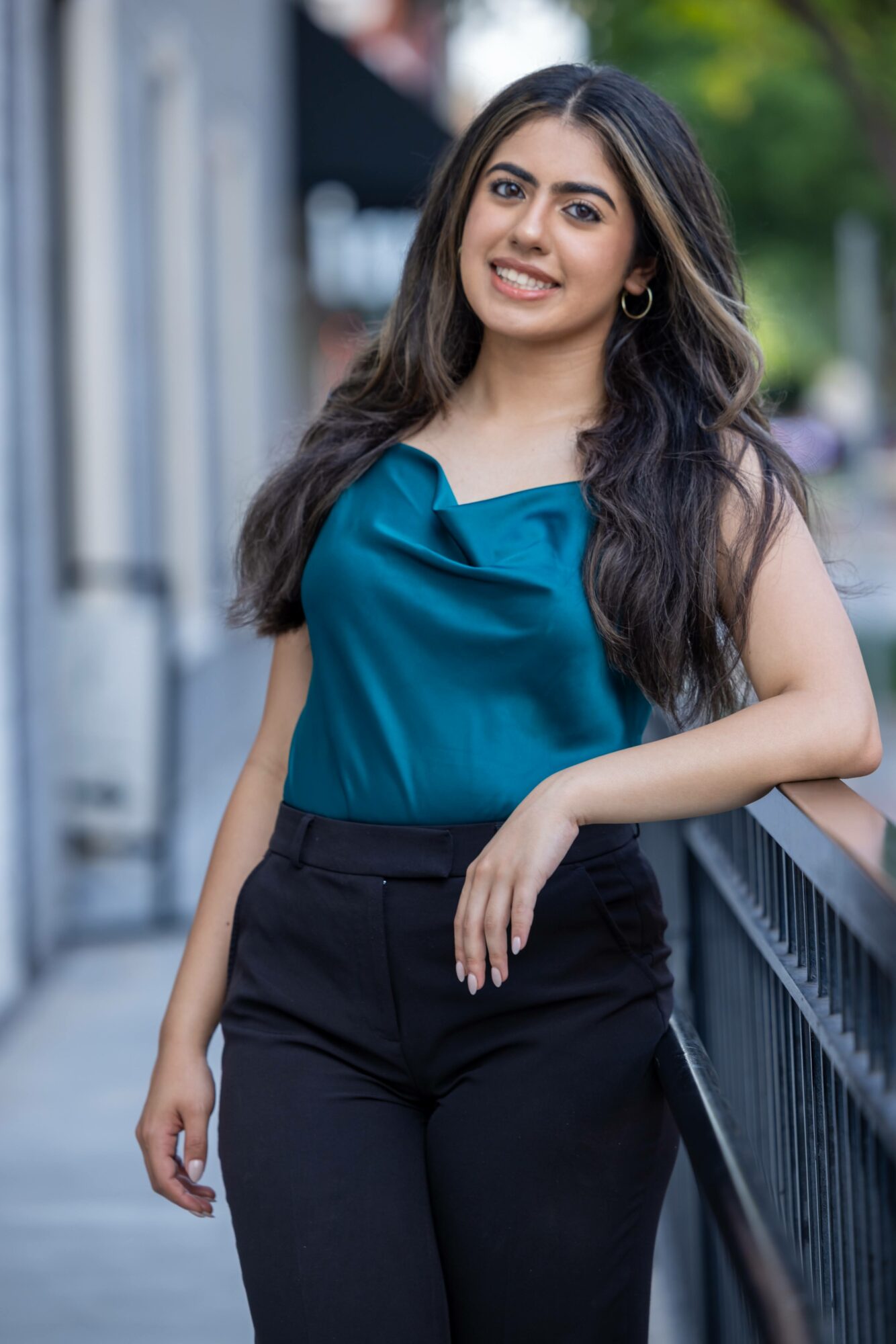
We recently had the chance to connect with Shreya Talwar and have shared our conversation below.
Hi Shreya, thank you for taking the time to reflect back on your journey with us. I think our readers are in for a real treat. There is so much we can all learn from each other and so thank you again for opening up with us. Let’s get into it: What are you being called to do now, that you may have been afraid of before?
What I’m being called to do right now is mentor others—especially students who are earlier in their journey than I was.
For a long time, I struggled with imposter syndrome, even when things were objectively going well. When people asked how I built something or achieved a milestone, I would brush it off as luck or timing. It felt uncomfortable to own my successes, so I downplayed them instead. In hindsight, that wasn’t humility—it was fear of being seen as someone who actually knew what she was doing.
That’s shifted recently. I’ve grown more confident in my skills and more honest with myself about the work I’ve put in. Instead of deflecting, I now feel comfortable saying, yes, I worked hard for this—and I learned a lot along the way.
Because of that, mentoring has become something I genuinely enjoy. I’ve loved getting to know and working with younger business students—answering their questions, helping them think through ideas, and sharing lessons I wish I had heard earlier. It no longer feels like I’m pretending to have answers. It feels like I’m passing forward clarity, encouragement, and perspective.
And honestly, that’s been one of the most fulfilling shifts for me.
Can you briefly introduce yourself and share what makes you or your brand unique?
My name is Shreya Talwar, and I’m a high school senior who runs three student-founded businesses, each rooted in creativity, intention, and problem-solving.
My primary venture is Simply Gifted, a customizable gift-basket brand built around personalization, cultural relevance, and accessibility. I started it after noticing how stressful and impersonal gift-giving had become. Simply Gifted focuses on making gifts feel thoughtful again—through curated baskets, cultural collections, and an experience that prioritizes meaning over mass production.
I also run So Sweet Dessert Emporium, a baking business I started in middle school that taught me the fundamentals of entrepreneurship early on—from pricing and inventory to customer relationships and branding. It was my first real exposure to running something end-to-end, and it shaped how I think about business as a blend of creativity, operations, and trust.
My third venture, Fleur de Frame Photography, is where my creative side comes through most clearly. Through event and school photography, I focus on capturing moments that often go unnoticed—expressions, interactions, and emotions that tell a fuller story than posed images ever could. Photography taught me how to observe carefully and communicate without words, which has influenced how I approach leadership and storytelling across all my work.
What connects all three ventures is my desire to build things that feel human. I care less about scale for the sake of scale and more about creating experiences that make people feel seen, understood, and valued. Right now, I’m focused on growing these businesses intentionally, mentoring younger students interested in entrepreneurship, and continuing to explore how creativity and business can work together to create meaningful impact.
Great, so let’s dive into your journey a bit more. Who saw you clearly before you could see yourself?
My boss was the first person who saw me clearly before I could see myself.
When I first started working under him, I genuinely thought I had everything under control. I was disciplined, motivated, and used to succeeding on my own terms. What I didn’t realize was how much I still had to learn—especially about leadership, humility, and earning trust. At times, I honestly thought he just didn’t like me. His standards were high, and he pushed me constantly, both in my Taekwondo training and in my role as a part-time instructor.
Looking back, that discomfort was the point.
He saw potential I wasn’t ready to claim yet, and instead of praising me prematurely, he challenged me. He put me in situations where I had to grow into responsibility, communicate better, and lead people who didn’t automatically respect me. That process was frustrating and uncomfortable, but it shaped me more than any easy success ever could have.
Now, I recognize that his belief showed up as pressure—not because I was failing, but because he knew I could handle more. That experience changed how I view mentorship and leadership. Sometimes being seen clearly doesn’t feel good in the moment—but it’s often exactly what helps you become who you’re capable of being.
When did you stop hiding your pain and start using it as power?
For a long time, writing was how I hid my pain.
Journaling let me process everything privately. I didn’t have to explain myself, confront anything directly, or take up space with my thoughts. Putting things on paper felt safer than saying them out loud. It was controlled, contained, and invisible to everyone else.
Without realizing it, though, that habit was building something valuable.
Writing forced me to slow down and articulate what I was thinking. Over time, I became precise with language and intentional with how I expressed ideas. What started as a way to keep things hidden gradually turned into the foundation of my strongest skill: communication.
The shift happened when I began using that skill outward instead of inward. I stopped treating my thoughts as something to conceal and started using them to connect—with students I mentor, teams I lead, and people whose stories I help tell. I learned how to communicate clearly, listen deeply, and say the things that matter in a way others could understand.
What once helped me hide became the very thing that allows me to lead with confidence. Writing didn’t just help me survive quietly—it taught me how to communicate with purpose, and that’s where my power comes from now.
So a lot of these questions go deep, but if you are open to it, we’ve got a few more questions that we’d love to get your take on. Is the public version of you the real you?
Yes—the public version of me is the real me.
I don’t believe in separating who I am privately from who I show publicly, because real connection can’t happen without honesty. If you hide too much of yourself, people only interact with a version of you that’s curated or incomplete, and that limits how meaningful those relationships can be.
That doesn’t mean I share everything. It means I show up consistently—with my values, my work ethic, and my way of thinking—whether I’m leading a team, mentoring someone, or building a business. The same person who reflects deeply and cares about intention behind the scenes is the person people see in real life.
Being visible as myself has allowed me to build stronger relationships, earn trust faster, and lead more effectively. The more aligned my public and private selves became, the easier it was to connect with others in a genuine way.
For me, authenticity isn’t about oversharing—it’s about alignment. And that alignment is what makes connection possible.
Okay, we’ve made it essentially to the end. One last question before you go. What will you regret not doing?
What I’ll regret most is not starting sooner.
For a long time, I was very shy—especially through my freshman year and even into sophomore year. I kept myself small, not because I lacked ideas or ambition, but because I hesitated to put myself out there. Looking back, I know I missed opportunities to meet people, build relationships, and form connections that could have shaped my path earlier.
What I’ve learned since then is that waiting rarely creates clarity—action does.
Once I started raising my hand, reaching out, and saying yes to things that felt uncomfortable, doors opened quickly. Confidence followed motion, not the other way around. That realization is something I carry with me now, and it’s why I try to act when I feel curiosity instead of hesitation.
I can’t change when I started, but I can make sure I don’t keep delaying growth out of fear. If there’s one thing I’ve taken from that experience, it’s this: the sooner you show up, the sooner you start building the life and community you want.
Contact Info:
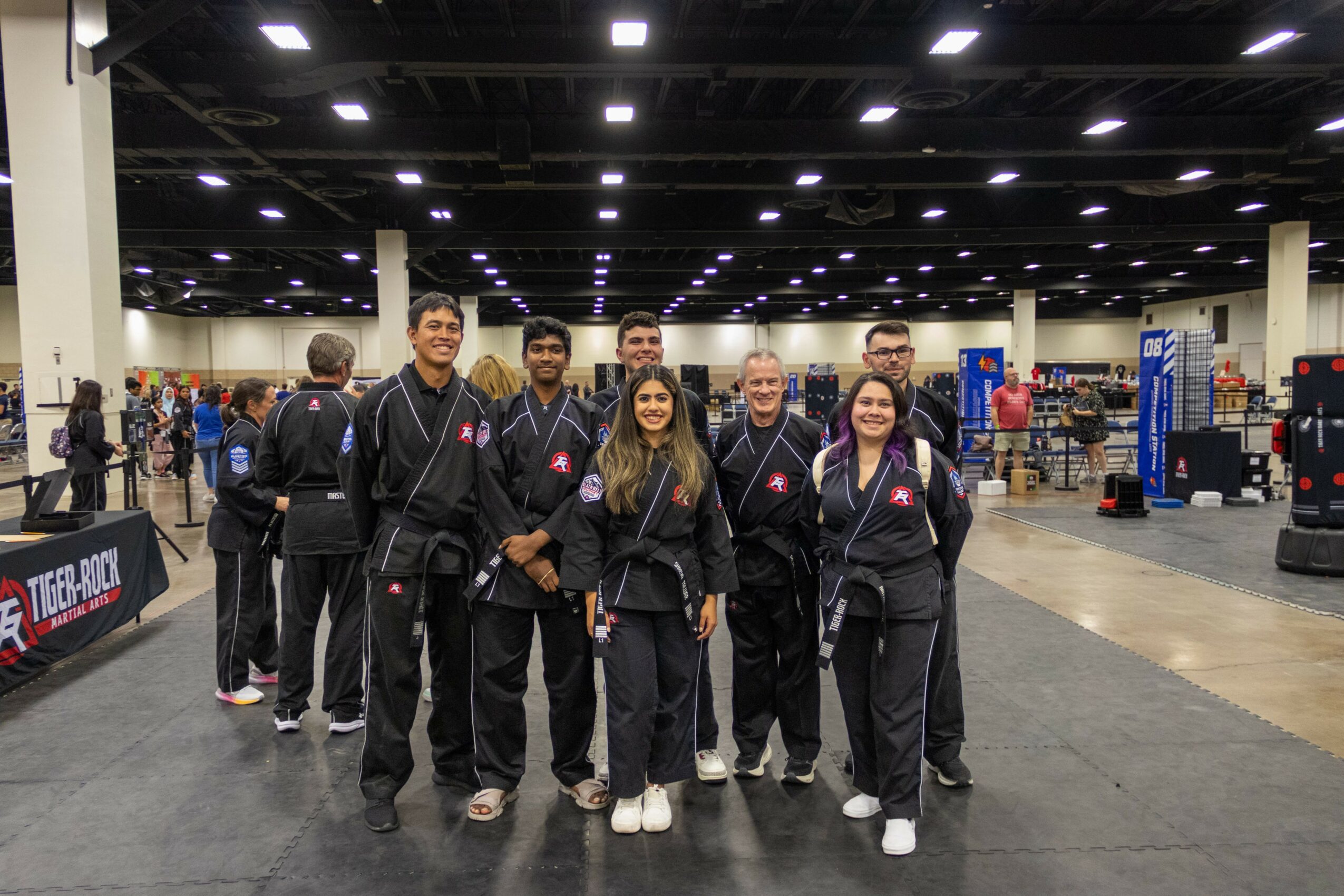
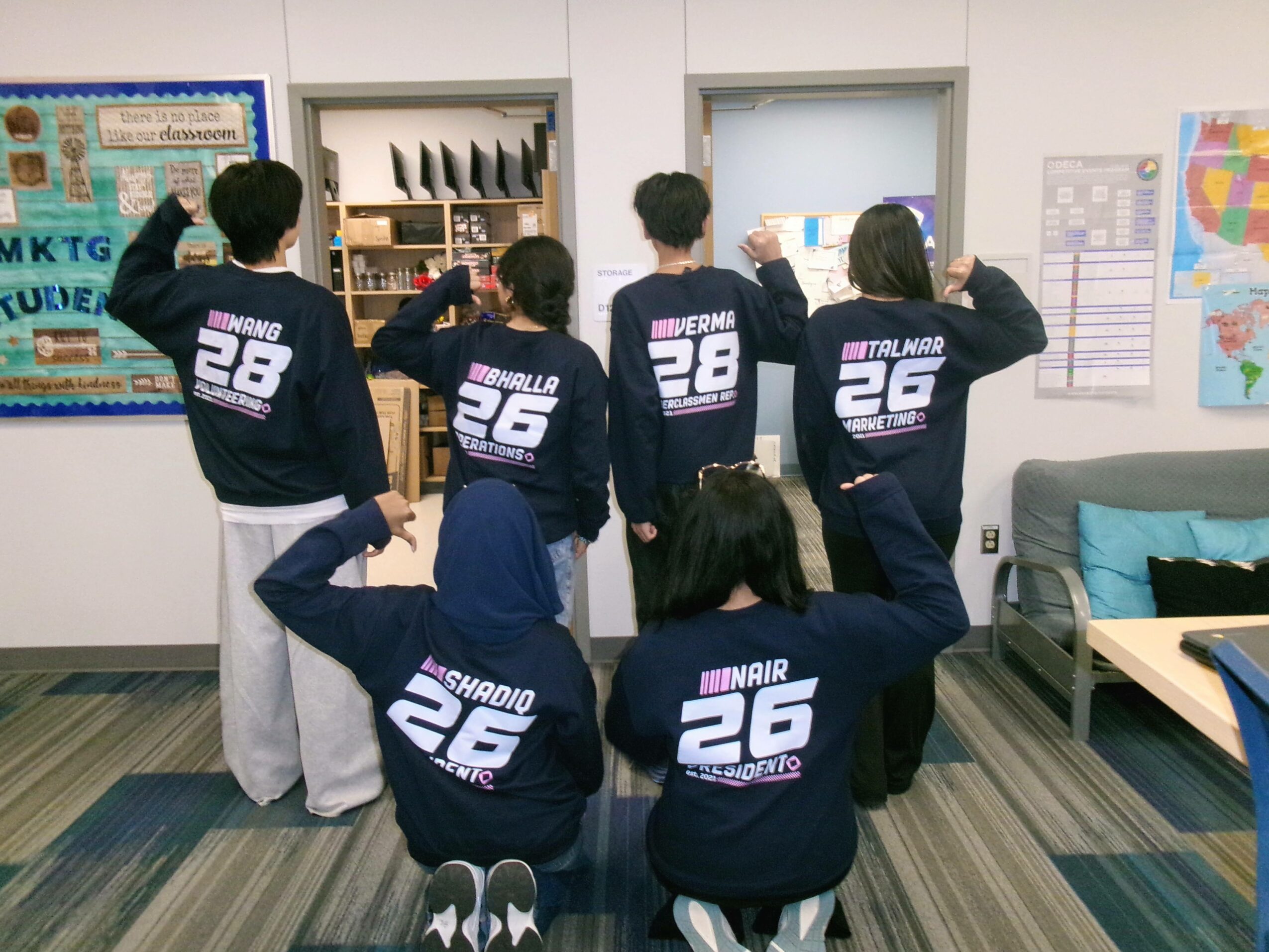
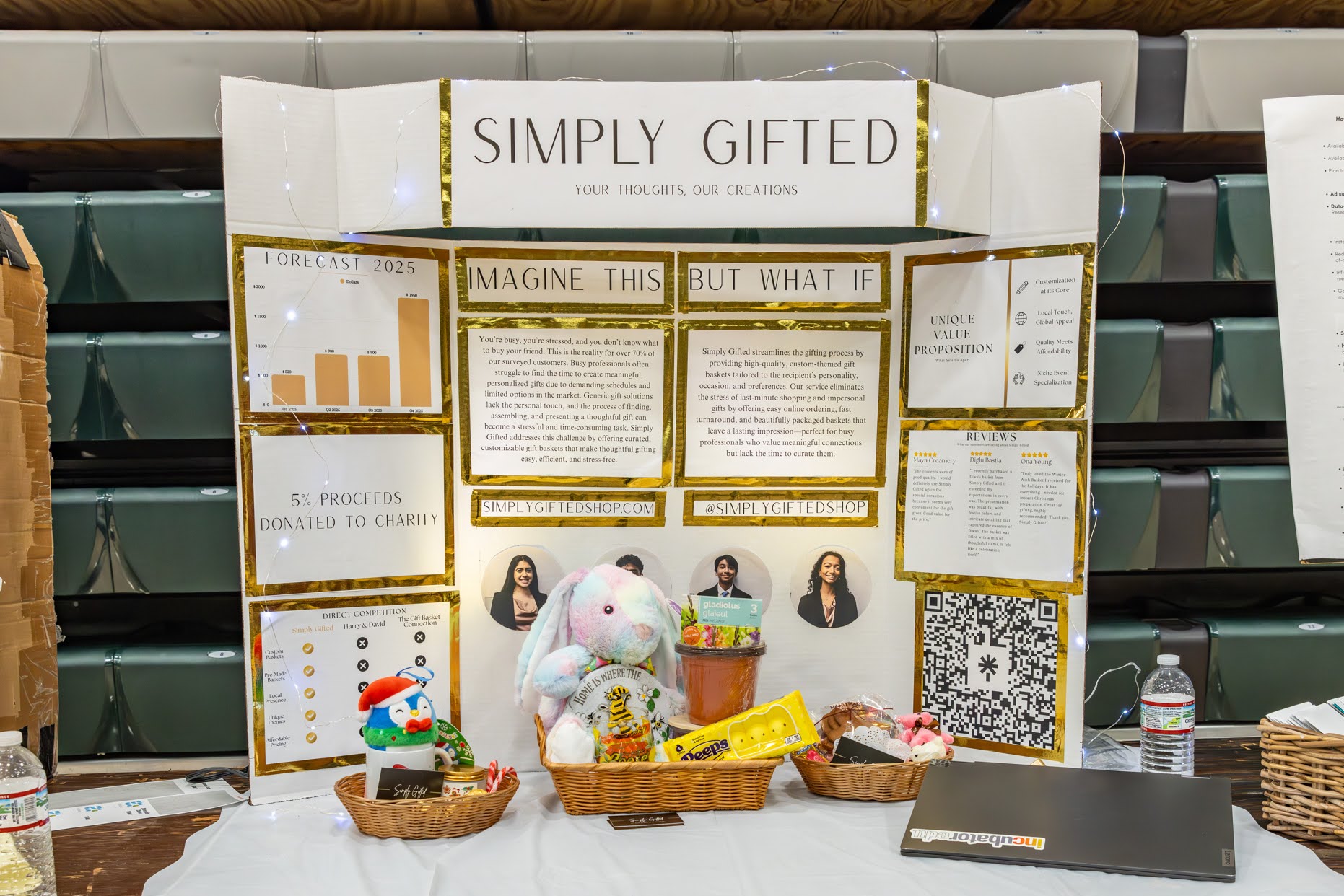

Image Credits
Gary Allyn Photography