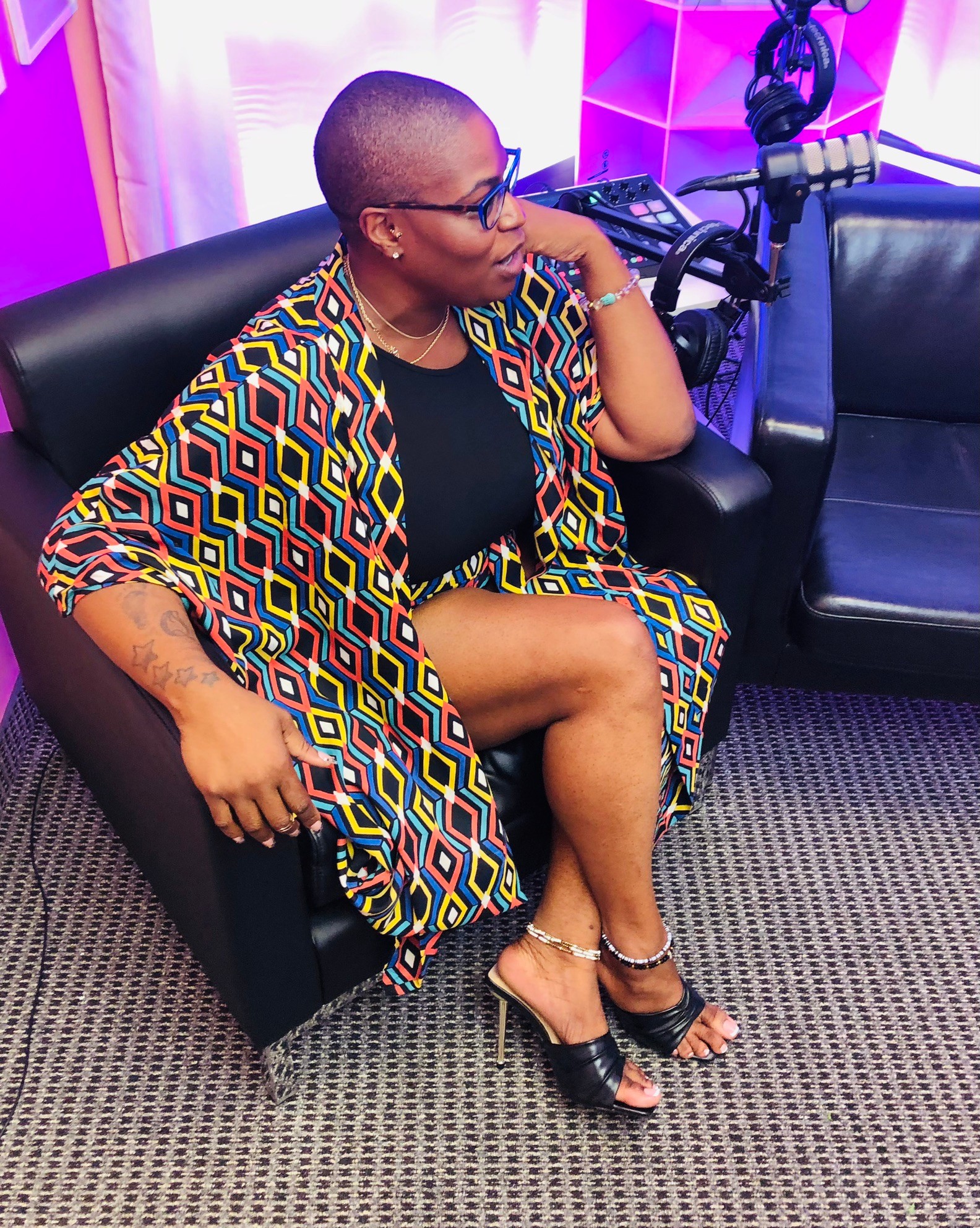






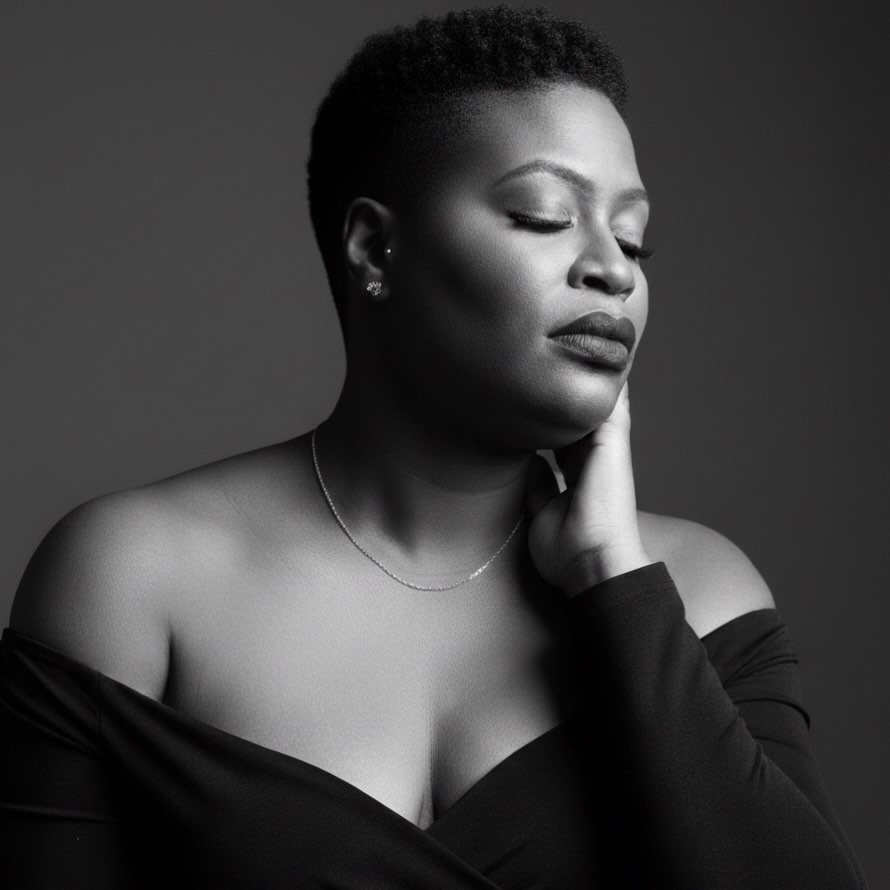
We recently had the chance to connect with Tamisha Ronee’ and have shared our conversation below.
Tamisha, it’s always a pleasure to learn from you and your journey. Let’s start with a bit of a warmup: What battle are you avoiding?
Being Seen. Not visibility in the surface-level sense, but truly being witnessed. Being known for my voice, my perspective, my leadership, and the depth of my work. I’m comfortable creating, building, supporting, and amplifying others, but when it comes time to step fully into the spotlight myself, that’s where the resistance shows up. Being seen requires vulnerability, consistency, and the willingness to be misunderstood. It means letting people have opinions before I feel “ready,” before everything feels perfectly packaged. The battle isn’t fear of failure as much as it’s fear of exposure. Of being seen clearly, without armor, without edits. Lately, I’ve realized that avoiding that battle has cost me momentum, opportunities, and rest. So I’m learning that being seen isn’t about ego or performance, it’s about honoring the work I’ve already done and allowing it to speak for itself. The real work now is choosing presence over protection and trusting that my visibility can serve more than just me.
Can you briefly introduce yourself and share what makes you or your brand unique?
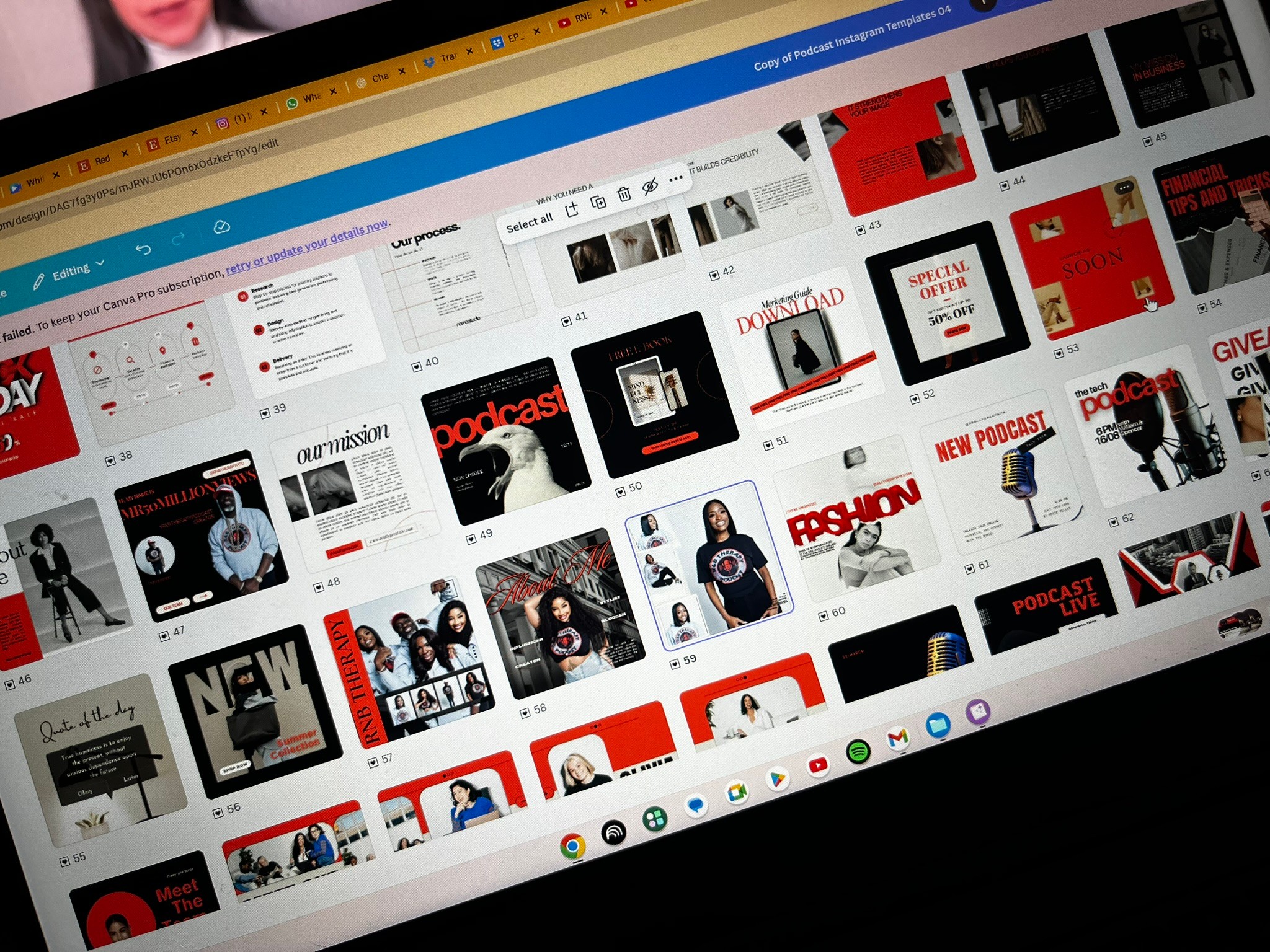
I’m a creative strategist, brand builder, and community-centered leader based in North Texas. At the core of everything I do is storytelling, not just how a brand looks, but how it lives, connects, and evolves. My work sits at the intersection of branding, creative direction, and intentional visibility, helping individuals and organizations clarify their voice and move with purpose rather than pressure.
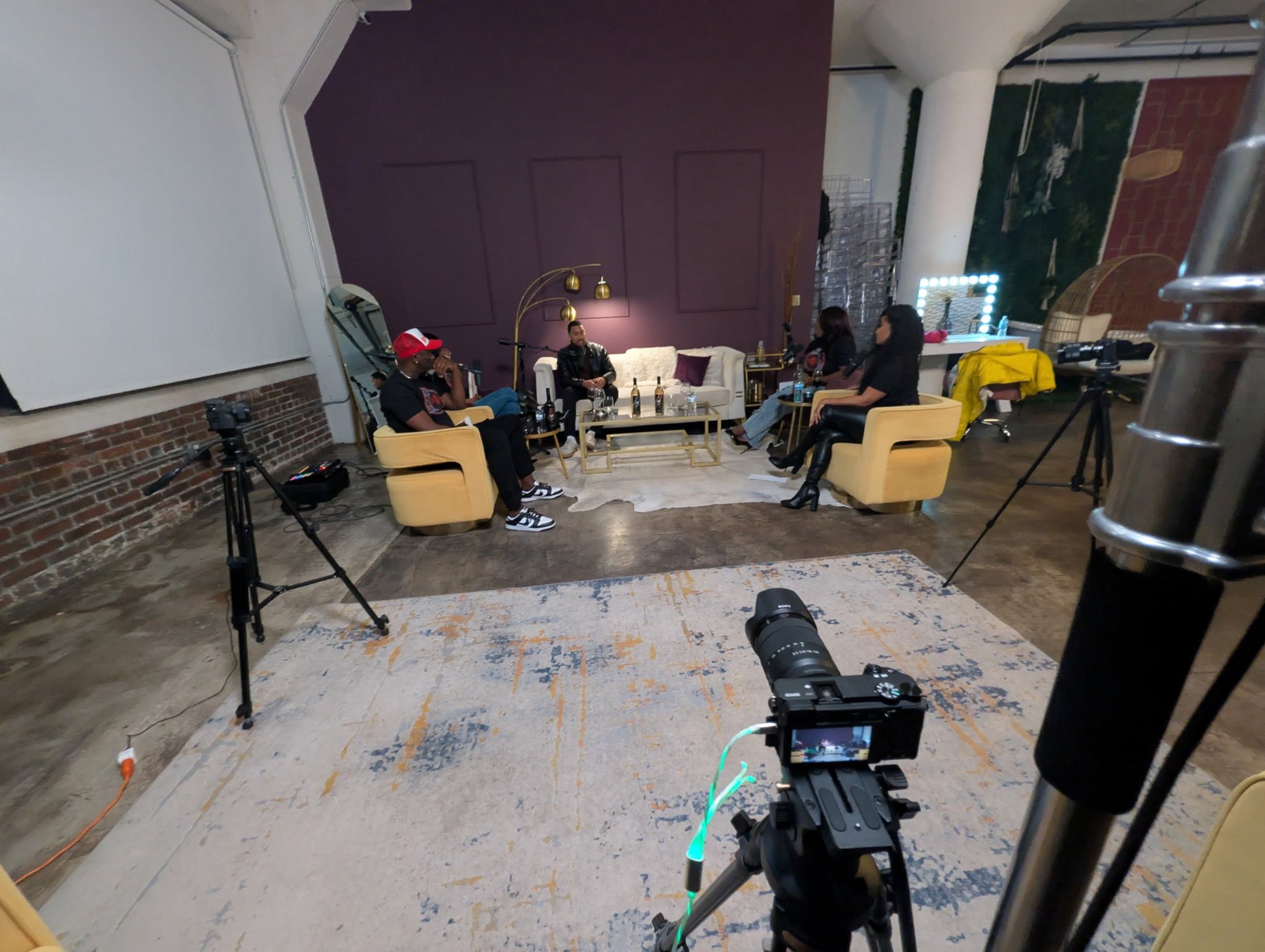
I’m the founder of Anchored Brand Management and currently serve as Creative Director for the RNB Therapy Podcast, where we explore real conversations around music, culture, healing, and lived experience. Across my work, I’m drawn to projects that feel honest, layered, and rooted in impact. I’ve spent years behind the scenes building systems, shaping narratives, and amplifying others, and now my focus is shifting toward leading more visibly while still staying grounded in service.
What makes my work unique is that it’s not driven by trends or performance. I care about sustainability, alignment, and legacy. I’m interested in how creativity, community, and self-trust intersect, especially for women navigating leadership, motherhood, and entrepreneurship. Everything I’m working on now reflects that evolution: deeper storytelling, more intentional platforms, and creating spaces where people feel seen, supported, and empowered to show up as they are, not as who they think they need to be.
Okay, so here’s a deep one: What part of you has served its purpose and must now be released?
The part of me that has served its purpose and now needs to be released is the version of myself that stays quiet to stay safe. The one that over-prepares, overthinks, and waits for permission before taking up space. That part was protective and necessary at one point. It helped me survive, navigate uncertainty, and show up responsibly for others. But it’s no longer aligned with where I’m headed.
Releasing it means letting go of the belief that I need to be fully ready, fully healed, or fully certain before I move forward. It means trusting my voice even when it’s still evolving and allowing myself to be visible without over-explaining or self-editing. I’m learning that growth now requires presence, not perfection, and that the next chapter of my work and leadership asks for courage, not containment.
What’s something you changed your mind about after failing hard?
One thing I changed my mind about after failing hard is the idea that effort alone guarantees results. For a long time, I believed that if I worked hard enough, stayed committed, and did things “the right way,” everything would eventually fall into place. Failure taught me that effort without alignment leads to burnout, not success.
I learned that saying yes to everything, pushing through exhaustion, and carrying responsibility alone isn’t noble, it’s unsustainable. Failing forced me to reassess how I define progress and success. I stopped measuring growth by how much I could endure and started paying attention to how supported, focused, and grounded I felt while building.
That shift changed how I work, how I lead, and how I choose opportunities. Now I value clarity over hustle and alignment over approval. Failure didn’t make me quit. It taught me to move differently, with more intention and far less self-abandonment.
Alright, so if you are open to it, let’s explore some philosophical questions that touch on your values and worldview. What’s a cultural value you protect at all costs?
A cultural value I protect at all costs is authenticity without performance. I believe in showing up as yourself without having to exaggerate, over-explain, or dilute your truth to be accepted. In a culture that rewards visibility over substance and speed over integrity, I’m intentional about protecting depth, honesty, and respect for lived experience.
That value shows up in how I build, collaborate, and lead. I’m mindful of who I work with, how stories are told, and whether people feel seen rather than used. I don’t believe in exploiting culture for aesthetics or trends. Culture is memory, language, music, and community, and it deserves care.
Protecting that value means choosing integrity even when it costs reach or convenience. It means slowing down when something feels misaligned and creating spaces where people don’t have to perform or conform to belong. For me, authenticity isn’t about being loud. It’s about being real, rooted, and responsible with the influence you’re given.
Okay, so before we go, let’s tackle one more area. What do you think people will most misunderstand about your legacy?
I think people may misunderstand my legacy as being about productivity or output, when it’s really about presence and impact. From the outside, it might look like I’m always building, supporting, or holding things together, but the deeper intention has never been about doing more. It’s been about creating spaces where people feel seen, supported, and empowered to trust their own voice.
Another thing that may be misunderstood is my quietness. I’m not always the loudest in the room, and I’ve spent a lot of time working behind the scenes. That can be mistaken for hesitation or smallness, when in reality it’s been intentional stewardship. I’ve been observing, learning, and building with care.
If there’s a legacy I hope holds true, it’s that I led with integrity, depth, and responsibility. That I didn’t chase visibility for its own sake, but used it thoughtfully. And that the work I touched left people more grounded, more confident, and more connected to themselves than before.
Contact Info:
- Website: https://www.loveandlifestylemag.com/
- Instagram: Iamtamisharonee
- Youtube: RNB Therapy Podcast