





Today we’d like to introduce you to Gaia Elisa Rossi.
Hi Gaia Elisa, thanks for joining us today. We’d love for you to start by introducing yourself.
I got into magic because my parents are amateur magicians. Growing up, I’d watch them rehearse in our living room and tag along to their shows — I was completely mesmerised by what they did. My father wanted me to become a dancer, since he’d studied ballet; my mother wanted me to become an actress, since she’d studied theatre. But I told them I wanted to be a magician, just like them.
I started by attending a magic school in my hometown of Turin (Italy), and at thirteen I won the Italian Magic Championships — becoming the youngest person ever to do so, and the only woman.
That win opened the door to touring first across Italy, then throughout Europe, and beyond, bringing magic to audiences in theatres. It ultimately led me to be a finalist at the World Magic Championships, twice.
Alongside my performing career, I discovered psychology — and earned both a Bachelor’s and a Master’s degree in Clinical Psychology.
Today, I work on both sides. On one hand, I’m a licensed clinical psychologist; on the other, I’m a magician — and I often try to bring the two worlds together in ways that feel original.
Would you say it’s been a smooth road, and if not what are some of the biggest challenges you’ve faced along the way?
In the beginning, getting into magic felt simple, almost natural. I’d grown up watching my parents perform and rehearse, so magic had always been part of my life. Magic felt like breathing: I could’t have been without it.
The difficulties came later, as I grew up and began to realise how few female magicians there were. I felt different. For the most part, even as a young girl — often the only one in a room full of boys — I was welcomed and accepted. But as I moved into professional contexts, being a woman was a more complicated thing. In some settings, it opened doors: a woman magician was seen as something unusual, something striking. In others, it closed them. There were expectations about how I should dress, how I should present myself — while all I wanted was to perform magic on my own terms, giving priority to what I had to say and the value I brought to my audiences, not just to how I looked. I simply wanted to be seen as a person who does magic, not as a female who does magic.
By 2026, more women are finding their way into the world of magic — though we’re still a clear minority compared to men. It’s something I find meaningful: sharing experiences with the other female magicians I’ve met around the world, talking about what we navigate, and working together toward being recognised in a field that remains predominantly male.
In a project I’m involved in through a company called Vanishing Inc Magic, which offers scholarships to young magicians to attend magic conventions, it’s really wonderful to see the number of girls participating in these programmes growing. It means so much to be able to talk with them, try to make them feel less alone, answer their questions about the magic world, and try to be a support so that their passion isn’t held back by the fact that they’re female — it would have meant the world to me, as a little girl, to have had a few girl magician friends to share that journey with.
A 50/50 split between male and female magicians may be hard to imagine, but it’s worth building toward — in the work we create, in the conversations we have, in the audiences we speak to. In the end, what matters isn’t your gender. It’s the message you bring to your audience.
Alright, so let’s switch gears a bit and talk business. What should we know about your work?
Right now I work both as a magician and as a psychologist, and I’m constantly looking for ways to bring the two together.
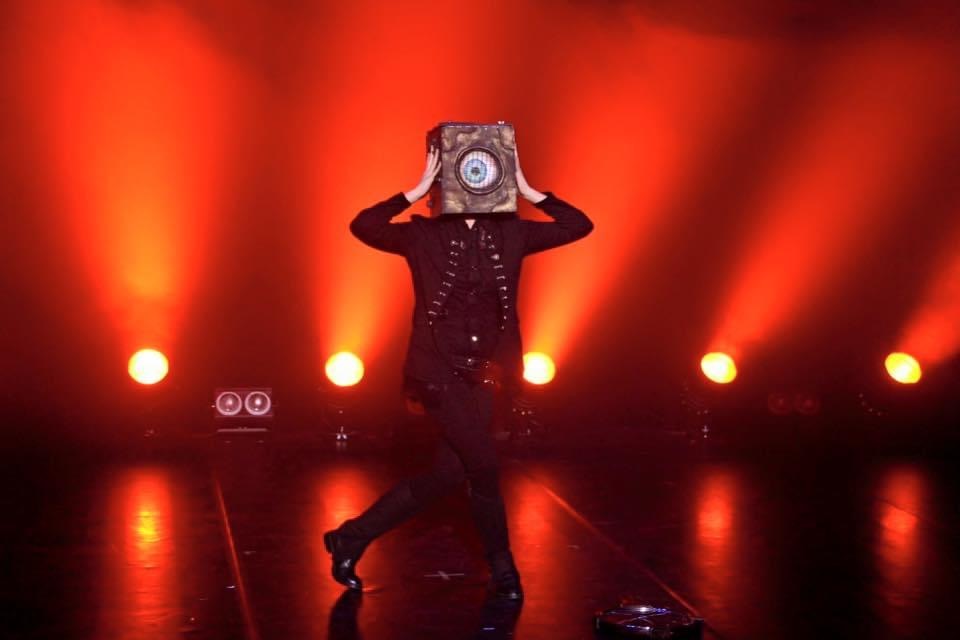
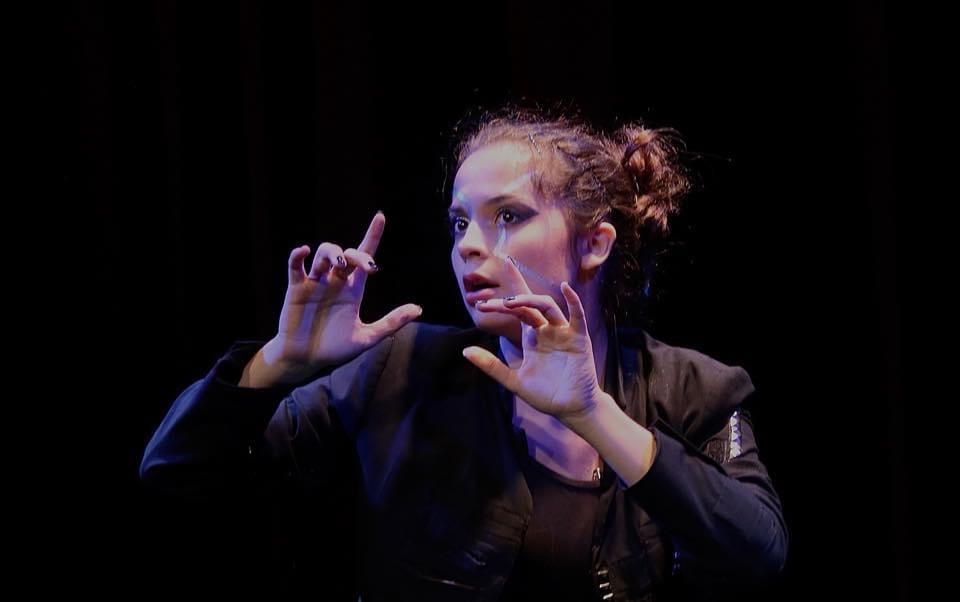
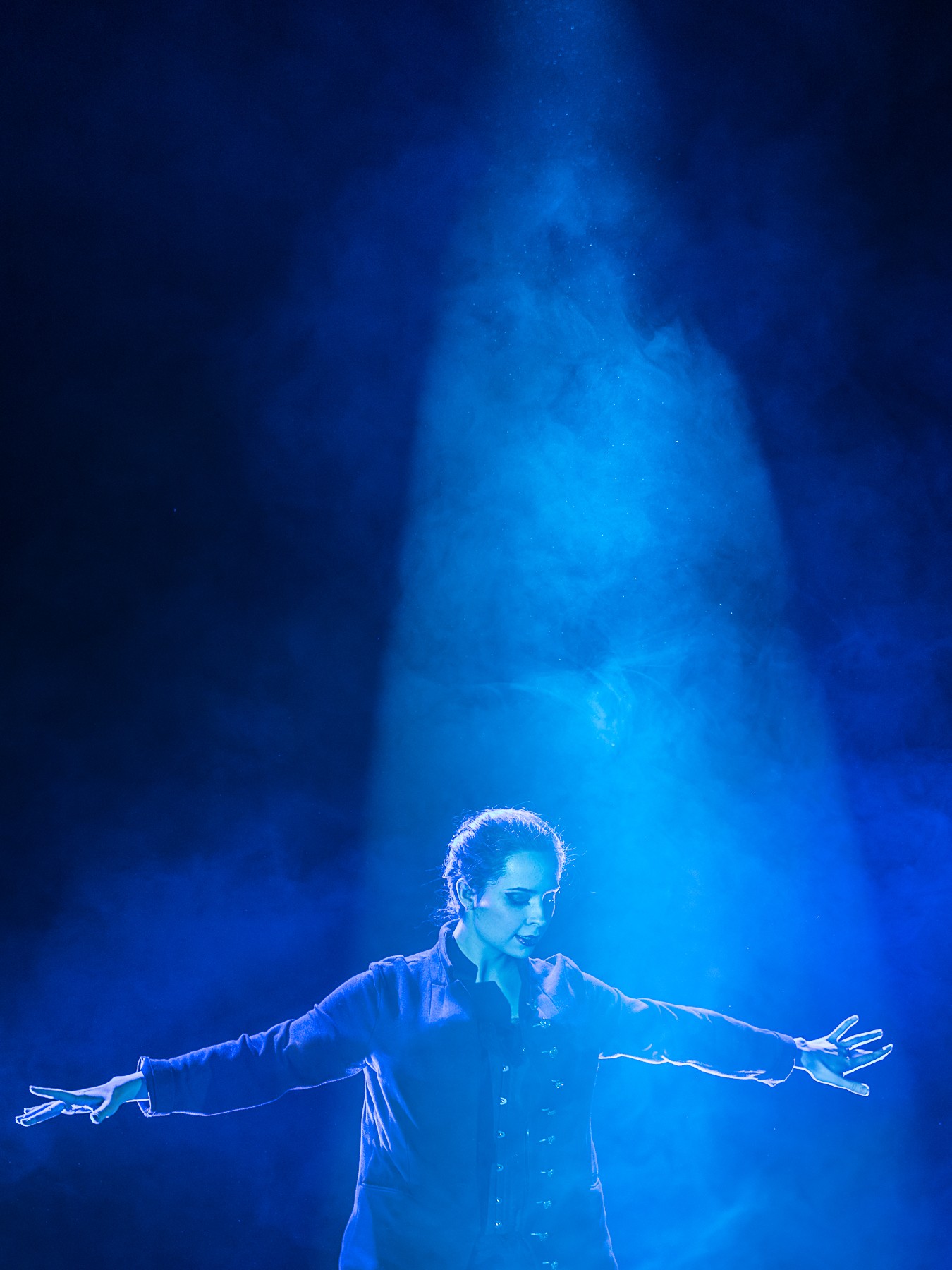
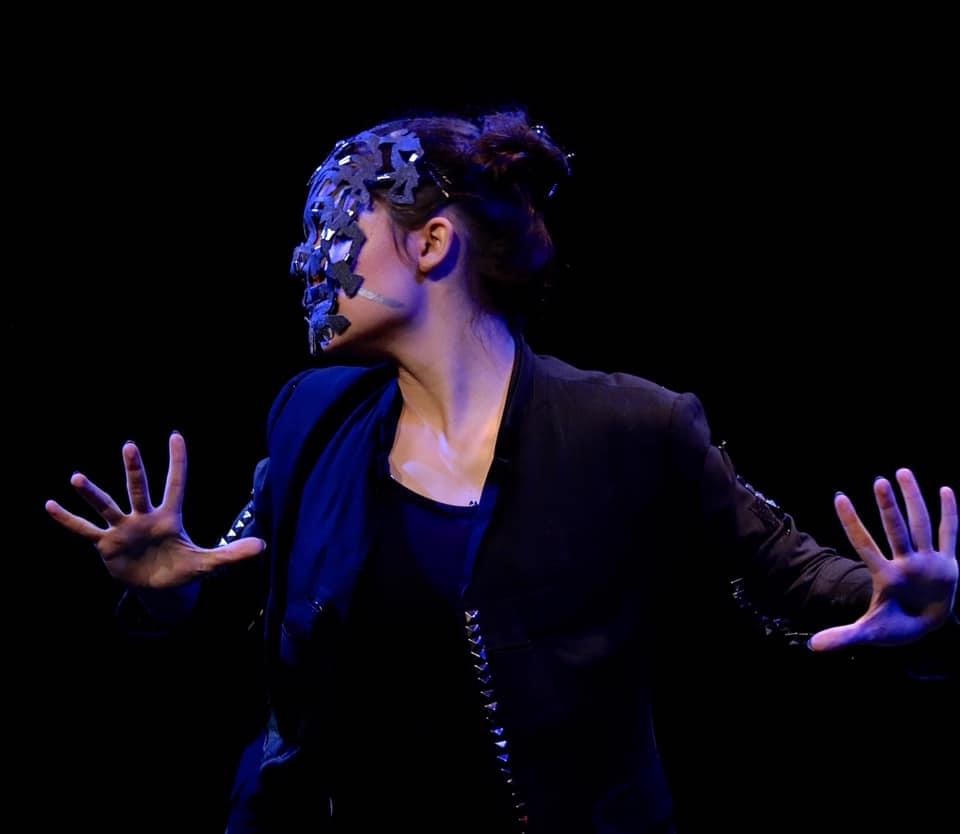
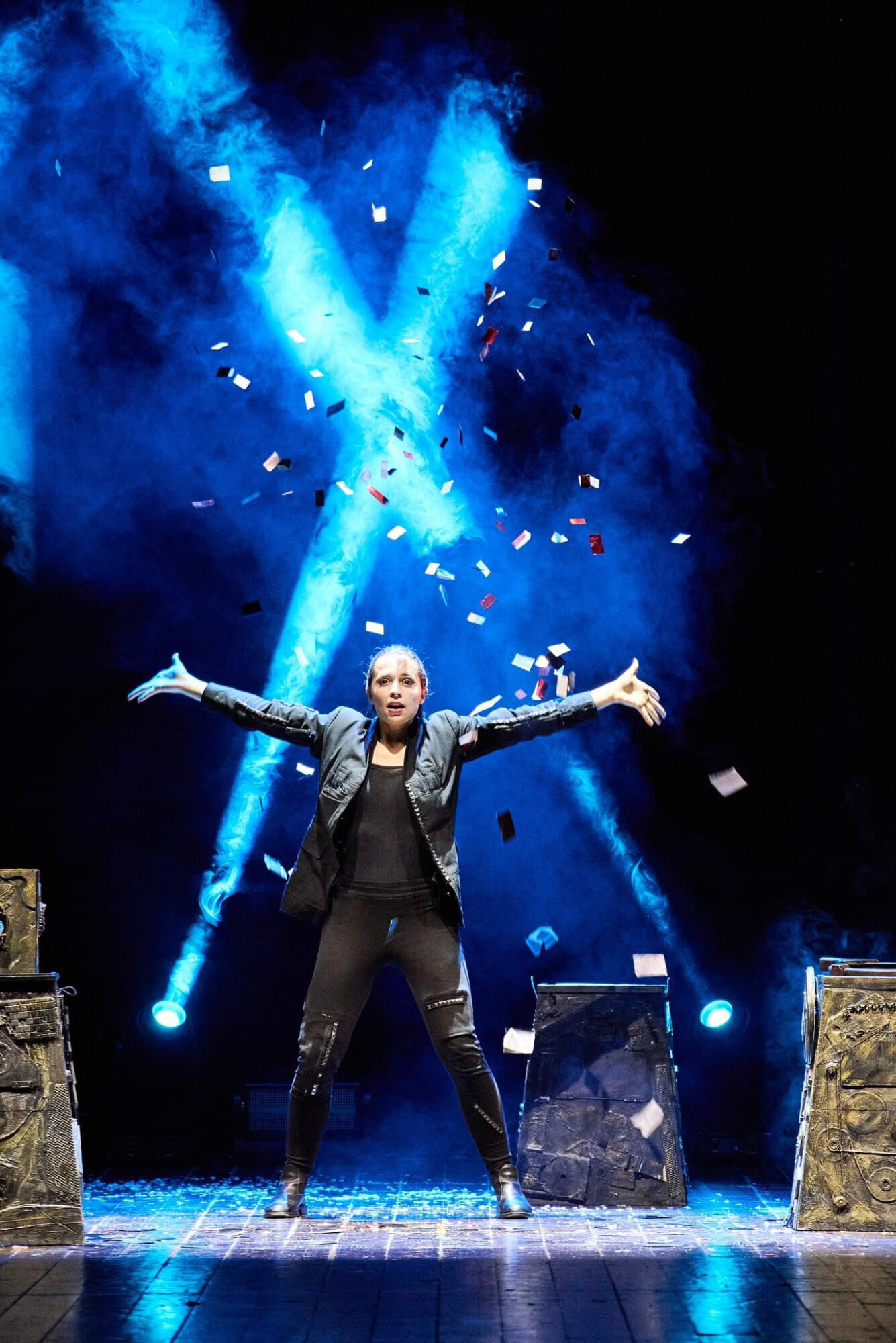
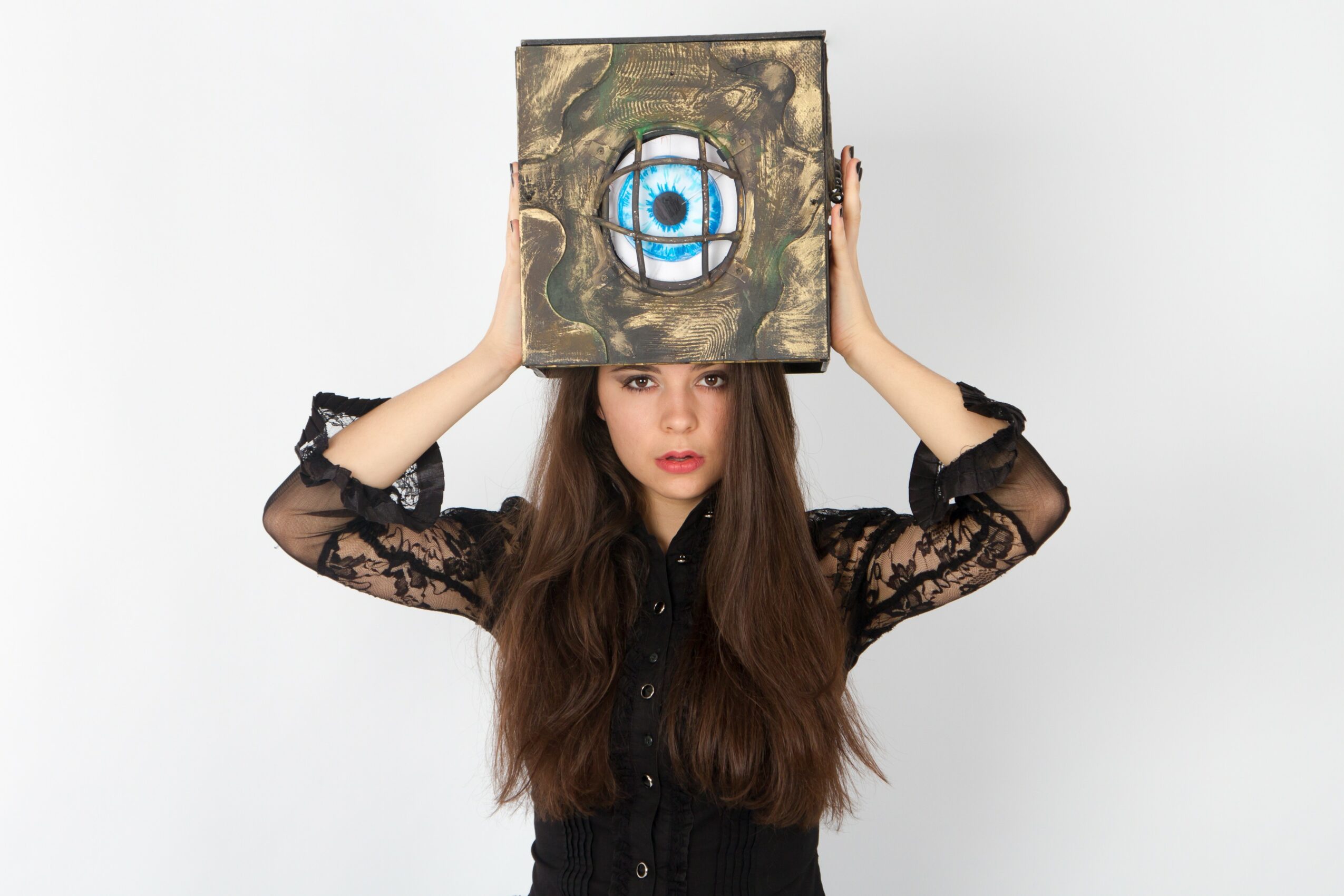
As a performer, my stage work weaves together the different arts I’ve been learning since childhood: I blend magic with dancing and theatre. That combination is where I feel most at home — it’s what allows me to communicate my message to the audience. My magic tends to be surreal and visual: something that aims to feel like watching a movie happening on stage.
As a psychologist, I work in clinical settings and am currently training to become a psychotherapist.
Alongside both of these, I’ve been finding points of connection between the two worlds in various ways. I’ve been writing for One Ahead, a newsletter read by magicians worldwide, where I write on the topics of performance psychology and how psychological principles can enhance one’s magic. I also lecture on these themes at magic clubs and conventions around the world.
More recently, I’ve launched a project inside a prison in Turin that brings together clinical psychology and magic as tools for behavioural, social, and emotional rehabilitation. It’s something I’ve been developing for some time, have only just brought to life, and hope to continue enhancing. It is a unique project, I’m looking forward to seeing where it leads.
In the near future, I’ll be touring Italy for two years in a theatrical production alongside a well-known Italian comedian. What makes it distinctive — and what hasn’t really been done in Italy before — is the way magic is embedded directly into the storyline. I’ll be playing a fully-fledged character, and the magic will serve the narrative rather than interrupt it. It feels like an exciting way to bring magic to a wider audience.
Further ahead, I see myself continuing to inhabit both worlds: magician and psychologist, finding ever-new ways for them to intersect. I don’t feel complete without either one — and it’s precisely the combination that creates something genuinely its own.
What do you like and dislike about the city?
I live in Turin, Italy 🙂
Contact Info:
- Website: https://www.gaiaelisarossi.com
- Instagram: https://www.instagram.com/gaiaelisarossi/
- Facebook: https://www.facebook.com/share/1bVzNUn1A6/?mibextid=wwXIfr