





Today we’d like to introduce you to Isha Hutchinson.
Hi Isha, can you start by introducing yourself? We’d love to learn more about how you got to where you are today?
I didn’t start out trying to build a brand or a movement. I started by showing up.
My background is a mix of performance, structure, and leadership. I grew up immersed in the arts, musicals, plays, sports, so being on my feet and in front of people always felt natural. Later, my professional life took me into corporate environments where precision, risk management, and accountability mattered. That contrast shaped how I think: creativity backed by discipline.
Dance re-entered my life as something grounding and communal, not commercial. What stood out to me was how powerful soul line dancing was as a connector, across age, background, and experience, but also how often it lacked structure, sustainability, and intention. I saw people pouring energy into it without a system that truly supported growth, wellness, or longevity.
That gap is where 410 Line Dancers was born.
What began as classes turned into a company, then a community, and eventually a platform. Along the way, we built nationally recognized programs, events, and educational spaces, not by chasing visibility, but by focusing on quality, consistency, and care. We treated dancers like stakeholders, not spectators.
Today, I’m at a place where my work blends movement, leadership, and purpose. Whether through dance, wellness, or storytelling, the goal has stayed the same: create spaces where people feel seen, challenged, and empowered—and build something that lasts beyond me.
Can you talk to us a bit about the challenges and lessons you’ve learned along the way. Looking back would you say it’s been easy or smooth in retrospect?
No, definitely not smooth. And I don’t think it’s supposed to be.
One of the biggest challenges was learning that passion alone isn’t enough. Early on, I saw how quickly creativity can burn people out when there’s no structure, clear boundaries, or shared accountability. I had to learn, sometimes the hard way, how to lead without overextending, how to protect the vision without controlling everything, and how to make decisions that weren’t always popular but were necessary.
Another struggle was navigating visibility. As things grew, so did opinions, projections, and expectations, some supportive, some critical. I had to get comfortable being misunderstood and stop measuring progress by approval. That shift was uncomfortable but essential.
There were also practical challenges: building systems from scratch, balancing this work alongside a demanding professional career, and staying financially responsible while still taking creative risks.
What carried me through wasn’t avoiding struggle, it was learning from it. Each setback clarified what mattered, strengthened the foundation, and forced me to lead with more intention. The road hasn’t been smooth, but it’s been honest—and that’s what made the growth sustainable.
Alright, so let’s switch gears a bit and talk business. What should we know about your work?
At the core, my work is about building systems that help people thrive through movement, structure, and community.
I lead 410 Line Dancers, a nationally recognized soul line dancing company and platform. We teach, create, and curate experiences that center wellness, accessibility, and excellence. That includes weekly instruction, large-scale events, educational programs, and partnerships that bring dance into spaces where people may not always see themselves represented.
What I specialize in is intentional growth. I focus not just on teaching steps, but on creating environments where people feel safe to learn, improve, and stay. I’m known for blending creativity with structure and for treating dance with the same professionalism, planning, and accountability expected in any serious organization.
What I’m most proud of isn’t visibility or recognition. It’s the culture we’ve built and the longevity of the community. People return because they feel supported, challenged, and valued. We’ve created programs that recognize consistency, discipline, and leadership, not just talent.
What sets me apart is that I don’t separate art from responsibility. I approach creative work with a builder’s mindset, with clear standards, thoughtful systems, and respect for the people involved. The goal has never been to be the loudest voice in the room. It has always been to build something sustainable, meaningful, and bigger than any one person.
What sort of changes are you expecting over the next 5-10 years?
Over the next five to ten years, I see the line dancing world continuing to mature and professionalize. What was once treated largely as a casual or social activity is evolving into something more intentional, with clearer standards, stronger leadership, and a greater focus on sustainability. People are looking for experiences that are well run, thoughtfully taught, and built to last.
Another major shift is the growing connection between dance and wellness. Line dancing is increasingly being recognized not just as entertainment, but as a meaningful form of movement that supports physical health, mental well-being, and social connection. Programs that prioritize safety, inclusivity, and long-term participation will become more relevant than those focused only on performance or popularity.
Technology will also continue to shape the space. Digital classes, hybrid events, and online communities are no longer temporary solutions. When used well, they extend access, support consistency, and help people stay connected beyond a single class or event. The key will be using technology to strengthen real relationships, not replace them.
Ultimately, the biggest changes won’t be about doing more, but about doing better. The future of the industry depends on how seriously we take our responsibility as teachers, leaders, and community builders, and how intentionally we design spaces that support growth, respect, and longevity.
Pricing:
- Weekly Classes: Generally range from $10–$20 per class, with discounted monthly packages available.
- Workshops & Special Sessions: Custom pricing
- Private Events & Corporate Programs: Custom pricing
- Large-Scale Events & Conferences: Registration fees vary,
Contact Info:
- Website: https://www.410linedancers.com/
- Instagram: https://www.instagram.com/410linedancers/?hl=en
- Facebook: https://www.facebook.com/p/410-Line-Dancers-Dallas-TX-61558464020636/
- LinkedIn: https://www.linkedin.com/company/410linedancers/
- Twitter: https://x.com/410linedancers
- Youtube: https://www.youtube.com/c/410LineDancers
- Yelp: https://www.yelp.com/biz/410-line-dancers-carrollton-3
- Other: https://www.lemon8-app.com/@410linedancers?region=us
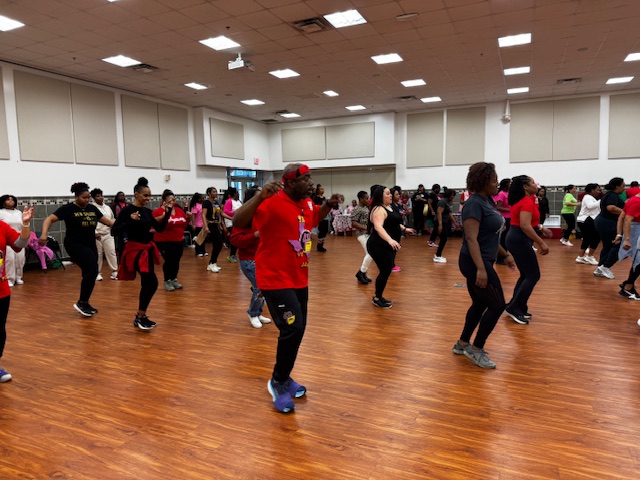
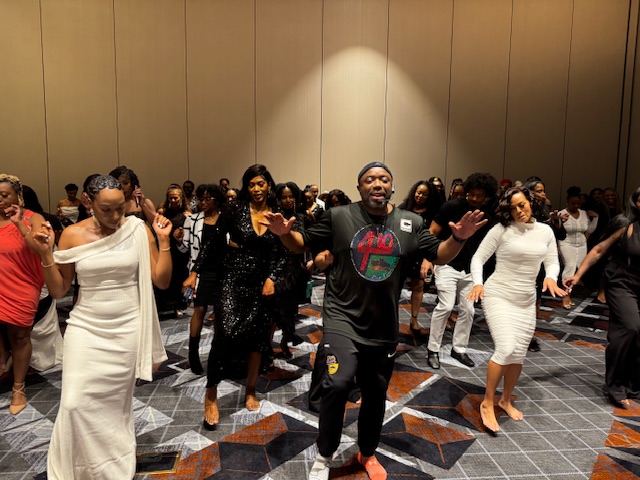
Image Credits
I am the owner of these photos