






Today we’d like to introduce you to Jennifer.
Hi Jennifer, thanks for joining us today. We’d love for you to start by introducing yourself.
I began my teaching career in inner-city schools, full of excitement and eager to make a difference. But I quickly discovered the realities many of our students faced. Poverty, language barriers, and limited access to resources created challenges that extended far beyond the classroom. Too often, children with tremendous potential were overlooked—not because they lacked ability, but because they needed someone to recognize what they were capable of becoming. I remember one third-grade student who stood nearly as tall as I did. I soon learned that he was repeating third grade for the third time. I could not help but wonder, How had this child fallen so far behind, and what would his future look like if no one intervened?
As a Hispanic educator, I felt a deep connection to the students and families I served. I wanted our children to succeed, and I believed they deserved every opportunity to do so. I advocated for that third-grade student, worked to connect him with the support he needed, and helped ensure he was placed in the appropriate grade. But the experience also challenged me to ask a larger question: *What would it take to create a classroom where students did not have to wait until they were falling behind to receive what they needed?*
By my second year of teaching, I had achieved one of the highest Classroom Effectiveness Indices (CEIs) in the district. My students entered the year with reading levels as low as kindergarten. By the end of the year, every student passed the state assessment, and more than half achieved exemplary status.
People often ask how we (the students and I) accomplished that.
The answer was not a secret program or a single strategy. It began with a decision: ‘I would not lower my expectations of my students. I would raise the level of support I provided to help them meet those expectations.’
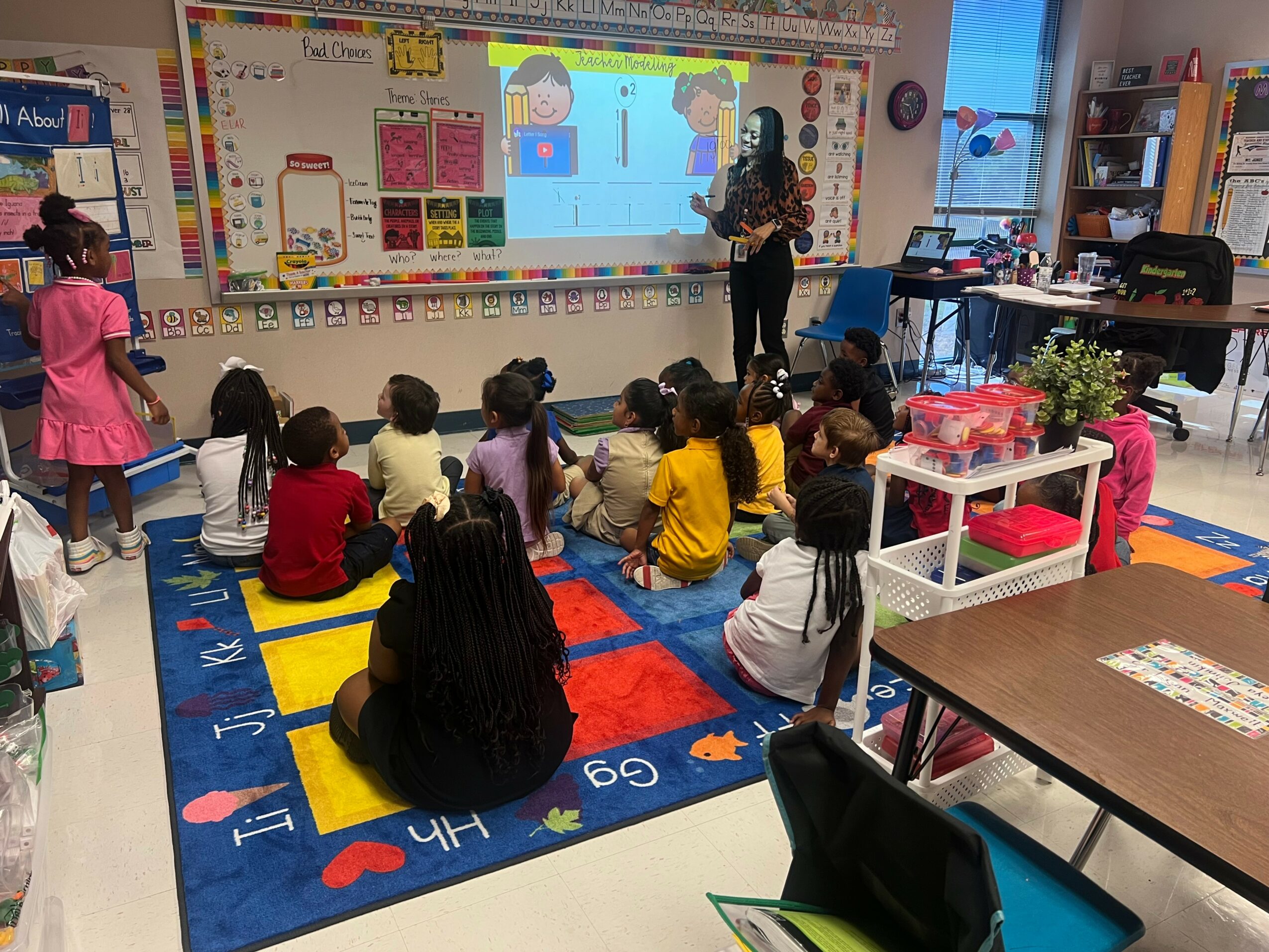
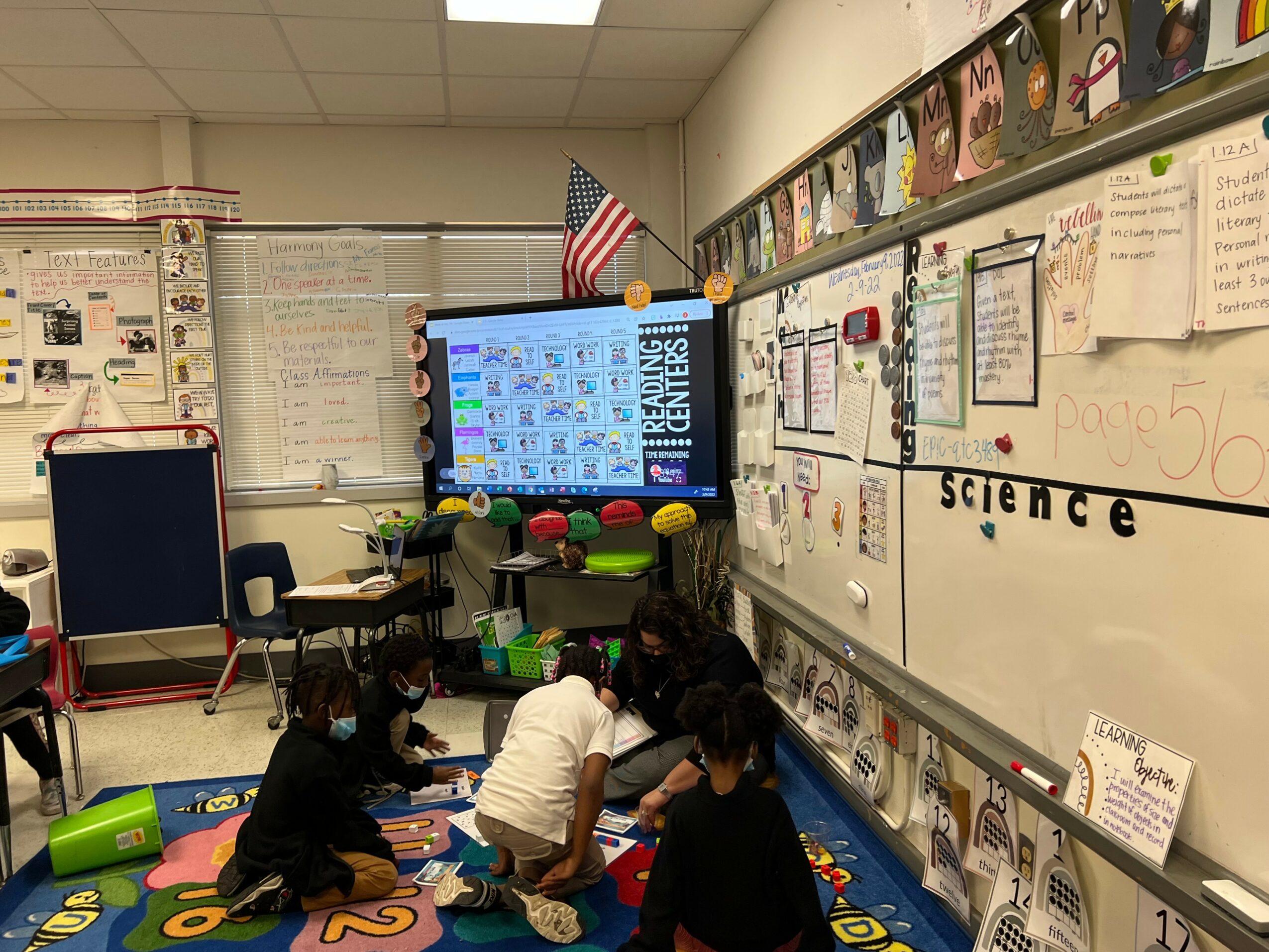
I believed in their ability to succeed, but belief alone was not enough. I had to be intentional. I used data to understand where each student was, identify gaps, and determine the next steps in their learning. Every minute of instruction mattered. Every lesson had a purpose. Every student needed a pathway to success.
I also wanted my students to understand that learning was something they could take ownership of. I created a classroom environment that encouraged self-regulated learning, where students learned to set goals, monitor their progress, and recognize what they needed to do next. They were not simply completing assignments; they were becoming active participants in their own growth.
That experience shaped the educator—and eventually the leader—I would become.
As my career progressed, I became a teacher leader, training campus and district leaders on how to develop self-regulated learners. I wanted educators to see the power of helping students become strategic thinkers: children who could set meaningful goals, monitor their own progress, and take purposeful action to achieve them.
I later became an assistant principal and eventually had the privilege of leading my own campus as principal. With each new role, my perspective expanded, but my purpose remained the same. I wanted to create the kind of school experience I would want for my own child.
At the time, my daughter attended a private pre-K program down the road because the eligibility requirements for our federally funded pre-K program did not allow me to enroll her at my campus. Seeing the opportunities available to her made me think deeply about the students I served. I wanted them to have access to an academic experience that was just as enriching—if not better.
Why shouldn’t every child have opportunities to explore science, develop leadership skills, experience the arts, and discover talents they may not yet know they possess? Why couldn’t they wear fancy uniforms that made them feel proud to belong to their school? I wanted our students to experience the same sense of pride, possibility, and opportunity that I saw in other educational settings. Their circumstances should never determine the quality of their school experience.
We began turning that vision into reality through partnerships with our community. Together, we developed student leadership programs, mentorship opportunities, STEM clubs, a learning garden, and community events that brought experiences such as a planetarium, the Perot Museum, and even an airplane–directly to our campus. These opportunities were about more than enrichment. They were about helping students discover new interests, build confidence, and see a world of possibilities beyond what they had previously imagined.
Before I left the campus, we had achieved one of the highest School Effectiveness Indices in the district. I was proud of the academic results, but I was equally proud of the environment we had created: a school where high expectations and meaningful opportunities went hand in hand.
After serving as a principal, I had the opportunity to work at an educational service center, where I supported campus and district leaders in implementing research-based practices designed to improve student outcomes. This work allowed me to extend my impact beyond a single school and partner with leaders across multiple districts.
I saw firsthand how the right systems, aligned with strong instructional practices, could lead to meaningful improvement—including increases in district accountability letter grades. But I also learned that lasting improvement does not come from a one-size-fits-all solution.
It begins by meeting a district where it is.
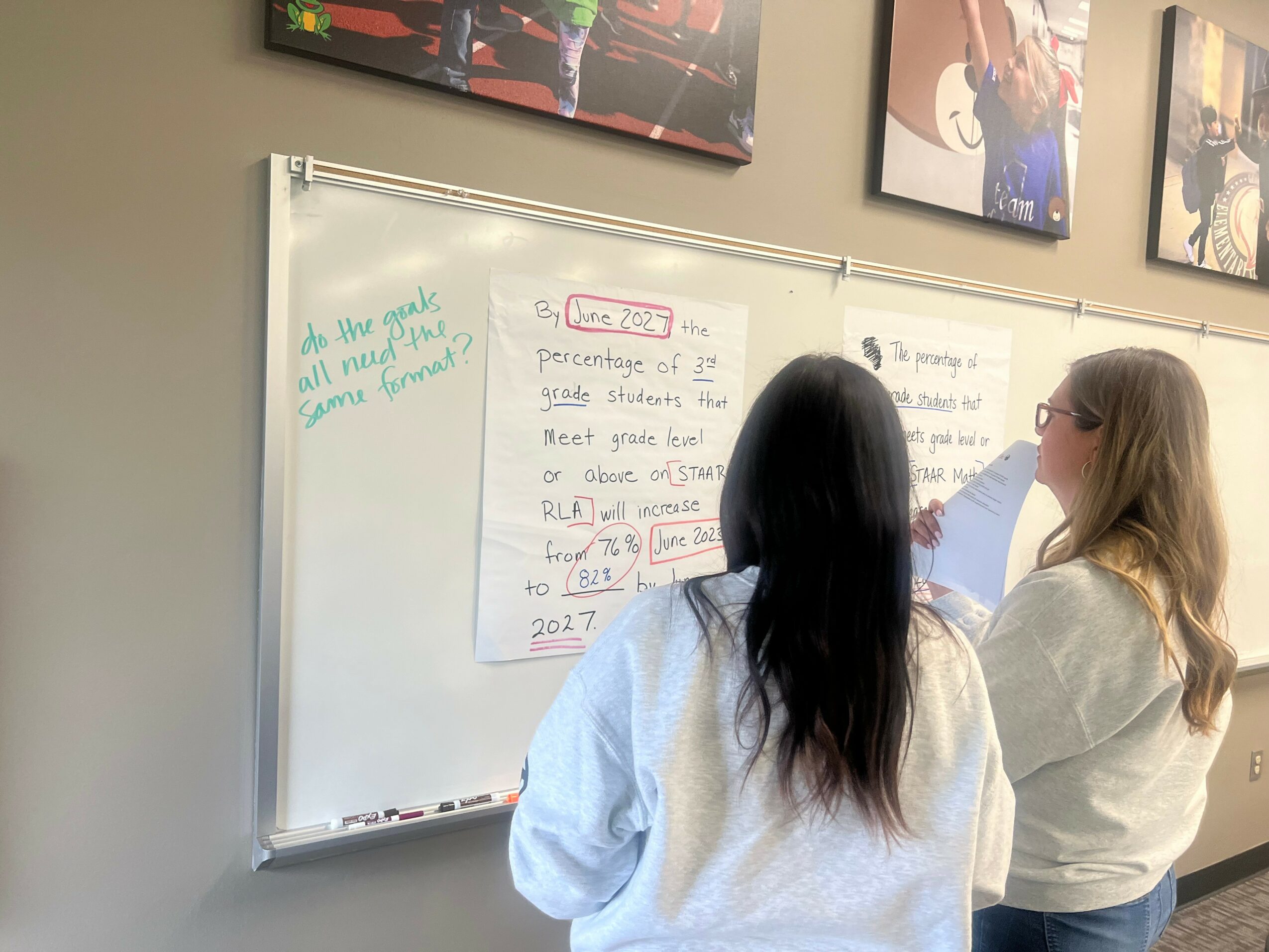
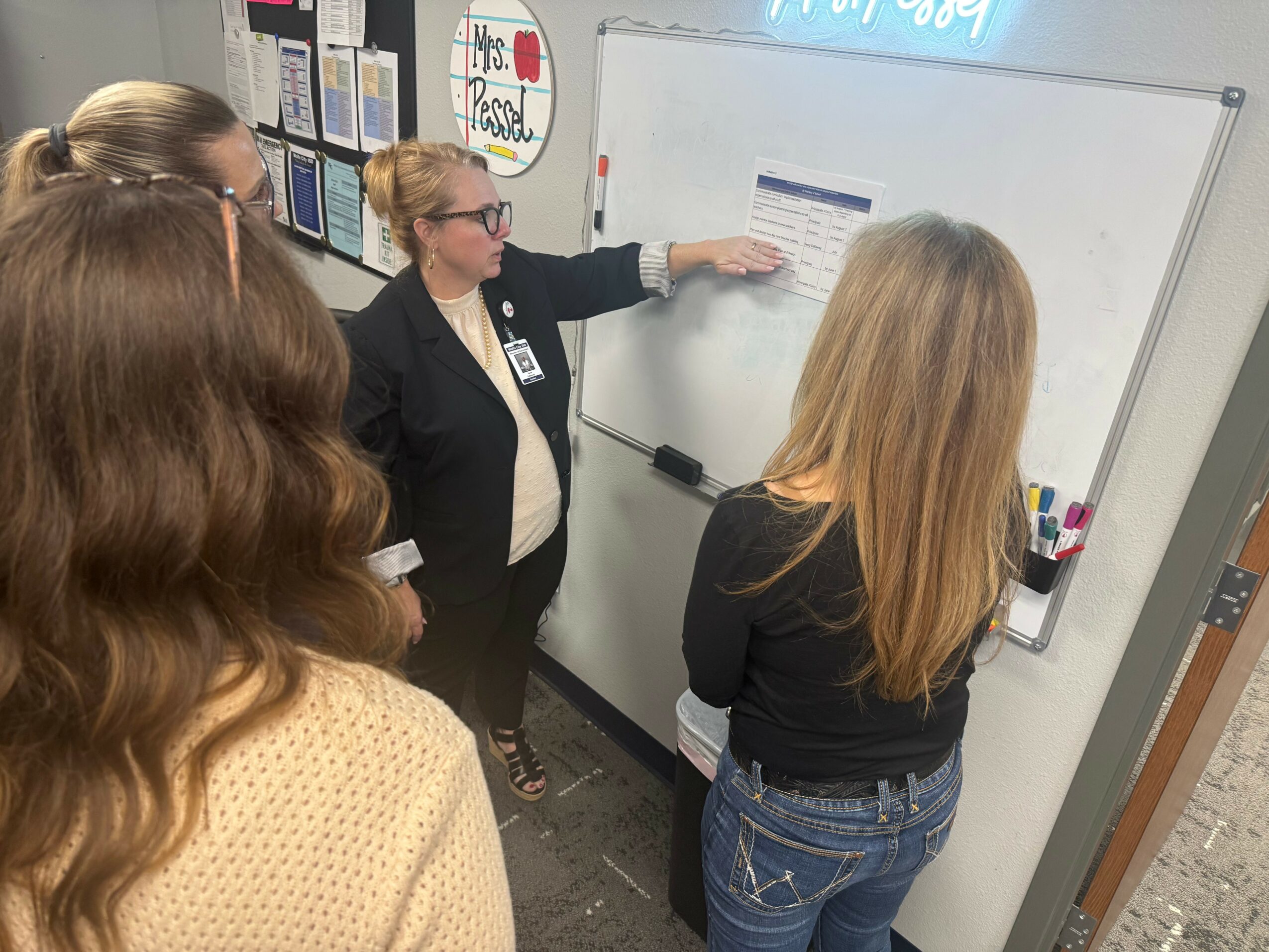
Every district has its own strengths, challenges, and priorities. The work requires listening, examining existing systems, understanding the data, the community, and identifying where the greatest opportunities for growth exist. From there, it is about being strategic—aligning leadership, resources, and time around the practices that will make the greatest difference for students.
For me, that focus has always come back to instruction. When we strengthen the systems that support teachers and leaders, we create the conditions for better instruction in every classroom. And when instruction improves, students benefit.
The goal is not simply to improve a letter grade. It is to build the capacity of educators and leaders so that improvement is meaningful, sustainable, and reaches every student.
Today, through Jen-Ed Consulting, LLC, I carry that same mission into my work with educators, campus leaders, district executive leadership.. I believe lasting school improvement begins with strong leadership, purposeful instruction, and systems that ensure every student receives the support needed to succeed.
My goal is to help schools move beyond simply identifying challenges and toward creating meaningful, sustainable solutions. Whether through leadership coaching, strategic planning, professional learning, or school improvement support, I want to help educators build environments where students are challenged, supported, and empowered to reach their full potential.
I believe the most effective partnerships begin with understanding where a district is today and working alongside its leaders to determine where it wants to go. By examining systems, aligning priorities, and focusing time and resources on what matters most, we can create meaningful change that extends beyond a single initiative or school year. Our solutions are: Simple.Strategic. Sustainable.
Nearly two decades after stepping into my first classroom, I still think about that third-grade student. He reminds me why this work matters and why I have never been willing to accept that a child’s circumstances should determine their future.
We all face challenges, but looking back would you describe it as a relatively smooth road?
Education is not without its challenges, and staffing remains the most pressing. When schools experience turnover, even the most promising initiatives can lose momentum. This is why Jen-Ed Consulting focuses not only on implementing effective practices, but also on building leadership capacity and sustainable systems. By developing the people and structures that support the work, we help districts maintain progress through transitions and ensure that meaningful improvement continues long after our partnership ends.
Thanks – so what else should our readers know about your work and what you’re currently focused on?
We serve as a strategic thought partner for district and campus leaders to identify the systems, structures, and supports needed to move initiatives from planning to meaningful implementation. Whether supporting the rollout of high-quality instructional materials, strengthening instructional systems, or aligning district priorities, we help leaders think through not only execution, but the systems and structures needed for effective implementation with fidelity.
Rather than adding more initiatives, we help districts build on existing strengths, create coherence across systems, and focus on high-leverage actions that drive meaningful impact. Support needs may include:
Professional Learning
Instructional Coaching Cycles
High-Quality Instructional Materials Roll Out
Implementation of District-Wide Initiatives
Professional Learning Communities
Data Analysis (support RDA & A-F Accountability System)
MTSS Implementation
Any advice for finding a mentor or networking in general?
Building relationships through trust has been key throughout my career. I believe the strongest professional connections are built by being genuine, following through on commitments, and showing that you are willing to do the work.
What has also worked well for me is gaining experience and demonstrating success in the field. When you are actively doing the work, learning from challenges, and producing meaningful results, you naturally connect with people who share your passion and values. Those relationships can open doors to mentorship, collaboration, and new opportunities.
My advice is to seek out people whose work you admire, ask thoughtful questions, and remain open to learning from their experiences. I have found that exchanging ideas with experts who bring different perspectives and experiences is invaluable. Those conversations challenge your thinking, broaden your understanding, and often lead to better solutions.
At the same time, focus on becoming someone others can trust and learn from. Networking is not simply about who you know—it is about building authentic relationships, contributing value, and supporting one another’s growth.
Contact Info:
- Website: https://www.jen-edconsulting.com