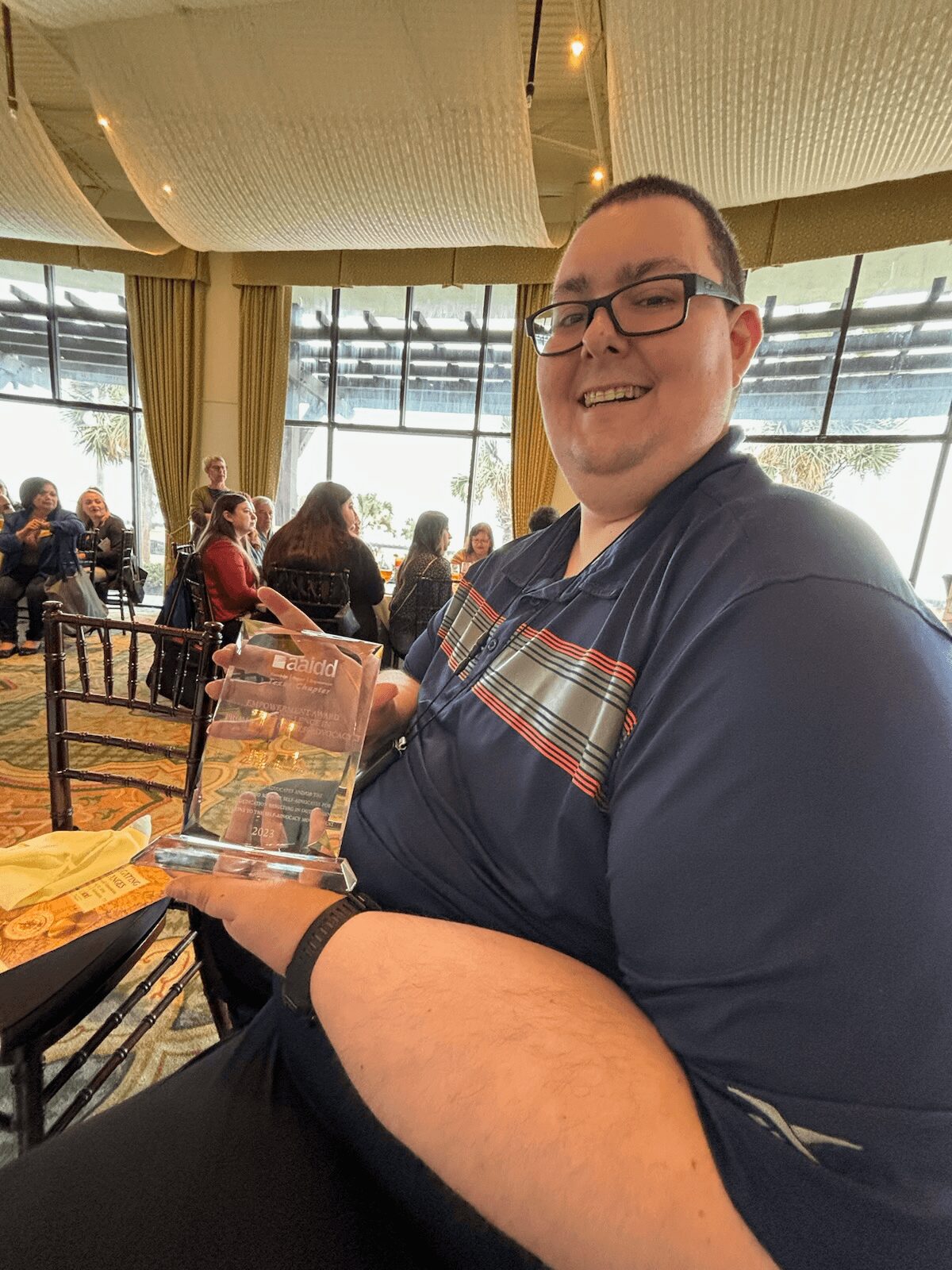






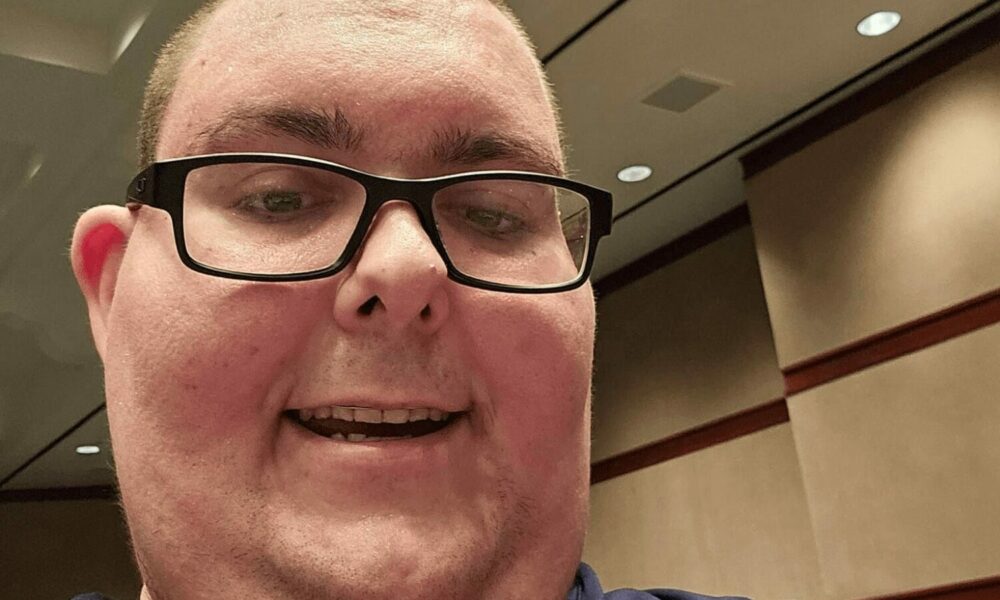
Today we’d like to introduce you to Jordan Smelley.
Alright, so thank you so much for sharing your story and insight with our readers. To kick things off, can you tell us a bit about how you got started?
My recovery story starts in February of 2015. In February of 2015, I was at the lowest point in my life. I had gotten to the point I had no hope that I could improve to were I at least wasn’t struggling so much that I actually attempted to end my life while in a psychiatric hospital. After I attempted to end it while at a psychiatric hospital, I was sent to the state hospital in Wichita Falls, Texas. It was while I was at the state hospital that doctors figured out one of my most life-threatening issues was the medication I was put on towards the end of January 2015 was actually causing me to be more suicidal because after they stopped that particular medication, I slowly started to improve. While I was at the state hospital was when I started getting serious about my recovery as well as things were starting to make more sense to me.
On March 26, 2015, I was well enough that I was discharged from the state hospital and I got to go back home. After I was discharged in March of 2015, I really started working hard on my recovery by attending therapy, keeping psychiatrist appointments, and working with my peer support specialist. Two years later, I got to the point that I really didn’t need peer support anymore and I also realised that being a peer support specialist is something I could do for a career. After officially graduating from peer support services in spring of 2017, I started looking into what it would take to become a peer support specialist. I would end up spending the next two years continuing to work hard on my recovery as well as figuring out the steps needed to become a peer support specialist. In March of 2019, I actually took the exam and obtained the PRSS certification through Texas Certification Board as well as obtained the Young Peer Mentor Endorsement and the IC&RC designation. After obtaining my PRSS certification, I decided I wanted to go ahead and work on my next goal, which was obtaining the new MHPS certification, which is the Medicaid Billable certification here in Texas.
In May of 2019, I had the opportunity arise to take the MHPS Certification training and I passed the exam. After I passed the MHPS certification exam, I started looking for somewhere to do my 250 hours so I could go ahead and submit for the initial certification. While searching for somewhere to do my 250 hours, I learned that Texas Health and Human Services Commission has different advisory boards and that there was openings in the Texas HHSC Behavioral Health Advisory Committee and so I applied late in 2019. In April of 2020, I learned that my application for Texas HHSC Behavioral Health Advisory Committee was approved and I was selected as the Youth/Young Adult Representative. This was the best news I had gotten because every single peer support position I had interviewed for so far, I was turned down. While still trying to find a peer support position because the Texas HHSC Behavioral Health Advisory Committee position was a volunteer position, I had the opportunity arise to become a WRAP facilitator. WRAP stands for Wellness Recovery Action Plan.
I completed the WRAP Facilitator training in July of 2020 but needed more hands-on experience before going and facilitating with just anyone who is a certified WRAP Facilitator. This stipulation wasn’t a surprise to me because it took me going through the WRAP Seminar 1, which is a pre-requisite to the Facilitator Certification training five times before I was ready for the WRAP Facilitator training and I completed my extra hands-on training around October of 2020 and can now facilitate a small WRAP class. While waiting on opportunities of small WRAP classes to happen with the person that did my WRAP Facilitator training, I continued looking for a peer support position. In November of 2020, I reached out to Texas State Senator Judith Zaffirini about a bill she filed in the 2019 session for expanding peer support to individuals with IDD, asking her to please re-file the bill for the 2021 Texas Legislative Session. I actually got a reply and Senator Zaffirini agreed to refile the bill and accepted my offer to help however I can.
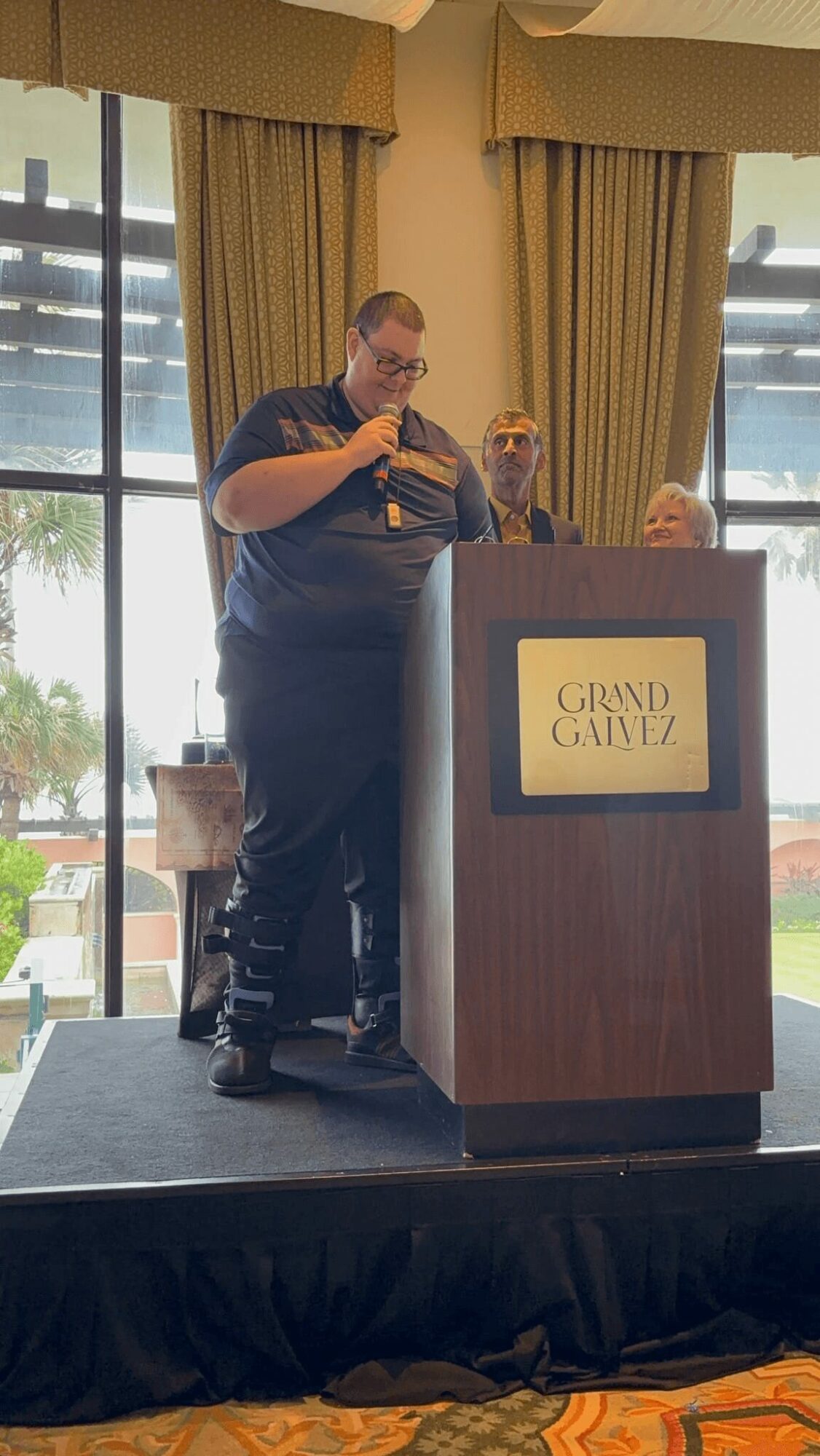
A few months later, I ended up getting a call from my VR counselor about a Mental Health Peer Support position opening with the Association of Persons Affected by Addiction in Dallas Texas. I ended up applying and actually got the position and I worked for the Association of Persons Affected By Addiction in Dallas, Texas, March 1st, 2021 through February 2nd 2023. I left APAA because things had gotten to a point it was just best for me to leave while I could leave on a good note and have a good reference from APAA for future jobs. Leaving APAA also gave me the availability to help get HB 4702 through the Texas legislative process. HB 4702 from the Texas 88th Regular Legislative Session would have created the stakeholder group to figure out what Medicaid Billable Peer Support Services and Certification would look like for Persons with Intellectual and Developmental Disabilities living outside of State Supported Living Centers. While HB 4702 did pass the Texas House unfortunatley it wasn’t in enough time to get HB 4702 through the Texas Senate. This work navigating HB 4702 through the Texas House is what lead to me being nominated for and winning the American Association on Intellectual and Developmental Disabilities Texas Chapter 2023 Empowerment Award for Excellence in Promotion of Self-Advocacy.
Can you talk to us a bit about the challenges and lessons you’ve learned along the way. Looking back would you say it’s been easy or smooth in retrospect?
Um the road has had it’s up and downs. The Texas Legislative process is very confusing and complex so it is one of the most complex systems to navigate.
As you know, we’re big fans of you and your work. For our readers who might not be as familiar what can you tell them about what you do?
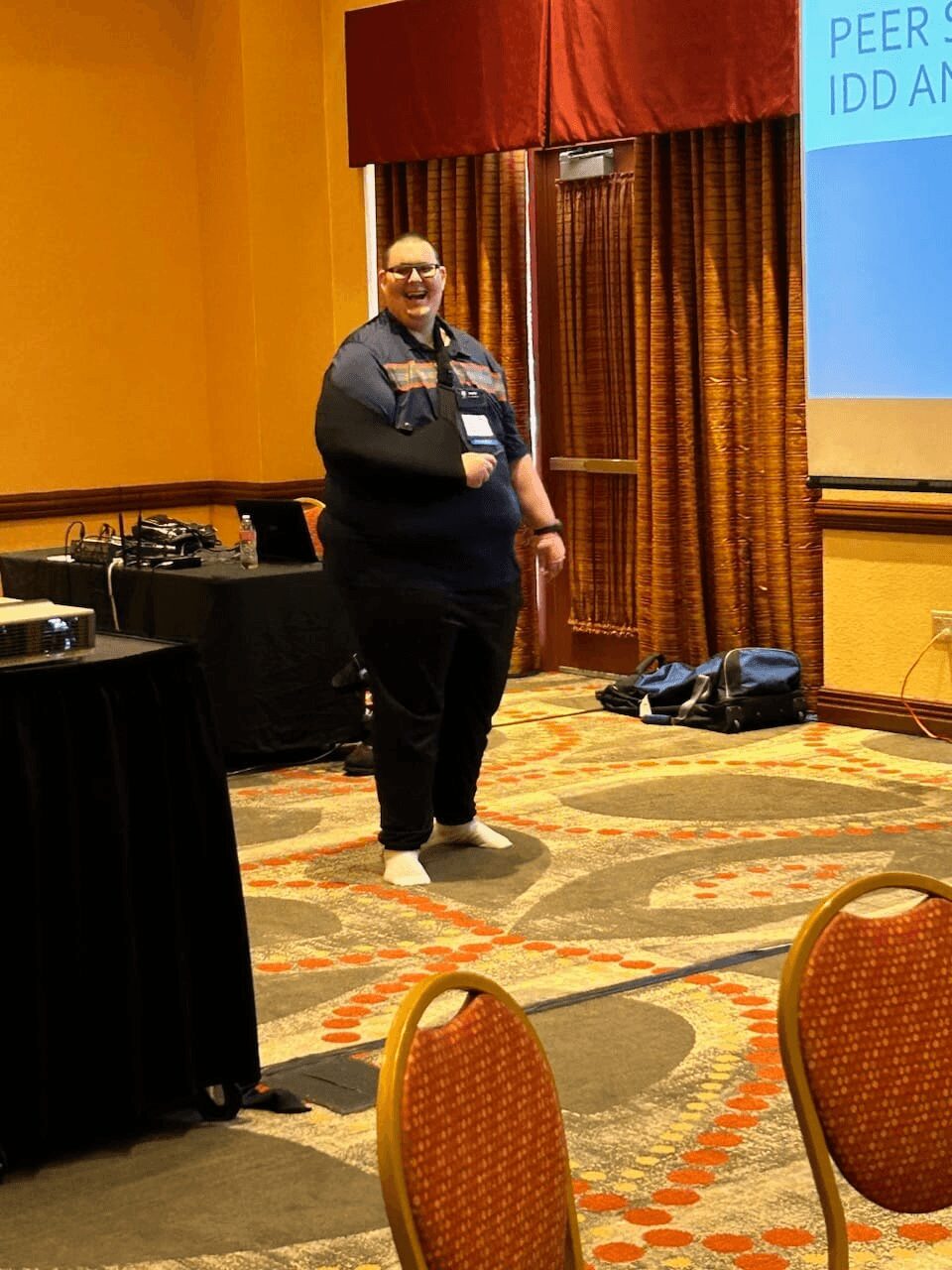
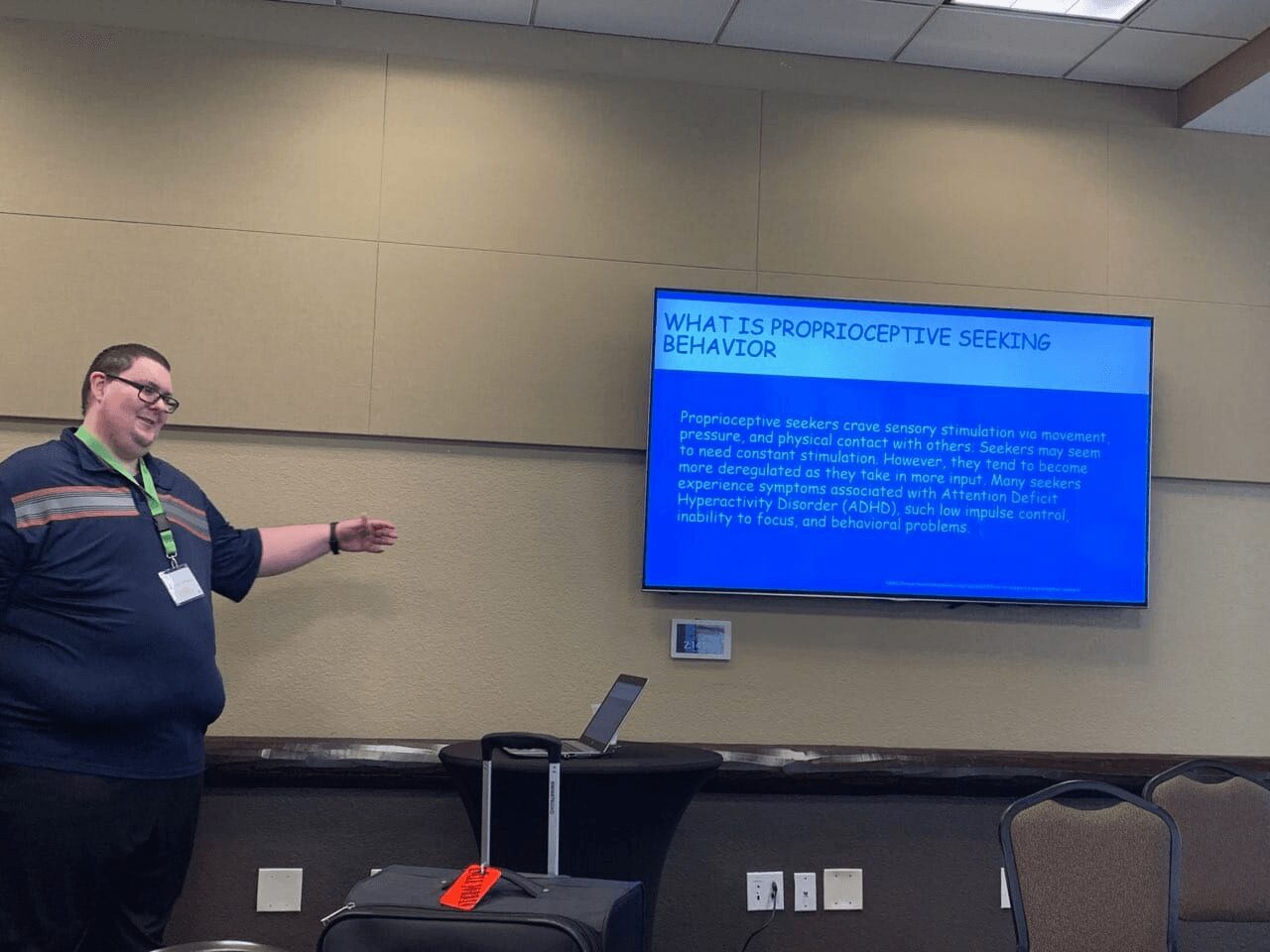
I am a certified Mental Health Peer Specialist here in Texas. What sets me apart from other Mental Health Peer Specialists is my lived experience with Intellectual and Developmental Disabilities. I also on occasion do presentations for organizations on different topics related to individuals with Intellectual and Developmental Disabilities. I think the biggest thing I am known for within the Peer Support field in Texas is my passion to expand peer support services to individuals with Intellectual and Developmental Disabilities.
Is there something surprising that you feel even people who know you might not know about?
I am also a certified USA Volleyball official and officiate Volleyball for Special Olympics Texas.
Contact Info:
- Website: https://www.jordansmelleyprss.com/
- Linkedin: www.linkedin.com/in/jordan-smelley-3259471bb