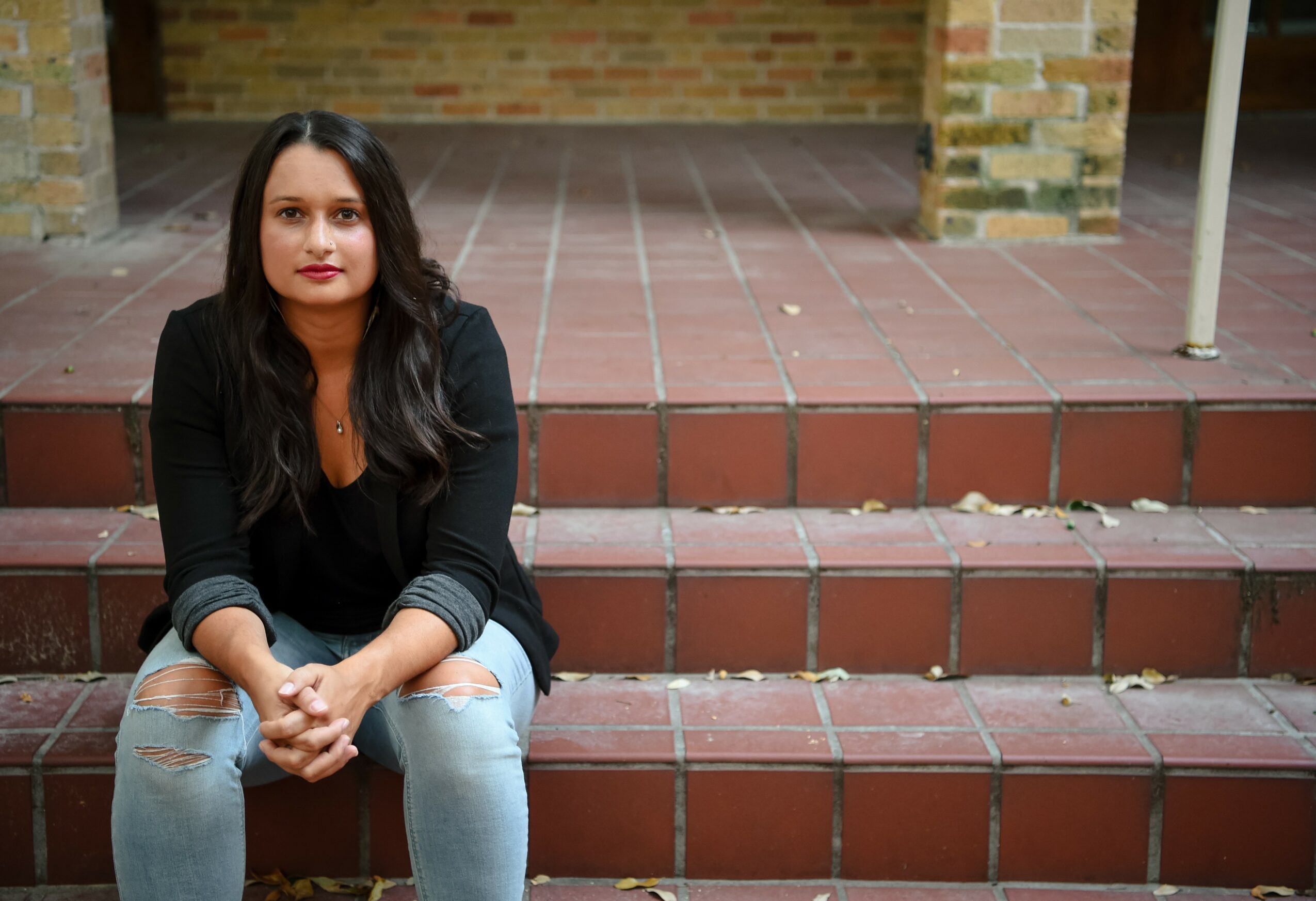






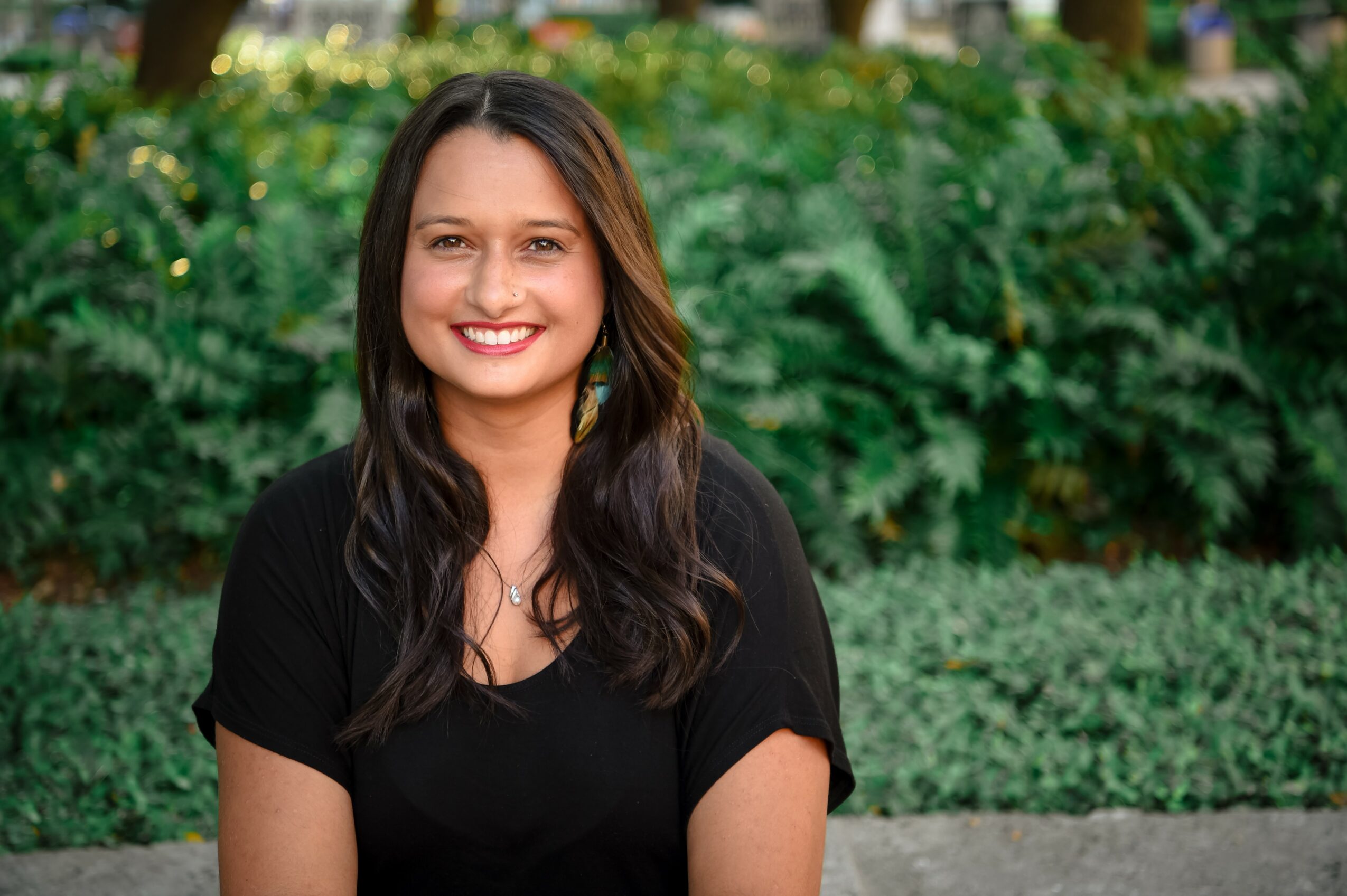
Today we’d like to introduce you to Michelle Reyes.
Hi Michelle, can you start by introducing yourself? We’d love to learn more about how you got to where you are today?
I’m a culturally informed leadership coach, and I help high-capacity minority women be themselves and advance as leaders. My work grew out of my own experience as an Indian American woman, navigating spaces where I was constantly adapting, translating, and code-switching with ease, yet still feeling overlooked, under-recognized, or subtly sidelined. Over time, I realized the issue wasn’t a lack of competence or communication skill. It was isolation. Many minority women are navigating leadership without being in the right rooms or having other women like them modeling what it looks like to move from quietly asking, “Am I allowed to be myself?” to confidently deciding, “How do I want to be seen?” What we really want is to show up grounded, safe enough to peel back the layers, fully seen, and deeply certain that we were made on purpose just as we are.
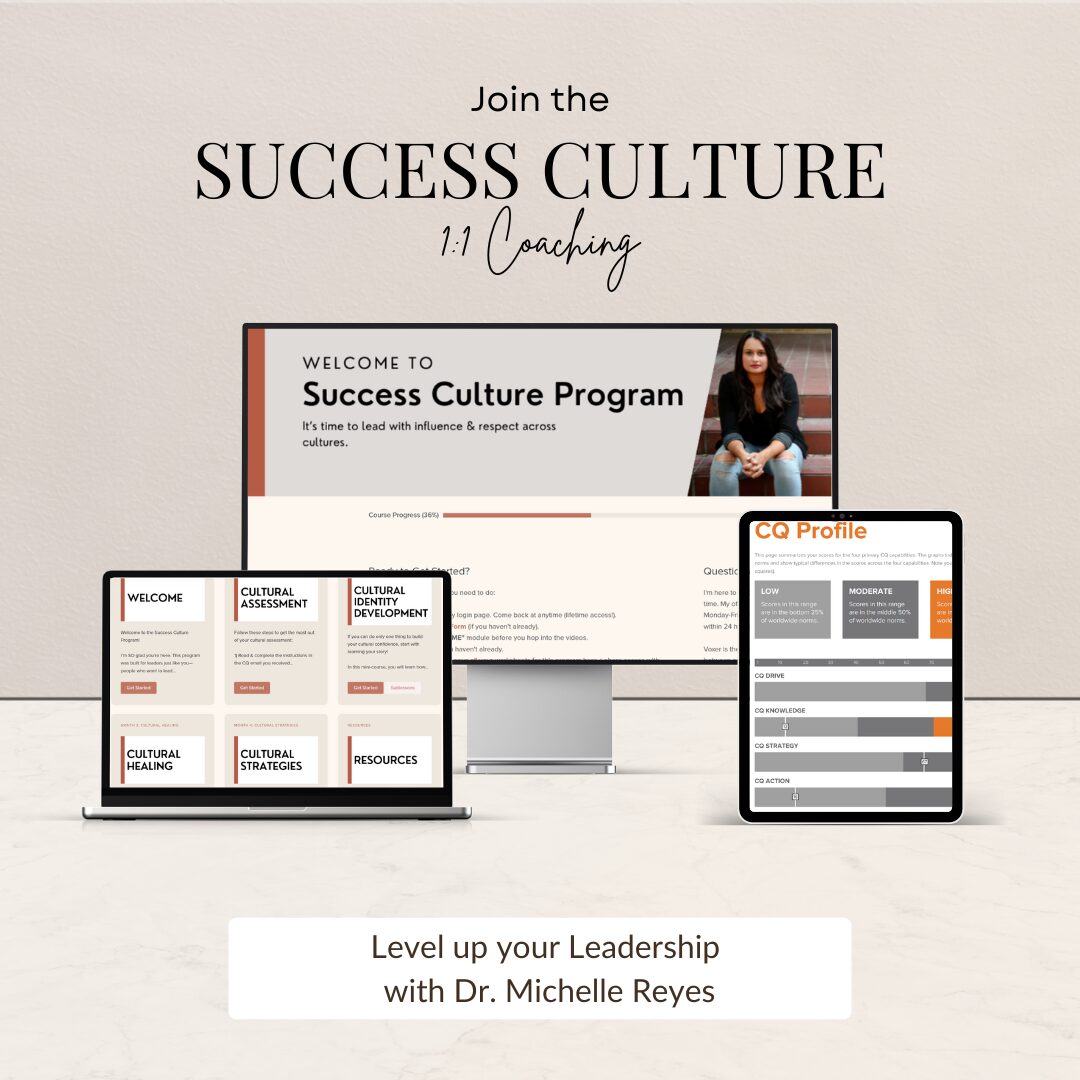
I saw a huge gap for women whose cultural experiences don’t fit neat categories, especially Asian, Latina, and bicultural or multicultural women. Many of us carry immigrant identities, multiple homes, multiple languages, and mixed cultural signals. People often don’t know what to do with us, and that creates a distinct set of leadership questions around authenticity, voice, and respect. That’s why I created Success Culture leadership coaching. I wanted to offer a roadmap and mentorship for women who don’t want to perform or shrink or assimilate, but also don’t want to stall their growth. Inside my mastermind and one-on-one work, I help women refine who they already are, not replace themselves with someone more palatable. The goal is leadership without translation, confidence without performance, and advancement that doesn’t require leaving yourself behind.
Would you say it’s been a smooth road, and if not what are some of the biggest challenges you’ve faced along the way?
It definitely hasn’t been a smooth road. For a long time, especially in my twenties, I learned to survive by shrinking. I changed myself, softened my edges, and apologized for who I was before anyone even asked me to. Instead of leading with confidence, I led with caution, the kind that tries to stay safe by being agreeable, likable, and easy to place. I played whatever character I thought would earn the most approval, assuming that if I could just get it right, I’d finally be accepted. But more often than not, that performance led to the opposite. I was dismissed, overlooked, or quietly passed by, trying to contort myself into a shape that never really existed.
At the same time, I deeply wanted to show up fully, to feel safe enough to peel back the layers and be truly seen. I was also carrying the weight of forging a path without a clear roadmap. There weren’t many examples from previous generations that showed what it looked like for someone like me to lead with both cultural integrity and confidence. That tension between wanting to belong and wanting to be whole was one of the hardest struggles. Over time, I realized that my growth didn’t come from learning how to fit better, but from unlearning the belief that I needed permission to take up space at all.
Thanks for sharing that. So, maybe next you can tell us a bit more about your work?
My work sits at the intersection of culture, identity, and leadership. I specialize in helping high-capacity minority women lead from their values instead of performing for approval. I’m known for naming the invisible dynamics that many women feel but can’t quite articulate, and then offering practical, humane ways to move through them with confidence and clarity.
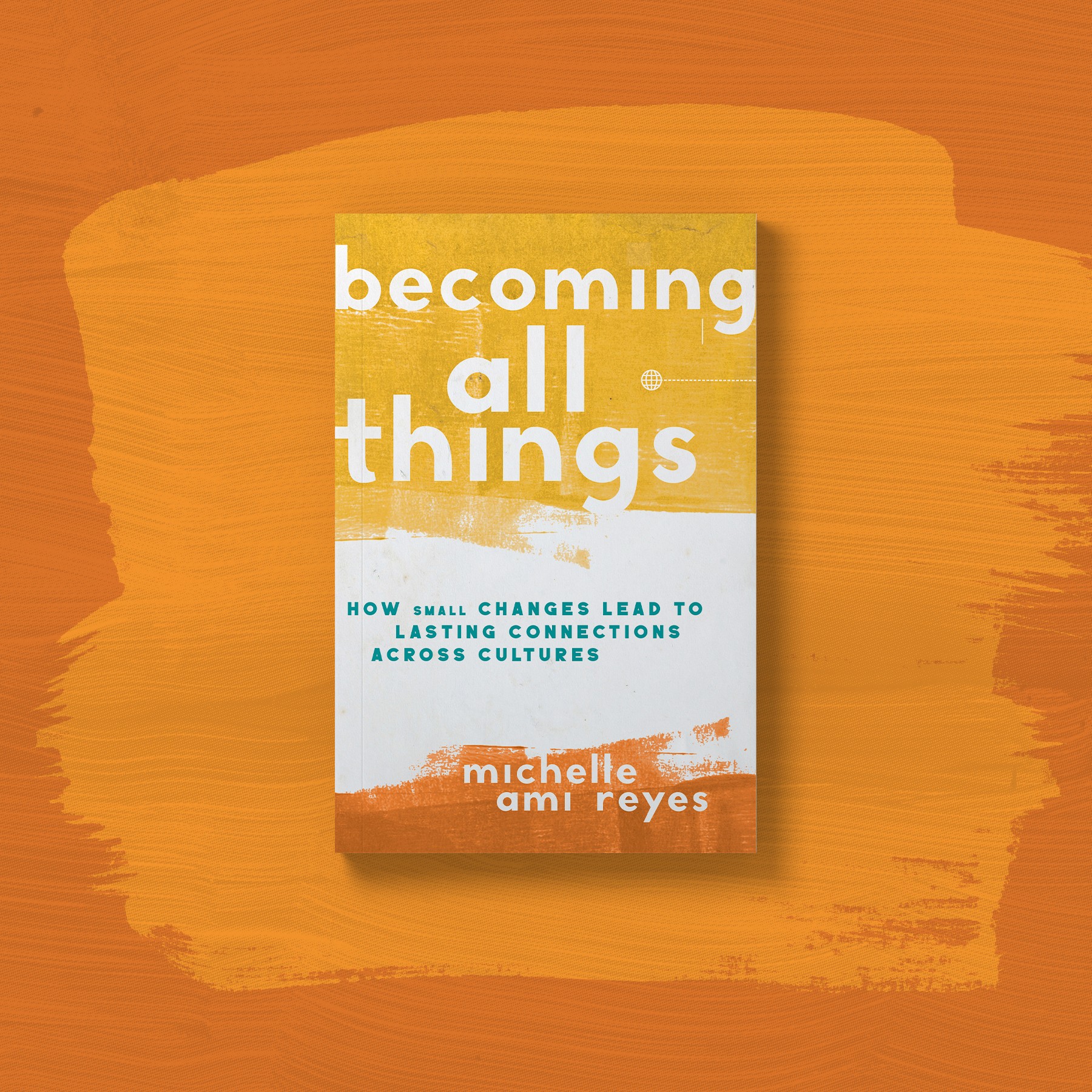
One cornerstone of my work is my book, Becoming All Things: How Small Changes Lead to Lasting Connections Across Cultures. The book explores how meaningful cross-cultural connection doesn’t come from becoming someone else, but from learning how to be more fully yourself while staying open, curious, and grounded. For many minority women, the book has been affirming because it names experiences they’ve lived for years but rarely see reflected. Readers often tell me it helped them feel seen, validated, and empowered to stop flattening themselves in order to belong.
The second pillar of my work is the Success Culture leadership program. This is where identity meets execution. Over the past year, I’ve worked with women who have been promoted by leaning more deeply into their strengths and values and becoming confidently visible in their organizations. Others have recalibrated their roles by developing a leadership style that actually fits them, gaining clarity around boundaries, decision-making, and what to say yes or no to. Some have made bold career pivots into new roles that energize them and where they feel genuinely valued, not just useful.
What was your favorite childhood memory?
One of my favorite childhood memories is visiting India when I was in sixth grade. It was the first time I really experienced my mother’s homeland for myself, not just through stories. I remember feeling a sense of recognition in the culture, seeing values, rhythms, and ways of relating that mirrored parts of me I hadn’t yet learned how to name. At the same time, I became aware of the ways I was different as an Indian American, both connected and distinct. Seeing the Taj Mahal and the floating palace made the trip feel almost surreal, but what stayed with me most was that early sense of belonging without full sameness. That trip gave me language, years later, for understanding identity as something layered rather than split.
Pricing:
- Success Culture Mastermind: a group leadership development program, application-based (for more: go to michelleamireyes.com).
- 1:1 Leadership Coaching: limited spots available, customized support. Price varies depending on level of support.
- Book: Becoming All Things (available wherever books are sold)
Contact Info:
- Website: https://michelleamireyes.com/
- Instagram: https://www.instagram.com/michelleamireyes/
- Facebook: https://www.facebook.com/michelle.ami.reyes/
- LinkedIn: https://www.linkedin.com/in/michelle-reyes/
- Other: Coaching Application: https://docs.google.com/forms/d/1c_Ssh05xVIQnYEx_sFGcAUlNBbk130wQsYOiP0zaDic/edit?usp=forms_home&ouid=108916863581774741361&ths=true