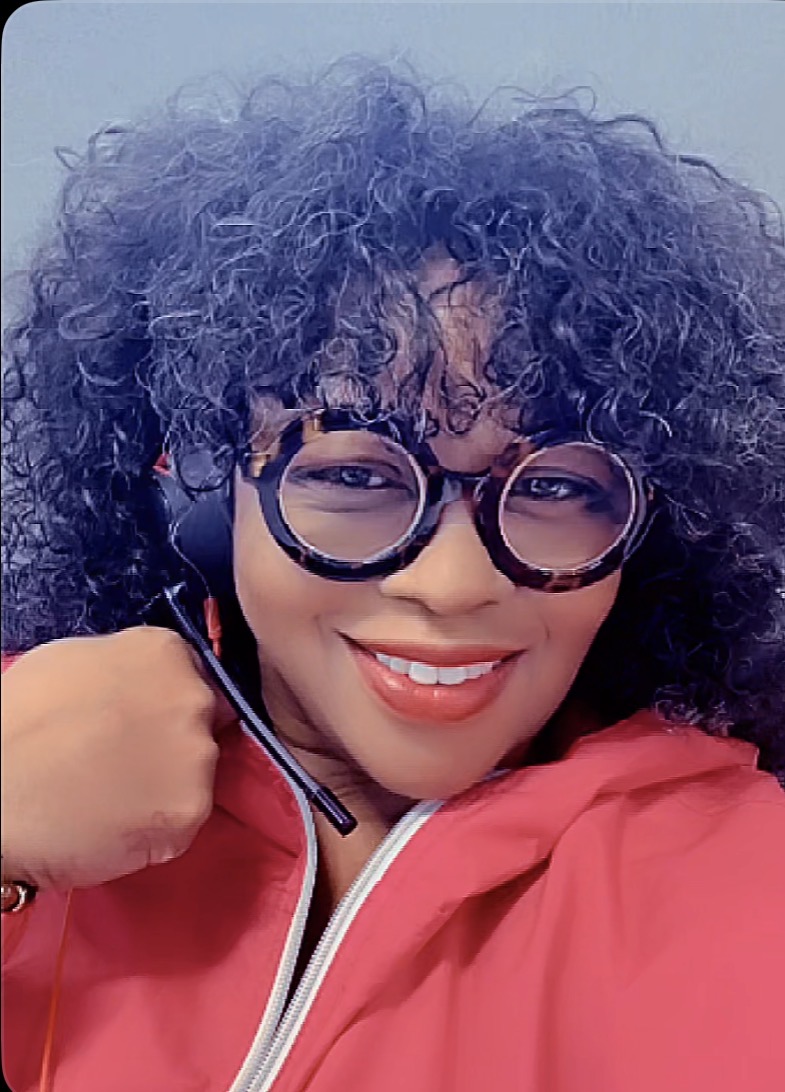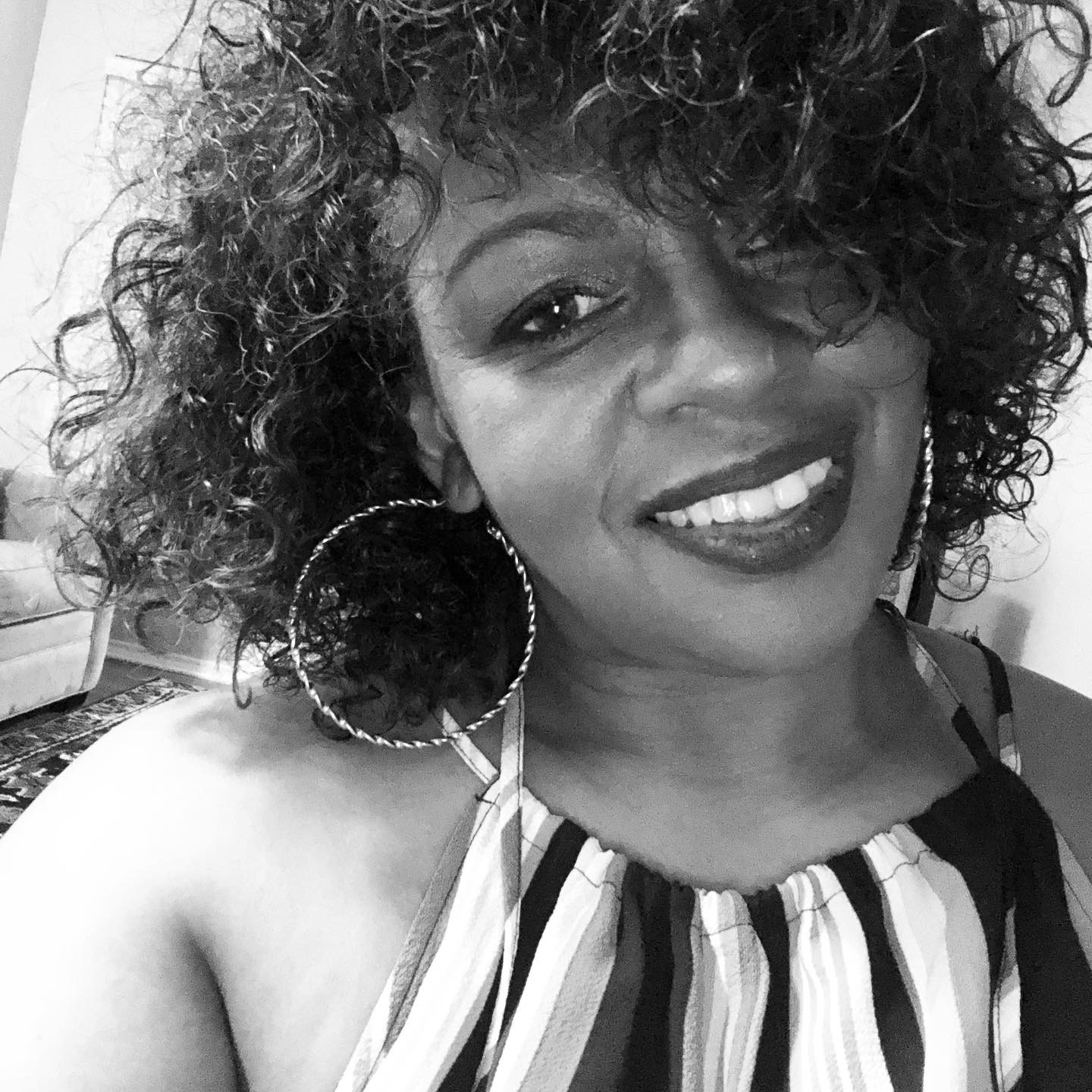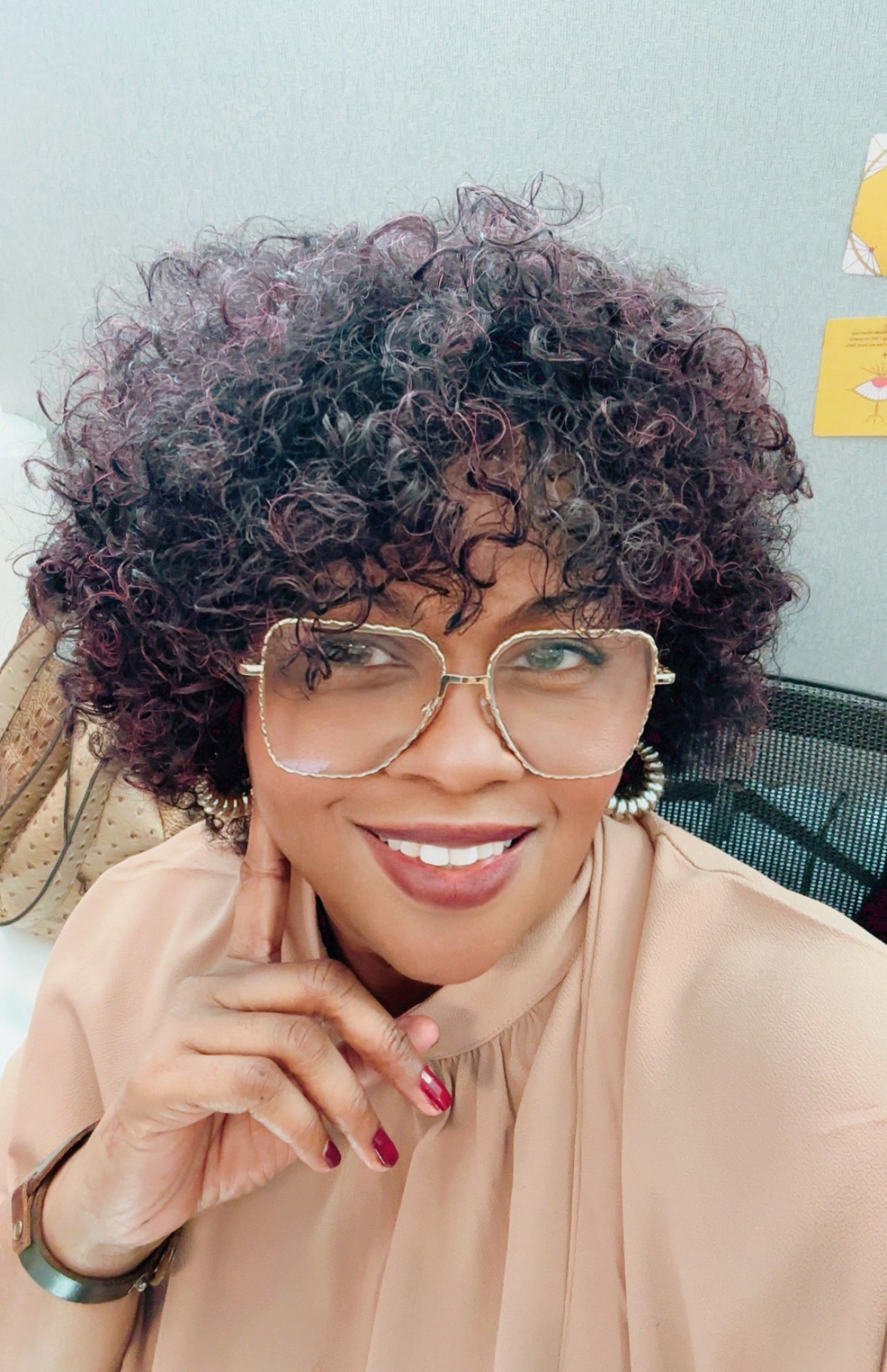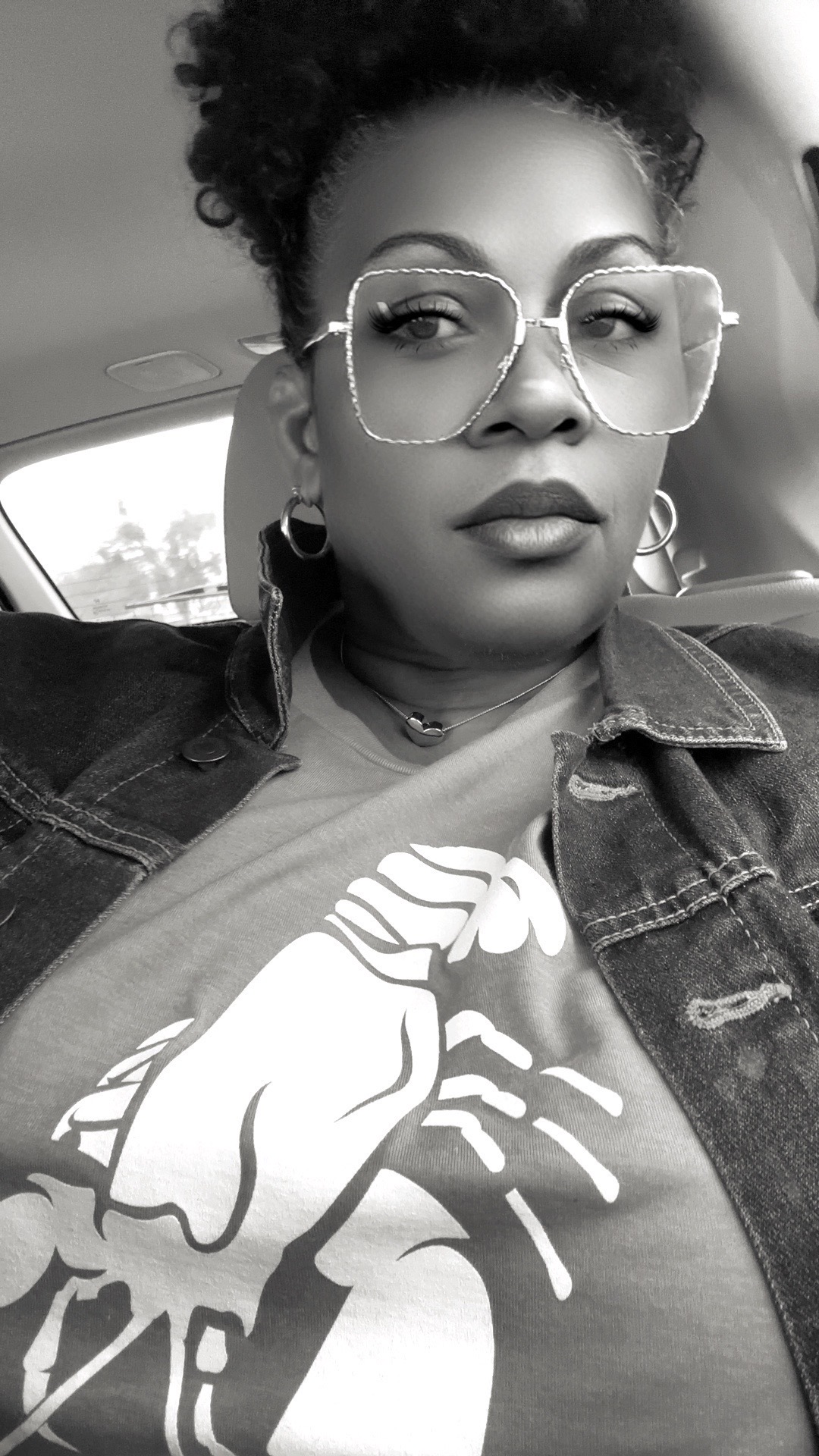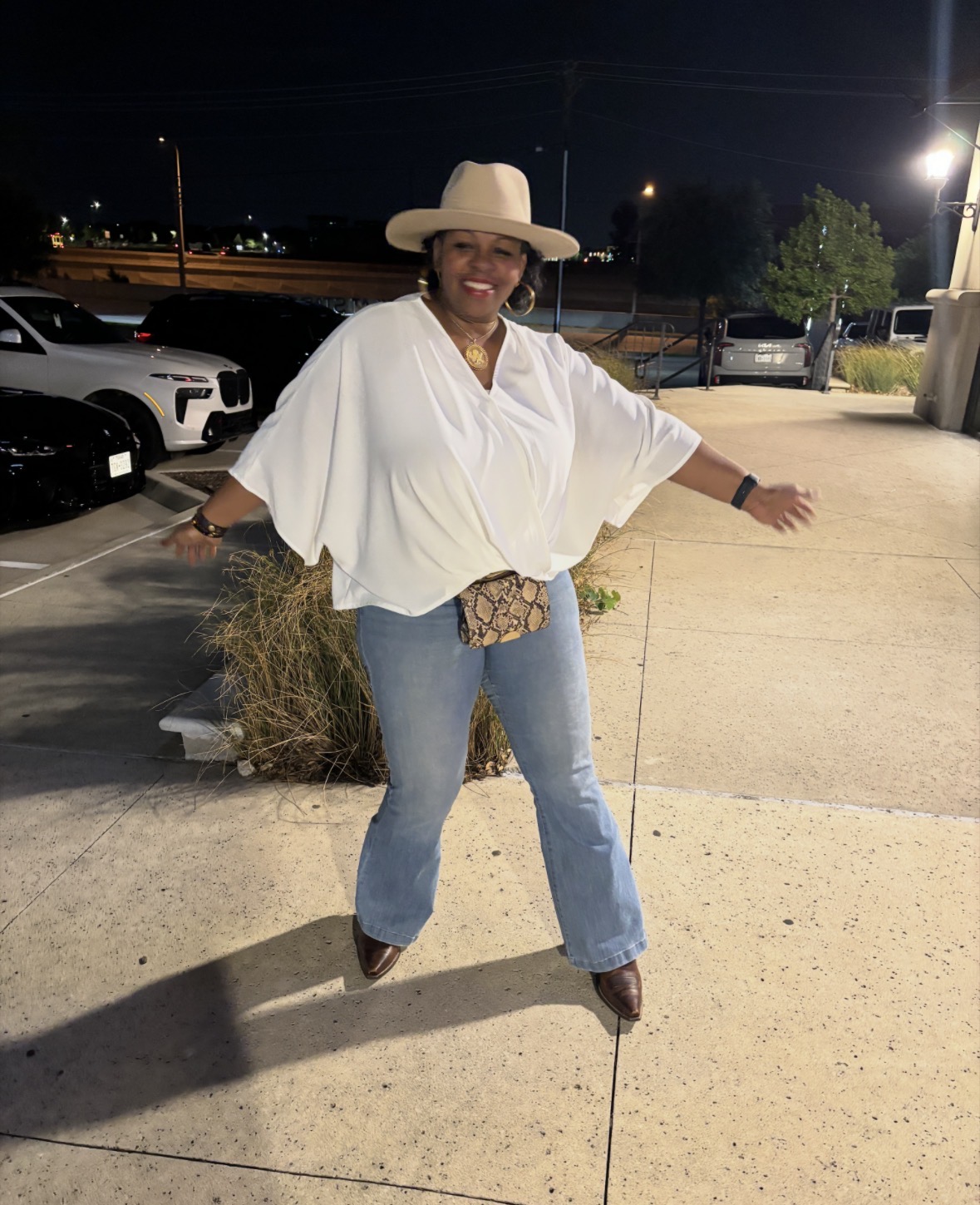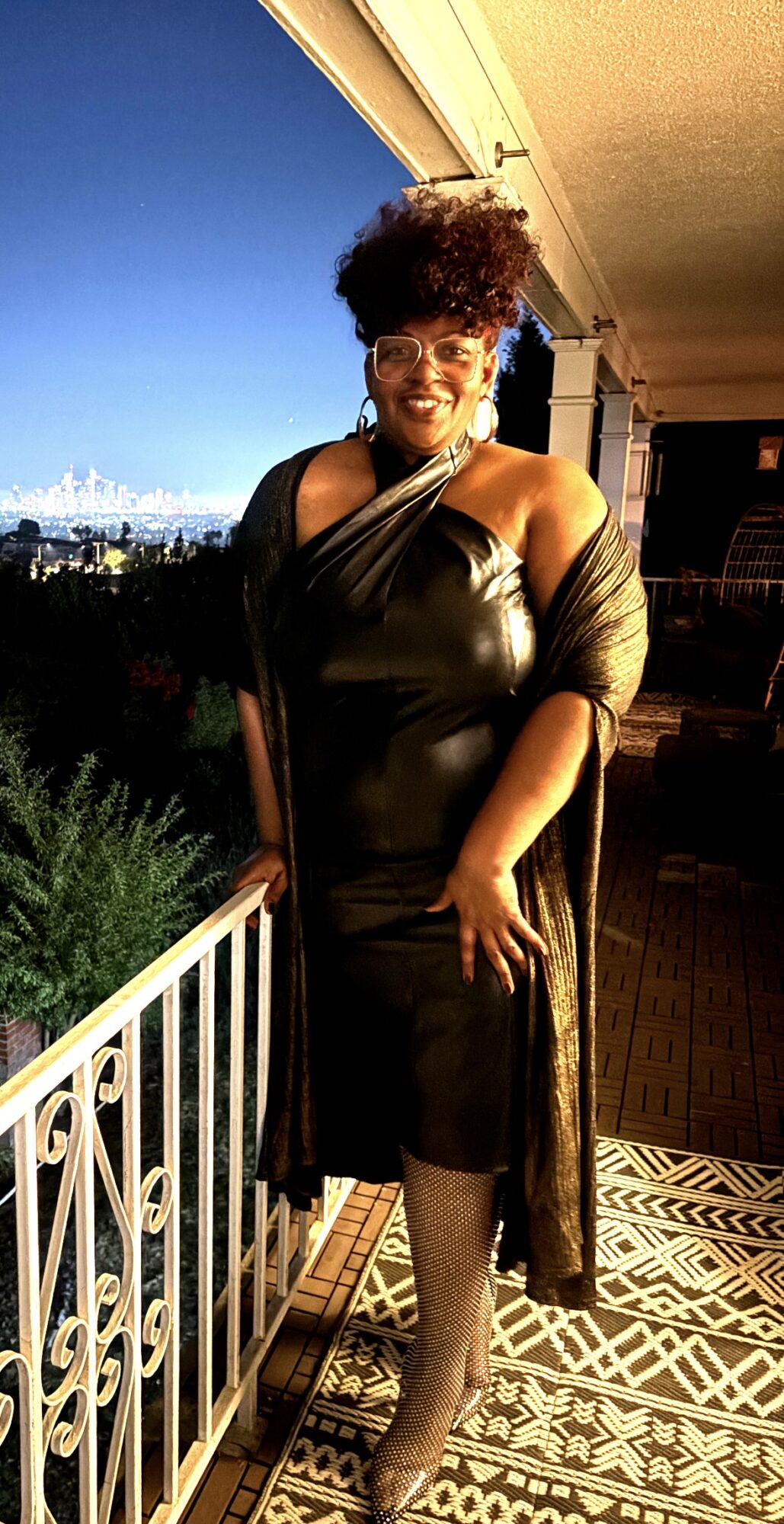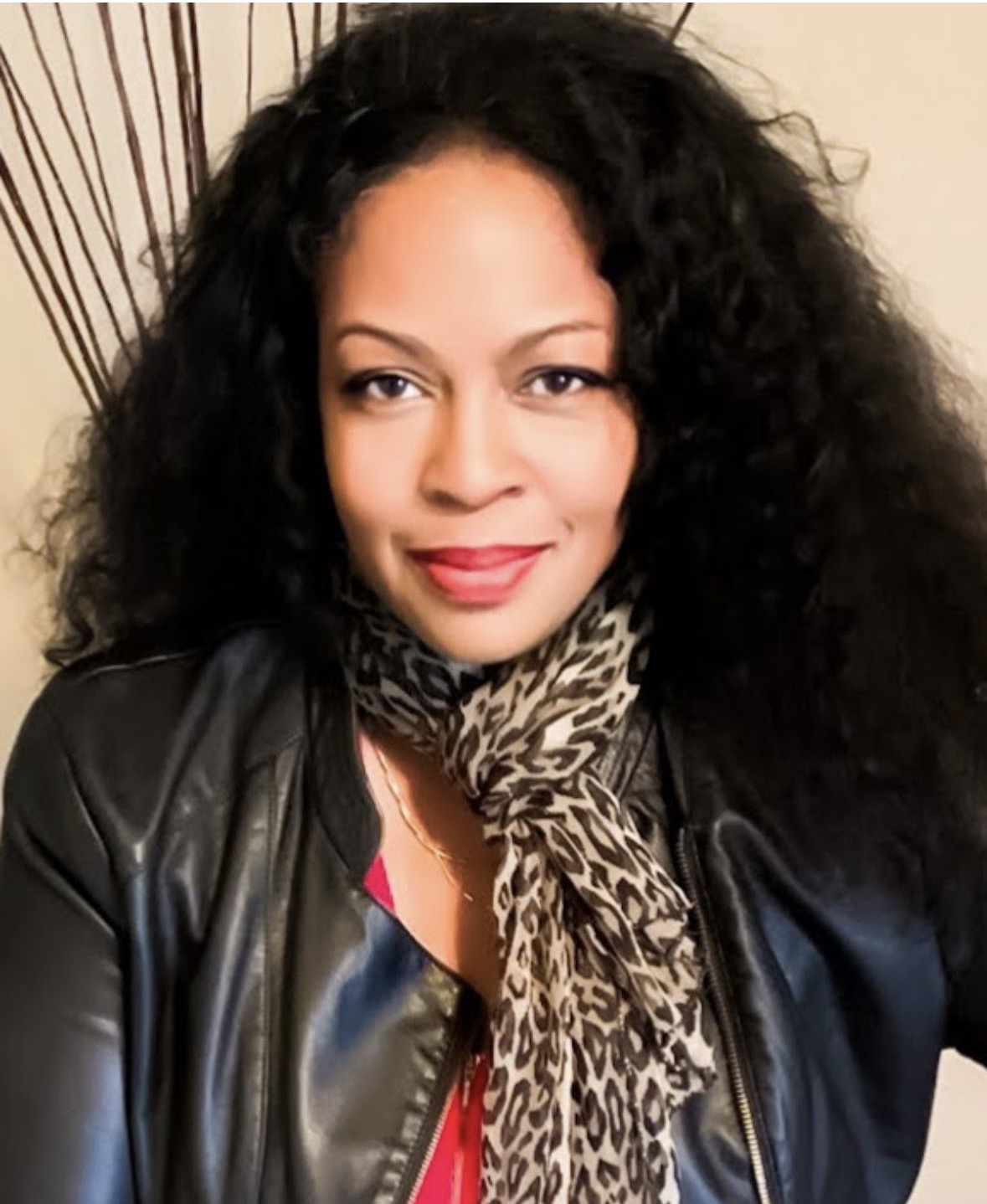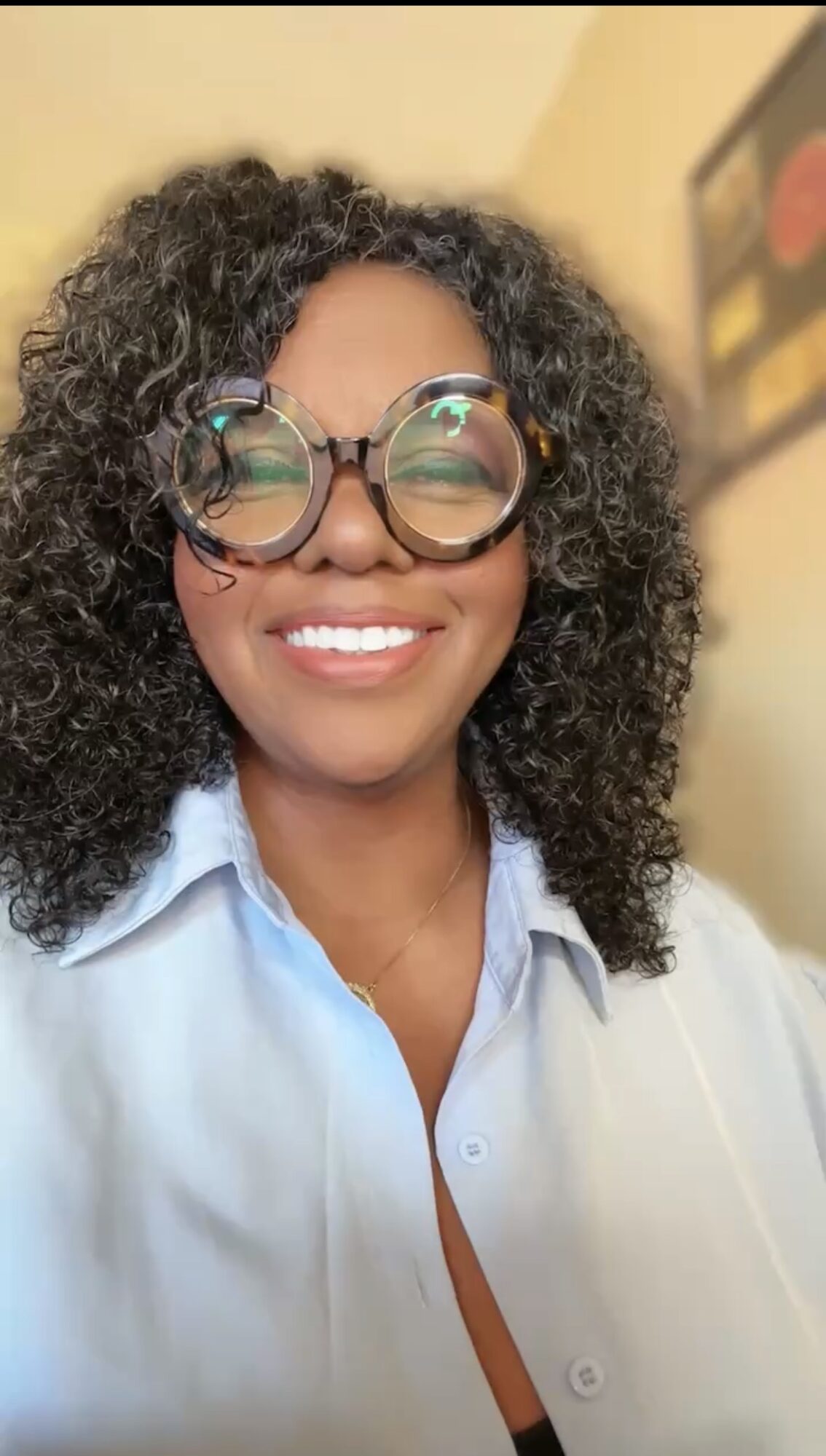






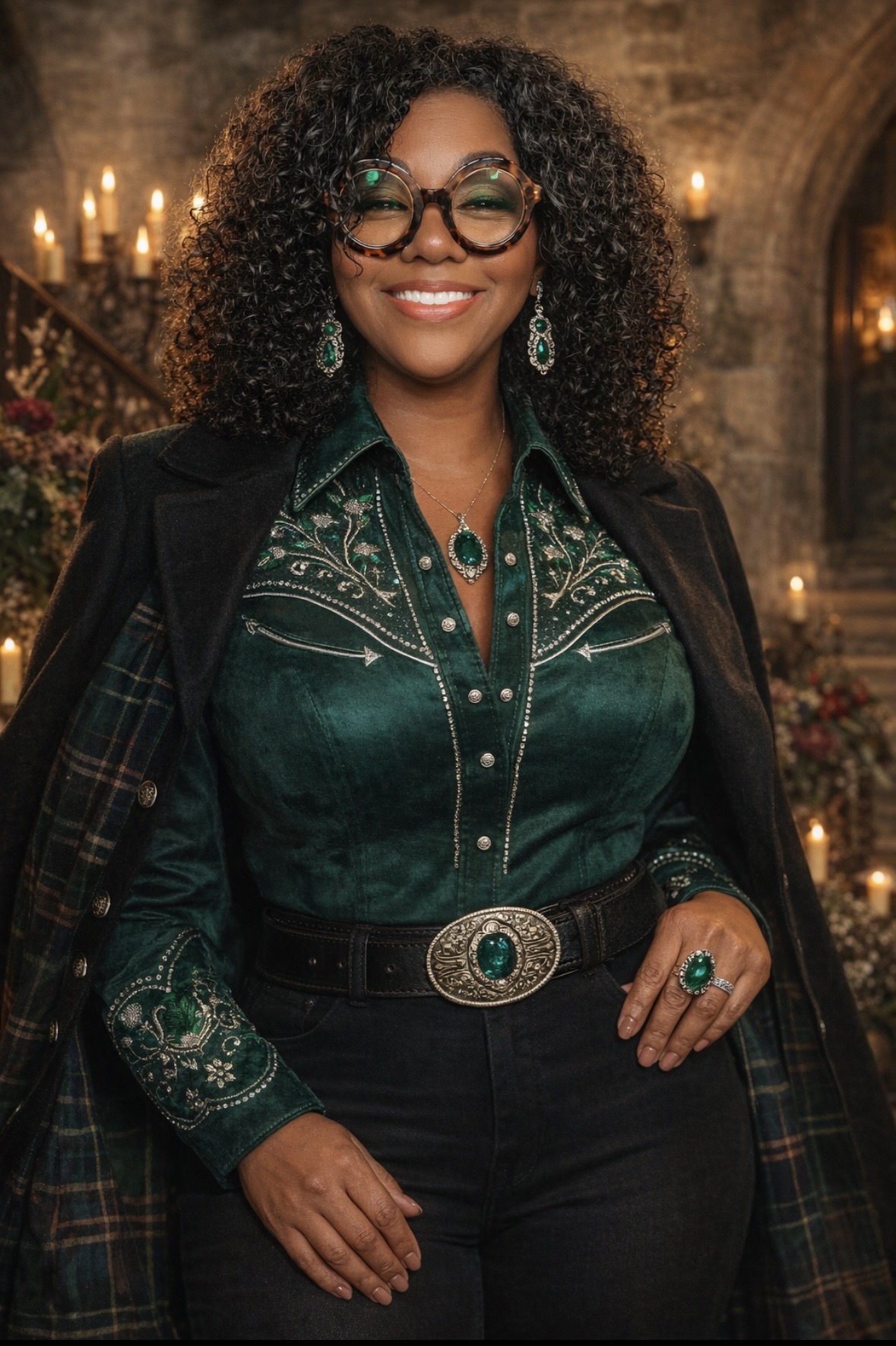
Today we’d like to introduce you to Tneshela Jones.
Alright, so thank you so much for sharing your story and insight with our readers. To kick things off, can you tell us a bit about how you got started?
I often say I didn’t choose the entertainment industry, the entertainment industry chose me.
My introduction into this world began at home. My former husband was the artist, visionary, gifted, and deeply creative. As we started building a family, it became clear that talent alone was not enough to sustain us. Contracts had to be understood. Value had to be negotiated. Ownership had to be protected.
Out of necessity, I stepped in, first as a partner advocating for my household, then as a strategist learning the business from the inside out.
Seven years into our marriage, we divorced, but the lessons and responsibility did not leave me. Over time, I began recognizing the same vulnerabilities across the industry, artists with extraordinary ability but limited protection. What started as advocating for one creative voice evolved into advocating for many.
More than 35 years later, and even after his passing, I continue to protect my former husband’s intellectual property and legacy. Safeguarding creative ownership is not temporary work, it is ongoing stewardship. That lived experience shaped the foundation of who I am professionally.
More than 25 years ago, I formalized that mission into Project Celebrity Entertainment LLC. PCE operates as an umbrella company spanning music development, memoir publishing, film and documentary production, and PCE Casting, my Dallas-based casting division. Across every lane, the core principle remains the same: creatives deserve structure, clarity, and informed advocacy.
Throughout my career, people have come to me seeking solutions, whether navigating contracts, structuring intellectual property, developing memoirs, or executing productions. My role has consistently been that of strategist and protector, ensuring that talent is not only seen, but valued and positioned correctly from the beginning.
I didn’t enter this industry for attention. I entered to build structure. And after more than two decades of operating independently, my name represents discretion, accountability, and advocacy for the creative community.
We all face challenges, but looking back would you describe it as a relatively smooth road?
The road has not been smooth and not always fun after all Artist is sensitive so you have to have emotional intelligence and that Auntie authority, so it has been a purposeful one.
The entertainment industry is unpredictable by nature. Deals shift, markets evolve, and creatives often operate in environments that lack structure. One of the earliest challenges I faced was learning how to navigate complex contracts and negotiations in spaces where women were not always expected to lead those conversations. I had to become fluent in the business quickly, not just for survival, but for protection.
Building independently without major institutional backing also requires resilience. There were seasons of reinvention, transitioning from supporting one artist to expanding into publishing, film development, and eventually casting. Each expansion required new knowledge, new relationships, and the discipline to operate with long-term vision rather than short-term gain.
On a personal level, rebuilding after divorce while continuing to operate professionally required strength and clarity. But those experiences sharpened my leadership. They reinforced the importance of ownership, documentation, and protecting intellectual property at every stage.
Another ongoing challenge has been safeguarding legacy work, especially after the passing of my former husband. Protecting creative assets over decades is not glamorous work. It is meticulous, continuous, and necessary. But that stewardship has shaped my philosophy and deepened my commitment to advocacy.
The road has required adaptability, patience, and courage. However, every challenge strengthened the infrastructure I now provide to others. I don’t just understand the creative side of this industry, I understand the risks, the legal realities, and the importance of informed decision-making.
Those struggles didn’t deter me. They refined me.
As you know, we’re big fans of you and your work. For our readers who might not be as familiar what can you tell them about what you do?
Through Project Celebrity Entertainment LLC, I operate at the intersection of creative development, intellectual property strategy, and advocacy.
I specialize in helping artists, authors, and production teams structure their work properly from the beginning, whether that means developing a memoir for publication, preparing intellectual property for film adaptation, navigating contracts, or executing casting through my Dallas-based division, PCE Casting. My focus is always on clarity, ownership, and long-term positioning.
I am known for being the person people call when they need answers. When there is uncertainty around a contract, confusion about rights, or a project that needs structure, I bring calm, strategic direction. My approach is rooted in advocacy, ensuring creatives are seen, understand what they are signing, what they own, and how to protect their value.
What sets me apart is lived experience. I did not enter this industry through theory or trend; I entered through necessity and evolved through decades of real-world navigation. I understand both the emotional investment behind creative work and the legal and structural realities that determine whether that work builds wealth or is lost over time.
I am particularly proud of the longevity of Project Celebrity Entertainment. Operating independently for more than 25 years in an industry known for volatility is an accomplishment in itself. I am also proud that my work consistently centers dignity and protection for creatives, even when those conversations are uncomfortable or complex.
Ultimately, I don’t just help bring projects to life. I help ensure they are built to last.
Is there any advice you’d like to share with our readers who might just be starting out?
If I could offer advice to someone just starting out, it would be this: learn “The Business of Entertainment” as seriously as you pursue the craft.
When I began, I didn’t have a roadmap. Much of what I know came through experience, navigating contracts without guidance, encountering the “smoke and mirrors” of the entertainment machine, and learning through trial and error. I often say I do this work today based on what I wish I had known in the beginning.
Over time, I’ve worked with many different types of artists, each with unique needs, dreams, and expectations. What I’ve learned is that talent is only part of the equation. Clarity, documentation, and informed decision-making determine whether that talent leads to opportunity or disappointment.
This work has never been solely about money for me. It’s about building open pathways so creatives can focus on their vision without being derailed by confusion, unfair agreements, or preventable mistakes. I’ve found that when you prioritize integrity and structure, sustainability follows.
I also encourage emerging creatives to surround themselves with people who ask hard questions, not just people who applaud them. Advocacy is not always glamorous, but it is necessary.
If I had known earlier what I know now, I would have understood that protection and positioning are just as important as passion. That lesson shaped my career, and it’s the guidance I now offer to others.
Talent may open the door, but structure keeps it open. My work is about making sure creatives don’t just get in the room, they stay in the room with ownership.
Contact Info:
- Website: https://www.TneshelaJones.com
- LinkedIn: https://www.linkedin.com/in/tneshelaboydjones?utm_source=share_via&utm_content=profile&utm_medium=member_ios
- Other: https://www.tiktok.com/@pce.casting?_r=1&_t=ZP-94DhTNmMg5G