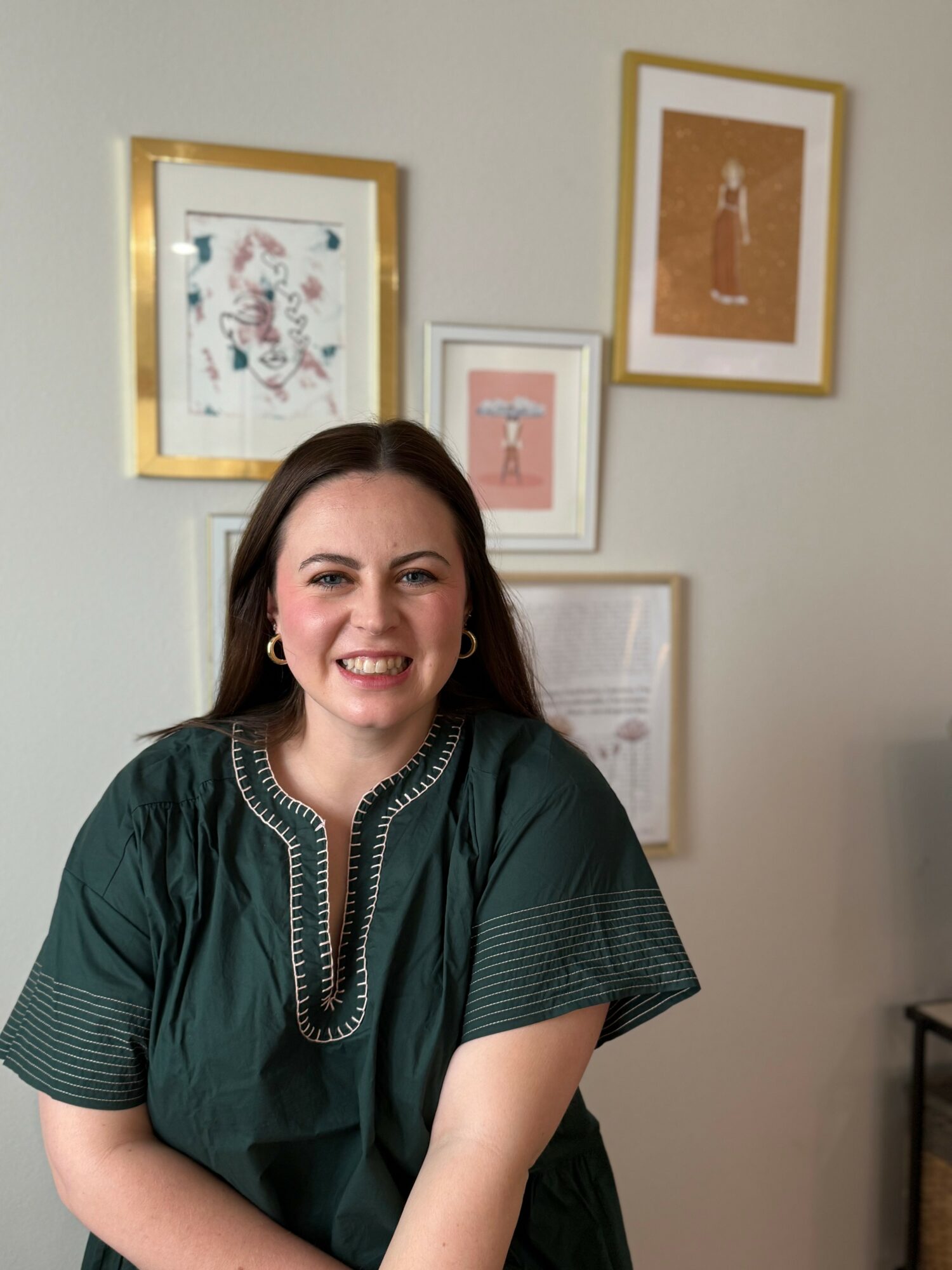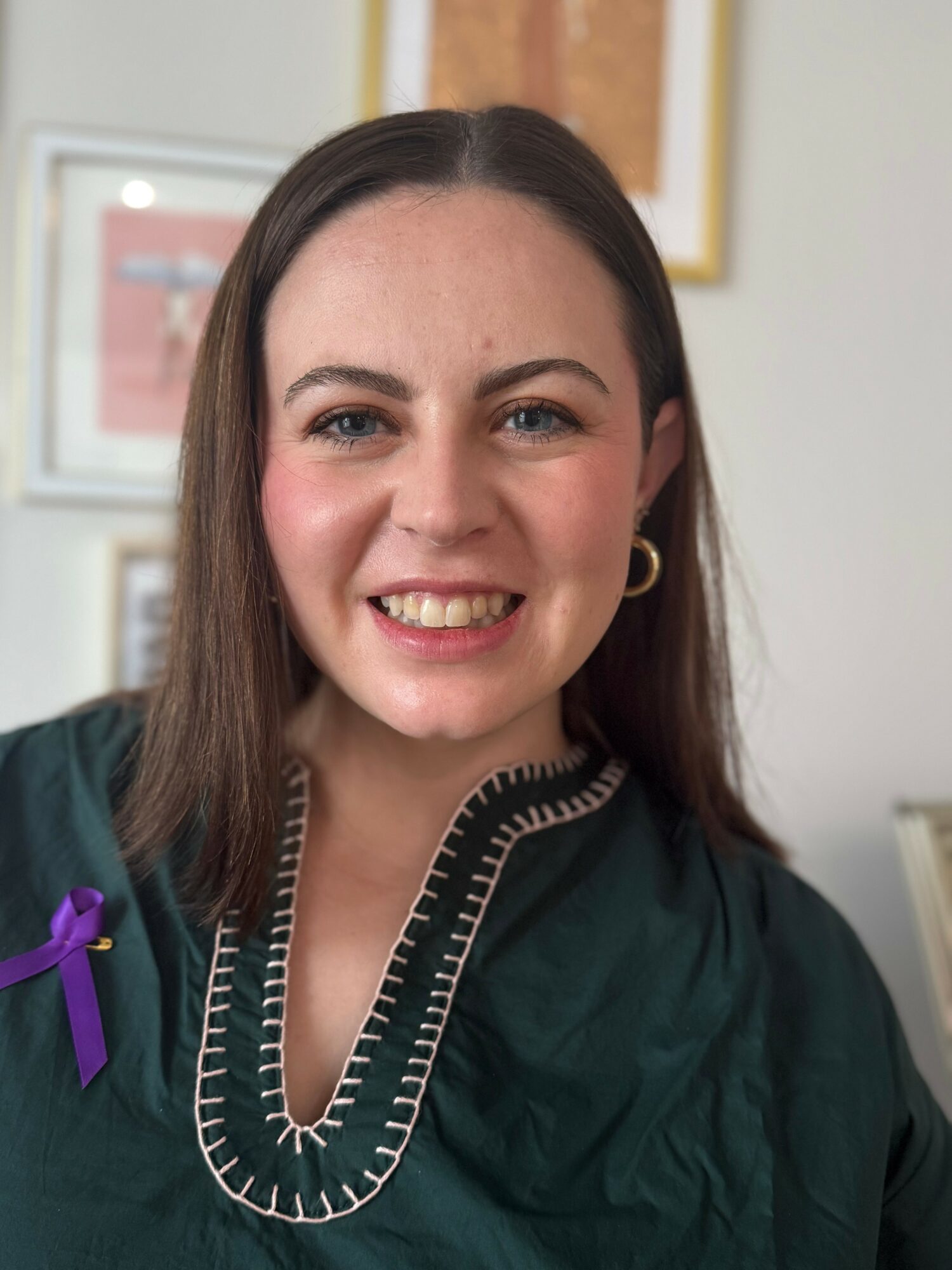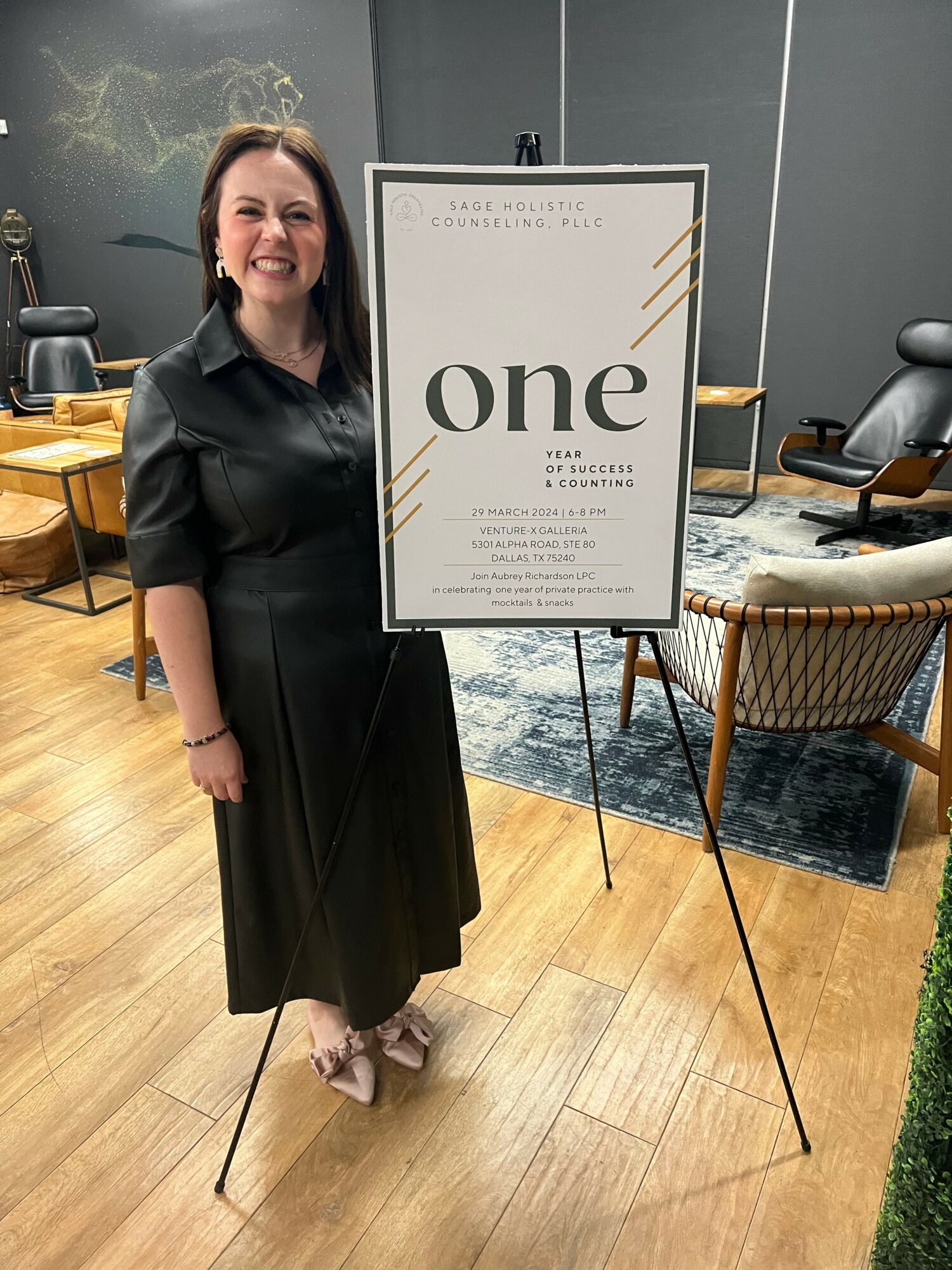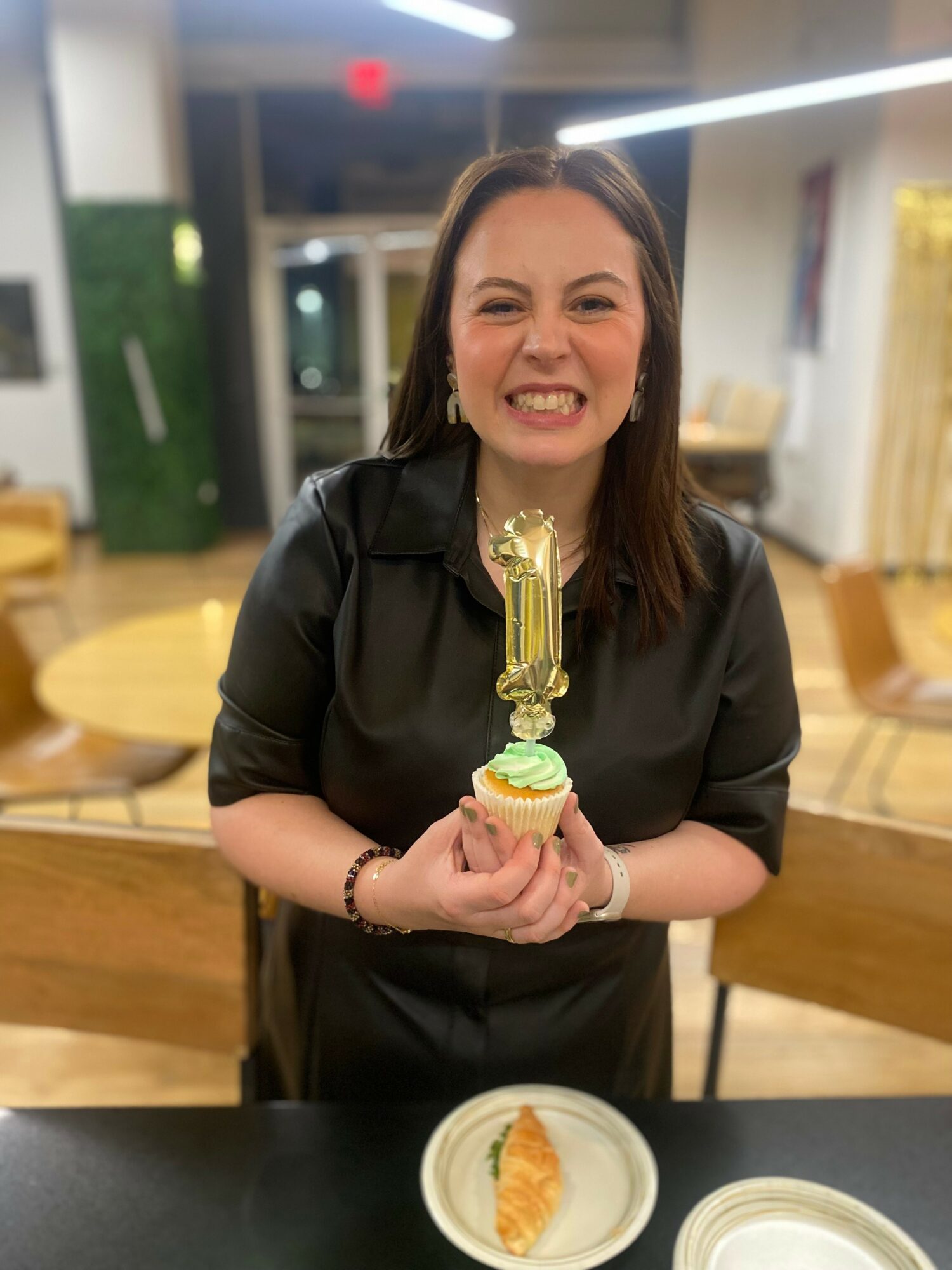






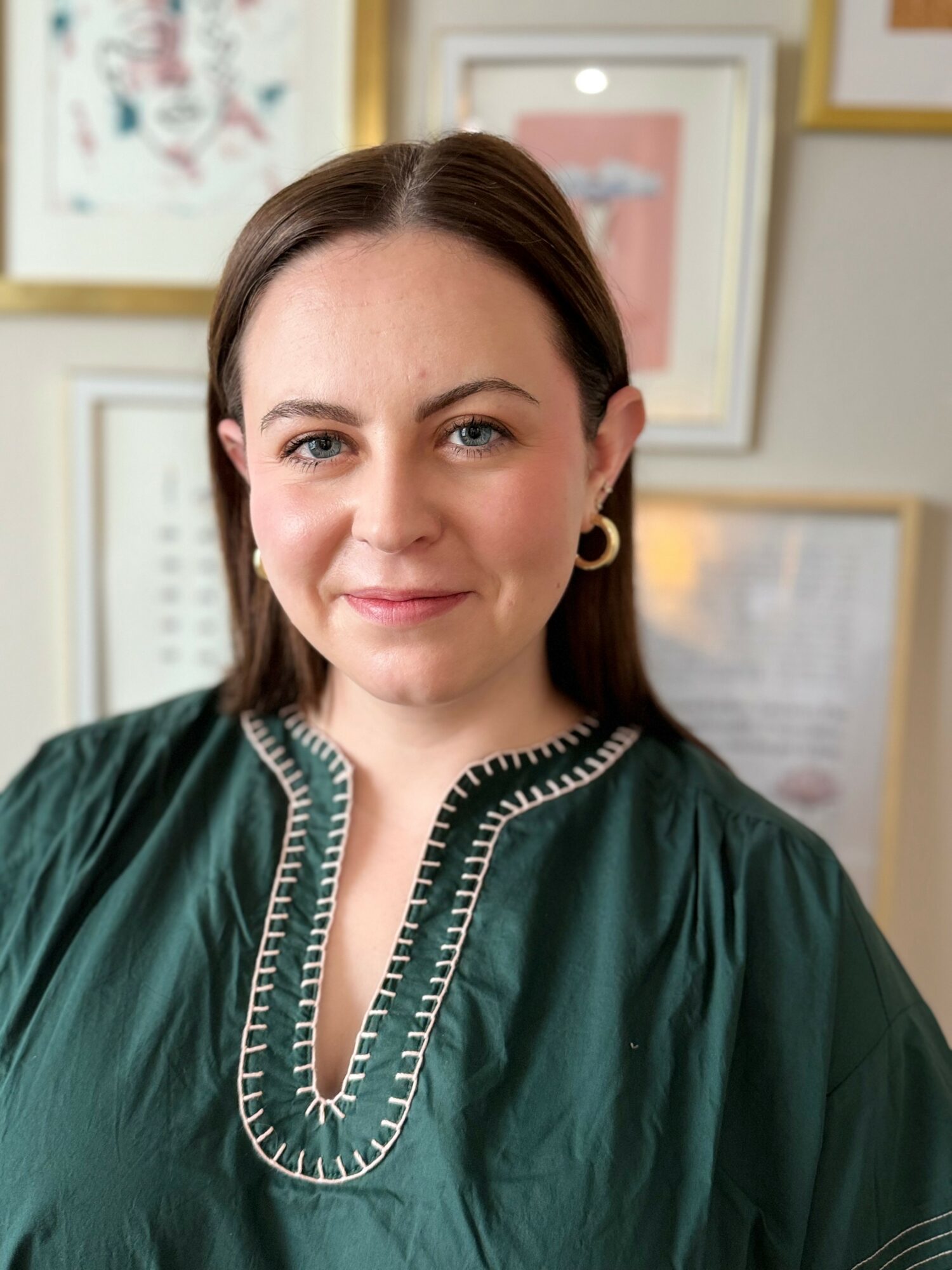
Today we’d like to introduce you to Aubrey Richardson.
Hi Aubrey, thanks for sharing your story with us. To start, maybe you can tell our readers some of your backstory.
When people ask me what I wanted to be when I grew up, I always had a variety of
answers. I wanted to be a marine biologist, Britney Spears, and a Supreme Court
justice before I wanted to be a therapist. The type of therapist has changed over
time as I have learned more about myself and navigated the mental health space. I saw myself as a little therapist from a young age; people always felt comfortable sharing with me, and I was infinitely curious about understanding people’s stories. When it was time to choose a major when applying to colleges, I picked Psychology and never looked back.
After college, I accepted a research position on a study focused on helping
individuals with serious mental illness (SMI) lose weight and quit smoking. After six
months, I knew that if I worked on excel spreadsheets for the rest of my life, I
would be completely miserable. Yet, my favorite part of the day was being inside
the psychiatric rehabilitation programs and working with the clients in the milieu. I
applied for a master’s program in clinical mental counseling and began to change
my career trajectory.
While completing my master’s, I continued to work full-time in research while also
interning at a different psychiatric rehabilitation program in Maryland and then at
Texas Health Presbyterian in Dallas. I gained experience completing mental health
assessments with community members as well as providing therapy in inpatient,
partial hospitalization (PHP), and intensive outpatient programs (IOP). After
graduation, I accepted a position as the mental health IOP coordinator and began
working at a group practice as well. Throughout my experiences, I continued to
notice that the mind was being treated separately from the body. Anxiety and
depression were the most common symptoms, and underlying trauma was the
most common cause. There was an intense focus on treating the symptoms in the
shortest amount of time, without important context or digging deeper, and without
important coordination of care. Taking my almost decade of experience, I opened
my own practice that holistically views a person as an entire being (not a brain on
a stick).. My goal is to eventually work myself out of a job, even
though I believe I am a joy to work with, no one wants to be in therapy for the rest
of their life.
Can you talk to us a bit about the challenges and lessons you’ve learned along the way. Looking back would you say it’s been easy or smooth in retrospect?
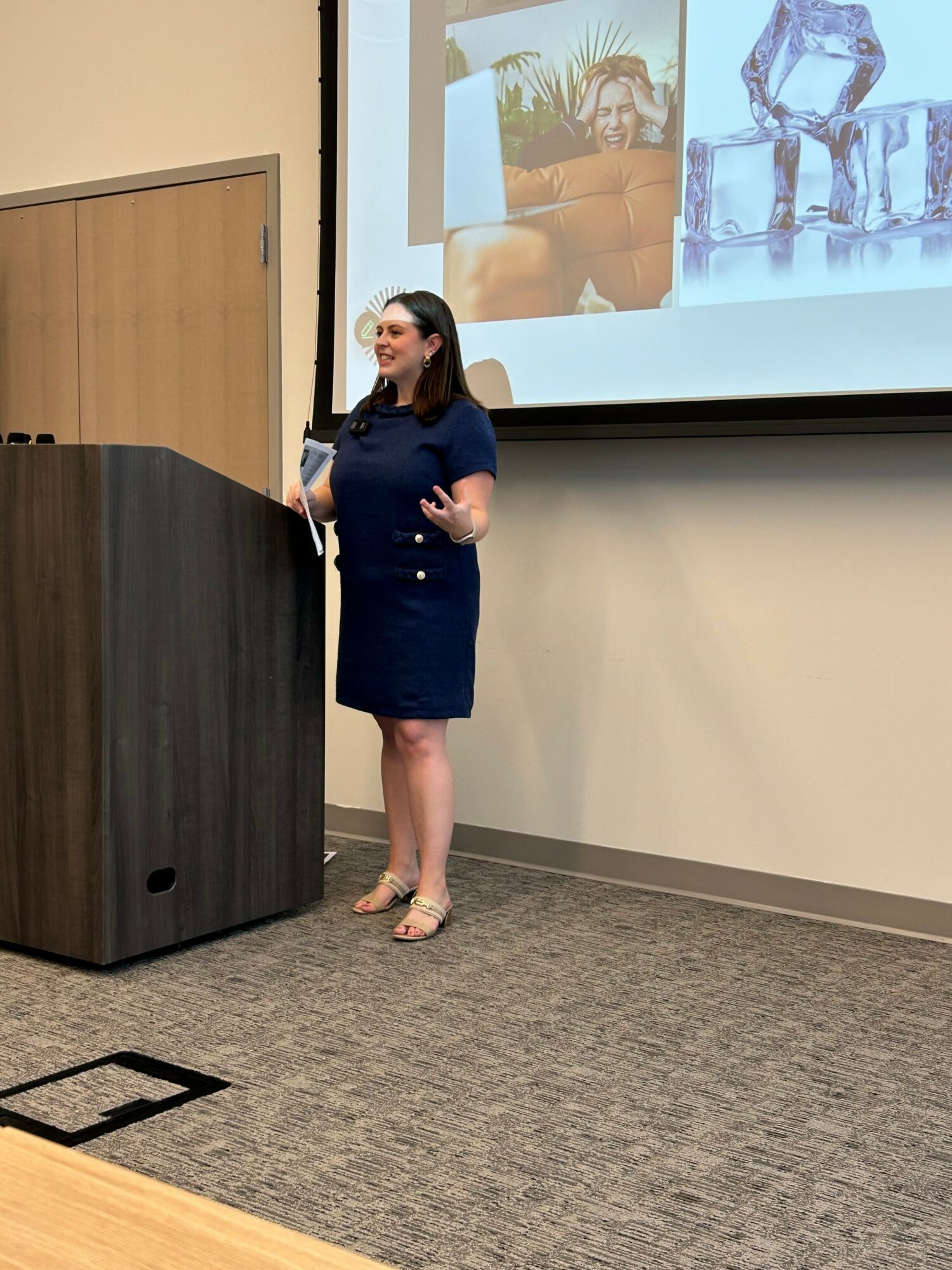
I recently spoke on a career panel for college women, and I spoke about the
importance of making mistakes, allowing yourself to fail and try again, and being
open to any opportunity. I emphasized the importance of learning what you can,
taking what works with you and leaving the rest behind. I would have never
planned to take the path I did to become a small business owner, but the beauty is
in the unexpected.
As a solo entrepreneur, I am both the creator of my own problems and my own solutions. There was such a learning curve to building a website, marketing myself, and figuring out how to bill insurance to name just a few. One time, I accidentally disconnected my webpage from the internet! Luckily, I have learned to take a deep breath and ask for help when trying to figure out the solutions to new problems. I am always learning, adjusting, and evaluating what is working (or isn’t) in my business.
Thanks – so what else should our readers know about Sage Holistic Counseling PLLC?
I am the founder and CEO of Sage Holistic Counseling and a Licensed Professional Counselor in Texas with a passion for caring for those on the front lines. I graduated from Johns Hopkins University with a Clinical Mental Health Counseling degree in 2019. Previously, I’ve worked at all levels of care at various psychiatric rehabilitation facilities, including inpatient units, partial hospitalization programs, and was the adult intensive outpatient programming coordinator at Texas Health Behavioral Health Dallas.
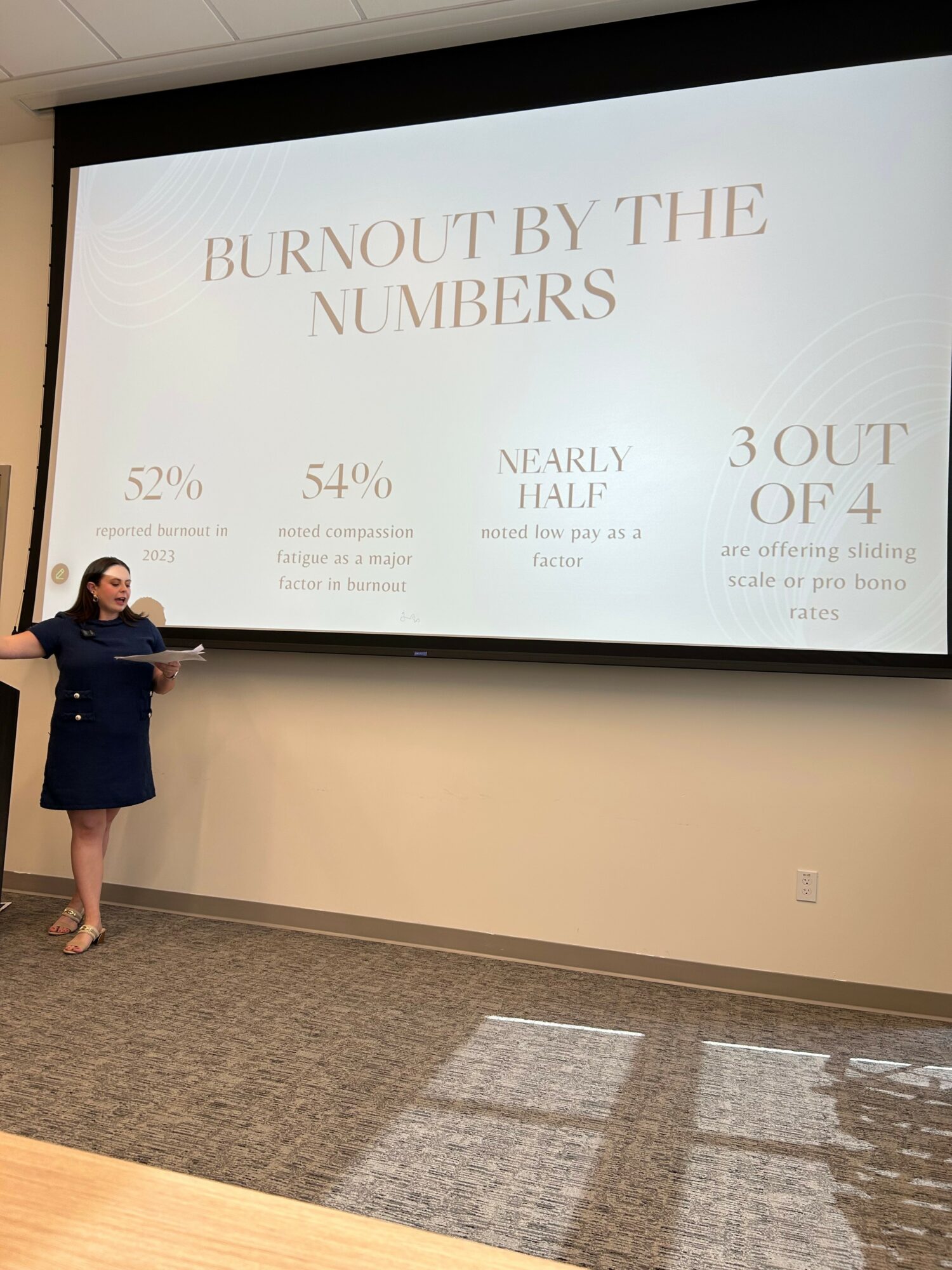
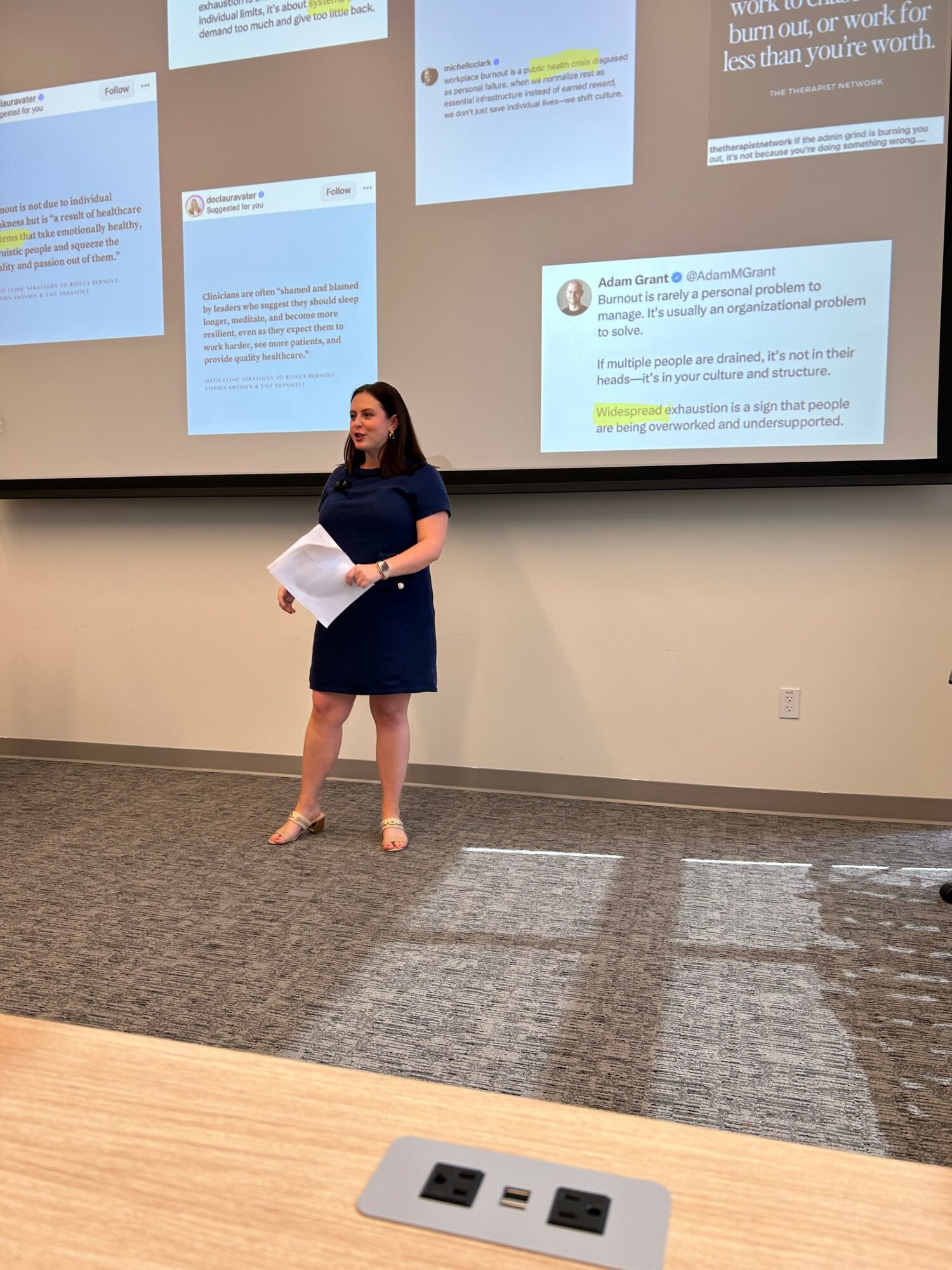
After witnessing the long-term effects of burnout and vicarious trauma on fellow clinicians and caregivers, I opened my private practice, Sage Holistic Counseling, where I now specialize in working with therapists, helpers, and caregivers who are navigating soul-deep exhaustion and burnout. I am particularly known for my focus on dismantling hustle culture as well as bringing a trauma-informed, systemic approach to burnout recovery by reframing it not as a personal failure, but as a predictable response to unsustainable systems.
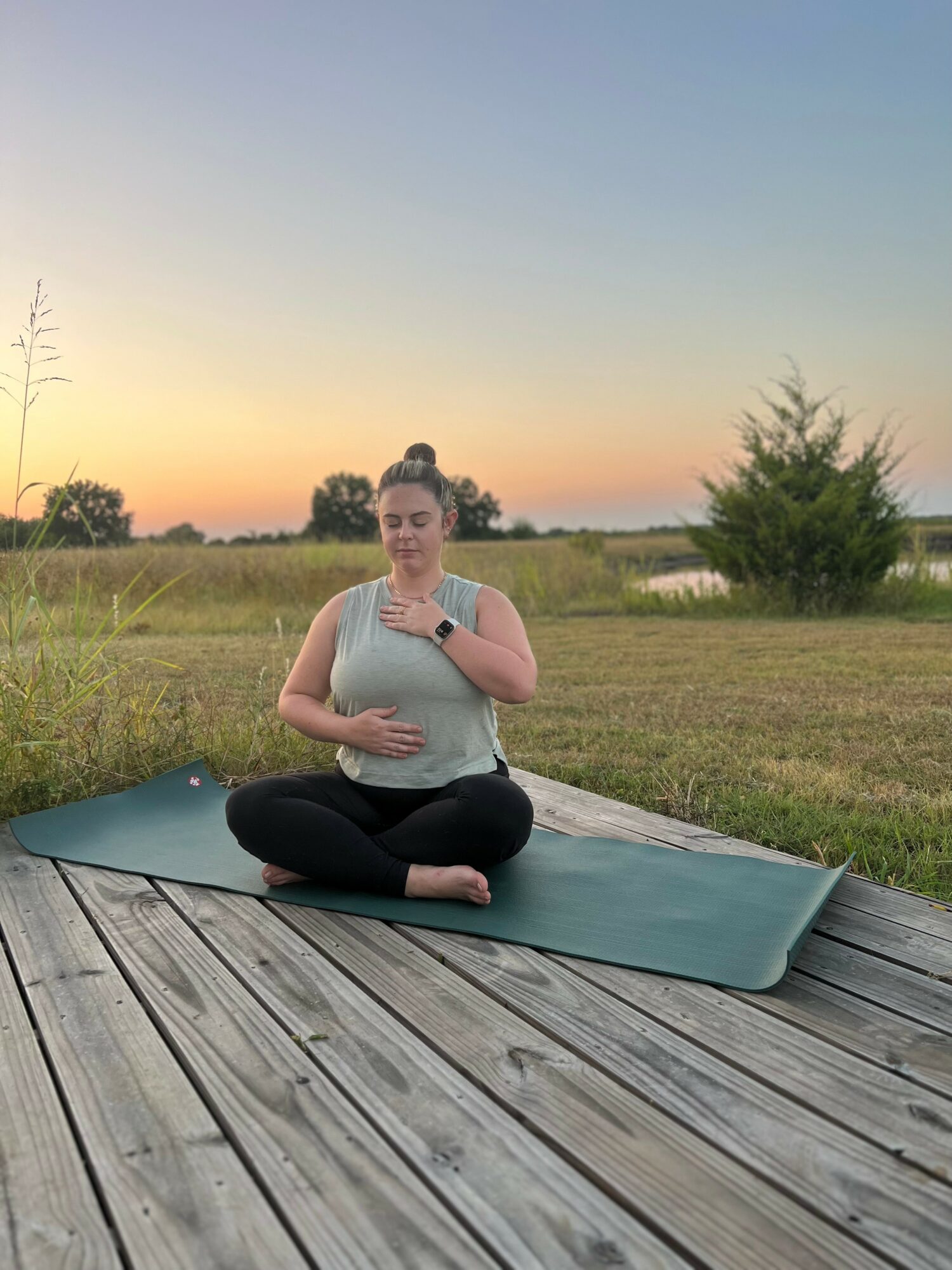
Brand-wise, I am most proud of creating a practice that explicitly centers the needs of helpers and caregivers, people who are often overlooked in traditional wellness spaces. Sage Holistic Counseling is known for its authenticity, depth, and permission-giving stance: you are more than what you produce for others, and rest does not need to be earned. Clients who work with me will gain the tools to transform perfectionism into self-acceptance, people-pleasing into authentic relationships, and overachieving into sustainable success. Overall, my work holistically addresses the mind and the body as well as personal healing with systemic awareness to help people reclaim their time, energy, and sense of self.
How do you define success?
I define success through my clients. Over the past year, my clients have reported changes and wins:
1. Reduced anxiety + better coping – “my anxiety has reduced dramatically,” “less anxious when friction happens,” “tools to regulate more appropriately,” “solutions to my anxiety.”
2. Better boundaries – especially with work and family: “better at setting boundaries,” “advocate for myself at work,” “set boundaries with my dad,” “helped me set boundaries and reduce anxiety.”
3. Less people-pleasing – several explicitly mention becoming “less of a people pleaser” or no longer taking ownership for things that aren’t theirs.
4. Emotional expression & regulation – being able to cry, feel, and not see that as weakness; naming emotions and working through “big emotions” in healthier ways.
5. Trauma coping shifts – being able to put words to trauma experiences, and seeing that responses are “normal and valid.”
6. Identity & self-confidence – being more sure of themselves, happier being single, okay that not everyone likes them, accepting what cannot be changed.
7. Life decisions & transitions – ending toxic relationships, continuing a business, navigating stressful work changes.
My clients say it best:
“I was scared of therapy, but you built a space where I feel comfortable.”
“I’m less anxious when there’s friction because I’ve stopped taking ownership of what isn’t mine.”
“You call me out, but still let me come to my own conclusions.”
“I’m stronger because I’m finally able to cry.”
“I like that I can talk about anything and everything.”
Contact Info:
- Website: https://www.SageHolisticCounseling.com
- Instagram: @sage_holistic_counseling
- Youtube: https://www.youtube.com/@SageHolisticCounseling
- Other: https://www.psychologytoday.com/profile/1642849