





Today we’d like to introduce you to Ayaan Magoo.
Hi Ayaan, thanks for joining us today. We’d love for you to start by introducing yourself.
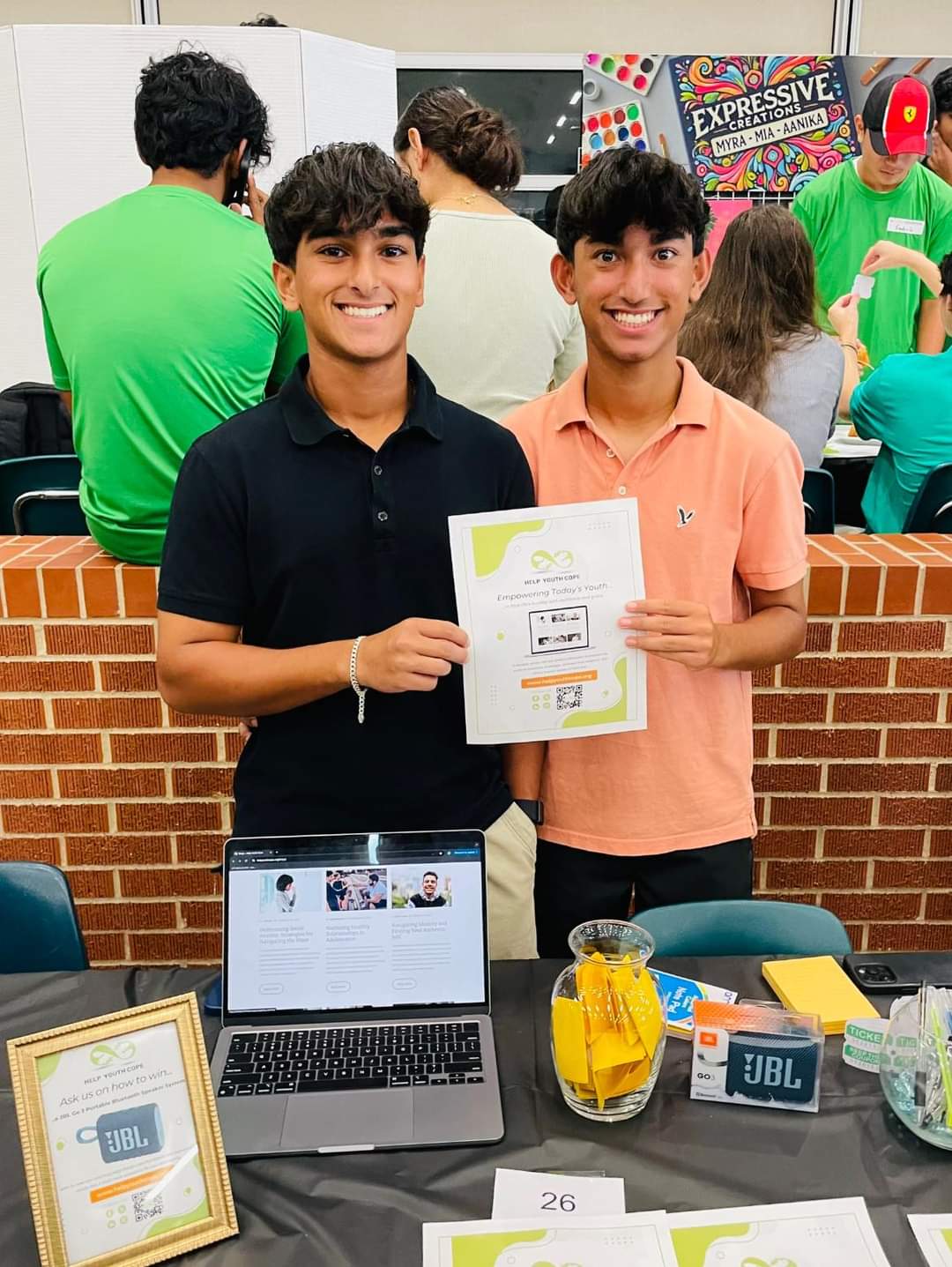
Our story really began when my twin brother and I realized how many students around us were dealing with stress without having an approachable place to turn. We wanted to create something built by teens for teens, so we launched Help Youth Cope (HYC) together. I focused on building the website, the mobile app, and the AI features, while he focused on outreach, research, and creating content. Every idea and decision was shared, and working as a team allowed us to turn HYC into a peer-led mental wellness platform with thousands of monthly users and partnerships with national organizations.
AutomateAIX grew out of the same spirit of problem solving. During a class discussion about rising AI automation, we started wondering why only large corporations were using these tools to save time. If AI could streamline operations at that scale, why could local businesses not benefit too? That question stuck with us, especially after I saw how small businesses in Southlake were overwhelmed by manual work during my internship with the city.
We built AutomateAIX from scratch and began meeting with local business owners to understand what was slowing them down. We listened to their problems and created simple automations that saved them hours each week. One shop owner told us she finally had time to eat lunch because a system we built handled tasks she used to do manually. Moments like that made everything feel personal. It showed us that business can have a real human impact.
To tie both ventures together, we donate revenue from AutomateAIX to Help Youth Cope. Helping small businesses ended up helping students too, which made the work even more meaningful.
Our story is really about both of us seeing gaps in our community, learning what we needed to learn, and building innovative solutions together.
We all face challenges, but looking back would you describe it as a relatively smooth road?
It definitely has not been a smooth road. When my brother and I started both projects, we had the motivation but not the technical skills. Learning tools like Make and n8n was one of the hardest parts. These platforms look simple at first, but once we started building real systems for businesses, we had to deal with complex logic, API errors, broken workflows, and hours of debugging. We had to teach ourselves everything, usually by watching tutorials at midnight and fixing one tiny problem at a time.
We also faced challenges with HYC’s AI features. In the early stages, we researched real cases where AI chatbots accidentally gave harmful or misleading advice to people in crisis. Reading about an incident where an AI’s responses contributed to someone’s emotional decline made us realize how serious the responsibility was. Because we are not licensed professionals, we could not position our chatbot as something that gives mental health advice. That forced us to rethink the entire design. We reprogrammed it to act as a listener that provides supportive language, safe redirections, and crisis resources instead of advice. Balancing accessibility with safety took a lot of trial and error.
Credibility was another challenge. We were teenagers trying to convince adults and organizations to trust us. Some schools were hesitant to partner with a student-led mental health initiative, and some small business owners questioned whether high school students could truly automate parts of their operations. Proving ourselves required showing real results, not just talking about them.
Balancing everything with school, internships, and competitions was also tough. There were moments where burnout felt close, and we had to learn how to communicate better as co-founders and as brothers.
The road has definitely had obstacles, but every struggle forced us to level up. We became better builders, better problem solvers, and better teammates. Each challenge ended up shaping the projects into something stronger and safer.
Thanks – so what else should our readers know about AutomateAIX & Help Youth Cope?
Our work really comes down to two connected ventures: Help Youth Cope (HYC) and AutomateAIX. Both are built around the idea that technology can make life easier, safer, and more accessible for people who usually get overlooked.
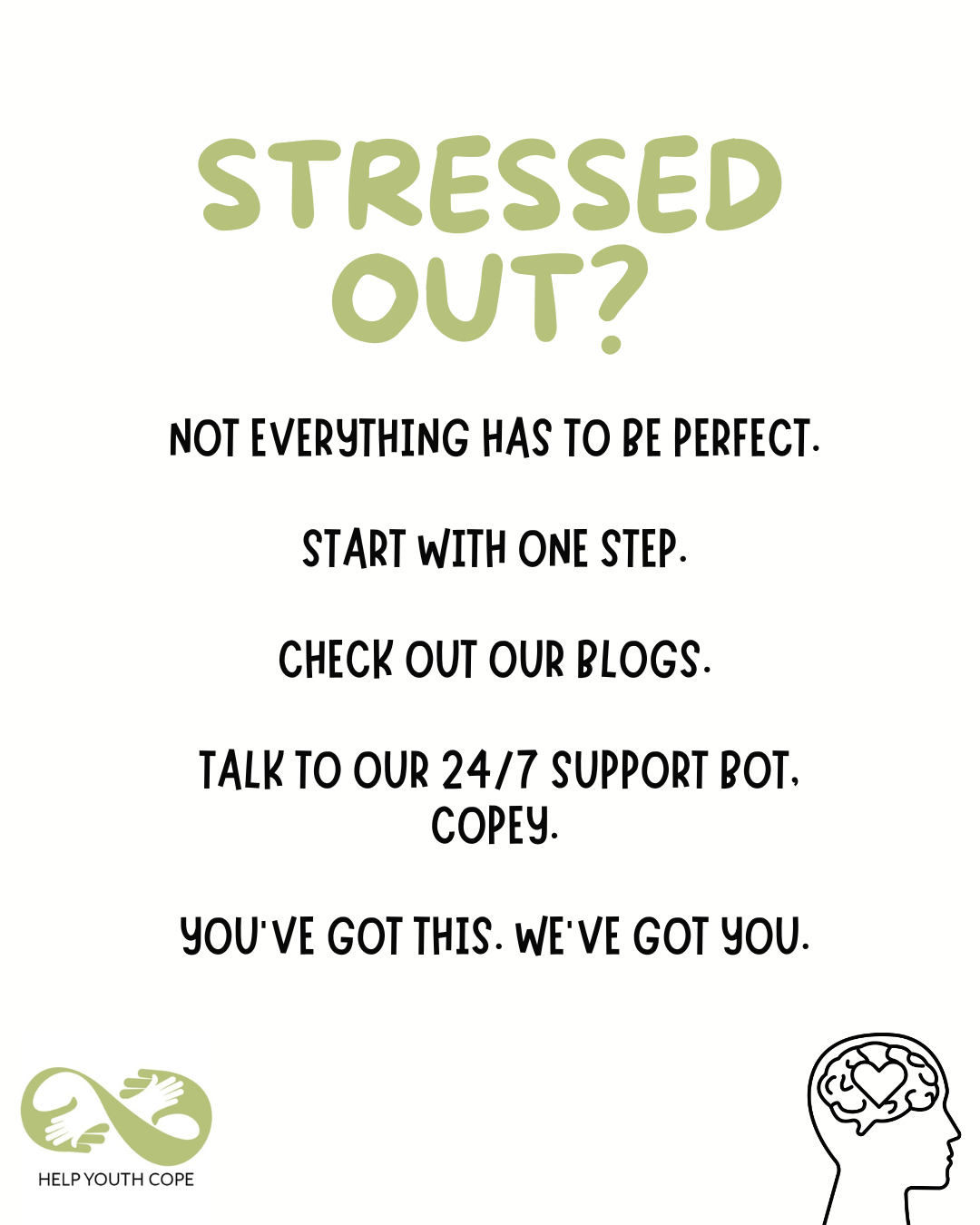
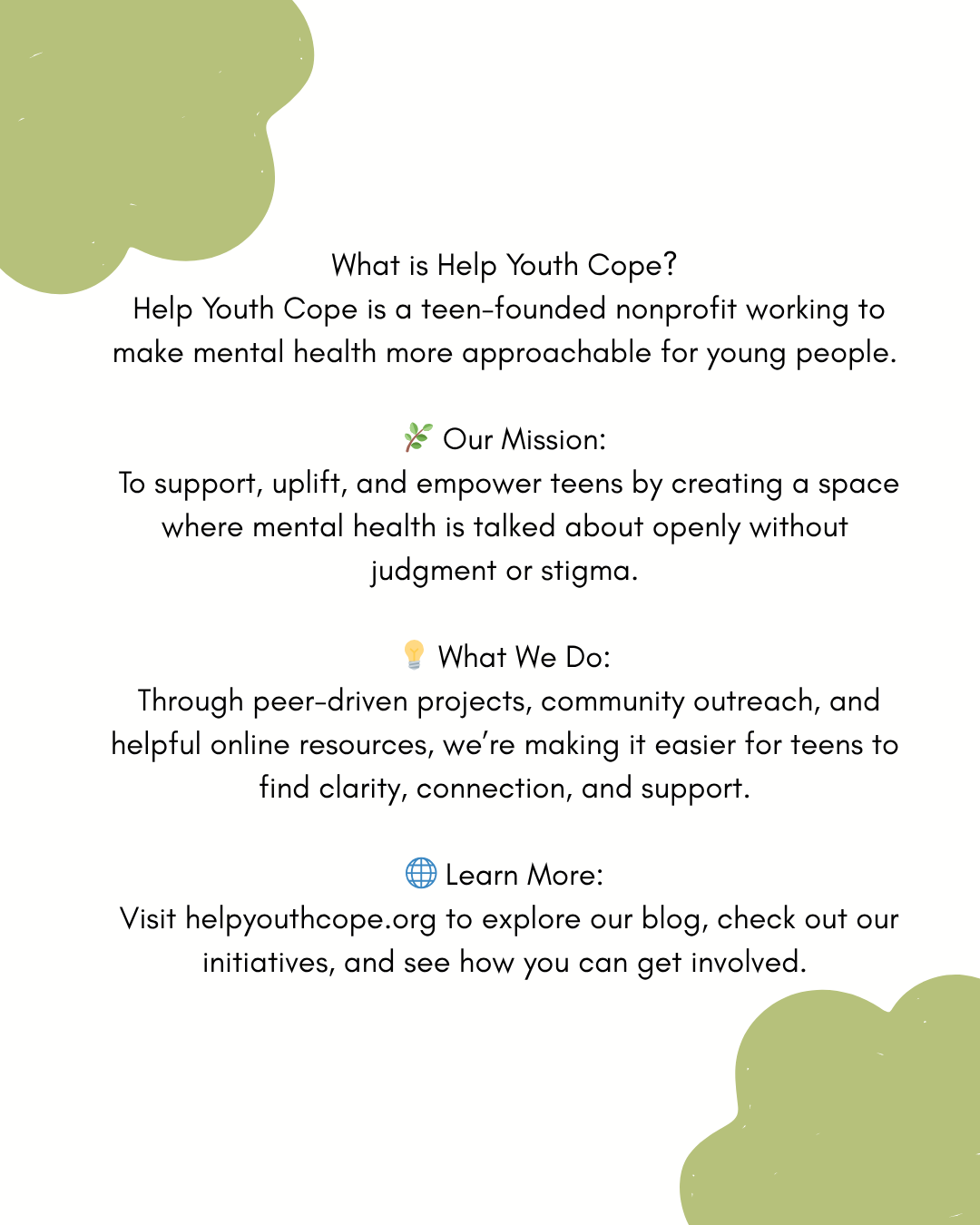
Help Youth Cope is a peer-led mental wellness platform my brother and I created for students who want support without feeling judged or intimidated. We built the website and app ourselves, included a safe AI listener for students who just need someone to talk to, and added resources, blogs, and crisis support. What makes HYC different is that it was created entirely by teens who understand what other teens are facing. Everything is built with empathy, simplicity, and credibility at the center.
AutomateAIX is the technical side of our work. We specialize in building AI automations and modern websites for small businesses that want to run more efficiently but do not have the time or budget to adopt these tools on their own. We use platforms like Make and n8n to create systems that handle repetitive tasks, organize leads, respond to customers, and save business owners hours each week. Many companies focus on selling expensive solutions. We focus on accessibility and impact, and we donate our revenue to Help Youth Cope.
What sets us apart is the combination of mission and skill. Most youth-led projects focus only on awareness, and most tech consulting services focus only on profit. We blend both. The businesses we help directly support youth mental health, and the students we support benefit from the businesses we modernize. It forms a cycle of impact that feels meaningful on both sides.
Brand-wise, I am most proud of the trust people place in us. Students trust HYC as a safe and judgment-free space, and local business owners trust us with real operational problems. Both brands are built on transparency, careful design, and a genuine desire to help.
What I want readers to know is simple: we build things that solve real problems. Whether it is a teenager who needs someone to listen or a business owner who needs time back in their day, our goal is to use technology to make that possible.
We all have a different way of looking at and defining success. How do you define success?
I define success as the point where something I built makes someone else’s life meaningfully easier. For me, it is not about scale or numbers, even though those matter. It is about impact that feels real and personal.
With Help Youth Cope, success is when a student tells us the platform made them feel heard or less alone. With AutomateAIX, success is when a business owner says an automation saved them time or reduced their stress. Those small, direct outcomes mean more to me than any title or award.
Success also means growth. Not growth in size, but growth in skill, maturity, and responsibility. If each project forces me to learn something new, solve a harder problem, or think more carefully about the people I am helping, that is success to me.
Ultimately, success is when the work matters to someone other than myself. When what I build has purpose and helps someone in a tangible way, I know I am moving in the right direction.
Contact Info:
- Website: https://helpyouthcope.org/ and https://automateaix.com/
- Instagram: https://www.instagram.com/helpyouthcope/#
- Facebook: https://www.facebook.com/HelpYC
- LinkedIn: https://www.linkedin.com/in/hycope
- Twitter: https://x.com/helpyouthcope
- Youtube: https://www.youtube.com/channel/UCqfxNidAOTUyKZoiSRC-ZwA