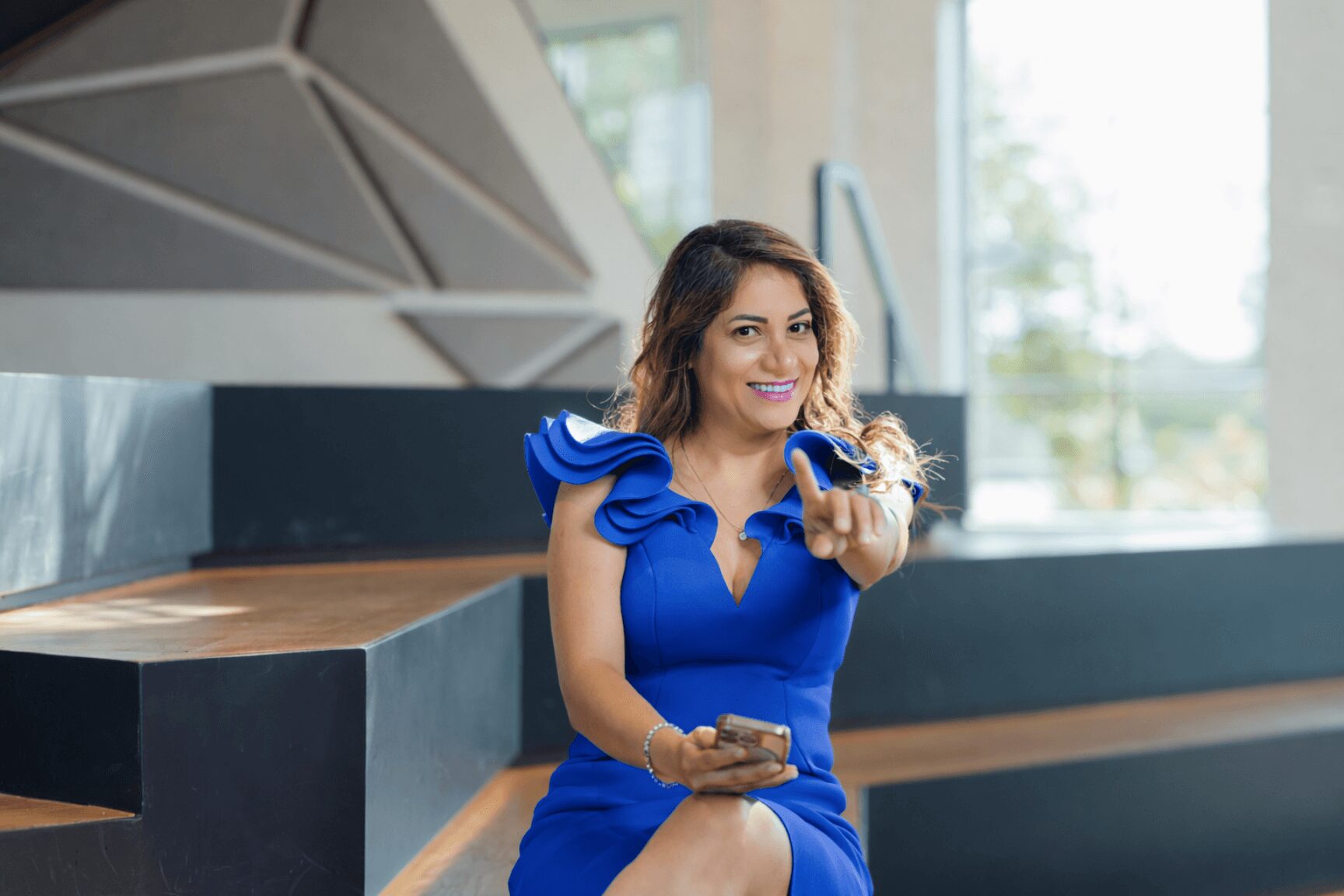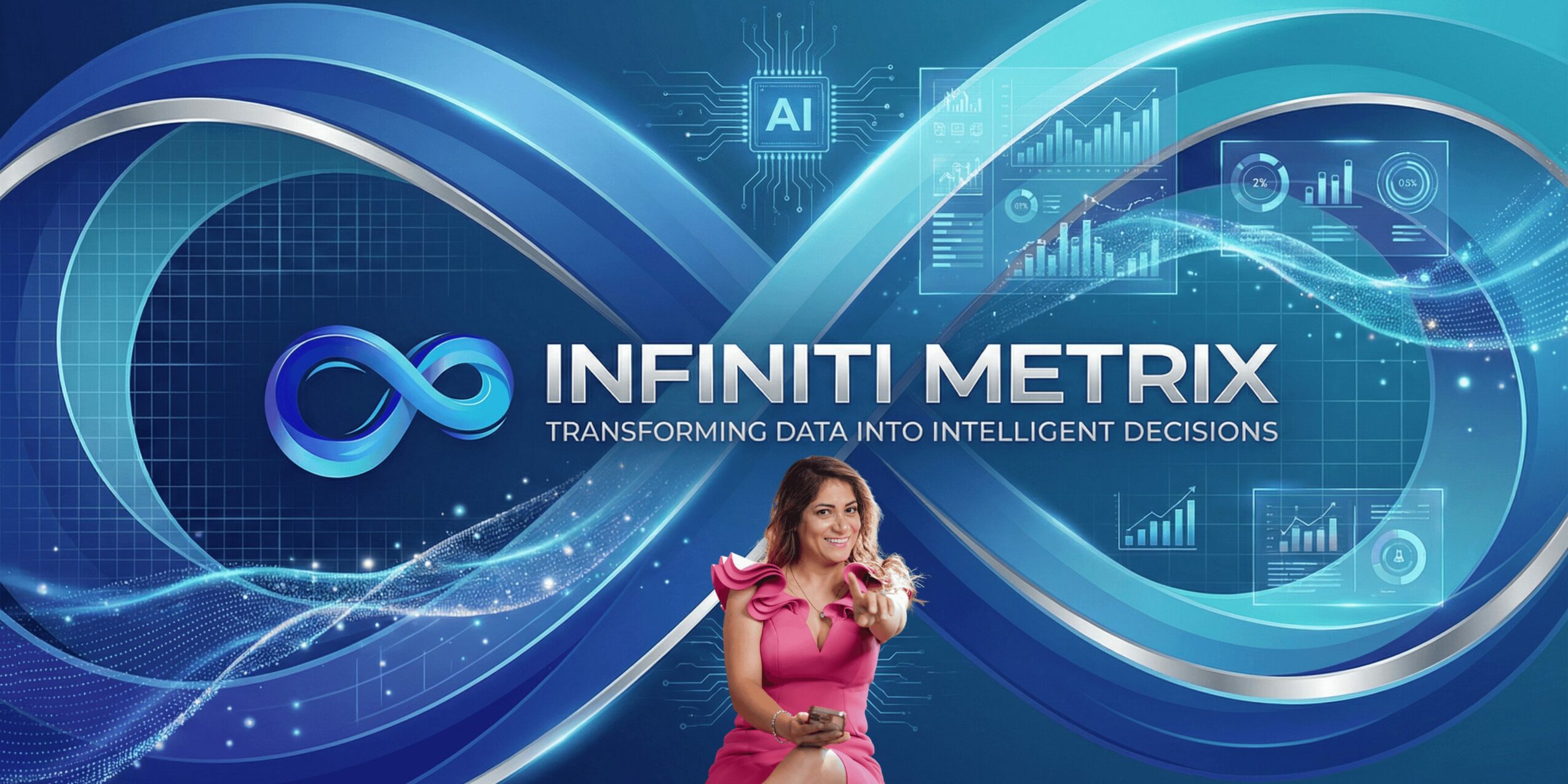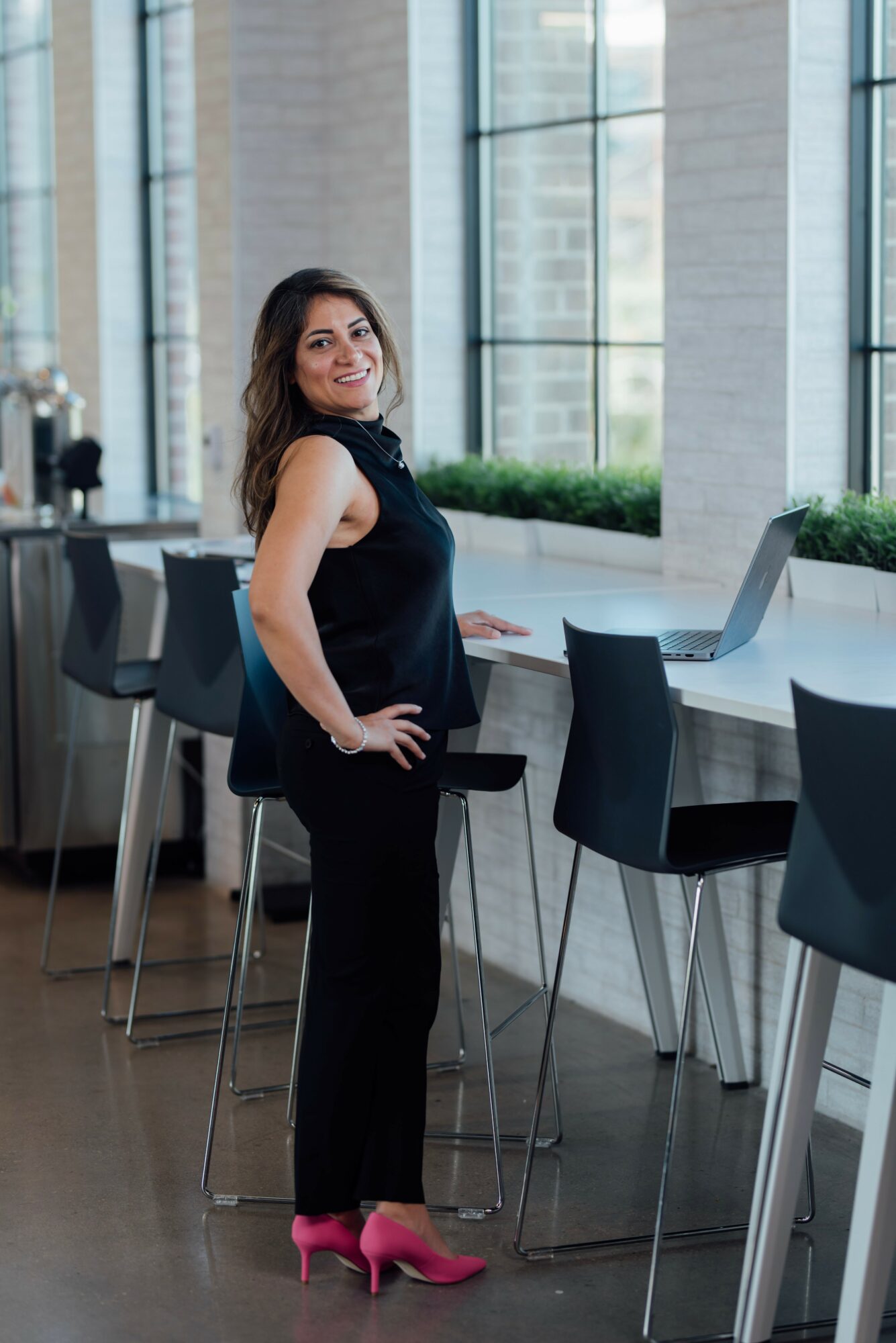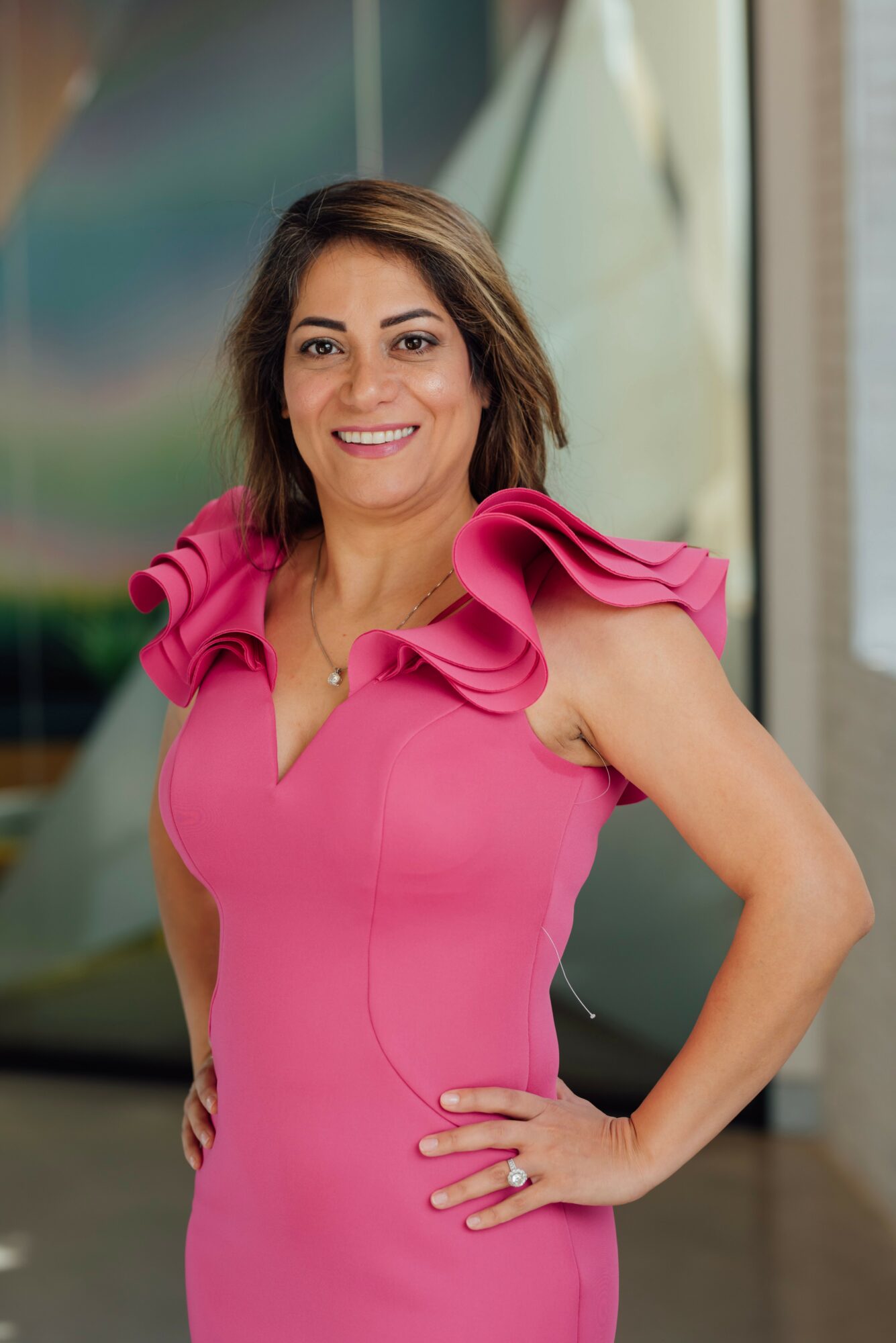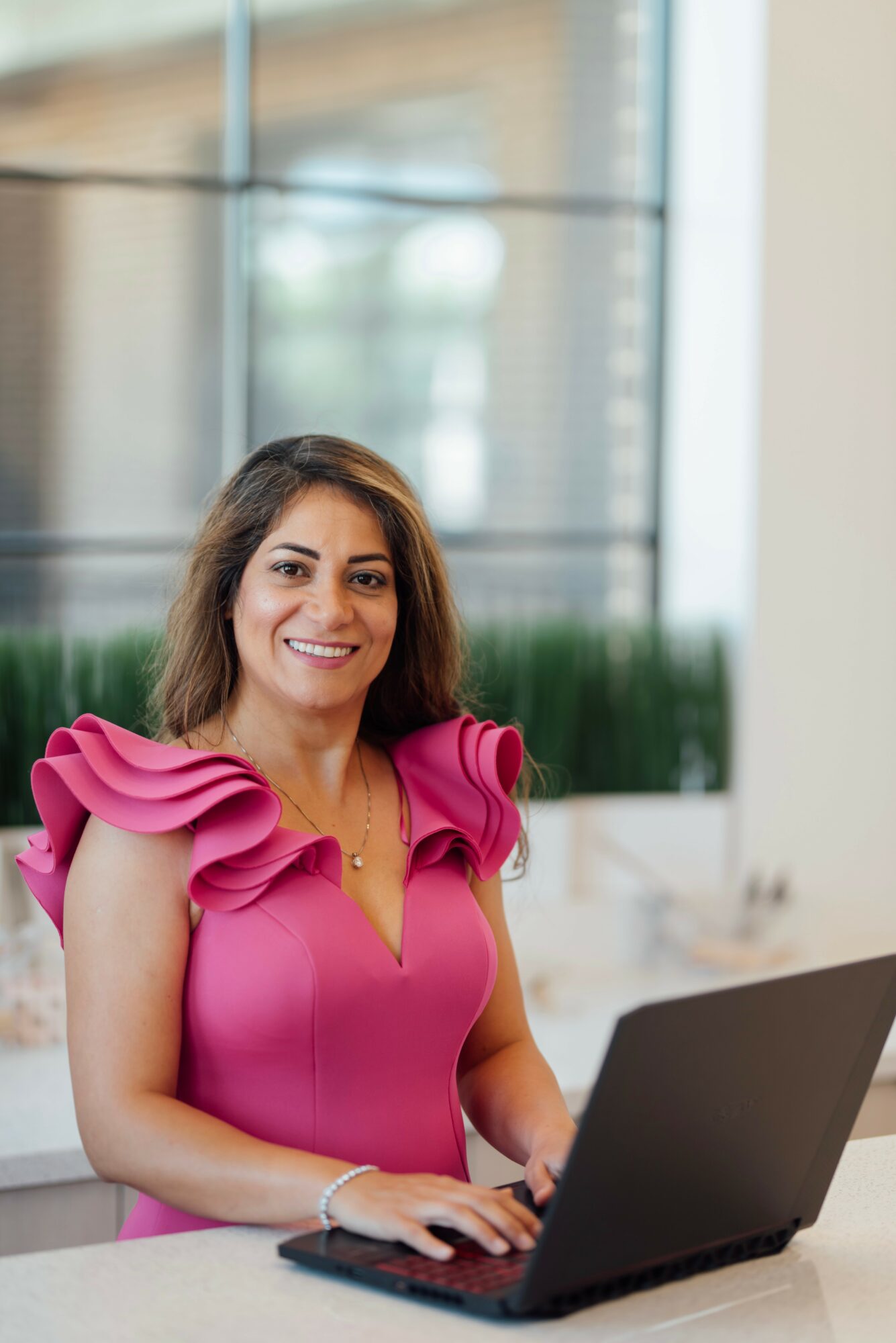





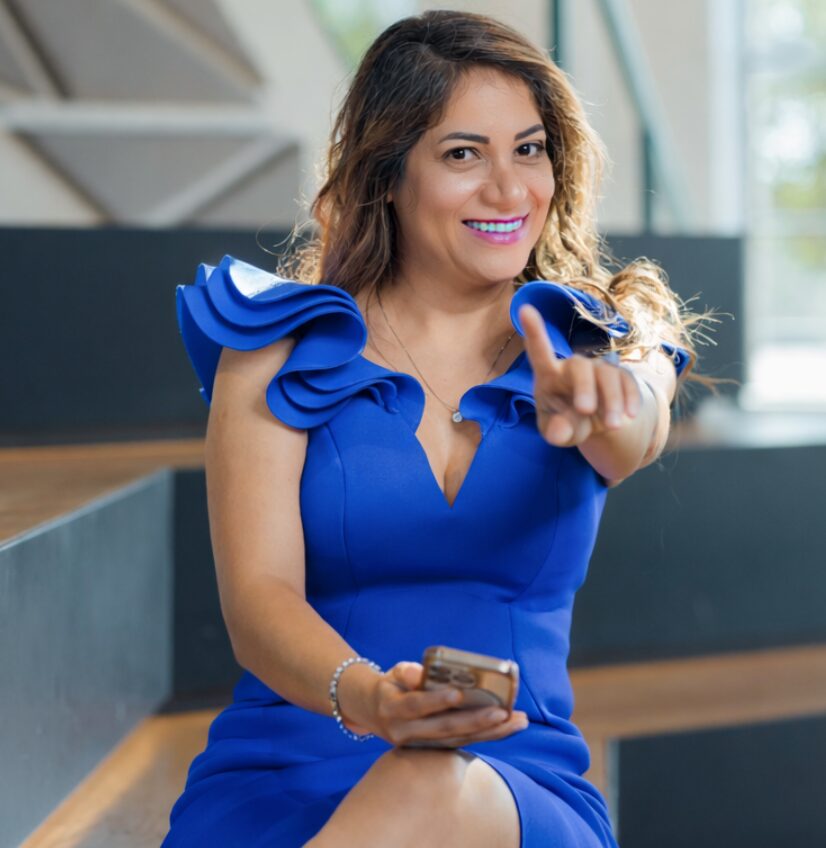
Today we’d like to introduce you to Boshra Kargar.
Hi Boshra, thanks for sharing your story with us. To start, maybe you can tell our readers some of your backstory.
I was born into poverty in Iran after the revolution. My childhood wasn’t a childhood — it was survival. I was four years old when I watched my first friend die in front of me during the war. The sound of bombs became the soundtrack to growing up. While other kids played, I was helping my mother raise my three siblings because my father wasn’t there. We were poor. We were hungry. And we were under constant threat.
I was insulted, assaulted, abused — by people, by circumstance, by a system that didn’t want me to exist. During the sanction period, my mother was struggling with her own health while I was responsible for keeping our family alive. But I did something desperate: I studied. Hard. College felt like escape, like proof that I could be something other than what my country had decided I was.
Then I married a man who was abusive. I thought I was choosing safety. I was wrong.
I came to America because I attended a protest against the regime, and they made it clear I wasn’t allowed higher education back home. I came here to be free. Instead, I was abused and assaulted again. My second marriage became another prison.
But then I met my husband — my real partner. While he stood beside me, I got my education. I entered corporate America. I worked for big companies and moved up quickly because I’m good at what I do. I became a mother to my twins. Life felt like it was finally building into something real.
Then I was diagnosed with a rare disease that would never leave me.
And then my boss — someone who couldn’t stand that I was smarter than her — lied to everyone and got me laid off.
That’s when I stopped waiting for permission. In March 2025, I started my own business. I built it myself. And here I am — a successful entrepreneur, a mother, a wife to the man I love, and a woman who has fought through more than most people will ever know.
My health will never be easy. But I’m still here. I’m building. I’m winning.
Alright, so let’s dig a little deeper into the story – has it been an easy path overall and if not, what were the challenges you’ve had to overcome?
No. Not even close.
Emotional pain. Abuse. Insult. Physical hurt, pain, assault — over and over. That’s the baseline. But it didn’t stop there.
My body turned against me. Fibromyalgia. EDS. Conversion disorder. My nervous system was so traumatized that it started attacking itself. PTSD. Autoimmune issues. My body became the battlefield my mind had already survived. Some days, I couldn’t tell if the pain was real or if my trauma was manifesting as something physical. Spoiler: it was both.
And I’m a giving person. That’s who I am. But being a giver when you’re this broken? It’s dangerous. I gave from an empty cup. I gave to people who took and never gave back. I gave until I had nothing left — not just emotionally, but physically. My body literally couldn’t sustain it.
That’s when I learned the hardest lesson: boundaries aren’t selfish. They’re survival.
I had to learn to say no. I had to learn to protect myself from people — including people I loved — who were hurting me, whether intentionally or not. I had to understand that my compassion couldn’t heal everyone, and trying would only destroy me.
The road wasn’t smooth. It was broken, painful, and confusing. But it taught me something essential: you can’t pour from an empty cup. And sometimes the most loving thing you can do — for yourself and for others — is to walk away.
As you know, we’re big fans of you and your work. For our readers who might not be as familiar what can you tell them about what you do?
I’m a mathematician. But that’s just the technical title — here’s what I actually do: I see patterns other people miss. I see the big picture when everyone else is stuck in the details. I connect dots that seem unconnected, and suddenly things make sense.
I’ve trained managers, leaders, and young employees — and what I’ve tried to teach them isn’t just how to think differently. It’s how to be differently. I teach patience. Kindness. The power of being a giver in a world that rewards takers. I teach them to see people, not problems.
I’ve worked hard — really hard — on myself to get here. I had to unlearn judgment. I had to learn humility. I had to understand that every single person I meet has something to teach me, whether they know it or not. That shift changed everything.
What I’m most proud of isn’t a title or a number. It’s the leaders and young professionals who came to me broken or lost, and who left knowing they could build something real. I’m proud that I’ve shown people — through my own story — that you don’t have to be perfect to lead. You have to be honest, humble, and willing to keep learning.
What sets me apart? I don’t just teach frameworks. I teach from lived experience. I’ve survived poverty, abuse, trauma, rare diseases, corporate betrayal. I’ve been at the bottom and I’ve climbed. So when I teach someone how to lead, how to be kind, how to set boundaries — they know it comes from someone who has actually lived it, not someone reading from a textbook.
I’m a storyteller who helps people see themselves in my story and realize: if I can make it, so can you. That’s my real work. Everything else — the math, the strategy, the training — that’s just the vehicle for the message.
What sort of changes are you expecting over the next 5-10 years?
Everyone’s panicking about AI replacing humans. But that’s not how this works.
Yes, AI is a tool. A powerful one. Right now, people are fascinated by it — excited, even. They think it can do everything. And it can do a lot. But here’s what AI will never do: it will never be human.
Read an AI-generated comment. Read an AI-written story. Read AI-generated notes. Then read something written by a real person who’s lived through something, who has skin in the game, who has something to lose or prove. You can feel the difference. You can see it immediately.
The shift isn’t AI replacing humans. The shift is authenticity becoming more valuable.
In the next 5-10 years, we’re going to see a massive divide: on one side, generic, AI-generated content that sounds like everything else. On the other side, real human voices — messy, specific, true — that actually connect with people because they’re real.
The winners won’t be the ones who use AI best. They’ll be the ones who stay human.
Be authentic. Be yourself. Be confident in your actual story, your actual voice, your actual experience. Because here’s the truth: there is always — always — at least one person out there who needs to hear exactly what you have to say. One person who will recognize themselves in your words, your moves, your actions. One person whose life changes because you were brave enough to be real.
That’s what AI can never replace. That’s what the industry will always need.
Contact Info:
- Website: https://www.infinitimetrix.com
- Instagram: @infinitimetrix
- Facebook: @infinitimetrix
- LinkedIn: https://www.linkedin.com/company/infinitimetrix/
- Twitter: @infinitimetrix
- Youtube: @infinitimetrix
- Yelp: https://www.yelp.com/biz/infiniti-metrix-mckinney
- Other: https://www.linkedin.com/in/boshrakargar/