





Today we’d like to introduce you to Brennan Palmiter.
Hi Brennan, we’d love for you to start by introducing yourself.
My life has been a series of chapters that didn’t always make sense at the time. I’ve shifted gears more than once and each season taught me something different. Looking back, it’s clear those chapters were all pointing me in the same direction, even when I didn’t realize it.
I, like a lot of veterans, struggled with the transition to civilian life. I found stability through rodeo and the livestock community, riding bulls competitively for about eight years. It gave me structure, accountability, and a sense of brotherhood that felt familiar after the military. But rodeo isn’t forever—and eventually, I stopped bouncing like I used to.
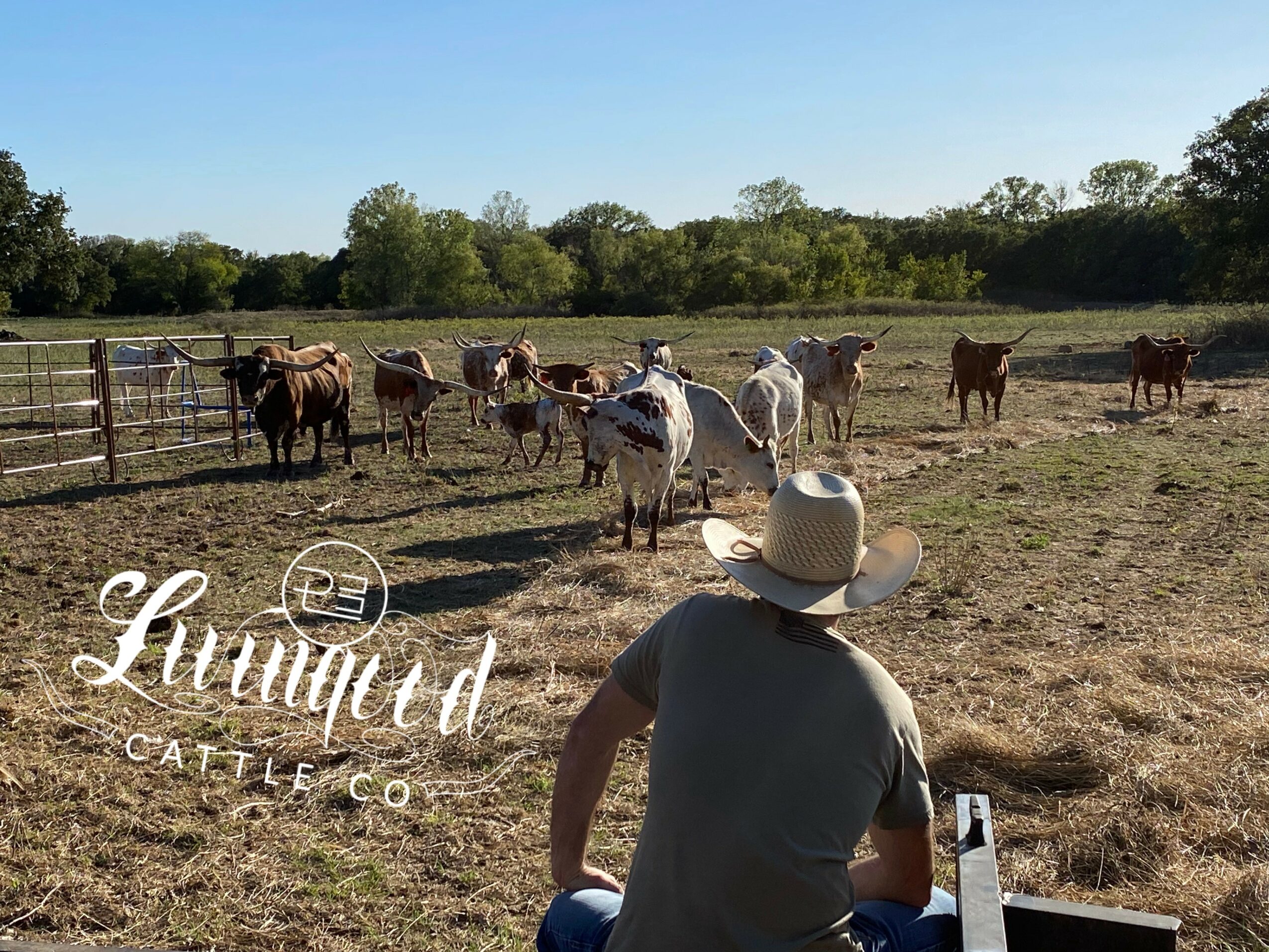
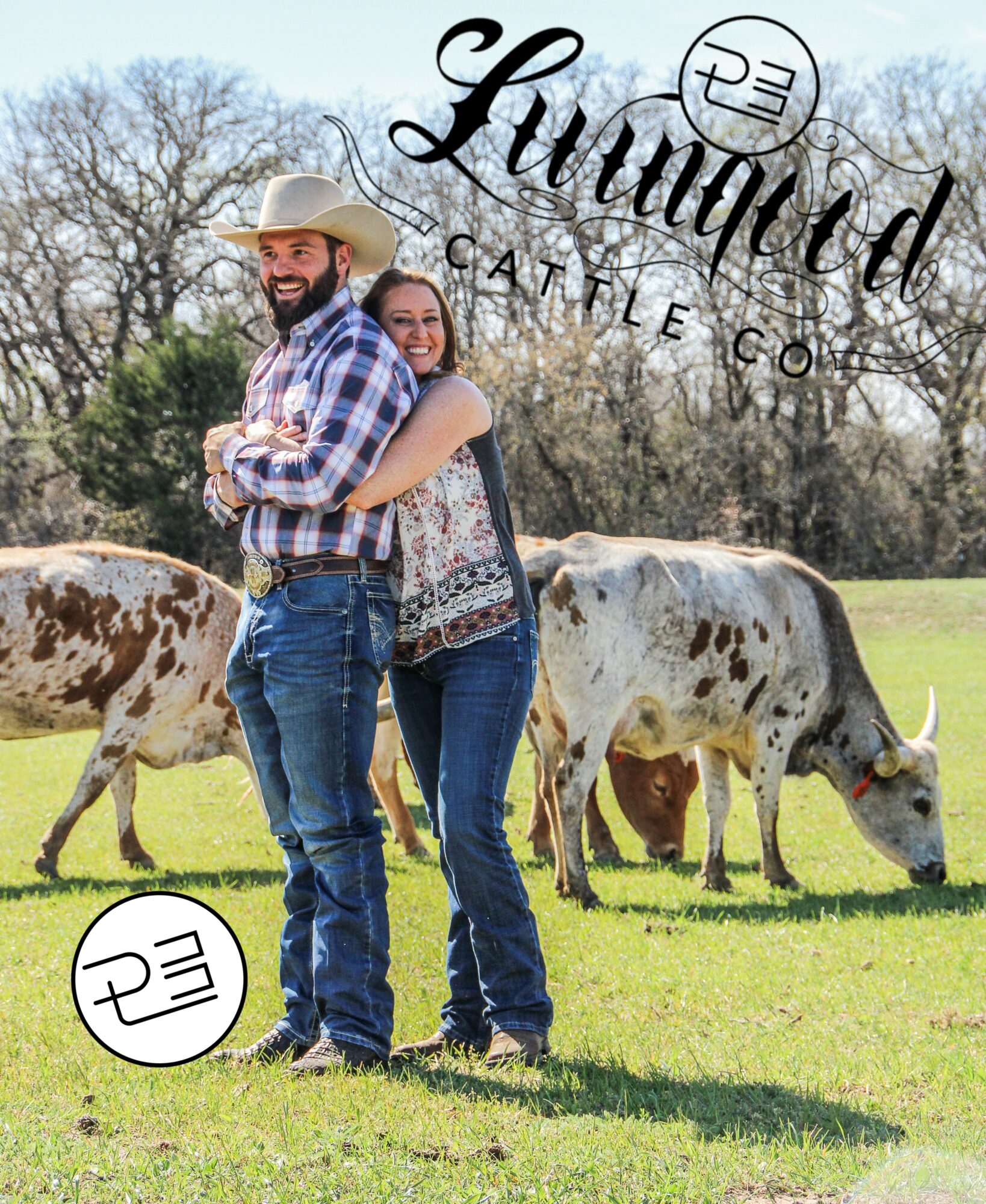
In 2022, Livingood Cattle was born when I bought six Texas Longhorn cows with the original plan of running a simple cow-calf operation. It was a start to a dream I’ve had since I was a kid.
A lot of folks told me Longhorns weren’t “real” beef cattle. Too lean. Too much horn. Not efficient. Then I met people who were passionate about Longhorn beef—its nutrition, its history, and how incredibly well the breed thrives on grass in Texas with minimal inputs. The more I learned, the more it made sense.
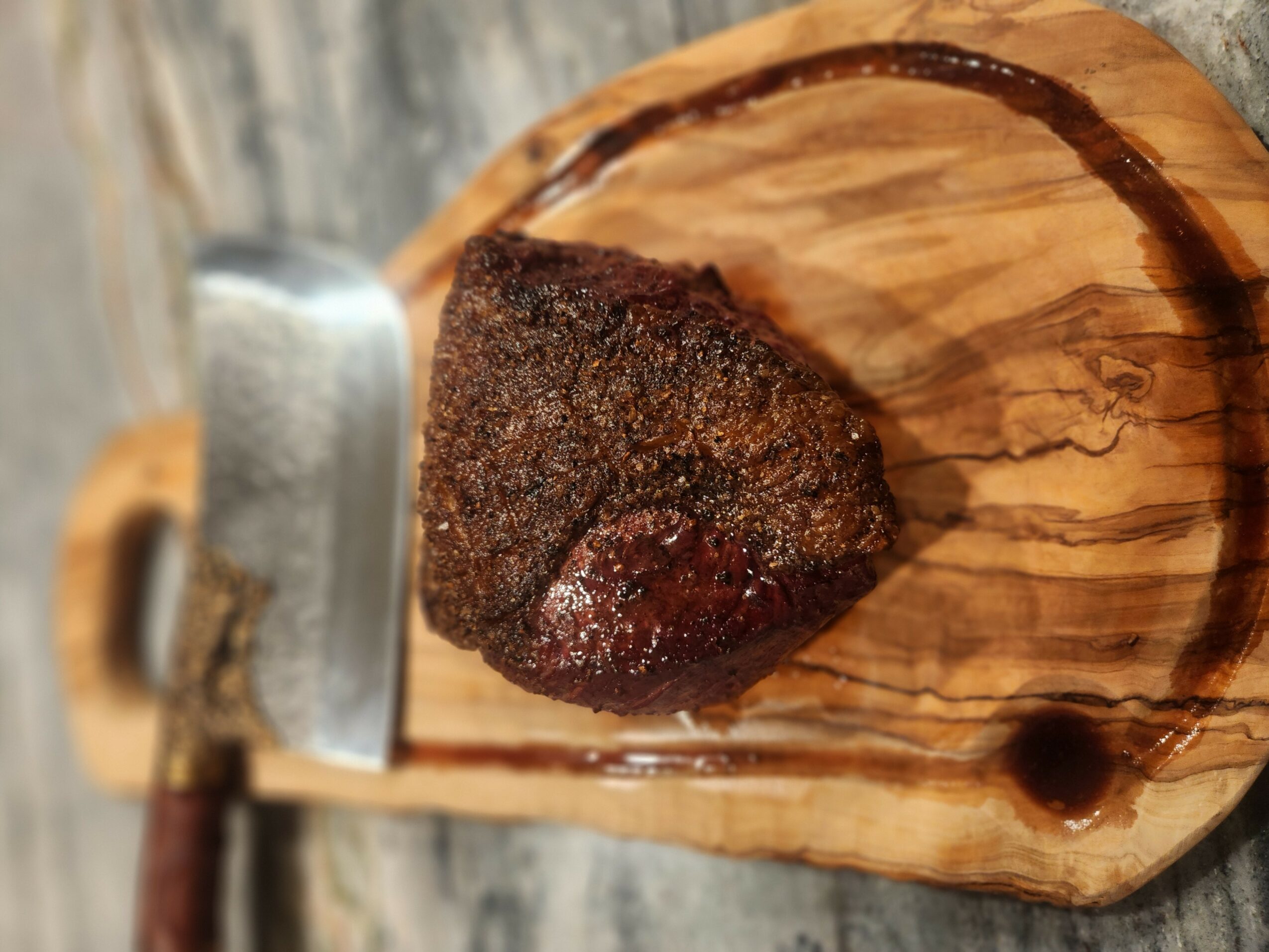
The turning point came when a local cowboy church needed help raising funds. We donated a butchered cow for a raffle. The beef was a hit. After I tried it myself, I was hooked—and so were the customers. We started selling beef by word of mouth in 2023, then expanded in 2024 to individual cuts, bundles, and subscriptions. Eventually, a partnership with a farm-to-market operation allowed us to move over 1,200 pounds of finished beef a month.
Today, Livingood Cattle is still run by just my wife and I. In 2025, we processed 60 head of cattle to keep up with demand and saw roughly 330% growth year over year. We’re managing close to 100 acres now, and we’re still learning every day—about regulations, cold storage, land management, and what it really takes to build a first-generation agricultural business.
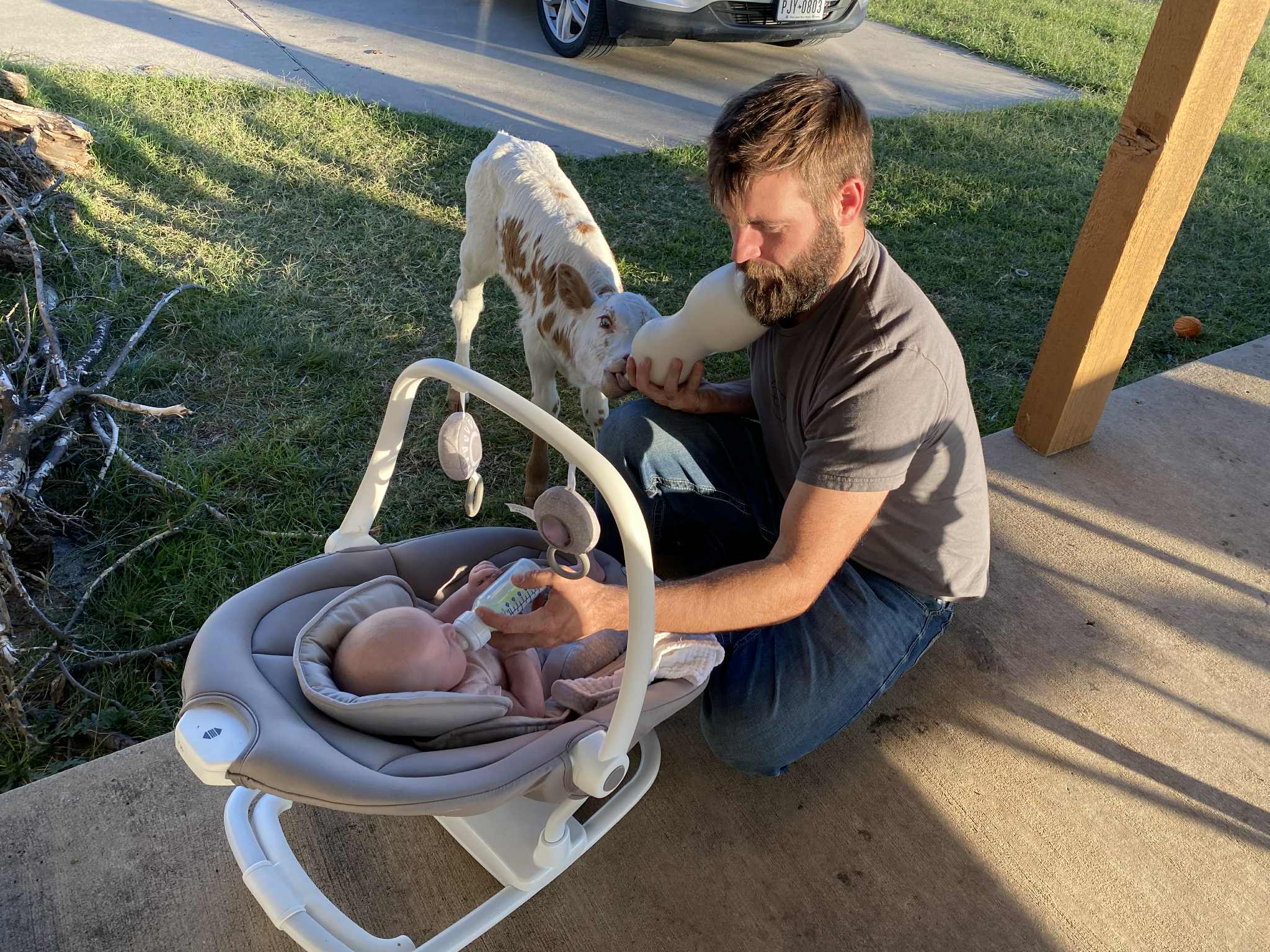
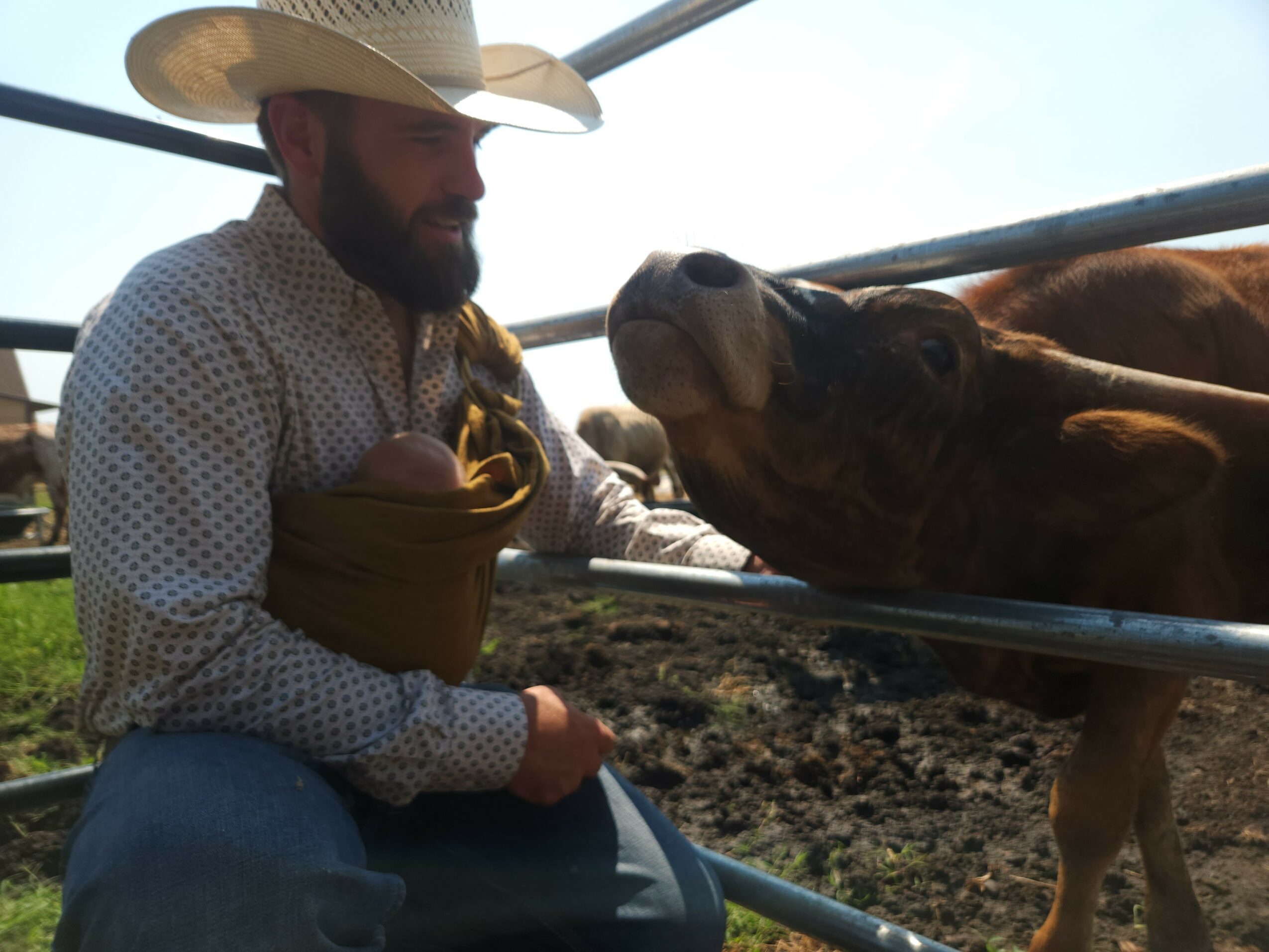
What I’m most proud of isn’t just the growth—it’s the connection. People come to the ranch for beef and stay to meet the cattle. Kids pet calves. Families ask questions. They leave not just with food, but with a better understanding of where it comes from. That’s the part that never gets old.
Outside the ranch, I work in robotic automation, managing large-scale manufacturing systems. That analytical mindset carries over to agriculture—tracking weights, pasture performance, and market trends with spreadsheets and data. Whether I’m explaining a Picanha cut or implementing a million-dollar automation system, the goal is the same: clarity, trust, and doing things the right way.
For me, agriculture is another form of service. Where military life was about protecting people and mission, ranching is about stewarding land, animals, and community. It’s hard work, honest work—and it’s a responsibility I don’t take lightly.
Livingood Cattle is still a story in progress, but it’s one we’re proud to be living..
Alright, so let’s dig a little deeper into the story – has it been an easy path overall and if not, what were the challenges you’ve had to overcome?
It’s been about as smooth as a washboard back-country dirt road.
Of all the businesses I’ve tried, ranching has been the most physically, mentally, and financially demanding—and without question, the most fulfilling. Livingood Cattle wasn’t started because it looked profitable on paper. It was started because it felt like the right thing to build, even when it meant choosing heart over pocketbook.
When we say we’re first-generation ranchers, we mean we started with zero infrastructure. No equipment, no facilities, no cattle trailers sitting around. My wife and I both work full-time careers and funneled our paychecks straight back into the ranch. In the early days, we lived in a housing development in Argyle and relied heavily on the kindness of others. We borrowed trucks, trailers, tractors—just about everything. At one point, it became almost comical how many stops I had to make just to gather what I needed for a single day of work.
It was humbling, sometimes embarrassing, and completely impossible without community support. I’m incredibly grateful for the people God put in our path during that season. Livingood Cattle simply wouldn’t exist without them.
Raising cattle is no joke, and my military service laid the foundation for how I handle the challenges. As a Marine Corps infantryman, I learned discipline, accountability, and how to operate when conditions are uncomfortable and unpredictable. Ranching requires the same mindset. Animals don’t wait, weather doesn’t cooperate, and responsibility doesn’t pause because you’re tired—like when you’re fixing a fence at 10 p.m. after eating half a lasagna and wondering how your life led you there.
Processing beef brought an entirely different set of challenges. We had to learn USDA regulations, processing timelines, cut cards, and carcass breakdowns—often the hard way. Most people never see this side of beef production, but once you’re working directly with butchers, you realize how many variables exist. Every carcass is different, every butcher interprets cuts differently, and grass-fed cattle add another layer of complexity.
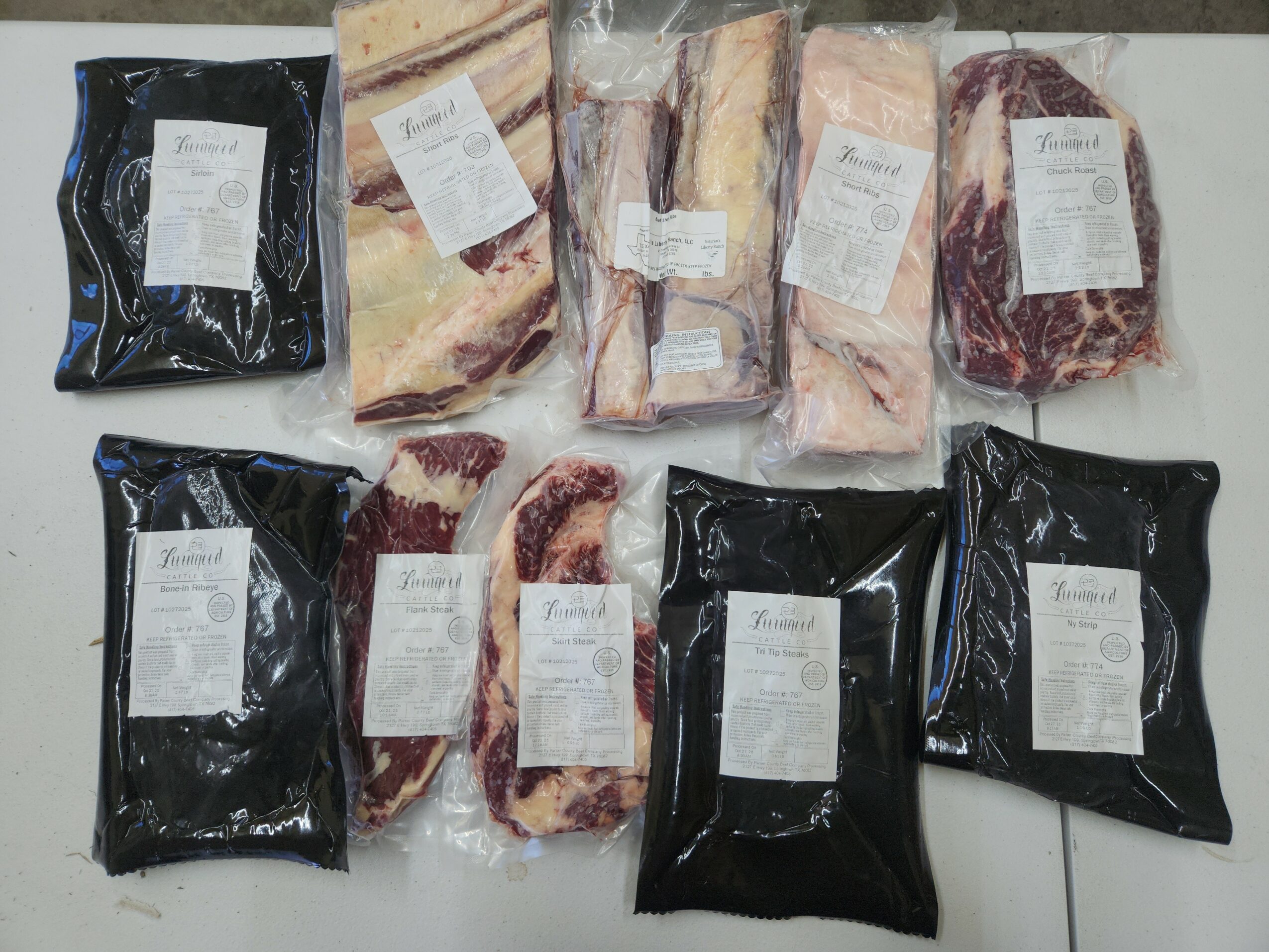
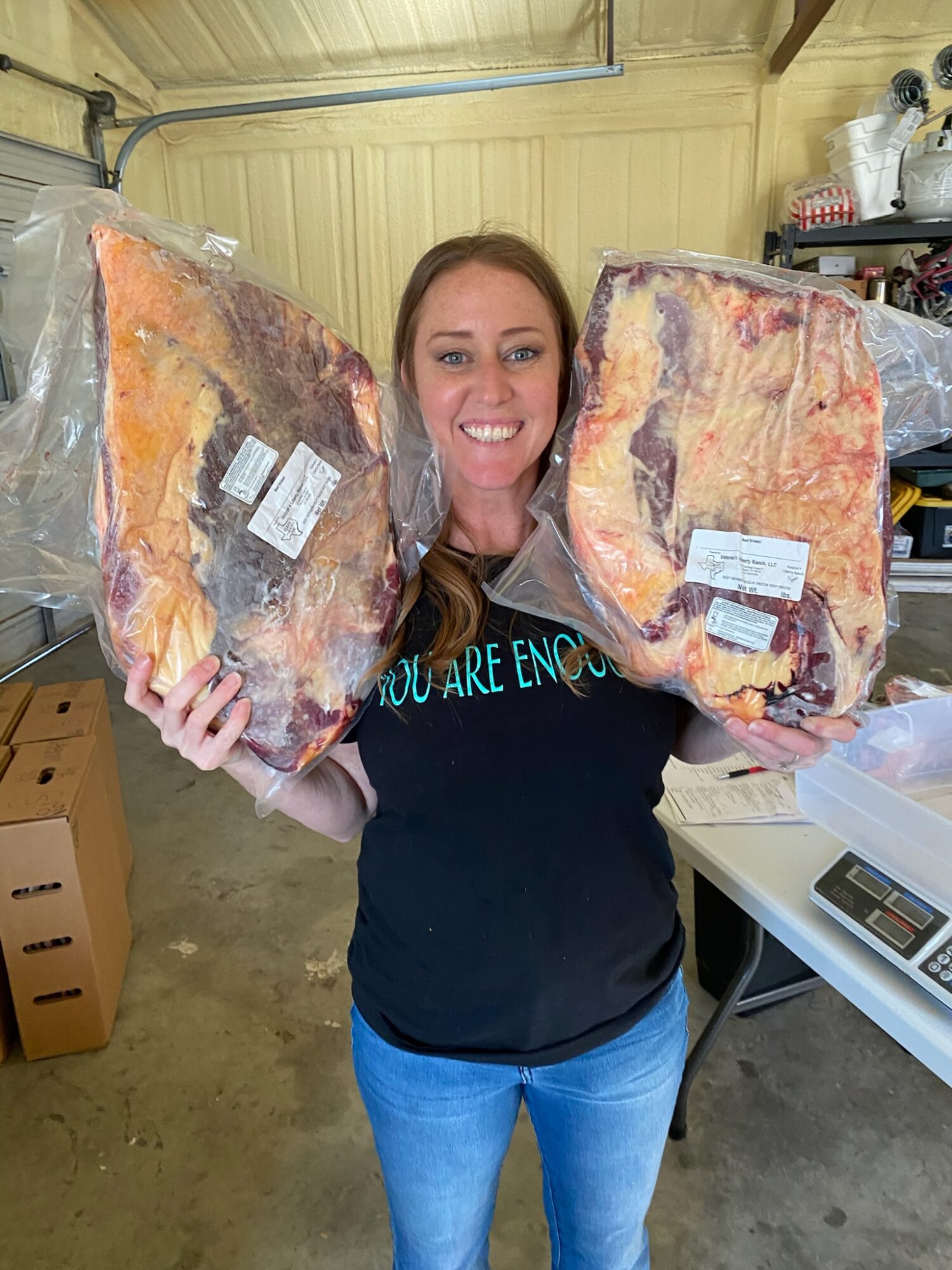
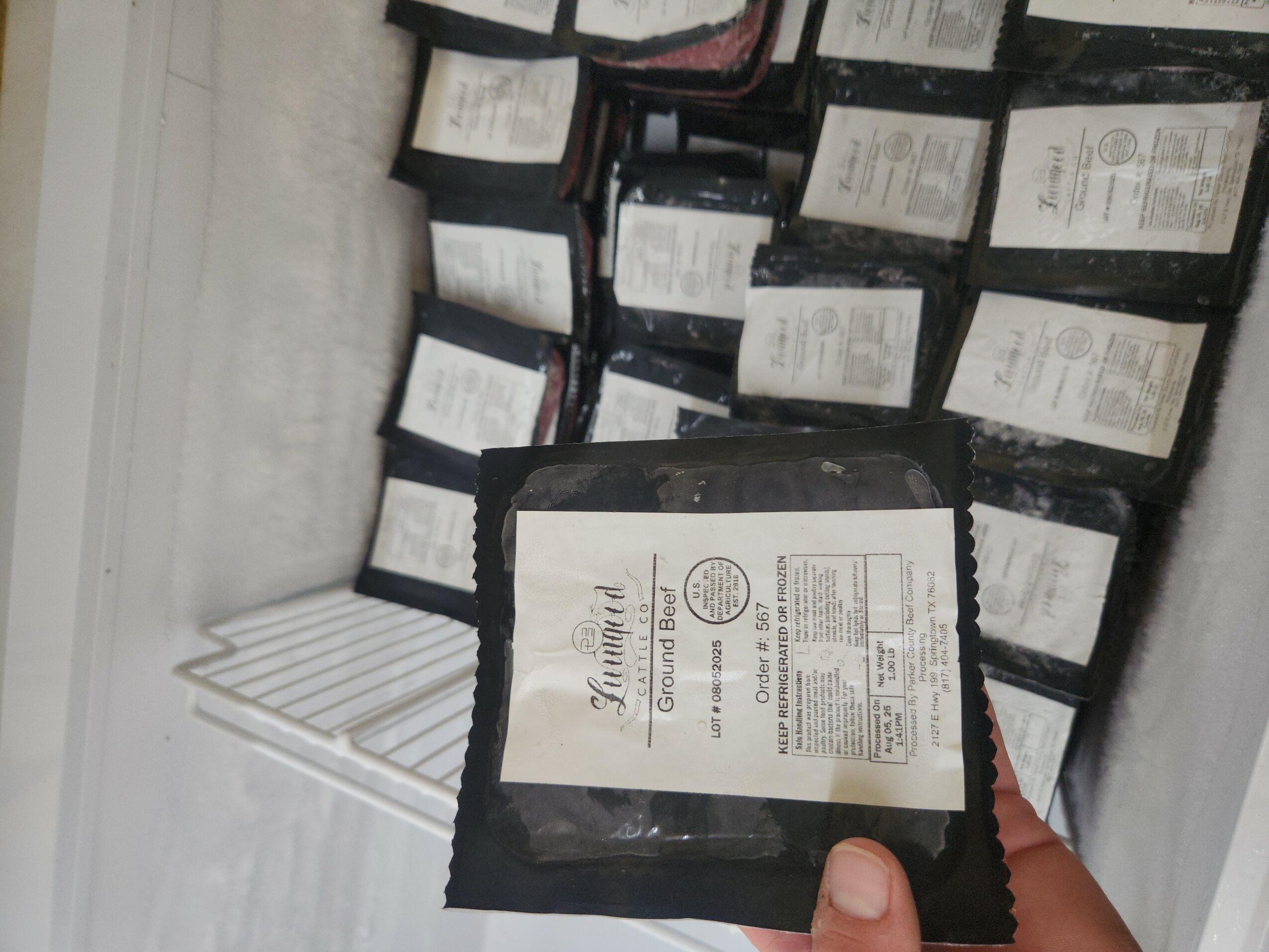
One of the biggest learning curves was understanding yield. A 1,000-pound animal doesn’t turn into 1,000 pounds of beef. You might end up with closer to 380 pounds of packaged meat, which can be confusing—and frustrating—for first-time customers. Early on, I felt that frustration myself. That’s why we made a conscious decision to charge customers based on finished weight instead of hanging weight. It removed confusion and helped build trust, even if it meant more explaining on our end.
We’ve made our share of expensive mistakes along the way. We lost over 400 pounds of beef when a used commercial freezer failed—a $5,000 lesson early on. We also learned that selling more doesn’t always mean making more. A commercial partnership moving 1,200 pounds of beef per month sounded great until the numbers showed we were barely breaking even once mileage and true costs were factored in. That experience taught us that growth has to be intentional and measured, not just exciting on paper.
Every year has brought new lessons, from taking Beef 101 courses through Texas A&M AgriLife Extension to refining our cost tracking and pasture management. We’re still learning every day—how to be more efficient, how to find economies of scale, and how to do it all without sacrificing the quality of the beef or the values we started with.
The road hasn’t been smooth, but it’s been worth every bump.
As you know, we’re big fans of Livingood Cattle Co LLC. For our readers who might not be as familiar what can you tell them about the brand?
Livingood Cattle Company is a veteran-owned, family-run ranch based in North Texas, founded in 2022 with a simple idea: raise high-quality beef the right way and be honest about how it’s done. After military service and years working hands-on with livestock, starting a ranch felt like a natural extension of values we already lived by—discipline, responsibility, and doing things with intention.
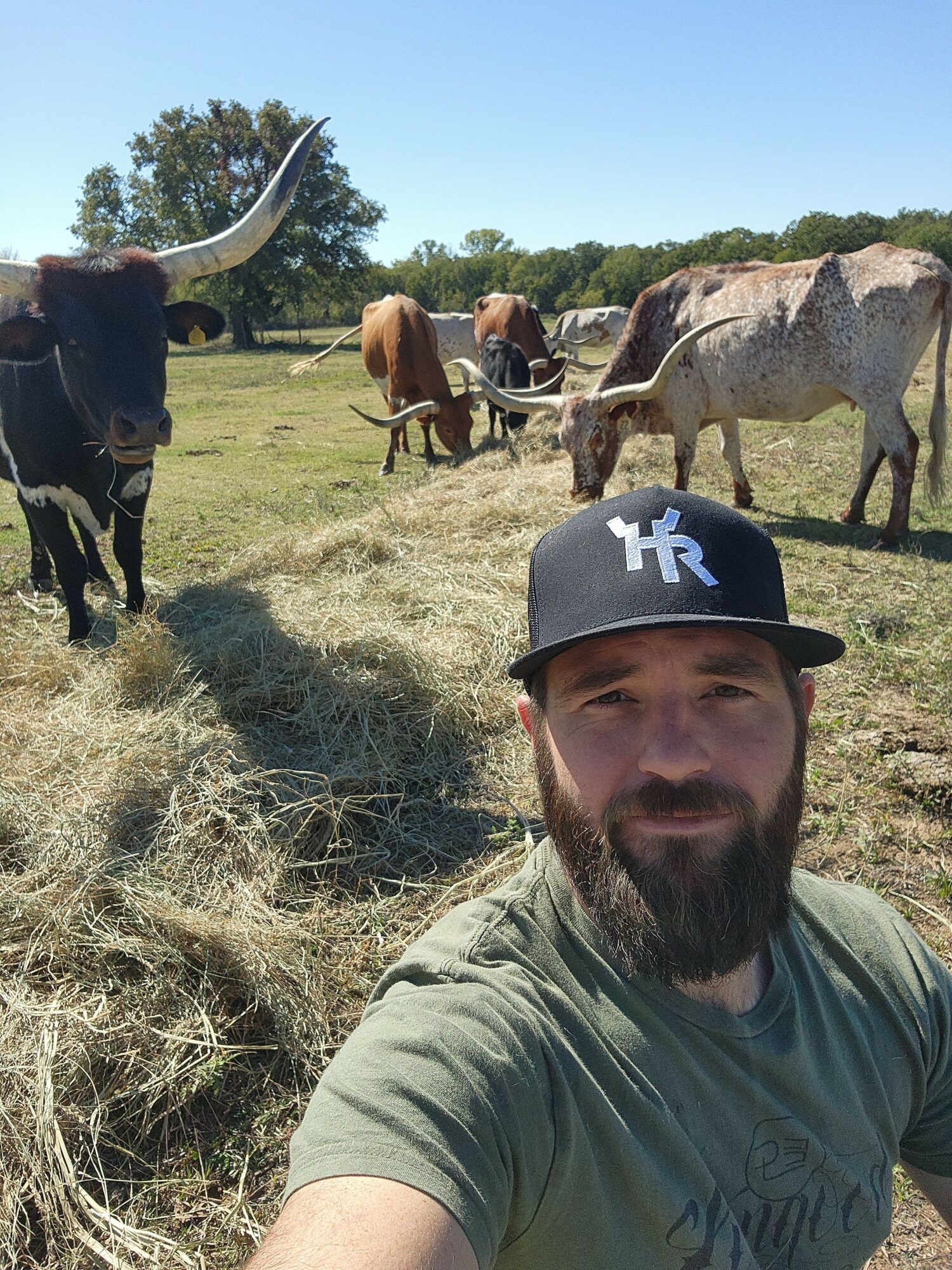
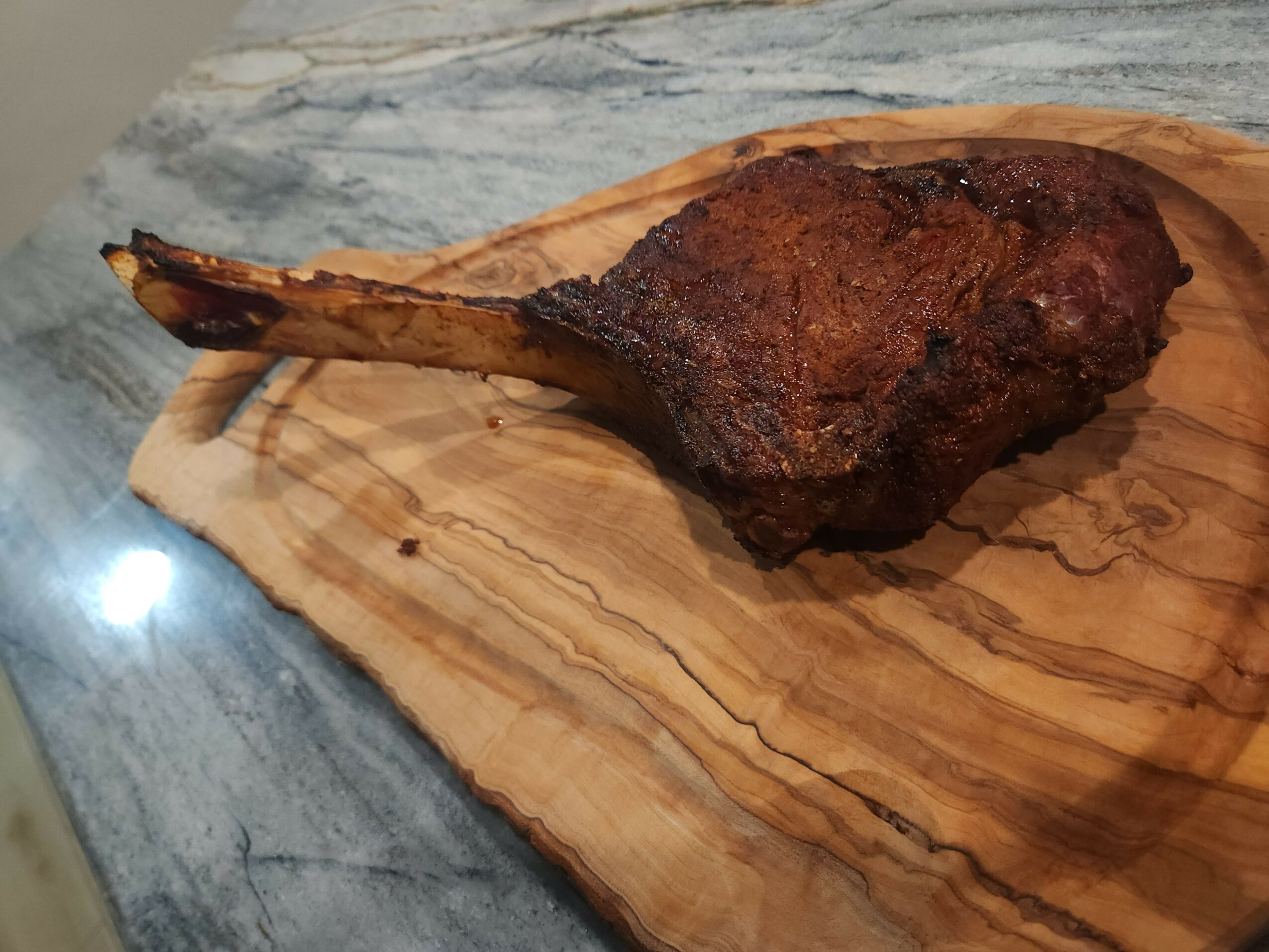
We specialize in grass-fed and grass-finished Texas Longhorn beef, a heritage breed that’s often misunderstood but incredibly well-suited for our region. Longhorns are naturally hardy, require fewer inputs, and produce lean, nutrient-dense beef that fits well with a health-conscious lifestyle. Choosing this breed wasn’t about trends—it was about sustainability, land stewardship, and raising cattle that thrive on grass in North Texas conditions.
What really sets Livingood Cattle apart is our focus on connection and transparency. We don’t believe food should feel disconnected from the people who eat it. When customers come to the ranch, they can see where the cattle live, how the land is managed, and how much care goes into each animal. It’s not unusual for families to meet the herd, ask questions, and yes—sometimes pet the calves. Those moments matter to us, because they turn food into something personal again.
From a business standpoint, we operate a direct-to-consumer model that allows us to sell beef straight to local families through on-ranch sales, pickup locations, and online ordering. That approach keeps us accountable and allows us to focus on quality instead of volume. We use rotational grazing and grass-based systems to care for the land, improve soil health, and ensure our cattle are raised with respect and consistency.
Brand-wise, we’re most proud of being trustworthy. We’re proud to be Homegrown by Heroes certified, proud to support the local food system, and proud to build a business that reflects our faith, family values, and work ethic without needing to overstate it. Livingood Cattle isn’t about being the biggest ranch or the flashiest brand—it’s about doing honest work, raising clean, nutritious beef, and building something that lasts.
What we want readers to know is that when they buy from Livingood Cattle, they’re not just buying beef—they’re supporting a real family, real land, and a way of producing food that values transparency over shortcuts. We’re here to grow responsibly, serve our community, and make sure people know exactly where their food comes from and who raised it
Any advice for finding a mentor or networking in general?
Yes—get out of your own head and go talk to people.
One of the biggest misconceptions about mentorship is that it has to be formal or expensive. In our experience, the most meaningful mentors don’t come from paid programs—they come from real relationships. Livingood Cattle wouldn’t exist without community support, and many of our strongest mentors came from places like our church and local network, not business seminars.
What has worked best for me is being very open about what I’m building and where I want to go. When you clearly communicate your goals and are willing to ask questions, people tend to lean in—especially when they see consistent effort and follow-through. Older generations, in particular, are incredibly generous with their time and wisdom when they see someone willing to work hard and listen.
I also believe mentorship works best when you grow at your own pace. Early on, I could have spent tens of thousands of dollars on formal mentorship programs, but instead I chose free events, local meetups, and one-on-one conversations. That approach allowed me to learn in bite-sized pieces, apply what I learned immediately, and build relationships organically instead of forcing outcomes.
For anyone looking for a mentor, my advice is this: don’t show up asking for shortcuts. Show up asking good questions. Be respectful of people’s time. Follow through. And most importantly, find ways to bring value to the relationship, even if it’s small. The principle I try to live by is simple—give more value than you take. When you lead with curiosity, humility, and service, mentorship tends to happen naturally, and the relationships you build often last far longer than any program ever could.
Pricing:
- Side of beef (Bulk Beef) $10.75 – $12.75 per lb
- Ground beef -$10.00 per lb
- Longhorn skulls
- Suet and tallow
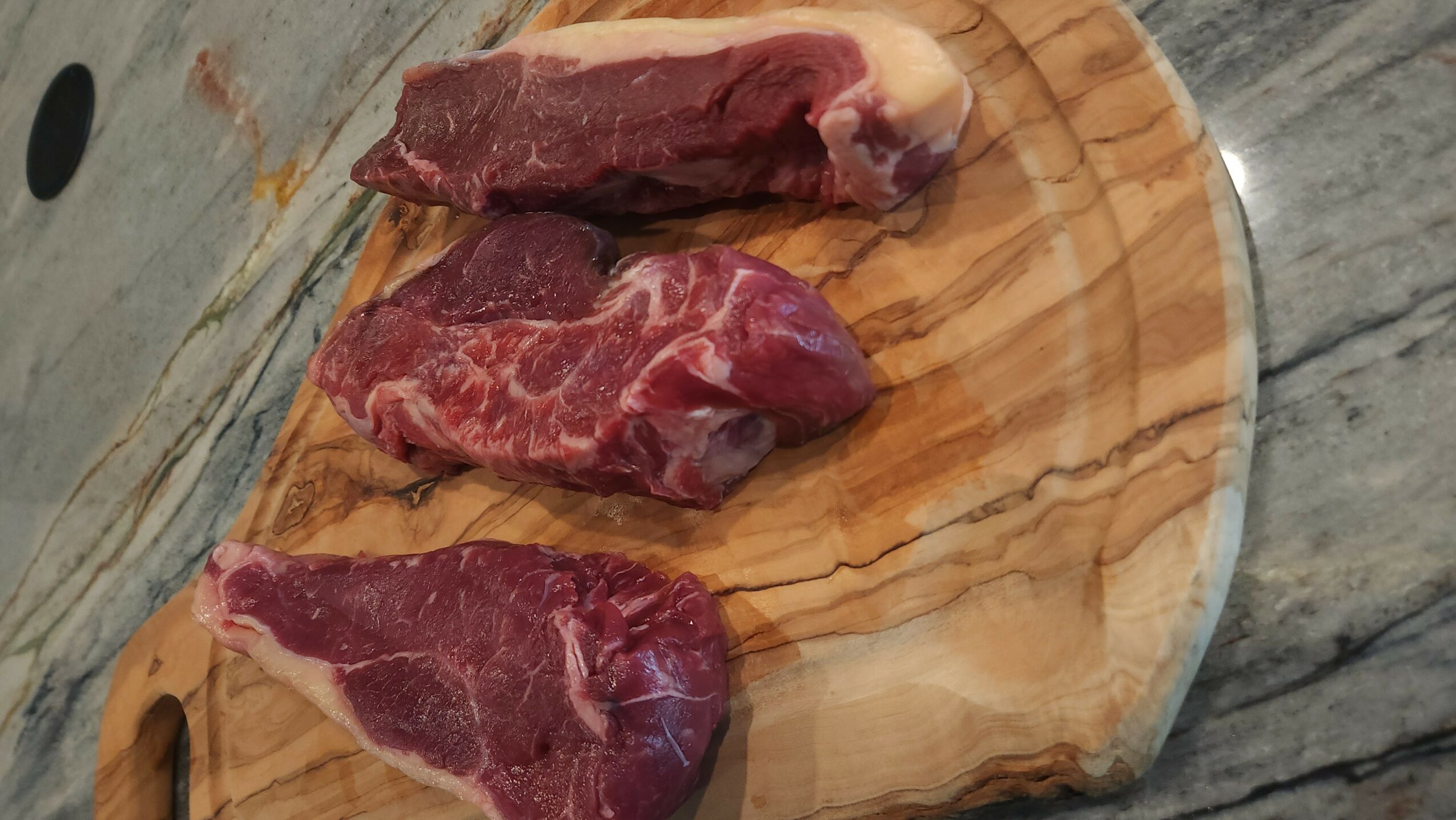
- Ribeye, Sirloin, Tenderloins, Chuck roasts, New York strips,
Contact Info:
- Website: https://livingoodcattleco.com/
- Instagram: https://www.instagram.com/livingoodcattle/
- Facebook: https://www.facebook.com/LivingoodCattle
- LinkedIn: gobrennan