





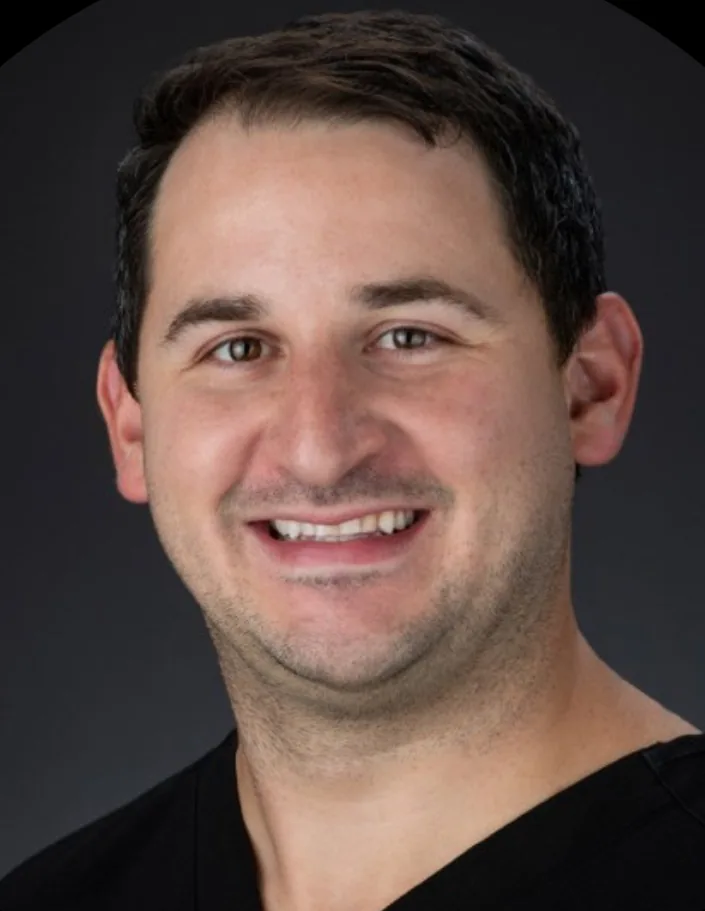
Today we’d like to introduce you to Colby Lovelace.
Hi Colby , so excited to have you on the platform. So before we get into questions about your work-life, maybe you can bring our readers up to speed on your story and how you got to where you are today?
I opened Lovelace Chiropractic and Sports Rehab to be the kind of healthcare I’d want as a patient: simple, personal, and focused on actually getting you better.
Affordability was a big part of that from day one. I’d heard from other chiropractors about patients who were financing their care or falling behind on bills because they had to choose between their health and everything else they were paying for. I never wanted to put anyone in that position. So we keep our pricing clear and upfront. You know what your care costs before we start, with no surprises and no pressure. Putting the patient first means making sure care is actually within reach.
We combine the best parts of a concierge practice with a traditional office. Every patient can reach me directly after their visit. I know that when you’re sitting in a doctor’s office, you’re focused on how you feel, not always on what the doctor is saying. So if something doesn’t click until you get home, you can reach out and ask.
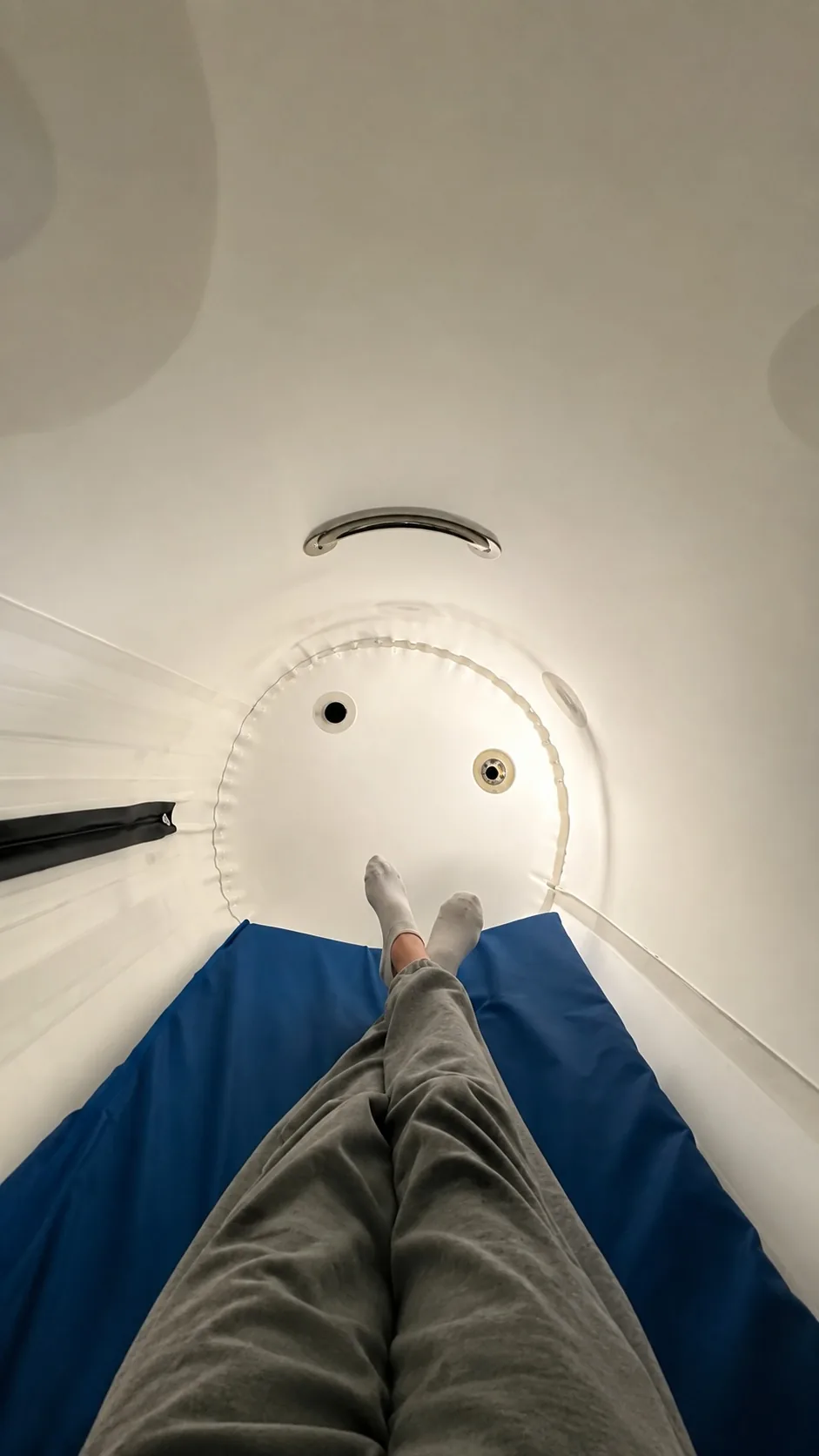
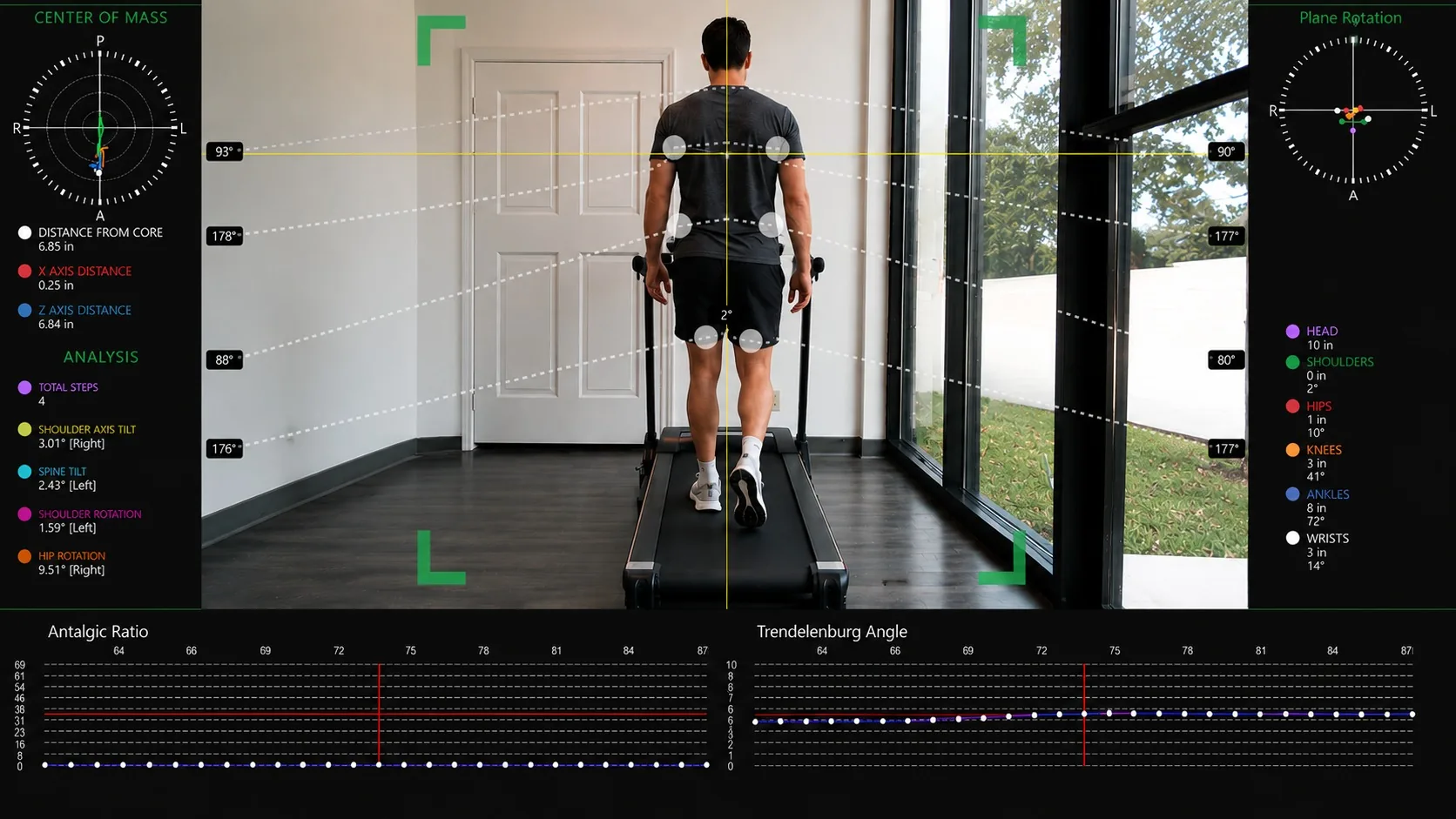
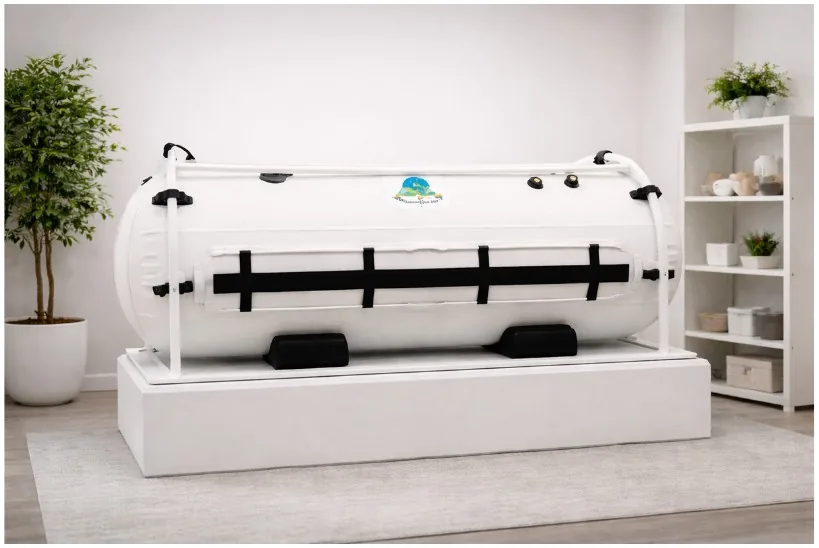
I started in a single room I shared with another doctor. Today we have our own office with several therapies under one roof, including 3D movement assessments and hyperbaric oxygen therapy, all aimed at getting people out of pain and moving better.
Working with athletes shaped how I practice. Over my career I’ve worked with arena football, minor league baseball, college and high school teams, indoor soccer, and several professional dance teams. Every sport puts different stress on the body, but the pattern was always the same: how an athlete moves decides where they break down.
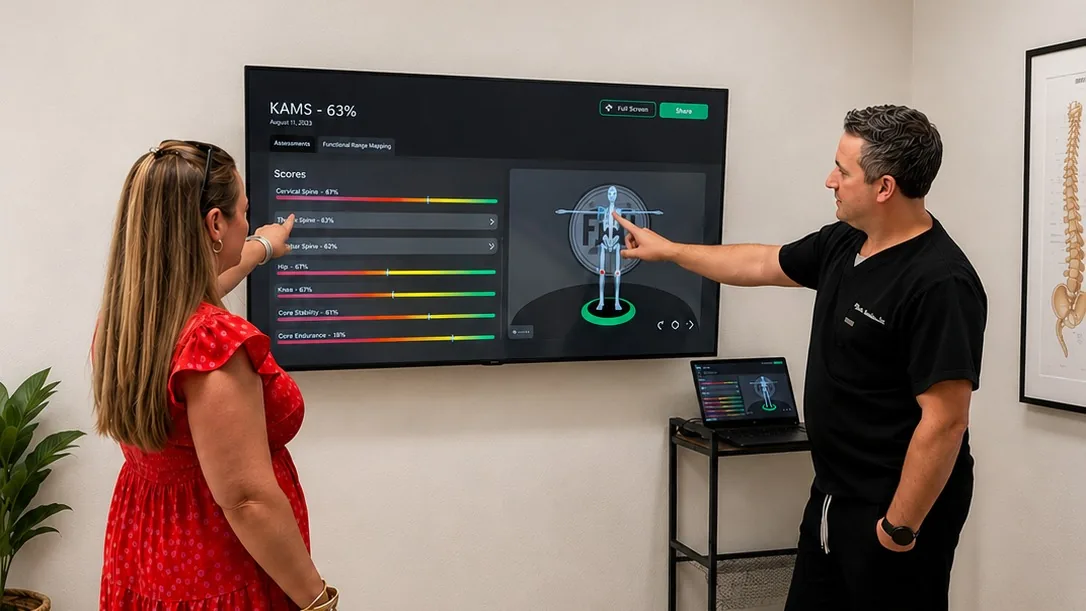
That’s true for everyone, not just athletes. Every patient who walks through our doors is dealing with their own stress and their own movement habits, and those usually explain how they ended up in pain. That’s why our approach is built around 3D movement assessment. Instead of guessing, we measure how you move, find the dysfunction that keeps your pain coming back, and fix it so you can get back to doing what you love.
I’m sure it wasn’t obstacle-free, but would you say the journey has been fairly smooth so far?
Not at all. Like anyone who starts a business, I’ve had good days and hard days. My goal has always been to learn from my mistakes and not make the same one twice.
Starting in a single shared room meant every dollar and every decision mattered, and growing into our own space was a big step. Along the way I put money into marketing that didn’t pan out. It was a frustrating lesson, but a useful one. What has grown this clinic is relationships: patients who send their friends and family, and partnerships with teams and surgeons who’ve seen our results firsthand.
Another hard lesson is that prevention is a tough sell. Most people don’t think about how they move until something hurts. Getting teams and organizations to invest in keeping their athletes healthy before an injury takes a lot of conversations and a lot of proof. The 3D movement data has helped, because it shows people what’s going on instead of asking them to take my word for it.
Keeping care affordable while growing a business is its own balancing act. It would be easier to sell long care packages, but that’s not why I opened the clinic. Staying true to that has meant finding other ways to grow.
Can you tell our readers more about what you do and what you think sets you apart from others?
I’m a chiropractor, but what I’m known for is finding out why someone’s pain keeps coming back.
A lot of the patients we see have been dealing with chronic pain for years. By the time they get to us, they’ve usually tried a lot of things and still haven’t gotten answers. That’s where our 3D movement assessment makes a difference. It shows us why you hurt, not just where you hurt. The software maps exactly how you move, including the dysfunctions and compensations you’d never notice yourself. Once we know what’s going on, we build a plan around it. That plan combines traditional chiropractic adjustments with active release, instrument-assisted soft tissue work, kinesiology taping and red light therapy. The goal is to correct the pattern behind the pain, not just treat the symptoms.
Lately I’ve been taking what I learned working with professional teams down to the youth level. I use the 3D movement assessment to screen youth teams, which lets us spot movement patterns that can lead to sports injuries and address them before an injury happens. Just as important, it teaches young athletes, parents and coaches how the body should move, so good habits start early.
We’ve also built a growing hyperbaric oxygen therapy program. Many of those patients are recovering from surgery, and we’ve built great relationships with local plastic and cosmetic surgeons who refer patients to us as part of their recovery. We also see athletes working back from injuries and people using it for general wellness.
What I’m most proud of is that we’ve stayed true to why I opened the clinic. We’re patient-centered, and that isn’t just a slogan. We’re out of network with insurance, so the patient is the focus, not their policy. That lets us build each plan around what the patient wants to accomplish, not around what their insurance will cover. For patients who want to seek reimbursement, we provide a superbill they can submit to their insurance.
Contact Info:
- Website: https://www.lovelacechiropractic.com
- Instagram: lovelacechiro