



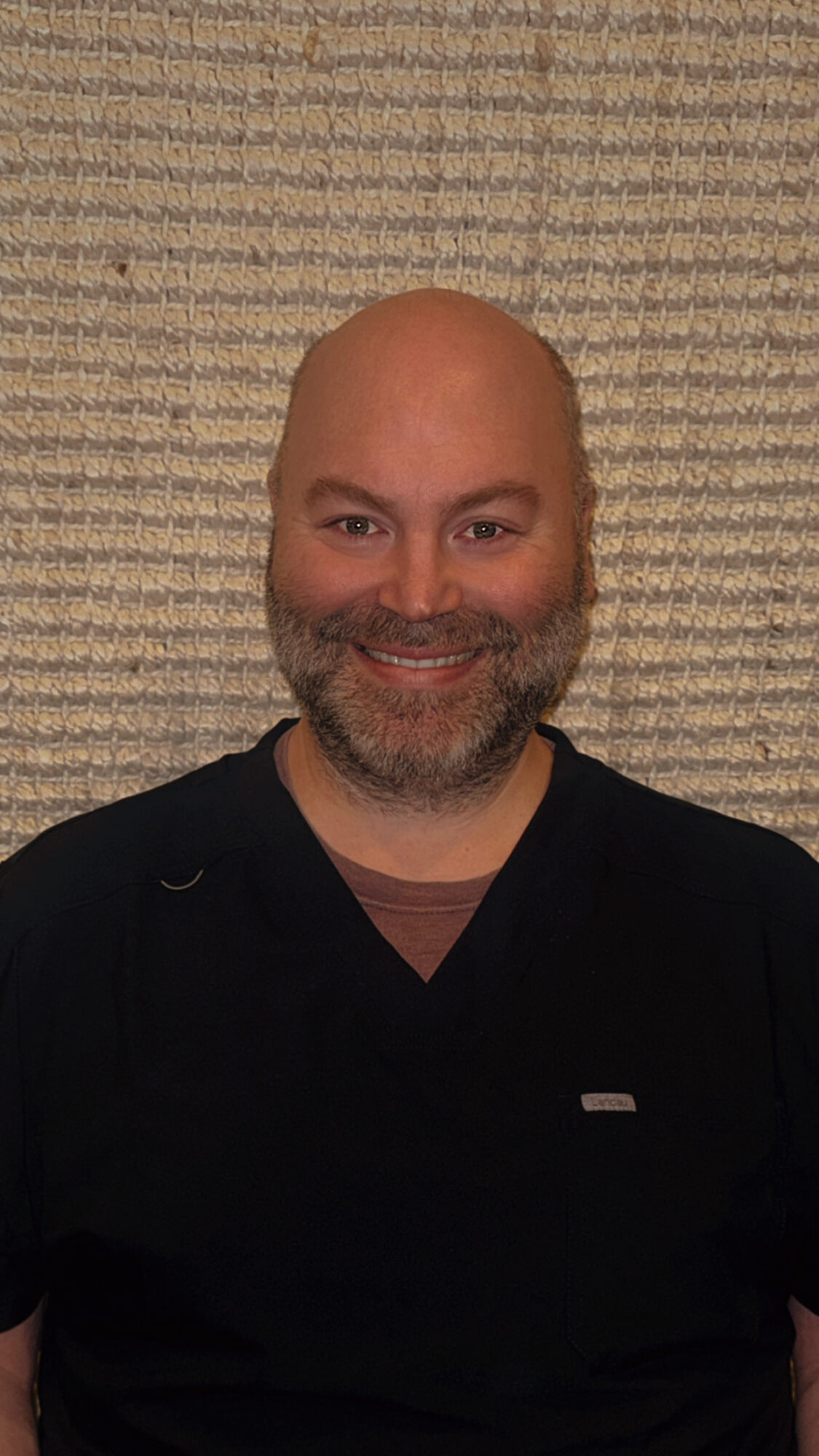
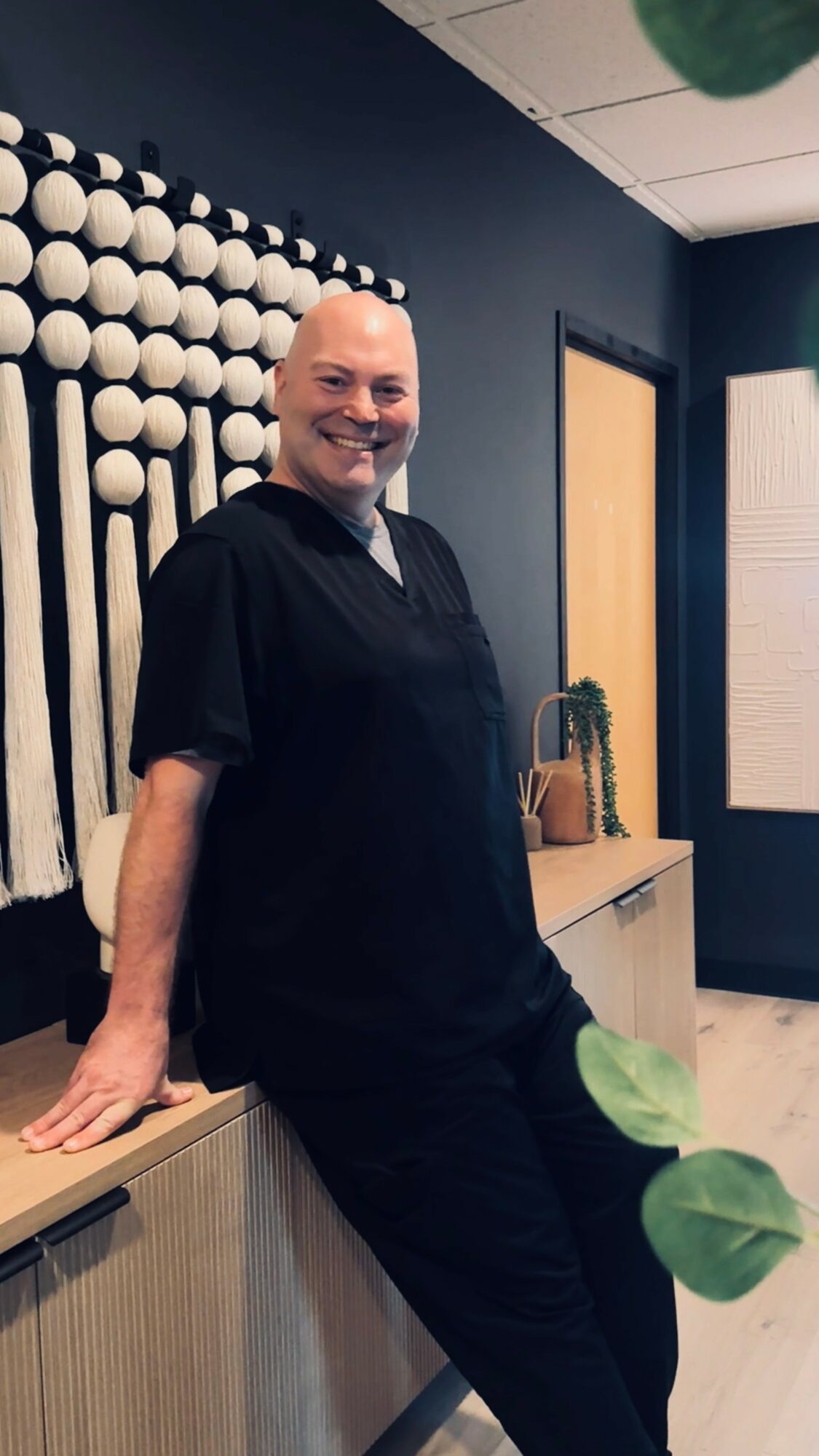
Today we’d like to introduce you to Curtis Olsen.
Hi Curtis, thanks for joining us today. We’d love for you to start by introducing yourself.
My path to becoming a medical massage therapist began not in a classroom, but in my own body. Living with chronic pain revealed how deeply it can shape physical movement, identity, and daily life. Like many people seeking relief, I encountered a healthcare system that often separates care into silos. While therapeutic massage proved valuable, it was not always recognized as a legitimate or essential part of medical treatment. That gap—between lived benefit and institutional acceptance—became the catalyst for my work.
Before entering the medical field, I built a diverse life shaped by art, movement, and creativity. These experiences trained me to notice subtle patterns, listen attentively, and understand the body as a responsive, adaptive system. When I transitioned into healthcare, those skills became clinical tools, allowing me to work with precision, intuition, and empathy in environments where manual therapy still must demonstrate its value.
Working in a discipline that often operates alongside conventional medicine presents ongoing challenges. Medical massage is frequently misunderstood or minimized, despite growing evidence supporting its role in pain management, injury recovery, and functional improvement. Earning trust—among patients, providers, and institutions—requires consistent outcomes, clear communication, and a commitment to evidence-informed practice. These obstacles have strengthened my resolve to advocate for integration rather than acceptance.
My training combines anatomy, physiology, and evidence-informed techniques with insight shaped by lived experience. I work with individuals navigating chronic pain, injury, recovery, and medically related stress, tailoring each session to their specific needs and goals. I believe healing exists at the intersection of science and compassion, and that thoughtful, skilled touch can restore both function and confidence.
Today, my work reflects a balance of medicine, art, and resilience. As someone who has learned to live and work alongside pain—and within a profession still defining its place—I remain committed to care that is collaborative, intentional, and deeply respectful of each person’s story.
Alright, so let’s dig a little deeper into the story – has it been an easy path overall and if not, what were the challenges you’ve had to overcome?
It hasn’t been smooth. One of the biggest challenges has been operating in a field that still lacks consistent structure and clear pathways for integration. Navigating insurance limitations, variable recognition across healthcare settings, and inconsistent standards required learning how to advocate for both the work and the outcomes it produces. There were also periods of trial and error—refining systems, communication styles, and boundaries—to create a sustainable practice that didn’t compromise quality of care.
Another challenge was learning how to grow without overextending. Building something meaningful meant saying no to approaches that didn’t align with my values, even when they seemed easier or more profitable.
Alright, so let’s switch gears a bit and talk business. What should we know?
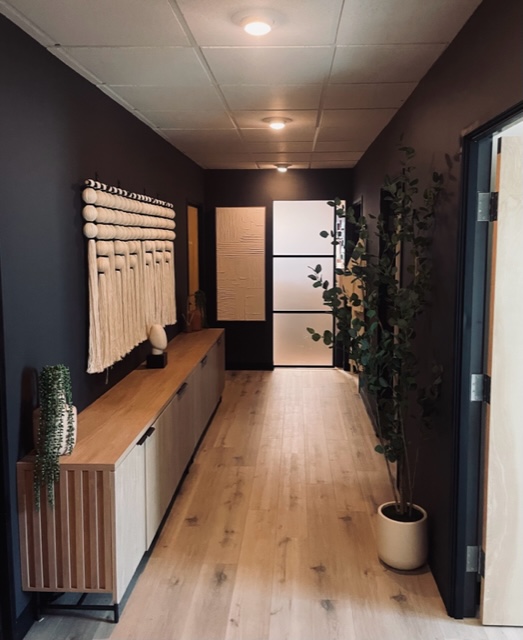
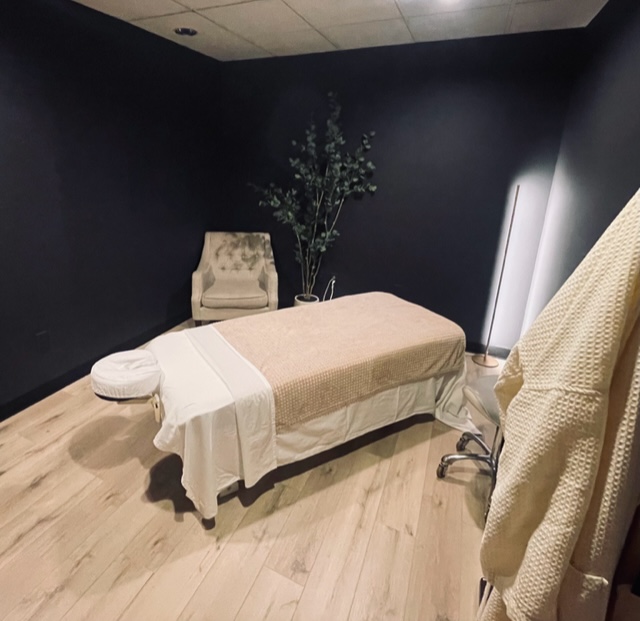
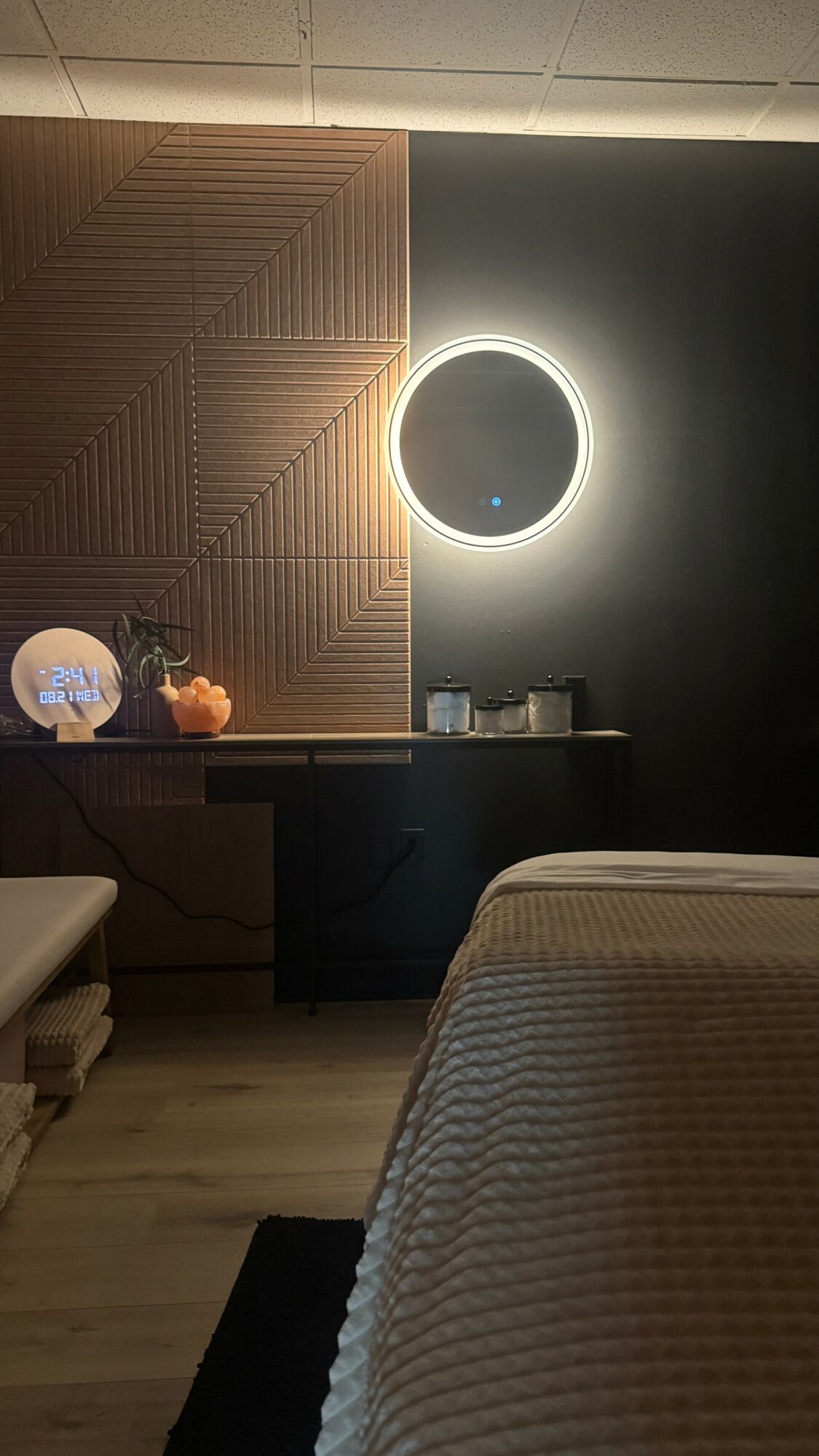
My practice focuses on clinical, outcome-driven massage therapy designed to support people dealing with complex physical stressors—whether from injury, long-term pain, or demanding lifestyles. Sessions are structured, goal-oriented, and adaptable, with an emphasis on function, recovery, and long-term improvement rather than temporary relief.
What sets my work apart is the balance between technical skill and communication. Clients are active participants in their care, not passive recipients. Education, feedback, and collaboration are built into the process so people leave with a clearer understanding of their bodies and how to support their progress outside the treatment room.
Brand-wise, I’m most proud of creating something that feels grounded and honest. There’s no over-branding or exaggerated claims—just consistent, thoughtful work that speaks for itself.
Alright so before we go can you talk to us a bit about how people can work with you, collaborate with you or support you?
People can work with me through scheduled sessions tailored to individual needs and goals. I’m also open to collaboration with healthcare providers and wellness professionals who value communication, continuity of care, and shared outcomes.
Looking ahead, one of my goals is to participate in and help lead research studies that explore the measurable impact of medical massage. I’m especially interested in collaborating across disciplines—such as with psychologists, physicians, physical therapists, and other healthcare professionals—to better understand how manual therapy fits into broader models of care, including mental health, stress regulation, and chronic pain management.
Support can come through referrals, professional collaboration, research partnerships, or by helping advance conversations around integrative and evidence-informed care. Building these connections is key to expanding access, credibility, and long-term impact.
Contact Info:
- Website: https://aurawerks.com/
- Instagram: https://www.instagram.com/aurawerks/
- Facebook: https://www.facebook.com/aurawerksdallas/
- Youtube: https://www.youtube.com/channel/UCQRWmvf6pN1IncbrURZLL0A
Popular
-
Deborah Fessenden on Turning Foraged Beauty into Purpose-Driven Jewelry and Advocacy
-

Andrew Finch on Building Elite Athletes Through Fundamentals, Mindset, and Global Experience
-

Genai Walker on Turning Life Experience into Impact Through Writing, Business, and Self-Mastery
-

The Most Inspiring Stories in Dallas