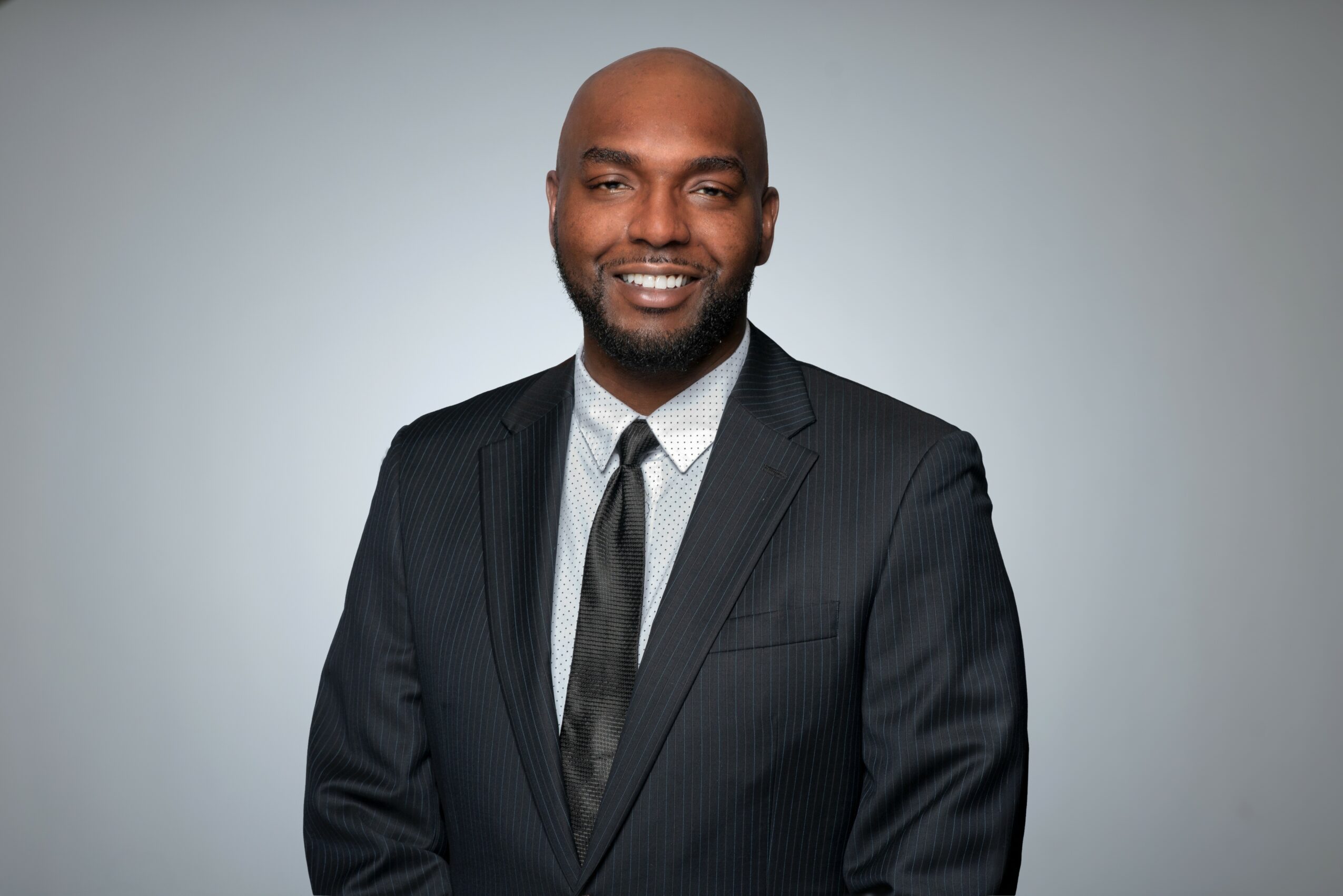






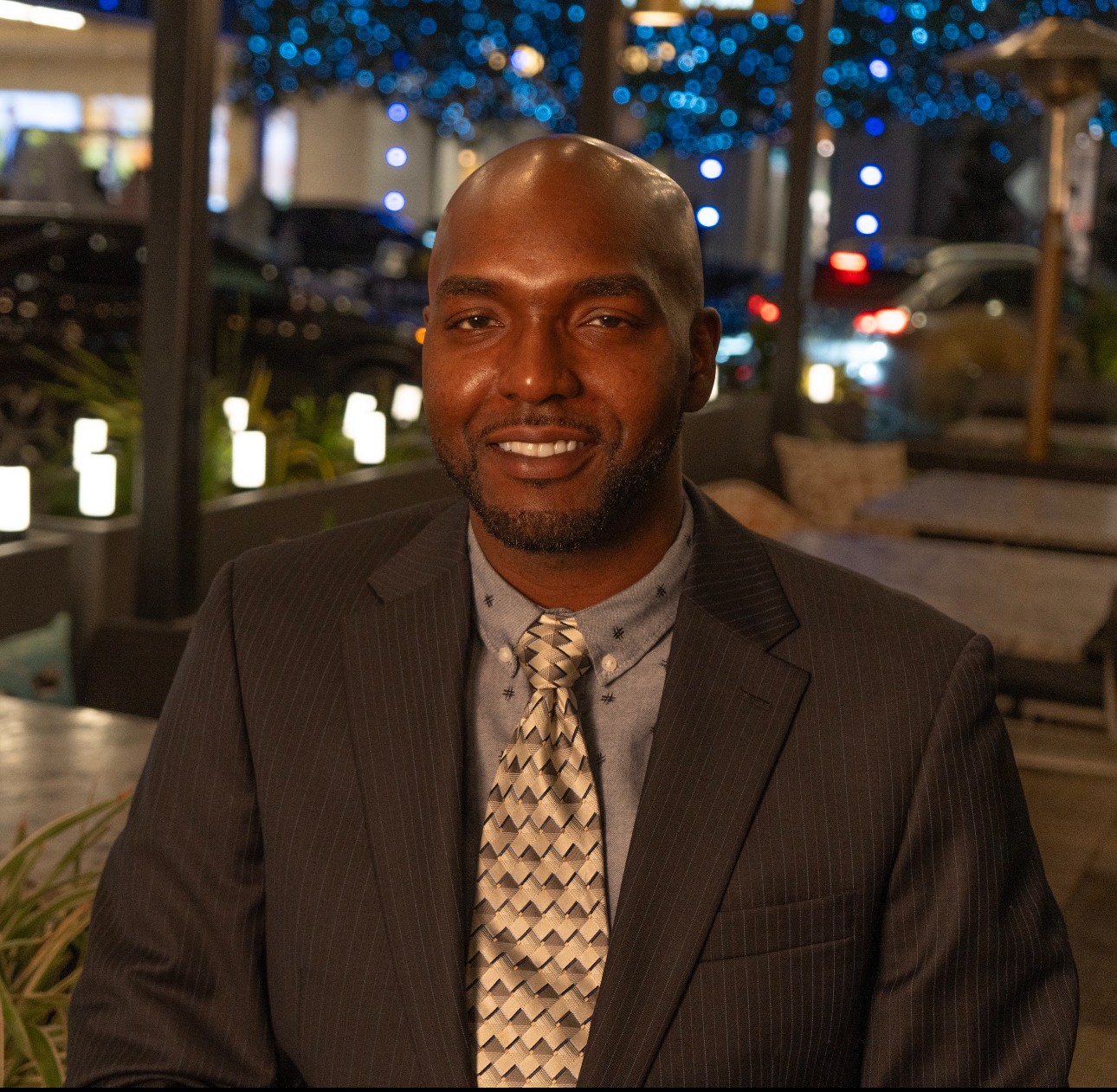
Today we’d like to introduce you to DeShawn Coleman.
Hi DeShawn, we’d love for you to start by introducing yourself.
I am currently working towards my Psy.D in Clinical Child and Pediatric Psychology at The Chicago School, Dallas Campus. I have a special interest in helping individuals to understand how environmental and psychological changes influence their daily functionality. I believe sadness, rage, sorrow, loneliness, and disappointment are emotions we will, at some time in our lives, be forced to confront and work through. Some people experience these feelings for much longer than they anticipate, to the point their day-to-day lives are severely impacted, and some of these individuals often do not seek assistance because they are hindered by feelings of shame, guilt, and fear of being judged. My goal is to provide these individuals with a space free from danger and criticism, so individuals may work through challenging feelings and investigate ways to succeed daily.
Through my work experiences, I developed a reflective awareness that has allowed me to gain strong interpersonal skills and core qualities of a passionate provider. My experience with adolescents and young adults has allowed me to gain competency in working with clients from unique perspectives with unfamiliar backgrounds that have a variety of unmet needs. My clinical training interests and experience with individuals in distress have progressed an authentic passion for providing support during tumultuous periods as people manage difficult matters including, but not limited to substance use complications, threats of violence, and other serious mental health challenges. As a clinician, I aspire to provide services and normalize mental health resources.
Since my graduate training began at The Chicago School, I have received specialized practicum training with children and adults who have had a wide variety of daily obstacles, such as neurocognitive struggles, substance abuse-related concerns, parental abuse/neglect, and criminal justice battles. I have also acquired the ability to administer neuropsychological assessments, establish cognitive treatment strategies, and conduct effective techniques and interventions to assist individuals with managing psychological challenges. I have been a graduate student member of the American Psychological Association since 2021 in division 53 (Society of Child and Adolescent Psychology.) I have also been a graduate student member of the Dallas Psychological Association since 2022, and a member of the GAPS Clinical Psychology Student Association since 2021. I was also inducted into the International Honors Society in Psychology (Psi Chi).
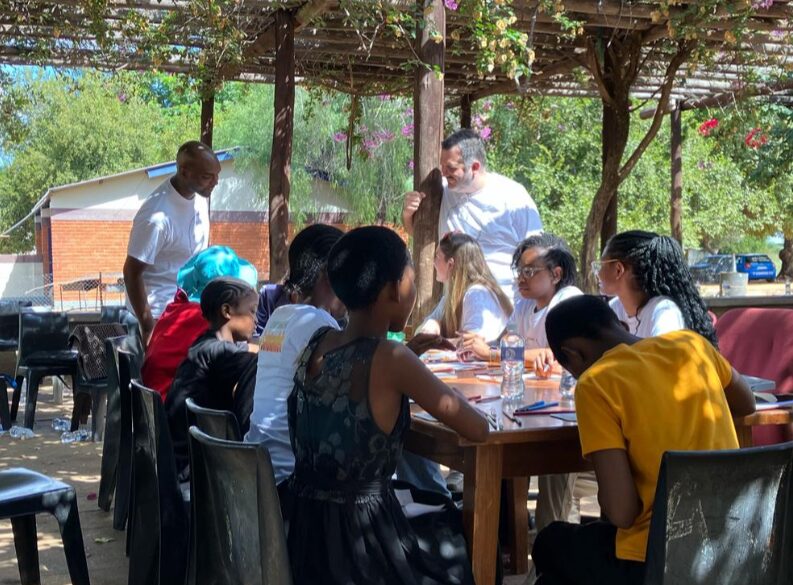
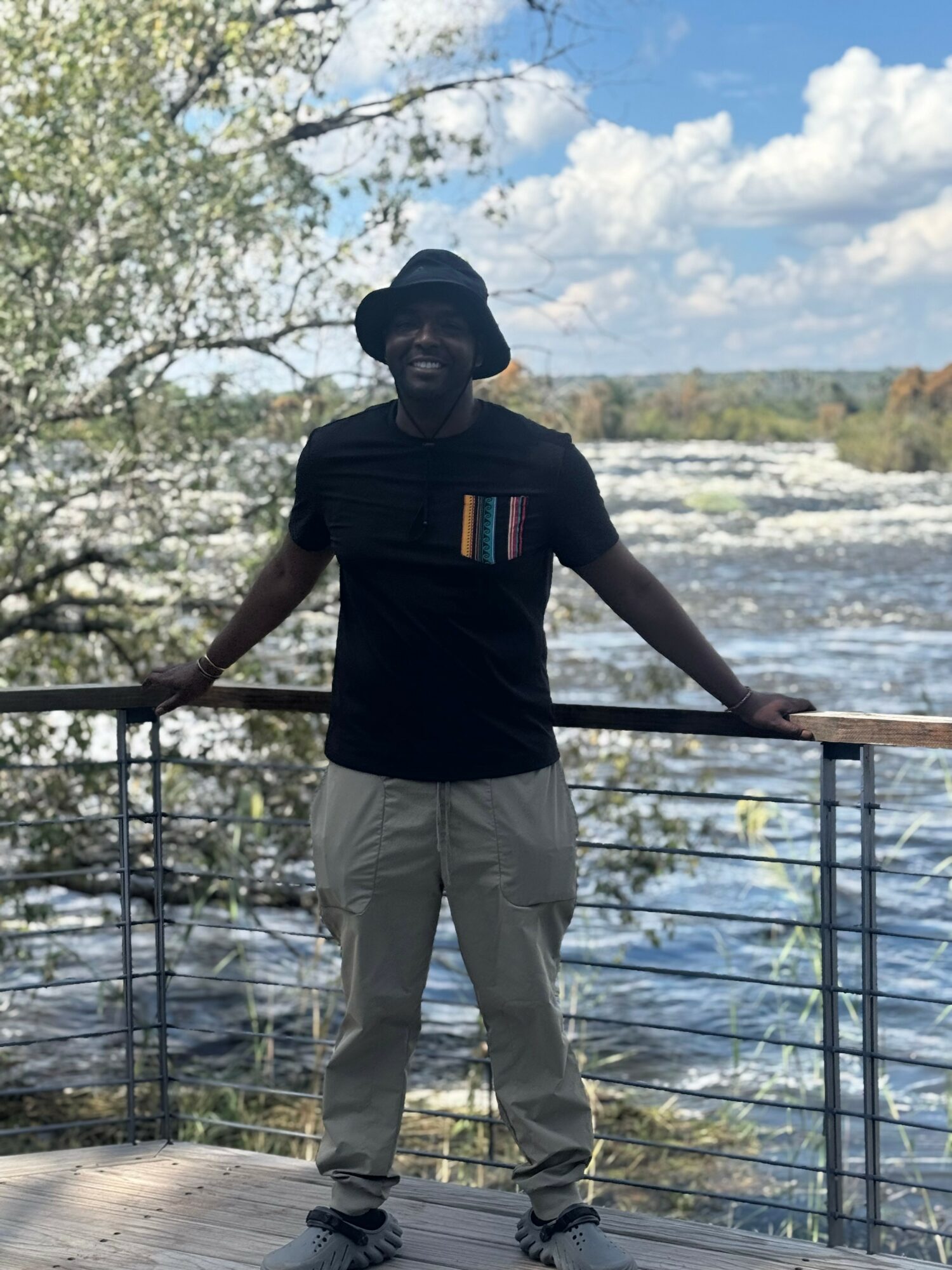
I recently had the opportunity to study abroad in Africa, and I had the chance to be part of something truly special. Alongside fellow PsyD and Master’s students, I helped lead mental health workshops with local youth through a partnership with Sentebale, a youth support group. One of the most powerful moments was working with students from Artesia Junior Secondary School in Gaborone, Botswana. We met in small groups shared stories, practiced coping strategies, and expressed emotions through art and movement. These sessions were not just about teaching, they were about connecting, learning from one another, and creating safe spaces where emotions could be expressed, identified, and supported.
Our work continued through partnerships with the Botswana-Baylor Children’s Clinical Centre of Excellence and the University of Botswana’s Department of Psychiatry. Through collaborative activities and presentations, we explored how youth mental health care looks different, and sometimes remarkably similar, across African and American cultures. Comparing mental health care systems in the U.S. and Botswana challenged me to think more critically about access, stigma, and what truly makes providing care effective. More than anything, the study abroad experience was a reminder that global mental health work is about listening, building trust, and walking alongside communities.
I’m sure it wasn’t obstacle-free, but would you say the journey has been fairly smooth so far?
Over my life, I have come to see the strong connection between tenacity and resilience, especially when personal experiences intersect with career goals. Growing up, I spent a lot of time in hospitals accompanying my father as he navigated difficult medical issues and mental health challenges. I noticed how cognitive and cardiovascular changes progressively affected his independence as well as our family’s daily life. It was in those times that I discovered that sometimes survival requires sacrifice—that is, changing your life to help others before yourself.
Growing up in a neighborhood where neglect, drug abuse, and violence were far too frequent, I witnessed the terrible results of trauma and the lack of appropriate care. These encounters inspired a passion in me to assist people sometimes disregarded by our medical systems…those without access to competent, compassionate mental health services. The resilience of my parents in the face of hardship and the suffering I observed around me inspired a strong desire in me to be a provider who brings healing and hope.
I became fascinated by the biological underpinnings of behavior while a student in New Orleans and had the good fortune to get research experience in neuroscience. A natural disaster in the area revealed the degree of healthcare inequalities in already underfunded local populations. Participating in outreach campaigns and volunteering at cancer screening events, I helped link people with knowledge and tools. It dawned on me how important informed, sympathetic advocates are for enhancing life.
Appreciate you sharing that. What else should we know about what you do?
My goal as a future clinical psychologist is to assist distressed and underprivileged individuals
from diverse cultures and backgrounds by providing clinical interventions grounded in evidence-based
research.
As a result, I believe it is essential for me to understand and recognize the diverse makeup of
cultures and cultural identities among the populations I serve. Diversity is understood through the
acknowledgment that each person is influenced by their distinct cultural, family, and social surroundings.
From a young age, I encountered individuals from diverse backgrounds, which fostered my interest in
learning about various cultures and their impact on an individual’s personal experiences. Diversity is not just
a matter of difference in visible characteristics such as race or ethnicity, but also includes variations in
values, beliefs, customs, and life experiences.
As I progressed in my academic and professional journey, I began to recognize that diversity
includes various dimensions such as gender identity, sexual orientation, socio-economic status, religion,
and ability status. This multidimensional understanding of diversity has enabled me to embrace a more
open, empathetic, and client-focused approach in my practice.
A pivotal experience that greatly influenced my perspective was my involvement in a community
outreach program, where I engaged with clients from marginalized backgrounds, especially those dealing
with poverty, discrimination, and restricted access to mental health services. These clients frequently
encounter numerous mental health issues arising from systemic oppression or experiences of trauma and
violence. Collaborating with them emphasized the significant impact that cultural context and societal
frameworks have on mental health.
I have observed directly how individuals from marginalized communities confront obstacles in
obtaining quality mental health services. Several of these obstacles include inadequate culturally sensitive
care, prejudices, communication challenges, and a historical distrust of healthcare systems. These
experiences deepened my understanding of cultural humility, which transcends basic acknowledgment of
diversity. It requires an awareness of my own limitations and biases, as well as a commitment to ongoing
learning from those with whom I engage.
My encounters with diversity and differences have profoundly influenced both my professional
abilities and my perspective of humanity. I have developed a profound appreciation for the distinct
identity of each person and how their cultural background shapes their mental well-being. I recognize that
my journey of learning is ongoing and acknowledge achieving genuine cultural competence is an ongoing
venture. It requires continuous introspection, learning, and an openness to evolve and adjust according to
the needs of those requiring support.
Overall, diversity is fundamental to my clinical practice. It shapes my interactions with clients,
guides my selection of interventions, and helps me uphold empathy and cultural humility. As I progress in
my pursuit of a career in clinical psychology, I am dedicated to comprehending and appreciating the
diversity among my clients to ensure I deliver the most considerate and effective care possible.
I believe my summer study abroad experience in Africa will directly shape how I approach my future career in psychology, particularly within the framework of global psychology, organizational psychology, and interpersonal wellness. It reaffirmed my belief that psychology must be responsive to global needs and grounded in cultural humility. Seeing firsthand how community-driven interventions, youth empowerment, and cross-sector collaboration can create real change reminded me that mental health care should never be one-size-fits-all. Instead, effective interventions must be adaptable, inclusive, and rooted in the lived experiences of those they serve.
As I continue my training, I will carry this global perspective into every aspect of my work, from clinical practice to program development. I am interested in applying these insights within organizational psychology, where culturally informed leadership, staff wellness, and trauma-sensitive systems are essential to supporting both employees and the communities they serve. While also focusing on interpersonal wellness and social skills training, especially within peer mentorship and group workshops. Ultimately, I believe providing positive demonstrations of emotional intelligence and connection can cultivate psychological resilience across cultures.
What was your favorite childhood memory?
Some of my most formative childhood memories come from my time in the Boy Scouts of America. Being part of a troop gave me a sense of structure, community, and responsibility at a young age. It was more than just earning badges or learning outdoor skills, it was about learning how to lead, how to serve, and how to face challenges with integrity.
One of the most unforgettable experiences was attending the National Boy Scout Jamboree. Being surrounded by thousands of Scouts from across the globe, all gathered with a shared spirit of adventure and camaraderie left a lasting impression on me. It opened my eyes to the diversity of experiences across the country and deepened my appreciation for teamwork and service.
Earning the rank of Eagle Scout was both an honor and a test of perseverance. It required long-term commitment, planning, and the ability to follow through…not just with projects, but with people. My Eagle Scout project allowed me to give back to my community in a meaningful way, and completing it solidified my desire to be someone others could depend on.
Looking back, my journey through Scouting taught me to value leadership rooted in service, and how to remain calm and composed in difficult situations. These lessons have carried over into my academic, clinical, and personal life. Becoming an Eagle Scout was not just an accomplishment, it was a foundation for the kind of person I strive to be every day.