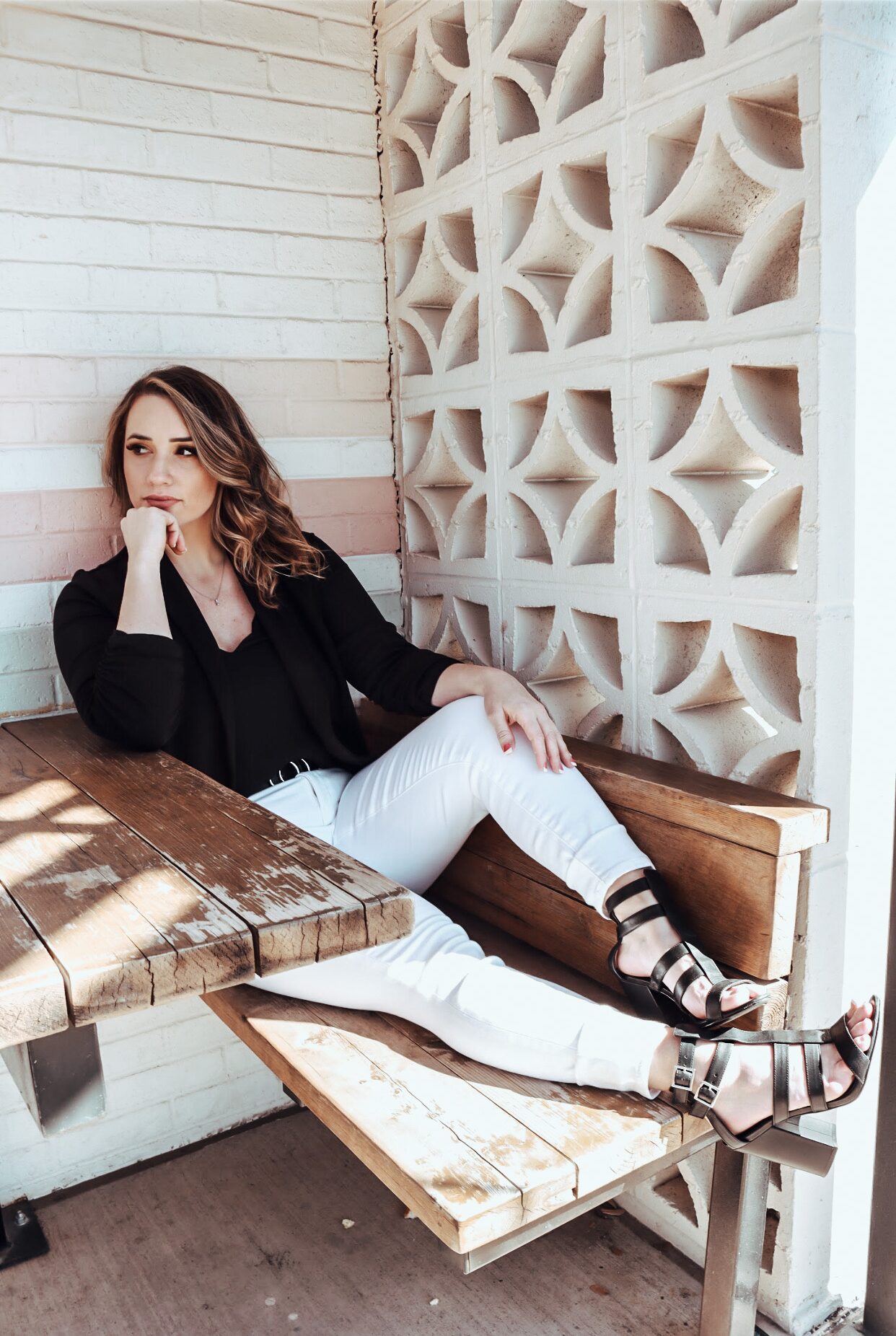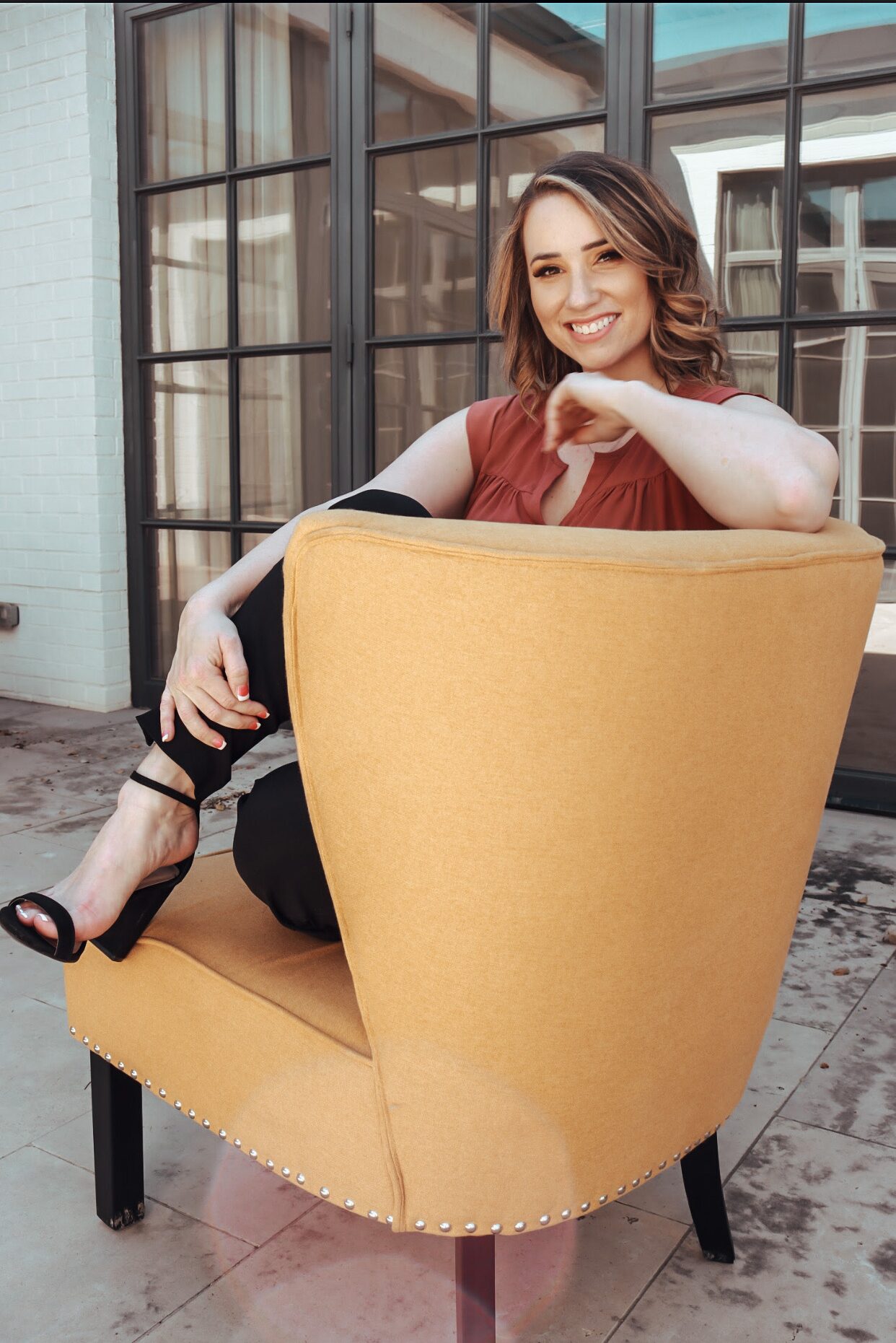






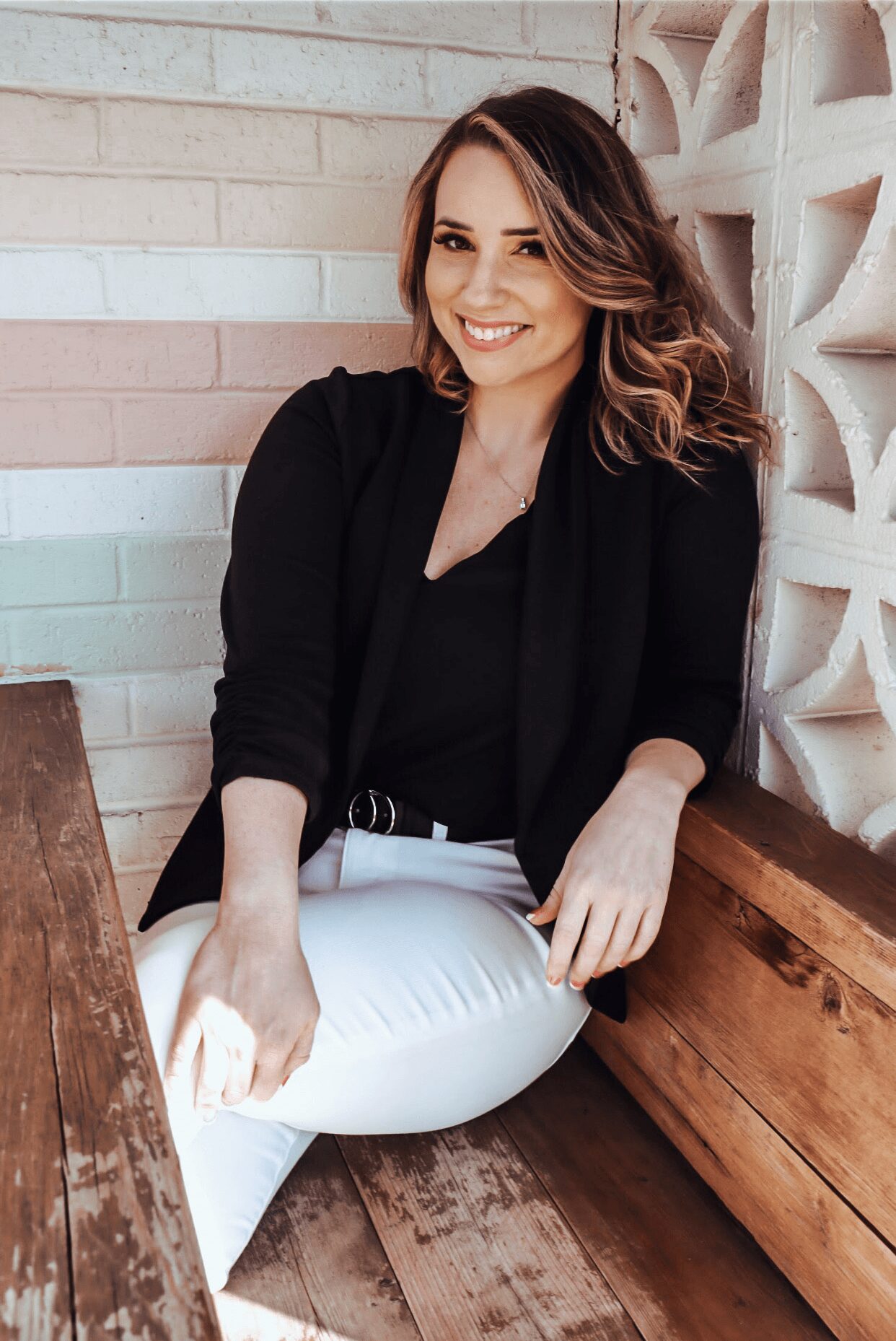
Today we’d like to introduce you to Dr. Rachel Sims, LPC.
Hi Dr. Rachel , thanks for joining us today. We’d love for you to start by introducing yourself.
I always knew from a young age that I wanted to help people, and what stood out to me even then was the moment things clicked for someone, that lightbulb moment where something shifted in their understanding, their perspective, or how they saw themselves. I was always drawn to that transformation, watching someone go from confusion or pain into clarity and relief.
That theme has really followed me through every phase of my career.
I spent about a decade in education as a teacher and working within the school system, and that’s where I first saw how powerful those moments could be in real time. I was working with students, families, and different environments, and I began to understand how early patterns are formed, how much our surroundings shape us, and how emotional regulation impacts everything. I saw a lot of lightbulb moments cognitively, students understanding concepts and parents gaining awareness, but I also started to notice that awareness didn’t always translate into lasting change.
That curiosity led me into counseling, where I pursued my master’s in counseling and later my PhD and eventually opened my private practice, Uncomplicated Therapy. My clinical training was rooted in evidence-based approaches like CBT, attachment theory, and family systems, which gave me a strong foundation for helping people understand their thoughts, behaviors, and relationship patterns. I also wrote my book, “Are You Love Smart or Love Stupid,” to help people recognize those patterns in their own lives.
And while I was able to facilitate a lot of those lightbulb moments with clients, I started to notice something important: insight alone wasn’t always creating transformation. People could explain their trauma, identify their triggers, and understand exactly why they were reacting the way they were, but their body was still responding the same way. It was like the lightbulb was turning on in the mind, but not fully reaching the body.
That realization shifted the direction of my work.
I began expanding into somatic work and nervous system regulation, studying how experiences are stored in the body and how survival responses like fight, flight, freeze, and fawn continue to operate beneath conscious awareness. Around that same time, I was also exposed to plant medicine, including mushrooms and ayahuasca, which gave me a completely different perspective on how quickly the subconscious and body can process when they feel safe enough to do so. Those experiences deepened my understanding of what a true “lightbulb moment” actually is, not just something you think, but something you feel, something your body experiences and integrates.
That’s what ultimately led me to 9D breathwork and starting Breath By Design.
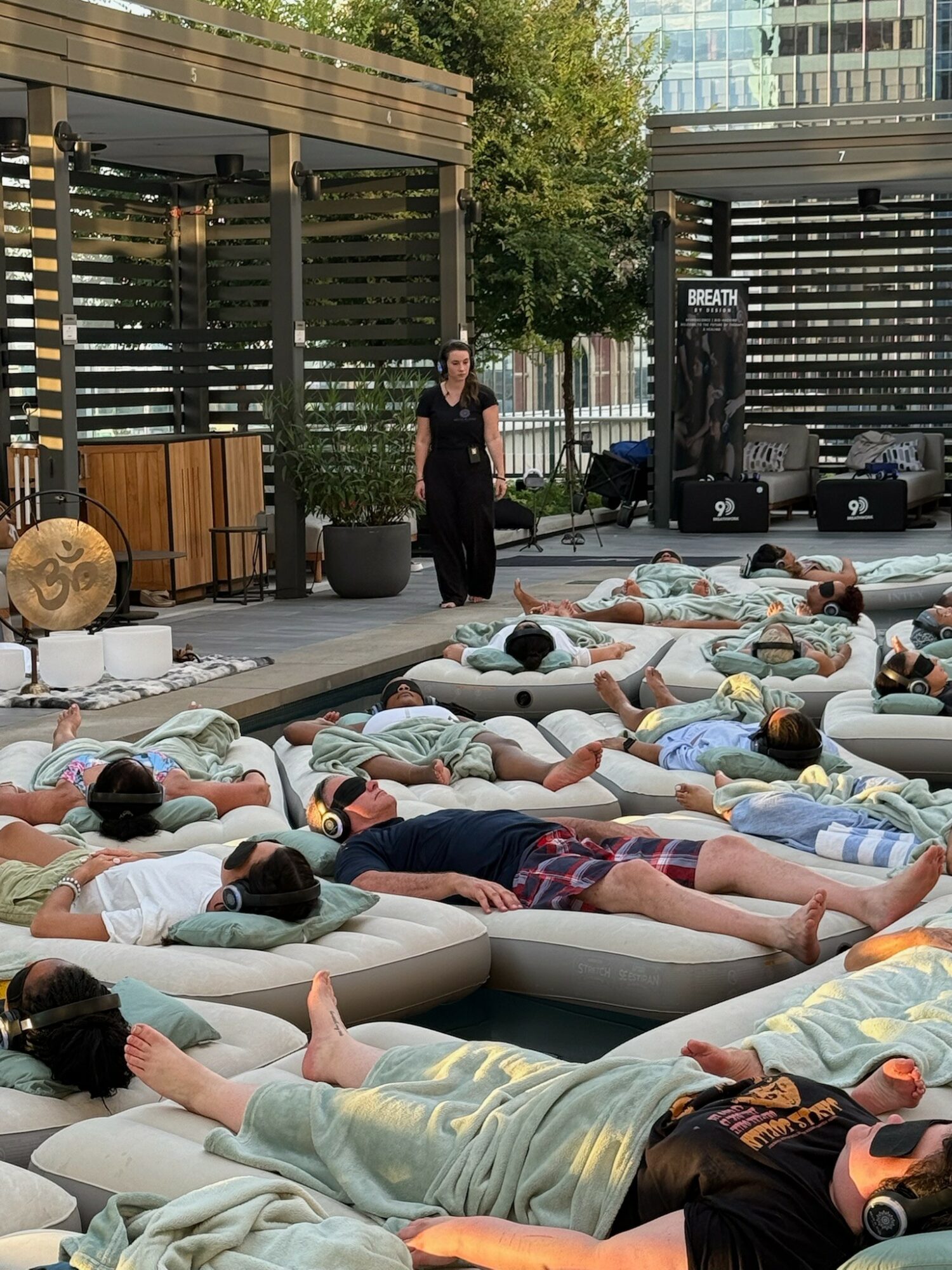
9D breathwork felt like the bridge I had been searching for something that honored my clinical, evidence-based background while also creating a space for people to experience those shifts at a deeper level. It combines neuroscience, breath patterns, psychoacoustic sound, and subconscious work to create an environment where the lightbulb moment isn’t just intellectual; it becomes embodied.
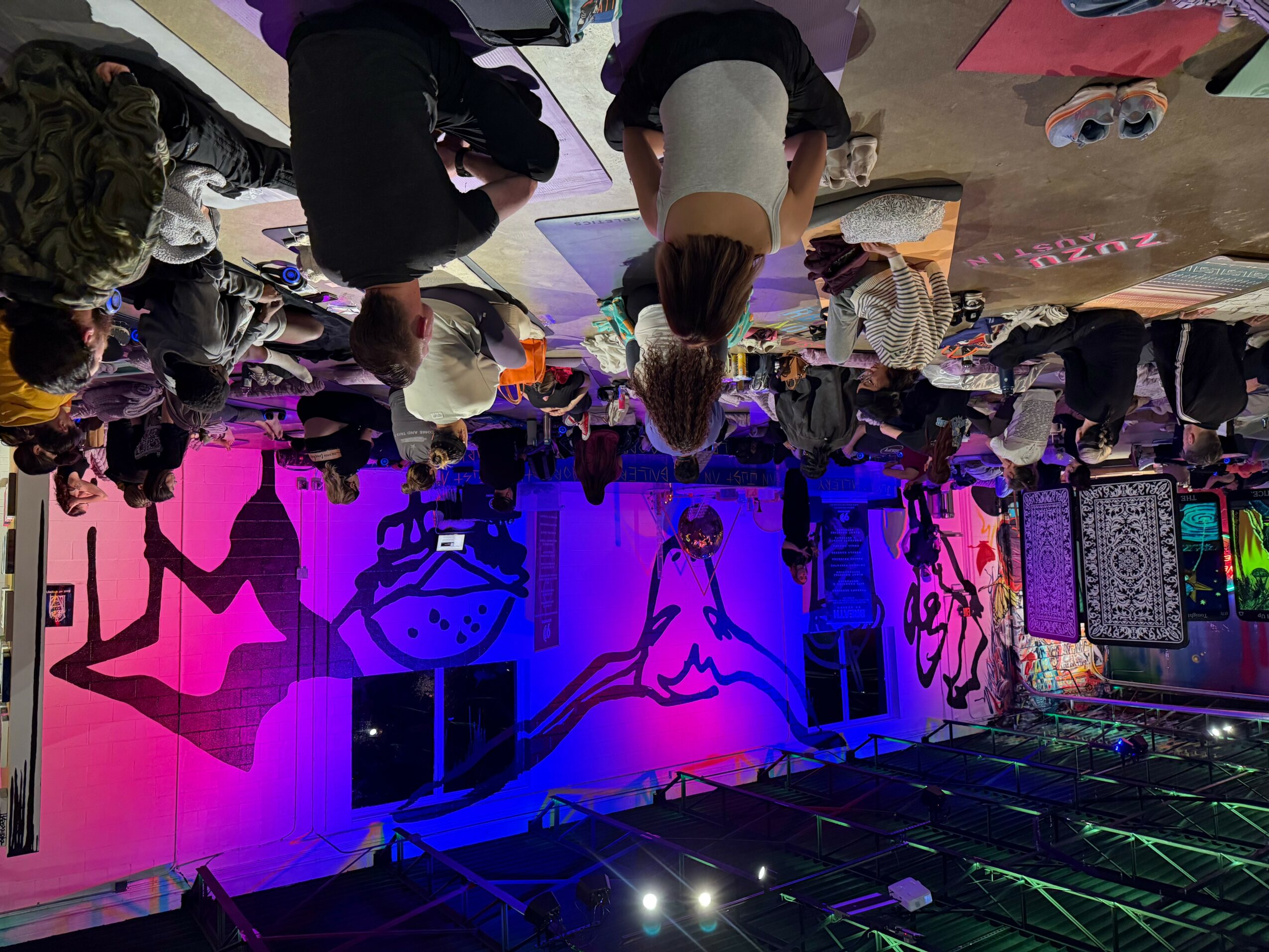
From there, my work naturally expanded beyond the therapy room. I began creating immersive group experiences because I saw how powerful it is when people not only have those moments individually but also witness them in others. That expansion led me to co-found Breath by Design, where we now facilitate everything from local community events to large-scale experiences and retreats.
Where I am today feels like a deeper expression of that same passion I had from the beginning. I’m still drawn to those lightbulb moments, but now I understand that real transformation happens when that moment moves beyond the mind and into the body, into the nervous system, and into how someone actually lives their life. And what’s been most meaningful is seeing that those moments don’t just change individuals; they ripple into relationships, families, and communities. That’s the work I feel most connected to now, creating spaces through Uncomplicated Therapy and Breath by Design where those shifts can happen in a way that’s not just understood but truly experienced and sustained.
We all face challenges, but looking back would you describe it as a relatively smooth road?
It definitely has not been a smooth road, and I think that’s one of the biggest misconceptions about stepping into this kind of work or building something of your own. From the outside, it can look aligned and purposeful, but behind the scenes it asks you to grow in ways you can’t prepare for.
One of the biggest lessons for me has been understanding that you don’t just build a business, the business builds you. Whether it’s growing my private practice, Uncomplicated Therapy, or expanding Breath by Design into what it is today, every level required a different version of me to show up. The therapist, the educator, the facilitator, the CEO, the leader, those are all different archetypes, and you don’t step into them all at once. You earn them through experience. It’s almost like each phase unlocks a new level, and with it comes a new identity you have to grow into, often before you feel ready.
There were very real, tangible struggles along the way. Financial pressure is one of the biggest ones people don’t talk about. Building a business in the mental health and wellness space, especially one that integrates therapy, nervous system regulation, and 9D breathwork, comes with risk. There were seasons of reinvesting everything back into the business, navigating inconsistency, learning cash flow, pricing, team building, marketing, and trusting long term vision over short term comfort. In both Uncomplicated Therapy, where I provide therapy focused on attachment, trauma, and relationships, and Breath by Design, where we facilitate breathwork experiences, workshops, and retreats centered on nervous system healing and subconscious reprogramming, I had to learn the practical side of business just as much as the purpose driven side.
Relational challenges have been another major layer. Betrayal, misalignment, outgrowing partnerships or expectations, those are real experiences that come with expansion. As you evolve, not everyone evolves with you. You start to see different archetypes show up in your life, the supporter, the challenger, the skeptic, the one who reflects your growth, and the one who tests your boundaries. Each one teaches you something about discernment, leadership, and where you need to hold stronger standards.
And then there is a level that people don’t always see, the responsibility.
When you are holding space for people, whether it’s in a therapy session or a large group breathwork experience, you are holding someone’s story, their trauma, their vulnerability, sometimes their lowest moments. That requires a level of integrity, ethics, and nervous system regulation within yourself that has to be constantly maintained. You don’t get to show up dysregulated and expect to lead regulated spaces. There’s a weight to that, in a grounded way, knowing that the way you facilitate, the boundaries you hold, and the safety you create directly impacts someone else’s experience.
There’s also the reality that not everyone is ready for the level of guidance they seek. Projection can happen, especially when people are confronted with parts of themselves they’re not ready to face. I’ve had to learn that part of leadership is not just helping people, but also discerning who is ready, who is not, and when it’s appropriate to refer out, set boundaries, or pivot your clientele. That was a hard lesson early on, understanding that alignment matters more than trying to be everything for everyone.
Internally, this path will bring up everything that isn’t aligned within you. Doubt, fear, imposter syndrome, control, perfectionism, it all surfaces at different stages. And instead of bypassing that, I had to move through it. That’s where my background in therapy, and the work we do through Breath by Design with somatic healing, breathwork, and nervous system regulation, became just as important for me personally as it is for the people we serve.
I really do view this experience, not just business, but life in general, as a kind of school. Every challenge feels like a lesson, every dynamic like a mirror. Whether it’s money, relationships, leadership, or personal growth, each one requires you to expand your capacity. And just when you think you’ve mastered one level, you’re introduced to another that asks more of you, more responsibility, more emotional regulation, more clarity.
So no, it hasn’t been smooth, but I don’t think it’s supposed to be. The friction is what refines you. The challenges build your discernment, your resilience, and your ability to lead with integrity. Over time, you begin to trust that each obstacle isn’t something in the way, it’s actually part of the path, shaping you into the person who can hold what you’re building, whether that’s a therapy practice like Uncomplicated Therapy or a growing wellness company like Breath by Design that’s helping people heal on a deeper, more embodied level.
Great, so let’s talk business. Can you tell our readers more about what you do and what you think sets you apart from others?
What we’ve built is not just a service, it’s an ecosystem for transformation.
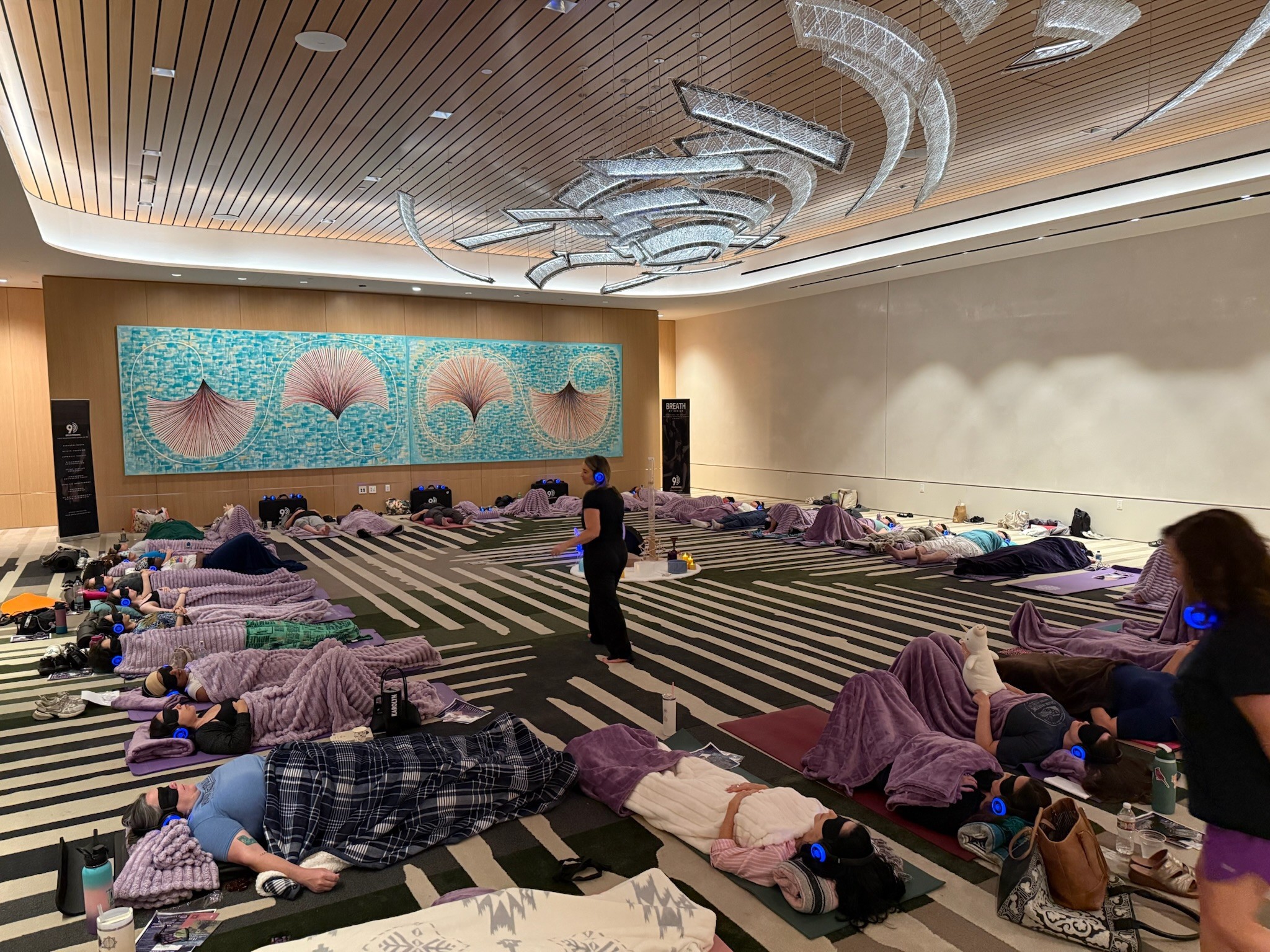
At its core, Breath by Design exists to bridge the gap between traditional mental health work and deeper, more embodied healing. We specialize in 9D breathwork, which is a multi sensory, neuroscience informed experience that combines breath patterns, layered psychoacoustic sound, guided subconscious work, and somatic release. What makes it unique is that it doesn’t rely on someone “figuring it out” cognitively, it creates the conditions for the body and subconscious to process, release, and rewire in real time. That’s a big part of what we’re known for, creating experiences where people don’t just learn about healing, they feel it happening. Whether it’s emotional release, nervous system recalibration, or gaining clarity, the work meets people at the level they’re actually operating from, not just where they think they are.
One thing we say often is that we meet you where you are in your journey, and that’s not just a phrase; it’s how we’ve intentionally designed our entire ecosystem. For someone just beginning, that might look like an online class or a local community event where they can experience 9D breathwork in a safe, accessible way. For someone deeper in their process, it might be immersive workshops, private sessions, or advanced nervous system work. And for those who feel called into more profound transformation, that can expand into our Reclaim Your Light retreats, including our ayahuasca retreats, where we combine ceremonial work with structured preparation and integration. Each layer is designed to support a different level of readiness, so people aren’t overwhelmed or under supported, they’re met exactly where they are and guided forward from there.
Beyond that, we’ve expanded into a full spectrum of offerings. Through Uncomplicated Therapy, I provide clinical work rooted in attachment, trauma, and relationship dynamics, and through Breath by Design, we offer everything from local community events and immersive group experiences to workshops, retreats, and facilitator trainings. What ties all of it together is the intention behind it, creating a pathway for people to move from awareness into embodiment, and from insight into lasting change.
Something we’re really proud of is that we were the first 9D breathwork facilitator company in Dallas. At the time, this modality wasn’t widely known in this area, and now there are over 10 facilitators locally who have come through our spaces, sat in our classes, and gone on to expand the work themselves. To me, that’s a reflection that this is working. It’s not about ownership, it’s about expansion. The more regulated, self aware, and connected people we have doing this work, the more impact it creates in the community. What sets us apart is the way we combine structure with depth. There are a lot of spaces that are either very clinical or very spiritual, and we intentionally sit in the middle. Our work is grounded in neuroscience, ethics, and therapeutic principles, while also honoring the body, the subconscious, and the experiential side of healing. That balance allows us to create containers that feel both safe and transformative.
Another thing that differentiates us is the emphasis on community. A lot of healing work can feel isolating, but we’ve intentionally created environments where people feel connected, supported, and seen. There’s something powerful that happens when people come into a space and realize they’re not alone in what they’re experiencing. That sense of connection becomes part of the healing process itself.
Brand wise, what I’m most proud of is the integrity behind what we do. In a space that’s growing quickly, it’s easy to lose structure or overlook responsibility, but we’ve stayed very grounded in ethics, safety, and intention. Every experience we create is designed with care, from the nervous system pacing to the facilitation to the integration afterward. We take seriously the fact that people are trusting us with their stories, their emotions, and their healing process.
At the end of the day, what I want people to understand about our brand is that this is not about quick fixes or surface level wellness. This is about real, sustainable change. It’s about giving people access to tools and experiences that help them regulate, process, and reconnect with themselves in a way that actually carries into their relationships, their decisions, and their everyday life. And ultimately, it’s about helping people remember that the capacity to heal is already within them, we’re just creating the space, the structure, and the support for that to unfold at every stage of their journey.
Can you talk to us about how you think about risk?
I’ve always had a different relationship with risk. I don’t see it as something to avoid; I see it as the environment where growth, clarity, and alignment actually happen. For me, risk isn’t reckless; it’s intentional. It’s the willingness to move toward something before you have full certainty, because you trust the direction more than you fear the unknown. And when I look back, every phase of my life has been shaped by that.
Leaving for college at 17, eight hours away from home, was my first real experience with risk. At that age, you’re still forming your identity, and I chose to step into independence early. It meant learning how to navigate decisions without a safety net, managing emotions, finances, relationships, and responsibility all at once. I also pushed myself academically in a way that most people wouldn’t. I was taking up to 30 credit hours a semester to graduate faster, which was a risk in itself. It required an intense level of discipline, time management, and mental endurance. There were moments where it felt overwhelming, but it taught me how to operate under pressure, how to stay focused on long-term outcomes, and how to trust that short-term intensity can create long-term freedom. That risk paid off, not just in graduating faster but also in building a work ethic that I still rely on today.
From there, I continued to take risks in my education. Pursuing my master’s and then my doctorate wasn’t just an academic decision; it was a long-term investment in something I believed in without immediate return. There were moments of exhaustion, doubt, and questioning whether the level of commitment was worth it. But that process built discipline, depth, and a level of clinical understanding that now anchors everything I do. It taught me how to stay committed even when results aren’t immediate, which is something a lot of people struggle with when building anything meaningful.
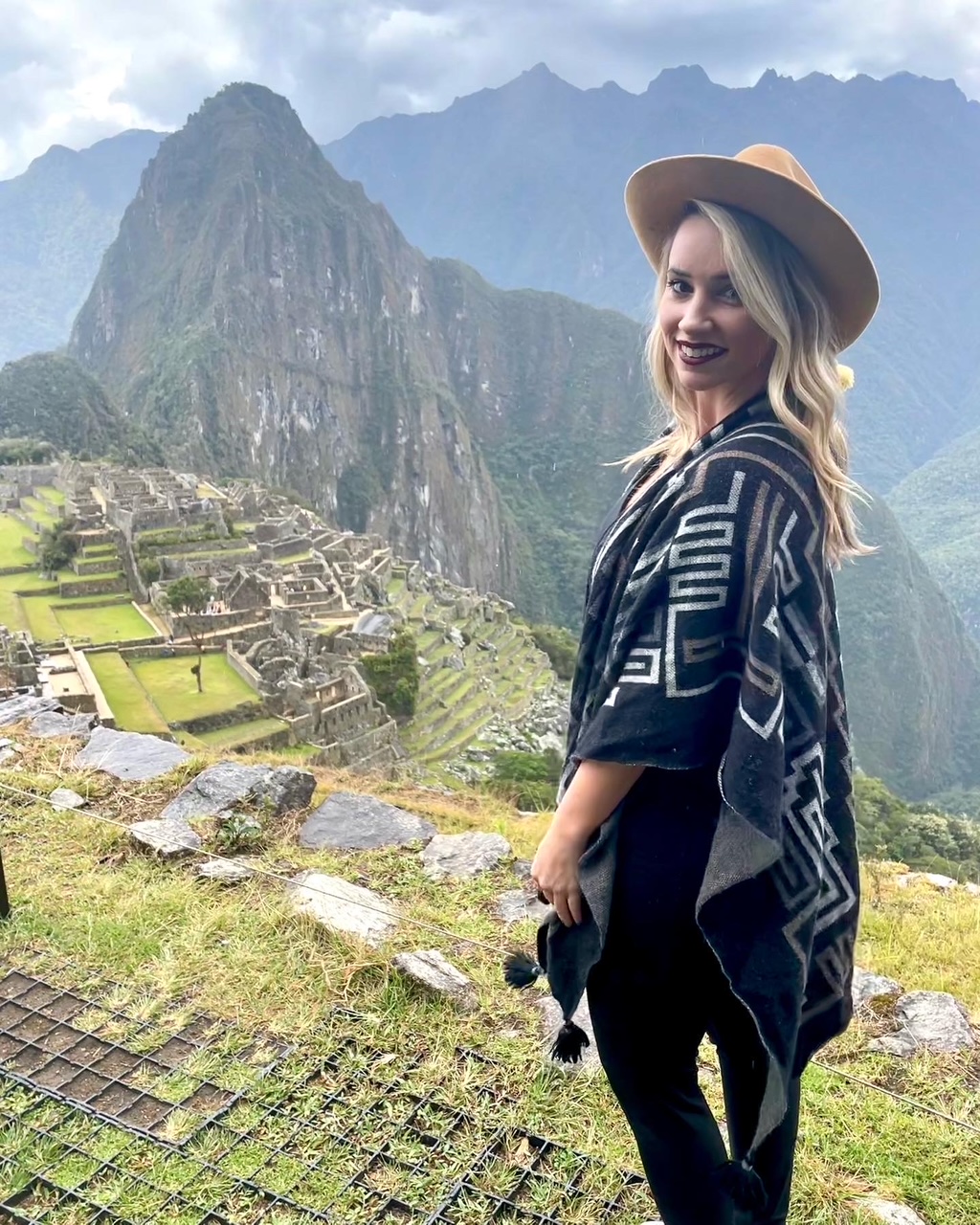
At the same time, I was expanding my worldview in ways that weren’t necessarily traditional. Living and traveling in places like London, South Africa, and Greece pushed me out of familiar environments and into completely different cultural dynamics. Each place challenged my perspective on human behavior, healing, and connection. In South Africa, I saw resilience and community in a completely different way. In London, I experienced independence and diversity at a different scale. In Greece, there was a slower, more embodied way of living. Those experiences taught me that there isn’t one “right” way to live or heal and that flexibility in perspective is essential, especially in the work I do now. Then there were the deeper, more internal risks.
Stepping into plant medicine work, including ayahuasca and mushrooms, required a completely different level of surrender. That wasn’t about achievement or performance; it was about letting go of control and allowing myself to experience what was beneath the surface. Those experiences brought up things that couldn’t be accessed through logic alone: emotional layers, subconscious patterns, and parts of myself that needed to be seen and processed. It expanded my understanding of healing beyond what I had been trained in and showed me how quickly transformation can happen when the body and subconscious are involved.
Professionally, the risks became more tangible and more visible. Opening Uncomplicated Therapy meant stepping into full responsibility, not just as a therapist but as a business owner. It required learning how to manage systems, finances, marketing, and client care, all while maintaining ethical standards and clinical integrity. Writing my book, “Are You Love Smart or Love Stupid,” was another risk, putting my voice, my perspective, and my work out into the world without any guarantee of how it would be received. There’s a level of vulnerability that comes with that, sharing your framework and trusting that it will land with the people it’s meant for.
And then there’s the risk that shifted everything, building Breath by Design. At the time, neuroscience backed 9D breathwork wasn’t something the Dallas market understood. There was skepticism, misunderstanding, and a tendency to dismiss it as something “woo” rather than recognizing the science and structure behind it. Starting a business around something that people didn’t fully understand yet required a different kind of belief, one that wasn’t dependent on external validation. There were moments of questioning, navigating whether people would be open to it, whether it would grow, and whether the investment of time, energy, and resources would pay off. But I had seen the impact firsthand, and that was enough to move forward.
Now, seeing how it’s expanded, not just within Breath by Design but across the community, it reinforces something I deeply believe: that aligned risk is always rewarded. Not always immediately, and not always in the way you expect, but it always moves you forward. I think a lot of people wait for certainty before they take action, but certainty is something that develops through movement, not before it. Every risk I’ve taken has given me something: clarity, resilience, perspective, or a deeper understanding of myself and my work.
So I do thrive in environments that require risk, but not because I’m chasing uncertainty. It’s because I’ve learned that risk and reward are not separate; they’re part of the same process. Risk creates the opportunity for coherence, for alignment between what you feel called to do and the action you take. And at this point, I don’t see risk as something to avoid or even calculate my way out of. I see it as a necessary part of growth. Every level of my life has required me to become a new version of myself, and risk has been the doorway into that every single time.
Contact Info:
- Website: www.breathbydesign.net and www.uncomplicatedtherapy.com
- Instagram: @breathbydesign_ @uncomplicatedtherapy @areyoulovesmartorlovestupid @reclaimyourlightretreats @uncomplicatedtherapyproducts
- Facebook: www.facebook.com/breathbydesigndfw and www.facebook.com/uncomplicatedtherapy