





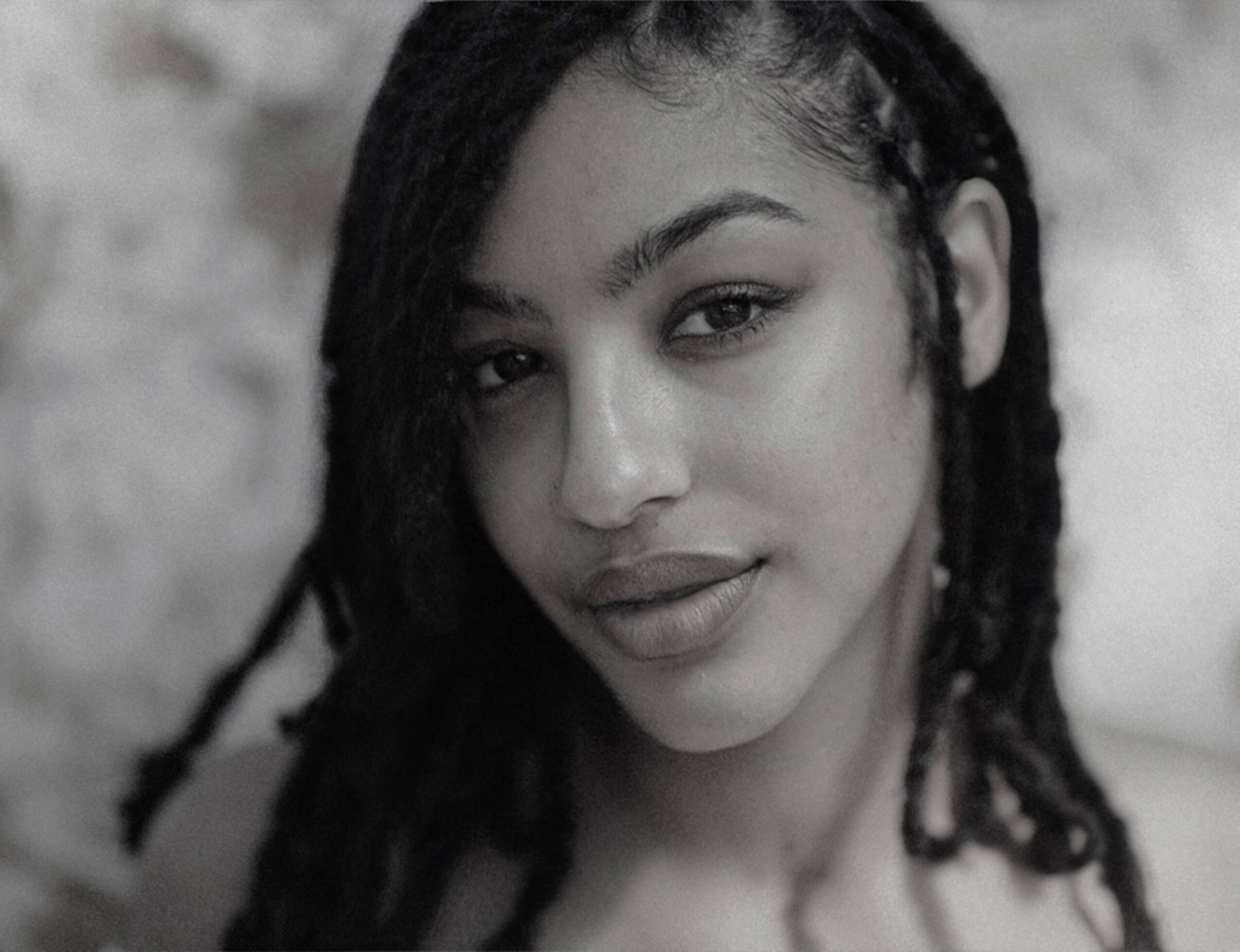
Today we’d like to introduce you to Gabrielle Malbrough.
Hi Gabrielle, we’re thrilled to have a chance to learn your story today. So, before we get into specifics, maybe you can briefly walk us through how you got to where you are today?
Since I was a little girl, I have always been a creative spirit. I loved moving my body, singing, and drawing on the walls whenever I got the chance, and I always called it art.
One day, my family was dropping off my cousin at our local community theatre. I remember asking my mom, “What is this place? What are we doing here?” She casually replied, “We’re dropping off your cousin at some High School Musical thing.” In that moment, I knew I wanted to do that too.
From then on, theatre became a constant in my life. I became an active member of that small community theatre in my hometown, where I discovered not only a love for performing but also the magic of creating worlds from imagination.
That passion followed me into high school, where there was little to no support for the arts. Even so, our small group of dedicated thespians (and the few people who joined just for the grade) made the most of what we had. I would stay late with my director, building and painting sets from discarded materials we found in the trash. I fell in love with the process of making something out of nothing and helping create the world that audiences would experience from their seats. It was there that I realized I didn’t just love theatre, I loved making art for theatre. That is what first drew me to scenic design.
Since then, I have had the privilege of designing productions both in my undergraduate program and professionally. Every opportunity has reaffirmed why I chose this path. Scenic design has allowed me to combine my creativity, resourcefulness, and love of storytelling into a career I never imagined possible. Growing up as a little Black girl from Beaumont, Texas, I could have never imagined that one day I would be designing worlds for the stage. Now, I carry that little girl’s imagination with me into every production, creating spaces where stories can come alive and where others can see themselves reflected onstage.
Alright, so let’s dig a little deeper into the story – has it been an easy path overall and if not, what were the challenges you’ve had to overcome?
Coming from a town where theatre wasn’t something people of color often pursued, I had a hard time connecting with the material I was working on and feeling comfortable in many of the spaces I found myself in because no one looked like me. It made me question whether I was doing the right thing and whether there was really a place for me in this field.
Unfortunately, those feelings didn’t end when I left my hometown. They followed me throughout my creative career.
It wasn’t until undergrad that I truly found a home in the people around me. We understood one another’s humor, identities, struggles, and experiences because we were all still navigating them ourselves. Those shared experiences gave us the confidence to speak up when we knew something wasn’t right and to create a space where those conversations could happen openly and honestly.
Rather than simply pointing out problems, we wanted to be part of the solution. We wanted to be a resource for others and help create meaningful change within our department and our community. That desire ultimately led me to co-found the Black Theatre Society at UTA.
For me, the organization became more than just a student group. It became a place where people could feel seen, supported, and understood in ways that many of us had not experienced before.
Thanks for sharing that. So, maybe next you can tell us a bit more about your work?
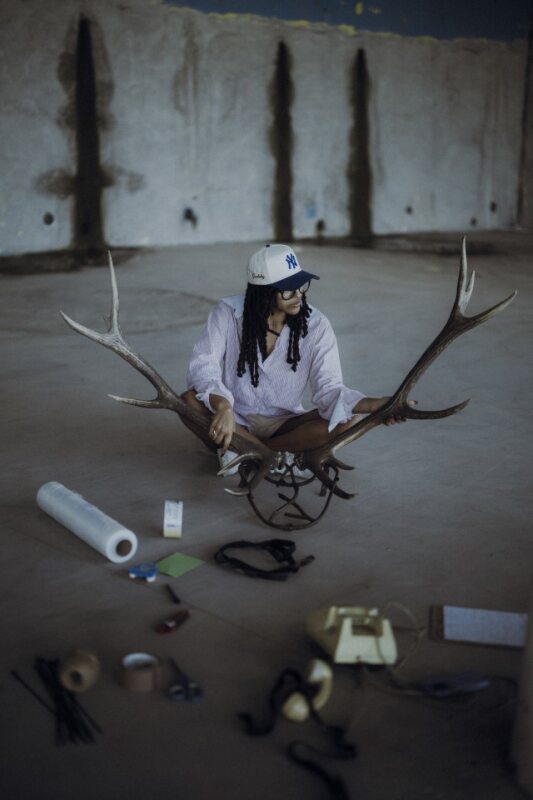
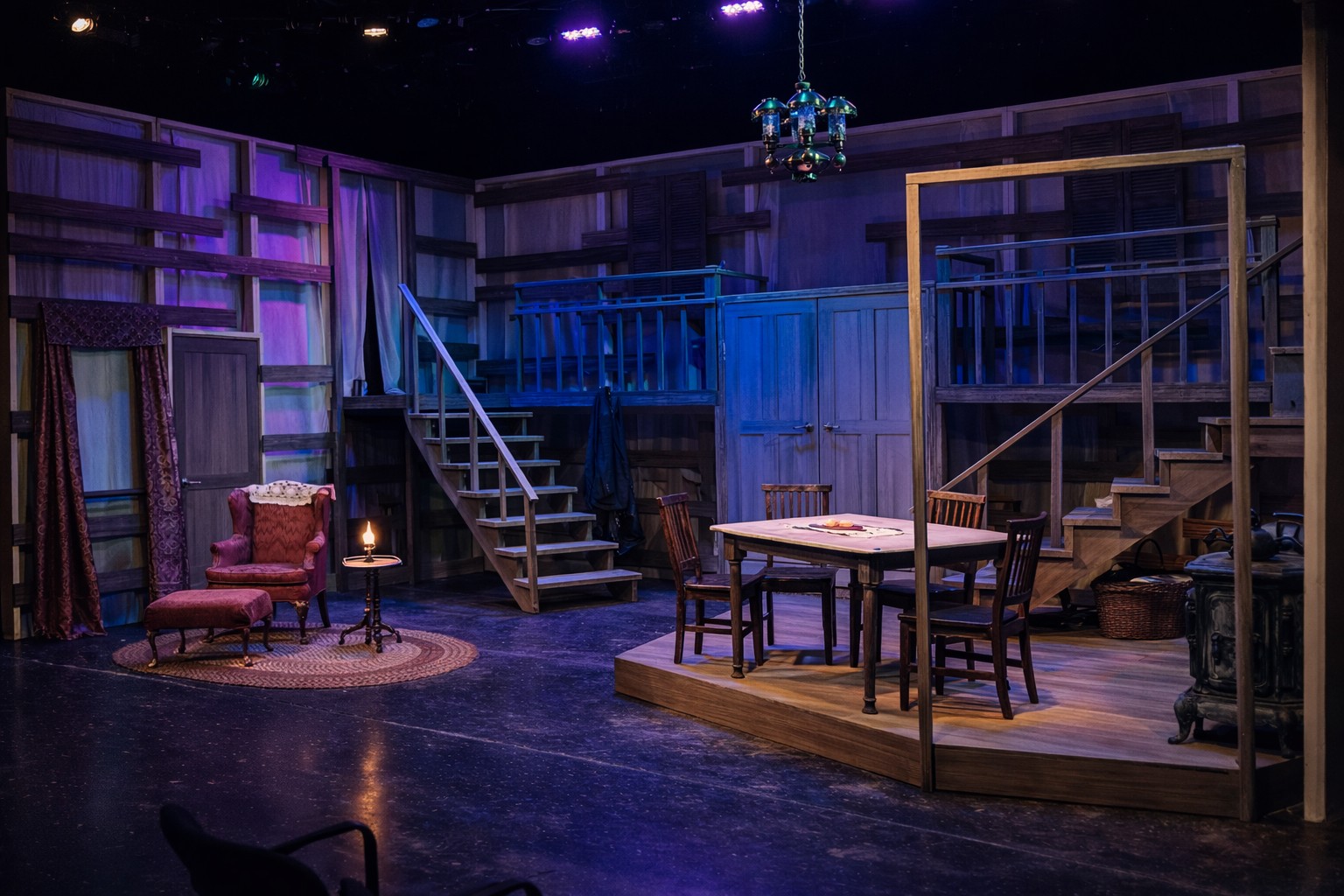
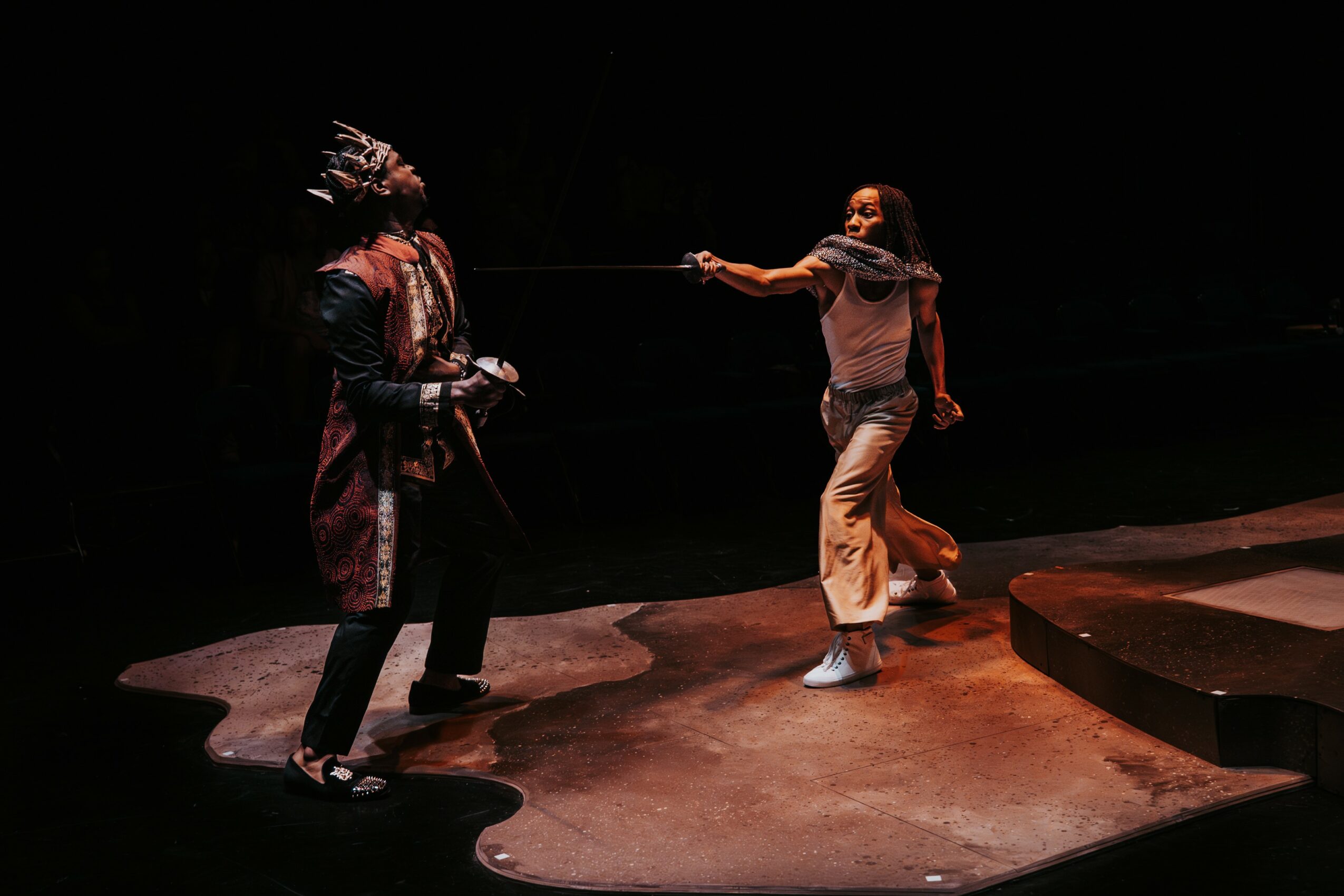
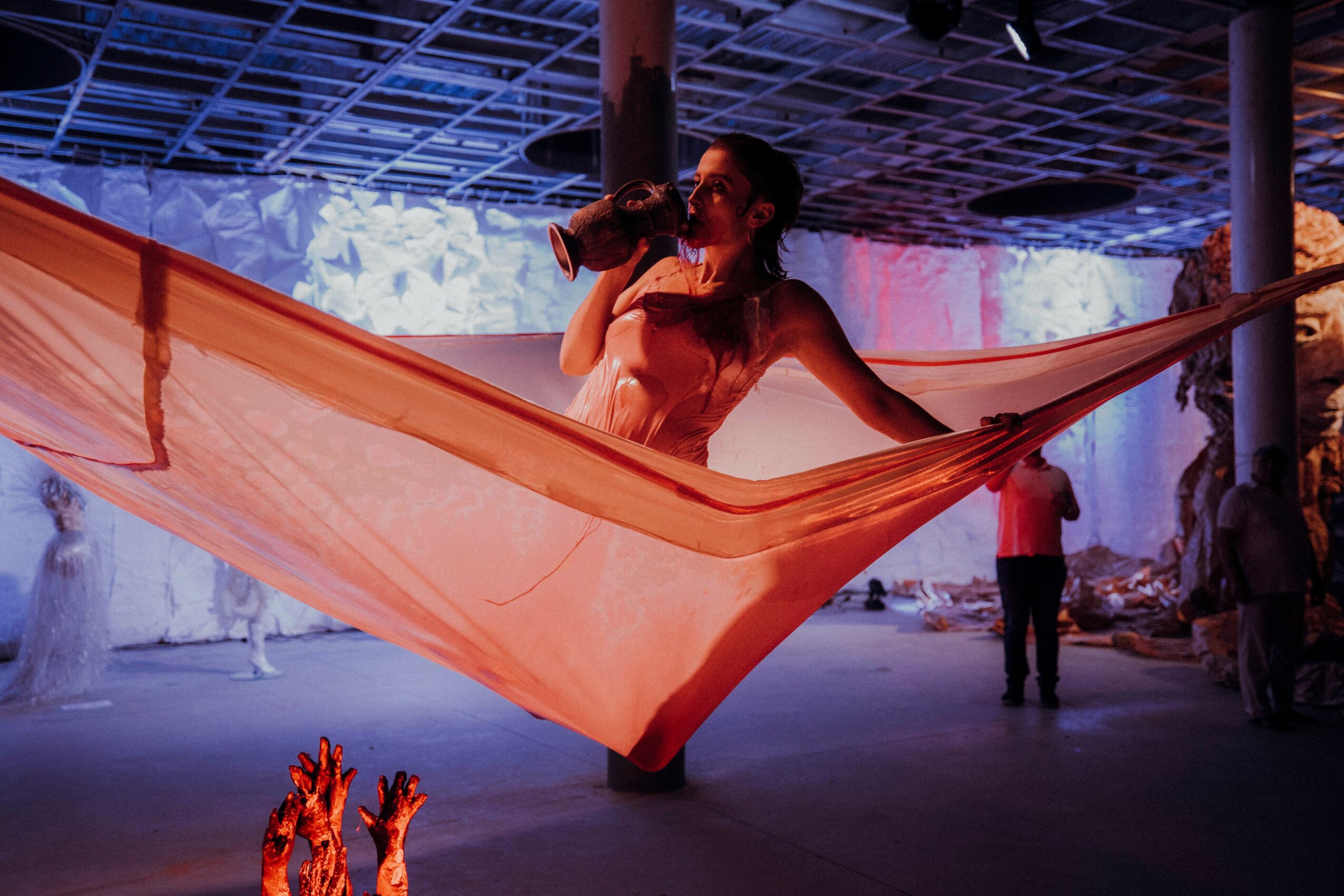
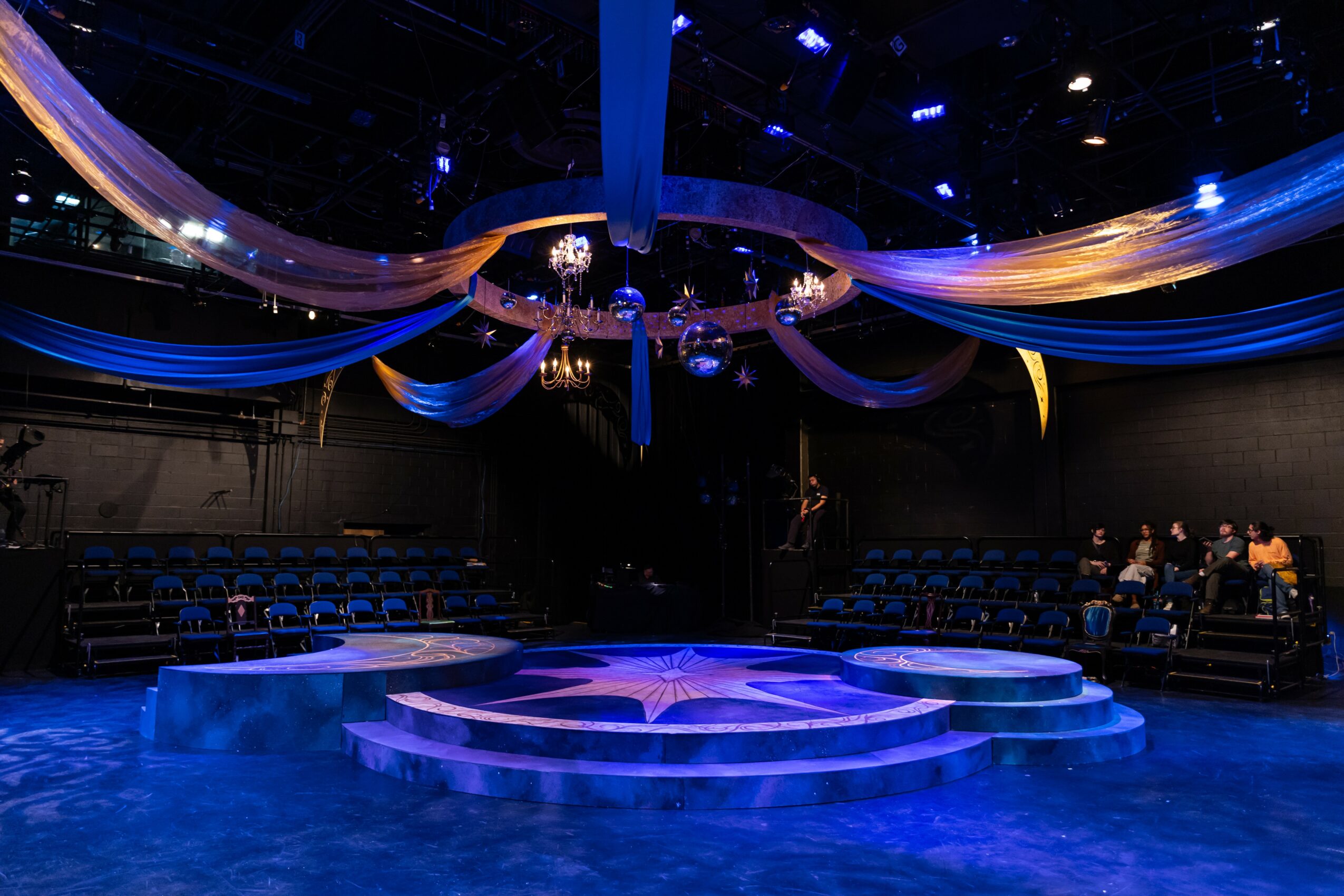
I am a scenic designer and visual artist based in the Dallas–Fort Worth area. My work centers on scenic design through the lens of lived experience and the ways space can provoke emotion while helping move a story forward.
Theatre is nothing without an audience, so one of the first questions I ask is, “How do I want the audience to feel?” Alongside a director’s vision, I think about the memory of a space and the memories carried by the characters themselves and use those ideas to shape the narrative of my designs.
My own experiences always find their way into my work as well. What I have lived through becomes part of the process. As a collaborator, I have the opportunity to offer a piece of myself in service of the story and, in turn, help create a more authentic lived experience onstage.
I also believe that who we are matters just as much as the work we create. I bring my full self into every room I enter, along with a damn good outfit lol. This field can be incredibly serious, but it’s also wonderfully unserious. At the end of the day, we’re making art. The more of myself I can bring into the room, the better the work will be.
Are there any books, apps, podcasts or blogs that help you do your best?
OH YES! I Finally finished a book I received as a grad gift called “The Black Experience in Design: Identity, Expression, & Reflection”
Some Others:
– “Iconic Home” by June Reese
– Baby, this is Keke Palmer
– “Do Nothing” by Celeste Headlee
– “Black, Queer, and Untold” by Jon Key
Contact Info:
- Website: https://www.gabriellemdesigns.com/
- Instagram: gabriellemdesigns