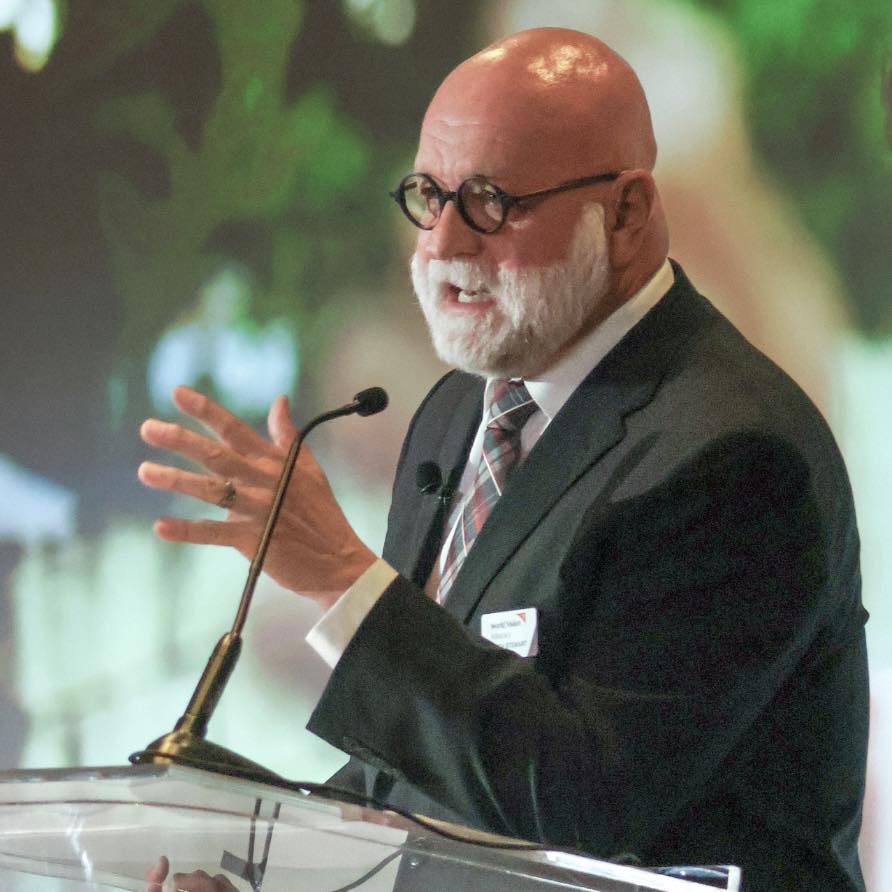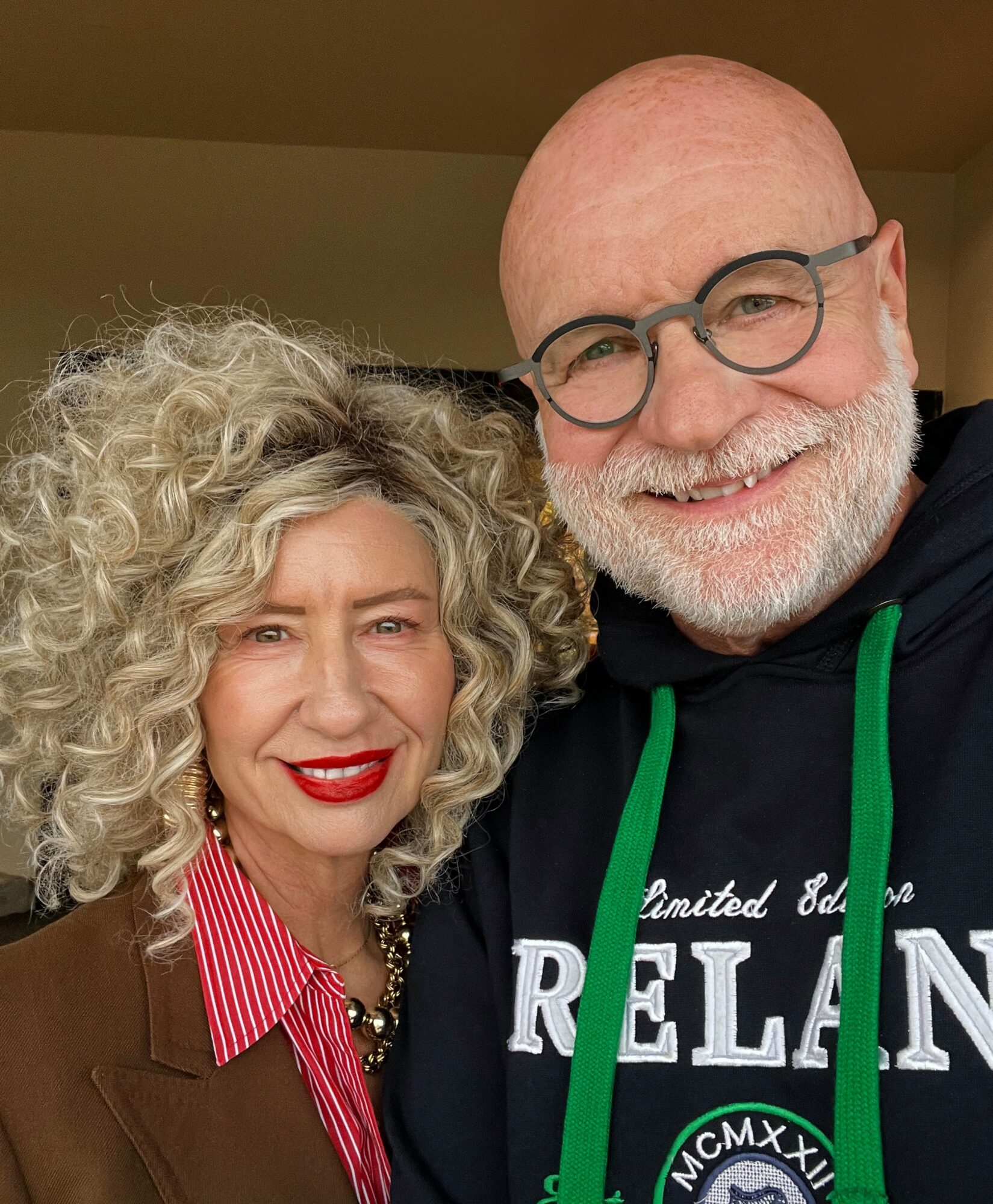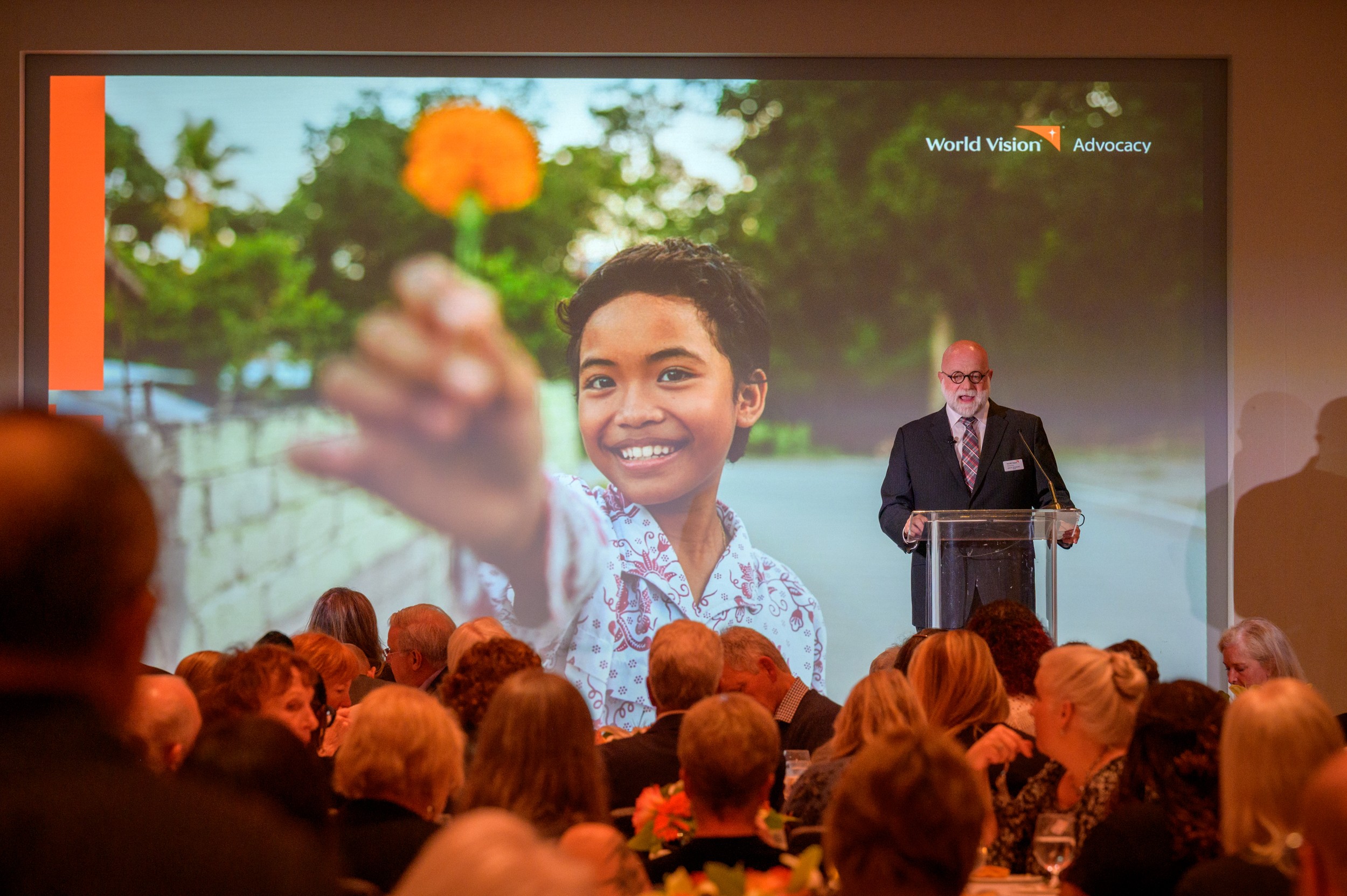






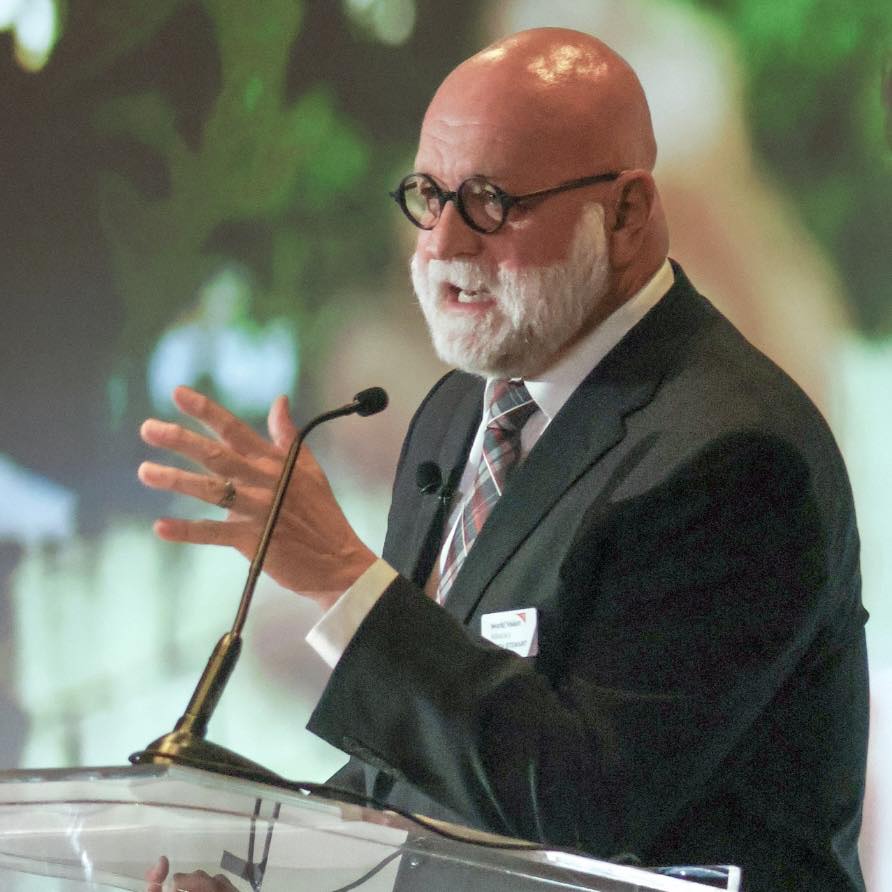
Today we’d like to introduce you to Keith Stewart.
Hi Keith, we’re thrilled to have a chance to learn your story today. So, before we get into specifics, maybe you can briefly walk us through how you got to where you are today?
I moved to Garland 40 years ago to serve as an associate pastor in a small south Garland church. Shortly after arriving, the main pastor at that church resigned and the church asked me to be their new pastor. I was 24 years old. The youngest pastor they had ever had. It was an old, traditional church that was dying. I helped them understand that reality and they decided unanimously to sell the church property and begin again, which we did.
In September of 1990, we launched Springcreek Church. A church I have pastored now for more than 35 years. For many years, we were the cool, trendy church. We had a rocking worship band, were known for playing the blues and doing all sorts of unusual things not typically associated with church. Our attendance skyrocketed. We were well on our way to becoming a megachurch. But something was off. I found the quest to be cool and the constant adding of people to our numbers unfulfilling. I started to feel dead inside – like something was missing.
That’s when I went to a pastors conference in southern California. Doing one of the plenary sessions, a well known pastor/sociologist by the name of Tony Campolo spoke. He said two things I distinctly remember. One was that every pastor needed to go to subsaharan Africa to see what the AIDS pandemic was doing to the continent. And the second thing he said was every pastor should sponsor a child in the developing world. In that moment, I remember thinking, “Maybe that’s it. Maybe I’m supposed to go to Africa to help save Africa.” Not realizing at the time that God had the opposite in mind. He intended to take me to Africa to save me from myself and a very self-serving paradigm of ministry.
Needless to say, that first to trip to Africa 20 years ago rocked my world. It turned it inside out and upside down. On that first trip, I met a 19-year-old young man named Oliver. He lived in Nairobi’s garbage dump – a community they called Soweto. Oliver had been a sponsor child with World Vision and had aged out of the program. World Vision, sensing a gap in their developmental process began working with sponsor children to help train them in various types of works so that they could provide for themselves once sponsorship ended.
Oliver hadn’t grown up in Soweto. He moved there because he saw a business opportunity. Oliver set up a small 6’x9′ cinderblock building in the heart of Soweto and sold cell phone accessories. He had lanyards, phone covers, and sold the cards that the poor would buy that would grant them so many minutes of cell phone usage. But Oliver’s big claim to fame was a small charging strip into which he had various cell phone chargers plugged into. You see, Oliver had electricity and most people in the slum did not. So his main “money-maker” was this charging strip where people would come by, drop off their phones, let them charge for an hour and Oliver would receive a few pennies for the use of electricity.
Then Oliver introduced me to another young man like himself – his apprentice. He was teaching him the business and sharing the profits with him. When Oliver told me this, I knew in an instant who was poor and who was rich. If I grew up without a mom and dad, if I lived on the town garbage dump, if I eked out a living pennies at a time, I wouldn’t dream of sharing what little I had with anybody else. Oliver was rich and I was desperately poor.
I remember extending my hand to Oliver that day, shaking his hand while praying in my heart, “Dear God, please don’t let me go the rest of my life without having what this kid has.” It was on that trip I discovered the wealth of the poor. Not that they have an easy life by any means. But that what makes life truly rich is something they often have they we in our affluence have forgotten.
So I came back to my suburban church intent on helping us make a connection with the world’s most vulnerable people. And we did. We started sponsoring children – hundreds and hundreds of them – so many that at one point, we were sending nearly a $1000 a day to Africa just in sponsorship dollars alone.
Over time, over time, we leaned more and more into this idea of being a church to help those outside our walls. To live out our gospel fully. Eventually I wrote a book entitled We Were Wrong. It’s a story of this journey to Africa and many subsequent journeys and how they changed who we once were as a church. We took out a full page apology in the Dallas Morning News confessing our wrong in ignoring our neighbors while catering exclusively to ourselves. Gone were the ideas of being the biggest, best, and most trendy church. Those ideas were replaced with being a faithful, healthy, loving church.
We Were Wrong was translated into Spanish and published in Ecuador and Honduras. It was translated into Portuguese and made available throughout the country of Brazil. It has even been published in places as far away as New Zealand. I have never made a dime off of the book. I felt like I had learned these lessons at the feet of the poor and they are the ones who should profit from the book. So 100% of the profits from We Were Wrong have been gifted to World Vision.
Since those days, I have traveled the world speaking with pastors and Christian leaders about the transformation that happened at Springcreek Church through loving the poor and those who live in the margins. Our church has exploded in diversity much like the city of Garland which ranks in the top 10 US cities that are most integrated. I am a recipient of the NAACP Bridge Builder Award for our work in the city of Garland. I have raised my voice for biblical equality of the sexes and have an extensive 10 part teaching series about the role of women as leaders in Scripture (which is the topic of my next book). I serve on the National Pastors Leadership Council for World Vision.
Springcreek Church never became a megachurch. I am so grateful for that. Because I think we have become something closer aligned with what Christ envisioned for His church to be.
I’m sure it wasn’t obstacle-free, but would you say the journey has been fairly smooth so far?
When you stand up for the vulnerable and those in the margins, especially today when the church across this country of ours is so deeply divided, you will always invite criticism and opposition. I have had my fair share of both. But I would rather lose in a cause that will ultimately prevail than win in a cause that will ultimately fail.
Dr. King once said, “The moral arch of the universe is long but it bends toward justice.” Not only was Dr King correct in his assertion, but that is something Scripture would affirm as well. In the short term, what is wrong and what is evil may seem to get the upper hand. But ultimately, all those things and those who support such things will fail. It’s important to be on the right side of history in times like these.
At the same time, it’s never easy when people (even in the church) seem to have a greater allegiance to their partisan view of politics than they do the principles that undergird the Christian faith. I have to remain faithful to teach what is true and right and real as opposed to the things that are expedient. Sometimes that creates enemies on both sides of a partisan issue. My consistent choice has been to try to elevate conversations above the din of the partisan noise to talk about principles that must guide our thinking and behavior regardless of the politics of the donkey or the elephant.
I also intentionally choose to focus my attention most on those who are teachable and receptive. I believe in advocacy and feel my time is better spent writing my representatives in congress about issues that concern me rather than airing all my views on social media which can be maddening.
Thanks for sharing that. So, maybe next you can tell us a bit more about your work?
Having been a pastor in Garland for 40 years, and serving the same congregation now for 35 years, one of the things that’s required for longevity in ministry is not just a heart and temperament for the work of counseling, working in and through a staff, conflict resolution skills, being with people in crisis, mobilizing for local disaster and also dealing with sickness, death and unexpected tragedy – that’s par for the course for any pastor.
But one has to be disciplined in communication. One has to develop a process that works well for study and making sure that sermons are fresh and not just re-heated and recycled old sermons.
I receive a lot of affirmation for my skills as a communicator in the pulpit and at many local, national and international events. To communicate well beyond one’s personal pulpit requires you to think and engage at higher levels. To purge one’s language of colloquialism and figures of speech when speaking to an international audience. To not be so trendy that one is irrelevant beyond one’s context. It takes living long enough to have developed a more comprehensive filter to weed out things from one’s speech that are not true for all people, everywhere, all the time. That’s why 35 years of communication to the same audience and the extensive travel I have done have uniquely equipped me to do,
Before we go, is there anything else you can share with us?
One of the best things that ever happened to me was one of the worst things that ever happened to me. Early on in the ministry, my wife and I were having deep marital problems. Both of us had a past we were refusing to face and we were taking it out on the wrong person – each other. Just a little over two years into the establishment of Springcreek Church, we hit a wall that I thought would end our marriage.
Our anger was out of control. We made each other miserable all the time. But I was trying to read things about marriage that might help me figure out what I was doing wrong. The term I kept coming across was co-dependence. As they say, “If one person calls you a donkey, ignore them. If two people call you a donkey, you might want to give it some thought. If three people call you a donkey, go get yourself a saddle.” Well, I kept coming across this term so often, I figured, that must be me. So I decided to go to a 12 Step meeting for Codependency. The group is called CoDA for short.
First, I went as far away from the church as possible. I didn’t want anyone recognizing me as a pastor. Second, when I walked into the room and heard these people sharing so authentically about their brokenness, I thought, “When did we lose this as a church? When did we lose this ability to just come as we are, pour out our souls to one another to find our healing?” So all I did was cry for like the first six meetings because these people were telling my story and I had never learned to be this vulnerable.
I remember the first time I spoke up in a meeting and a lady came to me afterwards and said, “I just want you to know I’m proud of you for speaking up, I know how hard it is to speak up in a group.” And I thought, “Lady, if you only knew what I did for a living! But she was right. Speaking there was far different from the way I spoke week in and week out.
So after about 3 months of attending CoDA and beginning to learn about my own self and my own brokenness, one day I was standing out in front of our church welcoming people as they entered the building. A woman came walking across the parking lot and shouted, “Hey Keith!” And I asked, “”Do I know you?” And she said, “Yes! I got to your CoDA group. Is this where you go to church?” And I said, “”Well, it’s more complicated than that. I’m the pastor here.” Then she proceeded to tell everyone at church that I go to CoDA. Which is a big no-no in 12 step recovery. They’re called anonymous programs for a reason. It’s not our right to tell other’s stories. We don’t talk about others who attend the group so as not to shame or embarrass them.
So now, the cat was out of the bag, so to speak. I was humiliated. But the longer I thought about it, the more I made peace with it. I said to myself, “Well, this church has always and only had an imperfect pastor. They can either handle that or not. If they can, maybe we can build a different kind of church. And if they can’t, then maybe I shouldn’t be in the ministry.” So I made a decision – no more pretending. Pretending is what made me lose myself in the first place. I would be who I am, where I am and not hide my faults or struggles anymore. That’s why the worse thing became the best thing for me. I am who I am. I don’t play games of pretension with others. And this has also produced wonderful results in the church as those from various recovery programs have flocked to the church to find a message of grace and acceptance.
My wife and I both began therapy and spent a couple of years doing so. I found a spiritual director who now, for more than 30 years, has been someone outside the church with whom I would work on my issues, be accountable to, and help me to stay focused on being healthy. As a bonus, she’s a licensed professional counselor so I get her insights into those areas of my life as well. This year, my wife and I will mark 44 years of marriage and we couldn’t be happier. We’ve been to hell and back in our marriage. What we have built since those years is the best thing that’s ever happened to us both. I adore her and she does me. I wish everyone had what we have but it takes a willingness to do what we did to achieve it.
Contact Info:
- Website: https://springcreekchurch.org
- Facebook: https://www.facebook.com/pastorkeithstewart/
- Youtube: https://www.youtube.com/@RealSpringcreekChurch