




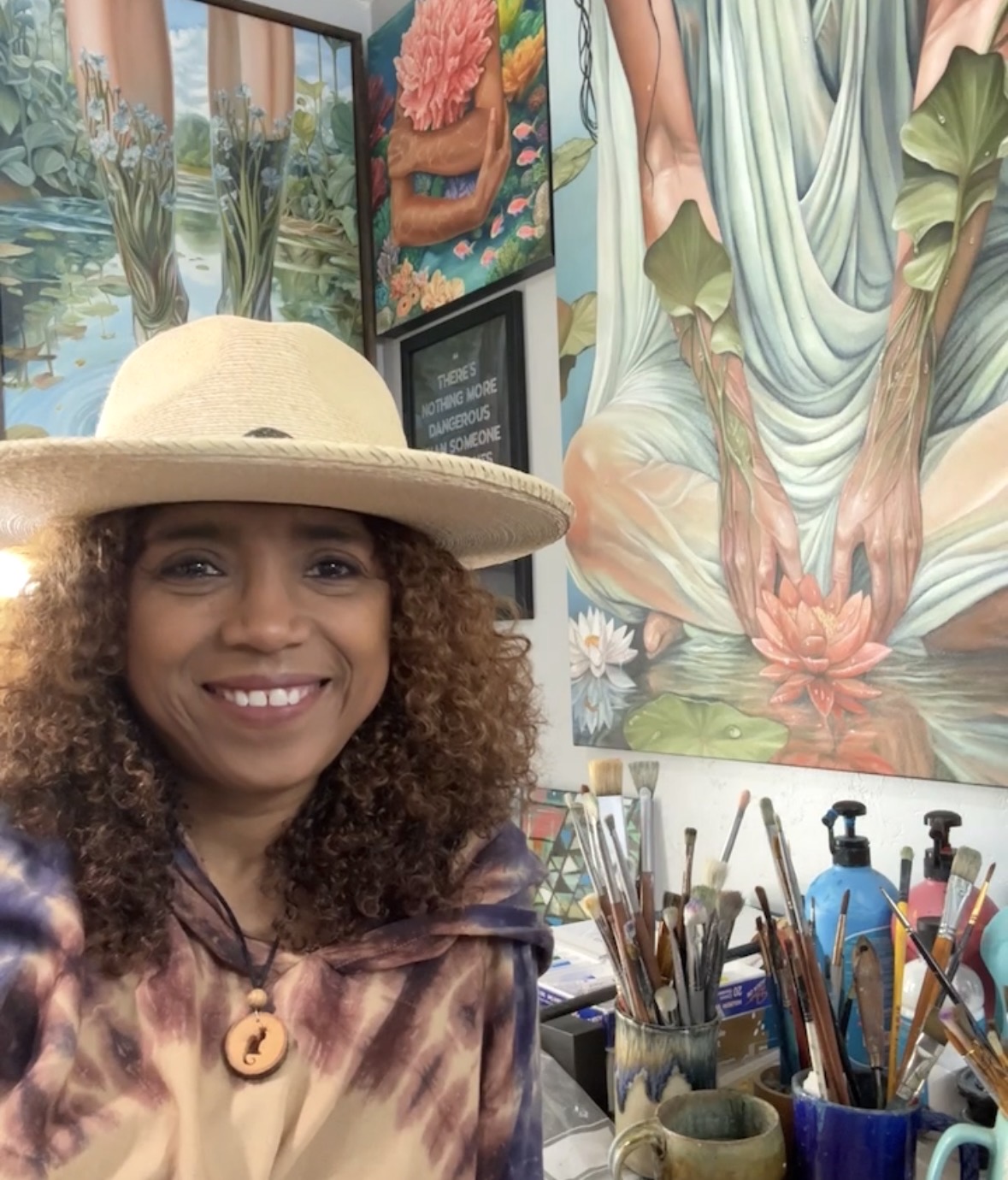
Today we’d like to introduce you to Lesa Shaw.
Hi Lesa, can you start by introducing yourself? We’d love to learn more about how you got to where you are today?
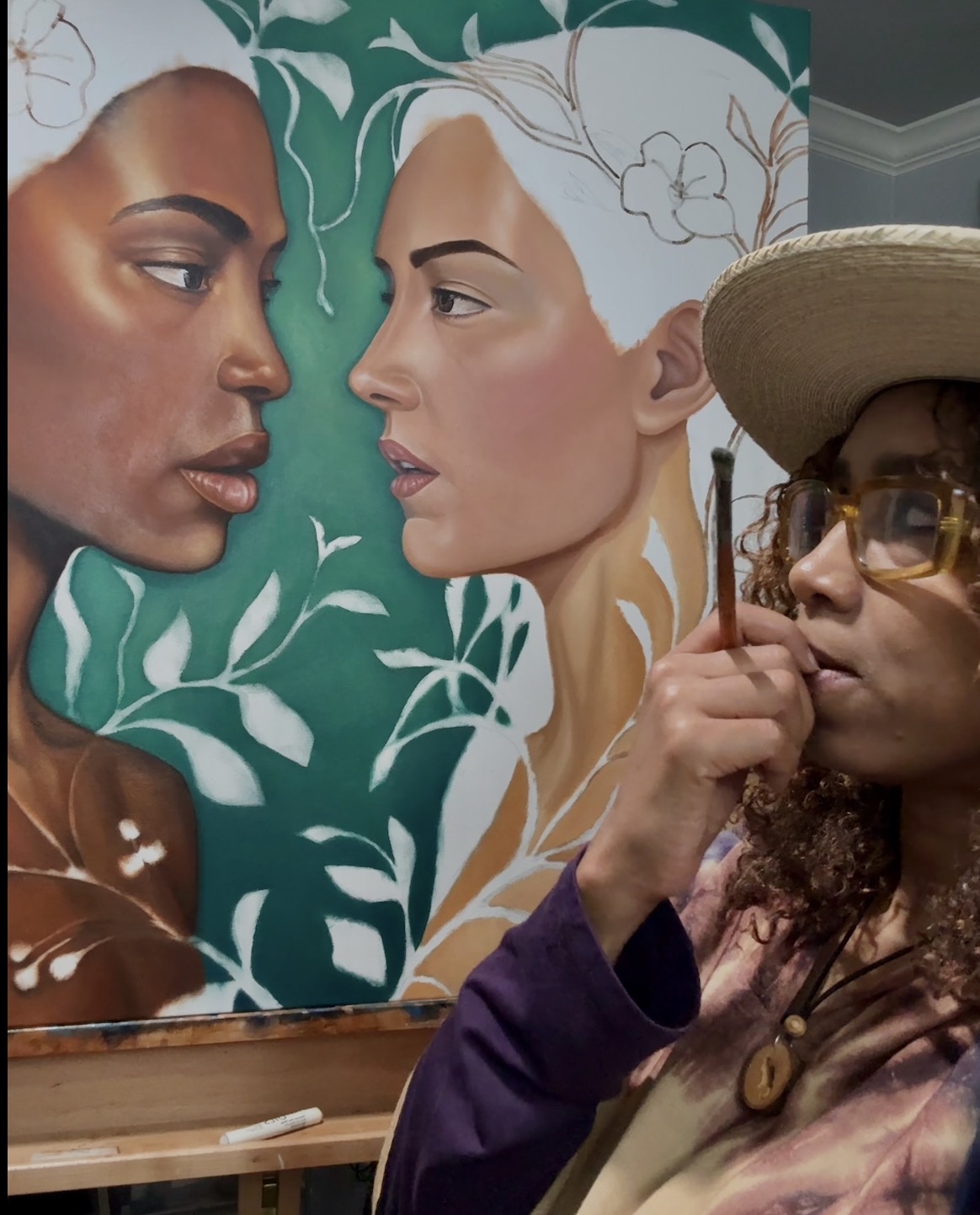
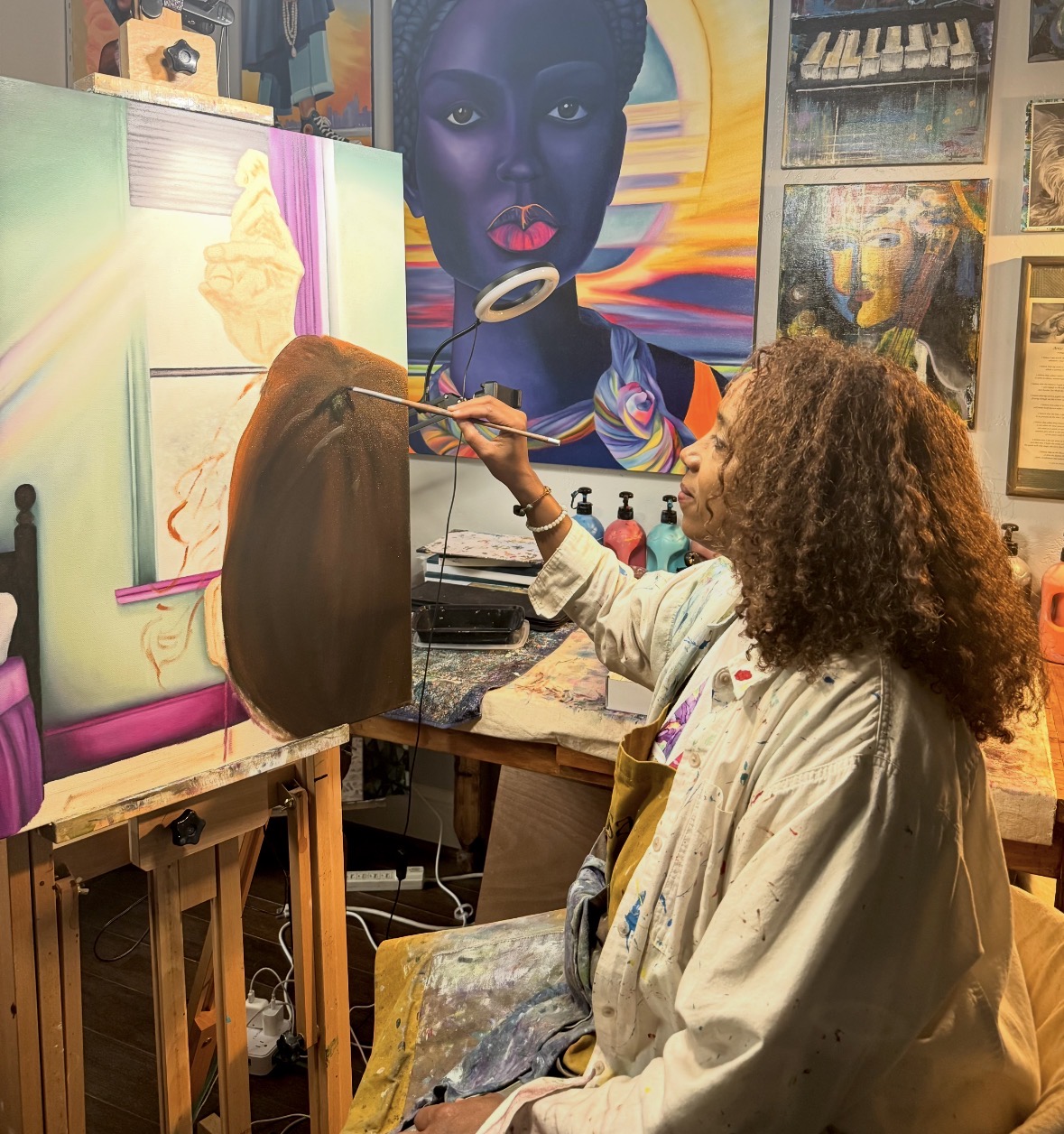
I didn’t come into art through a traditional route. I’m a self‑taught painter who spent years quietly experimenting on my own — playing with color, watching how materials behaved, and learning by doing rather than by instruction. For a long time, it was something I kept private. I didn’t think of myself as “an artist” yet; I was just following a pull I couldn’t ignore.
Over time, those private experiments became a language. I started to understand that the way I paint — intuitive, layered, emotional — was how I process the world. My work shifted as I shifted. The more I trusted my instincts, the more my voice came forward. Eventually I reached a point where hiding it didn’t make sense anymore. I began sharing my work publicly, and that changed everything. It connected me to people who saw themselves in the pieces, and that gave me the confidence to keep going.
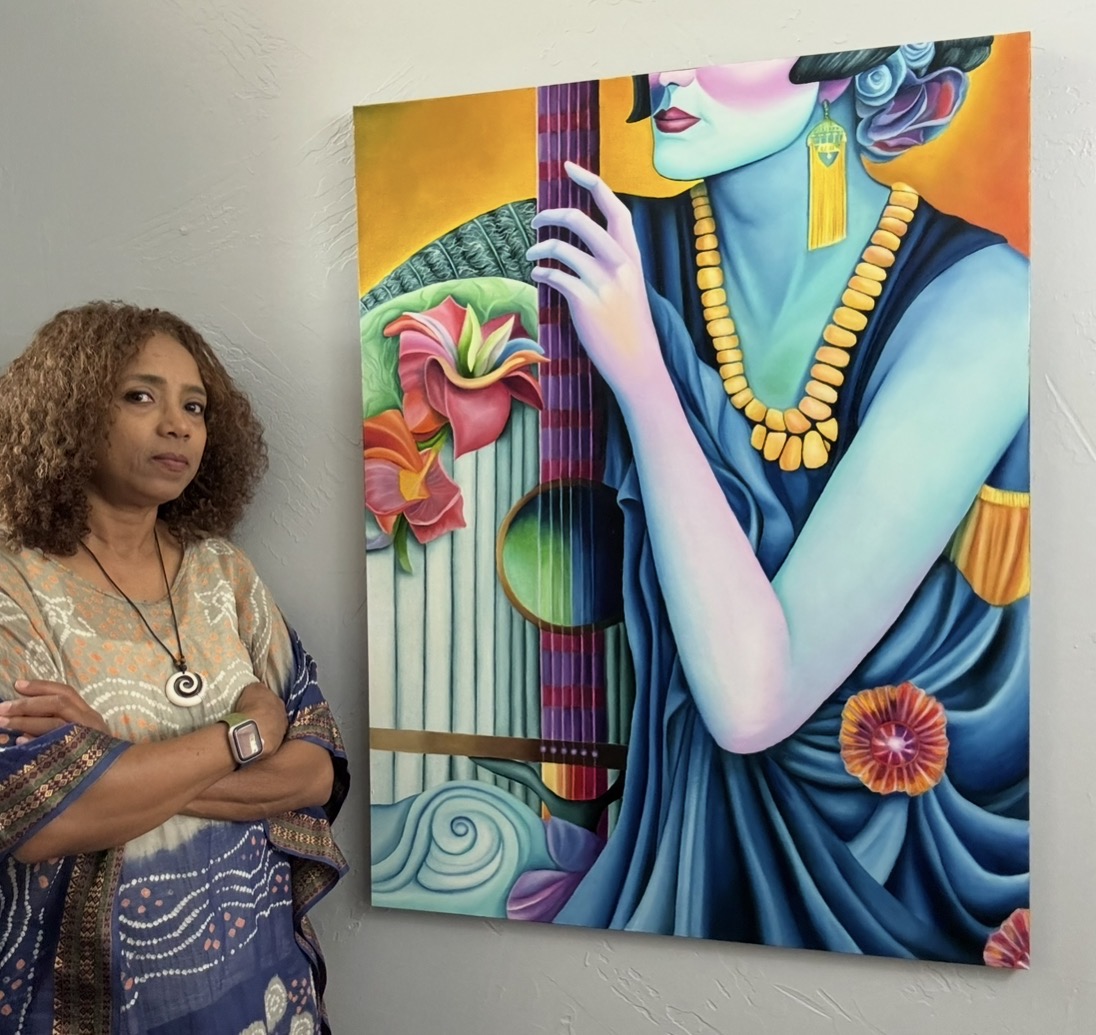
Today, my practice is centered on symbolic, portrait‑driven imagery that explores themes of freedom, transformation, and the inner winds that move us. I’m still learning, still experimenting, still growing — but now I’m doing it out loud.
Alright, so let’s dig a little deeper into the story – has it been an easy path overall and if not, what were the challenges you’ve had to overcome?
One of my biggest challenges has been learning how to make time for my own work while also being a high school art teacher. Teaching is meaningful to me, but it requires a lot of energy and presence, so finding the balance between supporting my students and nurturing my own creative practice has taken intention. Even in the busiest seasons, though, I never stopped creating. Between the pauses, I was always observing, practicing, experimenting — the work was still happening, just in quieter ways.
The deeper challenge was trusting the slow, internal nature of growth. So much of becoming an artist happens long before anyone else sees it. I had to learn to trust that the small, steady steps were adding up, even when progress didn’t feel obvious. And after years of creating privately, stepping into a more public role as an artist brought its own kind of shift. I had to grow into sharing my work, talking about it, and standing behind it.
Looking back, the challenges weren’t roadblocks — they were shaping forces. They taught me balance, patience, and how to stay connected to my practice no matter what season I’m in.
Appreciate you sharing that. What else should we know about what you do?
One of the most meaningful parts of my professional life has been learning how to build a career as a contemporary painter in a way that feels true to who I am. Because I’m self‑taught, my path hasn’t followed a traditional structure. I learned by experimenting, by paying attention to what moved me, and by letting my visual language develop slowly and honestly. That approach shaped not only my work, but the way I navigate my career.
As I began sharing my paintings publicly, I realized that being an artist is as much about clarity and intention as it is about creativity. I had to learn how to talk about my work, how to curate my presence, and how to make decisions that support the long‑term vision I’m building. That part of the journey has been just as transformative as the studio work itself.
Today, my career is centered on creating symbolic, portrait‑driven paintings that explore themes of freedom, inner momentum, and emotional transformation. I’m focused on refining my voice, expanding my exhibition opportunities, and continuing to build a body of work that feels aligned with where I’m headed. It’s a steady, evolving process — and every step deepens my commitment to this path.
Is there a quality that you most attribute to your success?
think one of the most essential qualities for an artist is the ability to trust your own voice. There’s so much noise in the art world — trends, opinions, expectations — and it’s easy to get pulled away from what feels true. Learning to stay connected to your instincts is everything.
Patience is another big one. Growth in art is slow and often invisible while it’s happening. You have to be willing to show up, experiment, and let your work evolve without rushing it.
And finally, curiosity. The willingness to observe, to try new things, to let yourself be surprised. Curiosity keeps the work alive. It keeps you learning, even in the quiet seasons. It’s what allows your practice to keep unfolding in an honest way.
Contact Info:
- Website: https://lesashawart.com
- Instagram: https://www.instagram.com/lesashawart
- Facebook: https://www.facebook.com/Lesashawartstudio