





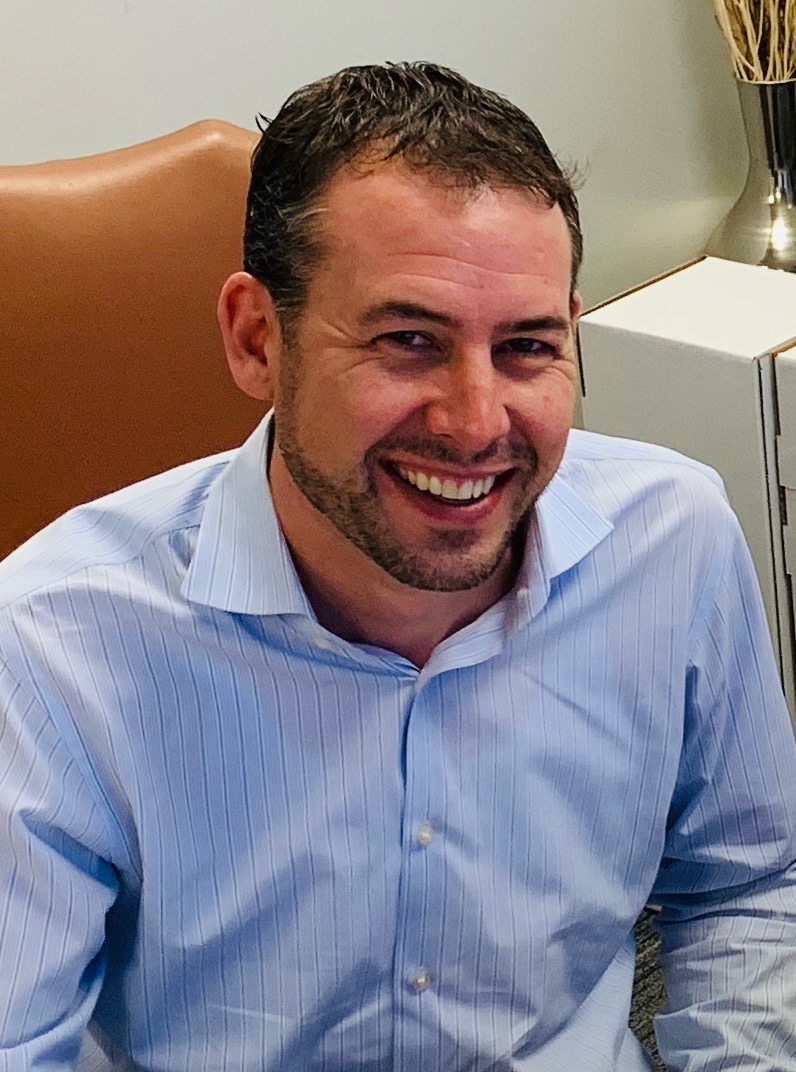
Today we’d like to introduce you to Nathan Carlson.
Hi Nathan, can you start by introducing yourself? We’d love to learn more about how you got to where you are today?
Growing up on a farm in a small town in Iowa, I was born in 1979, which is where it all began for me, Nathan Carlson. That same year, my grandpa, Jack Farwell, transformed his farmland into a golf course. I watched both of my grandparents manage their businesses: my grandpa ran the farm with livestock, corn, and a garden full of everything, while my grandma opened the Essex Child Care Center, a daycare for the town of Essex, which had a population of about 1,500. Meanwhile, my other grandparents were also operating their farm, all while running the Essex golf course.
When I was six, farming became increasingly difficult, and my dad needed to find another way to support us. Interest rates soared, making it impossible for him to continue farming in the late 70’s and 80s. So, he packed up the car and announced we were moving to Murray, Kentucky, so he could finish his master’s degree at Murray State University. I was shocked to have to leave everyone and everything I knew behind.
My Uncle Bob owned Polize Pizza, a houseboat, and a large house that his wife had kicked him out of during their divorce. We moved into an apartment in a not-so-great part of town, but little did I know that the experiences I would have as the new kid would be invaluable.
Uncle Bob and Polize became my best friends, and I didn’t even need a babysitter, as I helped my uncle run the restaurant. I had all the food I could want, and I loved going to work. I even convinced Uncle Bob to put me on the payroll so I could receive a paycheck like everyone else and have my own bank account.
After a few months in the apartment, Uncle Bob got his house back. It was an old, historic two-story white house with a long driveway and six bedrooms. To my surprise, it quickly filled up. When we moved in, my cousins—Scott, Dawn, and Candy—as well as my father and Uncle Bob—all came to stay. They were busy with college, while I was starting first grade at a new school.
School was not a priority for me; I didn’t enjoy it, and I struggled to keep up. I couldn’t read or sit still long enough to learn anything. With a house full of busy family members, school just wasn’t important.
After several weekends at the lake, working at the restaurant serving the Murray State football team, watching magic shows, and ball hunting at the golf course while my dad played, I started my first business selling golf balls and candy to customers at the restaurant. While also assisting the delivery drivers, we took pizza to the college dorms to check on the college girls. I was like a pet dog for the delivery driver; we could strike up conversations with any of them with a kid carrying the pizza. It was a blast until he got pulled over with a 5th of Jack Daniels in my uncle Bob’s escort car. As I waited for Uncle Bob to come get me from the police,e that was the end of my riding with the delivery drivers lol.
Just when things seemed good, my dad packed the car again and announced we were moving to Des Moines, Iowa, to live with my Aunt Trina. Once again, we were off to a new place, moving into my aunt’s apartment while she juggled three jobs as a struggling school teacher.
Life got hectic in Des Moines, as my dad became a deluxe vacuum salesman, baked rye bread for local bakeries, and started a paper route that began at 4:30 AM. With my dad and aunt always working, we lacked a babysitter. My dad would occasionally take me along for vacuum sales and help with paper deliveries, which I remember fondly. One of my favorite places in Des Moines was the skating rink, where I loved spending weekends. I became friends with the owners, who kept a close eye on me; I truly was a kid with a key, walking to and from school by myself and navigating yet another new town. Unfortunately, I wasn’t fond of my new babysitter; she lived in our apartment and didn’t offer much other than an asshole boyfriend that like to kick the shit out of me for being mouthy.
After another unsuccessful year at school, it was decided that I should retake second grade. Shortly after that, I convinced my dad to move back home to Iowa. It felt great to return home. Although I had made some friends, I had also encountered many bad ones, and it was exciting to return home.
Returning to my hometown was a breath of fresh air, filled with familiar surroundings and loved ones. Starting third grade, I was placed in a new class, which could have been worse. Even though I couldn’t read or write well, I knew it was time to seek help and take school seriously. No one understood why I was struggling; they couldn’t figure out what my problem was. I was smart—just much better on the street than in the classroom.
At that time, my Aunt Carol stepped in to help me with schoolwork, and I would stay over at her house two nights a week so my dad could work overnight shifts at his new job managing a group home that required 24-hour monitoring.
In the following years, I spent time at my grandpa’s golf course, working and farming. During a visit to my mother in Phoenix, I realized that if I wanted to become a professional golfer, I needed to live there. So, I called my dad and told him I wasn’t coming home.
I spent several years working and farming at my grandparents’ farm and golf course. One day, while visiting my mother in Phoenix, I realized that if I wanted to become a professional golfer, I needed to live in Phoenix. So, I called my dad and told him I wasn’t coming home and asked him to send my golf clubs and any clothes that would fit in a box.
As you can imagine, this didn’t go over well with my family in Iowa, and my dad was not happy. They fulfilled my request and sent my golf clubs, which arrived only a day before freshman tryouts. I had no idea what I was getting into. When I showed up for tryouts with 45 other kids, we played nine holes. The coach called us over and said, “Thank you for coming out today; you didn’t make the team. Come back and try again next year.”
Not only was devistated but my mom didn’t get off work until 5:00 PM, and it was only 10:30 AM. A kid named Troy, whom I had met a couple of times at our church, walked by and asked if I needed a ride. I accepted, and his dad pulled up, smoking a cigar and proud of his son for making the golf team, while I sat in the back seat in tears.
That year, I played football and basketball, and Troy became my best friend. His parents paid for ten weeks of golf lessons for us. Those ten weeks changed my trajectory in golf. After each lesson, I would have my mom drop me off at the golf course every weekend to sign up on the waiting list, where I would practice and play for $8 from sunup until sundown until I felt good enough to sign up for a tournament.
That summer, I went back to Iowa, where I decided to play baseball, football, basketball, and golf with my best friends who were seniors. Before I knew it, the year was over, and I faced a challenging decision: do I chase my dream in Phoenix and leave everything behind in Iowa? I made my choice, loaded up my Ford Ranger, and drove to Phoenix. When I arrived, the golf coach pulled me into his office and said, “Son, if you’re going to be a golfer, do not play basketball.” I agreed, and he called a country club, advising me to work there and play the course every day for a year, assuring me I would be good enough to earn a scholarship.
For the next 360 days, I swear to God, I never missed a day. Not Christmas, not Thanksgiving—nothing. I was there every day, reporting back to the coach, ready for anything. Our golf team accomplished things that had never been done before. Such as our top five, 1st through 5th, in our district championship, advancing to state. We were a 5A school, and our goal was to take down Brophy, the private school rich guys. After our accomplishment, I raised enough money from the Phoenix Thunderbirds to travel across the U.S. to play in the Winter Junior Championship Tour. This ultimately led to me receiving a scholarship to the University of Texas at Arlington.
I was terrified they wouldn’t let me in because I had to pass the TASP test. I failed the writing and math portions, but they placed me in special classes to catch up. I took courses on how to study and a speed reading class. The support from those classes changed my life as I learned how to read and study. School had always been a struggle for me, but I worked three times as hard as everyone else to pass.
Shortly after starting college, I realized I wouldn’t survive without a job. I got a job, which hurt my performance on the golf course. The team was ranked 22nd in the country, and they decided I needed to redshirt. With work distractions and not practicing as I used to, my game suffered. I lost my discipline, stopped making good decisions, and went down the wrong road before realizing it was too late to go back. I had an okay college career, but I was set on opening my own business. I thought that by the age of 30, I would have a million dollars and then return to golf.
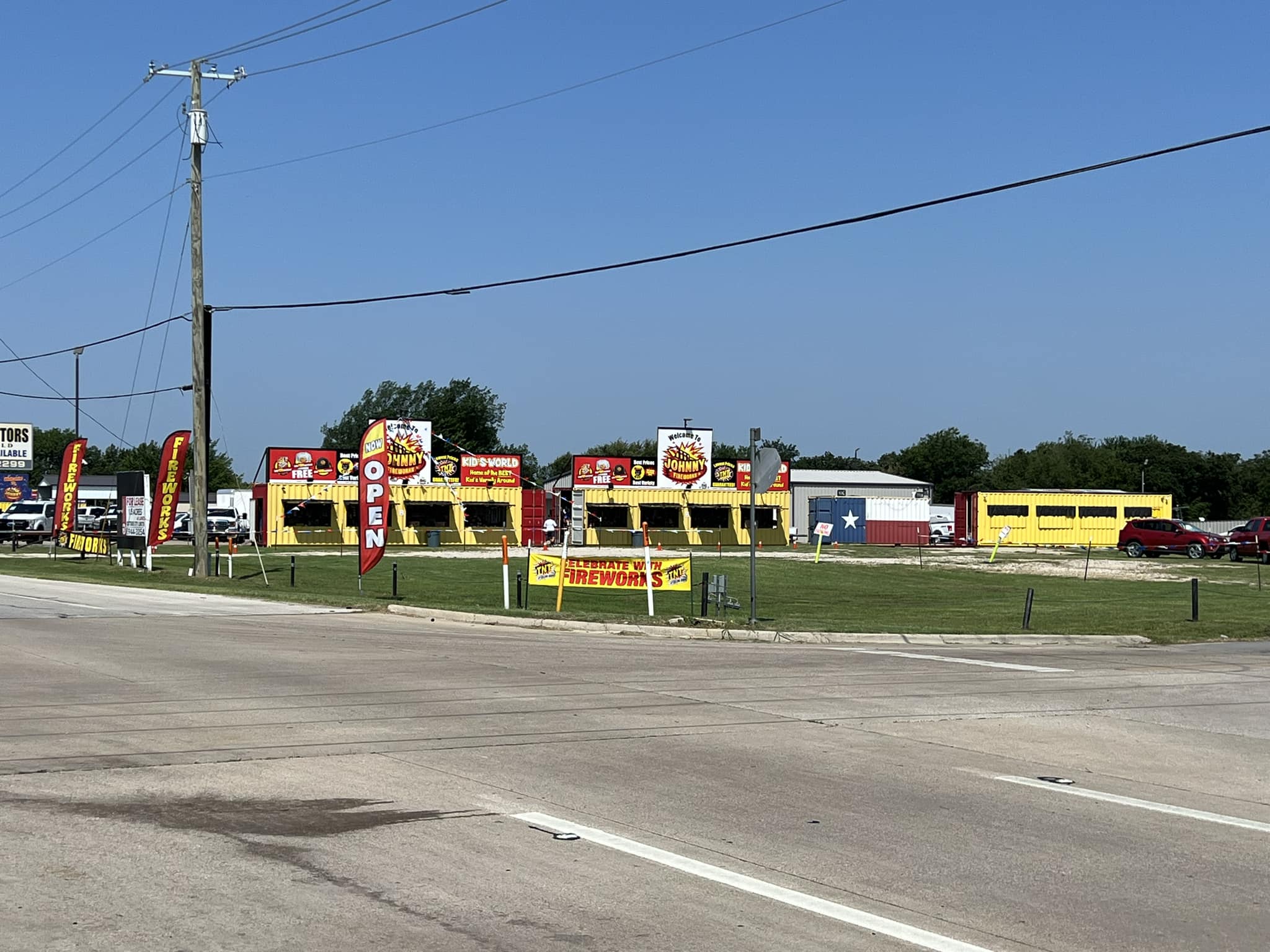
I suppose one could say I was naive to say the least. Since that day, I have started many businesses. Starting the first Fireworks stand in 2012 outside our powersports company, which we sold a year later, led me into the fireworks industry.
Growing up in a state where Fireworks were illegal created a significant dilemma. That did not stop the boiling passion that excited me yearly to celebrate the 4th of July. The stories are endless. The excitement could not be shut down, and the preparation started well before the 4th. Started early every year, convincing my father that it was time for our annual road trip to Missouri, where fireworks were legal to purchase. Once arriving at the giant tent after the 2-hour drive and getting one chance, I was determined to spend every minute until the car horn could no longer be ignored. I walked every aisle wide-eyed and in uncontrollable excitement before spending my 50 dollars. The basket was overflowing, consistently over my budget, and knowing I would have to leave something behind. If I were lucky enough, they would surely let me keep a few more bottle rockets than I could afford.
Nothing makes our staff happier than giving our customers a little extra to put a smile on their faces. That passion and spark has always been a part of our story here at Lucky Fireworks. We want every customer to experience getting a little more.
We all face challenges, but looking back would you describe it as a relatively smooth road?
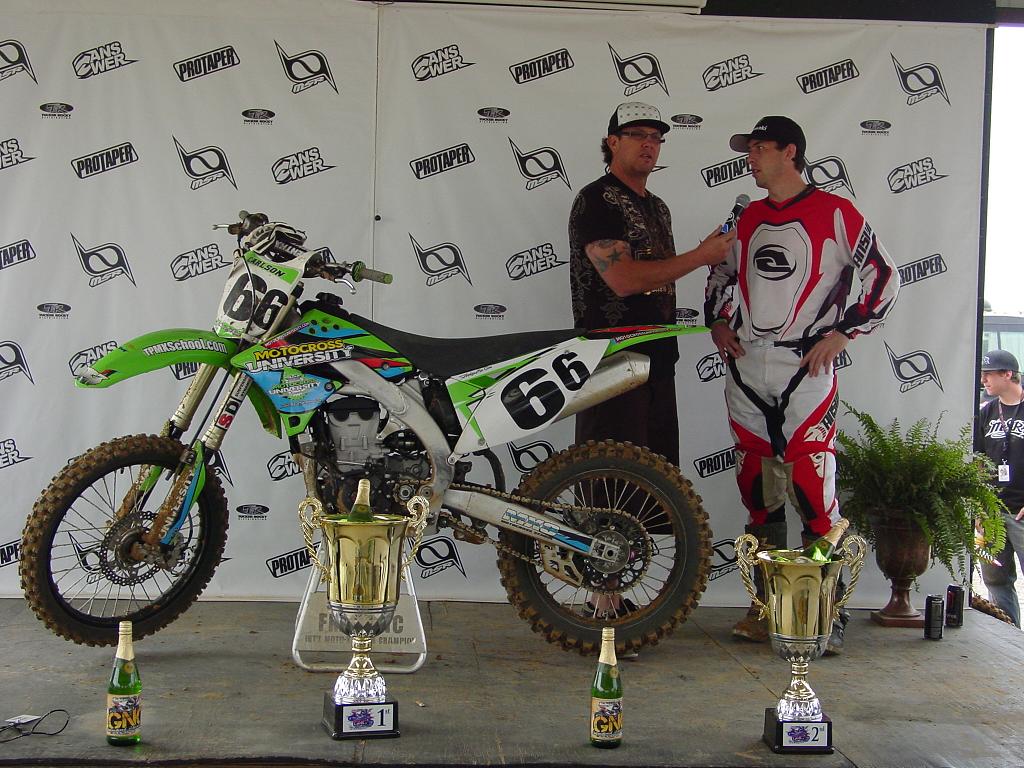
During my time in college, I developed a passion for racing motorcycles, which ultimately led to the downfall of my golf career. I had always loved motorcycles, but never had the chance to race while growing up. While in college, I met a professional motocrosser who was selling his race bike. I told him I would buy it, even though I didn’t have a truck. I asked if he could keep it for me, and I would join him for rides. We became great friends, and I became his protégée. I found myself thoroughly enjoying racing Motocross; it consumed me like a drug, leading to my first business, “Passion.”
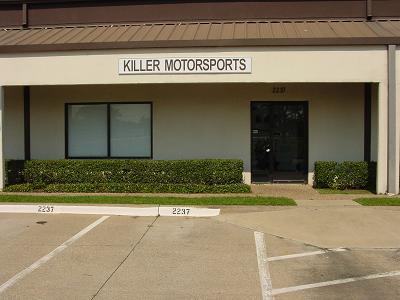
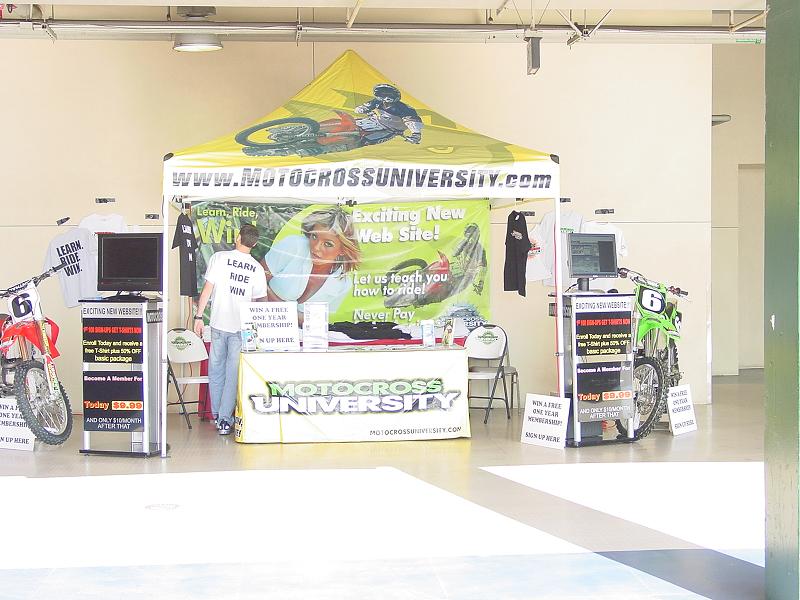
Arriving at college in 1998, I had never used a computer outside of my typing class in school. When I first looked at a computer, I recognized it as the future. I envisioned starting an e-commerce business because it could operate 24/7 without needing someone to manage it like a traditional brick-and-mortar store. However, my first challenge was that I knew nothing about computers and had no idea how to build a website. So, task number one was to find someone who was a computer genius—a true computer nerd. I needed someone who loved computers and knew everything about them. That’s how I met my first business partner. While I had all the ideas and business logic, I didn’t know how to make them a reality. MotocrossUniversity.com was launched with the aim of teaching others how to ride and selling memberships at all the supercross races. At that point, I realized I needed something to sell, so we launched KillerMotorsports.com with a simple landing page featuring me riding a pit bike in a wheelie down the street screeming and having fun. That one video sold us a garage full of pitbikes, then a semi-truck full, and eventually full containers shipped from China. We built a business that grew from my garage to $32 million in sales within 5 years, with 25 employees.
Along with the success came many bad decisions and many learning curves that can not be taught but only learned while in the thick of the fire and battle. Yes, it is a battle when you realize you are facing competition with millions of dollars behind them to crush you.
Thanks – so what else should our readers know about Johnny fireworks ?
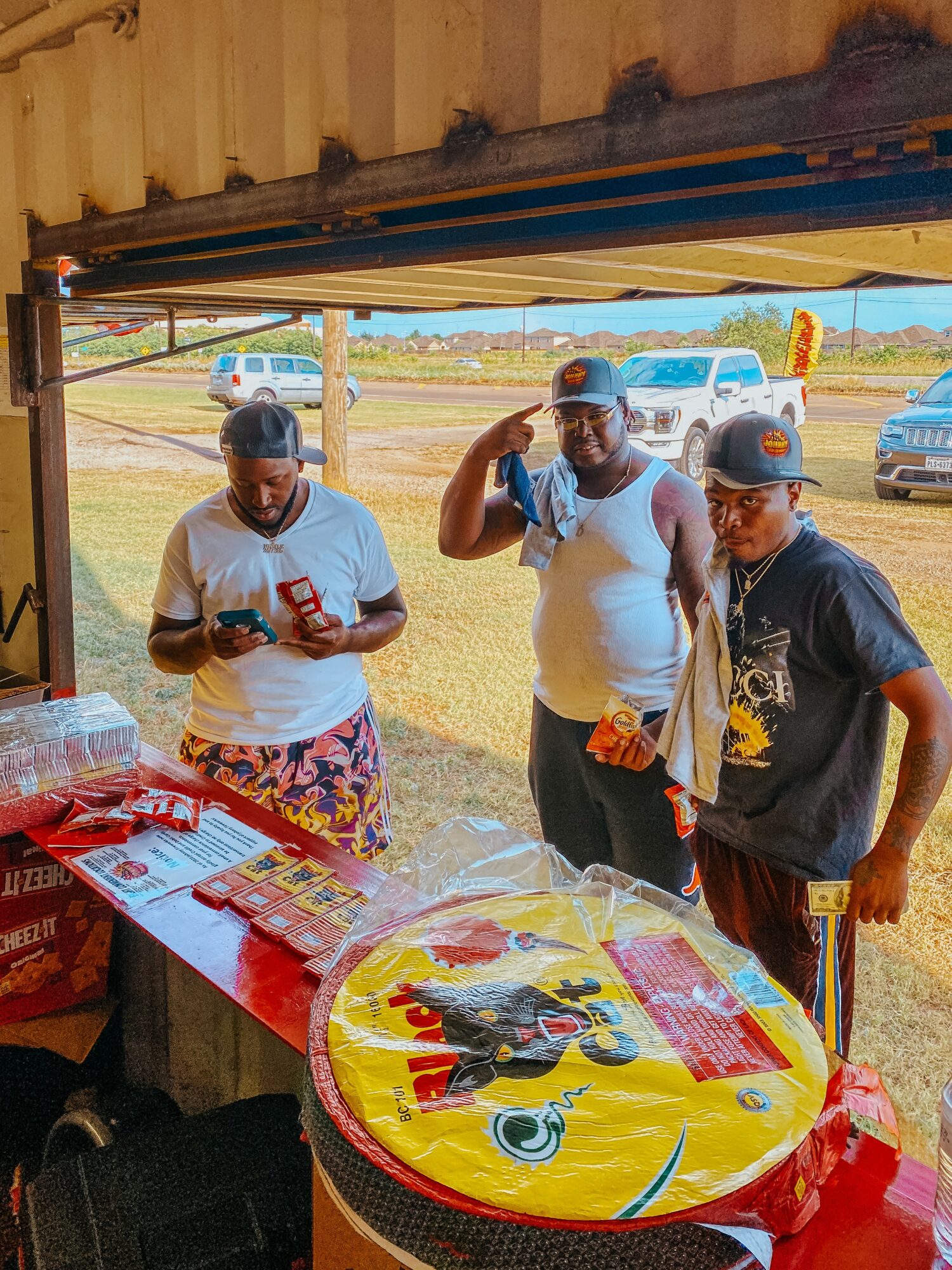
In 2012, I noticed that everyone around us was selling fireworks, which sparked my interest in fireworks as a passion. I decided to buy a fireworks stand that someone was selling, loaded it onto an 18-foot flatbed trailer, and brought it back to my business. I set up the stand in the middle of 25 others and waited for customers to come buy fireworks. After adding another 20-foot stand, I operated both stands for 5 years until I sold my building and no longer had a place to sell fireworks.
I then started searching for a good location to sell again. I found a spot that generated $100,000 in sales on a single Fourth of July. After successfully running that location for two years, I thought to myself, “I bet I can find more places to sell fireworks.” Now, five years later, we have 20 locations operating under the Johnny Fireworks brand.
I specialize in operations and advertising, and wear any hat necessary for our business to succeed. With Johnny Fireworks, we created our own brand, Lucky Fireworks, and even operate our own credit card processing company. What sets us apart from others is not just about competition; it’s the difference between winning and losing. We prioritize our customers above all else. Our goal is for everyone who visits us to have a fantastic experience and feel like they’ve won by getting exactly what they wanted. We always try to add more value for our customers so they feel great about coming to see us every year.
What sort of changes are you expecting over the next 5-10 years?
The tariffs really threw us for a loop. Not knowing what our future costs will be or whether we can pass on the new prices to customers is very unsettling. Relying on another country to produce our products is also worrisome. However, it’s important to note that fireworks were invented by the Chinese culture. In my opinion, manufacturing fireworks in the U.S. will never be a viable option. In the next 5 to 10 years, tariffs and our relationship with China could play a significant role in how we manage to survive.
Contact Info:
- Website: https://luckyfireworks.com
- Instagram: https://www.instagram.com/johnnyfireworks/
- Facebook: https://www.facebook.com/LuckyFirework/
- LinkedIn: https://www.linkedin.com/in/nathan-carlson-5a472027/
- Youtube: https://www.youtube.com/@LuckyFireworksline