





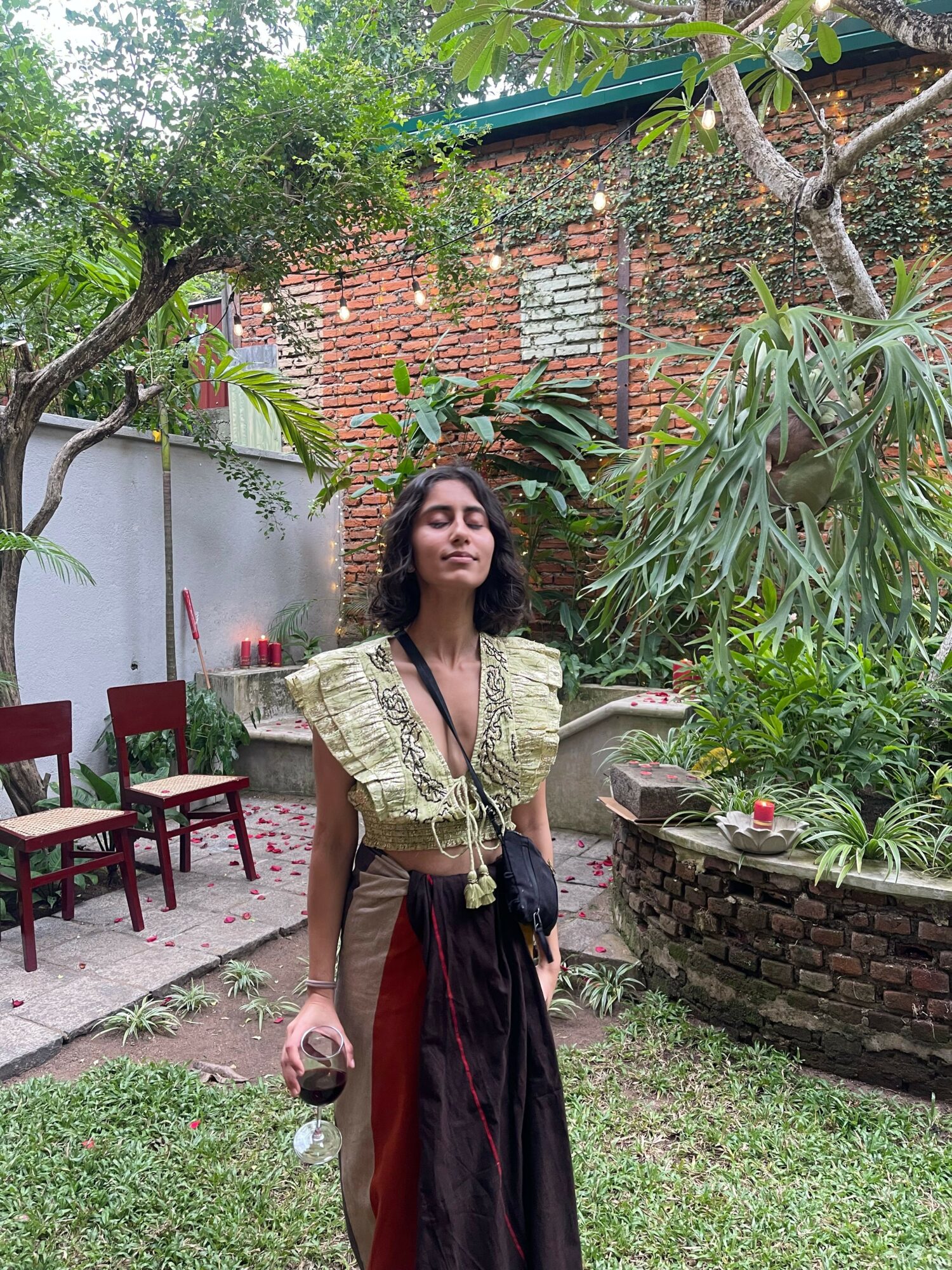
Today we’d like to introduce you to Priyanka Bhatia.
Hi Priyanka, we’d love for you to start by introducing yourself.
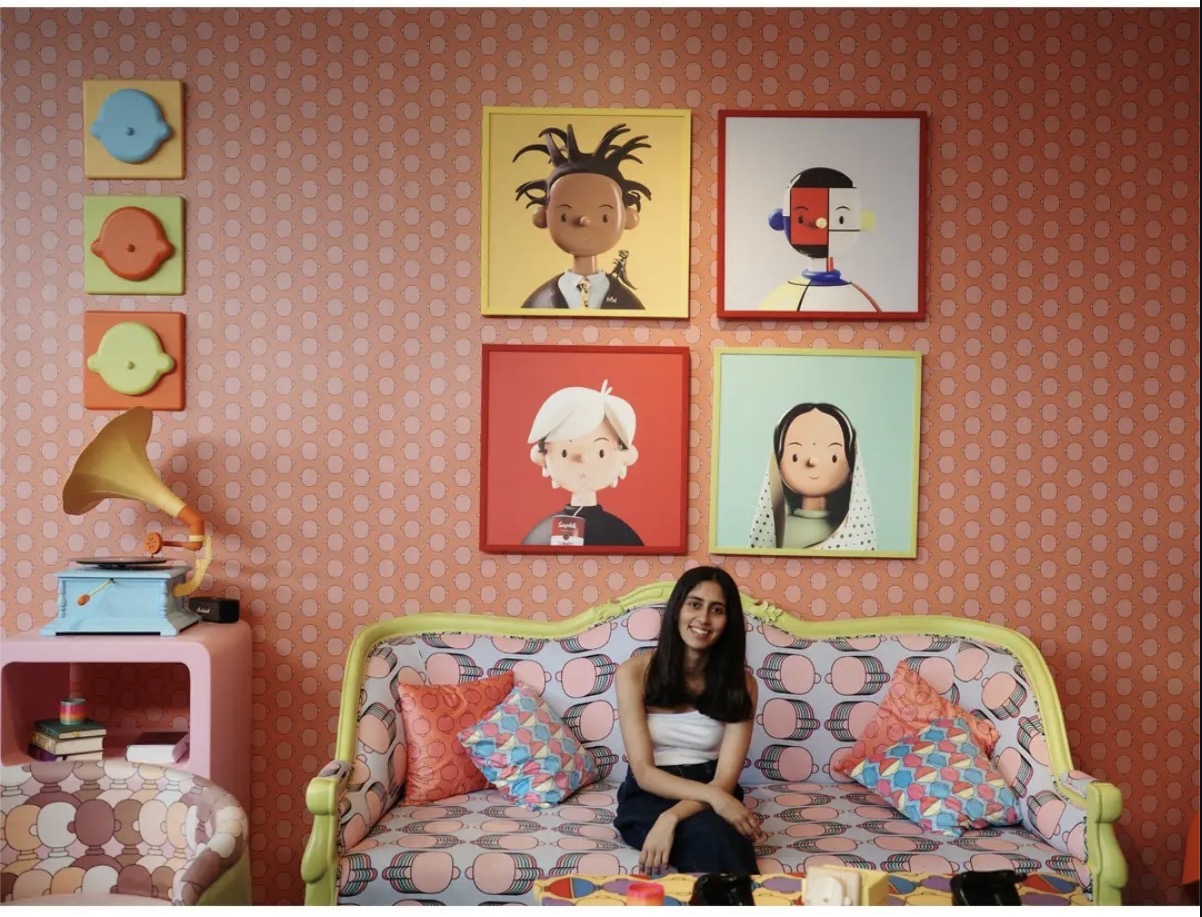
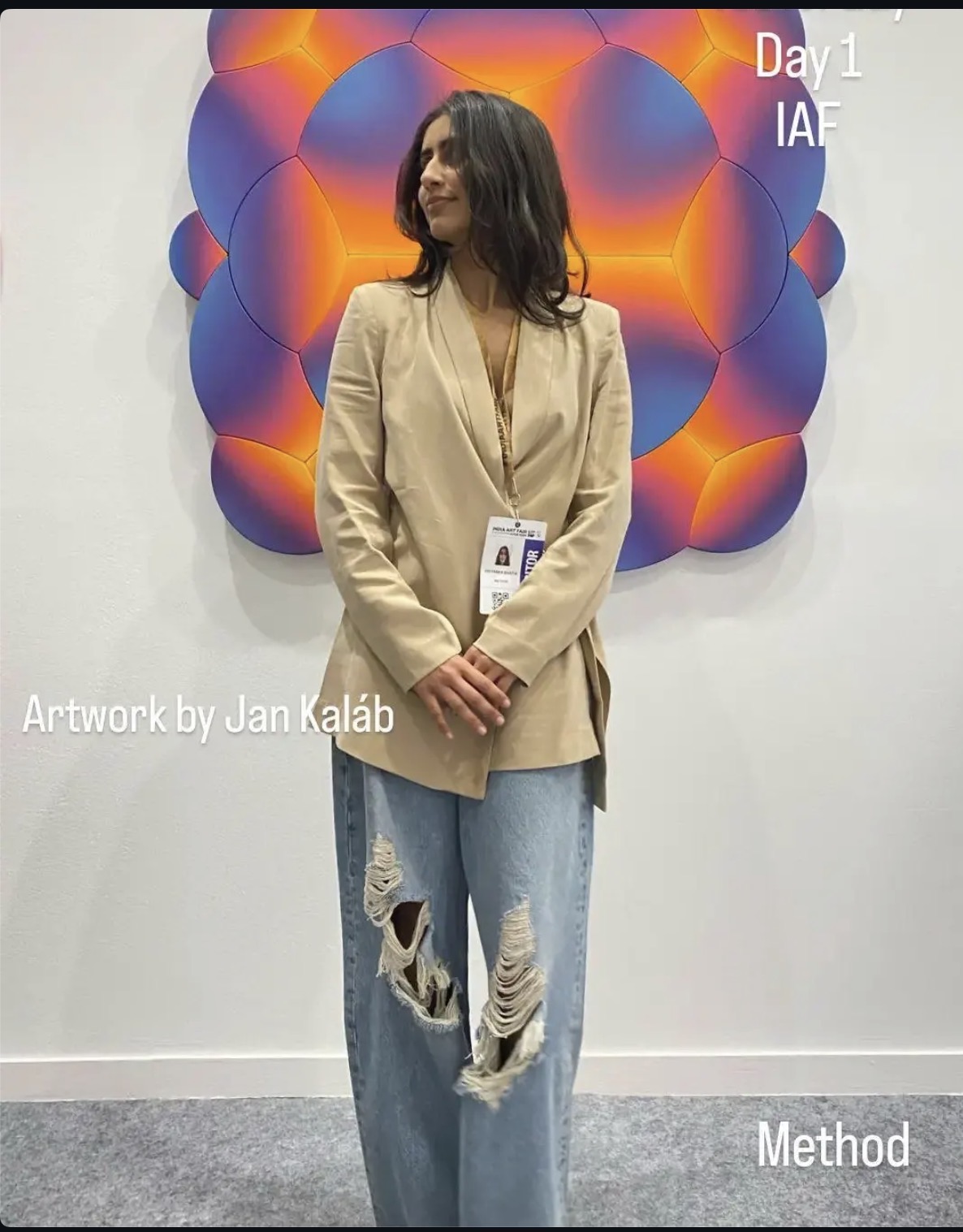
I’m Priyanka Bhatia, an arts curator hailing from Dehradun, India — a small town full of eccentrics, artists, and its own peculiar rhythms. I grew up indulging in many forms of art, eventually finding my way to filmmaking and, later, curation. Curation became a way for me to bring different artistic mediums into spaces where ideas can be experienced, rather than simply observed.
For me, curation is also a form of artivism and culture building. A large part of my practice is about creating space for young and emerging artists from the region and helping them find their footing within the larger art world which will build a south asian art culture which is pretty fragmented at the moment.
I’m a wishful visionary and a cynic at once — constantly dreaming of beauty, meaning, and *ananda*: a philosophy rooted in Indian thought, where the pursuit of ultimate happiness is understood as something inherent to our nature. I suppose much of my work sits somewhere between that idealism and my skepticism of the world as it exists.
Would you say it’s been a smooth road, and if not what are some of the biggest challenges you’ve faced along the way?
It’s never a smooth road. Somewhere down the line, I became a cog in the machine, you know? Constantly having to fit into pre-existing narratives. Employers hire you for your ideas and then edit them to fit the existing art world, and I’m no longer interested in that.
The quest now is to constantly find synergy, people, and the money to be able to curate something beyond what already exists — to create the conditions for something new to emerge.
But I’m hopeful and optimistic. I’m living with a certain urgency and care, trying to hold both at once. There are too many contradictions, really. And perhaps that’s exactly where the interesting work begins.
Alright, so let’s switch gears a bit and talk business. What should we know about your work?
I am an arts curator, self-taught and somewhat unorthodox in my journey into the field. I didn’t come through the traditional art-world, and I think that has shaped the way I see and work with art.
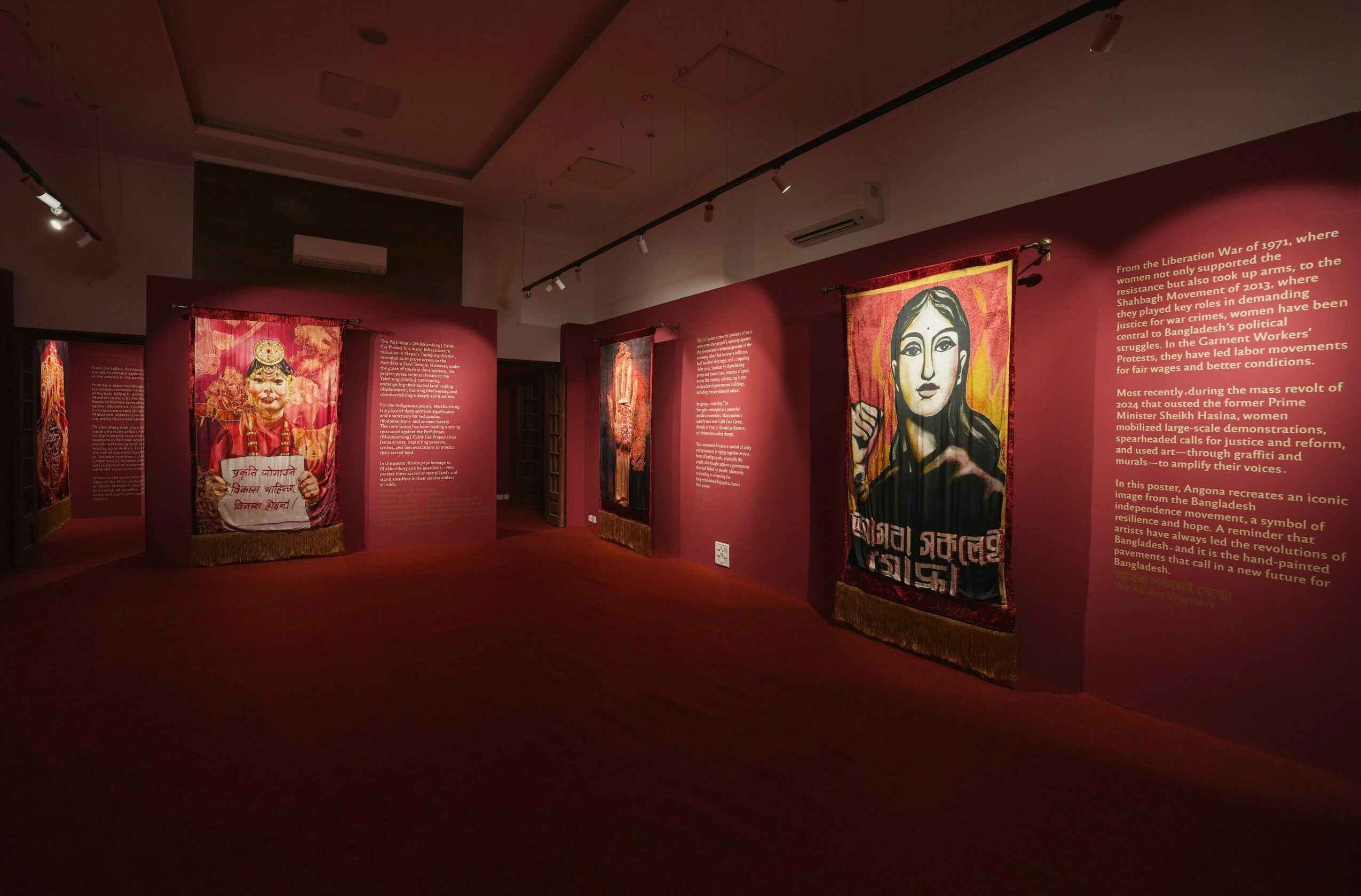
My practice sits between curation, cultural programming, artist development and creating experiences around art. I’m particularly interested in artists and ideas from South Asia that don’t always find a place within the dominant art-world narrative, and in creating contexts where they can be encountered on their own terms.
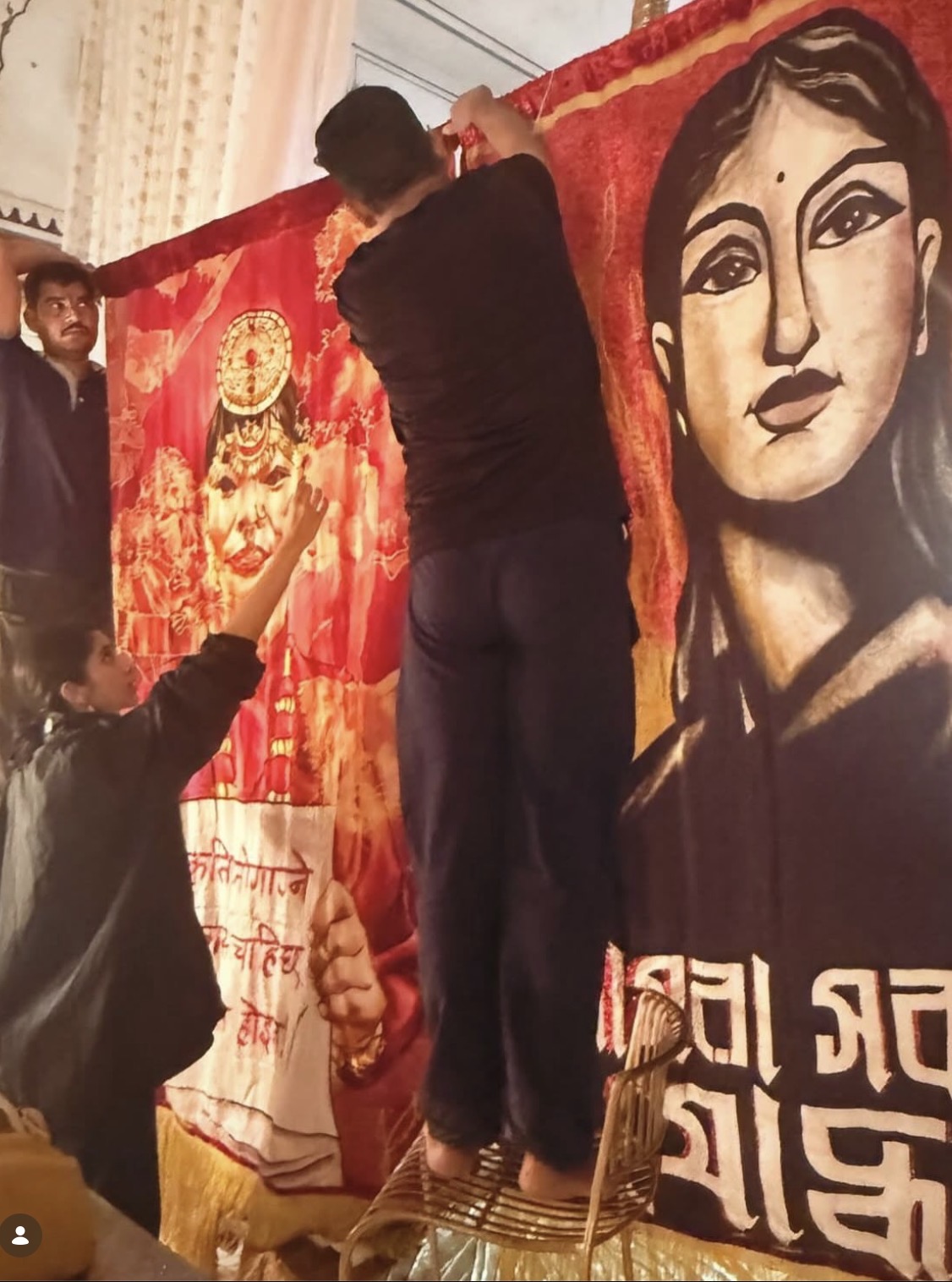
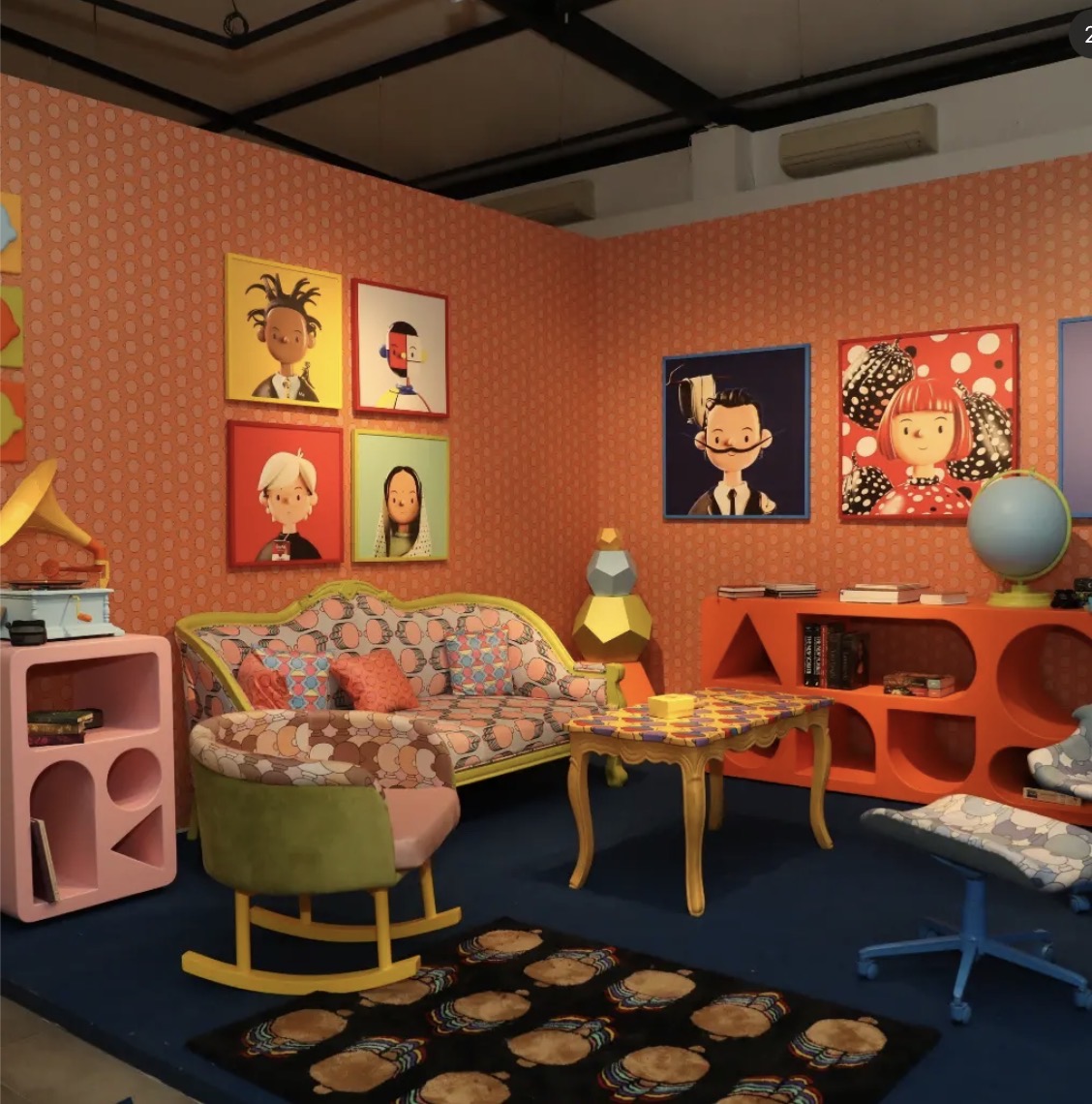
I’ve worked across exhibitions, galleries, artist-led projects, events and cultural initiatives, often wearing many hats — from developing the idea to working with artists, raising funds, producing the exhibition and figuring out how people actually experience it.
What I’m most proud of is the relationships I’ve built with artists and the ways I’ve been able to help their work move forward. What sets me apart, I think, is that I’m not particularly interested in being a curator who simply places artworks in a room. I’m interested in building culture around them — finding the people, spaces, resources and unlikely collaborations that can make something feel alive.
Can you tell us more about what you were like growing up?
Growing up in Dehradun, I was surrounded by this strange collision of art, nature and cultural influences. There was Garhwali folk culture in the background, the Himalayas and forests around me, a very British-influenced education at school, and then Hindustani classical music and Kathak outside of it. At home and with friends, I was absorbing something completely different again — Western television, pop culture, films. After school, I ended up playing drums in a quartet and eventually became a filmmaker. What a cocktail!
I think all of these things quietly stayed with me. I’ve always been drawn to art forms that feel larger than me — things that can contain a world, rather than simply decorate one. I find a kind of solace in that scale.
Maybe that’s why curation felt inevitable. It gave me a way to bring all these seemingly disparate worlds together — people, artists, histories, ideas, places — and create something that could be experienced collectively. I didn’t really arrive at curation through a plan. I think I just kept gravitating towards it until I realised I had to do it.
Contact Info:
- Website: https://www.priyankabhatia.art/
- Instagram: https://www.instagram.com/priyanka_thecarefree?igsi=MXg5aDZ2Nzlxa2lsZg%3D%3D&utm_source=qr