




Today we’d like to introduce you to Trey Mast.
Hi Trey, so excited to have you with us today. What can you tell us about your story?
I imagine most small businesses start as a hobby. Growing definitely did for me—emphasis on hobby, not success. When my family and I lived in Tokyo, I attempted (and failed) to grow tomatoes on our tiny rooftop in buckets. Then we moved to Brooklyn, where I had a small yard and, once again, failed. Back in Dallas, I finally had a decent amount of space and thought, This is it. This time will be different. It was not.
Then Covid happened. At the time, I was a freelance videographer, and when events stopped happening, I suddenly had time. After doing my obligatory sourdough phase, I decided to actually learn how to garden instead of just disappointing plants across multiple time zones.
My “ah-ha” moment came in 2023 while shopping at a higher-end grocery store here in Dallas. In the locally grown produce section, I noticed the tomatoes were from Mexico. It was fall in Texas—prime tomato weather—so there was absolutely no reason they should’ve taken an international road trip before landing in my cart. That discovery sent me down a rabbit hole of food supply chains and nutritional density. I didn’t realize it then, but those tomatoes were picked early and shipped long distances, which lowers both flavor and nutrition while cranking up the carbon footprint. That frustration is what led me to microgreens.
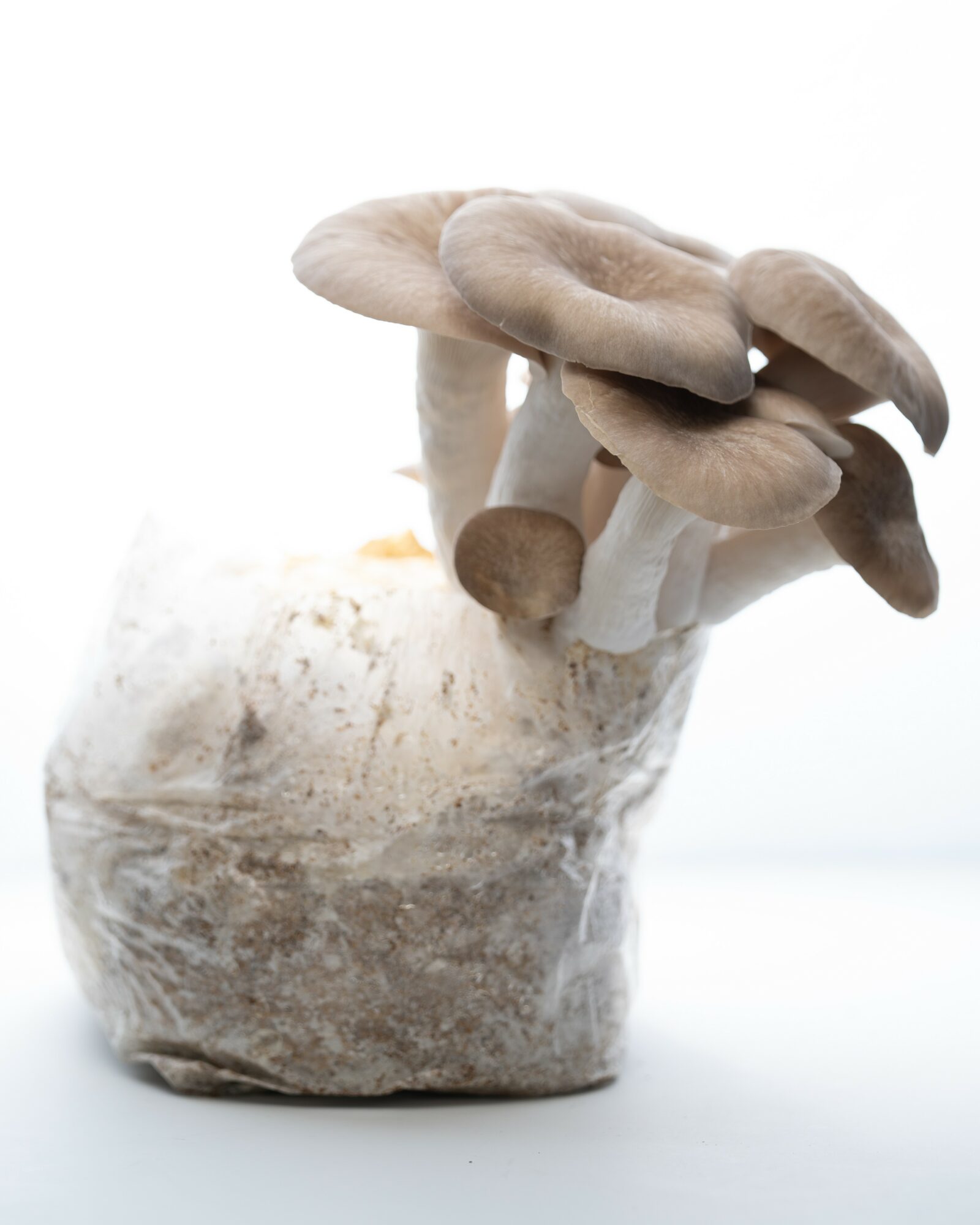
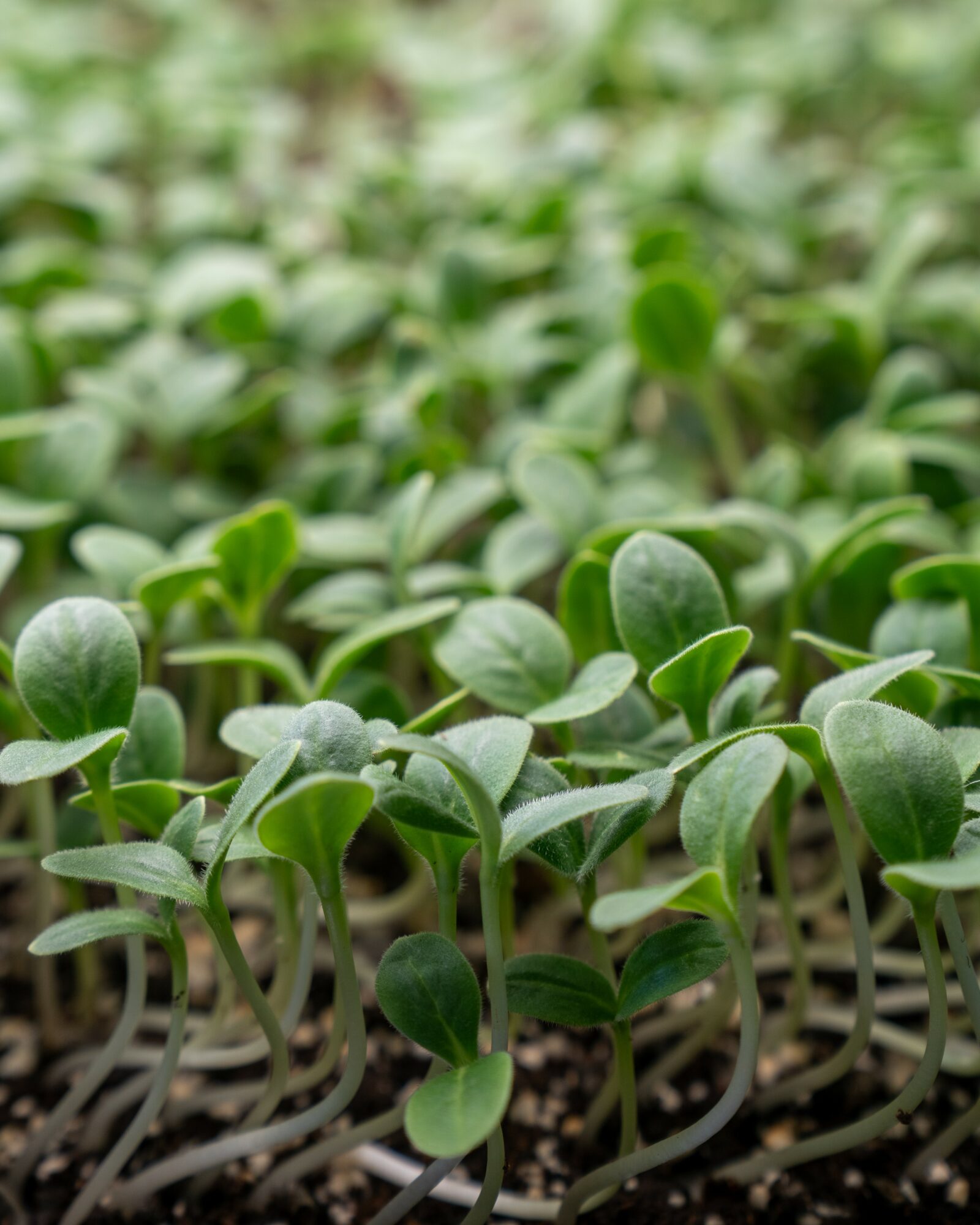
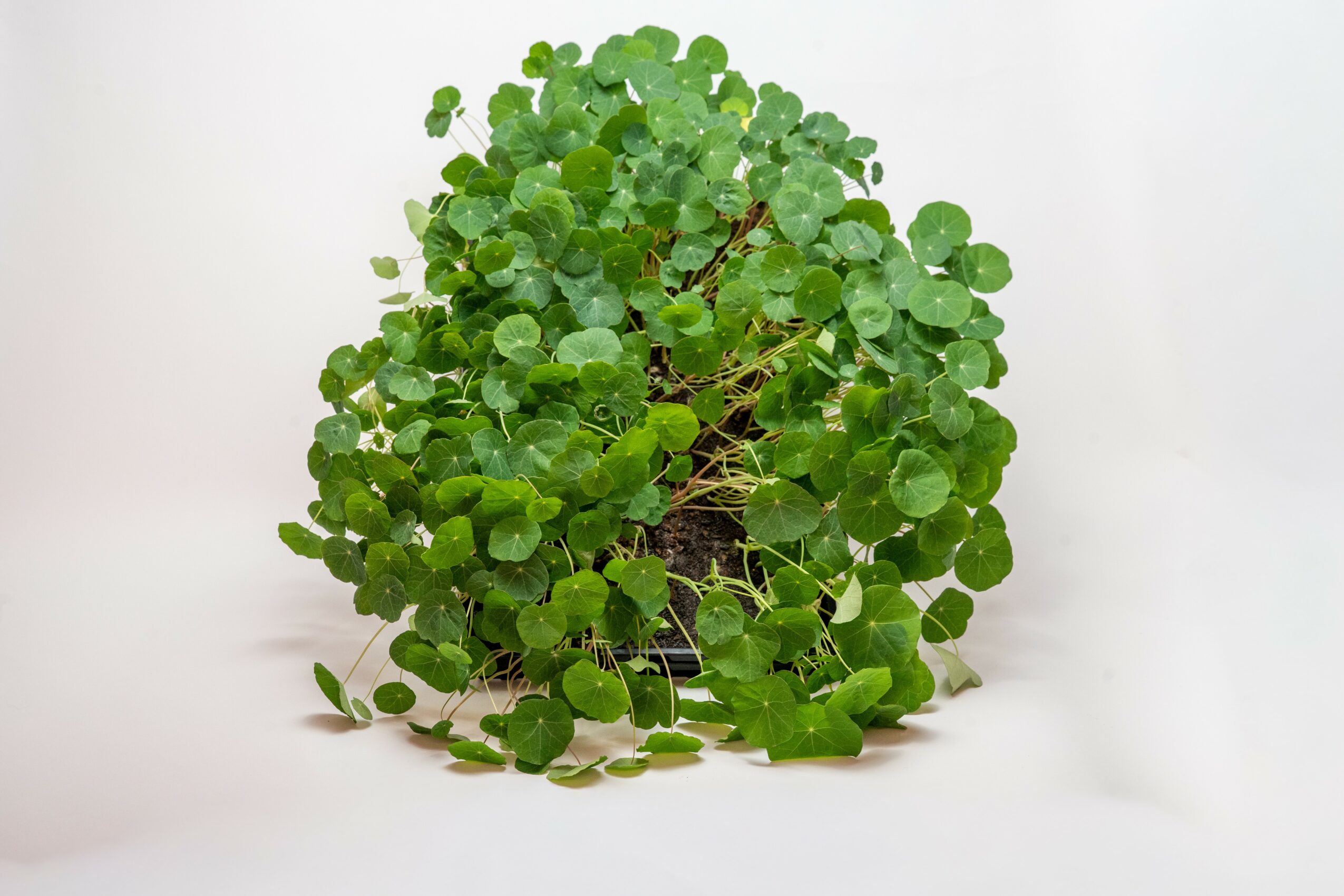
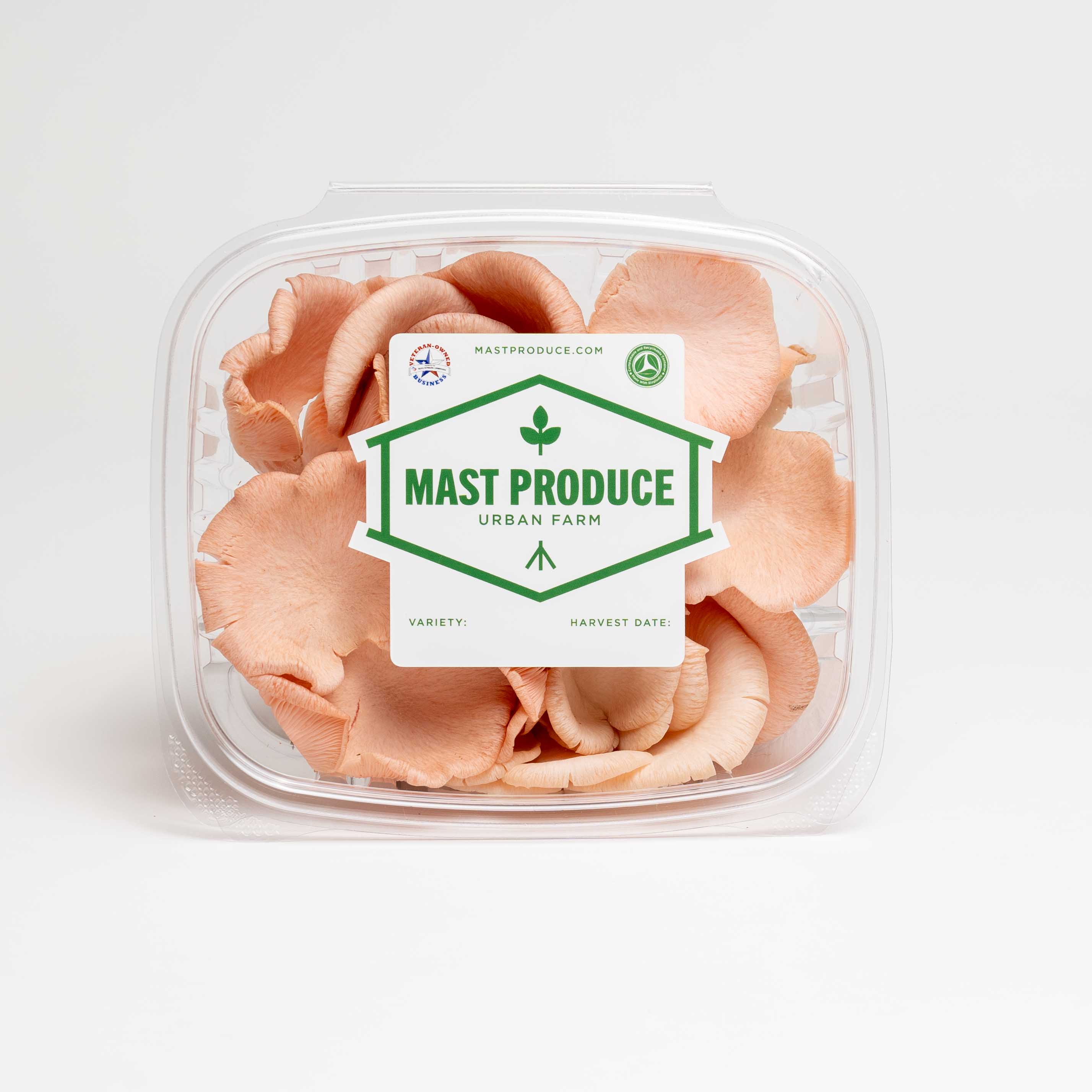
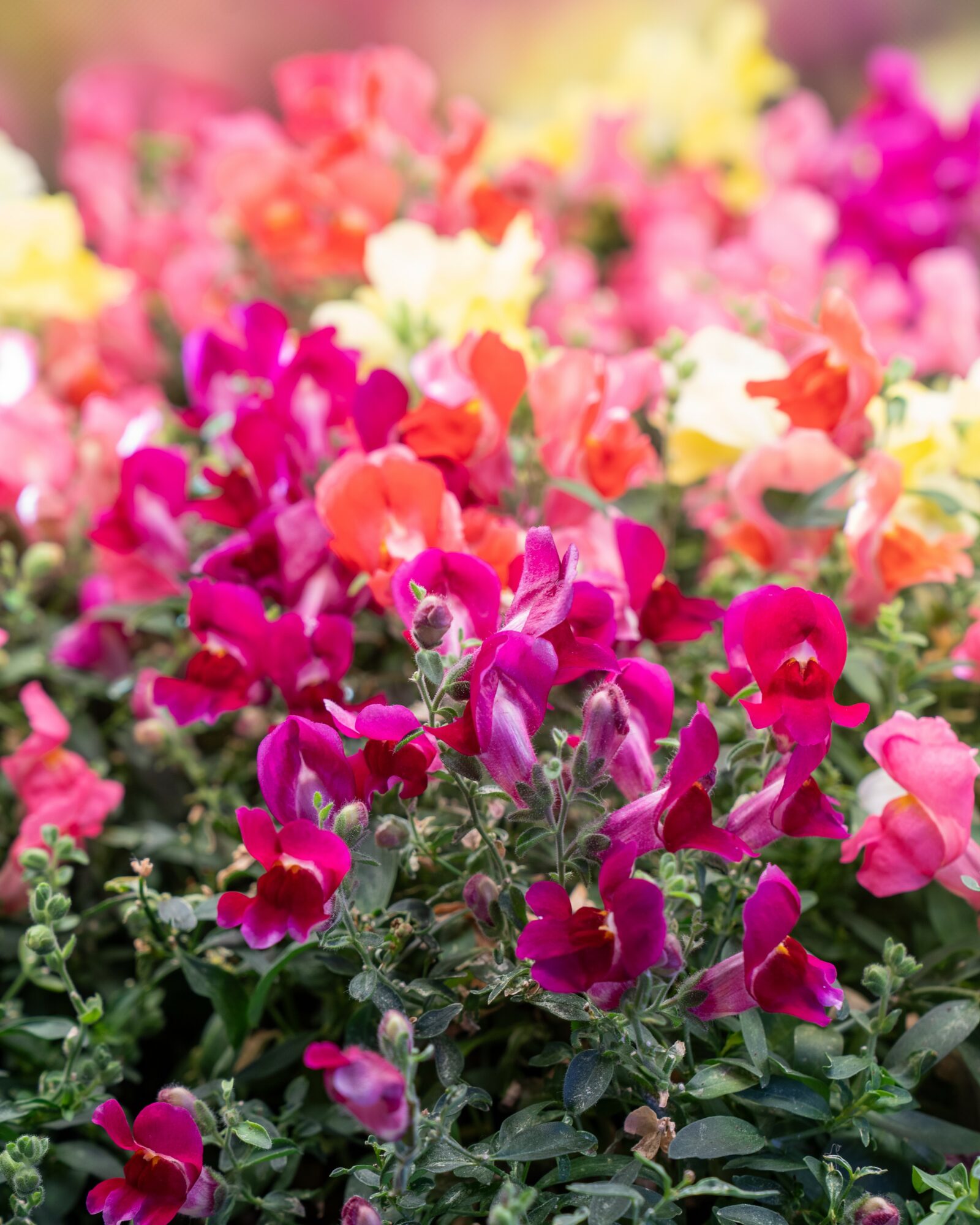
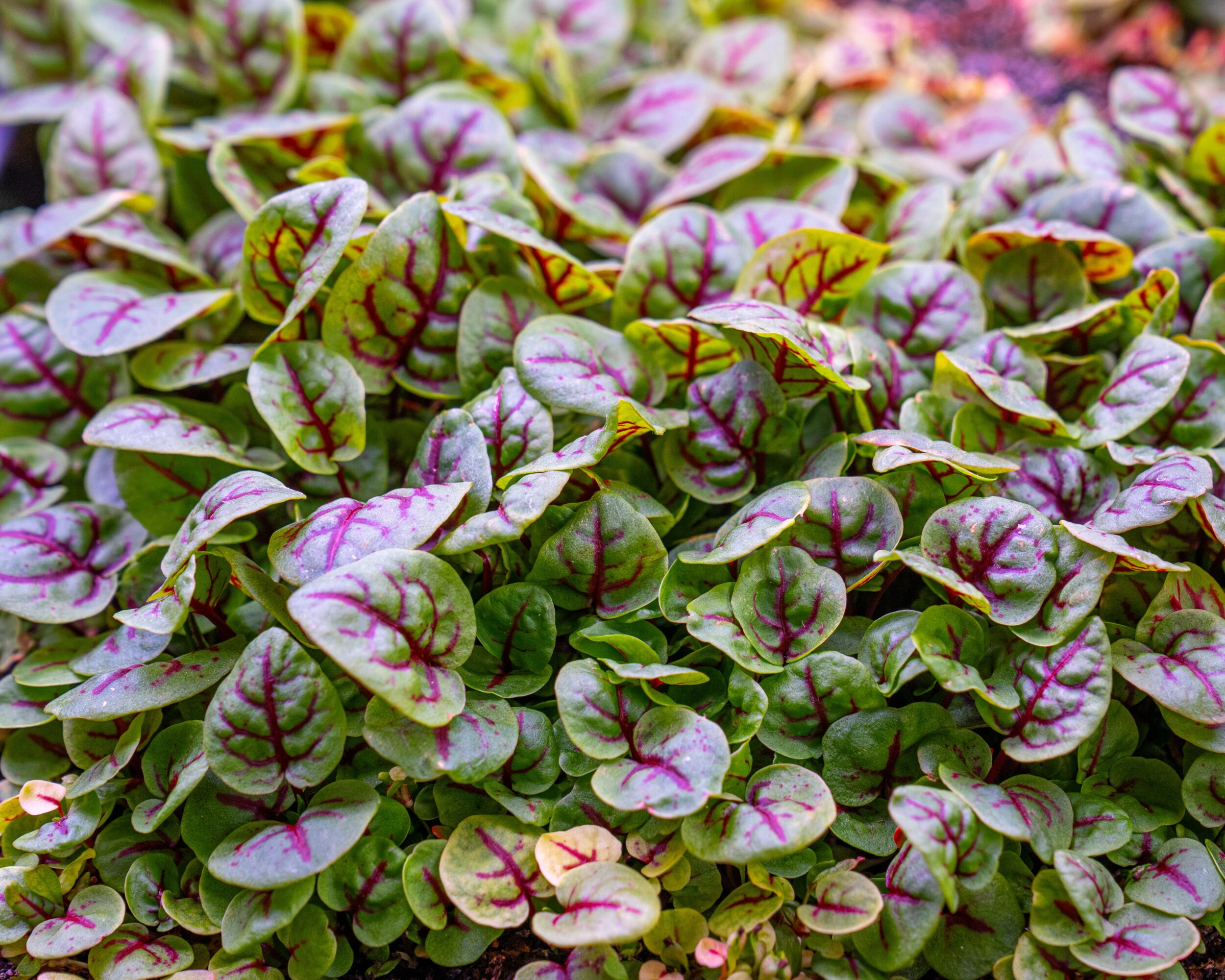
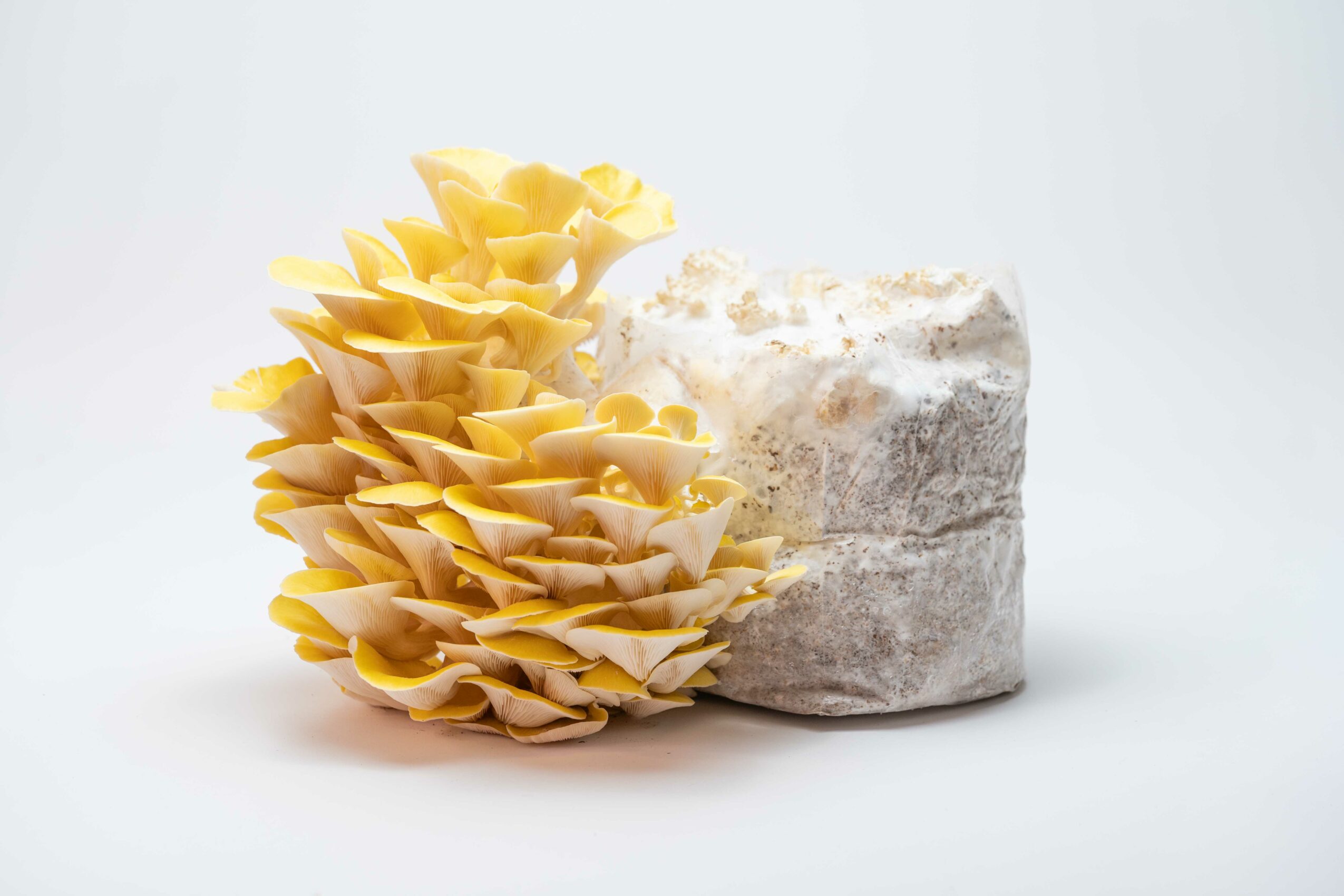
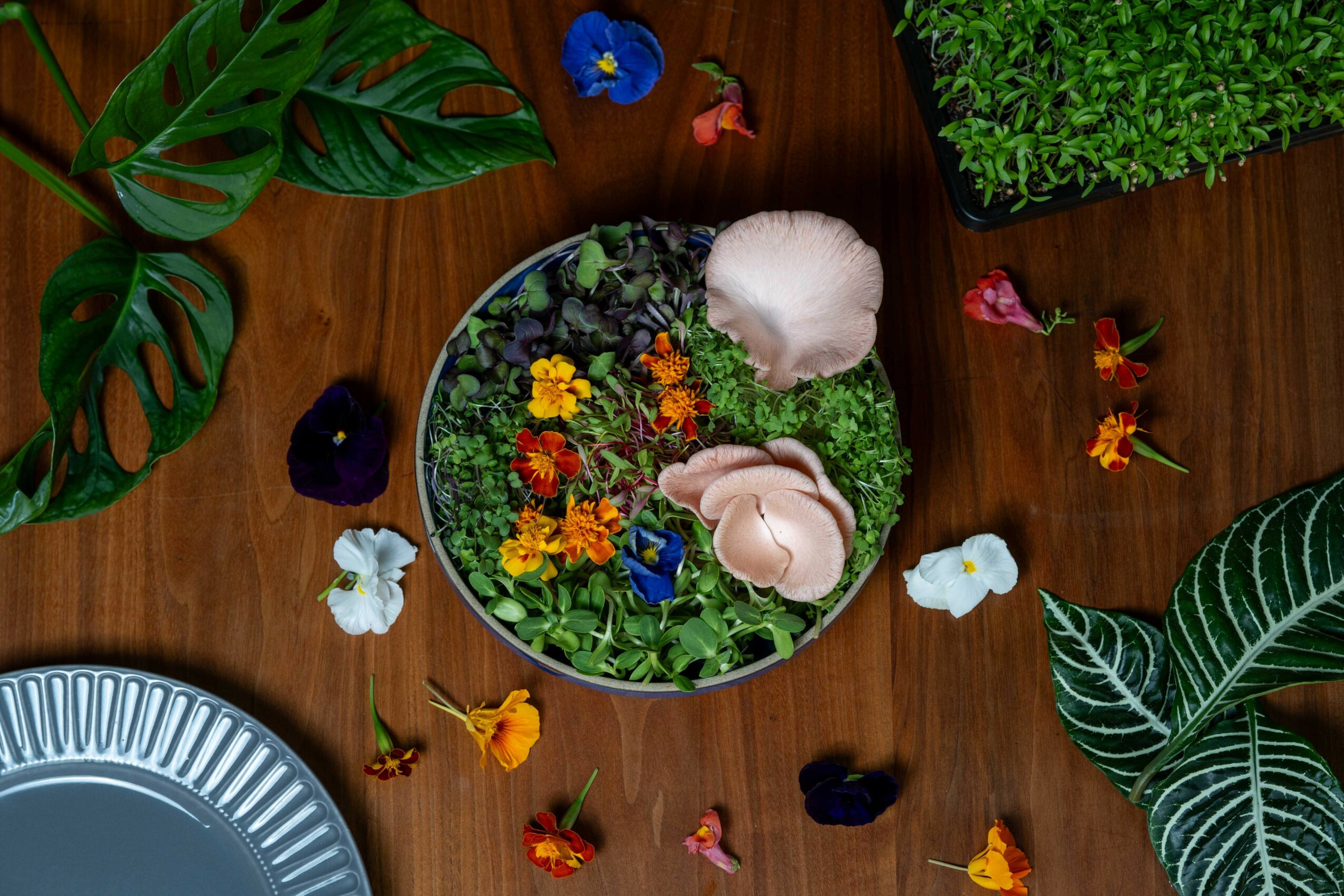
Microgreens are incredibly nutrient-dense and need very little space to grow—perfect for someone with a long history of agricultural failure. I started experimenting in my garage and quickly realized I loved it. After a year of fine-tuning my process, I launched Mast Produce Urban Farm. Now I deliver high-nutrition food to hyper-local clients, dramatically reducing the distance from harvest to mouth. Since then, I’ve also added mushrooms and edible flowers to the mix, giving my customers more variety—and giving me more plants to finally succeed at growing.
Would you say it’s been a smooth road, and if not what are some of the biggest challenges you’ve faced along the way?
Not even a little. If it were smooth, I’d be deeply suspicious.
There’s a ton of information online about growing microgreens, mushrooms, and edible flowers, which makes it look easy. What those tutorials don’t show you is the graveyard of trays it takes to get good at it. I have killed my fair share of crops while learning what actually works in my space, in my climate, and with my setup. The biggest challenge by far has been consistency. Chefs don’t want “this week’s experimental vibe.” They need the same size, the same quantity, and the same appearance—week after week after week. Plants, unfortunately, did not get that memo.
Another big challenge has been stepping away from the farm. My kids are still young, and spending time with them matters to me. But plants don’t care about family time or vacations. Leaving town means finding someone to step in and keep everything alive. I’ve learned that while the day-to-day routines make perfect sense to me now, they are not always intuitive—or easy—for someone filling in. Let’s just say I’ve come home to a few surprises that no one asked for.
And then there’s sales. I can grow beautiful food all day long, but at the end of the day, it has to be sold. I don’t come from the restaurant world and didn’t have a built-in network of chefs to lean on. Learning how to introduce myself, build relationships, and sell what I grow has been a completely different skill set—one that doesn’t come with a watering schedule.
Great, so let’s talk business. Can you tell our readers more about what you do and what you think sets you apart from others?
At its core, Mast Produce Urban Farm exists to answer a pretty simple question: Why should food grown for Dallas spend days—or weeks—getting here when it can be grown a few miles away?
I grow microgreens, mushrooms, and edible flowers in Dallas. And as far as I’m aware, I’m the only person in the city growing all three—possibly even two—right where the chefs actually are. That means orders are harvested and delivered within minutes and hours, not days. The result is produce that’s fresher, more nutrient-dense, and actually tastes like something instead of a well-traveled idea of food.
What really sets me apart, though, is my love of experimenting. I don’t just grow what’s easiest or most profitable (although I do grow those too—I still have to pay the electricity bill). Many chefs come to me because I grow varieties they can’t get from big distributors. Instead of cookie-cutter crops chosen purely for shelf life and profit margins, I love working with lesser-known microgreens and edible flowers—things like borage and marigold microgreens or pentas or oxalis flowers that pack unexpected, intense flavors and make chefs genuinely excited. If a chef has an idea or a “what if?” moment, I usually respond with, “Let’s try it.”
Honestly, it still amazes me that real chefs—well-known, highly respected ones—buy from me, like what I grow, and trust me to supply them week after week. That trust is something I’m incredibly proud of and take very seriously.
While restaurants are my primary focus, I also offer microgreen and mushroom subscriptions for residential clients in Dallas. Every week, I set aside a fresh crop of microgreens that gets delivered straight to their door. I do the same with mushrooms, though with slightly less variety—I currently grow five types because of space constraints.
And when I’m not harvesting or delivering, you can often find me selling at Saint Michael’s Farmers Market, talking to customers, answering questions, and convincing people that microgreens are more than just tiny garnish with big egos.
At the end of the day, my brand is about hyper-local food, experimentation, and growing things with intention. I want people to know that what I grow is fresh, thoughtfully produced, and grown specifically for the people who are going to eat it—usually within a few hours.
If we knew you growing up, how would we have described you?
Growing up, I was always mechanically minded. I loved building model cars—but the real fun started when I took them apart and mismatched the pieces to create something better (or at least more interesting) than what the box intended. That habit didn’t go away. I just scaled up. Eventually, I started doing the same thing with real cars, which is generally more expensive but far more satisfying.
That path led me to join the Air Force, where I became a heavy machinery mechanic. One of the many places I was stationed was Japan, and that’s where things really clicked for me. Japanese culture is very different from what I grew up with, and I absolutely loved it. What stuck with me most was the focus—how a craftsman will dedicate themselves to one narrow skill and spend a lifetime trying to perfect it. Not dabbling. Not multitasking. Just deep, intentional mastery. That mindset still shapes how I work today, especially in how I focus on just three types of crops and try to make them the best they can possibly be.
After leaving the military, I was hired by a luxury car brand and quickly found myself being groomed for a leadership role. Everything was lining up nicely… which is usually when my wife and I decide to do something unexpected. We moved back to Japan. While there, I didn’t have the local certifications to work as a technician, so instead of wrenching, I went to university. That’s where I discovered my creative side and fell into video production.
Today, my approach to microgreens, mushrooms, and edible flowers is a mix of all of that. I bring the mechanical mindset to building efficient systems that allow me to grow everything largely on my own. I bring the creative side when working with chefs, helping them shape ingredients around the dishes they want to create. And I bring the Japanese influence by staying focused—doing fewer things, but doing them really, really well.
It turns out taking things apart, rebuilding them, and obsessing over small details was just training for farming all along.
Contact Info:
- Website: https://MastProduce.com
- Instagram: https://www.instagram.com/mastproduceurbanfarm/