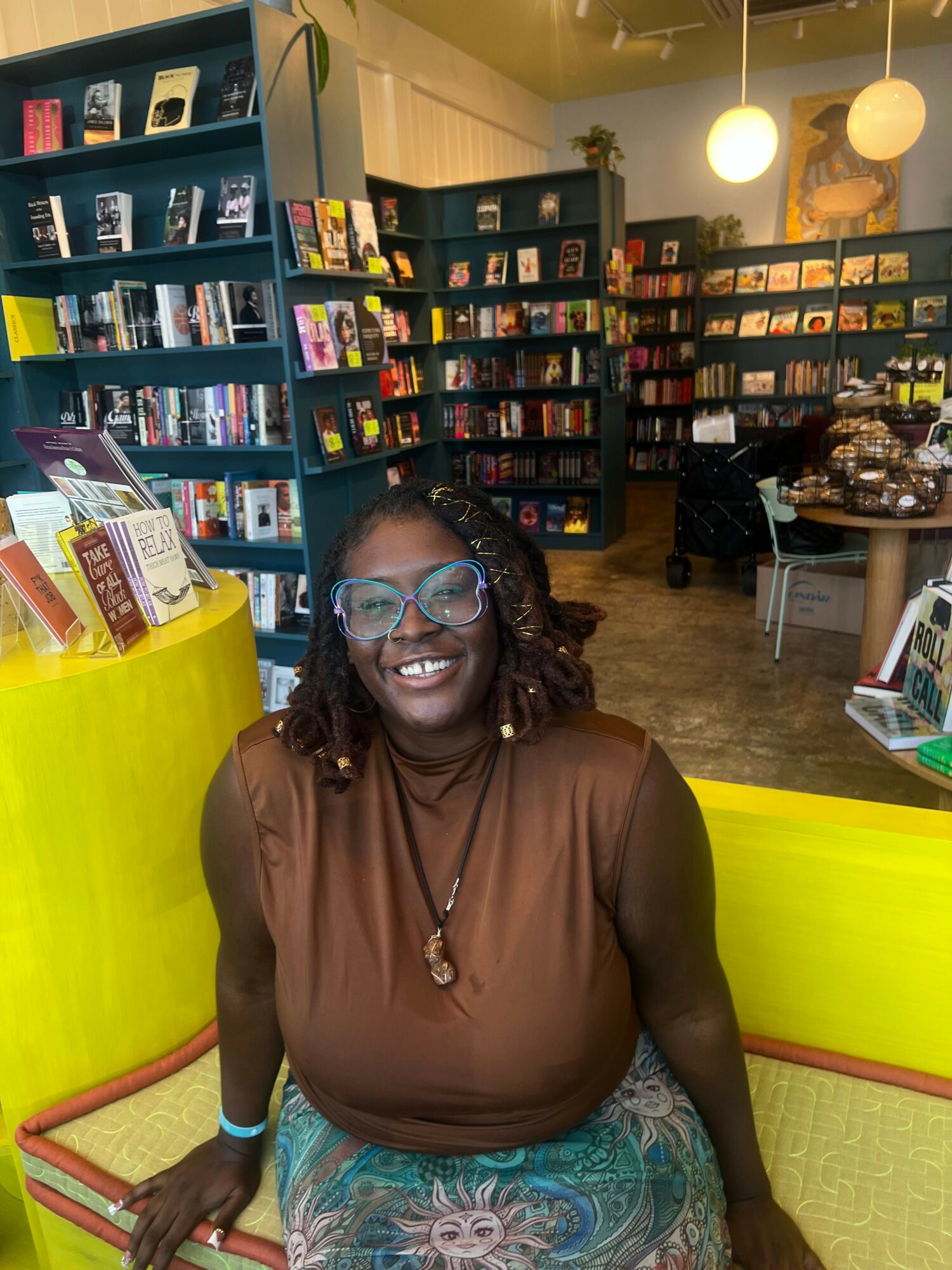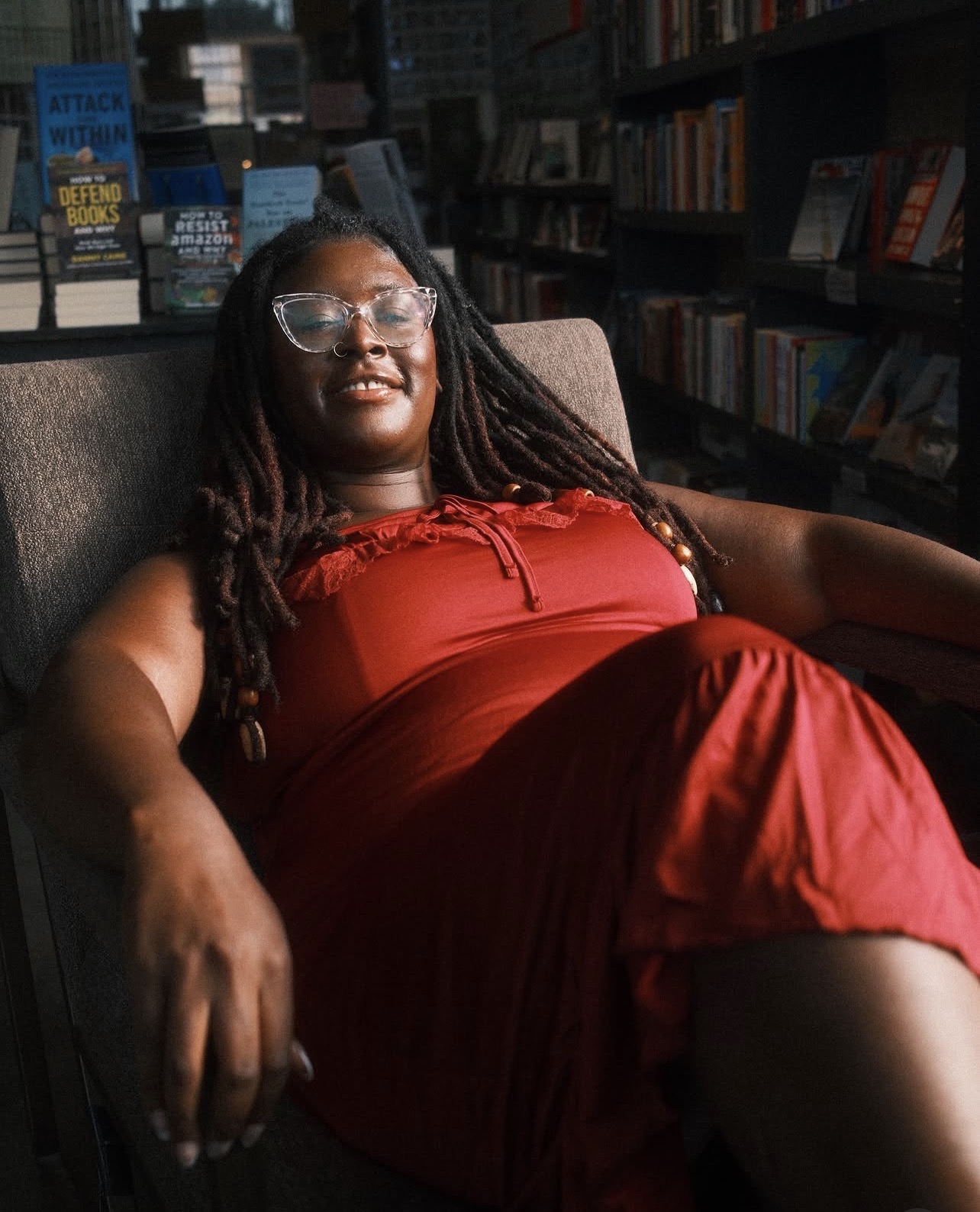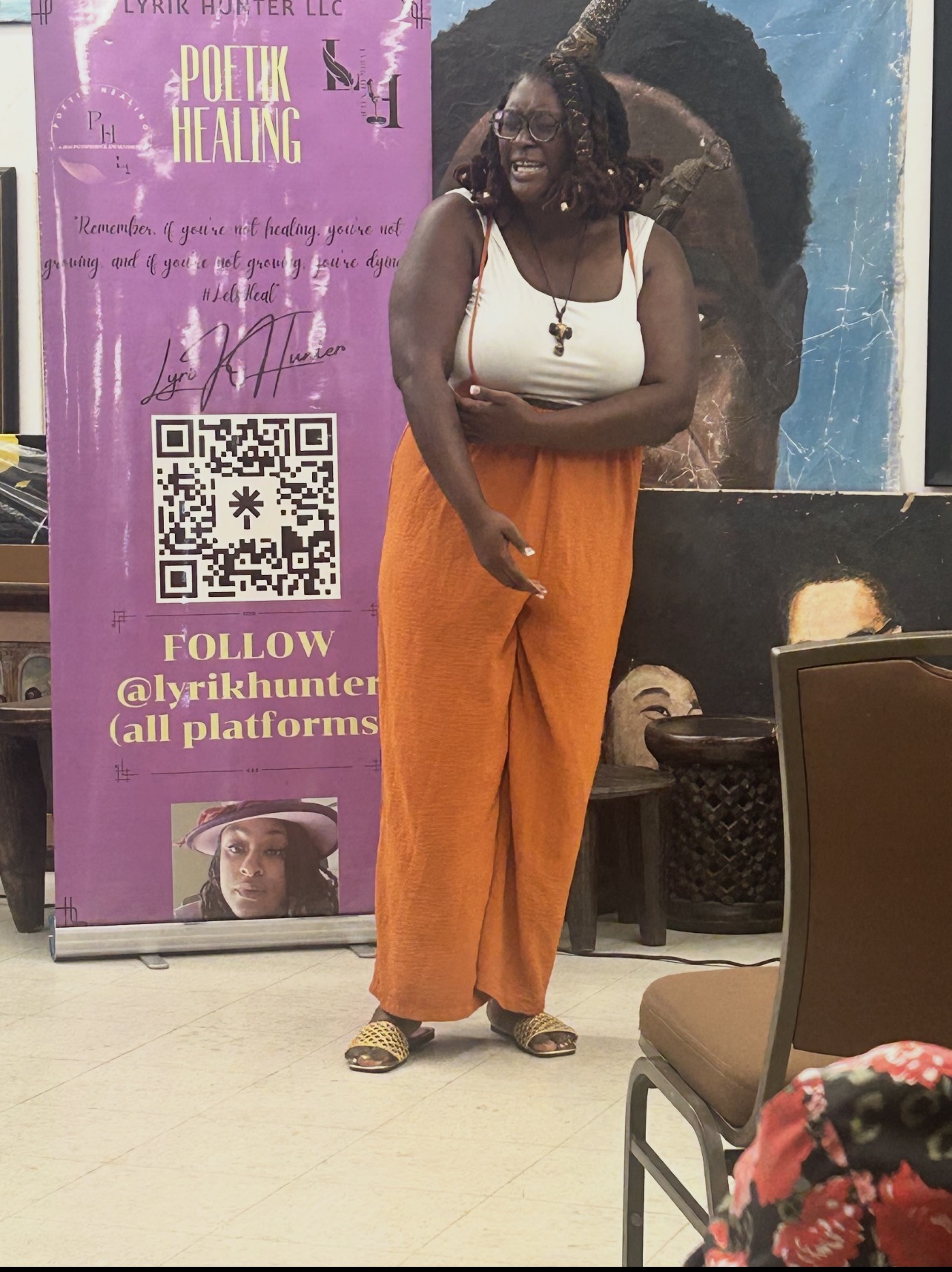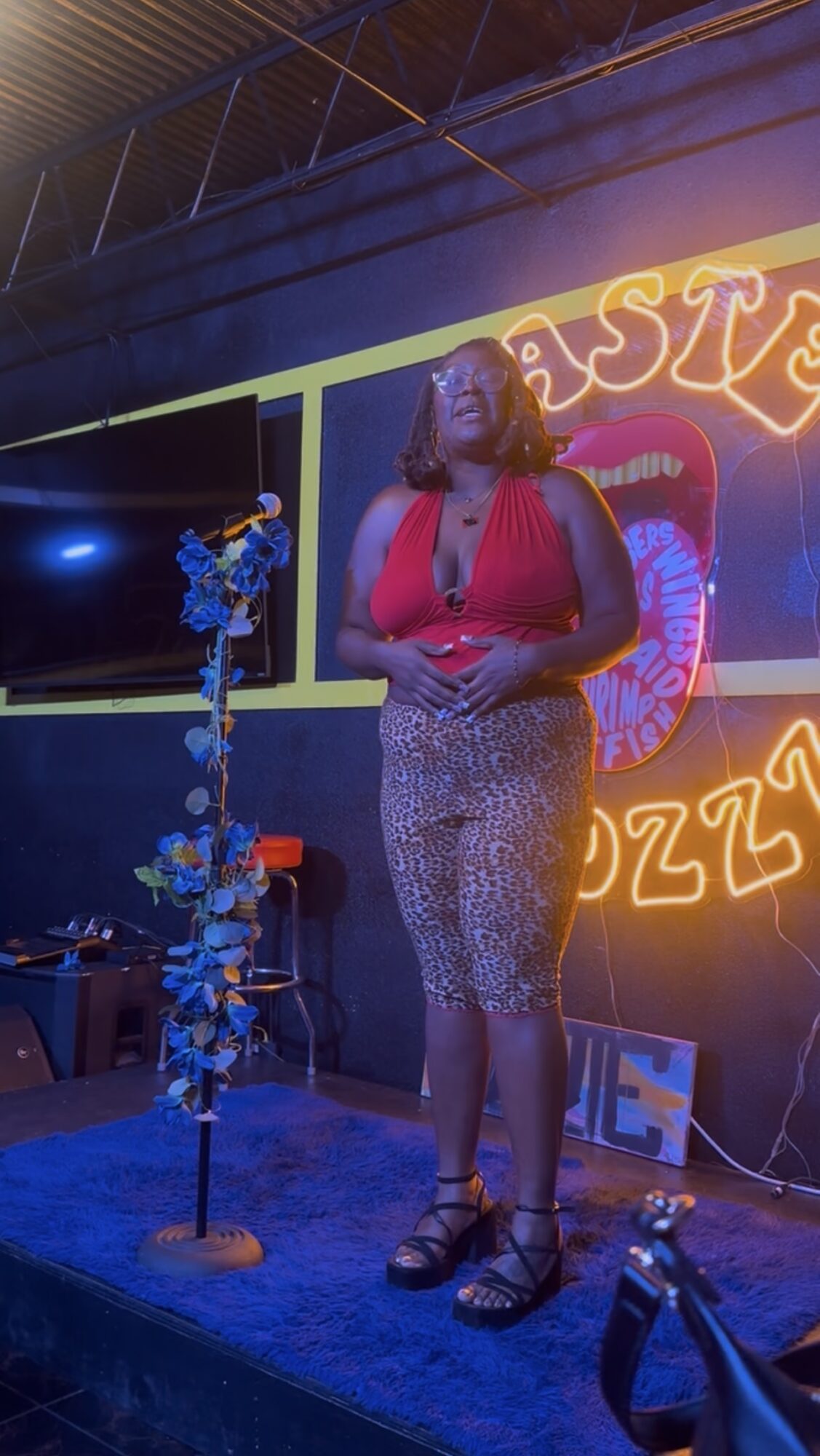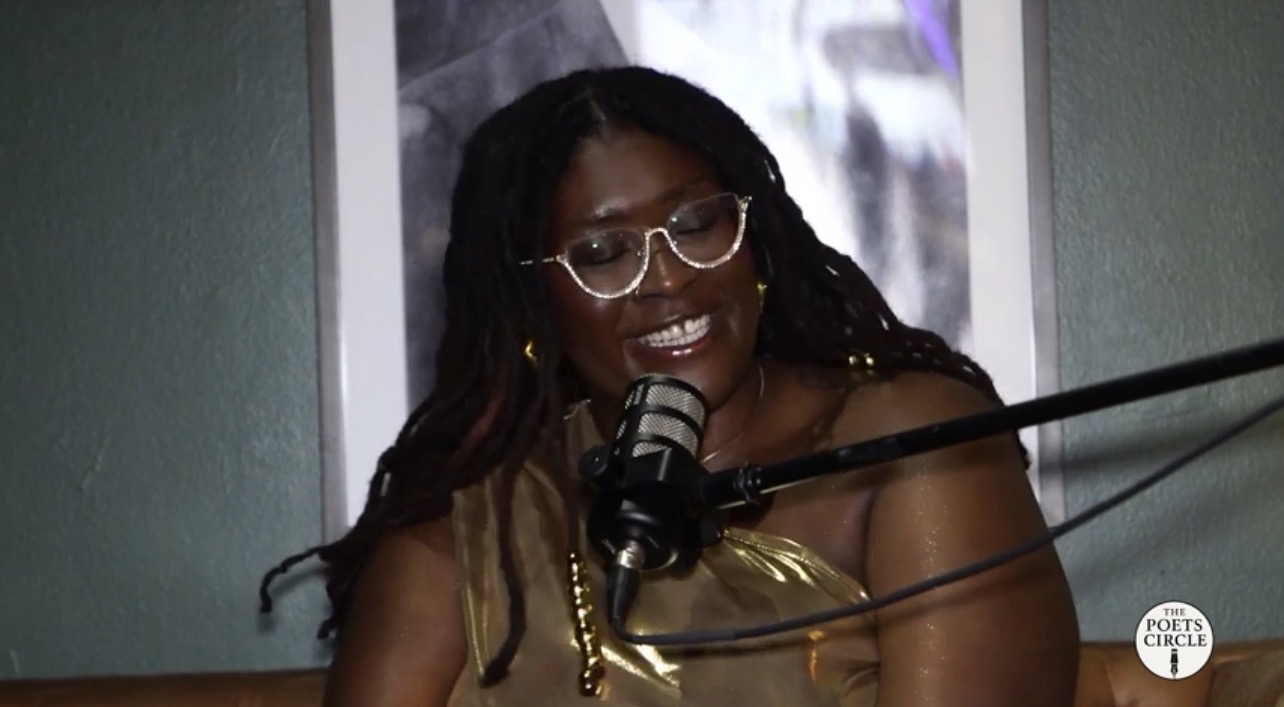




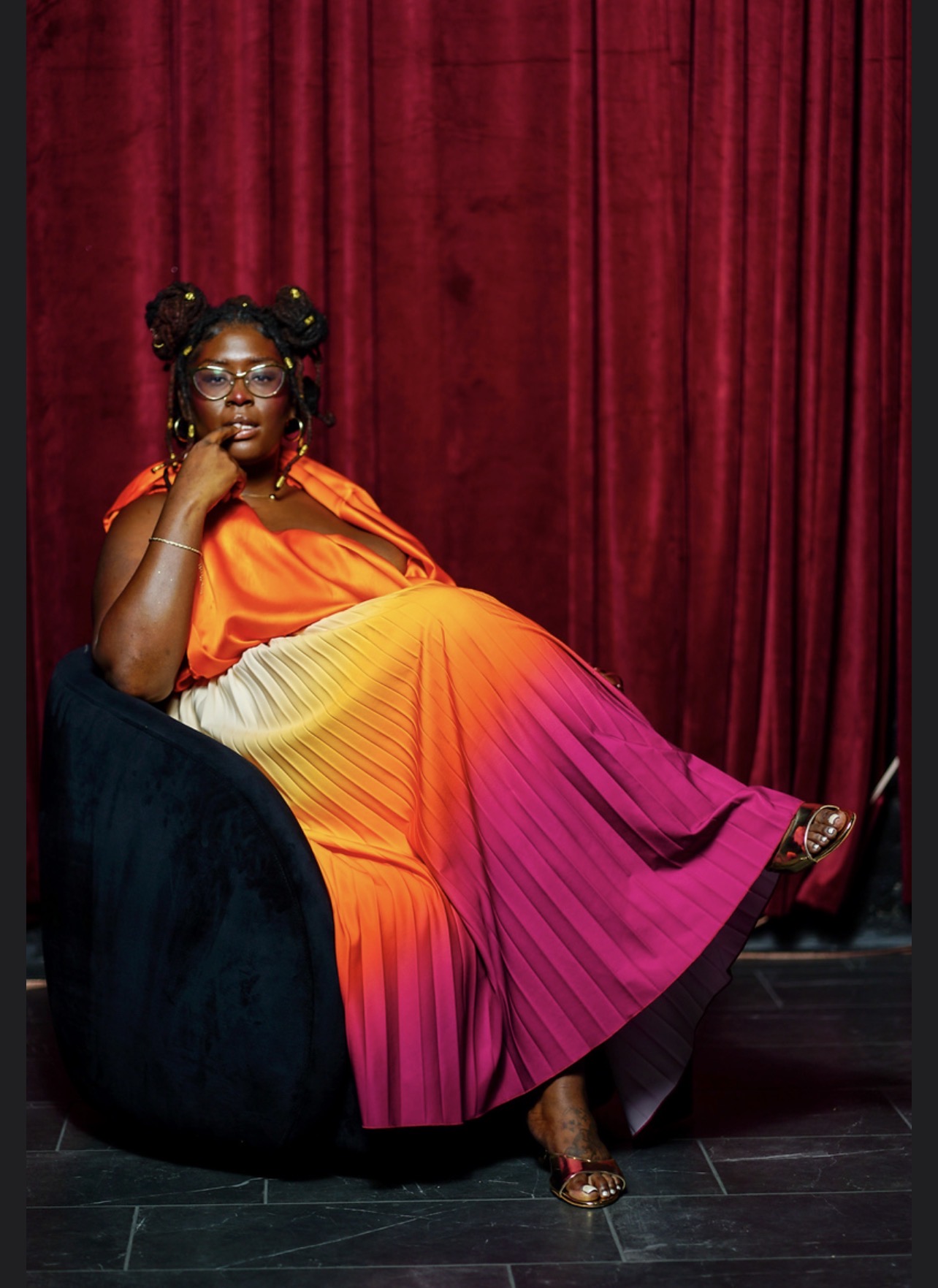
Today we’d like to introduce you to Keirah “Sundae The Griot” Shaw.
Hi Keirah “Sundae the Griot”, we’d love for you to start by introducing yourself.
I’ve always been an artist. I just spent a long time pretending I could live without being one.
Before poetry, I was an actress. I studied theatre in college and, at one point, performing was what I imagined my life would revolve around. But I left college, and adulthood got very practical, very quickly. There were bills to pay, work to do, and a life to build. Creativity became one of those things I knew I possessed but didn’t really nurture. I didn’t stop being creative. I just stopped giving that part of myself somewhere to go.
For years, I built a life that made sense on paper. I worked, handled responsibilities, became a mother, and did what needed to be done. Then I experienced severe postpartum depression after having my daughter, and suddenly “functioning” wasn’t enough anymore.
I needed somewhere to put everything I was carrying.
That’s really where Sundae the Griot was born. Poetry became less of a hobby and more of a survival language. At first, I was simply trying to find my way back to myself. What I didn’t realize was that all those years away from the stage hadn’t erased the actress in me. She had just been waiting.
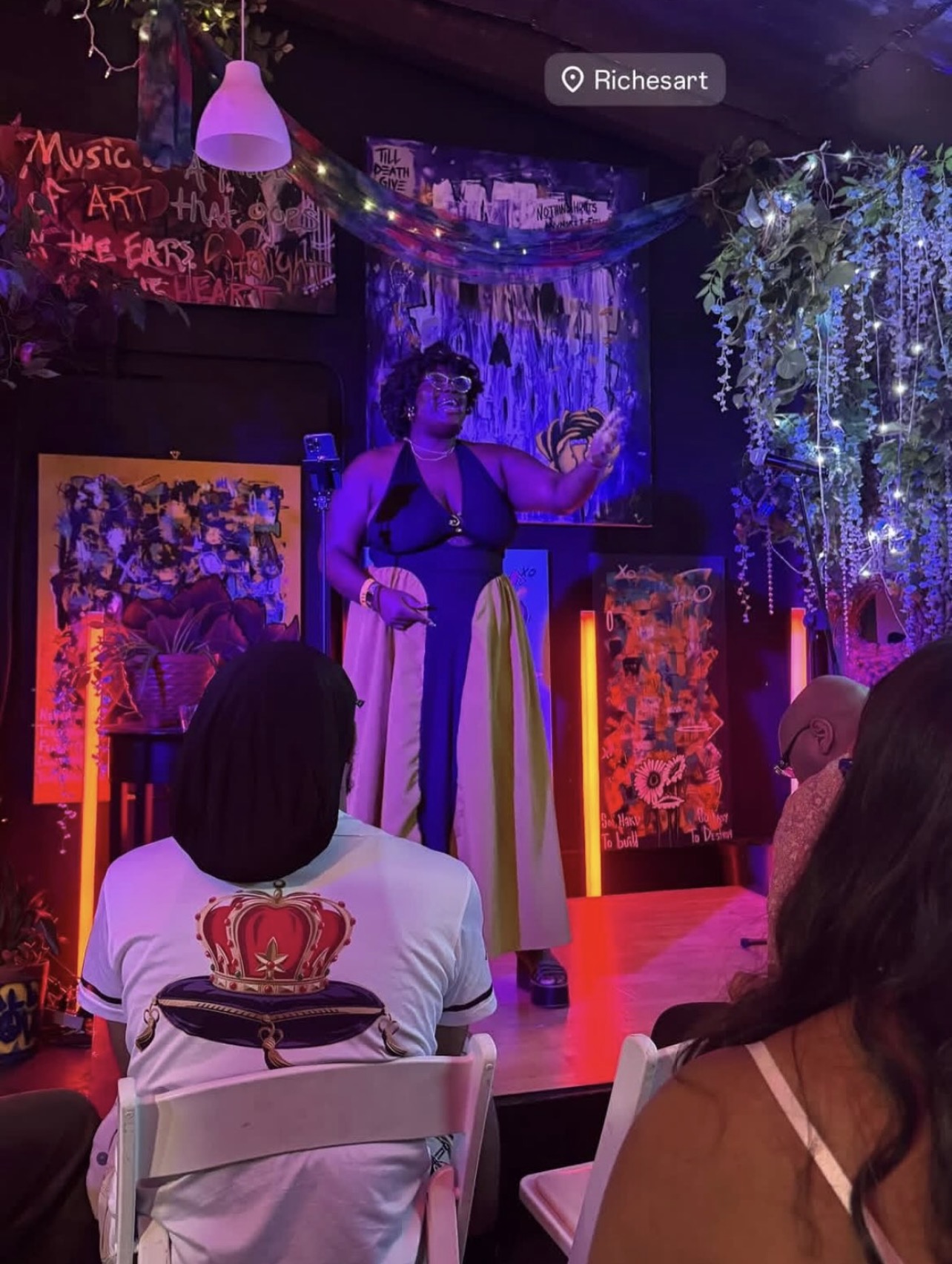
So when I began performing poetry, I naturally approached it differently. I wasn’t interested in only standing at a microphone and reciting something I had written. My theatre background started creeping back into the work: character, movement, pacing, staging, sound, props, silence. Eventually I realized I wasn’t returning to the artist I had been before life happened. I was becoming a different one because life had happened.
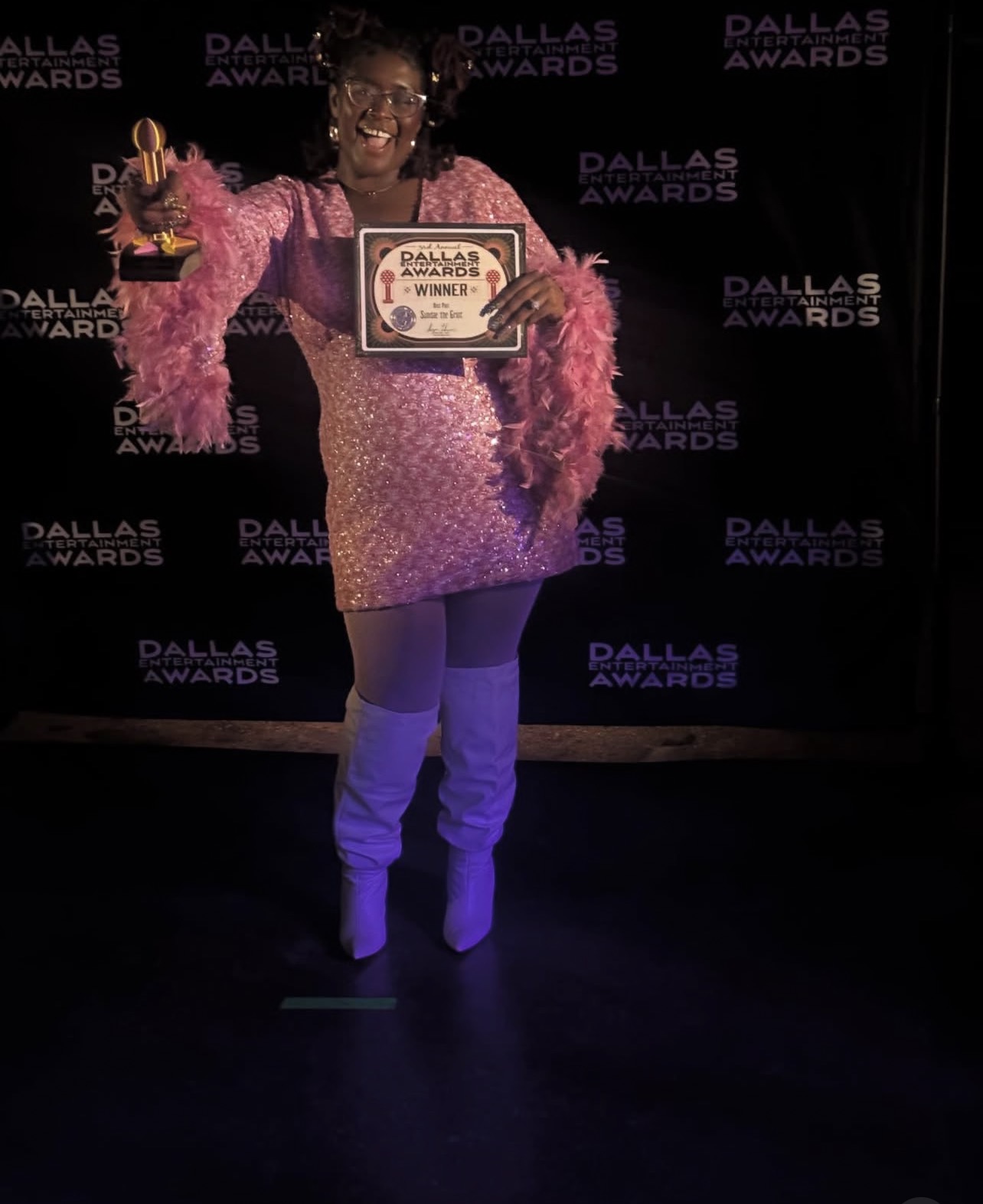
Since then, that little emergency exit I found during postpartum has opened into an entire creative world. I’ve developed performance pieces centered around motherhood, grief, faith, family, Black womanhood and identity. In 2026, I was named Best Poet at the Dallas Entertainment Awards, and my work was published in The 250 Project: A Black & Indigenous Reckoning.
The funny thing is, I thought I had given up acting to become a responsible adult. Now I can see that I never really left the stage. I took the long way back to it.
Today, Sundae the Griot exists somewhere between poet, actress, storyteller and performance artist. I make poetry you don’t just hear, you experience. Sundae is best served Live
Would you say it’s been a smooth road, and if not what are some of the biggest challenges you’ve faced along the way?
Absolutely not.
Has it been a smooth road? Absolutely not.
I think one of the hardest parts of this journey has been trying to build an artistic life while still having a very regular, very expensive adult life happening at the exact same time.
There was no cute movie montage where I found my purpose, quit my job, and suddenly got to spend my days writing poetry in some sunlit room. Baby, I have a job. I am somebody’s mama. I have bills. And unfortunately, Entergy does not accept exposure as payment.
Sometimes chasing this dream looks beautiful. I’m dressed up, somebody is taking my picture, I’m onstage doing what I love and everything feels exactly where it belongs. Other times, I’m writing something in my Notes app between responsibilities, rehearsing in the car, trying to remember if I packed everything my daughter needs, performing late, coming home and taking off Sundae piece by piece, and waking up the next morning because regular life said, “That was cute. Clock in.”
And through all of that, I’ve had to battle my own mind, my emotions, and my relationship with my body.
This version of my artistic life was born during one of the darkest periods of mine. I was dealing with severe postpartum depression, and creating became somewhere to put everything I didn’t know how to carry. Poetry gave all that noise somewhere to go. But finding art didn’t magically make life easy. I’ve still had to create through depression, grief, exhaustion, insecurity, motherhood, a changing body, relationships changing around me, and my own brain occasionally having the audacity to ask, “Girl, who told you you could do this?”
Apparently me. So here we are.
Then there are the battles that don’t come from inside your own head.
Everybody who knows you is not going to understand you becoming somebody they haven’t met yet. I learned that one early. I had an old friend try to convince me that poetry wasn’t really where my talent was and that I was actually a better singer.
Now, I could have taken that personally.
But there was one small problem with her argument:
I cannot sing.
Like…at all.
And strangely enough, that taught me something important. Sometimes people are so committed to the version of you they already understand that they will recommend literally anything before they make room for the person you’re becoming. At some point I had to stop asking people who couldn’t see where I was going for directions.
Being a Black woman in this industry has added another layer to that. I’ve walked into spaces that are heavily male-dominated and learned very quickly how complicated simply taking up space can become. There’s this invisible set of instructions women are supposed to follow: be confident, but don’t get beside yourself. Be beautiful, but don’t act like you know you’re beautiful. Have a voice, but watch your tone. Take up space, but not enough to make anybody uncomfortable.
And being a plus-size Black woman adds a whole other paragraph to the fine print.
I’ve had to learn what it means to be visible in a body that people sometimes decide they understand before I ever open my mouth. I’ve watched completely ordinary things about the way I dress, pose, move, or simply exist around men get assigned a sexuality or intention that I never put there.
That’s a strange thing to navigate when your art literally requires you to be seen.
I am a performance artist. My body is part of my instrument. I move. I act. I take up space. I wear what makes me feel good. I take pictures. I interact with audiences. I’m expressive because that is literally part of the work.
For a while, there was this question underneath all of that: Do I need to make myself smaller to make everybody else more comfortable?
Maybe I should pose differently. Cover something else. Move differently. Be quieter. Be softer. Be a little less…me.
But nah.
Because where does that end?
You can spend so much time trying to control how people perceive you that one day you look up and realize you have edited yourself clean out of your own story. I’m not interested in doing that anymore.
I’m learning that being seen does not mean everybody gets to define what they see. Somebody else’s gaze does not get to become instructions for how I inhabit my own body.
And maybe that has been the real fight underneath all the other fights: learning not to abandon myself just because somebody else is uncomfortable with the amount of room I take up.
I’m still a working mama. I still get tired. Life still be life-ing. My mind still gets loud sometimes. I still have responsibilities waiting for me when the applause stops. And there have been plenty of perfectly reasonable reasons to put this dream down.
I just haven’t.
I keep creating. I keep showing up. I keep becoming.
I used to think resilience was supposed to look like conquering something. Now I think sometimes it looks a lot less cinematic than that.
Sometimes resilience is just deciding, over and over again, that I will not disappear.
Can you tell our readers more about what you do and what you think sets you apart from others?
I call myself a poet because it’s the easiest answer, but honestly, it’s becoming less and less accurate by itself.
I’m Sundae the Griot, a poet, storyteller and performance artist, and I specialize in creating experiences. My philosophy is simple: I make poetry you don’t just hear, you experience.
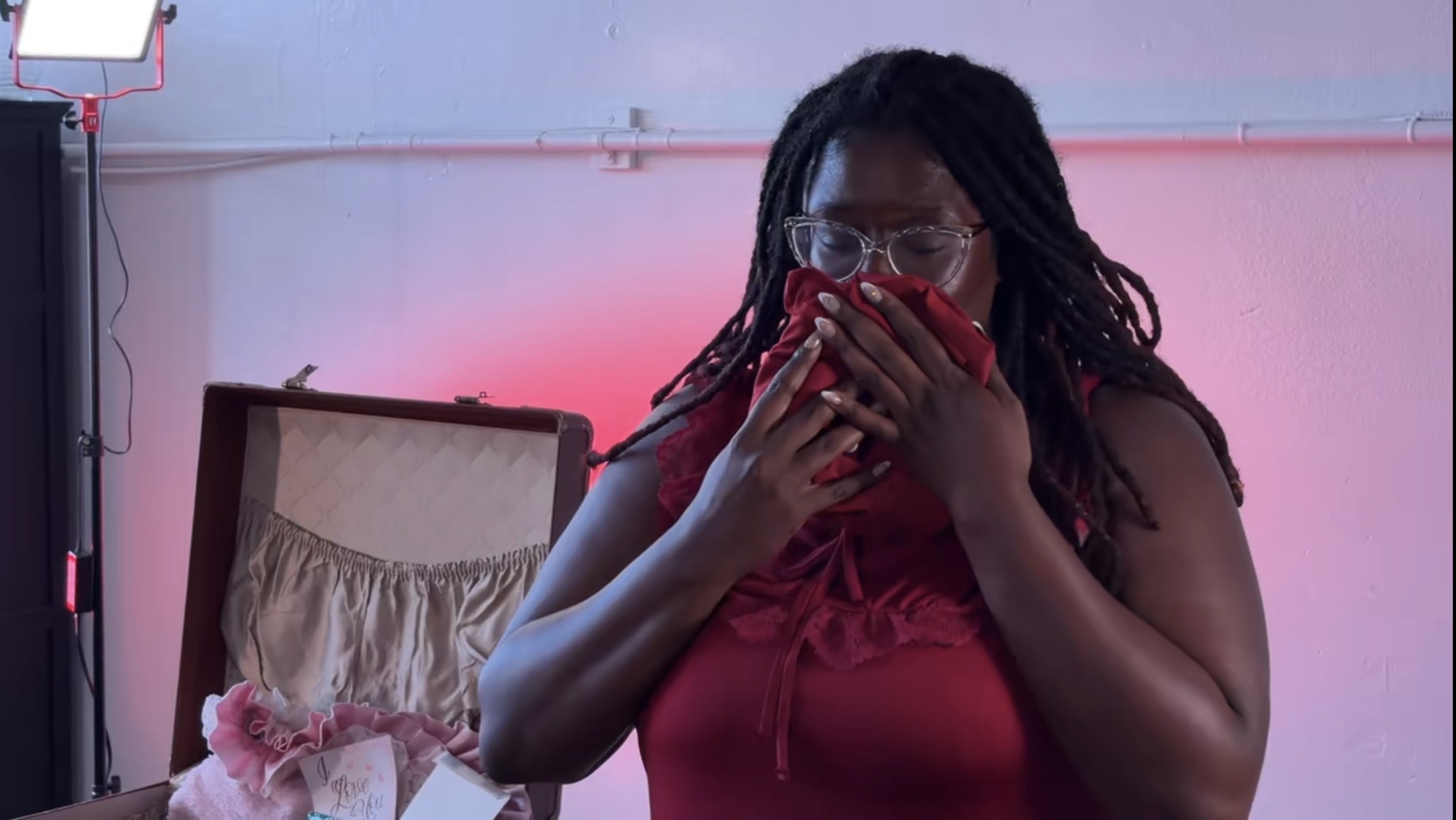
My background in acting probably has everything to do with that. I don’t naturally approach a poem as just words on a page. My brain immediately starts building a world around it. I’m thinking about what you see before I ever speak. Where am I standing? What am I wearing? What does the room sound like? When do I move? When do I let the silence sit there and make everybody a little uncomfortable? What object belongs in my hand, and can that object mean something completely different five minutes later?
I have a really strong ear for music, too. I don’t like using music just because a song sounds good underneath a poem. I think of it more like scoring a scene. Music can foreshadow, interrupt, create tension or tell a completely different story underneath the words. Sometimes I want you to recognize a sound immediately. Other times, I want you to realize halfway through the piece why I made you hear it in the first place.
The same is true for my visual storytelling. I love an extended metaphor, but I especially love when I can make that metaphor physical. Give grief an object. Give faith a light source. Give memory something the audience can watch me carry. I love planting an image early and letting its meaning evolve until the audience realizes they’ve been looking at the metaphor the whole time.
Lately, I’ve been playing with the other senses too.
I’ve incorporated taste into performance, including giving audiences Hershey’s Kisses connected to a piece. That opened up this whole other playground in my brain. Now I’m asking questions like: What does this poem taste like? What color is it? What texture does it have? Is there something you should hold? What should still be with you after I leave the stage?
Even the way I dress is storytelling.
My clothes, hair, makeup, accessories and silhouettes aren’t separate from Sundae the Griot. They’re part of the visual language. Some days I’m soft. Some days I’m churchy. Some days I’m sensual, strange, glamorous, theatrical or looking like somebody’s eccentric auntie who knows entirely too much. And I love that.
I don’t want to find one marketable version of myself and wear her forever. The transformation is part of the brand.
Before I say a word, I want the audience to already be reading.
That’s also why I think directing is probably the next natural evolution of my work. I’ve realized that I’m not only thinking about my individual performance anymore. I’m thinking about the entire picture: bodies in space, music, wardrobe, imagery, transitions, lighting, what the audience notices first and what I don’t want them to understand until later.
I’m beginning to explore that side of myself more intentionally going into 2027, including the early development of a collaborative concept called Four Women. I don’t know exactly what all of that will become yet, and honestly, that’s the exciting part. It feels like I’m discovering the next language my creativity wants to speak.
Range is really important to me. I don’t want Sundae the Griot to become synonymous with grief because I wrote something powerful about grief, or faith because I made something powerful about faith. Black women contain too much for that. I want room for motherhood, sexuality, anger, humor, absurdity, tenderness, spirituality, contradiction and whatever weird little idea wakes me up next.
That’s also why Griot matters to me. Even when I’m telling you something deeply personal, I’m looking for the place where my story touches something bigger. What did we inherit? What do we repeat? What do we remember? What are we allowed to put down? I’m telling my story, but I’m always listening for the part that belongs to us.
In 2026, I was named Best Poet at the Dallas Entertainment Awards and became a published contributor to The 250 Project: A Black & Indigenous Reckoning. I’m proud of those accomplishments, but what excites me most is watching my artistic vocabulary get bigger.
I started writing because I needed somewhere to put what I was feeling.
Now I’m interested in how many ways I can make you feel it too.
Language. Music. Clothing. Character. Movement. Silence. Taste. Touch. Imagery. Whatever the story calls for.
I don’t necessarily want you to leave saying, “That was a good poem.”
I want you to leave saying, “What the hell did I just experience?”
And then realize you want to experience it again.
In terms of your work and the industry, what are some of the changes you are expecting to see over the next five to ten years?
I think poetry is getting harder to put in a box, and I hope it keeps going that way.
For a long time, when people pictured a poet, there was a pretty recognizable image: somebody, a microphone, maybe a spotlight, and the words. And there is absolutely still power in that. Give the right poet a mic and nothing else and they can wreck a room.
But I think over the next five to ten years, we’re going to see more artists asking, “What else can a poem be?”
We’re already living in a world where the lines between disciplines are getting thinner. Poets are actors. Musicians are filmmakers. Dancers are storytellers. Visual artists are building installations you can walk through. I think spoken word and performance poetry are naturally going to keep borrowing from theatre, music, film, fashion, comedy, visual art and immersive experiences.
Personally, that excites me because I don’t think poetry has to lose its integrity when you add something to it. Sometimes the poem needs nothing but the words. Sometimes the poem needs a soundtrack, a costume, a prop, a light cue, an image, a taste, or an entire room built around it. The skill is knowing the difference.
I also think social media has created both an opportunity and a challenge for artists. We have more ways than ever to be discovered without waiting for somebody important to give us permission. A poet can perform something tonight in Dallas and somebody across the country can experience part of it tomorrow morning.
But the internet also rewards immediacy. It wants the line you can clip. The twenty seconds people can repost. The quote that fits neatly on a graphic.
And some art needs time.
Some art needs seven minutes before you understand why I did something in minute one. Some art needs silence. Some art needs tension. Some art needs you sitting in a room unable to scroll away when it gets uncomfortable.
I think one of the interesting questions for artists moving forward will be how we use technology to expand our reach without allowing the algorithm to teach us how to create.
I don’t want every poem to be written looking for the viral line.
I want the weird poem too. The slow poem. The poem that needs context. The poem you have to see twice. The poem that might not make complete sense as a sixty-second clip because you were supposed to experience the whole thing.
I also think audiences are going to increasingly value experiences. We consume so much through screens now that there is something special about being physically present for something that cannot be recreated exactly the same way tomorrow. That gives live artists an incredible playground.
I can see poetry shows becoming more immersive, more interdisciplinary and more intentional about everything surrounding the words. Not because every poet needs to become a theatre kid overnight, Lord help us, but because there are so many unexplored ways to tell a story.
And I think that will create more room for artists who don’t fit neatly into one title.
That’s where I see myself going too. Poet is home base, but I’m becoming increasingly interested in performance art, visual storytelling, directing and creating complete experiences. I’m less interested in deciding which box all of that belongs in.
Maybe the future isn’t about making the box bigger.
Maybe we just stop needing the box
Contact Info:
- Instagram: https://www.instagram.com/sundaethegriot/
- Other: @sundaethegriot- Tik tok