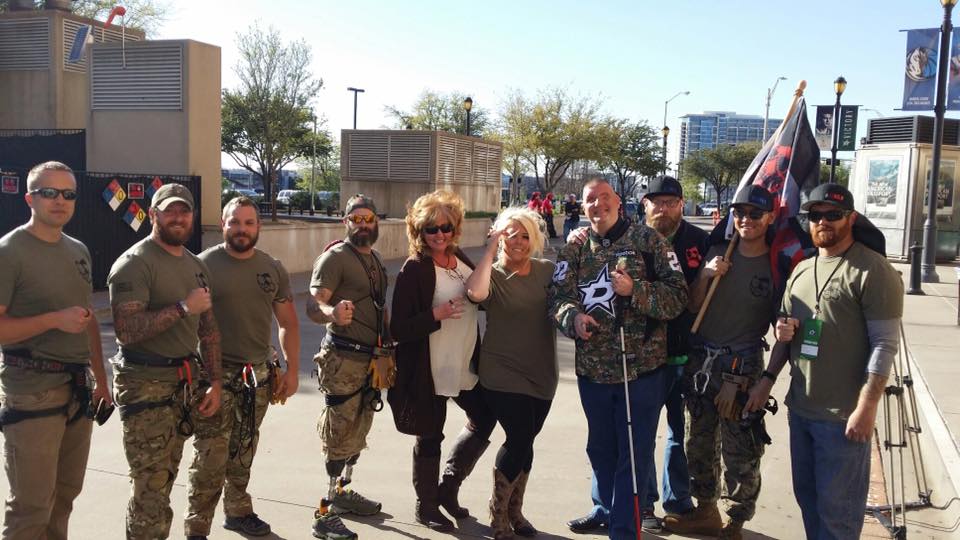






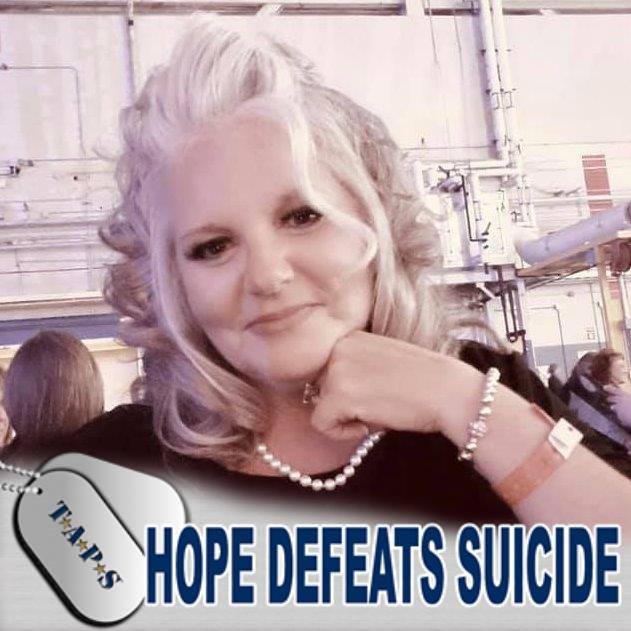
Today we’d like to introduce you to Keri Wilcox.
Hi Keri, we’d love for you to start by introducing yourself.
My story began with a deep passion for serving those who served our nation. While earning my business management degree, I stepped into veteran advocacy as the chapter president of the Student Veterans of America—work that earned recognition for outstanding leadership and academic achievement.
After graduation, I became a case manager for combat veterans and surviving spouses through a Texas Veterans Commission grant. That experience built my foundation in grant management, outreach, and trauma‑informed support, and it opened my eyes even more to the unique challenges veterans—especially female veterans—face when transitioning back to civilian life.
In 2018, driven by both personal experience and a calling to serve female veterans more holistically, I founded Valor Ranch. My goal was simple but ambitious: create a safe, nurturing space where female veterans could heal, rebuild, and write the next chapter of their lives with dignity and support.
Today, as Founder and Executive Director, I oversee everything from strategic planning to fundraising to community partnerships. My certifications in Mental Health First Aid and Peer Support guide the trauma‑informed approach at the heart of everything we do. Valor Ranch has since grown into a 10‑acre sanctuary offering housing stability, wraparound services, therapeutic gardening, community nourishment, and emergency financial assistance through our GAP program.
But at its core, my journey is about honoring, empowering, and restoring the lives of veterans—ensuring every veteran has the opportunity to keep writing their own story with hope and purpose.
I’m sure it wasn’t obstacle-free, but would you say the journey has been fairly smooth so far?
The journey has been deeply meaningful, but certainly not smooth. Valor Ranch was born from both personal loss and firsthand experience with the gaps in support available to female veterans. As a Gold Star Wife who witnessed the long‑term impact of service‑related trauma on her own family, Keri Anne Wilcox carried a promise to continue advocating for those who served. When she later worked as a case manager supporting combat veterans and surviving spouses, she saw just how limited female‑specific resources truly were—and how many women were navigating PTSD, TBI, MST, homelessness, and isolation without adequate support. These realities became some of the earliest challenges and motivators behind building Valor Ranch.
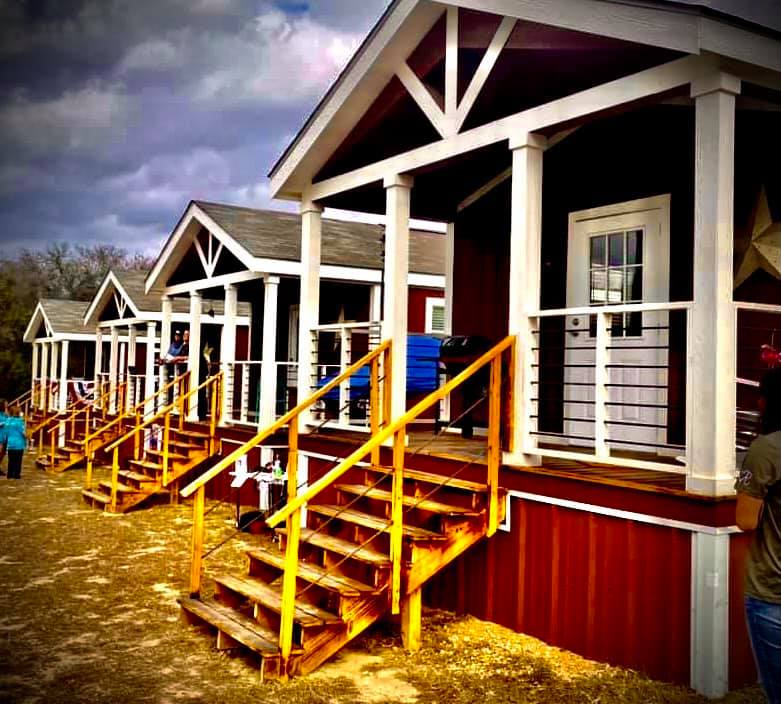
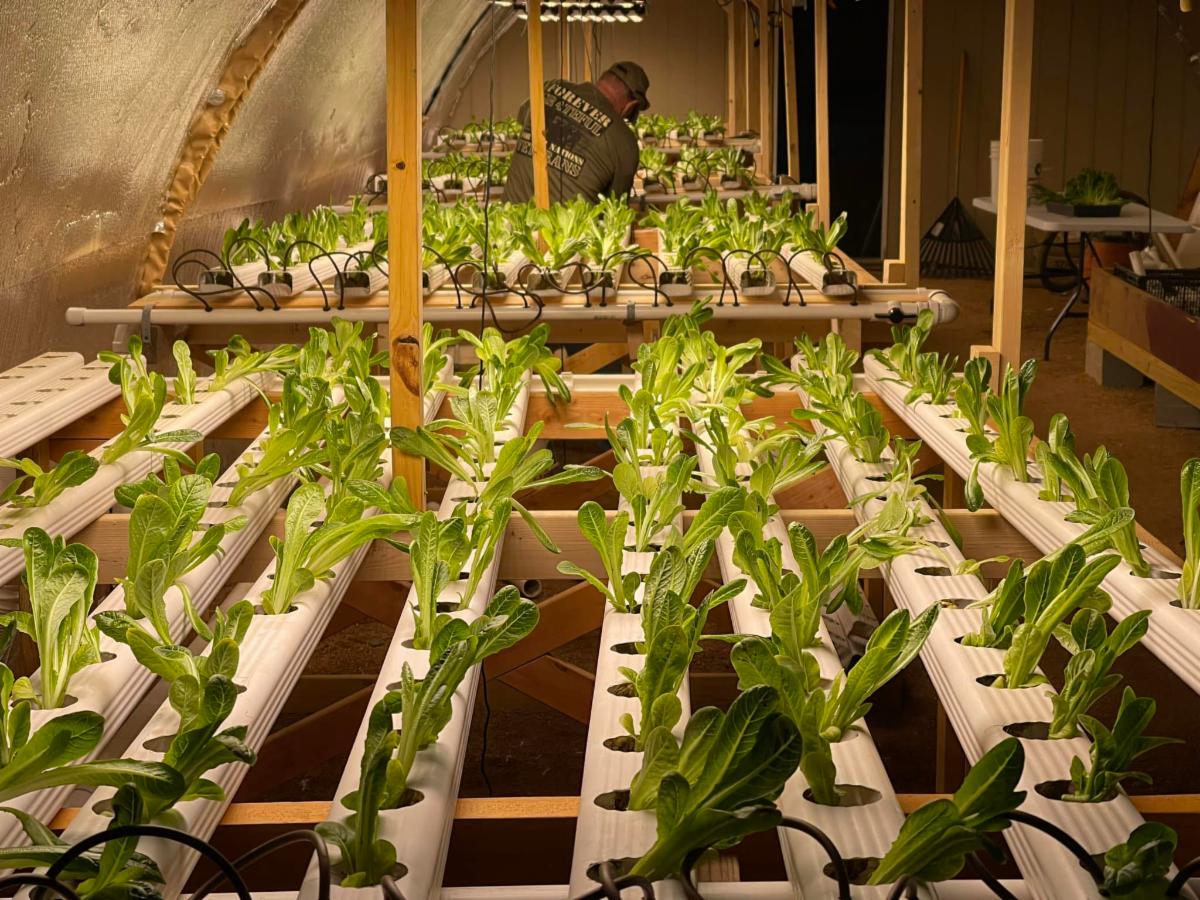
Even after founding the organization in 2018, the path forward was far from easy. One of the biggest hurdles has been funding. Although four cottages are now complete and several SHEROES have successfully transitioned to independence, sustainable funding remains the largest barrier to fully implementing the long‑term vision—including expanding housing capacity and finishing key programs like the aquaponic Healing Garden. Valor Ranch continues to compete with numerous veteran‑focused organizations for limited local funding, which adds pressure to grow responsibly while meeting urgent community needs.
There are also systemic barriers beyond Valor Ranch’s control. Many female veterans avoid or do not seek VA services due to past negative experiences, lack of trust, or feeling misunderstood within traditional systems. This means they often carry trauma alone and may not receive the proper care for service‑related injuries. Creating an alternative pathway—one grounded in safety, dignity, and trauma‑informed care—has required persistence, creativity, and deep partnership building.
Despite the challenges, every struggle has deepened the mission. Each woman who walks through the gates of Valor Ranch brings her own story of endurance—and each successful transition reinforces why the work must continue.
Thanks – so what else should our readers know about your work and what you’re currently focused on?
At Valor Ranch, my work centers on empowering female veterans—our SHEROES—to heal, rebuild, and regain stability after experiencing service‑related trauma such as PTS, TBI, and MST. I serve as the Founder and Executive Director, where I oversee strategic planning, fundraising, program development, community partnerships, and the overall health and sustainability of the organization.
What I Do & What We Specialize In:
Valor Ranch is built around a holistic, trauma‑informed model that provides:
12‑month transitional housing in fully furnished tiny homes, paired with therapy, case management, budgeting, and life‑skills development.
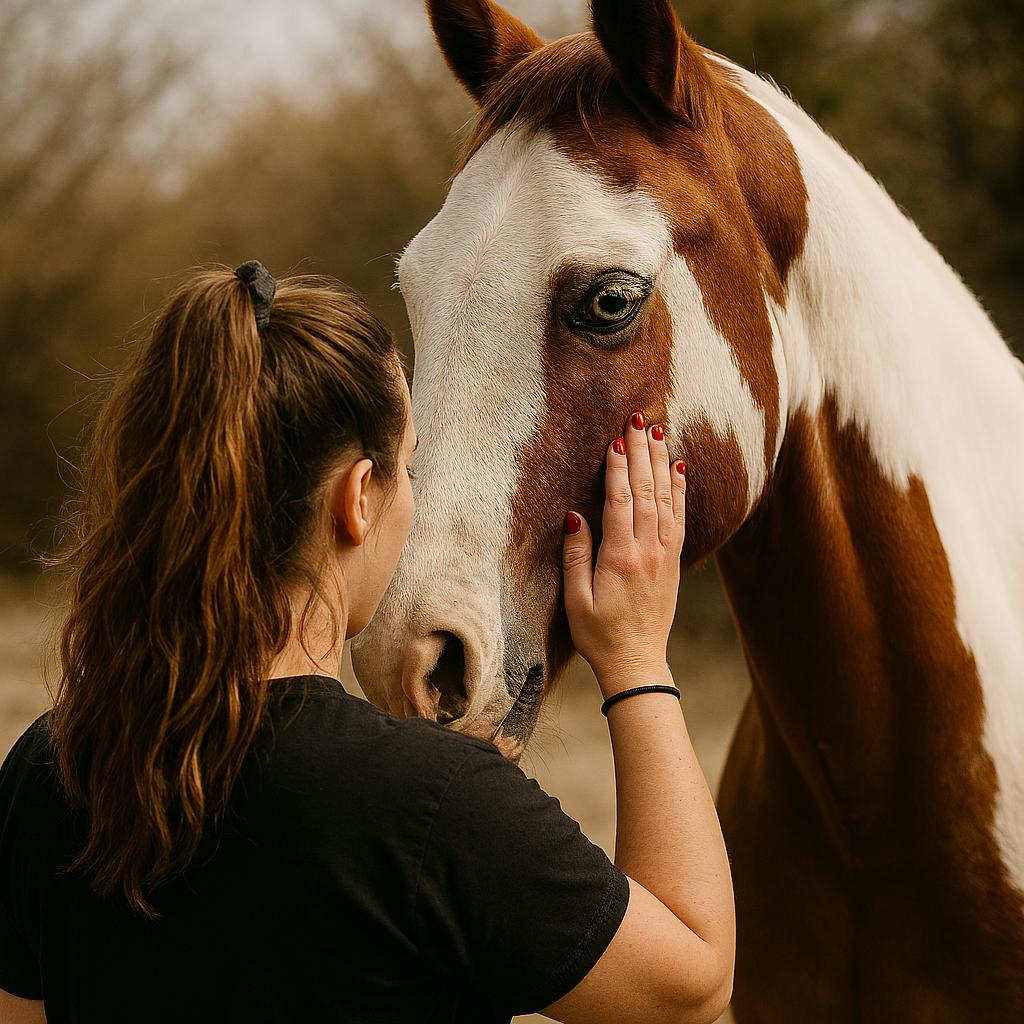
Wraparound support, including food, utilities, mentorship, livestock care, gardening, and community‑building activities.
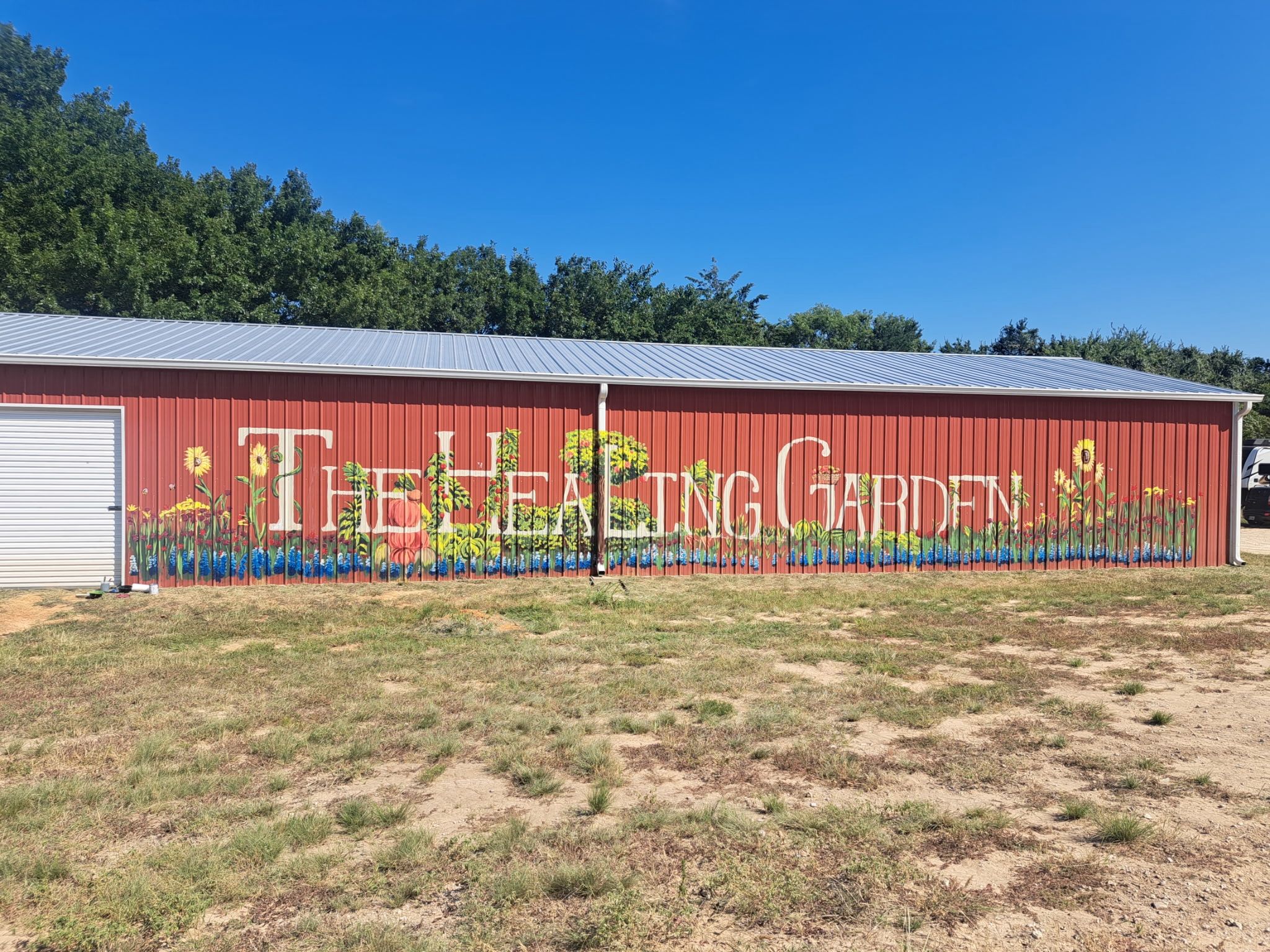
The Healing Garden, an aquaponic/hydroponic system feeding over 5,000 families annually while offering therapeutic engagement and vocational training to up to 300 veterans and community members each year.
The General Assistance Program (GAP), providing emergency financial aid for rent, utilities, transportation, auto repairs, and other critical needs that directly affect a veteran’s across the State of Texas ability to stabilize and thrive.
Resource Navigation & Case Management, connecting veterans to long‑term services such as mental health care, housing, VA benefits, and employment support.
Together, these programs create a restorative, dignity-driven environment where women can focus on healing, rebuilding, and reclaiming their futures.
What I’m Known For:
I’m most known for my leadership, compassionate advocacy, and dedication to veterans—a passion rooted in personal experience as a Gold Star Wife and years of frontline service as a case manager for combat veterans and surviving spouses. My work has always centered on connecting veterans with the resources they deserve, developing programs that fill systemic gaps, and fostering environments of safety, hope, and empowerment.
What I’m Most Proud Of:
I’m most proud of the lives we’ve transformed—the women who arrived in crisis and left with confidence, stability, community, and a renewed sense of purpose. Valor Ranch has provided:
Over 96 months of safe housing, valued at more than $94,000, lowering suicidal ideations for women diagnosed with PTSD and other mental‑health conditions.
A cycle of empowerment, where SHEROES who complete the program stay connected as mentors for incoming participants, turning survival stories into leadership journeys.
Watching these women rise is the heart of this work—and what keeps us moving forward.
What Sets Us Apart:
Valor Ranch stands out because we focus on a population that is significantly underserved: female veterans who often avoid traditional systems due to past trauma, lack of trust, or experiences of not being understood. We provide:
A female‑centric healing environment, built specifically around the unique needs of military women.
A holistic, community‑based model, addressing not just housing, but mental health, skills, nutrition, financial stability, and belonging.
A compassion‑first, trauma‑informed approach grounded in lived experience and professional expertise.
Valor Ranch isn’t just a place to stay—it’s a place to grow, reconnect, and reclaim a meaningful life.
Networking and finding a mentor can have such a positive impact on one’s life and career. Any advice?
Mentorship and networking have played a huge role in my journey.
1. Lead With Purpose — Your Mission Attracts Your People
Some of my strongest relationships came from simply sharing my “why.” When your passion is clear—whether advocating for veterans, building community programs, or championing trauma informed support—people who align with your mission naturally draw closer. Purpose is a magnet.
2. Serve First, Connect Second
I’ve built an entire organization around service, and that approach carries into my networking. My most meaningful connections have come from:
• Volunteering alongside community partners
• Collaborating on projects
• Showing up consistently in spaces where veterans, nonprofits, and advocates gather
When you serve, people notice—not just what you do, but how you do it.
3. Don’t Be Afraid to Ask for Help
Some of my most impactful mentors emerged because I was willing to reach out and say, “I don’t know this yet—can you guide me?”
People want to help someone who’s doing meaningful work. Asking questions is not a weakness; it’s an invitation.
4. Build Relationships, Not Transactions
Mentorship happens most naturally when you focus on genuine relationships instead of “networking” in the traditional sense.
Whether connecting with business leaders, nonprofit peers, or community advocates, I’ve always:
• Listened deeply
• Asked about their mission
• Looked for ways to support them
This relationship first approach often leads to ongoing support, introductions, and collaborations.
5. Look for Mentors With Lived Experience
Because so much of my work centers on trauma informed care and the unique needs of female veterans, the mentors who fit best have been:
• Veterans
• Licensed counselors
• Nonprofit leaders
• Community organizers
• People with personal experience navigating barriers
Shared lived experience builds trust and accelerates learning.
6. Your Community Is Your Network
As the founder of a mission driven organization, I’ve built a naturally rich ecosystem of:
• Volunteers
• Partner organizations
• Donors
• Mental health professionals
• Veterans’ advocates
These people aren’t just supporters—they are your extended network and often become advisors, mentors, and connectors in ways you don’t expect.
7. Let Mentorship Be Fluid
Some mentors guide you for a season, some for a specific challenge, and some become long term anchors. I’ve learned that:
• Mentorship doesn’t have to look formal
• It doesn’t require scheduled meetings
• It often happens in moments—in conversations after events, in community gatherings, in shared projects
Staying open to mentorship in many forms has served me well.
“The best advice I can give is to lead with purpose, serve others, and stay open. Every meaningful mentor or connection I’ve made has grown out of genuine relationship—volunteering, collaborating, or simply asking for help. When people see the heart behind the mission, they want to be part of it.”
Contact Info:
- Website: https://valorranchtx.org/
- Facebook: http://www.facebook.com/valorranchtx
- Linkedin: https://www.linkedin.com/company/valorranchtx
- Youtube: https://www.youtube.com/@valorranchtx5507
- Other: https://www.tiktok.com/@valorranchtx