




Today we’d like to introduce you to Nick Ferris.
Hi Nick, thanks for joining us today. We’d love for you to start by introducing yourself.
Absolutely. My name is Nick Ferris and my journey took a major turn on July 1, 2023, when I suffered a spinal cord injury that left me a T7 paraplegic. That day completely changed my life, but it also sparked a new purpose in me.
After the accident, I was flown to a trauma hospital in Austin where I spent some of the longest and most uncertain days of my life in the ICU. From there I transferred to inpatient rehab in Houston to begin the difficult work of recovery. Eventually I made it back home to Dallas and continued outpatient rehab through Baylor Scott and White. Every step of the way pushed me physically, mentally, and emotionally, but each part of the journey helped me grow and gain clarity about what I wanted to do next.
In the summer of 2024 I joined Adaptive Training Foundation’s ReDefine Class 30, an elite program that empowers people with physical disabilities through adaptive performance training. While in the program I celebrated my very first Alive Day, marking one year since my injury. That experience, along with the community at ATF, gave me the courage to pursue my passion for helping others who are in similar situations.
Before my injury I worked as a Senior Production Operations Engineer at Pioneer Natural Resources. In late 2023 our company was acquired by ExxonMobil in a historic merger. I was offered the opportunity to return to the new company with a strong salary, but because the role involved field work that I could no longer physically do as a full-time wheelchair user, I was not guaranteed the same position. I made the difficult but exciting decision to gamble on myself and apply for the full-time MBA program at UT Austin. I was accepted and will be moving to Austin soon to begin the next chapter of my life and career.
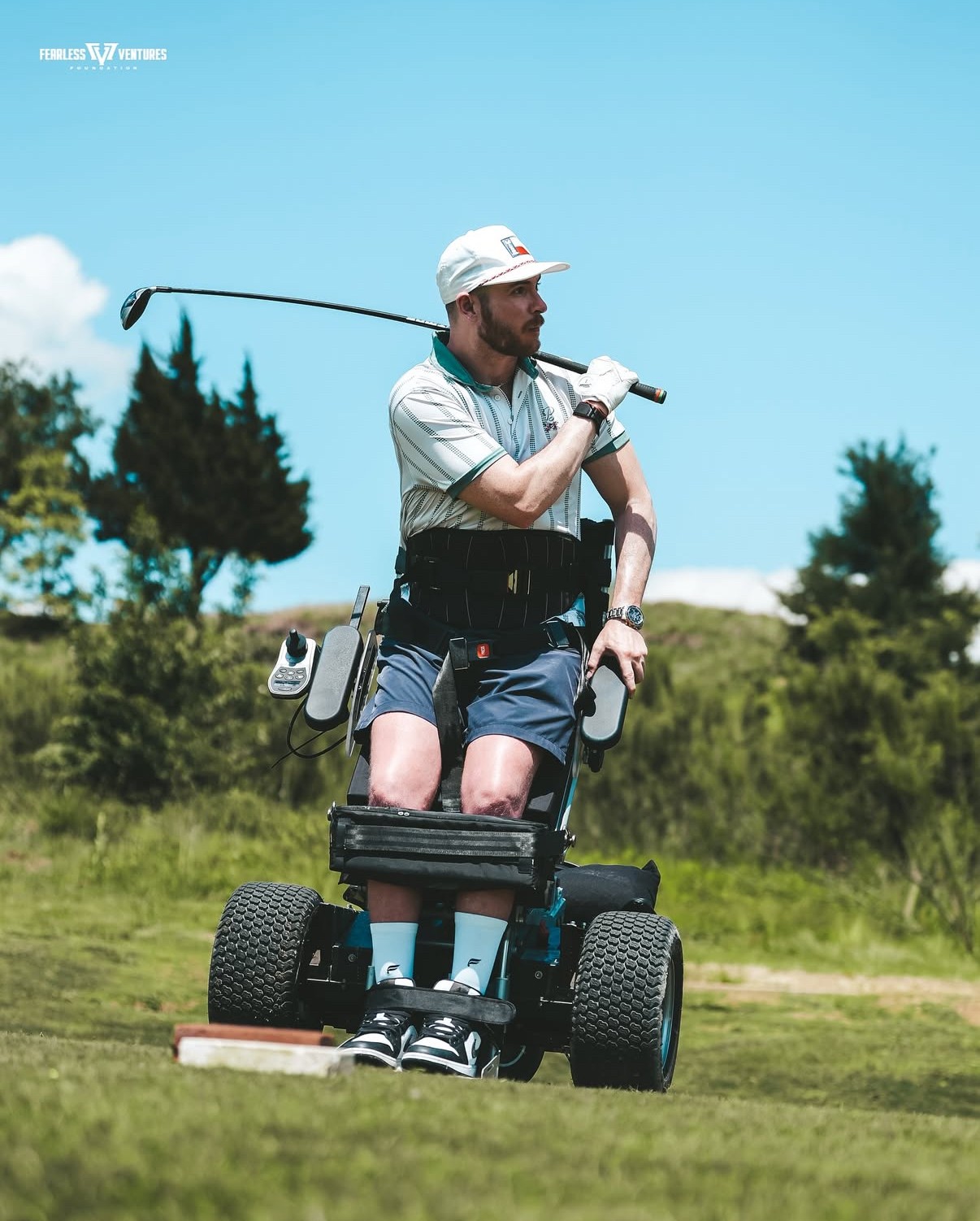
My goal is to pursue internships and post-MBA roles in strategy and innovation with companies focused on curing spinal cord injury and supporting the broader disability community. I also plan to build my own ventures that help others regain mobility, community, and purpose. Some of the initiatives I am working on include launching a nonprofit to bring adaptive stand up and play golf carts to public courses across Texas, helping people with disabilities or mobility challenges rediscover their love for the game. I am also planning to start a United Spinal Association chapter in Austin and Central Texas to create a local support system and organize adaptive events that bring people together.
Outside of business and rehab I am passionate about adaptive sports, especially skiing. I recently received a grant to purchase my own sit ski so I can continue hitting the slopes with friends and family.
This journey has not been easy, but it has given me a deeper sense of direction and purpose than I ever had before. I believe that our hardest moments can be the foundation for our most meaningful work, and I am just getting started.
I’m sure it wasn’t obstacle-free, but would you say the journey has been fairly smooth so far?
It has definitely not been a smooth road. The first few months after my injury were filled with support from friends, family, and my community, which helped carry me through the early stages of recovery. But around the eight-month mark, that support started to fade. People returned to their normal lives, and I was left sitting in the reality of mine. That is when my mental health really started to deteriorate.
I knew I needed help and started searching for a therapist who understood spinal cord injury on more than just a clinical level. I eventually found a woman named Leslie. I did not know much about her before our first appointment, but I prefer doing things in person so I showed up. To my surprise, she was also in a wheelchair. She had a similar level of injury to mine and instantly understood the deeper layers of the struggle.
Spinal cord injury is about so much more than not being able to walk. It affects bowel and bladder function, sexual health, and even your psychological well-being from no longer being eye level with your peers. It makes you vulnerable to infections, bone fractures, and pressure sores that can be deadly.
On top of all that, the world is simply not built for people in chairs. Everything takes more time. Getting dressed, transferring into the chair, planning routes to avoid stairs, and sometimes having to miss out altogether. The physical adjustment is hard enough, but the emotional toll of feeling excluded or invisible adds an entirely different layer.
It took time, reflection, and a lot of internal work to start turning that pain into purpose.
Alright, so let’s switch gears a bit and talk business. What should we know about your work?
Before my injury, I spent seven years working in the oil and gas industry with the most recent role of a Senior Production Operations Engineer . I was known for solving complex operational problems, managing field assets, and leading cross-functional teams in high-pressure environments. After my accident, I had to redefine what “work” and “purpose” meant to me.
Now my work is centered around using my lived experience with spinal cord injury to drive change. I am focused on improving access, education, and innovation for people with disabilities. I am preparing to begin my MBA at UT Austin, where I will specialize in strategy, entrepreneurship, and innovation. I hope to work with companies developing biotech solutions for spinal cord injuries while also building ventures that serve the adaptive community.
I am currently working on launching a nonprofit that raises funds to place adaptive stand up and play golf carts at municipal courses across Texas. I am also in the process of starting a local chapter of the United Spinal Association in the Austin area to build a strong network of support, resources, and events that empower people with disabilities to get back to doing what they love.
What sets me apart is my mindset. I have lived through something that could have broken me, but I chose to fight and rebuild. I do not just talk about resilience or advocacy, I live it. I bring both the technical expertise from my engineering background and the personal insight of navigating life with a spinal cord injury. That combination allows me to connect with others, solve real problems, and create impact that is both meaningful and practical.
What I am most proud of is betting on myself. Rolling away from a safe and high-paying role to pursue something uncertain was not easy, but I knew I had a bigger purpose. Every push I take now is about turning pain into power and helping others see what is still possible.
Alright, so to wrap up, is there anything else you’d like to share with us?
Yes! I just want people to know that life can completely change in an instant, but that does not mean it is over. It means you have a choice. I went from being an able-bodied engineer with a clear career path to suddenly waking up in a hospital unable to move my legs. I think it is important for people to understand that living with a spinal cord injury is not something you get to take a break from. You live with it every second of every day. There is no clocking out. Whether it is dealing with nerve pain, managing bladder and bowel routines, navigating accessibility barriers, or just constantly adjusting to a world that is not built for you, it is always there. That kind of shift tests every part of you but it also reveals strength, clarity, and purpose you did not know you had.
If you are going through something hard, whether it is visible or not, know that you are not alone. There are communities, tools, and people out there who want to help you rise. I would not be where I am today without the support of organizations like Adaptive Training Foundation, friends and family who stuck by me, and the decision to keep showing up for myself even when things felt impossible.
Now I am focused on helping others do the same. Whether it is through adaptive sports, nonprofit work, or driving innovation in disability focused businesses, I want to be part of a movement that reminds people that a setback is not the end of the story. Sometimes it is the start of something greater than you ever imagined.
To anyone out there facing a challenge, whatever it looks like, keep going! Your comeback may become someone else’s survival guide!
Contact Info:
- Instagram: Thenickferris
- Facebook: Nick Ferris
- LinkedIn: https://www.linkedin.com/in/nick-ferris1

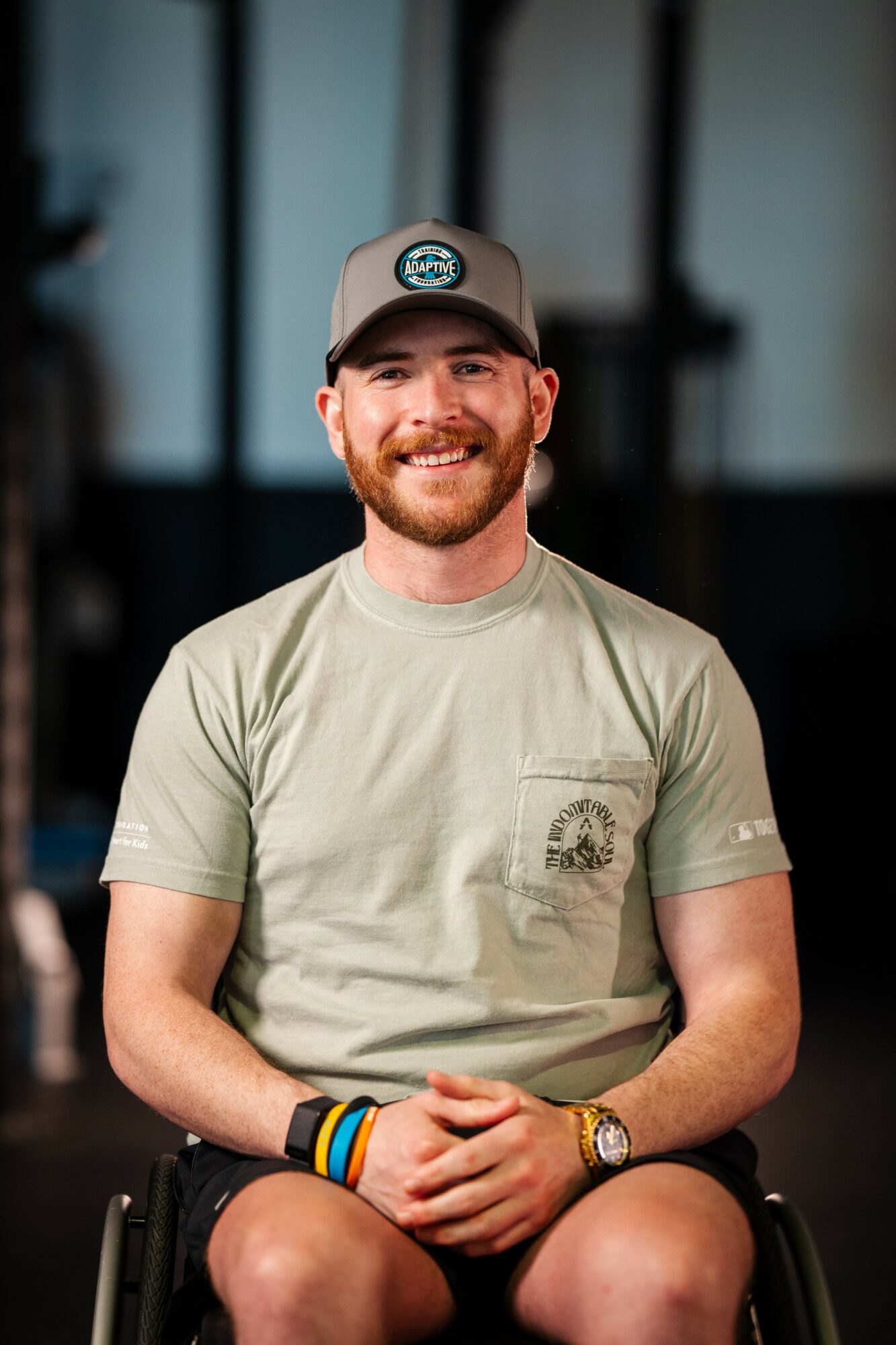
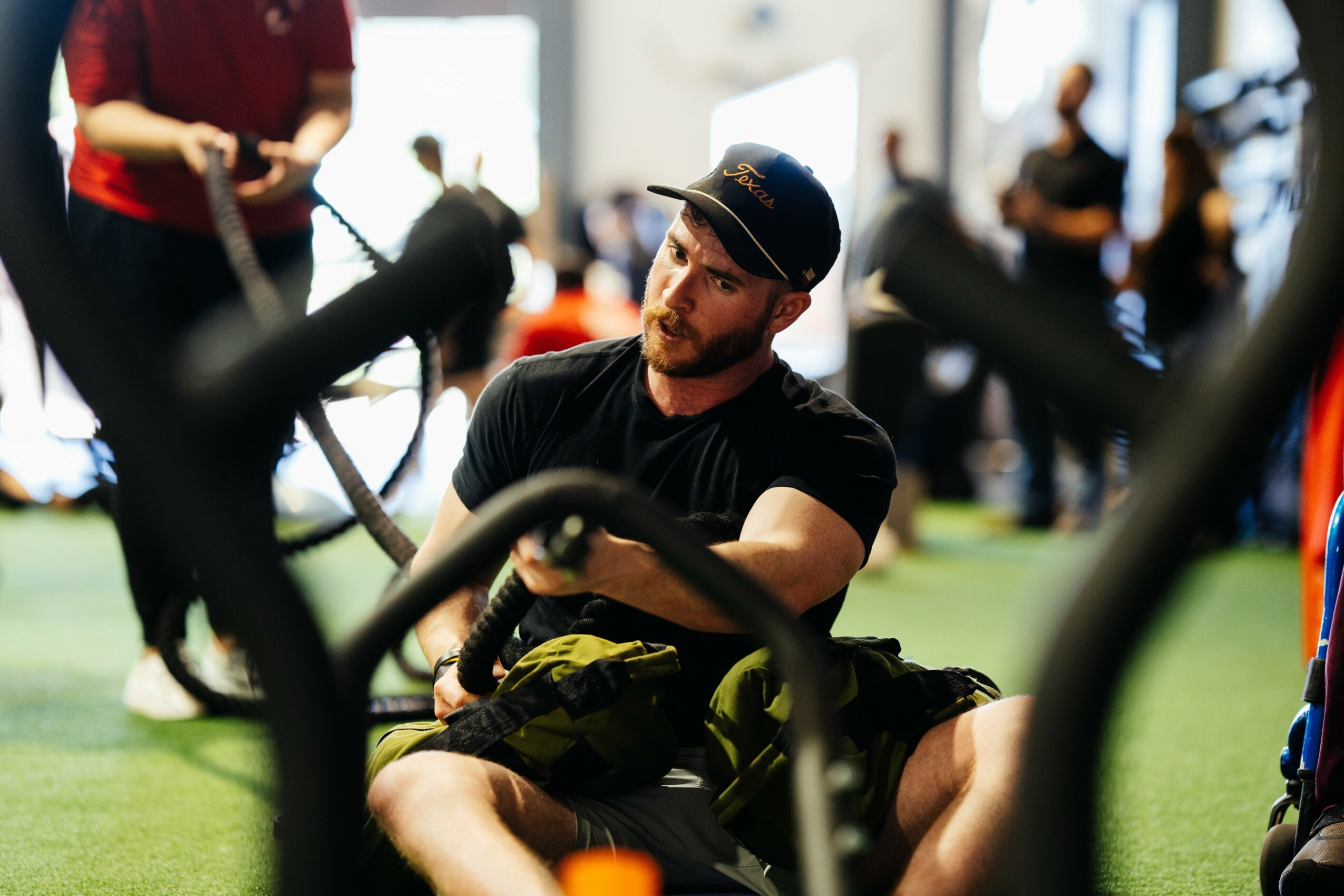

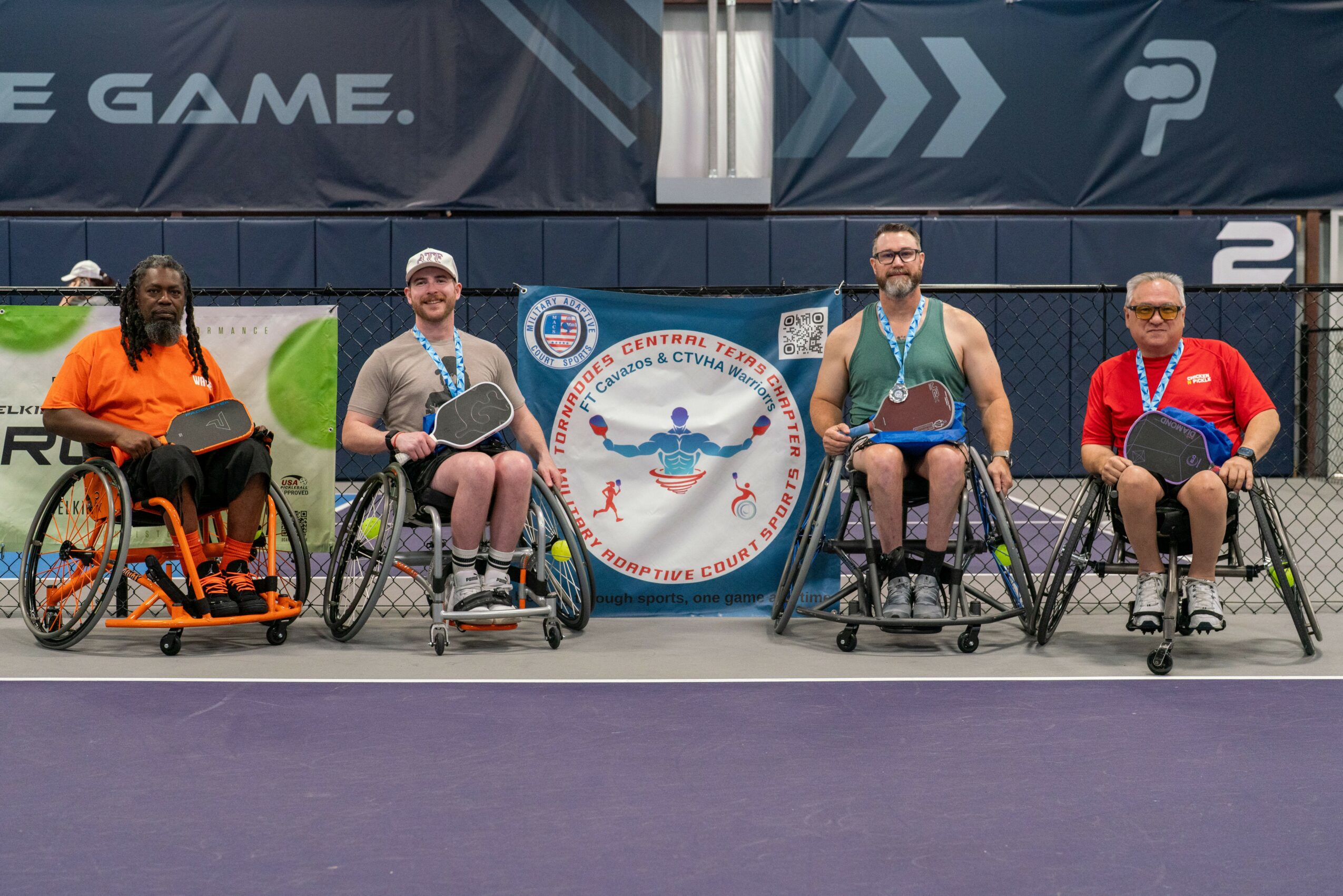
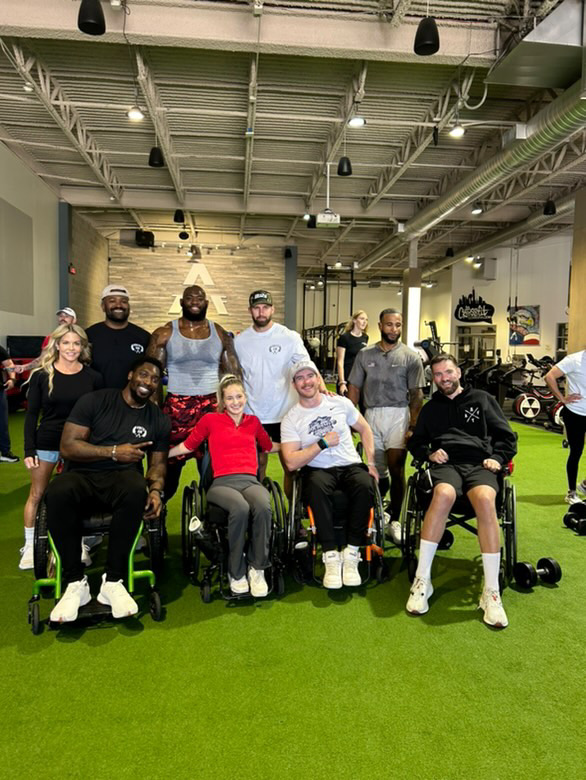
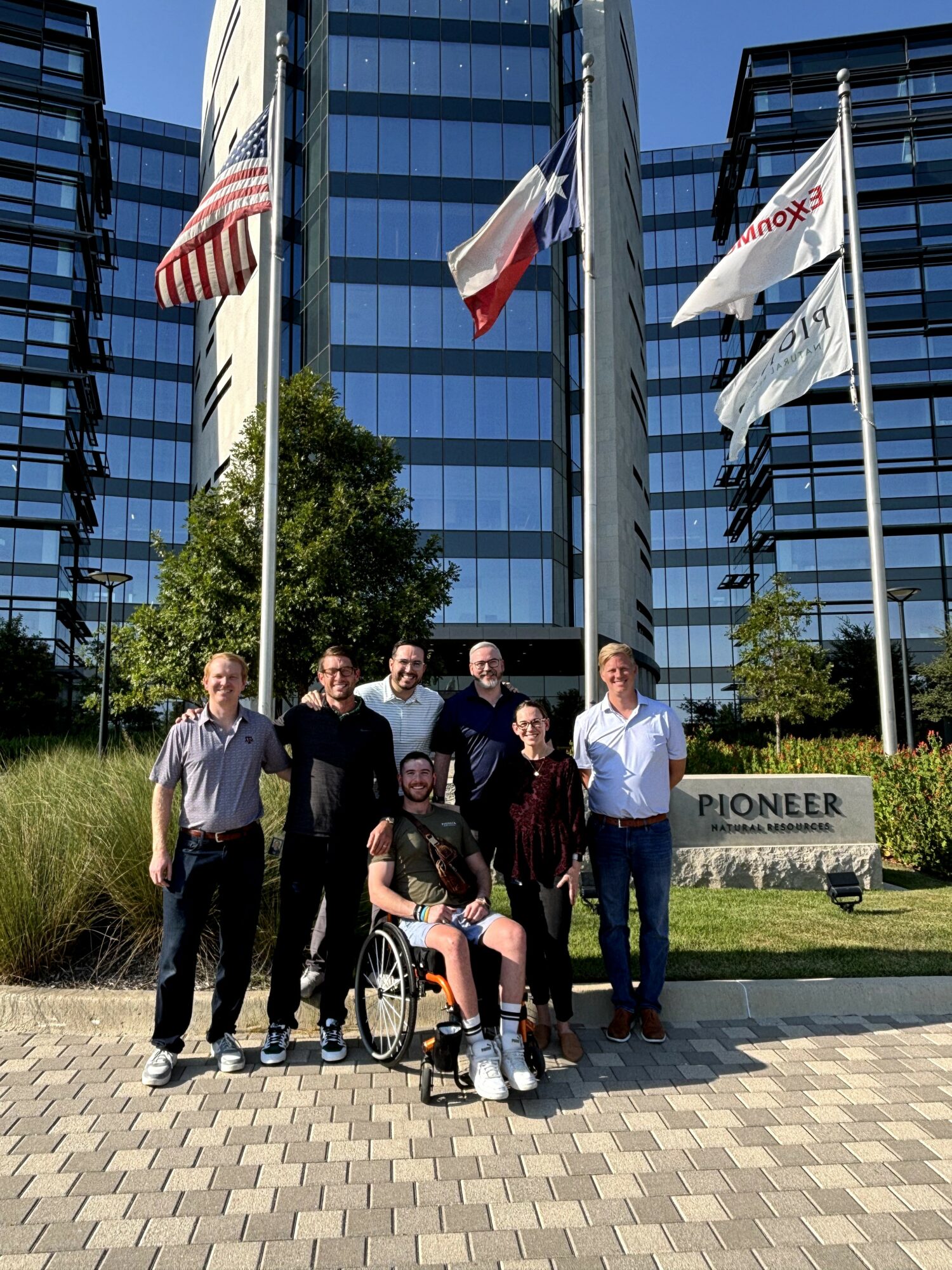
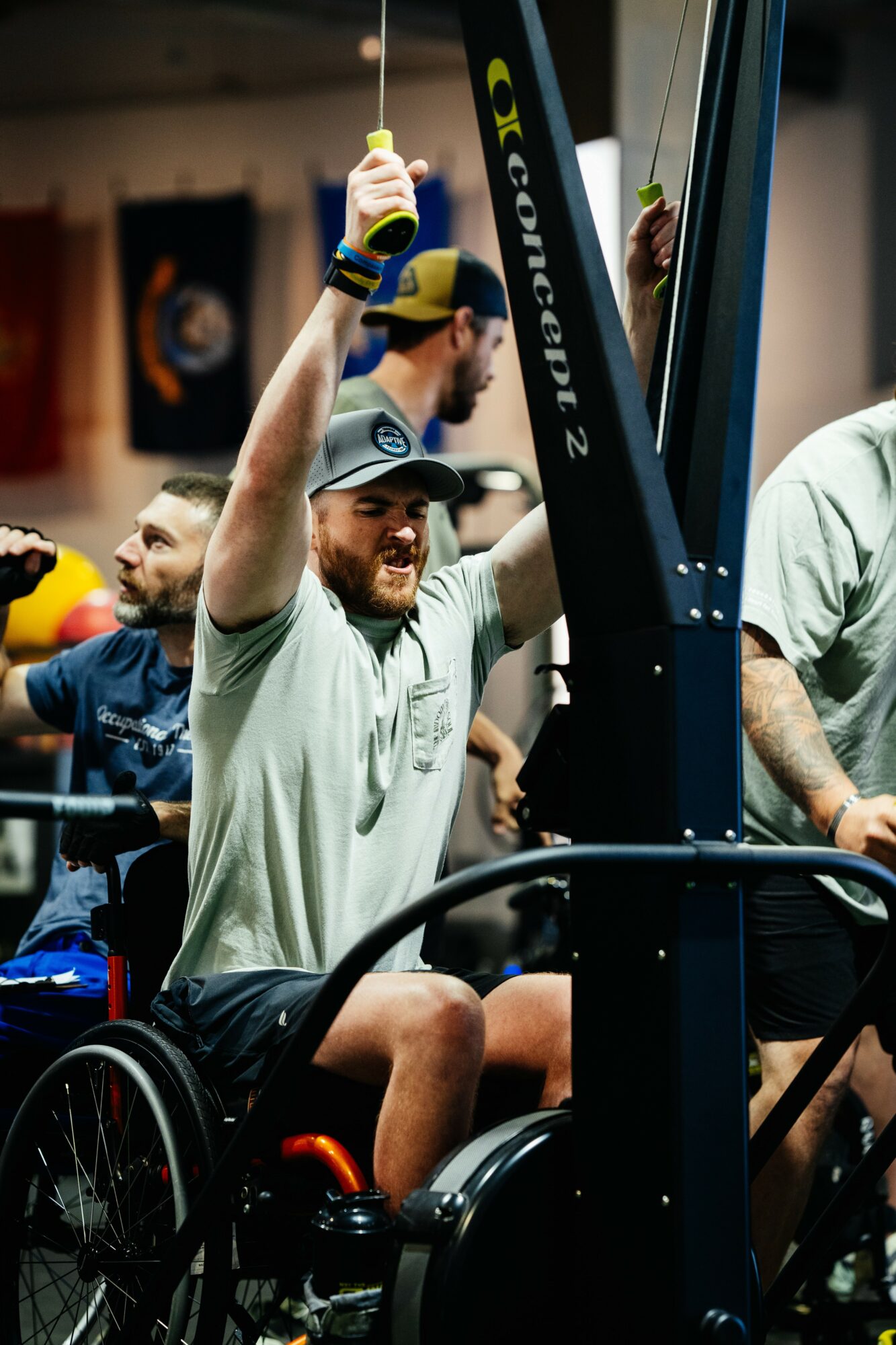

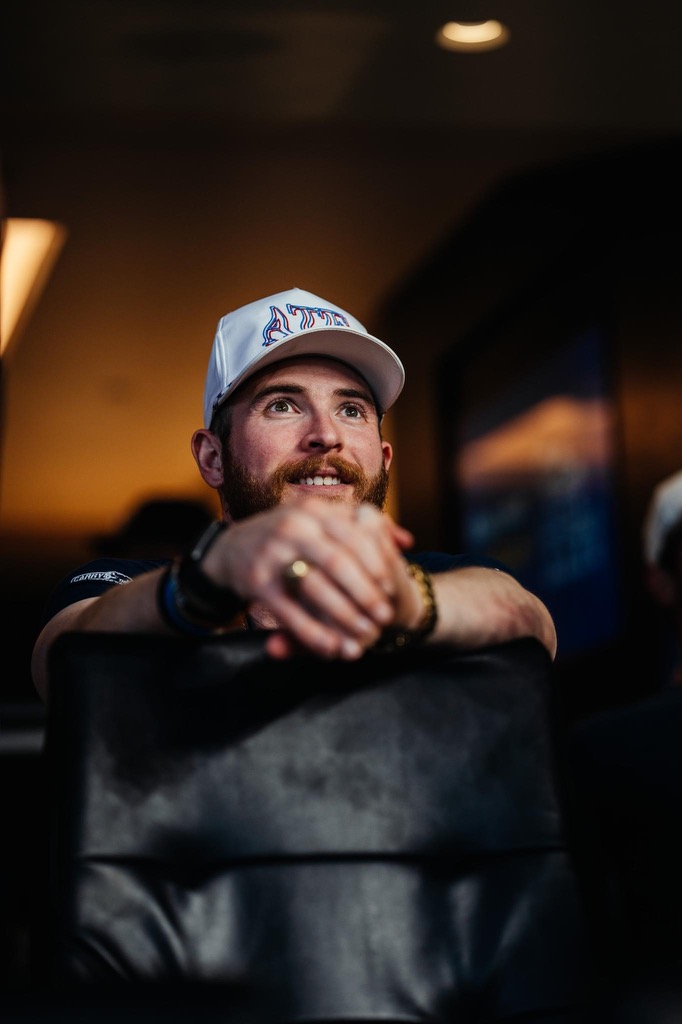
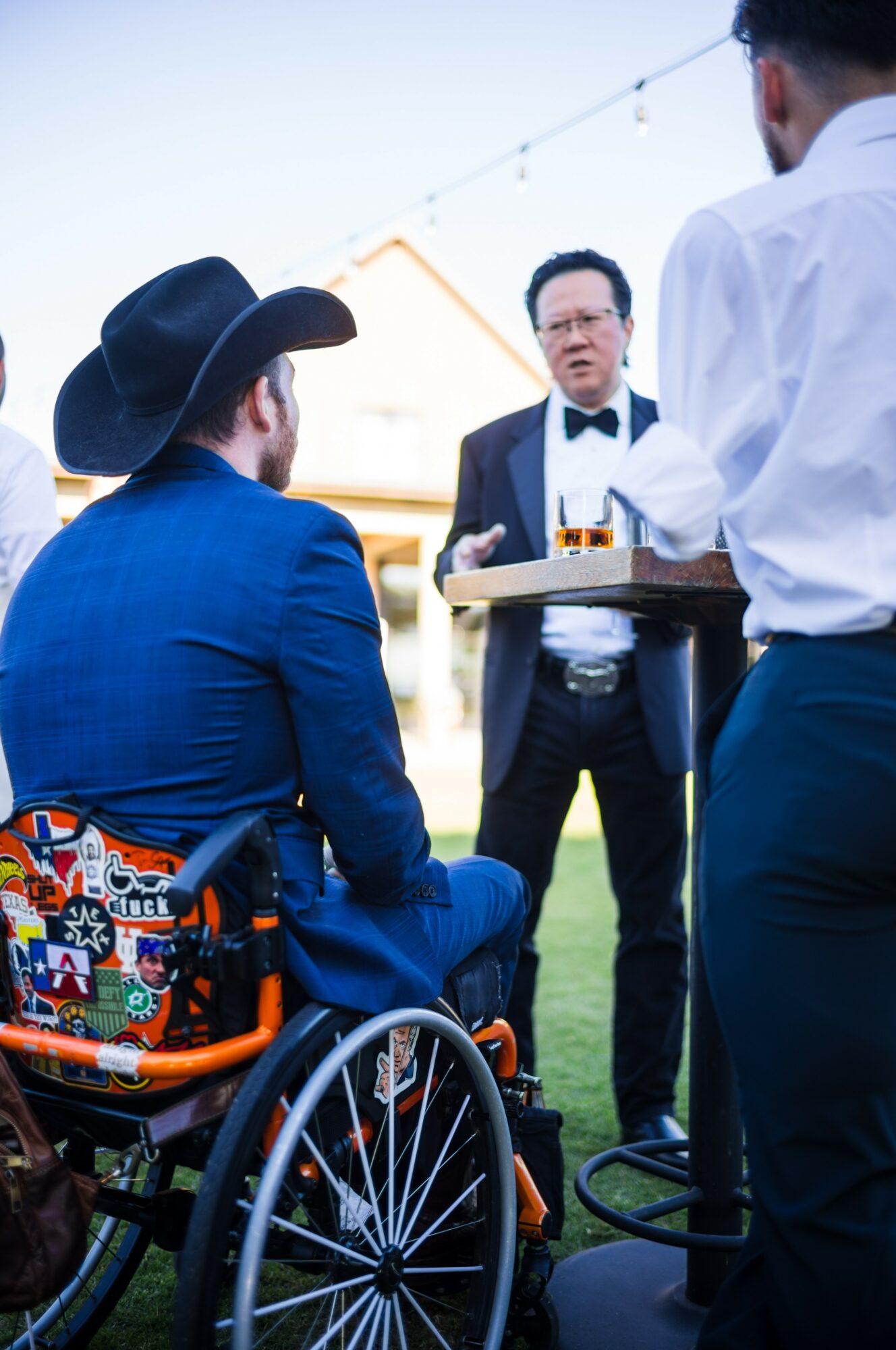
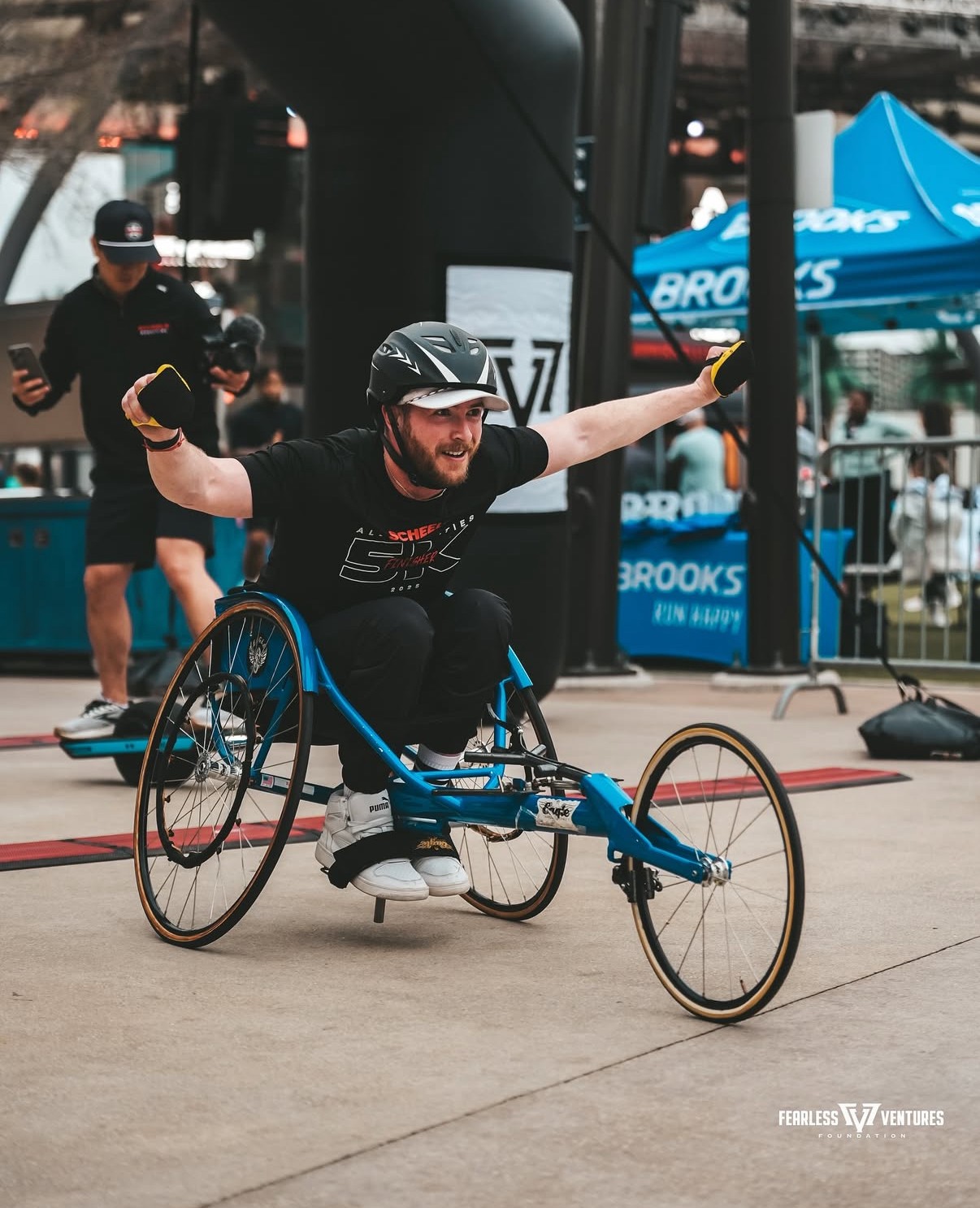
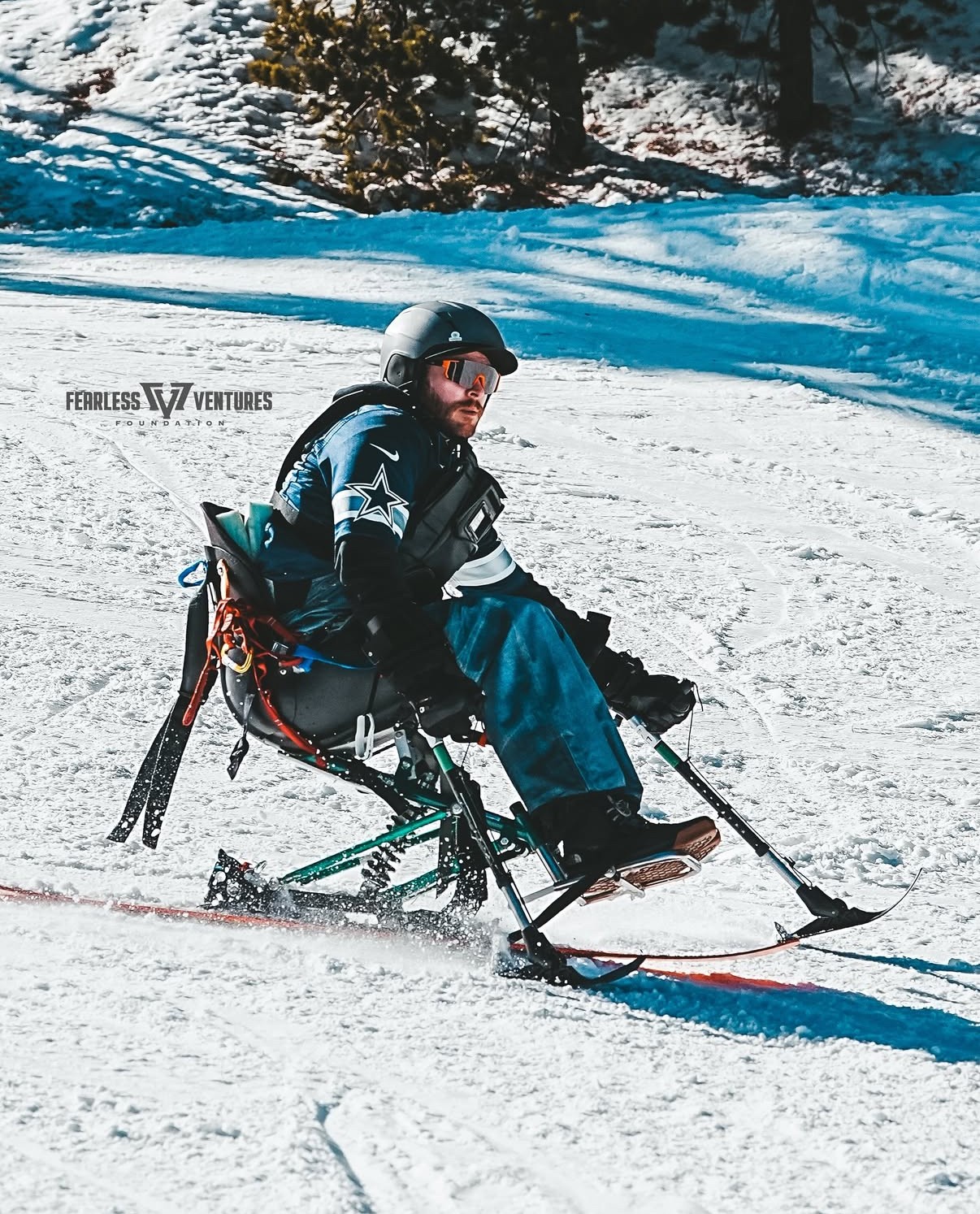
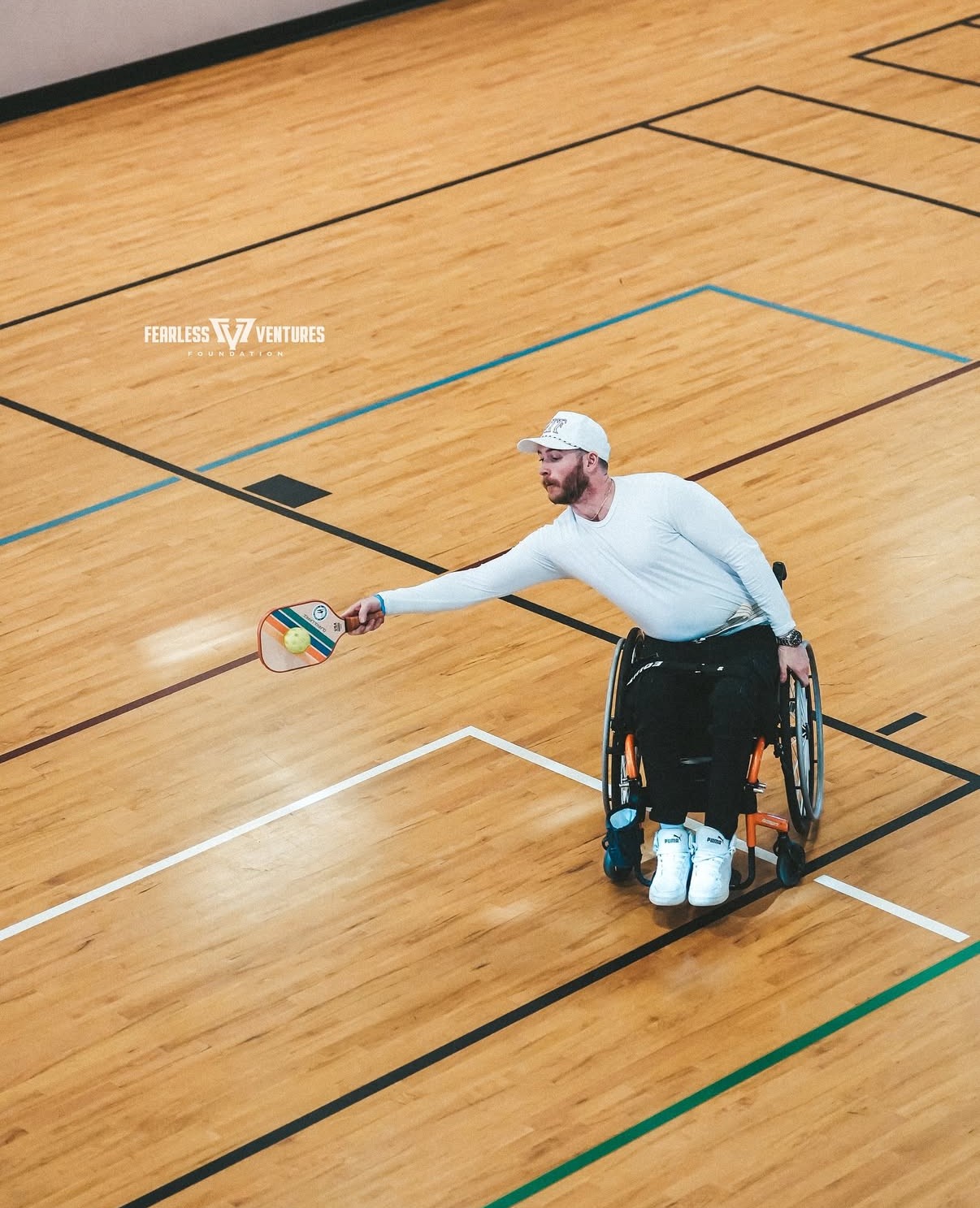
Image Credits
Brittany May