




We’re looking forward to introducing you to Samantha Kristoferson. Check out our conversation below.
Hi Samantha, thank you for taking the time to reflect back on your journey with us. I think our readers are in for a real treat. There is so much we can all learn from each other and so thank you again for opening up with us. Let’s get into it: Are you walking a path—or wandering?
A bit of both, honestly.
From the outside it might look like wandering—I’ve been living nomadically this past year, moving from place to place without a fixed address. But on the inside, it feels like I’m walking a very intentional path. I check in daily with my intuition and let that guide where I go, who I spend time with, and how I show up. I’m doing my best to live in the present moment instead of rushing toward the next thing or clinging to what used to feel safe.
This season of my life has been about listening more deeply—to my body, my creativity, and the quieter inner voice that knows when something is aligned or when it’s time to let go. I’ve been doing a lot of healing work: meeting the shadow parts of myself with honesty, releasing unhealthy patterns and relationships, and taking responsibility for my own growth. That hasn’t always been comfortable, but it’s been incredibly clarifying.
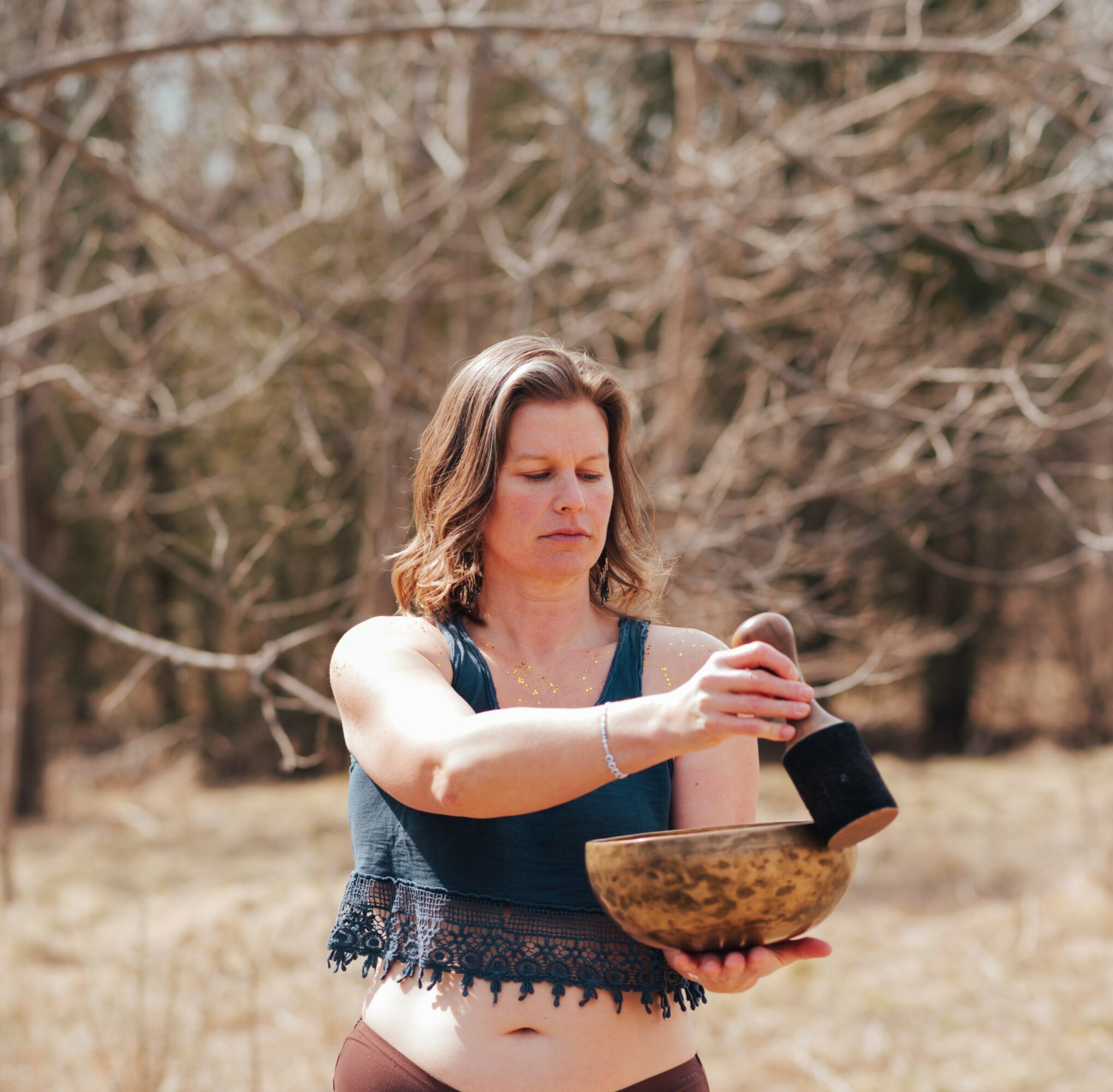
At the same time, I’m reconnecting with my inner child and artist. I express that through yoga, music, and song circles—spaces where people can soften, breathe, and remember their own voices. Being available in those moments, whether I’m teaching, singing, or simply holding space, feels like a big part of why I’m here right now.
So yes, I’m wandering—but not lost. I’m trusting that by staying present, open, and willing to grow, I’ll continue to receive what’s meant for me, and offer what I can along the way.
Can you briefly introduce yourself and share what makes you or your brand unique?
My name is Samantha Kristoferson, and at heart I’m a space-holder, a teacher, and a creative. For many years I ran a community wellness space called The Studio: A Healing Place, where I hosted yoga classes, workshops, and gatherings rooted in connection and self-awareness. Since then, my life—and my work—has shifted in a big way.
I now live nomadically with my family, and that lifestyle has deeply shaped how I offer my work. Instead of being tied to one location, I bring yoga, music, and reflective practices to wherever I am—online, in small community spaces, outdoors, and in more intimate, human-scale settings. My work focuses on helping people slow down, reconnect with their bodies and inner wisdom, and feel safe expressing themselves, especially through breath, movement, and voice.
What feels most unique about what I do is that it’s not about performance or perfection. I’m not trying to “fix” anyone. I create spaces where people can show up as they are—tired, curious, guarded, joyful—and feel welcomed. Song circles, gentle yoga, and guided experiences become tools for remembering parts of ourselves that often get buried under busy lives and expectations.
My own journey has included sobriety, deep personal healing, and a willingness to let go of what no longer fits, even when that’s uncomfortable. I think people can feel that honesty in the spaces I hold. Right now, I’m continuing to offer virtual and in-person experiences, creating audio content, and exploring what it means to build community without walls—meeting people where they are, just like I’m learning to do in my own life.
Okay, so here’s a deep one: What part of you has served its purpose and must now be released?
I’m in the process of releasing the inner critic—the part of me that cuts down my own growth just as I start to expand. For a long time, that voice served a purpose. It kept me alert, protected, and “in line” in environments where being small or careful felt safer than being fully expressed. But now, it’s become a saboteur. It shows up when I’m sharing my voice, creating, or stepping into visibility, and it tries to convince me to pull back.
Letting go of this part hasn’t been simple or quick. I’ve done a lot of the things people talk about when it comes to healing—somatic work, counseling, group circles, meditation, silence, music, plant medicines, cleanses, cognitive behavioral therapy, affirmations, and daily practices of presence. All of that has helped, but what’s been most eye-opening is realizing that this voice isn’t always logical. Some of the beliefs driving it live below the level of conscious thought, even when my rational mind knows they aren’t true.
One of the biggest breakthroughs came through intuitive kinesiology work with a close friend, where we uncovered unconscious beliefs that were still running the show in my body, even though my brain didn’t agree with them. That experience helped me understand that healing isn’t about forcing a part of myself to disappear—it’s about listening more carefully, bringing compassion to what once kept me safe, and choosing something new when I’m ready.
I’m still in this process. Releasing the inner critic is less about “winning” against it and more about trusting myself enough to keep creating, speaking, and showing up anyway. And each time I do, that old voice loses a little of its power.
Is there something you miss that no one else knows about?
I deeply miss the way my dad’s side of the family used to gather and sing together. When I was growing up, we would meet at my grandparents’ house, and somehow we’d always end up around the table or the fire, singing along while my Uncle John played guitar. It wasn’t planned or polished—it was just people being together, sharing songs, laughter, and presence. I remember those moments clearly into my mid-teens, and then, slowly, they disappeared.
After my grandfather passed away, things began to change. Family dynamics shifted, tensions grew, and those easy, connective gatherings faded. When my grandmother later died and the house was sold, it felt like more than just a physical place being lost—it felt like the end of a shared rhythm that had quietly held us together.
What I miss most isn’t the house or even the specific songs. It’s the feeling of belonging that came from singing together without self-consciousness or expectation. That sense of being woven into something larger than yourself.
I’ve been fortunate to touch that feeling again in recent years by intentionally calling in singing circles with friends and community. One especially powerful experience was a four-day workshop with Leah Song of Rising Appalachia, where a diverse group of more than thirty people sang together as a community choir. It reminded me that this kind of connection still exists—and that it can be created again, even if it looks different than it once did.
In many ways, that longing is part of what guides my work today. It’s a quiet remembering, and an ongoing invitation to gather, to sing, and to belong.
Next, maybe we can discuss some of your foundational philosophies and views? Is the public version of you the real you?
Yes—and also no.
The public version of me is real in the sense that it’s rooted in truth. What people see—my love of music, yoga, reflection, and connection—is genuine. I don’t perform a persona that’s separate from who I am in private. At the same time, it’s only a slice of the full picture.
Like most people, I’m layered. There are parts of me that are joyful and expressive, and parts that are quiet, uncertain, and still learning. The public version tends to show the pieces that are easier to share, while the more tender or messy moments happen offstage, in close relationships, and in my own inner work.
What’s important to me is not pretending to have it all figured out. I don’t teach or create from a place of perfection—I create from lived experience. I’m walking the same path I invite others into: listening, unlearning, healing, and practicing compassion for myself along the way.
So the public version of me is real—but it’s not the whole story. And I think that’s true for most of us. The goal, for me, isn’t to be fully visible all the time, but to be honest where I am, and human in how I share it.
Okay, we’ve made it essentially to the end. One last question before you go. What do you think people will most misunderstand about your legacy?
I think people might misunderstand my relationship to risk and long-term thinking. I care deeply about seven-generation thinking—making choices that consider not just my own life, but the ripple effects on future generations, community, and the earth. From the outside, some of my decisions may look risky or unconventional, and people might assume that means I’m not grounded in long-term responsibility. In truth, those risks are often taken in service of that bigger vision, even when they don’t fit neatly into traditional ideas of stability.
I also think people may misunderstand my creative work as a desire for recognition or fame. That’s never been the goal. I’m not trying to be known as a creative person—I’m trying to normalize creativity as something we all carry. My hope is to inspire people to stop waiting for permission, to loosen the excuses that keep them hiding their voice, their art, or their ideas. Creativity, to me, isn’t a competition or a limited resource.
That said, I’ll be honest—I am competitive. I like growth, momentum, and challenge. But that competitiveness isn’t about being “better than” others. It’s about pushing past my own edges and encouraging others to do the same, side by side. If my legacy is misunderstood as chasing attention instead of cultivating courage, that would miss the heart of what I’m trying to offer.
What I’m really working toward is a world where more people trust their creative energy, take responsibility for it, and realize there’s room for all of us to shine—together.
Contact Info:
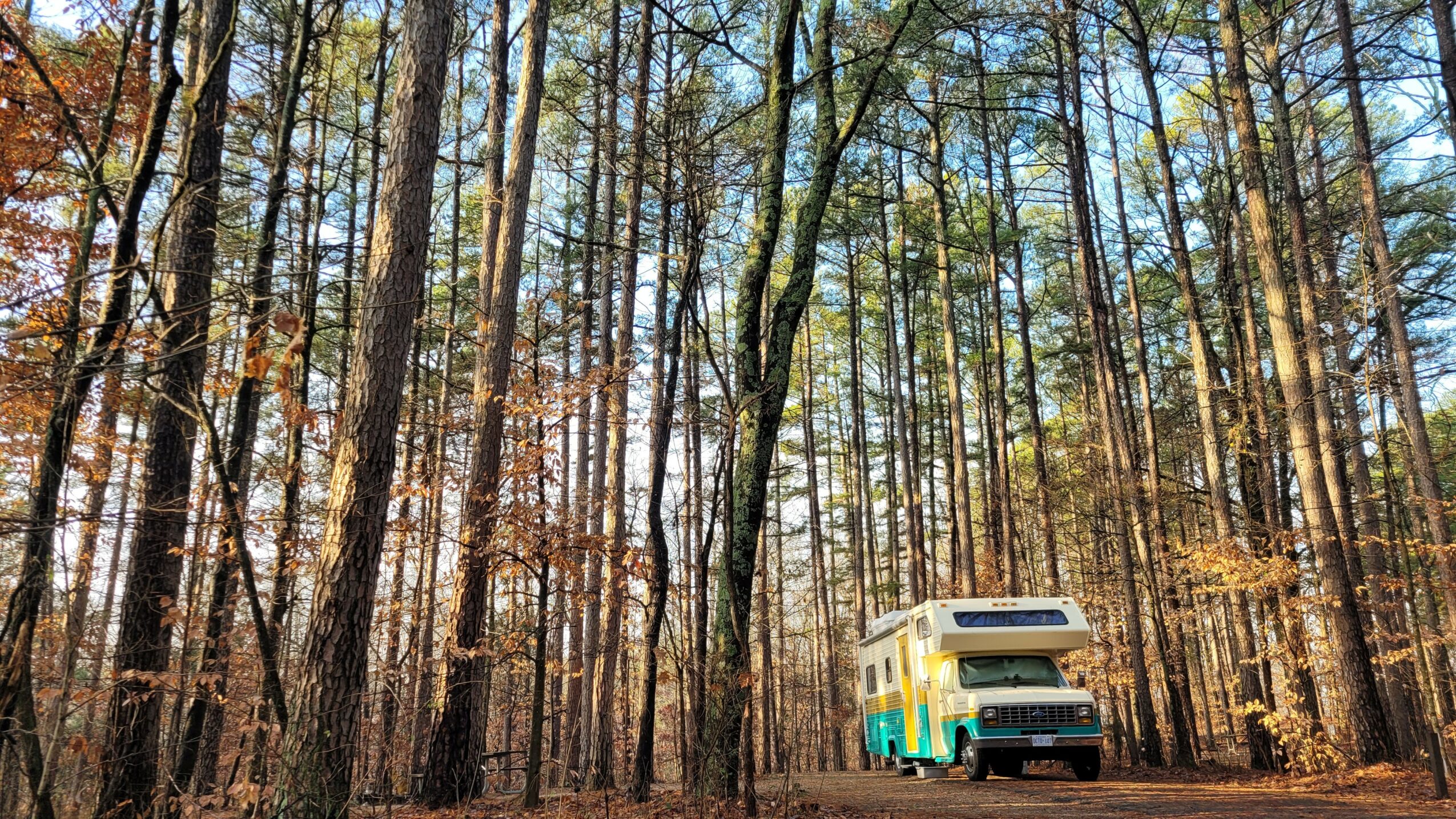


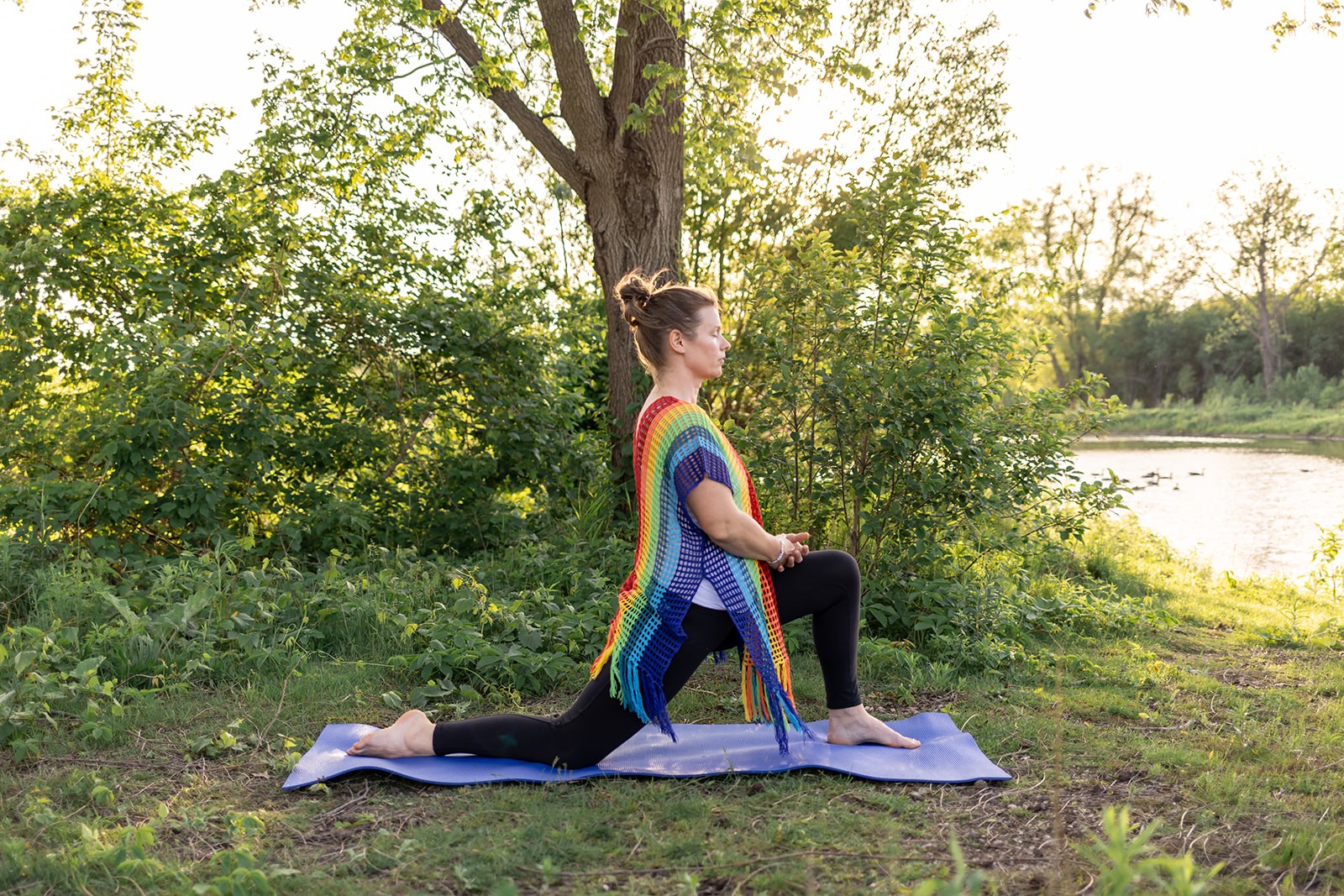
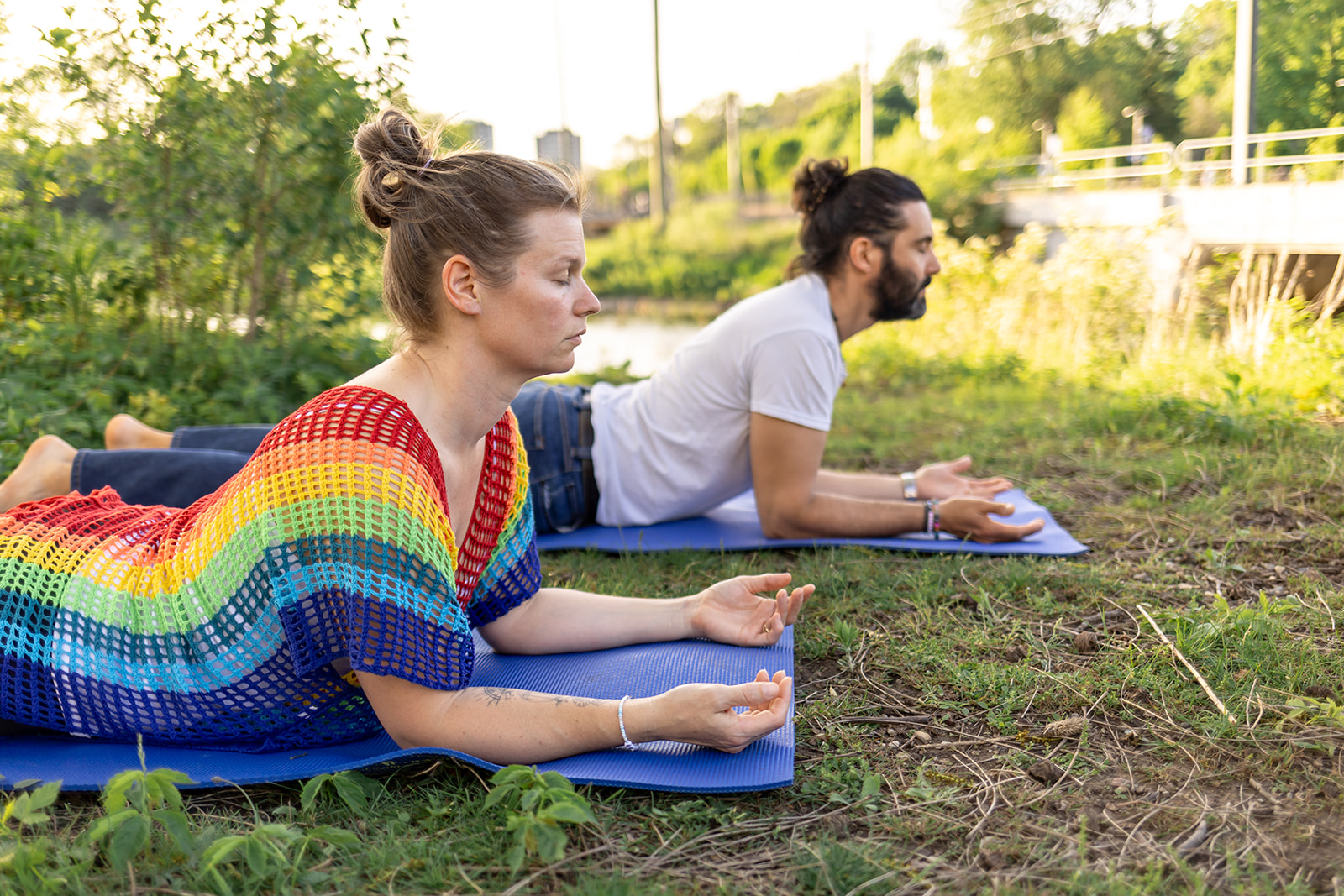
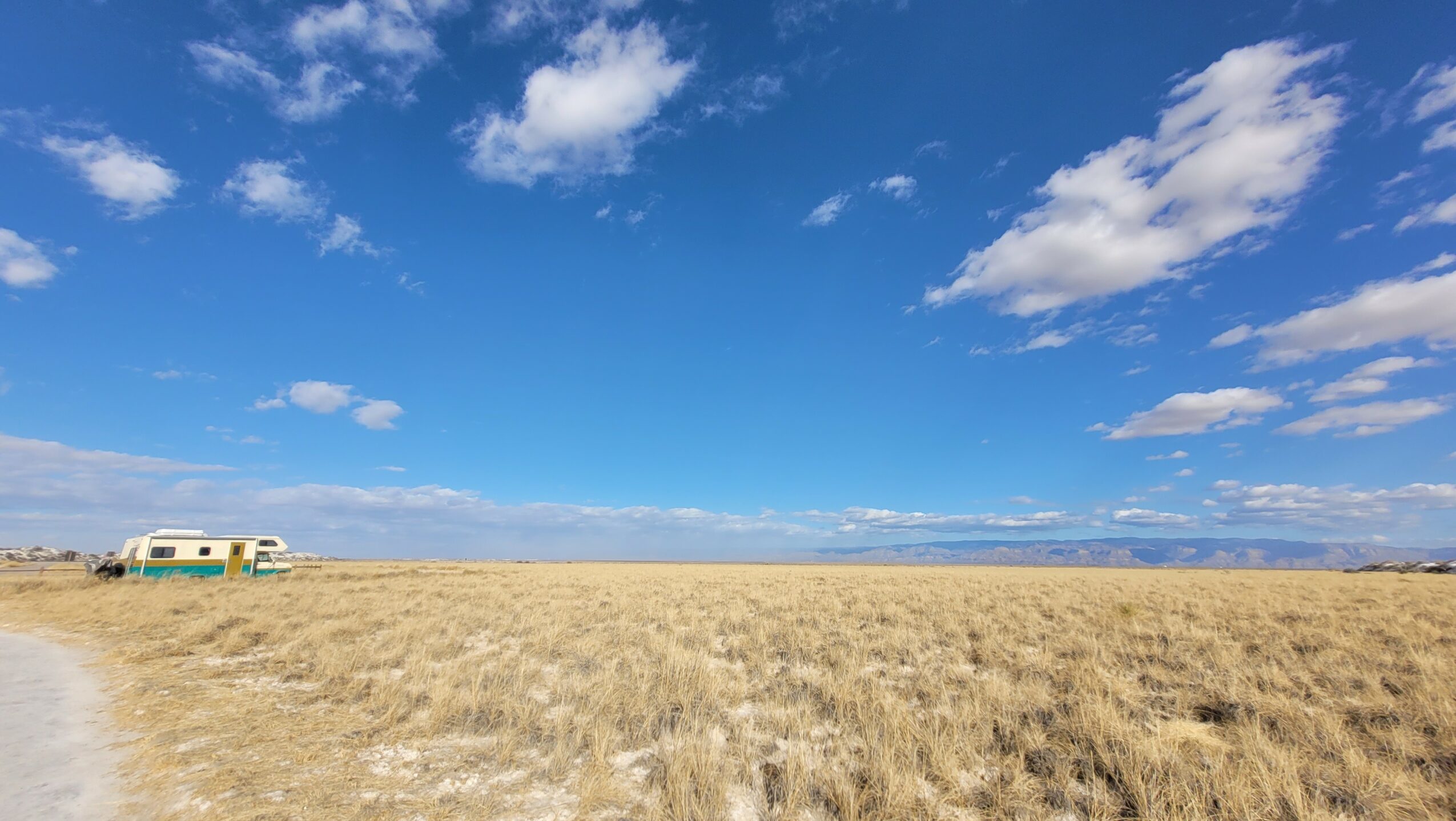
Image Credits
Scandaleuse Photography
Natalie Nunn Photography
Samantha Kristoferson